Hotels in Tenei
Discover your perfect stay in Tenei.
Tenei(Japan) Travel 2026: Cheap Flights, Hotels & Top Attractions
Popular Landmarks in Tenei
Discover the most iconic attractions in Tenei
Recommended Hotels in Tenei
Find the perfect place to stay in Tenei
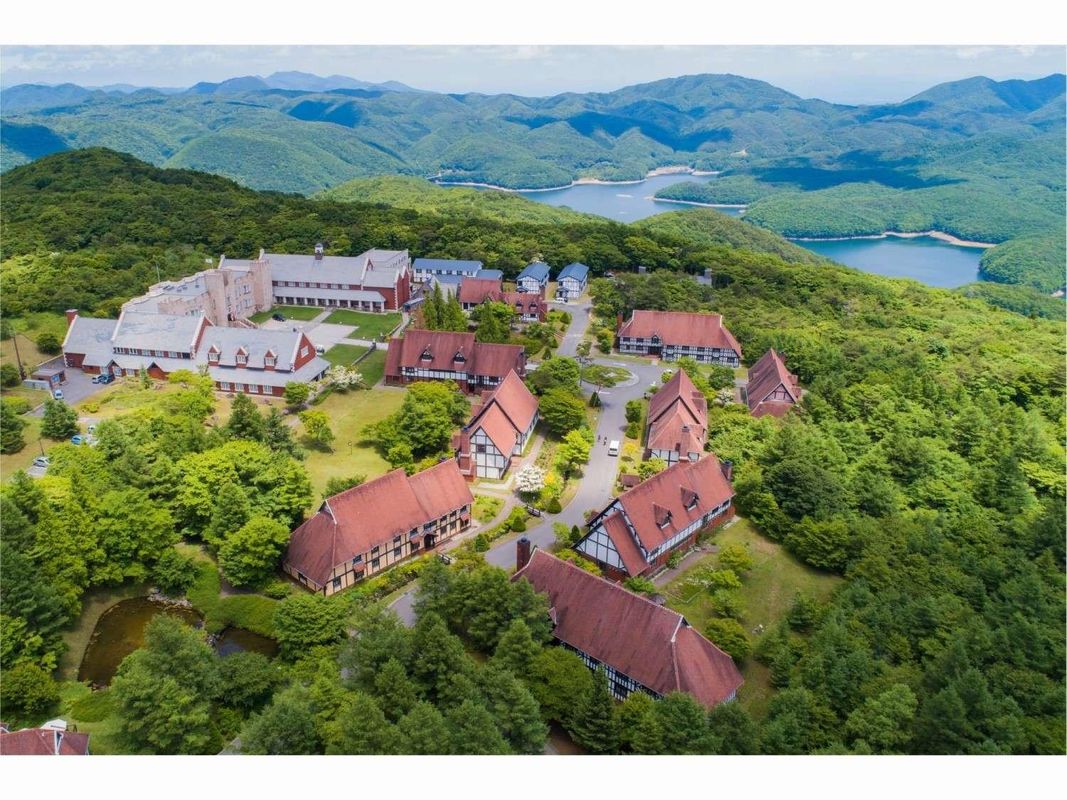
British Hills
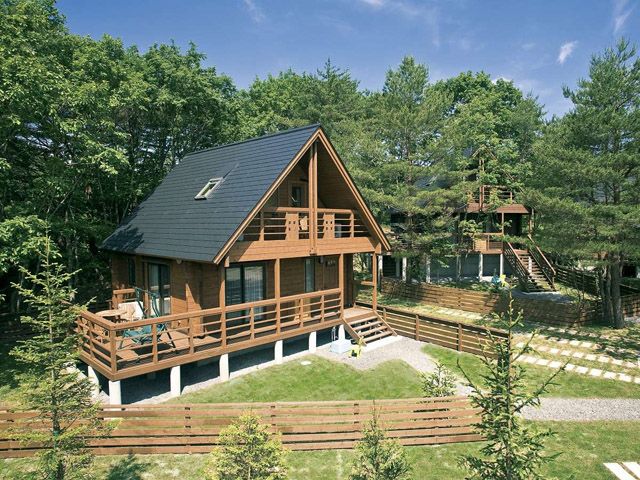
Angel Forrest Shirakawakougen
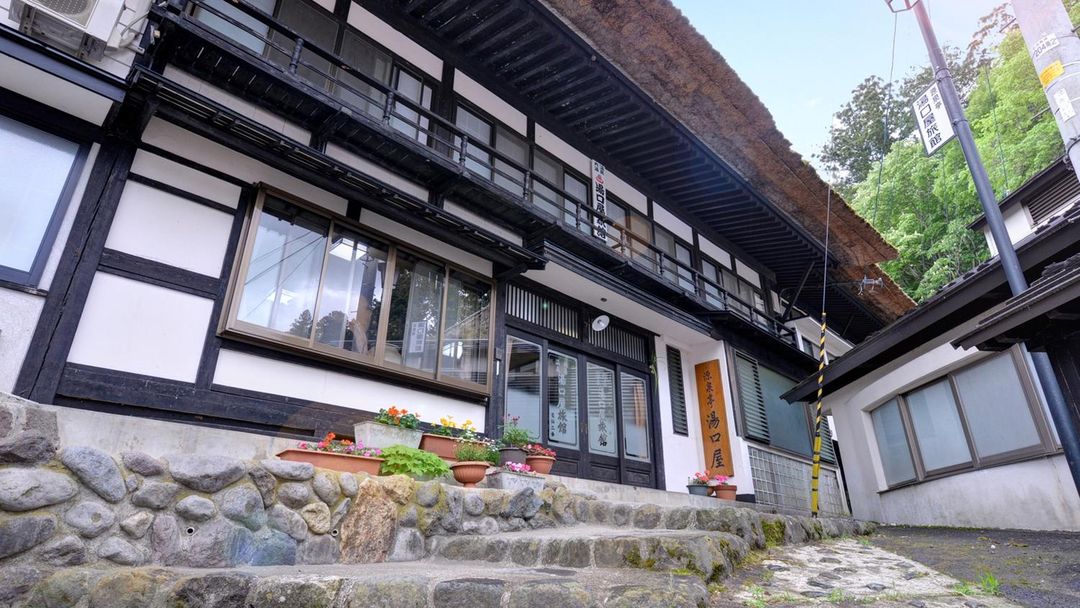
Gensentei Yuguchiya Ryokan
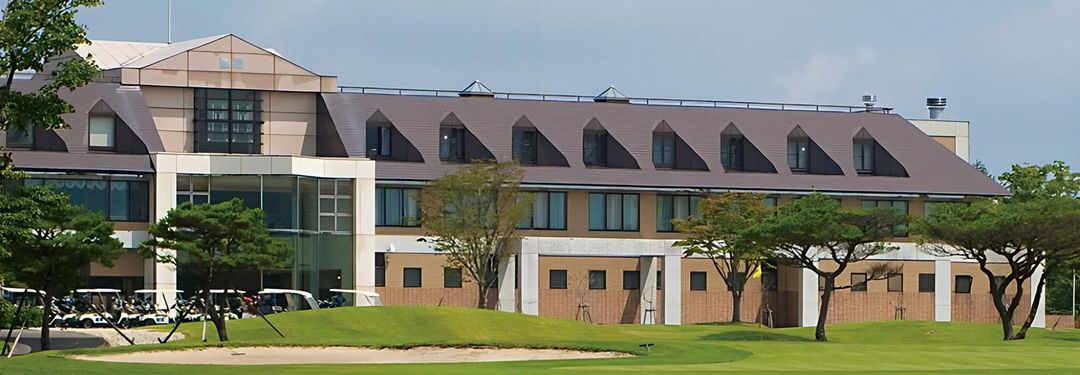
Villa the Club Shirakawa
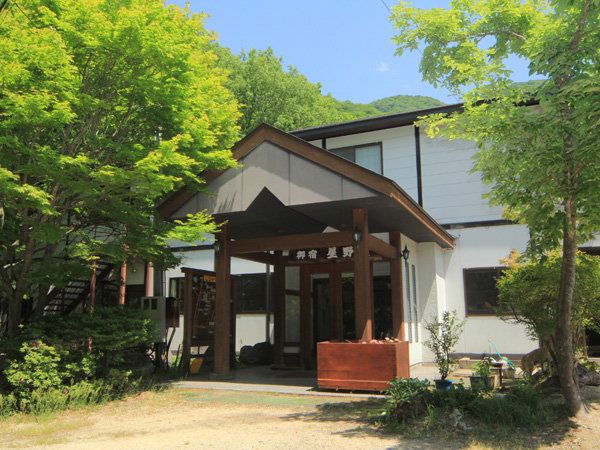
Onyado Hoshinoya Bekkan
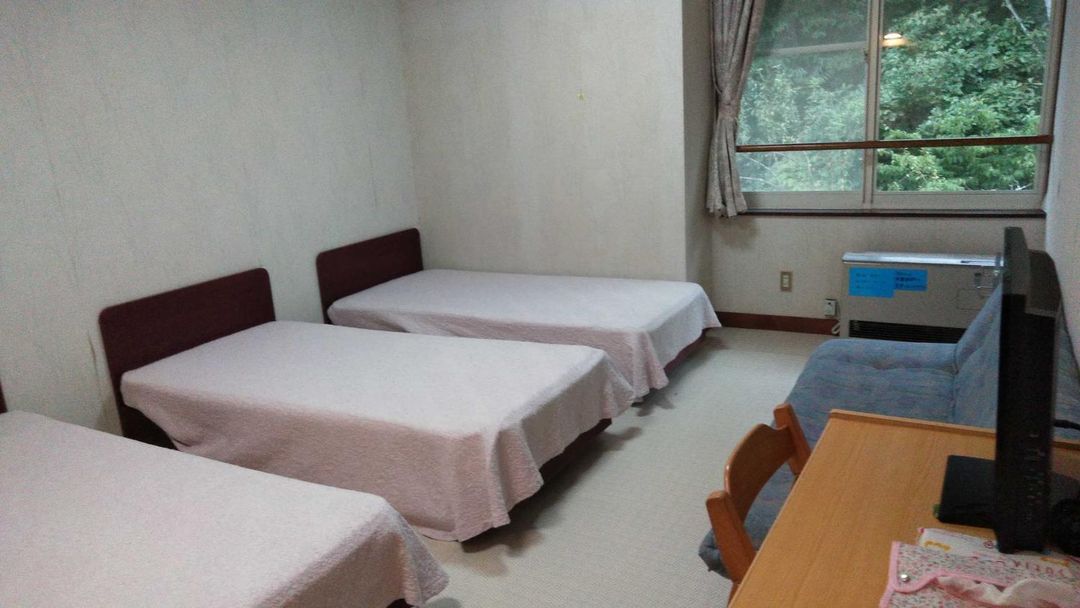
Pension Sun Garden
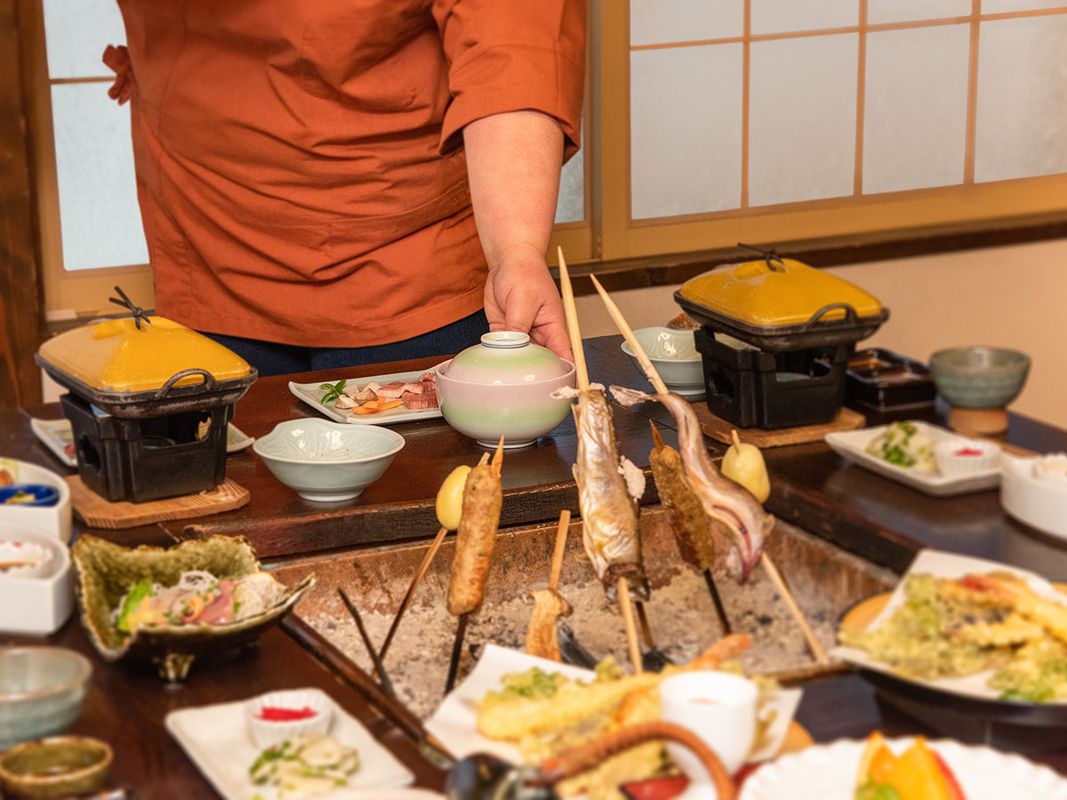
Bunke
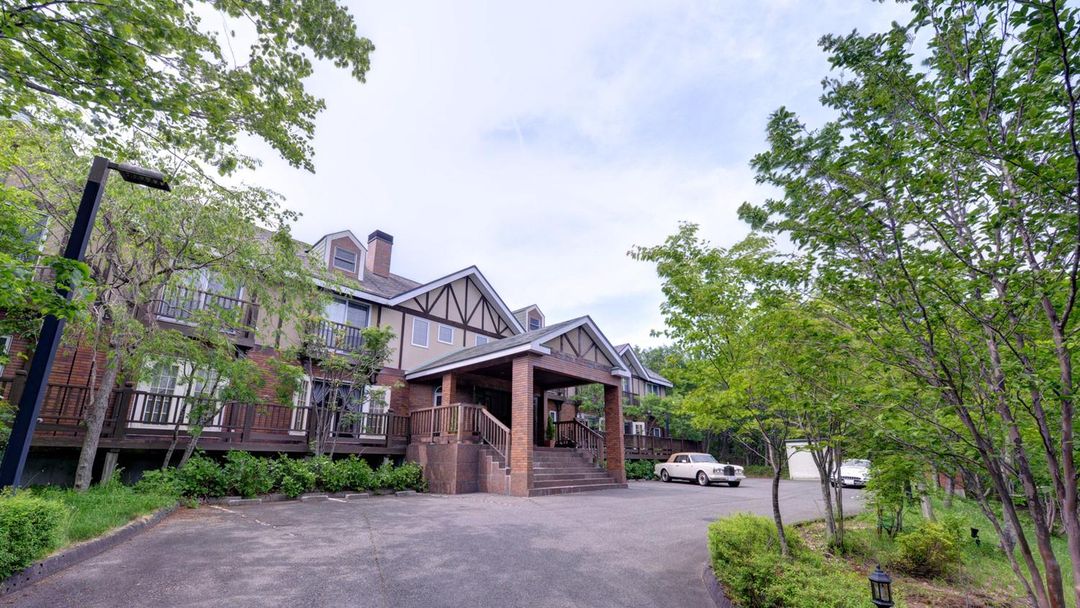
Hotel Shalom Okura Classic
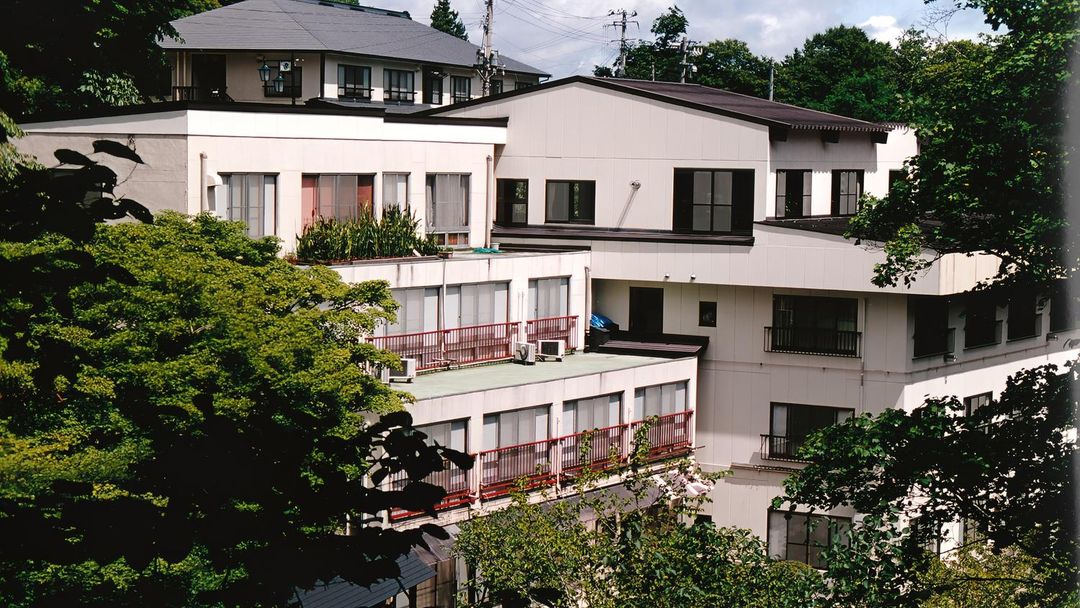
Futamata Onsen Kashiwaya Ryokan
Frequently Asked Questions about Traveling to Tenei
Questions You Might Need to Know About Traveling to Tenei
For authentic nature and cultural immersion in Tainaga Village, stay at Yama no Sato Yado, a traditional Japanese ryokan nestled in the forest near the Ogaki Ancient Trail. This eco-friendly inn features wooden architecture, tatami rooms, and an on-site hot spring bath with views of the surrounding mountains. The hosts offer local organic meals made from seasonal ingredients grown in their own garden.
Another excellent option is the Tainaga Village Tourist Center Accommodations, which provides simple, clean rooms ideal for families or solo travelers seeking tranquility. Guests can join hands-on activities like rice planting, wild vegetable foraging, and traditional craft workshops. These experiences connect visitors deeply with the rhythms of rural Fukushima life, making it perfect for those wanting to escape urban routines and embrace sustainable living.
Near Tainaga Village, must-see natural attractions include the Ogaki Ancient Trail, a well-preserved Edo-period path winding through primeval forests with stone pathways and historic buildings. Along the route lies the Shirakawa Gorge, where visitors can hike along the riverbank in summer or admire frozen waterfalls in winter.
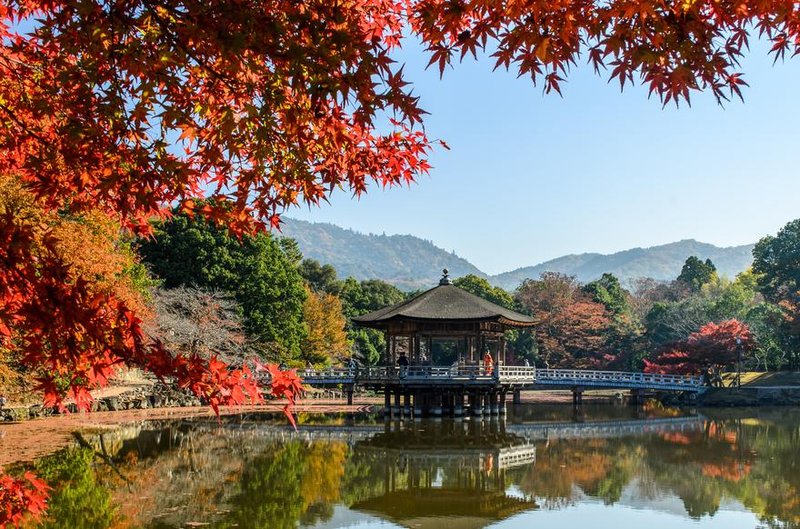
The Tainaga Mountain Vista Point offers panoramic 360-degree views of the surrounding landscape, especially breathtaking during autumn when maple trees blaze in red and gold against distant volcanic peaks. Another hidden gem is the Moss Path, a secluded forest trail lined with ancient trees and rare moss species—perfect for nature photographers and eco-tourists seeking quiet contemplation among untouched wilderness.
The hot springs in Tainaga Village are renowned for their natural mineral-rich waters, high in sulfur and iron, known for therapeutic benefits for skin conditions and joint pain. The standout facility is Tainaga Onsen Shō, a rustic inn featuring open-air baths set deep within the forest—ideal for stargazing at night under clear skies.
Some baths incorporate "forest therapy" elements, such as herbal steam treatments and pine needle baths, enhancing relaxation. Many guesthouses also offer free access to onsen facilities paired with locally sourced meals, allowing visitors to unwind while savoring fresh, seasonal ingredients from Fukushima’s countryside.
In Tainaga Village, visitors can participate in several intangible cultural heritage activities. The Bamboo Weaving Workshop is led by master artisans who have passed down techniques across generations, teaching guests how to craft functional baskets and lanterns.
Another highlight is the Traditional Washi Paper Making Experience, held at a centuries-old workshop where participants learn every step—from harvesting kozo bark to handcrafting paper using wooden molds. Additionally, the annual Tainaga Festival combines spiritual rituals with folk dances; tourists can join processions wearing kimono, immersing themselves in local customs. These experiences preserve regional traditions while fostering meaningful cultural exchange.
In Tainaga Village, highly recommended agricultural experiences include the "One-Day Rice Farmer" program, where visitors take part in every stage of rice cultivation—from planting seedlings to weeding and harvesting—and enjoy a meal made with their own harvest. During winter (December to March), the Strawberry Picking Season welcomes families to pick fresh, juicy berries directly from the field.
The village also offers the Organic Garden Sharing Project, allowing travelers to rent a small plot to grow vegetables, with guidance from local farmers. Harvested produce can be taken home, creating a personal connection to sustainable farming. These hands-on activities promote environmental awareness and strengthen urban-rural ties.
Must-try dishes in Tainaga Village center around mountain and river ingredients. Try Fukushima Eel Sushi, made with locally raised eel glazed in a sweet-savory sauce—rich and melt-in-your-mouth. Another highlight is Mountain Mushroom Noodle Soup, crafted with fresh matsutake and burdock root simmered into a deep, aromatic broth.
Don’t miss the Tainaga Honey Cake, baked with wildflower honey harvested from nearby forests—soft, fragrant, and subtly sweet. Every Friday evening, the Night Market comes alive with over ten stalls offering homemade pickles, artisan tofu, and traditional malt candy, providing a vibrant taste of rural Fukushima’s culinary soul.
The best time to visit Tainaga Village is autumn (September to November), when the hillsides burst into fiery hues of red and gold. The Tainaga Mountain Vista Point and Shirakawa Gorge offer breathtaking views of fall foliage, making it ideal for photography and hiking.
This season also coincides with the Tainaga Festival, featuring traditional rituals and folk performances. For snow lovers, visiting between December and February offers serene winter scenery—villages blanketed in snow, perfect for peaceful onsens and quiet walks. Spring (March to May) is great for cherry blossom viewing and early hiking, while summer, though warm, brings cool mountain air, making it a refreshing escape from city heat.
Tenei Overview
City Summary
Ten'ei Village, located in the southern part of Fukushima Prefecture, Japan, is a tranquil village surrounded by nature. Known for its fresh air, abundant hot springs, and traditional Japanese rural culture, the village is enveloped by mountains and forests, offering stunning seasonal views, especially the autumn foliage and winter snowscapes. Ten'ei is also an agricultural hub, producing high-quality rice and fruits, where visitors can experience farm life and taste local produce.
Must-See Attractions
The Ten'ei Onsen is a must-visit, renowned for its mineral-rich waters beneficial for health. The village's rural landscapes and traditional Japanese architecture are also worth exploring. Visitors can browse the local farmers' market for fresh produce and handicrafts. Outdoor enthusiasts will enjoy the surrounding hiking trails and cycling routes that offer close encounters with nature.
Food Guide
Ten'ei's culinary culture centers on local produce. Don't miss the freshly picked fruits and vegetables. Local restaurants serve traditional Japanese dishes like soba noodles and grilled fish, often made with ingredients sourced from nearby farms. Also, try the rice balls and sake made from Ten'ei's rice, which have a unique flavor.
Transportation Guide
Driving and buses are the main ways to get around Ten'ei. Buses from Fukushima or Koriyama cities take about 1-1.5 hours. There's no subway; renting a car or using taxis is recommended for flexibility. Bus schedules are limited, so check timetables in advance. The village roads are well-maintained and suitable for cycling.
Best Time to Visit
Ten'ei is pleasant year-round, but the best times are autumn (September-November) for foliage and winter (December-February) for hot springs and snowscapes. Summer (June-August) is cool and ideal for outdoor activities, while spring (March-May) offers cherry blossoms.
Travel Tips
- Respect local culture: Ten'ei preserves traditions; maintain quietness when visiting.
- Onsen etiquette: Wash thoroughly before entering hot springs.
- Eco-consciousness: The village values nature; avoid littering.
- Transport planning: Buses are infrequent; plan ahead.
- Language: English is rare; learn basic Japanese phrases.
- Cash: Some shops don't accept cards; carry yen.
Useful Information
Language: Japanese is primary; English is limited—download a translation app. Internet: Coverage is good but spotty in mountains. Payment: Cash is king; few places accept cards. Emergencies: Medical facilities are in the village center; the nearest hospital is in Koriyama. Travel insurance is advised. ATMs are scarce, and foreign cards may not work; carry sufficient cash.