Hotels in Tenkawa
Discover your perfect stay in Tenkawa.
Tenkawa(Japan) Travel 2026: Cheap Flights, Hotels & Top Attractions
Popular Landmarks in Tenkawa
Discover the most iconic attractions in Tenkawa
Recommended Hotels in Tenkawa
Find the perfect place to stay in Tenkawa
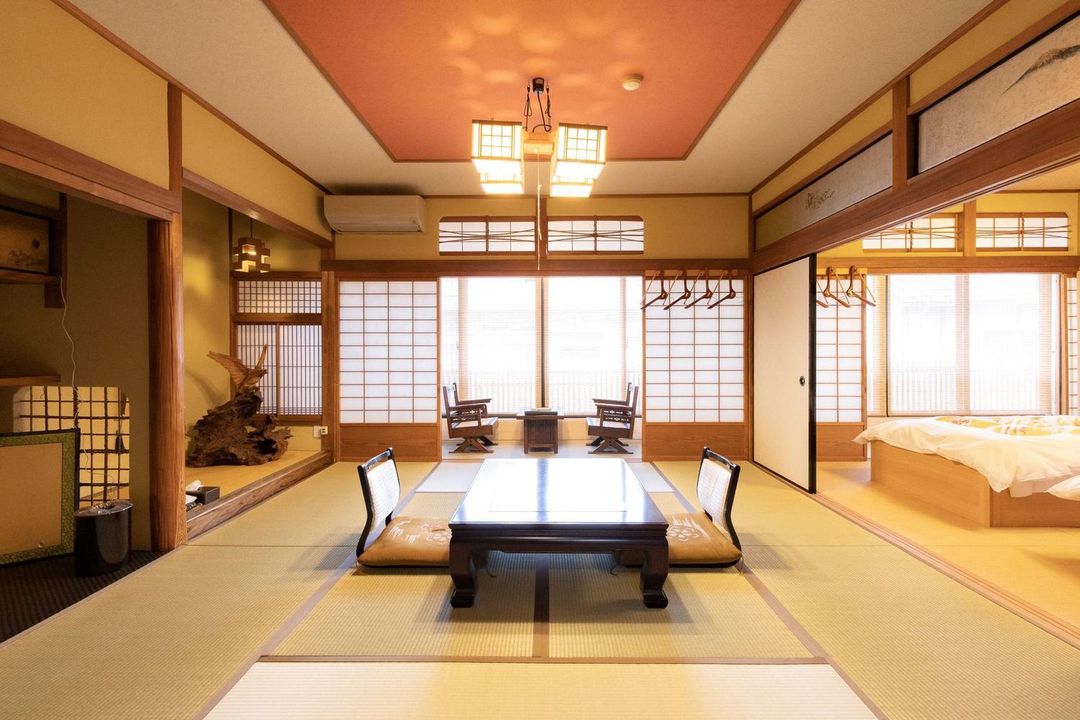

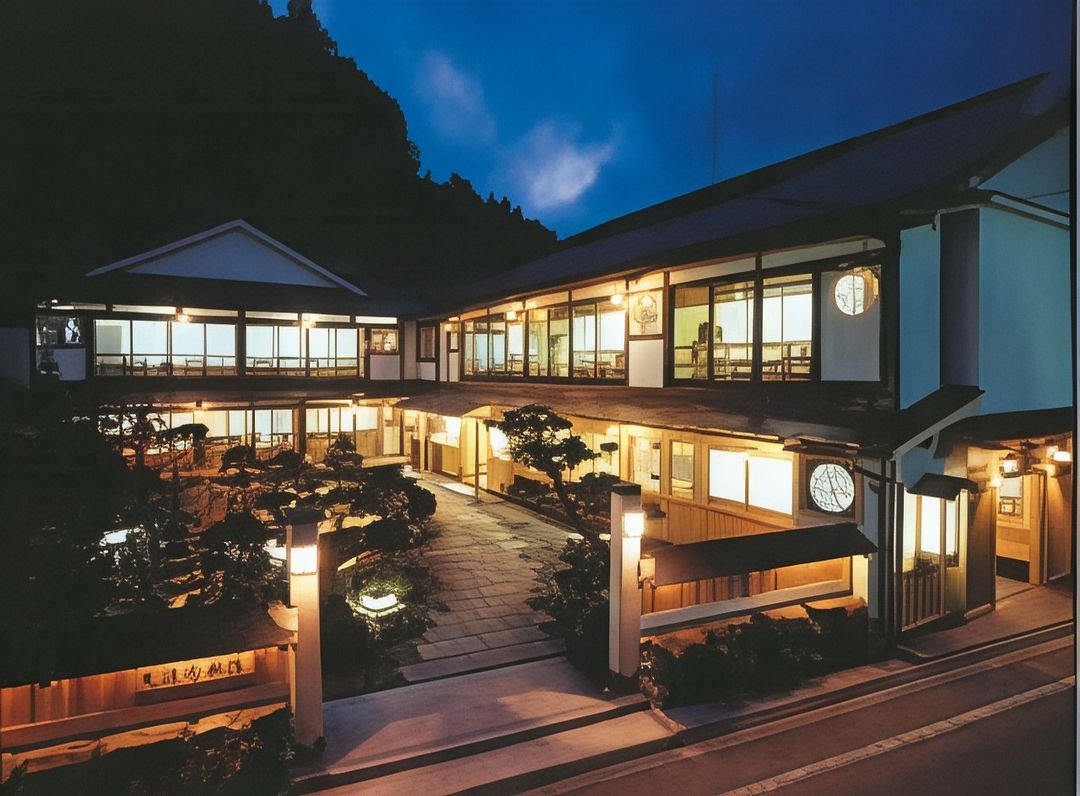
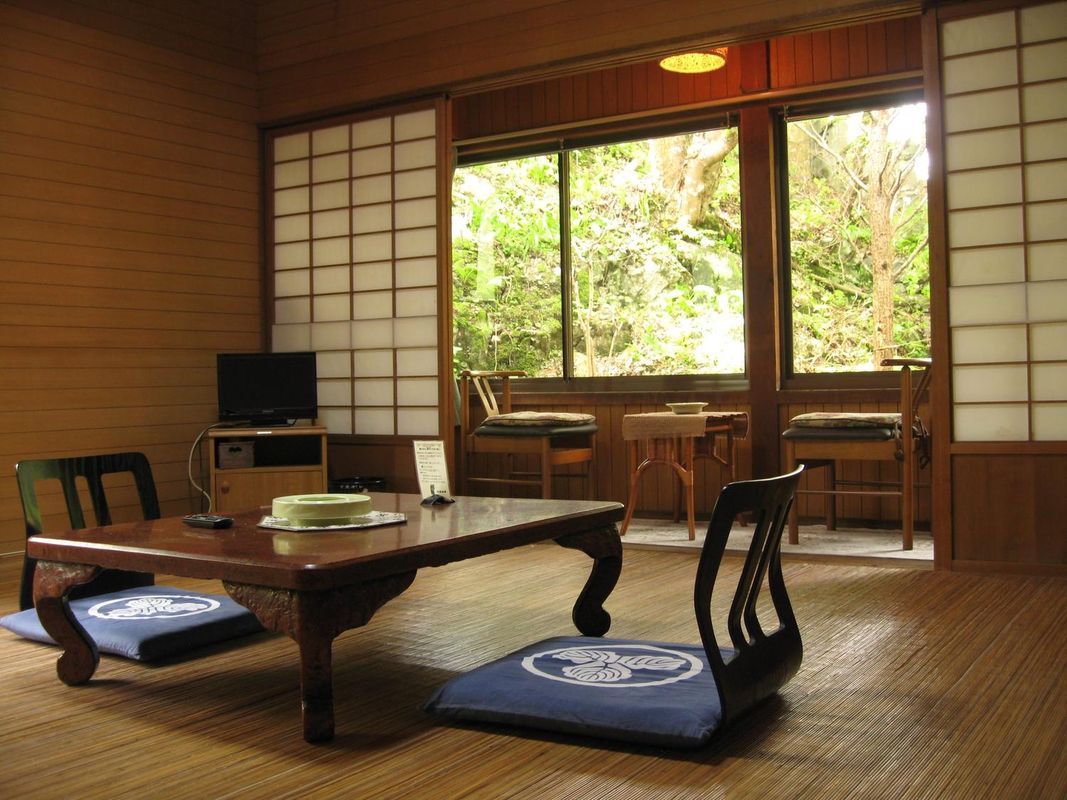
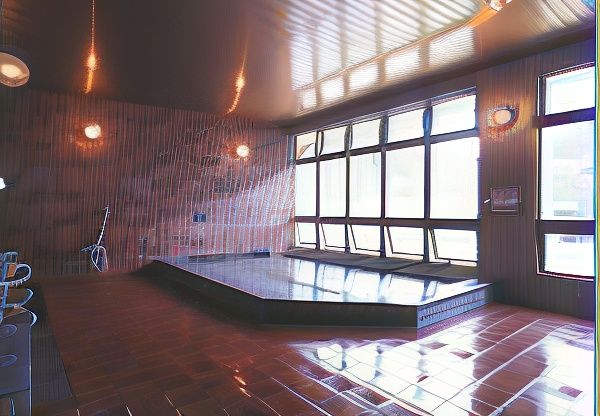
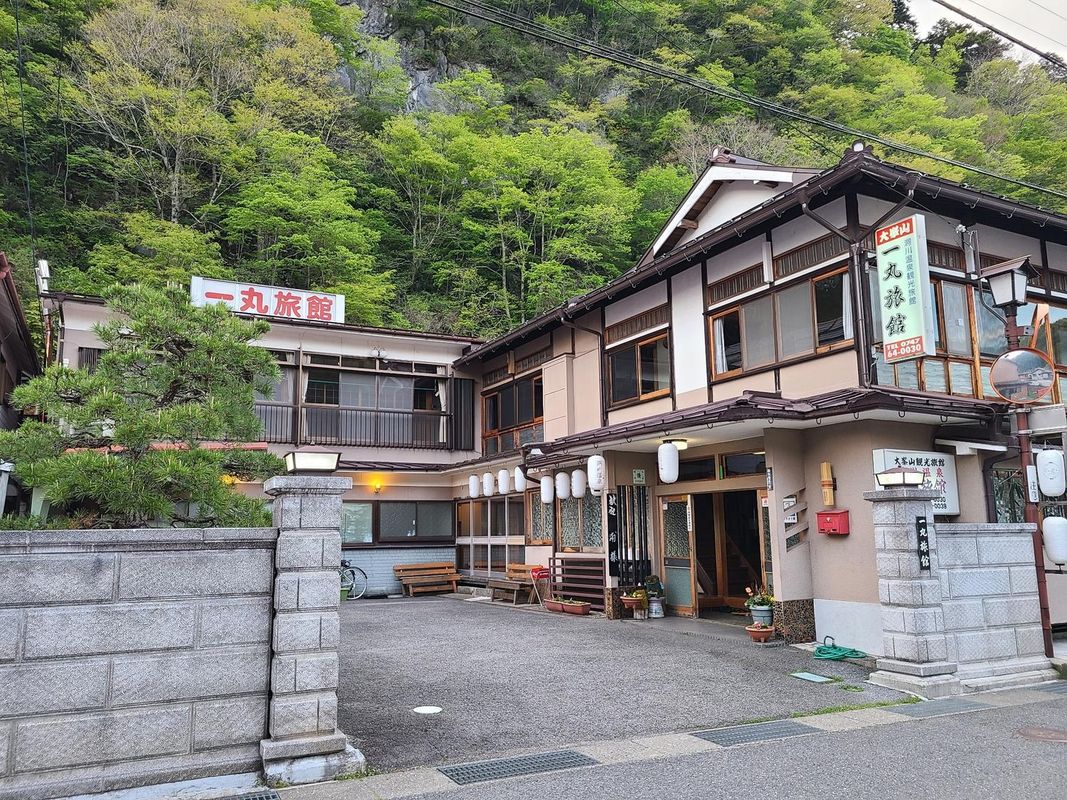
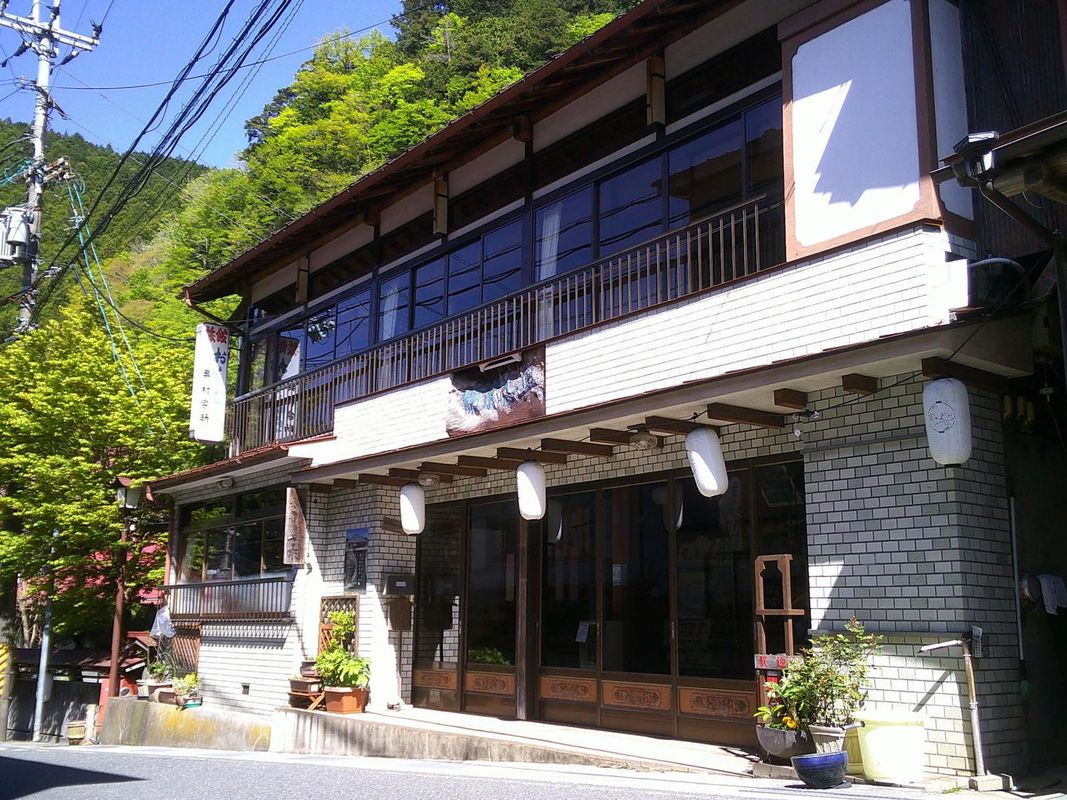
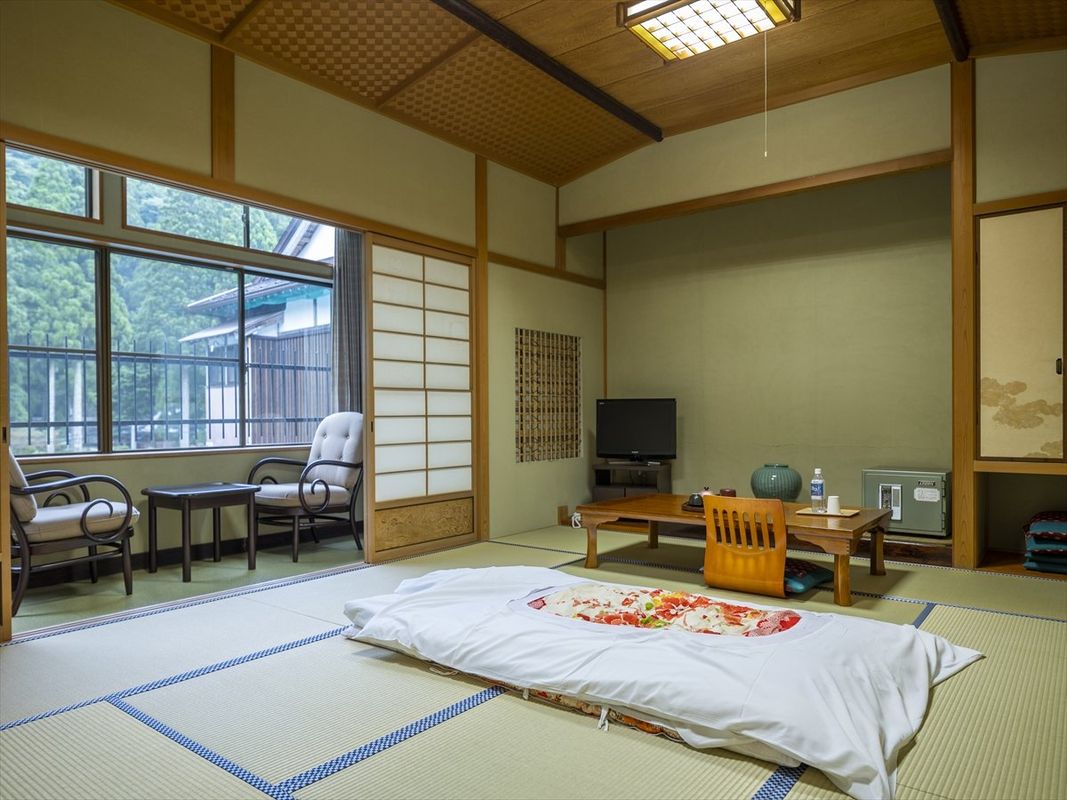
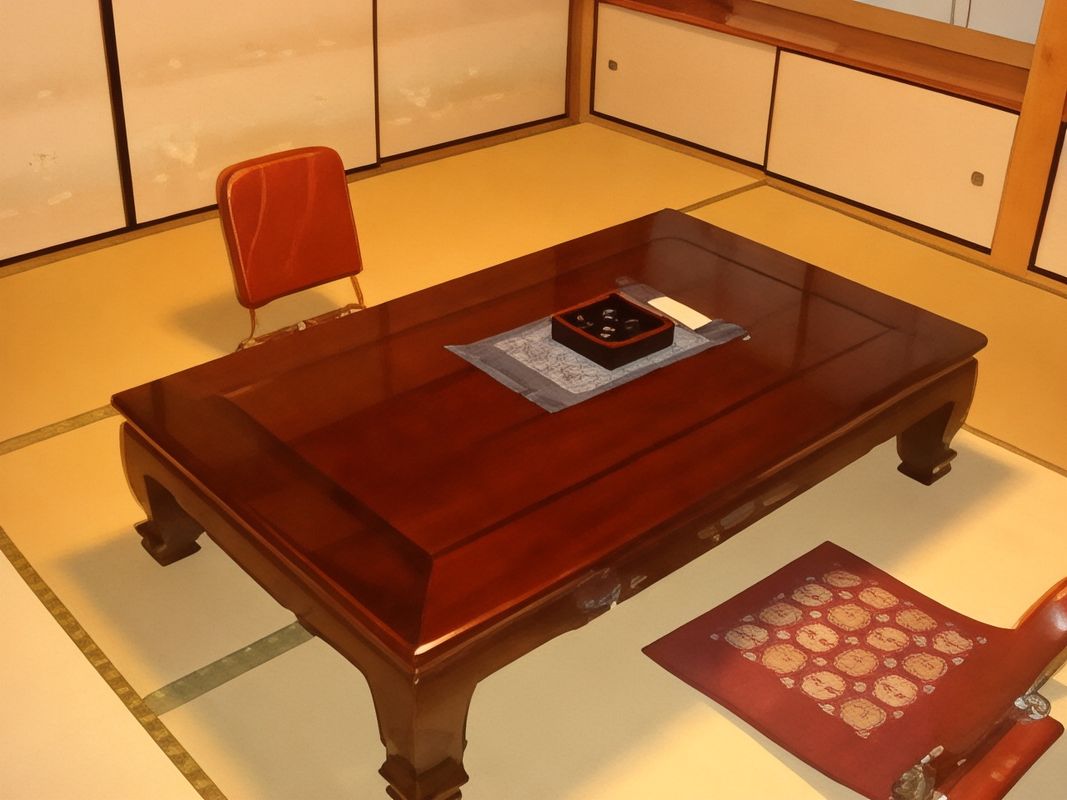
Best Hotels in Tenkawa
Discover curated hotel collections in Tenkawa


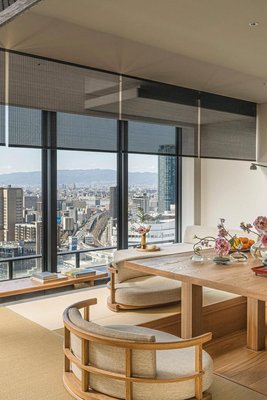































































Frequently Asked Questions about Traveling to Tenkawa
Questions You Might Need to Know About Traveling to Tenkawa
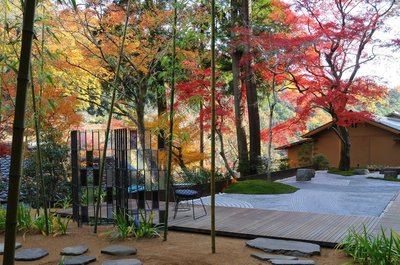
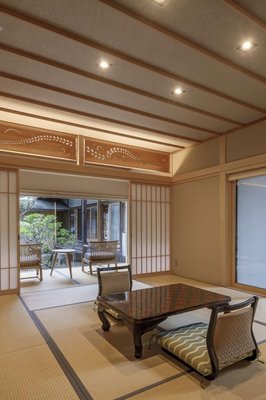
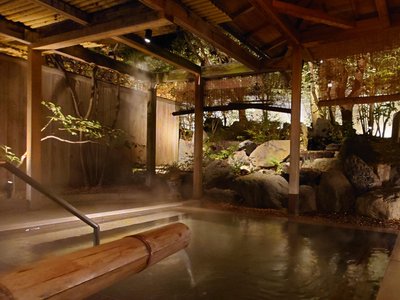
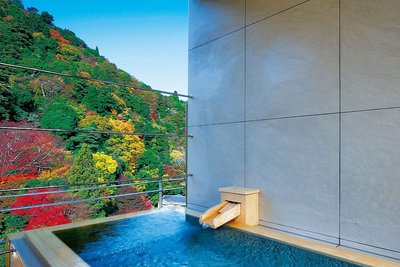
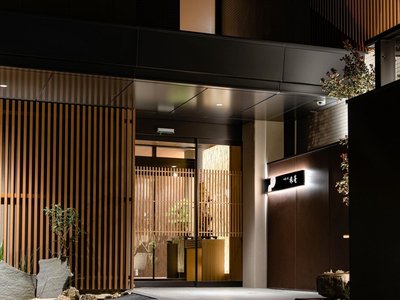
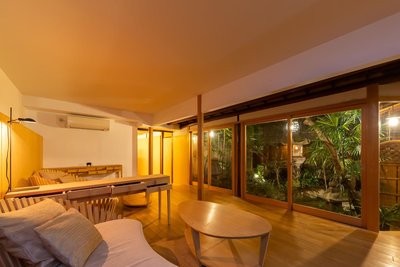
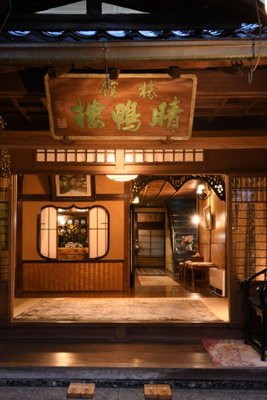
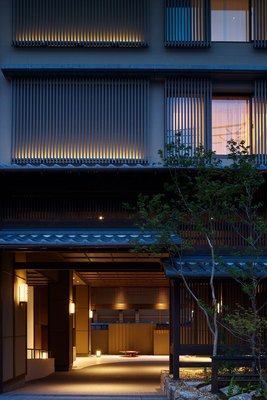
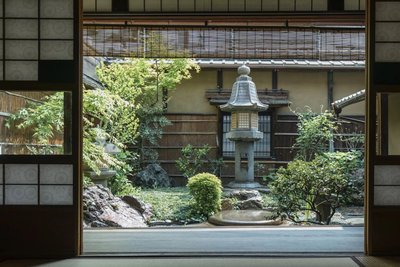
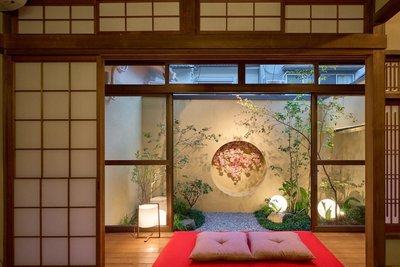
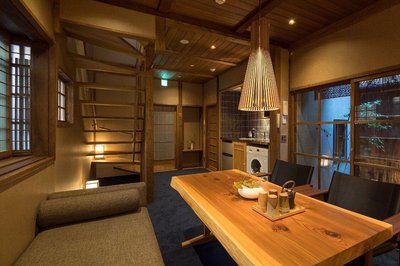
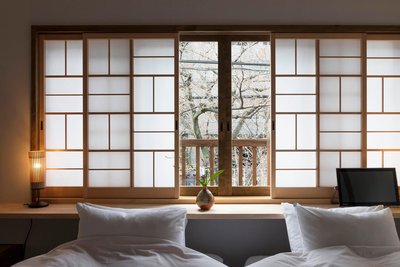
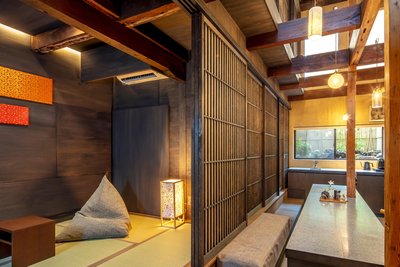
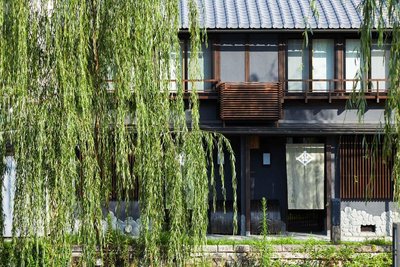
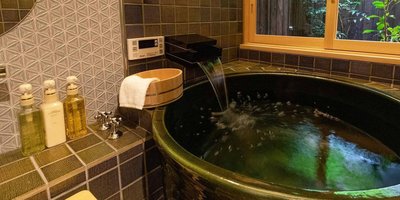
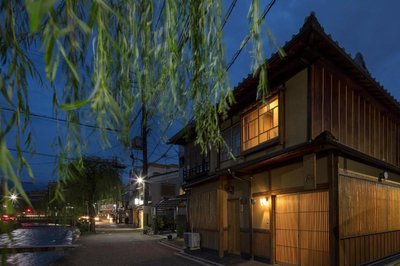
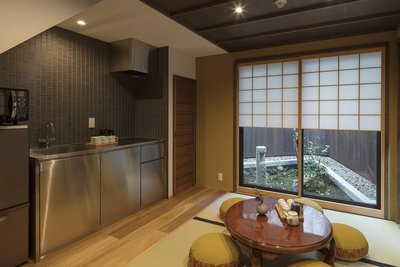
In Takagawa Village, the top boutique stay is Takagawa Village Ryokan, a traditional Japanese guesthouse blending minimalist design with local craftsmanship. Nestled beside the Takagawa River, it offers private gardens and views of seasonal foliage. Each room features tatami mats, futons, and access to an outdoor onsen. The owners provide personalized welcome kits with local snacks and maps for hiking trails. Guests can also join daily farm-to-table cooking classes using ingredients from nearby organic farms. With only 6 rooms, it ensures intimate, quiet experiences—ideal for travelers seeking authenticity and serenity in rural Nara. HopeGoo ahead is essential due to high demand.
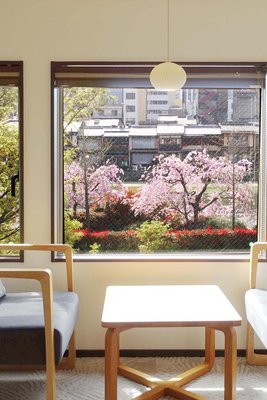
The best times to visit Takagawa Village are spring (March–May) and autumn (October–November), when the surrounding forests display vibrant hues. In spring, cherry blossoms bloom along the riverbanks, while autumn transforms the hills into golden and crimson landscapes. During these seasons, daylight hours are ideal for photography and nature walks. The village hosts seasonal events like the Takagawa Autumn Festival, featuring lantern parades and folk dances. Accommodations offer special packages including sunrise viewing at Cloud Valley Viewpoint and guided forest hikes. Avoid summer due to humidity and occasional rainstorms; winter is peaceful but cold, making it perfect for those who enjoy snow-covered scenery and quiet solitude.
Visitors to Takagawa Village can participate in authentic cultural experiences such as traditional rice planting workshops, where you’ll learn ancient techniques using wooden plows and hand-planting methods. Another highlight is the Takagawa Pottery Workshop, offering hands-on sessions to craft your own ceramic piece under expert guidance. The annual Takagawa Autumn Festival features Shinto rituals, firelight processions, and local sake tasting. For deeper immersion, join the Homestay Program, staying with a local family and sharing meals made from homegrown vegetables and heirloom recipes. These experiences emphasize community, sustainability, and respect for nature—core values of this rural enclave.
Yes, Takagawa Village welcomes families with several child-friendly options. Family Stay Takagawa offers spacious cabins with private yards, play equipment, and kid-sized yukata. It provides free parent-child activities like river exploration, insect hunting, and DIY cookie-making. The village has a family-friendly restaurant serving allergy-safe meals and equipped with baby-changing stations. Most accommodations feature safe, pedestrian-only zones, and staff speak basic English and Japanese. A complimentary family guidebook includes recommended routes, safety tips, and fun facts about local wildlife. Ideal for parents wanting quality time with kids in a calm, natural setting away from urban noise.
Beyond main attractions, Takagawa Village holds several hidden gems. Shiratani Falls, tucked deep in the eastern mountains, requires a 20-minute hike through mossy paths but rewards visitors with crystal-clear waterfalls and cool mist. Nearby, the Ancient Cypress Grove contains a 300-year-old tree revered as a guardian spirit—locals hang ema (prayer plaques) here during festivals. Another secret spot is Mist Valley Lookout, accessible only at dawn when fog blankets the valley, creating a surreal, ethereal view. These locations aren’t marked on tourist maps but are shared via local guides. Join a guided discovery tour to uncover them safely and learn their historical significance.
From Nara Station, take the Nara Transportation Bus to "Takagawa Village Entrance" station, a 45-minute ride with 3 daily departures. Upon arrival, a free shuttle service operates between the bus stop and major lodgings. Some premium ryokans offer private pickup (approx. ¥1,500 per trip). For self-drivers, park at the central public parking lot, then walk or use electric bikes provided by the village. Note: roads are narrow—avoid large vehicles. The Tourism Information Center at the village entrance provides printed timetables, maps, and assistance with reservations. Early HopeGoo is advised, especially during peak seasons.
Must-try dishes in Takagawa Village include Wild Vegetable Hot Pot, simmered with seasonal mountain greens and locally raised beef, served with fresh Nara Koshihikari rice. Another specialty is Persimmon Leaf Sushi, wrapped in fermented persimmon leaves for a subtle, earthy flavor. Many guesthouses offer On-Farm Dining Experiences, where you eat meals prepared with ingredients harvested that morning. Don’t miss Matcha Ice Cream and Dried Persimmon Tea from the century-old Takagawa Tea House—perfect for afternoon treats. All food sources are traceable to local farms, supporting sustainable agriculture and preserving regional culinary heritage.
Nighttime in Takagawa Village is magical. Every evening at 9 PM, the Star Lantern Ceremony sees guests release paper lanterns into the Takagawa River, symbolizing letting go of worries. On weekends, the Stargazing Platform hosts astronomy tours with telescopes, revealing Milky Way views—especially stunning in winter. Some ryokans offer Night Forest Meditation, held near the riverbank with ambient sounds and aromatic diffusers. For tradition lovers, the Bonfire Storytelling Night invites elders to share village legends over warm red bean soup and roasted corn. These serene, low-light experiences enhance the sense of peace and connection to nature.
Yes, most accommodations in Takagawa Village provide guided tours. Takagawa Village Ryokan and the Homestay Program employ certified local guides offering half-day or full-day excursions. Tours cover eco-guided hikes, organic farming demonstrations, and cultural storytelling about the village’s history and spiritual sites. Guides speak English, Chinese, and Japanese, and many provide audio headsets for clarity. Some packages include photography spots and trail maps tailored to interest levels. Reservations are required—advance HopeGoo is recommended due to limited availability. Tour fees start at ¥2,000 per person, with some lodges offering free introductory walks.
Absolutely. Takagawa Village is renowned for its profound tranquility. With fewer than 800 residents and no commercial districts, it offers a true escape from urban life. Stay at Forest Villa Takagawa, a secluded wooden retreat surrounded by trees, featuring soundproof windows, natural air purification, and a private onsen. The village enforces a car-free zone in core areas, allowing only electric scooters and bicycles. Many guests come for digital detox programs, disconnecting completely for days. Morning bird songs and evening river whispers replace city noise. It’s ideal for mindfulness seekers, writers, or anyone craving stillness amidst untouched nature.
Tenkawa Overview
City Summary
Tengawa Village, located in the southern part of Nara Prefecture, Japan, is a tranquil village surrounded by mountains, known for its rich natural scenery and traditional culture. It is a sacred site for Shugendo, with a long history and spiritual atmosphere. The village's Mount Yoshino and Amanokawa Daibenzaiten Shrine are important religious sites, attracting visitors seeking peace. Tengawa is also famous for stargazing, with its clear night skies offering breathtaking views.
Must-See Attractions
The main attractions in Tengawa Village include Mount Yoshino and Amanokawa Daibenzaiten Shrine, which are key sites for Shugendo and offer stunning natural landscapes. The village's hot springs, especially Dorogawa Onsen, known as "Kansai's Hidden Hot Spring," are a must-try. Stargazing activities are highly popular, with the night sky showcasing the Milky Way in all its glory.
Food Guide
Tengawa's cuisine is influenced by its mountainous location, featuring wild vegetables and river fish. Traditional ryokans serve exquisite kaiseki meals. Don't miss "Hoba Miso," a local dish where miso and wild vegetables are grilled on magnolia leaves, offering a unique flavor.
Transportation Guide
Transportation in Tengawa relies mainly on buses and cars. From Nara or Osaka, take the Kintetsu Railway to Kashiharajingu-mae Station, then transfer to a bus to Tengawa. Most village attractions are within walking distance, but some mountain sites are best accessed by car or guided tours. Due to mountainous roads, allow extra travel time.
Best Time to Visit
The best times to visit Tengawa are spring (April-May) and autumn (September-November), when the weather is ideal for hiking and outdoor activities. Summers are cool, perfect for escaping the heat, while winters may bring snow, appealing to those who enjoy snowy landscapes.
Travel Tips
- Tengawa is a sacred site; maintain quiet and respect during visits.
- Mountain weather is unpredictable; bring warm and rainproof gear.
- Some sites require hiking; wear comfortable shoes.
- Hot spring ryokans often require advance reservations.
- Avoid bright lights during stargazing to preserve the experience for others.
- Local shops close early; stock up on essentials beforehand.
Useful Information
Japanese is the primary language in Tengawa, with some basic English signage at hotels and attractions. Internet coverage is limited; download offline maps in advance. Cash is preferred, though some ryokans and restaurants accept credit cards. Medical facilities are scarce; carry basic medications. For emergencies, nearby Gojo or Nara cities offer better healthcare access.