Hotels in Tenri
Discover your perfect stay in Tenri.
Tenri(Japan) Travel 2026: Cheap Flights, Hotels & Top Attractions
Popular Landmarks in Tenri
Discover the most iconic attractions in Tenri
Recommended Hotels in Tenri
Find the perfect place to stay in Tenri

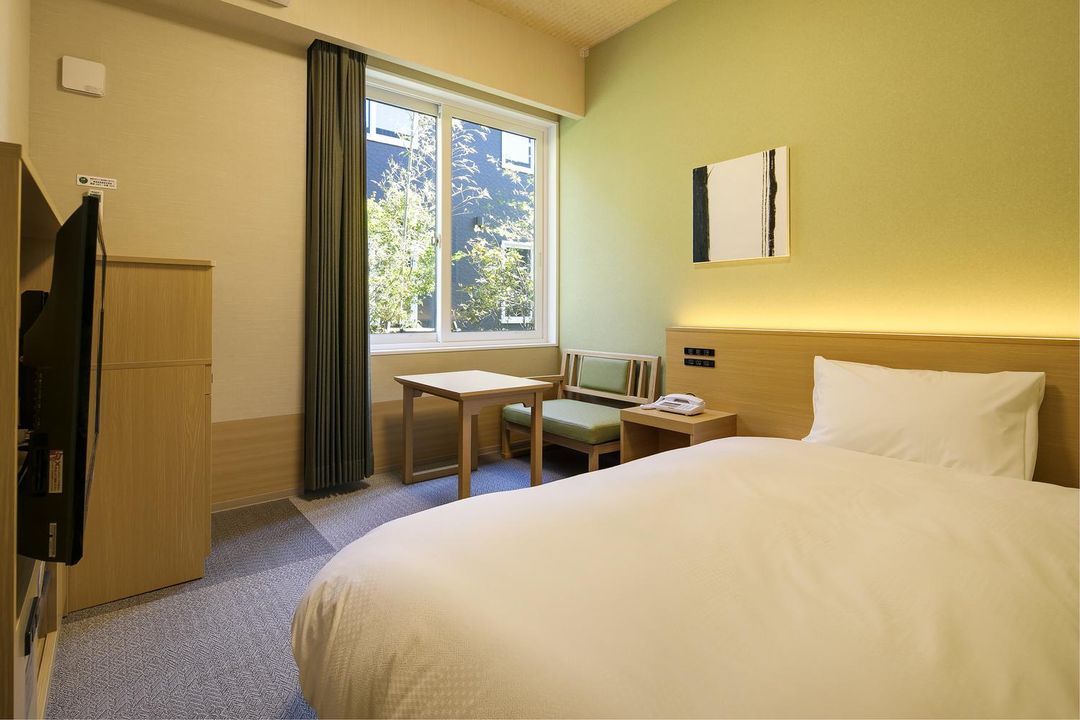



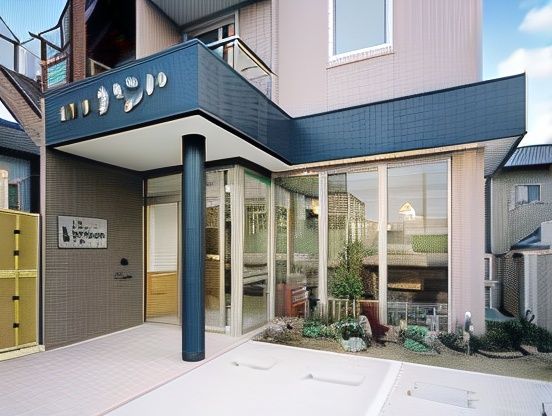
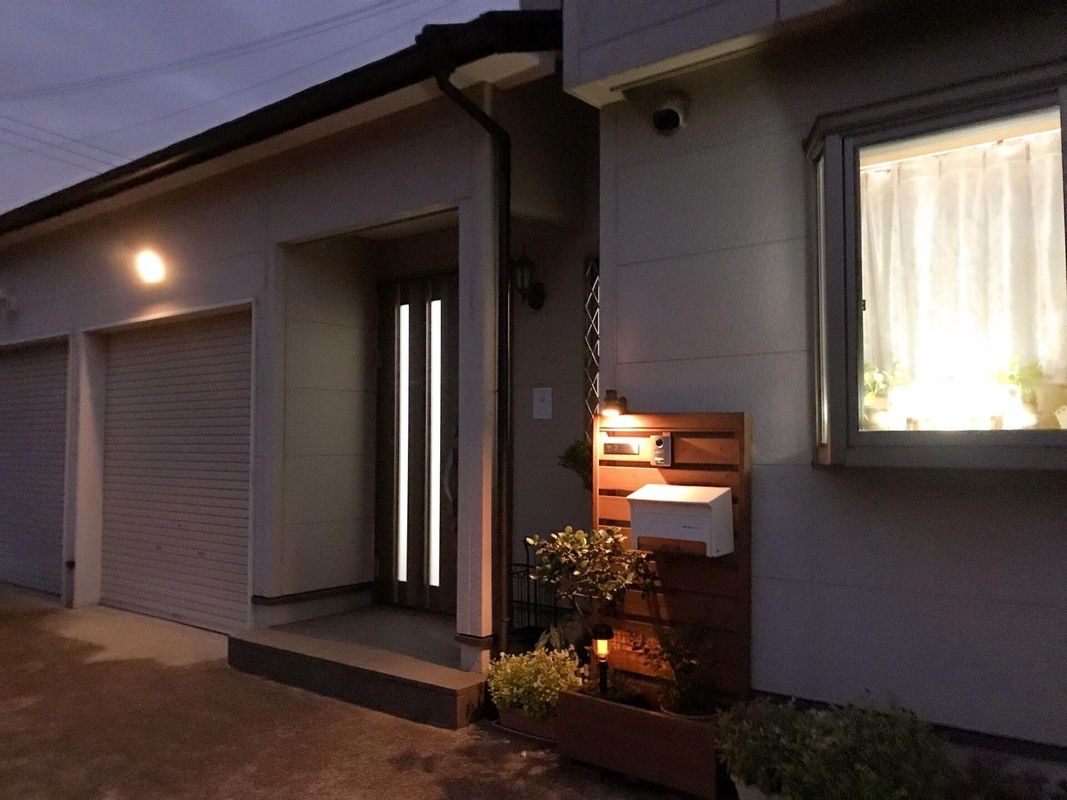
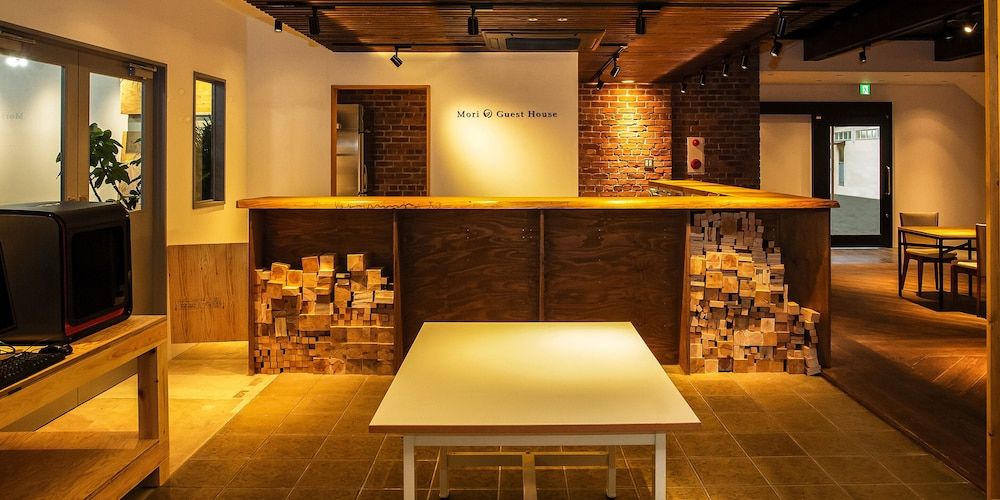
Best Hotels in Tenri
Discover curated hotel collections in Tenri




















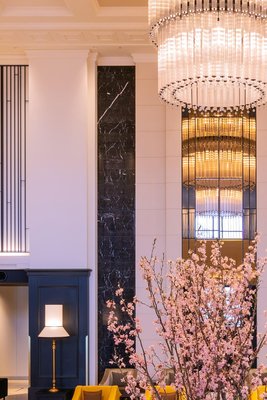








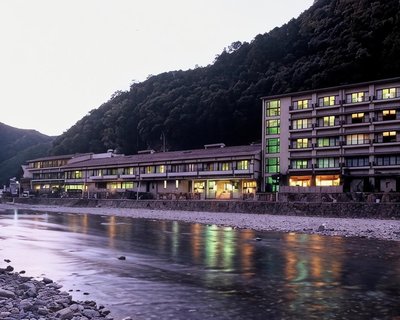
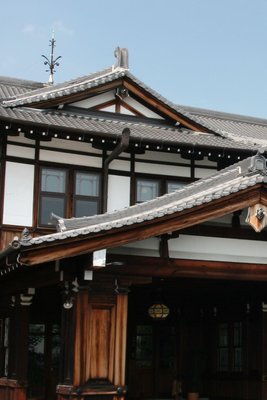
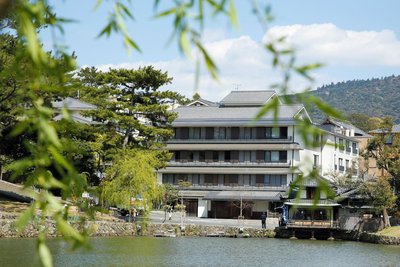
















































Frequently Asked Questions about Traveling to Tenri
Questions You Might Need to Know About Traveling to Tenri
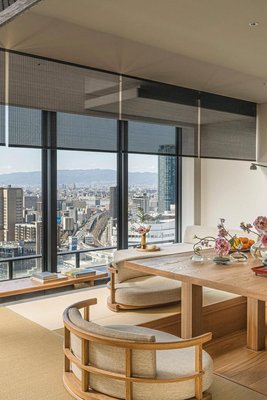
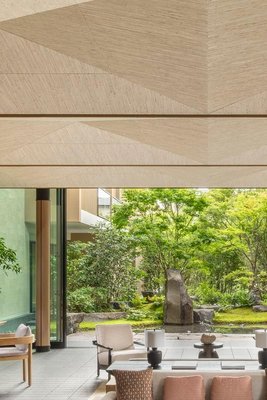
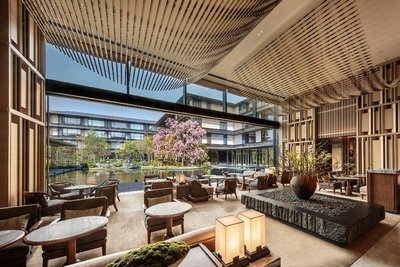
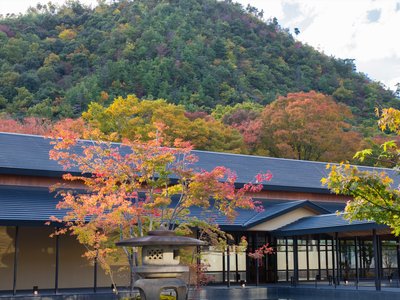
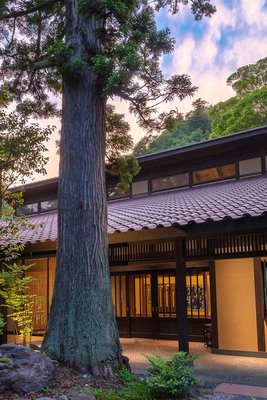
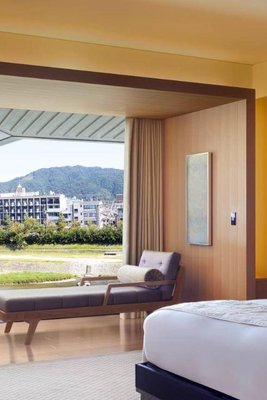
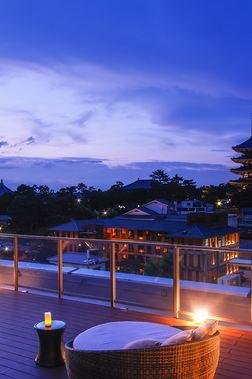
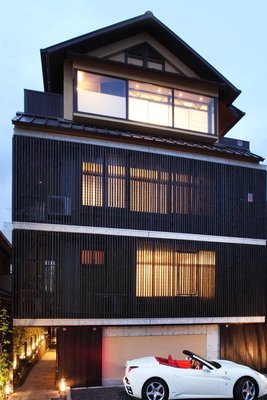
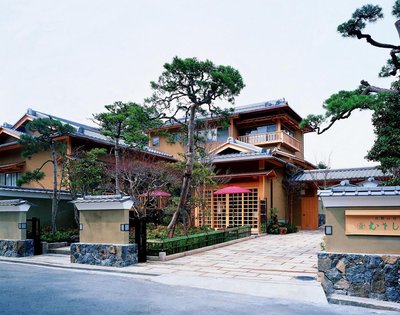
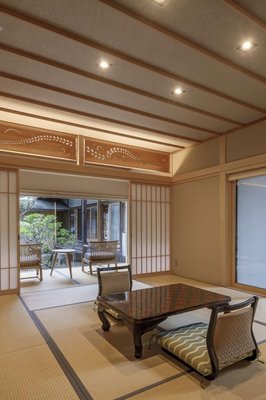
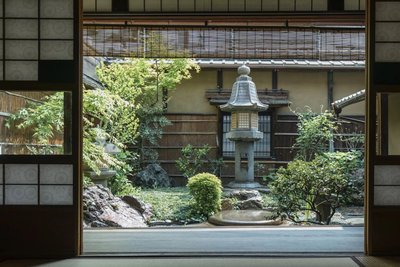
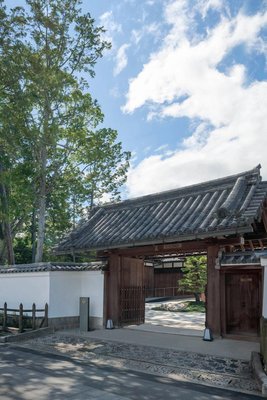
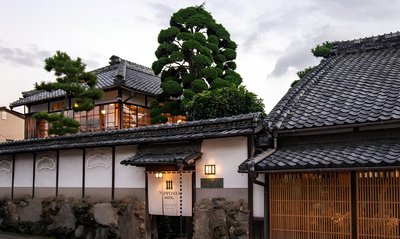
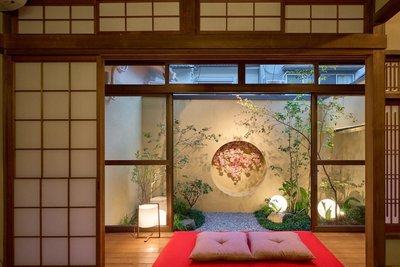
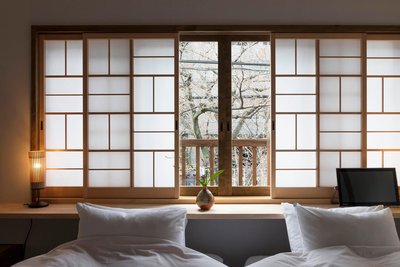
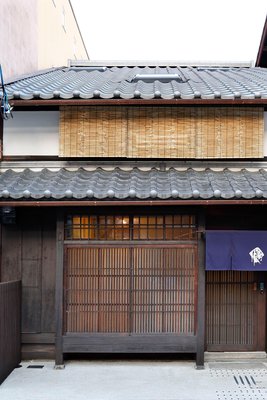
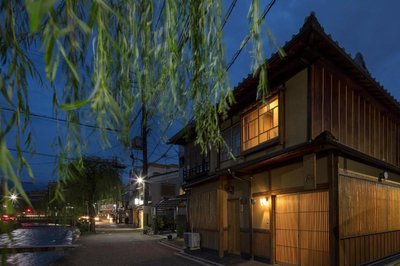
In Tennri City, the top choice is Tennri Hotel, located just steps from the Tennrikyo Head Office and Tennri Museum. This hotel blends traditional Japanese architecture with modern comfort, offering tatami rooms and a serene garden overlooking Mount Tennri. Its convenient access to historical sites like the Yamato Kofun Cluster makes it ideal for culture-focused travelers. Complimentary shuttle services and local cuisine options enhance the experience, positioning it as a gateway to ancient Japanese heritage.
The central district near Tennri Station is the most convenient area for lodging in Tennri City. It offers easy access to major attractions such as the Tennri Museum, Tennrikyo Headquarters, and Tennri Reference Library. The area features quiet residential streets, low noise levels, and proximity to local eateries serving authentic Yamato-style cuisine. With well-connected public transport and free parking at many hotels, this zone provides an ideal balance of tranquility, convenience, and cultural immersion for visitors exploring Nara Prefecture’s historic heartland.
Visitors to Tennri City should not miss the Tennrikyo Head Office tour and the Tennri Museum's hands-on excavation workshop. The former is a sacred site blending Shinto and Buddhist elements, often hosting guided meditation sessions. The museum showcases rare artifacts from the Yayoi to Kofun periods, including bronze mirrors and pottery. A highlight is the Haniwa pottery-making experience, where guests craft miniature clay figures inspired by ancient burial mounds. Additionally, the annual Tennri Festival features traditional dances and rituals, offering deep insight into regional faith and heritage.
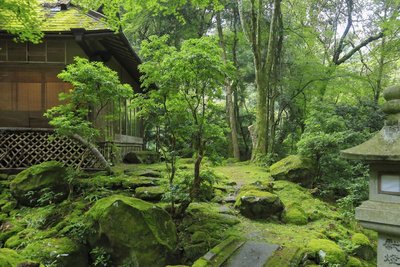
While known for its culture, Tennri City boasts scenic natural beauty. Mount Tennri offers panoramic views of the Yamato Basin and surrounding hills—perfect for hiking and photography. Trails wind through lush forests, with cherry blossoms in spring and vibrant autumn foliage. Along the Yamato River, a greenbelt path invites biking and leisurely walks, featuring wetlands and birdwatching spots. For history lovers, the Mikasa Mountain Kofun Cluster provides a peaceful setting to explore ancient burial mounds, combining nature and archaeology in one unforgettable experience.
Tennri City's culinary highlights include Tennri soba noodles made from locally grown buckwheat and Yamato beef sukiyaki using premium Kobe-style wagyu from Nara Prefecture. The soba is served in a light broth, emphasizing freshness and texture, while the sukiyaki features melt-in-the-mouth beef. Try them at Tennri Ekimae Sobaya or the family-run Sakura Restaurant. Don’t miss matcha red bean mochi from the century-old shop Tennriya, a delicate sweet treat perfect for souvenirs. These dishes reflect the region’s agricultural roots and artisanal tradition.
Yes, Tennri City is well-served by JR West Tennri Line, linking it directly to Nara Station and Osaka Namba in about 30 minutes. From Tennri Station, it’s a 10-minute walk to downtown and key landmarks. The city operates a free loop bus covering major attractions like the museum, religious sites, and kofun clusters. Parking is available at most hotels and shopping areas. Many hotels also offer shuttle services, making travel seamless—especially beneficial for tourists with luggage or those planning multi-site visits.
Absolutely. Tennri City is highly family-friendly. The Tennri Museum Children’s Zone features interactive exhibits and simulated dig sites where kids can unearth replica artifacts, turning learning into fun. Tennrikyo Park has playgrounds and walking trails ideal for strollers. During summer, the Tennri Children’s Festival includes folk performances and craft workshops. Families can enjoy a relaxed bike ride along the Yamato River Greenway, complete with rest stops and educational signage. The clean, safe environment and rich cultural offerings make it a perfect destination for intergenerational exploration.
For authentic souvenirs, visit Tennri Shopping Street and the Tennrikyo Memorial Shop. The former hosts local boutiques selling Tennri lacquerware, handcrafted haniwa replicas, and traditional sweets. The latter, located near the Head Office, offers exclusive religious items like prayer talismans, mini shrines, and handwritten sutra scrolls—ideal for spiritual travelers. The long-standing Tennriya shop specializes in matcha treats and handmade mochi, beautifully packaged. Monthly Tennri Antique Market (first weekend) gathers collectors from across Japan, offering rare vintage items and heirloom crafts.
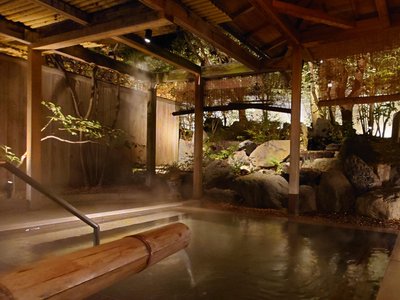
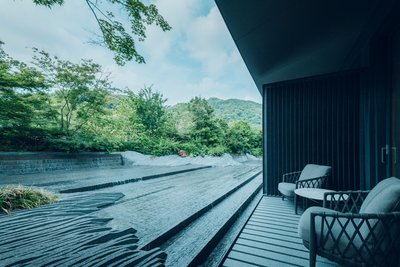
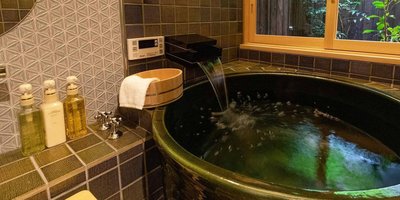
Couples will love a sunset stroll on the Mount Tennri Night Trail, where the city lights glow below and the sky turns golden. For a deeper connection, book a special evening viewing at the Tennri Reference Library, illuminated softly with historical artifacts displayed in silence. Stay in a traditional tatami suite at Tennri Hotel, complete with a private garden and outdoor hot spring bath. Shared moments crafting haniwa clay figures together create lasting memories, blending art, history, and intimacy in a uniquely Japanese way.
The best times to visit Tennri City are spring (March–May) and autumn (October–November). Spring brings cherry blossoms along the Yamato River and on Mount Tennri, creating dreamy pink landscapes perfect for picnics and photos. Autumn transforms the hills into fiery hues, especially around the Mikasa Mountain Kofun Cluster. Weather is mild, ideal for walking and sightseeing. Seasonal events like the Tennri Festival and Yamato Kofun Cultural Festival add vibrant atmosphere. Avoid summer heat and winter cold for optimal comfort and visibility during your cultural and natural explorations.
Tenri Overview
City Summary
Tenri City, located in Nara Prefecture, Japan, is a blend of tradition and modernity. As one of the birthplaces of ancient Japanese culture, it boasts rich historical relics and religious architecture. The Tenrikyo Church Headquarters is the city's landmark, attracting numerous信徒 visitors. Additionally, Tenri is known for its tranquil rural scenery and traditional crafts, making it an excellent destination to experience Japanese country life.
Must-See Attractions
Key attractions in Tenri include the Tenrikyo Church Headquarters, a grand religious complex showcasing unique cultural heritage. Isonokami Shrine, one of Japan's oldest shrines, offers a sacred atmosphere with a long history. The Tenri Reference Museum displays folk artifacts, providing deep insights into local culture. Nature lovers can explore Mount Furuhi, perfect for hiking and scenic views.
Food Guide
Tenri's cuisine is influenced by traditional Japanese food. Try kaki-no-ha zushi, sushi wrapped in persimmon leaves, for a unique flavor. Nara-zuke, a type of pickled vegetable, is another local specialty. Street snacks like dango (sweet rice dumplings) and yakimochi (grilled mochi) are also must-tries, reflecting Japan's dessert traditions.
Transportation Guide
Tenri is accessible by train and bus. The Kintetsu Tenri Line connects it to Nara City in about 30 minutes. Local buses cover major attractions efficiently. Consider the Nara-Tenri Pass for cost savings. Taxis are available but expensive. Drivers can reach Tenri via National Route 169.
Best Time to Visit
The best times to visit are spring (March-May) and autumn (September-November), with pleasant weather for outdoor activities. Cherry blossoms in spring and autumn foliage enhance the scenery. Summers are hot, and winters are cold with fewer tourists.
Travel Tips
- Respect religious sites: Maintain silence and follow etiquette at shrines/temples.
- Cash payments: Many small shops and markets accept only cash.
- Waste sorting: Strictly adhere to local垃圾分类 rules.
- Dress modestly: Avoid revealing clothing at religious sites.
- Punctual transit: Japanese buses/trains are extremely punctual—plan accordingly.
- Basic phrases: Learn simple Japanese greetings like "arigatou" (thank you).
Useful Information
Japanese is the official language, but some attractions have English signage. Visitors can purchase local SIM cards or rent Wi-Fi devices. Cash is preferred, though some stores accept cards. For emergencies, dial 110 (police) or 119 (ambulance). Travel insurance is recommended.









