Hotels in Tha Maka
Discover your perfect stay in Tha Maka.
Tha Maka(Thailand) Travel 2026: Cheap Flights, Hotels & Top Attractions
Popular Landmarks in Tha Maka
Discover the most iconic attractions in Tha Maka
Recommended Hotels in Tha Maka
Find the perfect place to stay in Tha Maka
Frequently Asked Questions about Traveling to Tha Maka
Questions You Might Need to Know About Traveling to Tha Maka
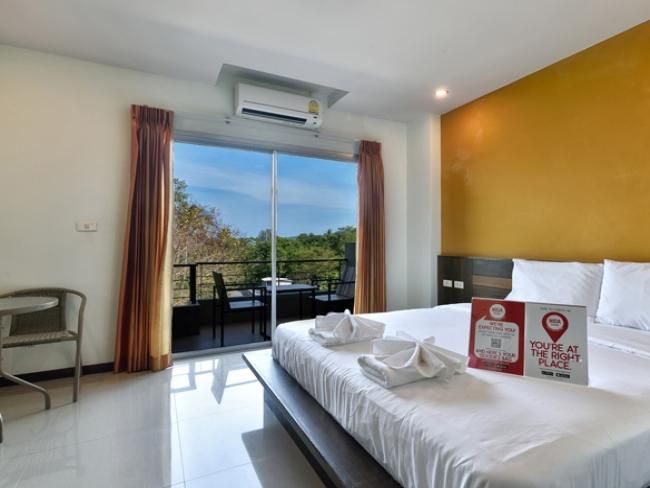
In Tamanrak, one of the most unique cultural experiences is staying at Tamanrak Riverside Resort, a boutique eco-lodge nestled along the Maeklong River with traditional Thai wooden bungalows. Guests can enjoy nightly riverfront bonfire gatherings and learn about local Thai hill tribe craftsmanship. Another must-try is the Kanchanaburi Heritage Village Hotel, where rooms are converted from vintage railway carriages, offering an immersive experience near the historic Bridge over the River Kwai.
For deeper cultural immersion, visit Akha Village Homestays, where travelers can participate in handwoven textile workshops, organic rice farming, and traditional cooking classes using local ingredients. These authentic encounters provide insight into the Lanna heritage and sustainable living practices of northern Thailand’s indigenous communities.
The best area for hotel access in Tamanrak is the Maeklong Riverfront District, where accommodations like Tamanrak Riverside Resort and Kanchanaburi Heritage Village Hotel are centrally located near major sites. This zone provides easy walking access to the Bridge over the River Kwai, historical train tracks, and the Kwae Yai River. Staying here allows guests to enjoy morning river views, evening strolls along the river path, and quick access to local night markets offering authentic northern Thai street food such as green curry noodles and sticky rice chicken.
Many hotels in this district feature traditional Thai timber architecture, bamboo interiors, and thatched roofs, blending cultural authenticity with comfort. For those seeking a quieter, more immersive stay, family-run homestays in nearby villages offer direct participation in local crafts, organic farming, and community-based tourism programs.
Must-try dishes in Tamanrak include Kaeng Khiao Wan (Green Curry Noodles), made with fresh green chilies, coconut milk, and lemongrass for a rich, slightly spicy flavor. Another highlight is Khao Mok Gai, a northern Thai specialty featuring chicken slow-cooked with turmeric, onions, and aromatic spices, served over fragrant yellow rice. Street favorites like Moo Ping (grilled pork skewers) are also popular—charred on open flames, tender and sweet with a tangy dipping sauce.
Don’t miss the Kanchanaburi riverside night market, home to century-old stalls like "Aka Grandma’s Rice Noodle Shop," known for handmade, silky noodles and clear, flavorful broth. Local farmers also sell fresh wild yams, edible greens, and pickled fish used in traditional Thai salads (Yam). Some guesthouses offer hands-on Thai cooking workshops, teaching guests how to prepare authentic sauces and regional recipes using seasonal ingredients.
Start your day early by visiting the Bridge over the River Kwai, exploring the War Memorial and Railway Museum to learn about WWII history. In the morning, take a riverboat tour along the Maeklong River, spotting wildlife and stopping at floating villages to observe traditional fishing techniques.
Lunch at the riverside night market, where you can savor Green Curry Noodles and grilled pork skewers. In the afternoon, check into Tamanrak Riverside Resort and join a Thai massage workshop or handloom weaving class to engage with local crafts. As dusk falls, attend a bonfire gathering featuring live performances of traditional Northern Thai percussion music.
End the day with a private riverside dinner on your balcony, enjoying starlit views. Use bicycle rentals to explore nearby villages and hidden trails, immersing yourself in the authentic, unhurried rhythm of Kanchanaburi’s rural life.
Yes, many hotels in Tamanrak are ideal for family travel. Tamanrak Riverside Resort features a dedicated family-friendly zone with a kids’ pool, garden activities, and a petting corner with ducks and rabbits, perfect for young explorers. Connected rooms are available for larger families, ensuring comfort and privacy.
Kanchanaburi Heritage Village Hotel offers a "Young Explorer" package including guided activity booklets, themed costumes, and mini railway model puzzles, turning history into interactive play. Family workshops like Thai wind chime crafting and paper umbrella painting encourage bonding through creativity. All properties provide safe walkways, 24/7 concierge service, and child-safe facilities, making it easy for grandparents and toddlers to enjoy the trip.
Families can also extend their visit to the Bridge over the River Kwai and former POW camp site, offering educational value for older children interested in WWII history.
The natural landscapes of Tamanrak are defined by the Maeklong River and dense tropical rainforests, creating a rich ecosystem. Watch for white egrets, kingfishers, and rare sightings of otters and Asian water monitors along the banks. In spring, the riverbanks bloom with purple wisteria, forming dreamy floral arches.
The surrounding forests near the Bridge over the River Kwai are ideal for hiking and ecological tours. Guides lead visitors to spot endangered butterflies, ancient ferns, and medicinal plants used in traditional Thai herbalism. Just outside town, Kanchanaburi National Park offers elevated tree-top walkways and waterfall trails with panoramic views of emerald mountains and cascading streams.
Nighttime brings special experiences: join a nocturnal wildlife safari with flashlights to spot fireflies, owl species, and other elusive creatures, revealing the hidden magic of the region’s biodiversity.
Tamanrak lies within Kanchanaburi Province, a pivotal location during WWII as part of the Burma Railway (also known as the Death Railway). Between 1942 and 1943, Japanese forces compelled Allied prisoners of war and Southeast Asian laborers to build the Bridge over the River Kwai, resulting in thousands of deaths due to harsh conditions.
Today, the War Memorial and Railway Museum preserve this somber legacy, displaying original tools, photographs, and survivor testimonies. The site serves as a powerful reminder of human resilience and sacrifice.
Local culture remains deeply rooted in Northern Thai traditions and Buddhist rituals. During Loy Krathong Festival, villagers release thousands of floating lanterns onto the Maeklong River, honoring ancestors and seeking peace. Indigenous groups like the Akha and Hmong continue practicing traditional embroidery, hillside farming, and ancestral worship, blending ancient customs with modern life. This fusion of war memory and living heritage makes Tamanrak a place of profound cultural depth.
Tha Maka Overview
City Summary
Tha Ma Kham is a tranquil town in Kanchanaburi Province, Thailand, situated along the Kwai River. Known for its historical significance as part of the Death Railway during World War II, it attracts history enthusiasts. Surrounded by lush forests and mountains, the town offers unique eco-tourism experiences.
Must-See Attractions
Must-see attractions include the Bridge on the River Kwai, a historic railway bridge from WWII, and the Death Railway Museum, which details this dark period. Visitors can also enjoy a Kwai River cruise or explore the stunning Erawan National Park, famous for its seven-tiered waterfall.
Food Guide
Local cuisine features Northern Thai dishes like Green Curry Chicken and Pad Thai. Street food favorites include Moo Ping (grilled pork skewers) and Mango Sticky Rice. Riverside restaurants serve fresh Kwai River fish with spicy Thai sauces.
Transportation Guide
Transportation relies on buses and taxis. From Bangkok, it takes 2-3 hours by bus to Kanchanaburi, followed by local transport to Tha Ma Kham. Rent a motorcycle or bicycle for town exploration. Plan routes in advance as some sites are remote. Avoid night travel for safety.
Best Time to Visit
Best time to visit is from November to February, with cool and dry weather. Avoid the rainy season (June to October) for outdoor activities.
Travel Tips
- Respect local culture; dress modestly at temples.
- Carry mosquito repellent for tropical insects.
- Maintain solemnity at historical sites.
- Use basic Thai greetings like "Sawadika" (hello).
- Avoid tap water; drink bottled water.
- Bargain politely but don't overdo it.
Useful Information
Practical info: Thai Baht is widely used; some shops accept cards. Mobile networks are reliable; get a local SIM. Medical facilities are limited; bring basic medicines. For emergencies, dial 1155 (Tourist Police). Thai is the main language; English works in tourist areas.