Hotels in Thavorn Bangkok
Discover your perfect stay in Thavorn Bangkok.
Thavorn Bangkok(Indonesia) Travel 2026: Cheap Flights, Hotels & Top Attractions
Popular Landmarks in Thavorn Bangkok
Discover the most iconic attractions in Thavorn Bangkok
Recommended Hotels in Thavorn Bangkok
Find the perfect place to stay in Thavorn Bangkok
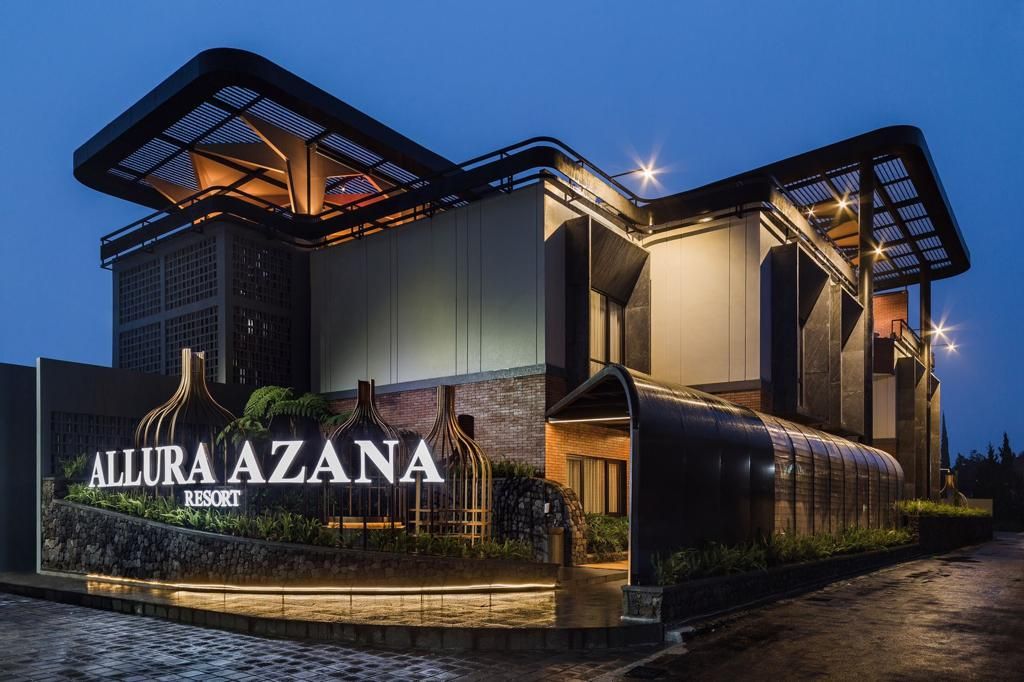
Allura Azana Resort Tawangmangu
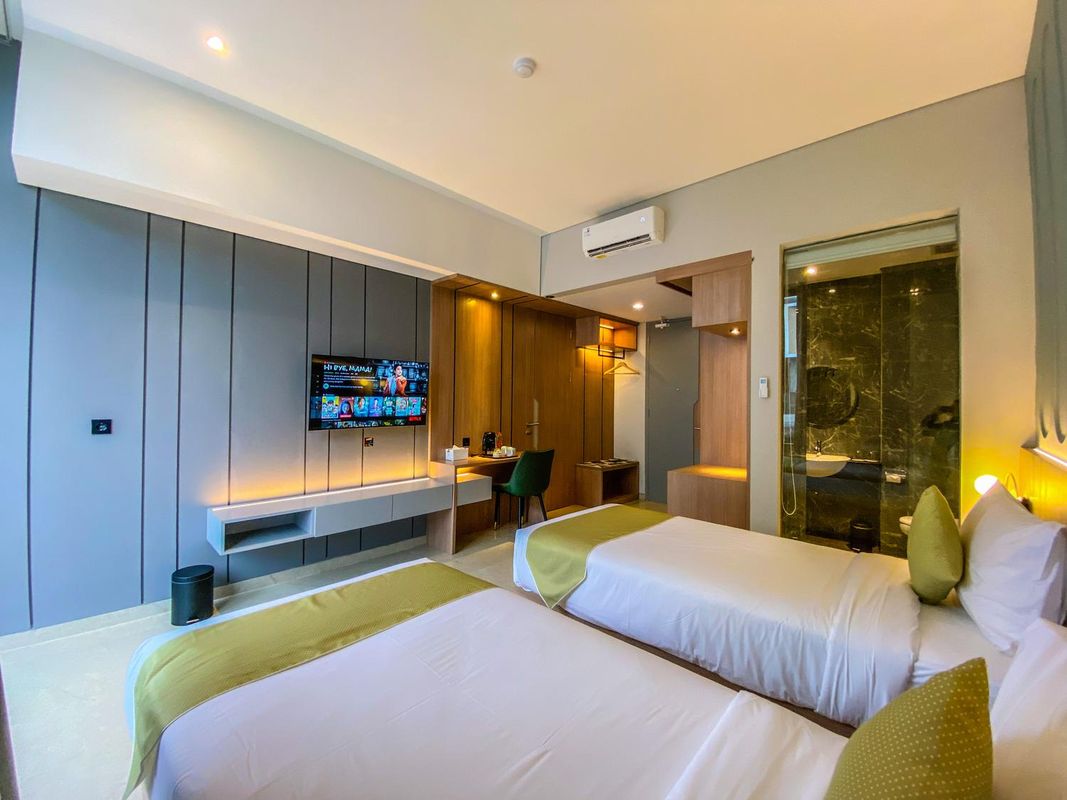
Facade Hotel by Azana
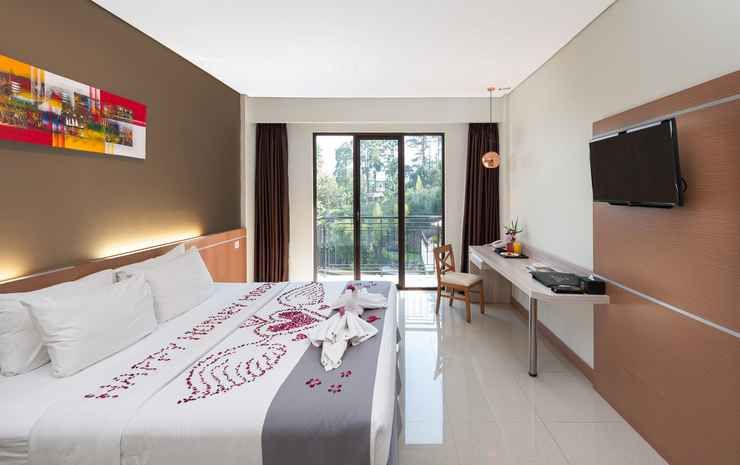
Nava Hotel Tawangmangu
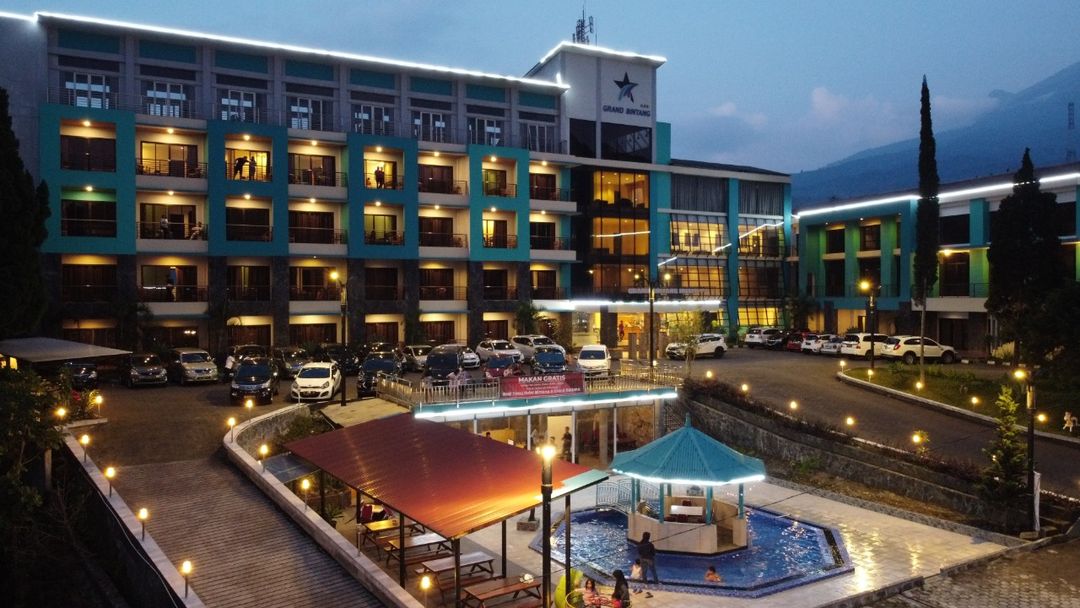
Grand Bintang Tawangmangu
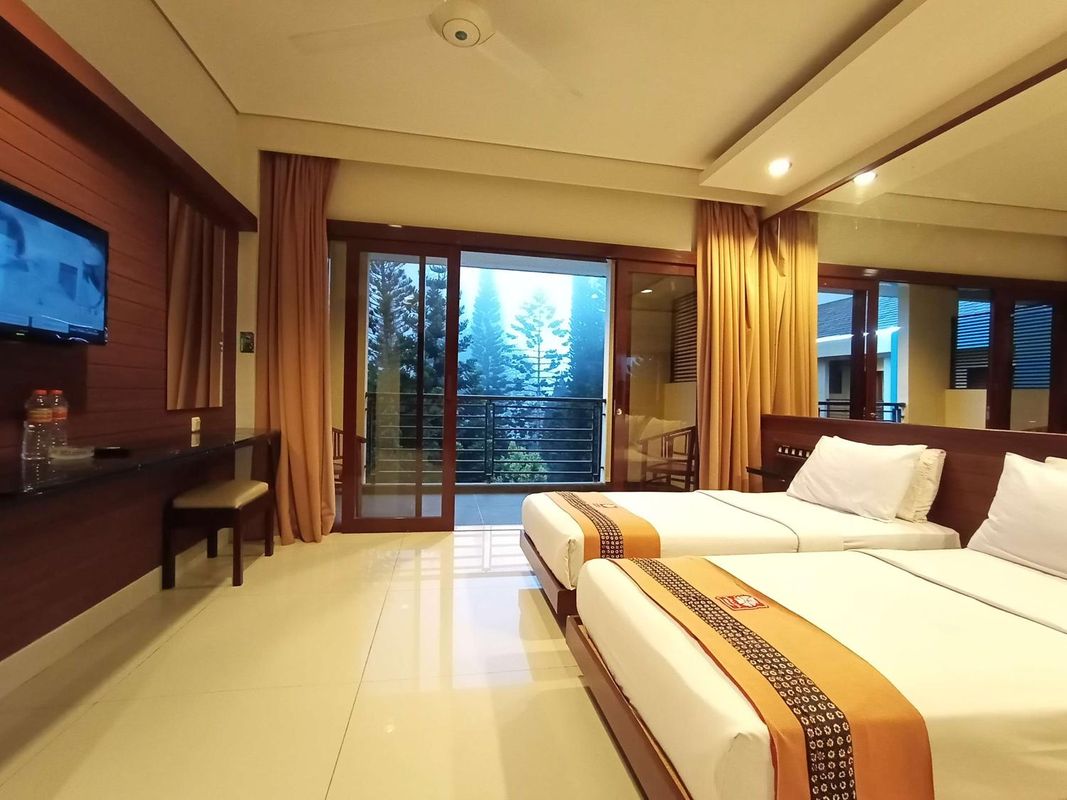
Hotel Bintang Tawangmangu
Best Hotels in Thavorn Bangkok
Discover curated hotel collections in Thavorn Bangkok
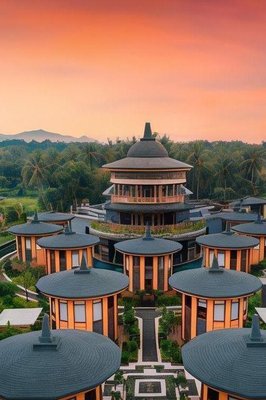
Hotel Le Temple Borobudur
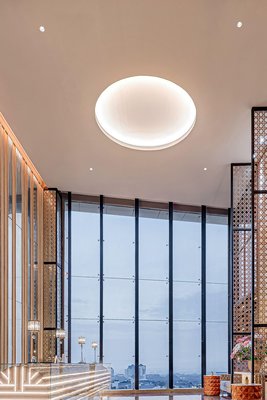
Whiz Luxe Hotel Spazio Surabaya
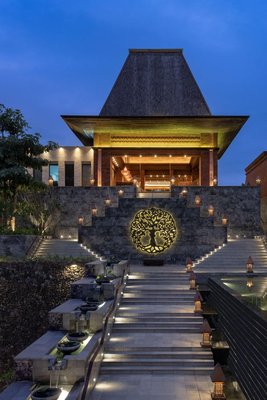
Garrya Bianti Yogyakarta
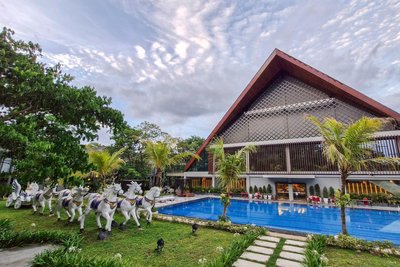
Wyndham Garden Yogyakarta
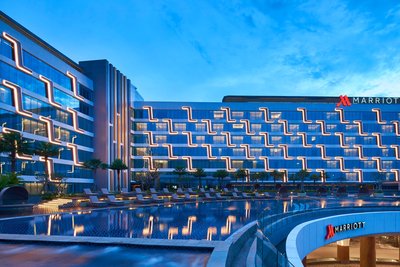
Yogyakarta Marriott Hotel
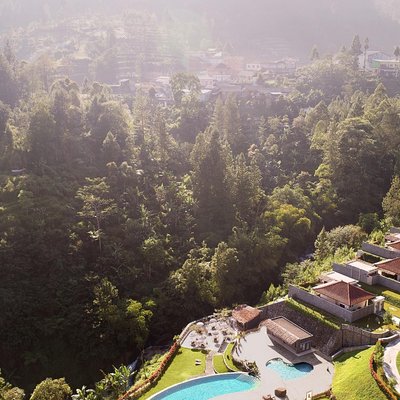
Joglo Ageng Guci Tegal
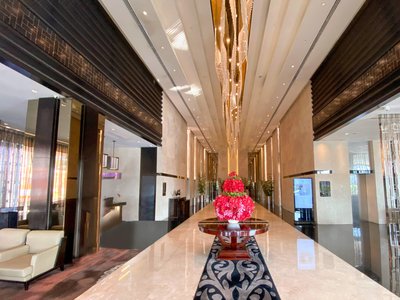
PO Hotel Semarang
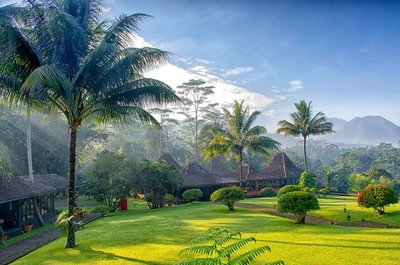
MesaStila Resort and Spa
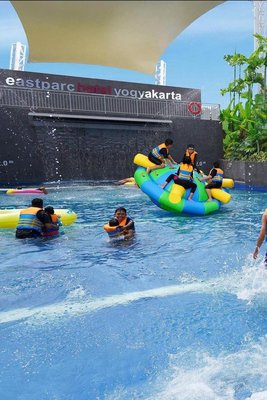
Eastparc Hotel Yogyakarta
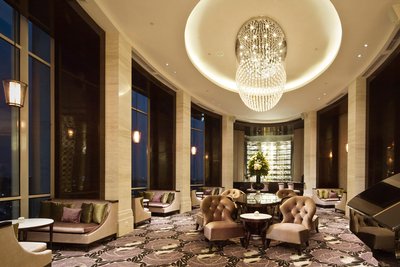
Hotel Ciputra World Surabaya managed by Swiss-Belhotel International

The Phoenix Hotel Yogyakarta - Handwritten Collection
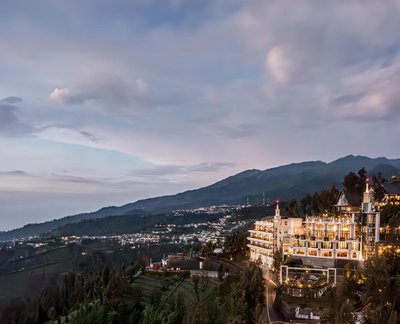
Plataran Bromo
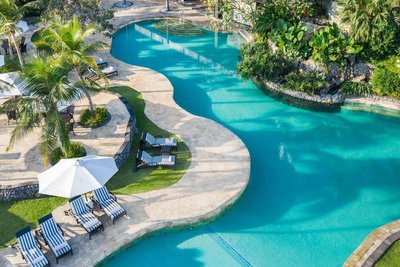
JW Marriott Hotel Surabaya
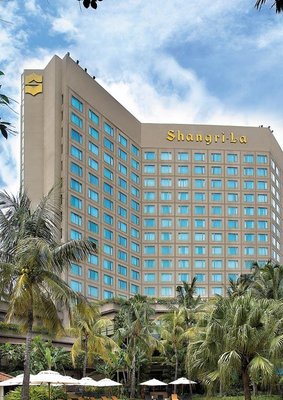
Shangri-La Surabaya
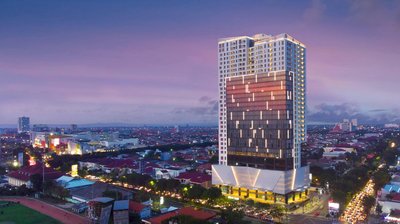
Oakwood Hotel & Residence Surabaya
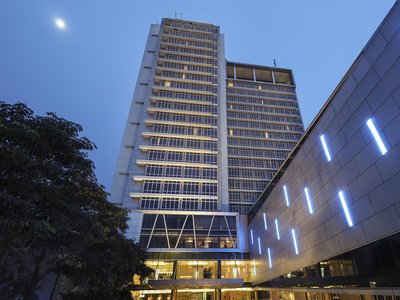
Grand Mercure Solo Baru
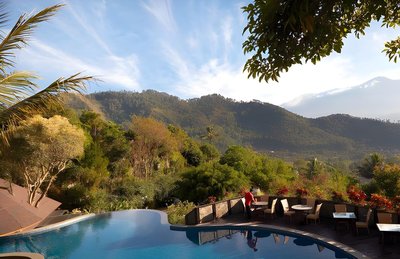
Jambuluwuk Convention Hall & Resort Batu
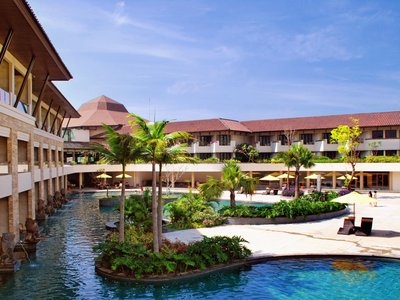
The Singhasari Resort Batu
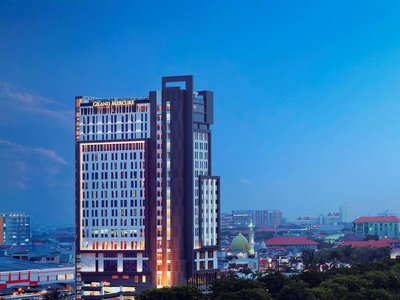
Mövenpick Surabaya City
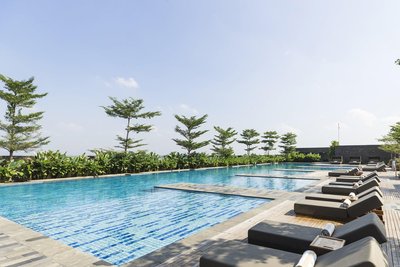
Alila Solo

MAHALAYA The Legacy Hotel
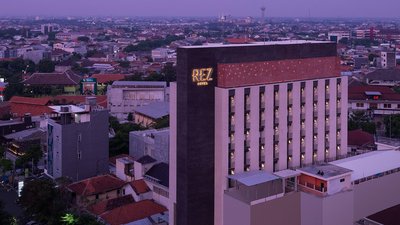
REZ Hotel Semarang
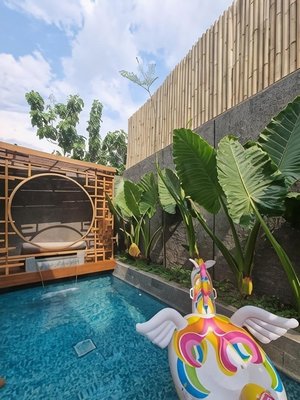
Akaya Villas Solo

WAHID PRIME SALATIGA
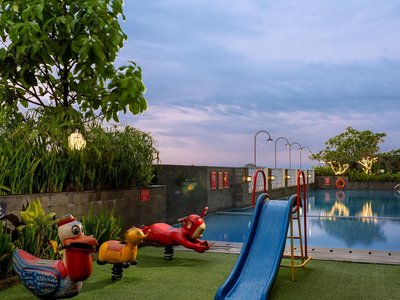
Aston Solo Hotel

Surya Hotel & Cottages Prigen
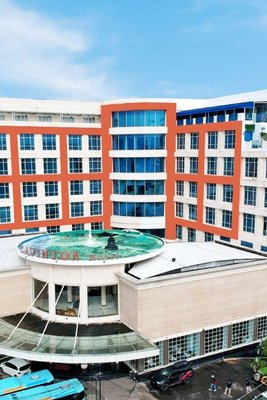
Cavinton Hotel Malioboro Yogyakarta
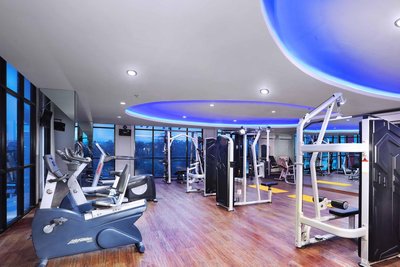
Aston Inn Pandanaran
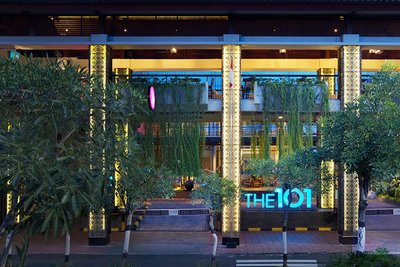
THE 1O1 Yogyakarta Tugu
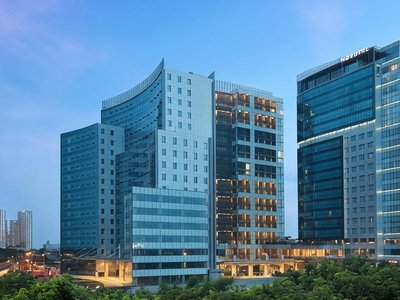
Novotel Samator Surabaya Timur
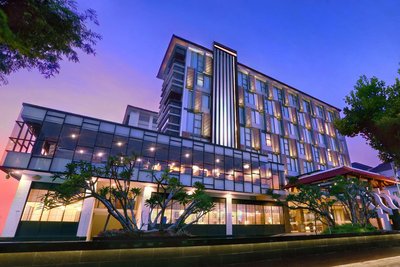
Harper Malioboro Yogyakarta by ASTON
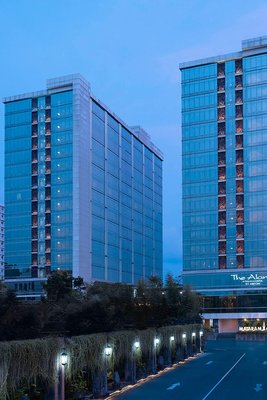
The Alana Yogyakarta Hotel and Convention Center
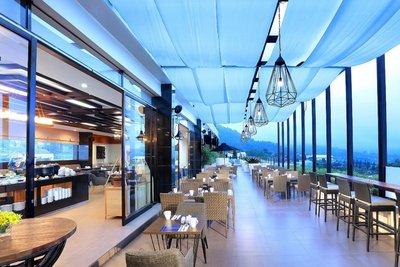
Aston Inn Batu
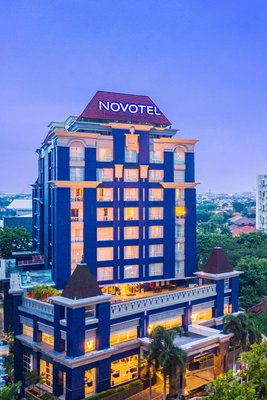
Novotel Semarang
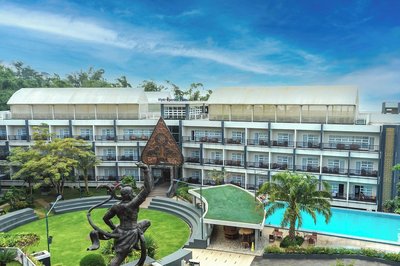
Griya Persada Convention Hotel & Resort
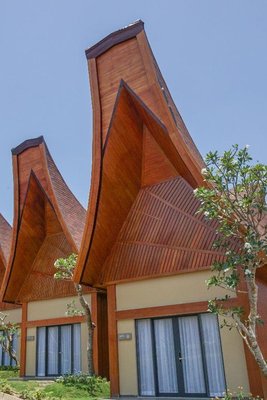
Shanaya Resort Malang
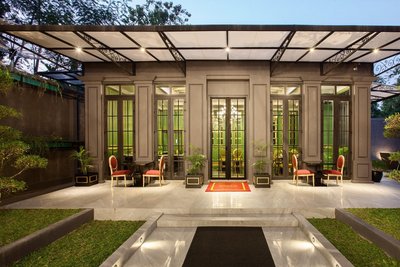
Sofia Boutique Residence
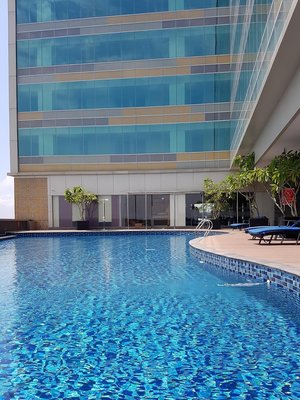
The Alana Hotel & Convention Center Solo by Aston
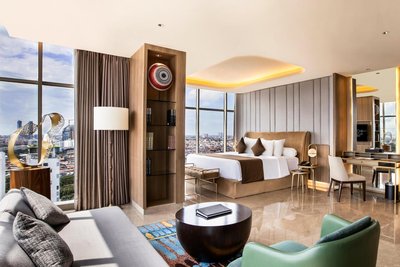
Morazen Surabaya
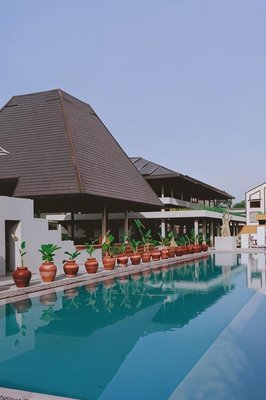
Ayom Java Village Solo
Frequently Asked Questions about Traveling to Thavorn Bangkok
Questions You Might Need to Know About Traveling to Thavorn Bangkok
Near Tawangmangu, visitors should explore the Prambanan Temple Complex, a UNESCO World Heritage Site featuring stunning Hindu temple architecture with intricate carvings. Guided tours often include traditional Javanese dance performances at sunset.
For authentic local culture, join a traditional batik-making workshop hosted by village artisans. Many hotels like Adiwara Resort offer these experiences as part of their cultural packages. Additionally, visit Sewu Temple, less crowded than Prambanan, to appreciate ancient Buddhist architecture and serene mountain views.
Stay at Tawangmangu Mountain Stay, a boutique eco-lodge nestled in the highlands of Central Java. It offers direct access to well-marked hiking trails leading to Mount Sumbing and Mount Merapi’s lower slopes.
The hotel provides guided trekking tours with local experts, equipped with safety gear and maps. Each room features a private balcony overlooking terraced rice fields. Guests can also participate in sunrise hikes followed by a traditional Javanese coffee tasting session using beans from nearby plantations.
In Tawangmangu, try a hands-on palm sugar (Gula Melaka) making workshop using fresh sugarcane juice cooked in clay pots over open fire — a centuries-old tradition.
Many guesthouses, including Tawangmangu Garden Hotel, host these sessions paired with banana leaf-wrapped sticky rice and peanut sauce. Don’t miss the weekly Street Food Festival at the town square, where vendors serve satay skewers, rojak fruit salad, and tempeh goreng. These dishes reflect the rich Javanese culinary heritage of the region.
The ideal time to visit Tawangmangu is from May to October, during the dry season with comfortable temperatures (20–28°C) and clear skies. June to August offers breathtaking misty mountain views perfect for photography.
Don’t miss the Seren Taun festival in July, a traditional harvest ceremony involving rice offerings and lion dances. This event provides deep insight into Javanese agricultural culture. Avoid traveling between November and April due to heavy rains and potential road closures in the highlands.
For couples, Adiwara Resort's private villa suites offer secluded pools and panoramic views of terraced rice fields and distant mountains — ideal for intimate moments. The resort provides customized candlelit dinners using locally sourced organic ingredients.
Alternatively, stay at Tawangmangu Starlight Cottage, featuring traditional Javanese thatched roofs and an open-air rooftop for stargazing. Couples can enjoy private hot spring baths and sunrise yoga sessions, blending nature, tranquility, and cultural charm in a truly romantic setting.
Near Tawangmangu, visit the Prambanan Temple Complex, one of Southeast Asia’s largest Hindu temple sites, featuring three central towers adorned with intricate bas-reliefs depicting the Ramayana epic. Dress in traditional Indonesian attire for photos.
Also explore Candi Sewu, a quieter Buddhist temple complex with a symmetrical layout symbolizing cosmic order. Both sites are located in Central Java, about 1 hour from Tawangmangu. Hiring a local guide enhances understanding of Javanese religious art and architectural symbolism.
Thavorn Bangkok Overview
City Summary
Tawangmangu is a hidden gem in Central Java, Indonesia, renowned for its rich cultural heritage and natural beauty. The city blends traditional Javanese culture with modern elements, with core attractions including tranquil village vibes and unique handicrafts like Batik and wood carvings.
Must-See Attractions
Must-see spots feature Keraton Tawangmangu Palace showcasing Javanese sultanate history, Grojogan Sewu Waterfall for breathtaking nature, and Sukuh Temple, a distinctive Hindu temple with pyramid structure. Culture enthusiasts can enjoy traditional dance performances or visit Batik workshops.
Food Guide
Food guide highlights Gudeg (sweet-spicy jackfruit stew), Soto Ayam (chicken noodle soup), and Klepon (palm sugar rice balls). Street food stalls cluster in market areas offering authentic Javanese flavors.
Transportation Guide
Transportation relies mainly on motorbike rentals and private cars, with limited public options. Renting motorbikes is ideal for exploring, or book chartered cars. Road conditions are decent but require caution in mountainous areas.
Best Time to Visit
Best visiting period is April-October during dry season. Avoid rainy months (November-March) for outdoor activities.
Travel Tips
- Respect customs: Wear sarongs when entering temples.
- Cash preferred: Small vendors may not accept cards.
- Sun protection: Strong UV rays in high-altitude zones.
- Bargaining etiquette: Polite haggling is acceptable in markets.
- Water safety: Drink bottled water only.
- Language tips: Learn basic Indonesian like "Terima kasih" (thank you).
Useful Information
Practical info: Local currency is Indonesian Rupiah (IDR), some hotels accept USD. Mobile coverage is decent - buy local SIM cards. Medical facilities are clinics-based; serious cases require transfer to Solo city hospitals. Primary language is Indonesian, with basic English in tourist areas. Emergency numbers: 110 (police), 118 (ambulance).