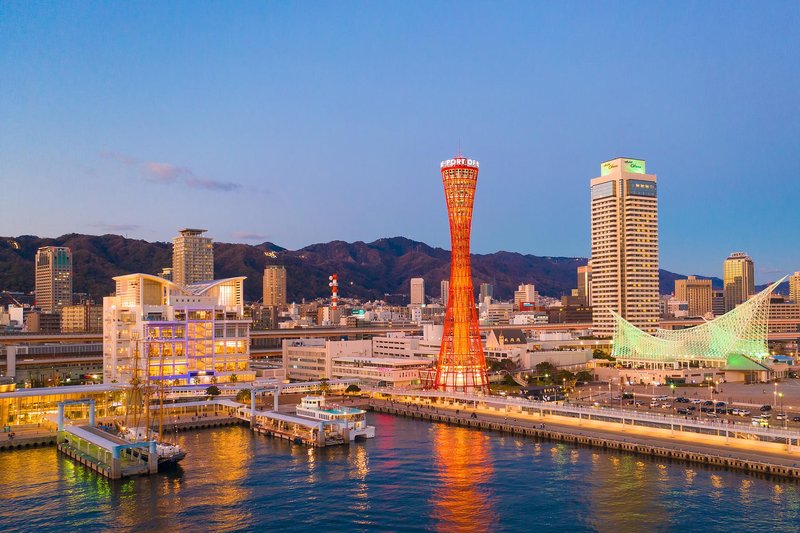
Hotels in The four central city
Discover your perfect stay in The four central city.
The four central city(Japan) Travel 2026: Cheap Flights, Hotels & Top Attractions
Popular Landmarks in The four central city
Discover the most iconic attractions in The four central city
Recommended Hotels in The four central city
Find the perfect place to stay in The four central city
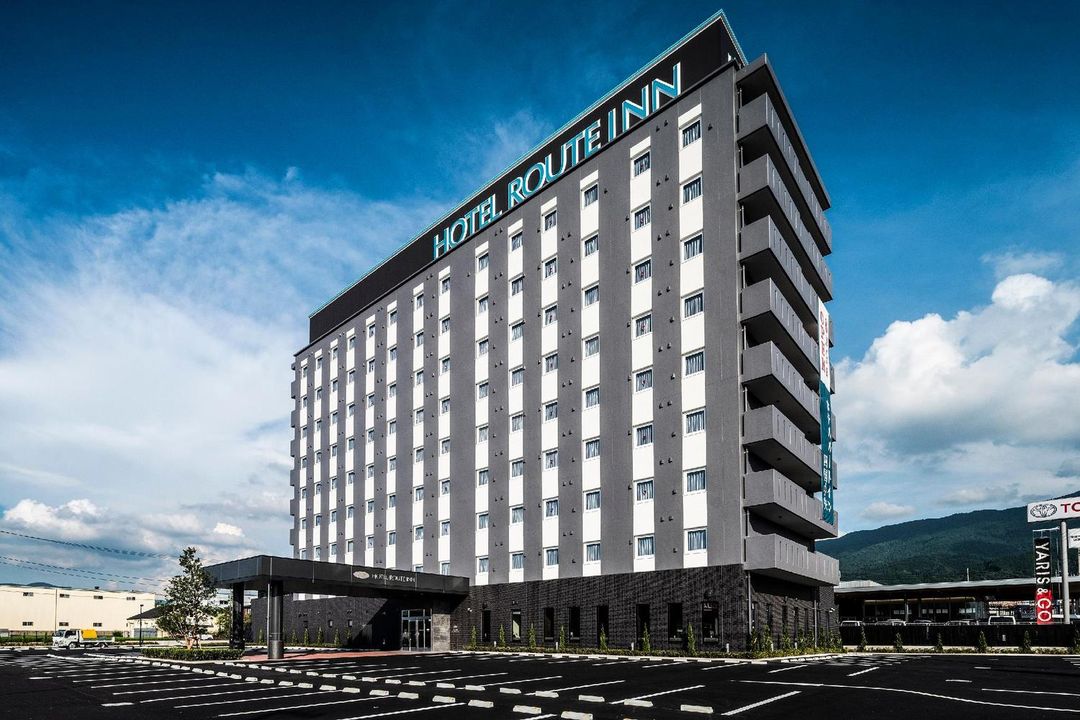
Hotel Route Inn Shikoku Chuo
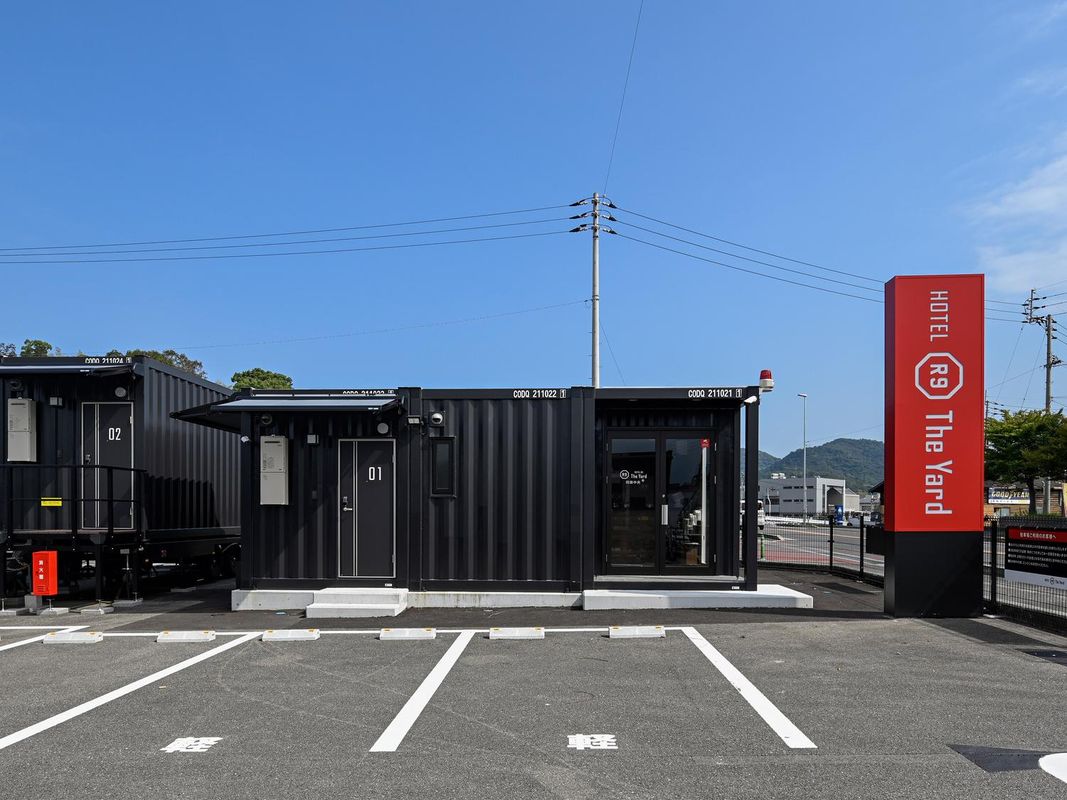
Hotel R9 the Yard Shikokuchuo
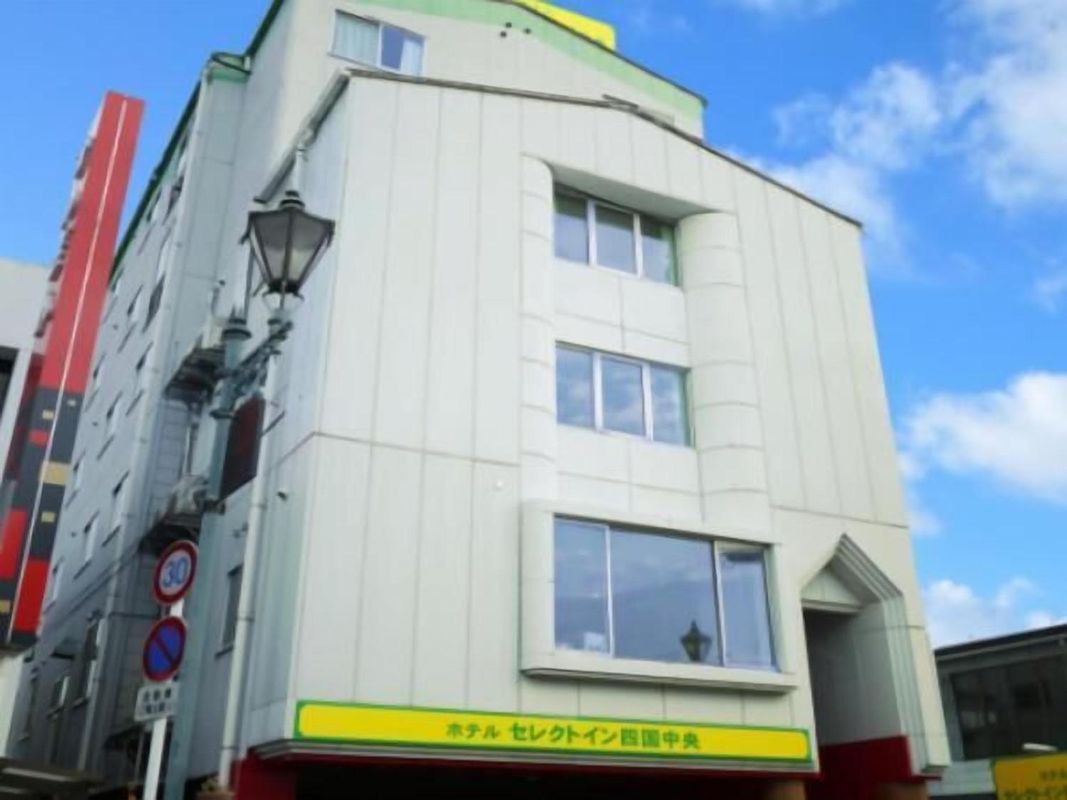
Hotel Select Inn Shikoku Chuo
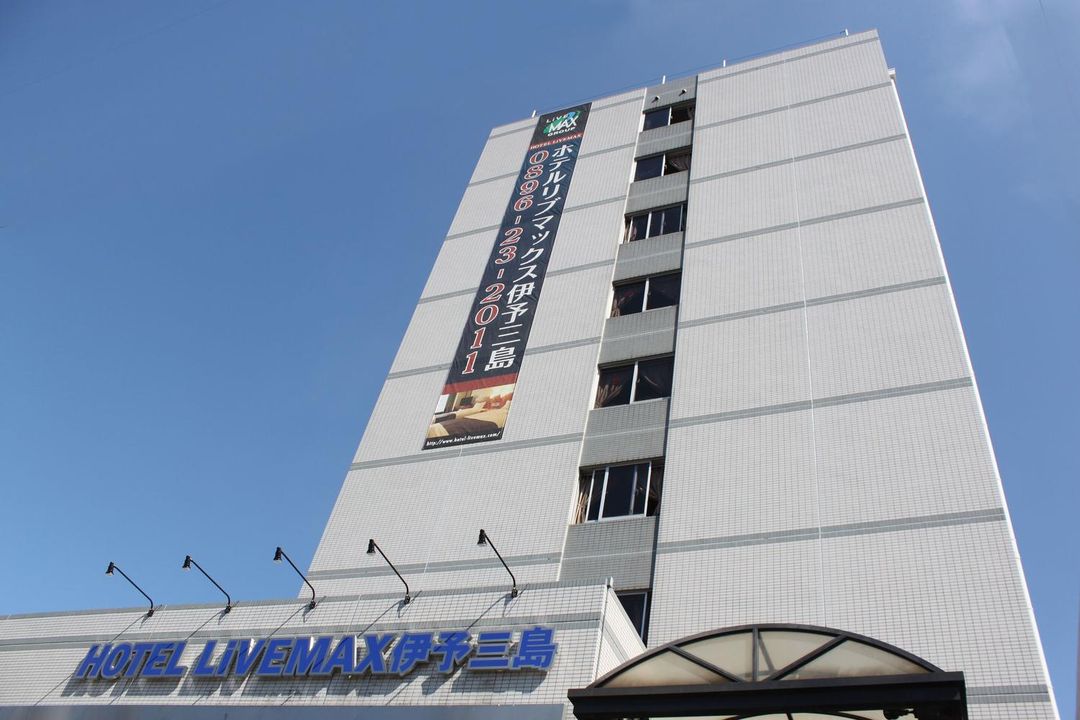
HOTEL LiVEMAX BUDGET Iyo Mishima
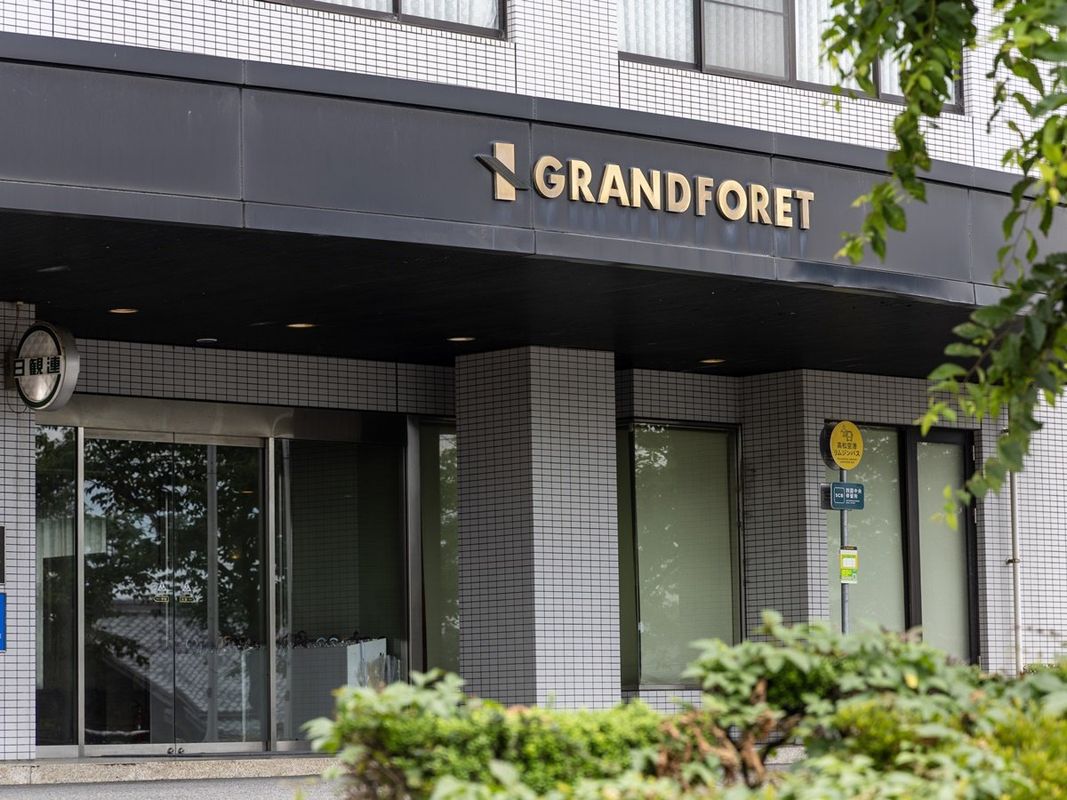
Hotel Grand Foret
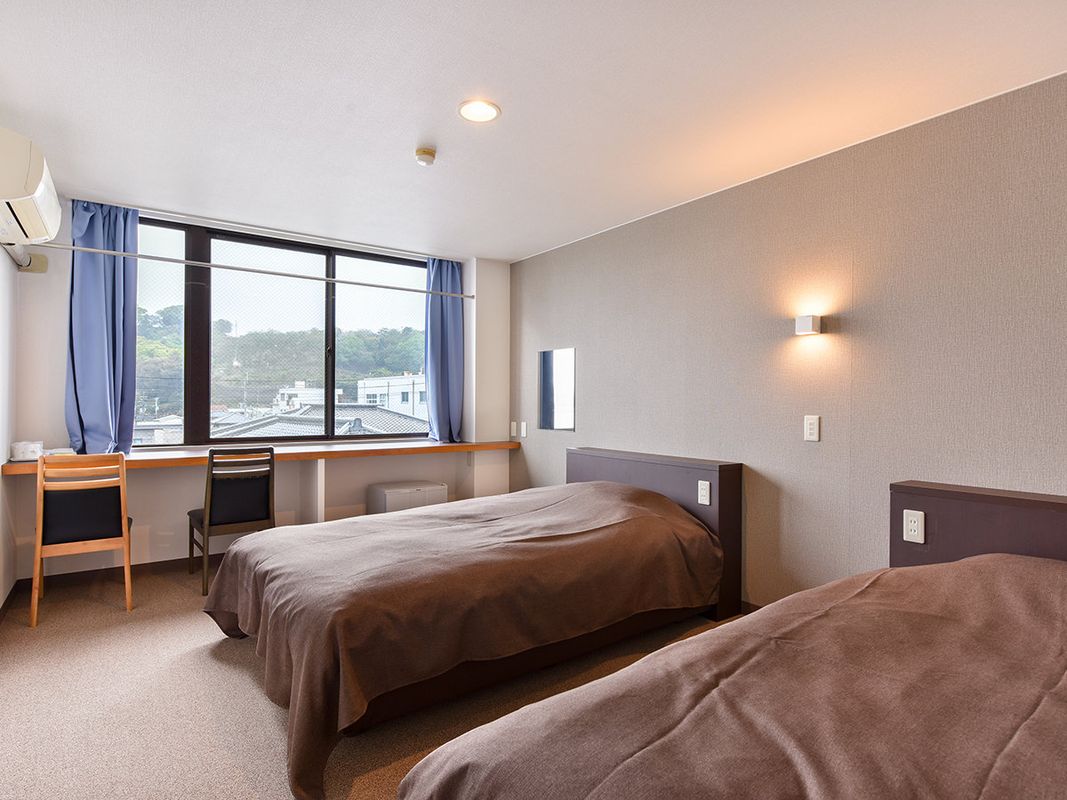
Prince Hotel Sugigen
Best Hotels in The four central city
Discover curated hotel collections in The four central city
The Ritz-Carlton, Fukuoka
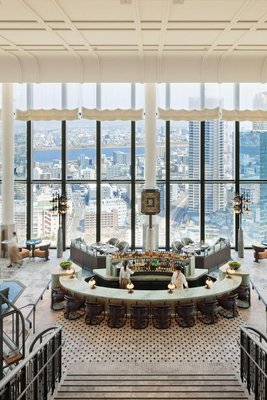
Waldorf Astoria Osaka
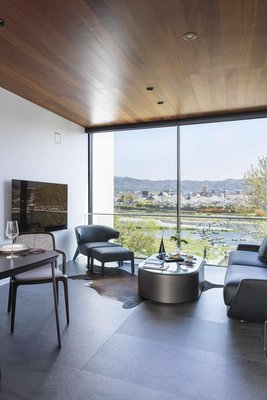
Kamo Residences by Reflections
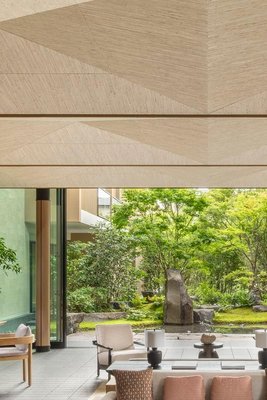
Six Senses Kyoto
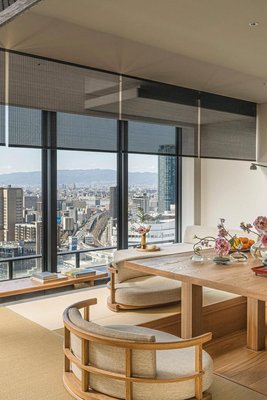
Four Seasons Hotel Osaka
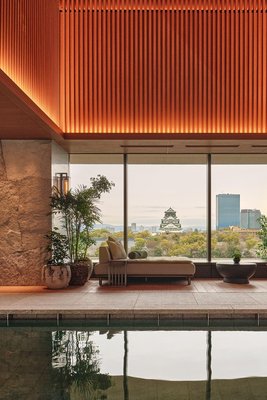
Patina Osaka
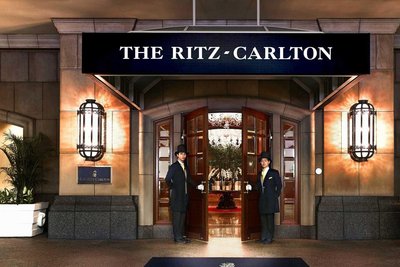
The Ritz-Carlton, Osaka
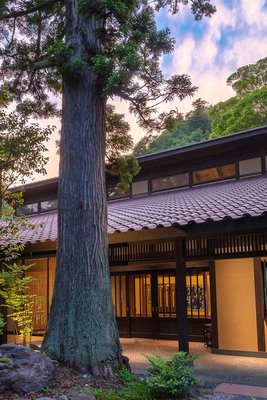
Arimasansoh Goshobessho
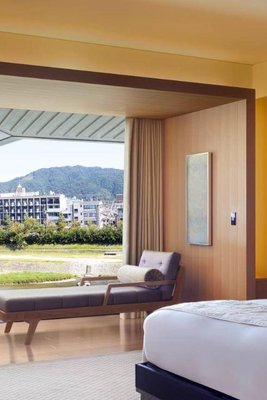
The Ritz-Carlton, Kyoto
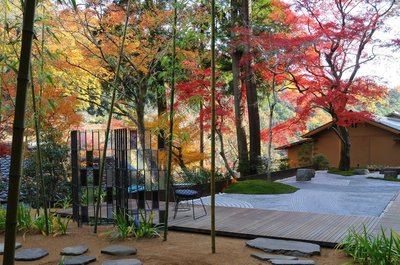
HOSHINOYA Kyoto
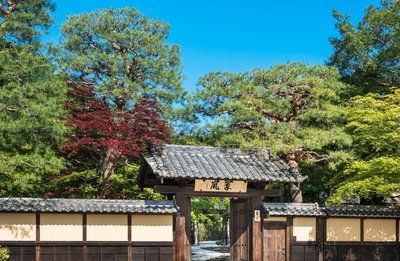
Suiran, a Luxury Collection Hotel, Kyoto
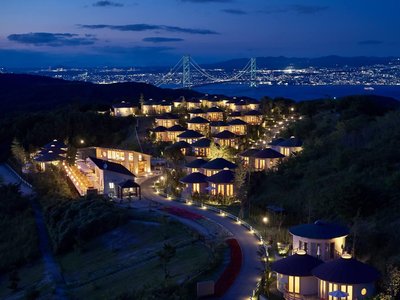
Grand Chariot Hokutoshichisei 135°
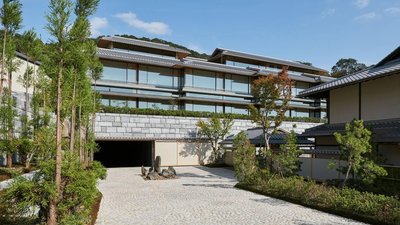
Park Hyatt Kyoto
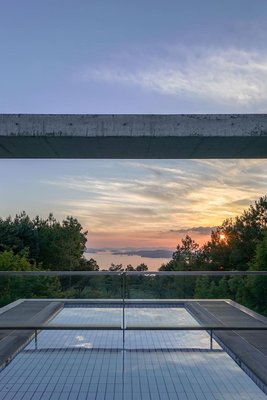
SETOUCHI RETREAT by Onko Chishin
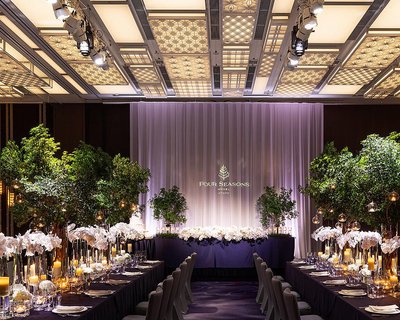
Four Seasons Hotel Kyoto
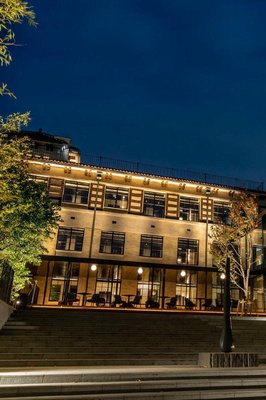
The Hotel Seiryu Kyoto Kiyomizu - a Member of the Leading Hotels of the World-
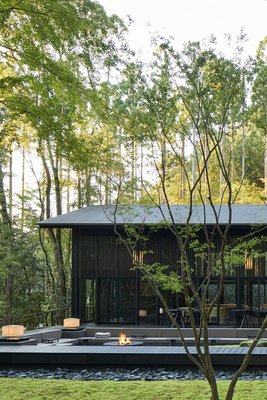
Aman Kyoto
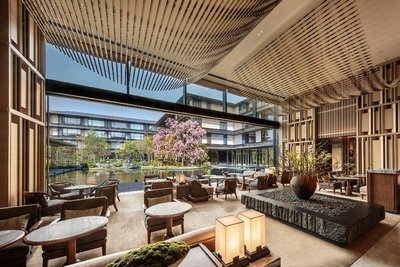
Hotel the Mitsui Kyoto, a Luxury Collection Hotel & Spa
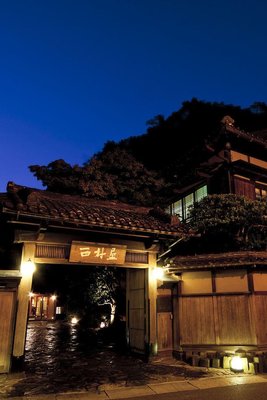
Nishimuraya Honkan
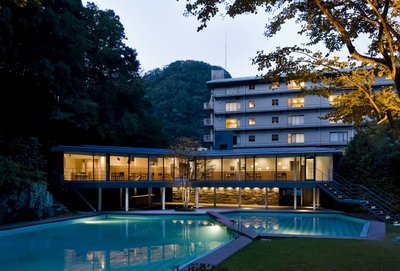
Kinosaki Onsen Nishimuraya Hotel Shogetsutei
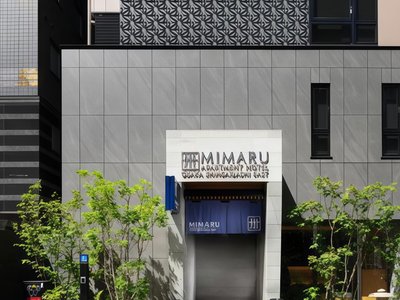
MIMARU Osaka Shinsaibashi East
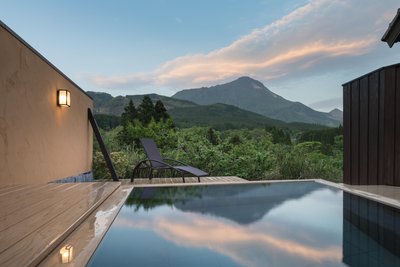
Ikkoten
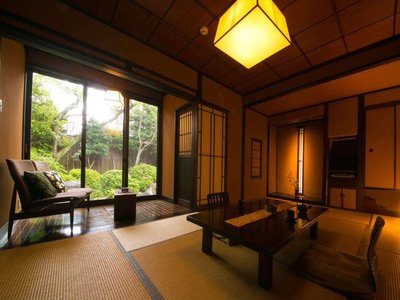
SEKIYA RESORT Bettei Haruki
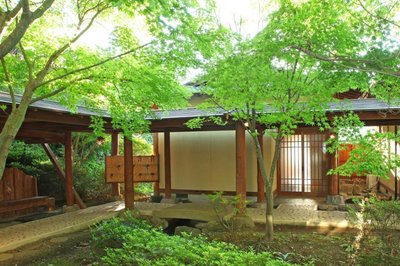
Chikurakutei
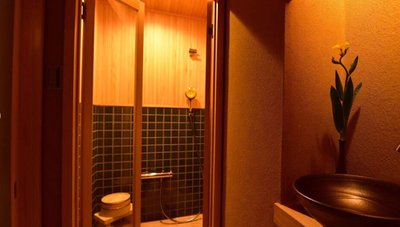
Yado Kiramachi
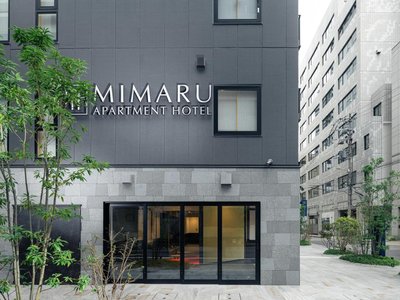
MIMARU Osaka Shinsaibashi North
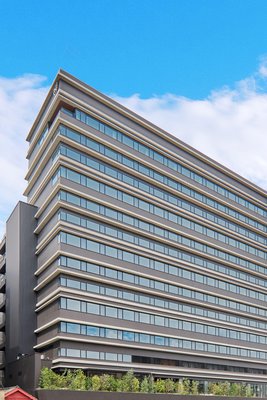
The Royal Park Canvas Fukuoka Nakasu
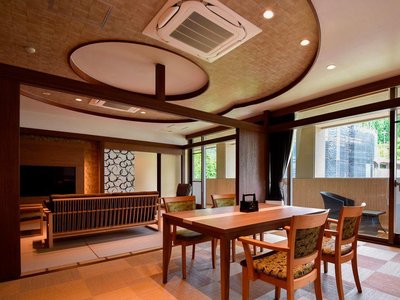
Okuno Hosomichi
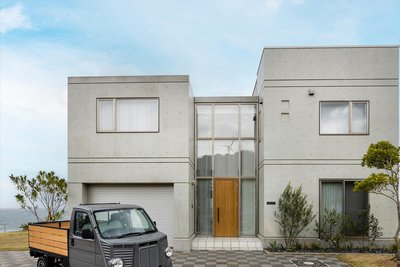
Izumo Hotel the Cliff
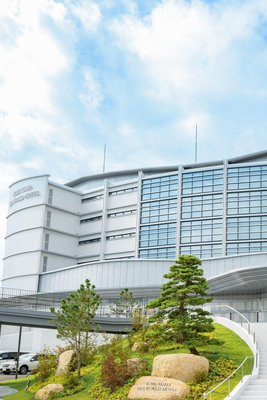
Kobe Suma Sea World Hotel
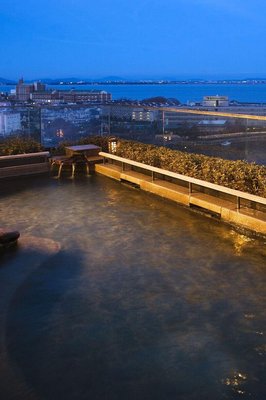
Yumotokan
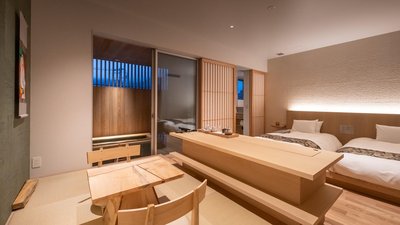
Japanese Auberge Kararako
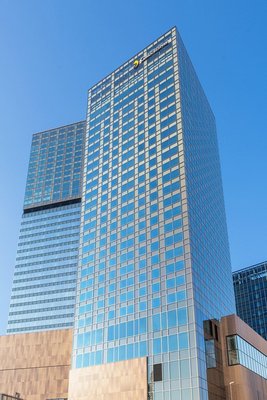
Hotel Hankyu GRAN RESPIRE OSAKA
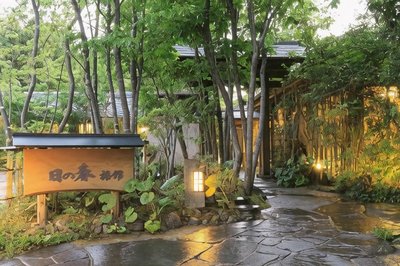
Yufuin Onsen Hinoharu Ryokan
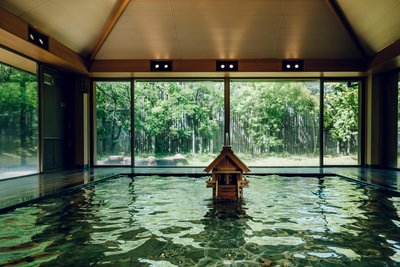
Hoshino Resorts KAI Tamatsukuri
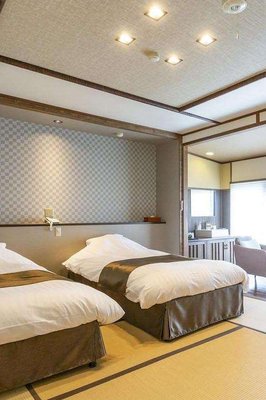
Sozankyo

Taikyourou
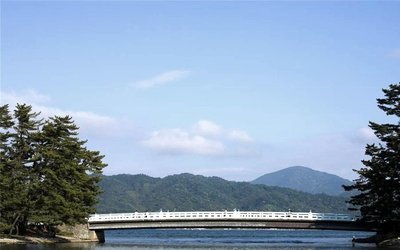
Monjusou Shourotei
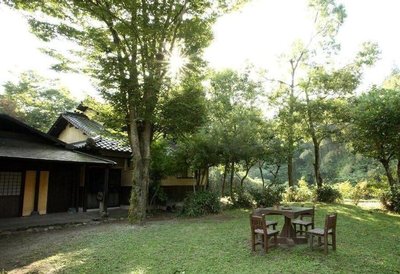
Yamashinobu
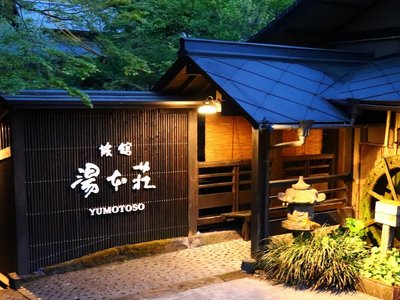
Ryokan Yumotosou
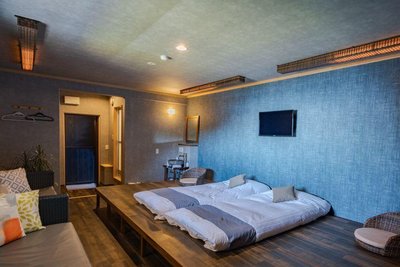
XYZ Private Spa and Seaside Resort
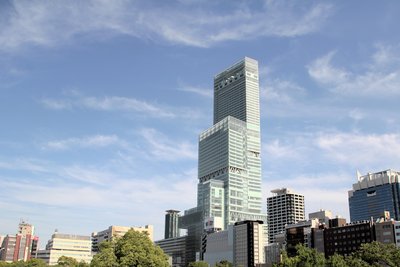
Osaka Marriott Miyako Hotel
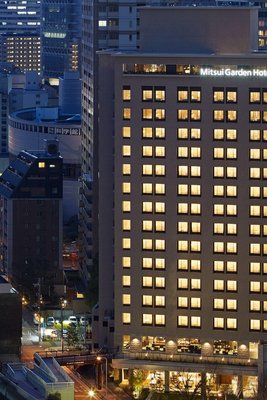
Mitsui Garden Hotel Osaka Premier
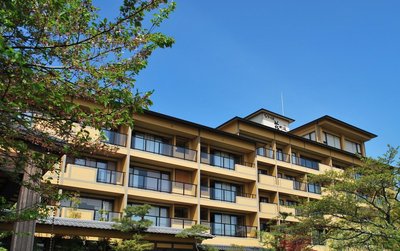
BIWAKO HANAKAIDO
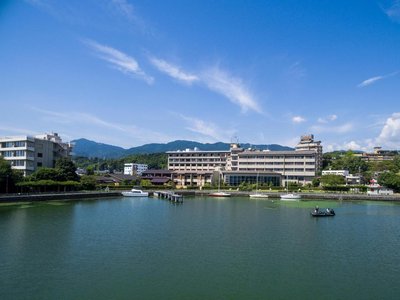
Biwako Ryokusuitei
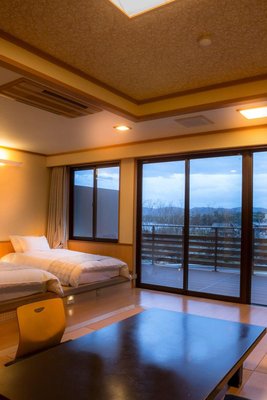
Hotel Kitanoya
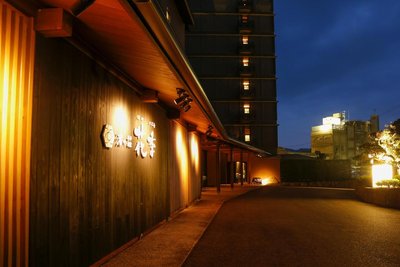
Hanagoyomi
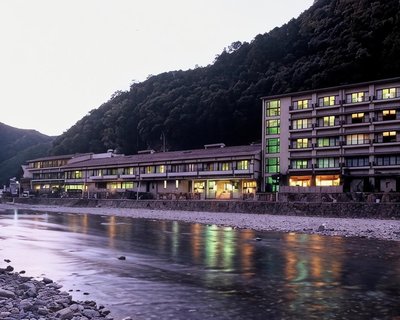
Kawayu Onsen Fujiya
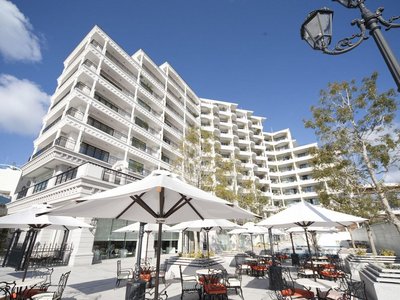
Hotel La Suite Kobe Harborland

AoAwo Naruto Resort
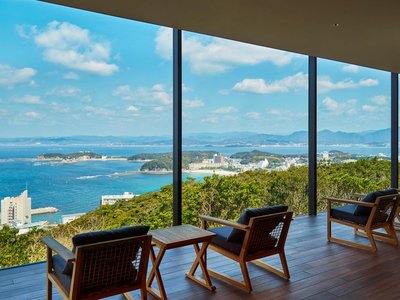
Infinito Hotel and Spa
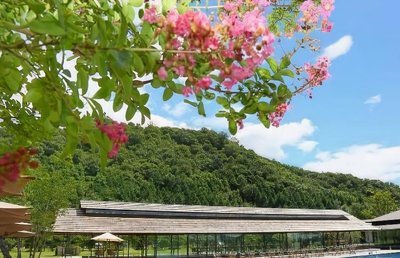
Bella Vista Spa and Marina Onomichi
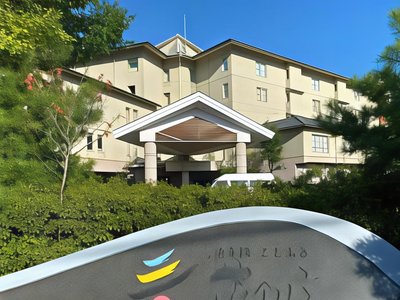
Yufuin Kotobuki Hananosho
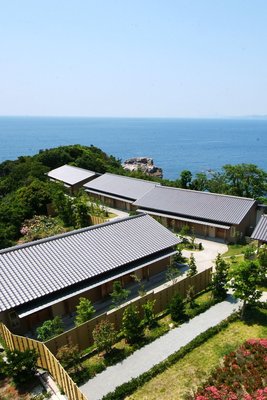
Hamachidorinoyu Kaisyu
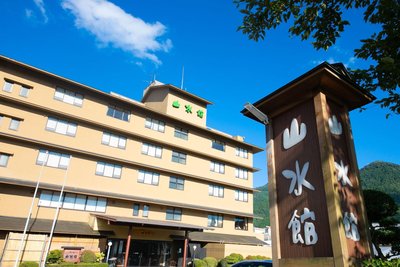
Yufuin Sansuikan
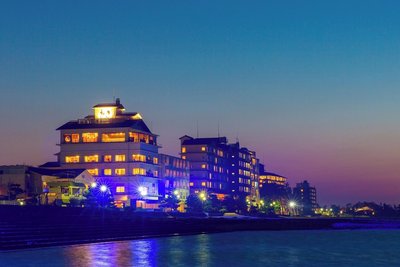
Kaike Shogetsu
The Ritz-Carlton, Kyoto
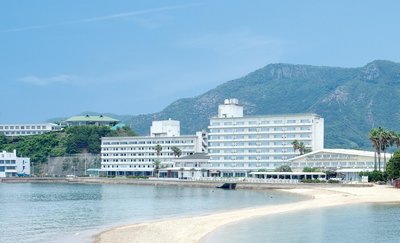
Shodoshima International Hotel
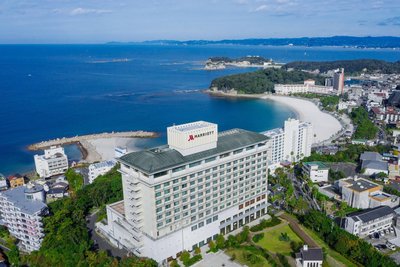
Nanki-Shirahama Marriott Hotel
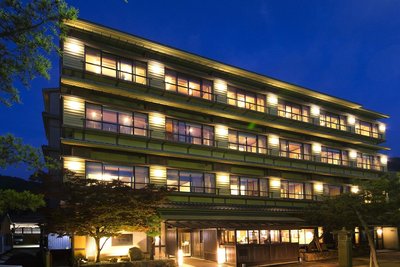
Kinsuikan
Yado Kiramachi
Arimasansoh Goshobessho
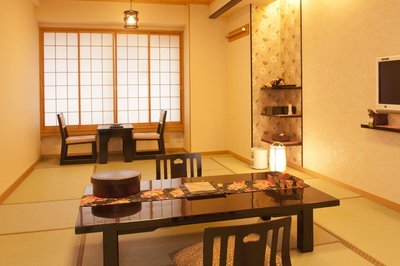
Matsui-Bekkan Hanakanzashi
Hoshino Resorts KAI Tamatsukuri
Taikyourou
Monjusou Shourotei
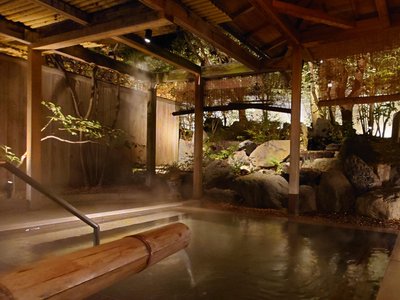
Kasuga Hotel
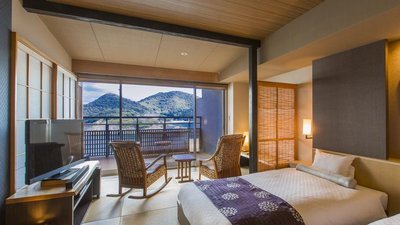
Migiwatei Ochi Kochi
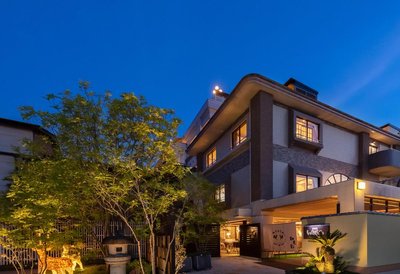
Hotel New Wakasa
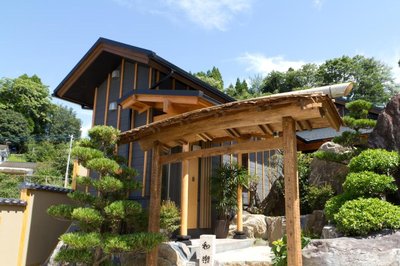
Ryokan Shinsen
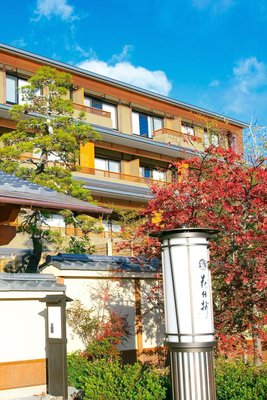
Kyoto Arashiyama Onsen Kadensho (Kyoritsu Resort)
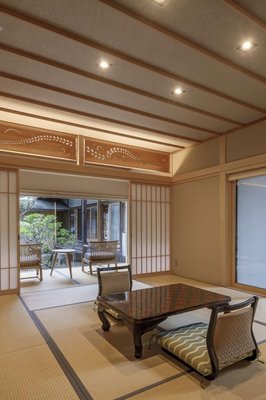
Ichijoin
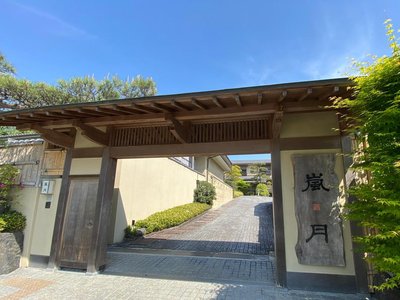
Rangetsu
The Ritz-Carlton, Kyoto
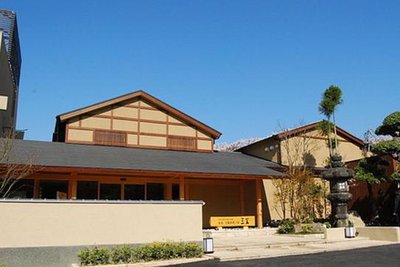
Mikasa
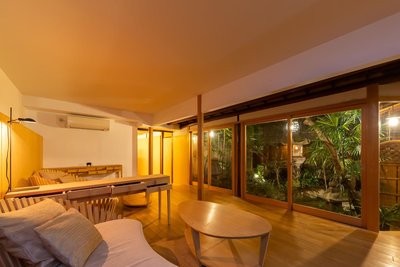
Izuyasu Traditional Kyoto Inn Serving Kyoto Cuisine
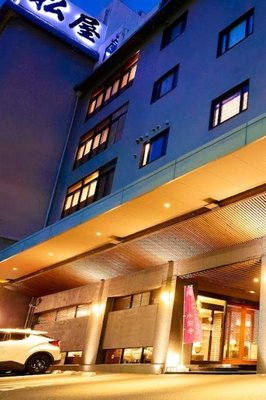
Ryotei Matsuya Honkan Suizenji
HOSHINOYA Kyoto
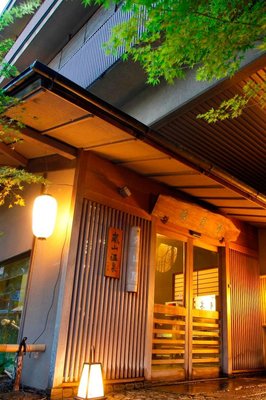
Togetsutei
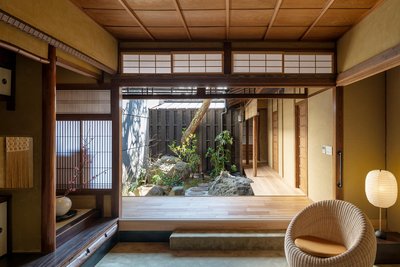
Nazuna Kyoto Gosho
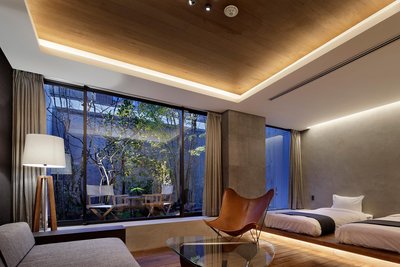
22 PIECES
The Ritz-Carlton, Osaka
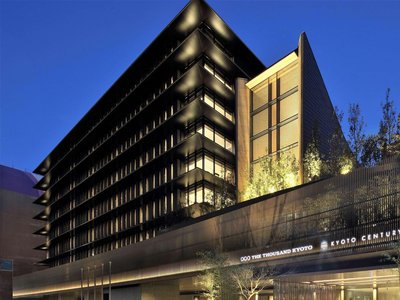
The Thousand Kyoto
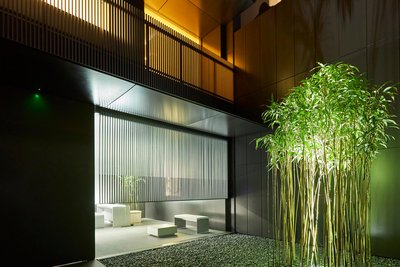
Mogana
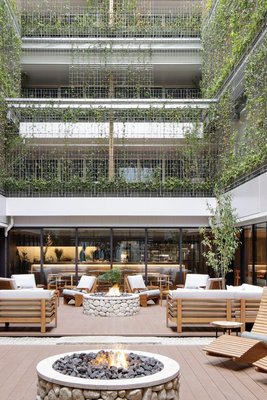
GOOD NATURE HOTEL KYOTO
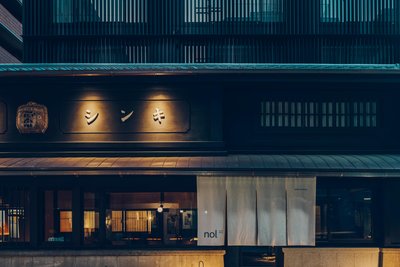
Nol Kyoto Sanjo
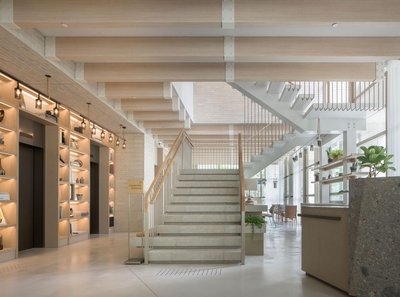
Zentis Osaka
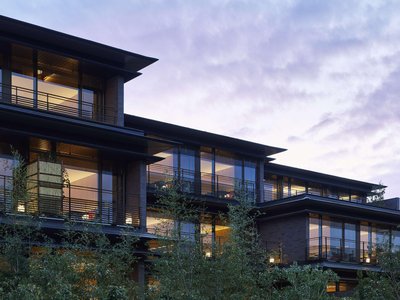
Garrya Nijo Castle Kyoto
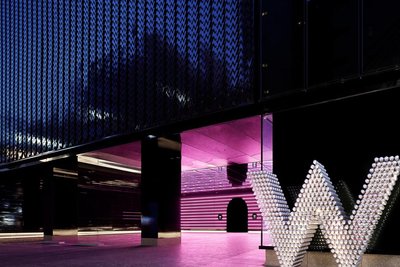
W Osaka
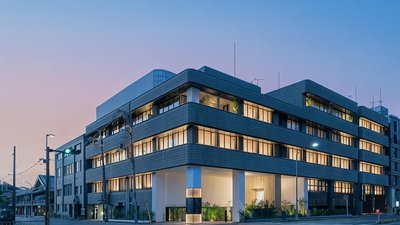
Hotel Kanra Kyoto
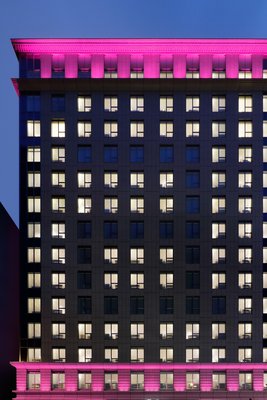
Aloft Osaka Dojima
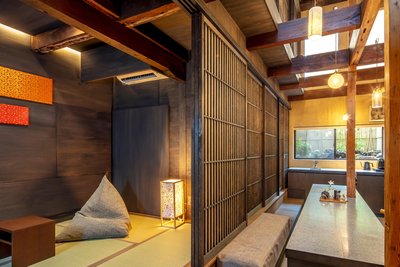
Kyo No Oozora Kihana
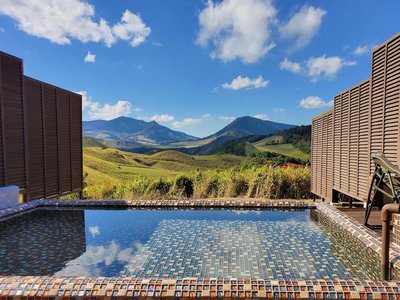
Grand Verde Resort
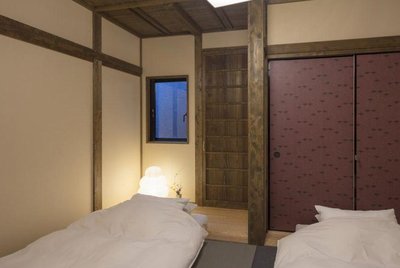
Hanagoromo Machiya House
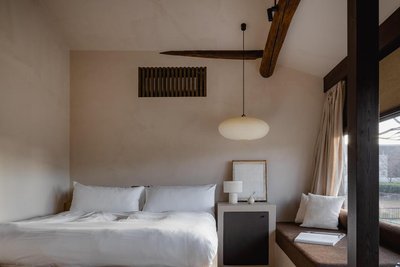
Maana Kiyomizu
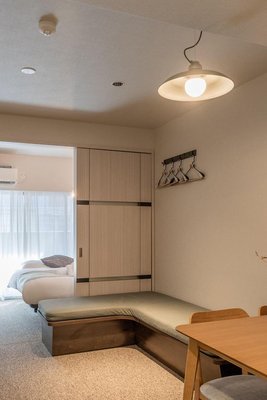
Apartment Hotel 11 Shinsaibashi
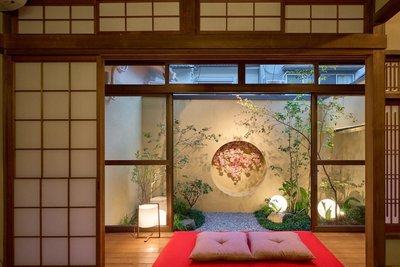
KONJAKUSO Osaka Tengachaya "NIHONCHA" Tea & Relax
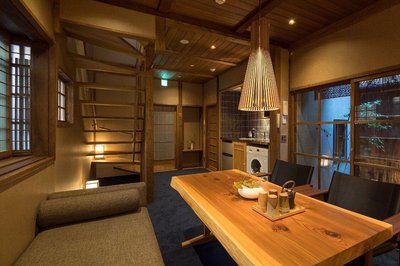
Bonbori an Machiya House
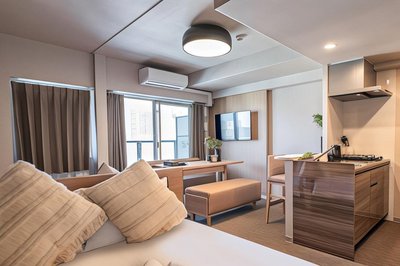
Apartment Hotel 11 Shinsaibashi III
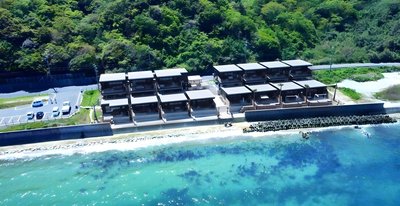
Solavilla Umi Terrace Minamiawaji
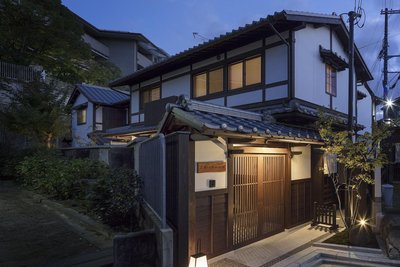
The Machiya Villa Sanjo Shirakawa Koji
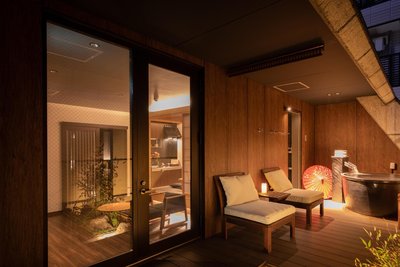
Konjaku-So Dotonbori
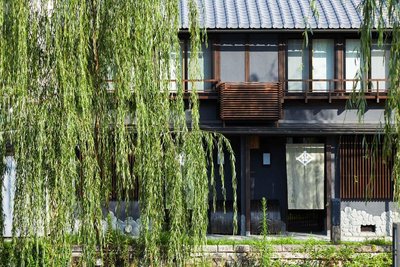
Gion Shirakawa No Yado

Kitashirakawa Natural Radium Onsen
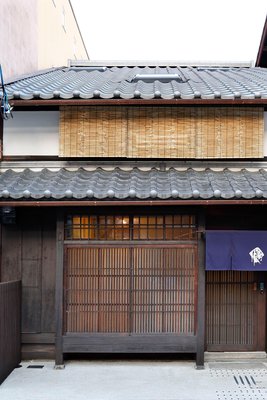
Kyo No Ondokoro Kamanza Nijo #2
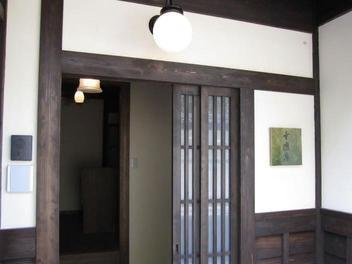
Gion Koyu an Machiya House
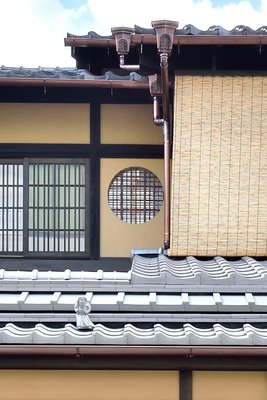
Kyo No Ondokoro Gokomachi Ebisugawa #3
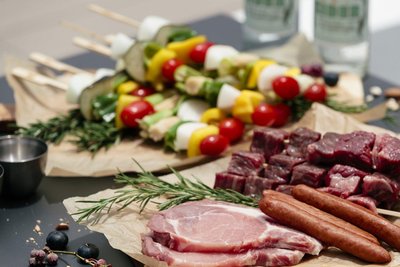
Sana Mane - Glamp Domes
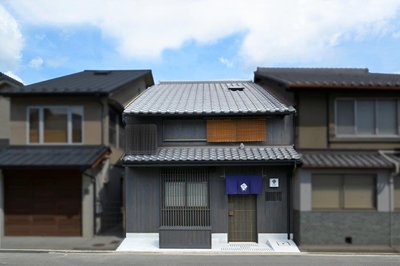
Kyo No Ondokoro Goshonishi #6
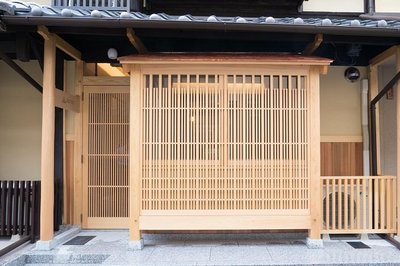
Kyomachiya Suite Rikyu
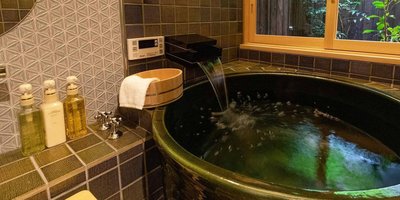
Kyoisuke
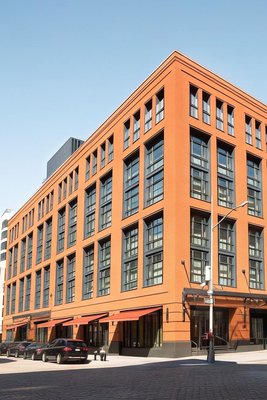
Hotel Barrière Fouquet's New York
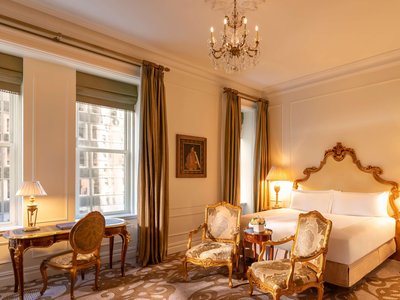
The Plaza - A Fairmont Managed Hotel
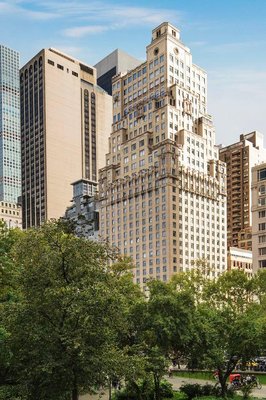
The Ritz-Carlton New York, Central Park
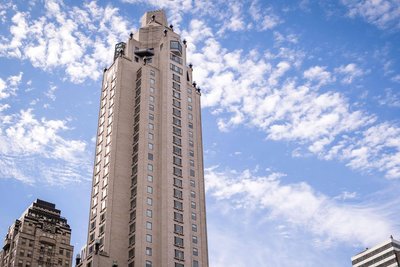
Four Seasons Hotel New York
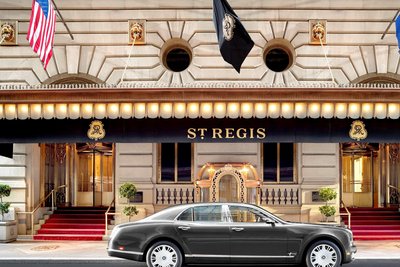
The St. Regis New York
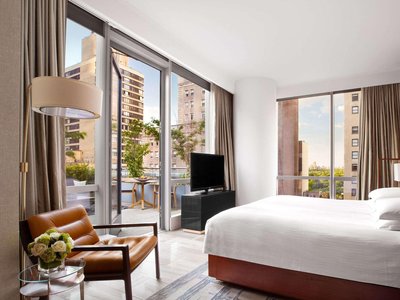
Park Hyatt New York
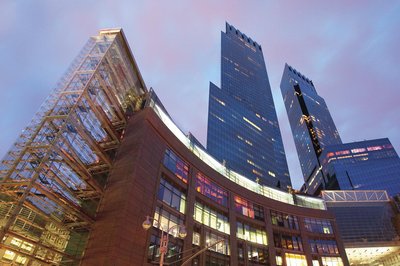
Mandarin Oriental New York
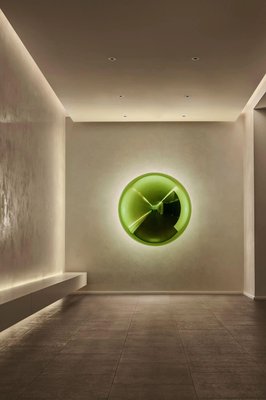
Times Square Edition New York
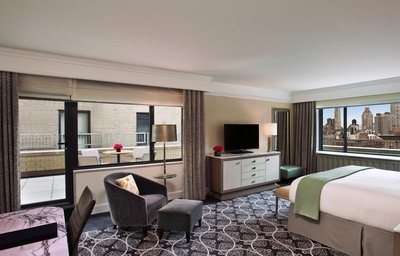
Loews Regency New York Hotel
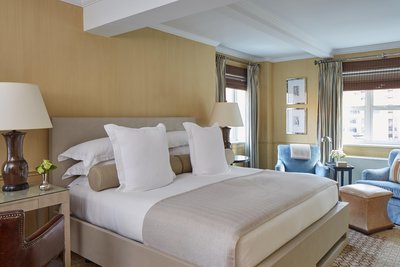
Lowell Hotel
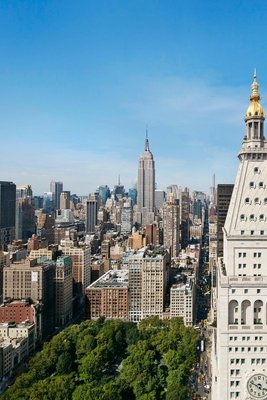
New York Edition
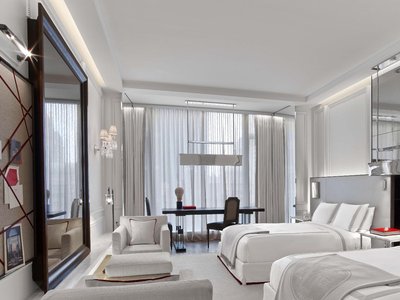
Baccarat Hotel New York
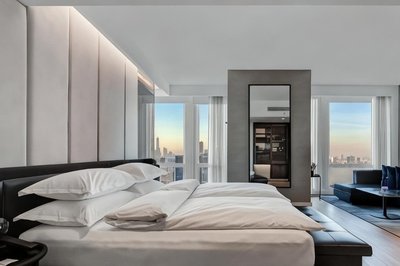
Equinox Hotel New York
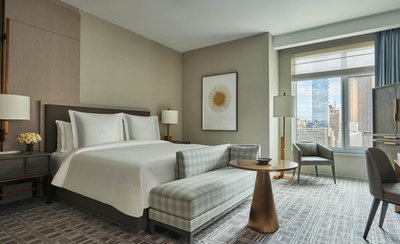
Four Seasons Hotel New York Downtown
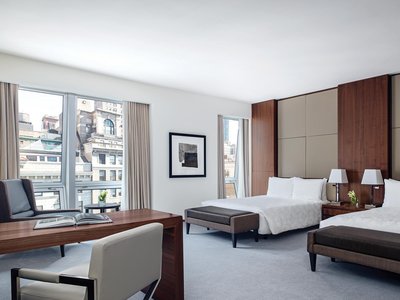
The Langham, New York, Fifth Avenue
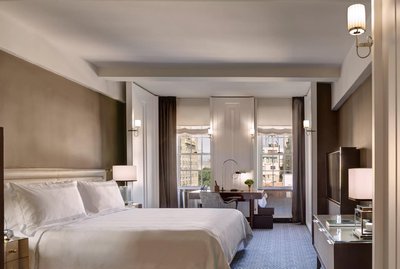
The Carlyle, A Rosewood Hotel

The Chatwal, in the Unbound Collection by Hyatt
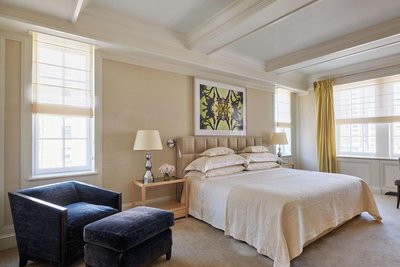
The Mark New York
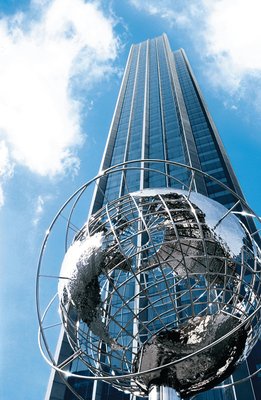
Trump International Hotel & Tower® New York
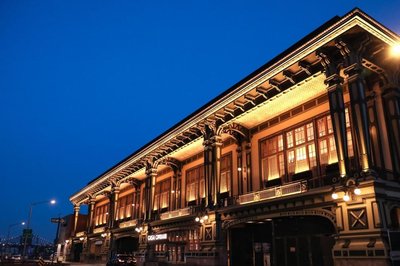
Casa Cipriani New York
Frequently Asked Questions about Traveling to The four central city
Questions You Might Need to Know About Traveling to The four central city
In Shikoku Central City, the top choice for families is Shikoku Central City Hotel, located in the heart of downtown with easy access to Iyo Citrus Garden and Matsuyama Castle. The hotel features a children's playroom, family suites, and daily Japanese breakfasts. It offers free parking and multilingual staff support.
The nearby Minami-umu Shopping Street provides authentic local snacks like Sanuki udon and citrus desserts. For nature lovers, the Kumakawa Highlands are just a 20-minute drive away, perfect for hiking and forest bathing. Rooms with river views offer serene scenery ideal for relaxation. The hotel also partners with local tour guides to provide kid-friendly cultural experiences such as citrus picking and traditional craft workshops.
The best area for sightseeing convenience is the Central Business District, near Shikoku Central City Hall and Ehime Prefectural Museum. This district is well-connected by bus routes to Matsuyama, Imabari, and Dogo Onsen.
Stay at Mitsui Garden Hotel Ehime, which offers 24-hour convenience services, a café, and easy access to major attractions. From here, you can explore historic sites like Furukawa Temple along the Iyo Railway line or enjoy scenic views from the Kumakawa Highlands. The area also boasts vibrant local cuisine including Iyo beef and Tosa yellowtail dishes. Evening visits to Minami-umu Night Market offer a lively taste of local street food culture.
In Shikoku Central City, one must try the Iyo Citrus Picking Experience, open from November to March at Iyo Citrus Garden, where visitors can harvest fresh Iyo oranges and join workshops making citrus jam. Another highlight is the Minami-umu Traditional Festival held every July, featuring elaborate floats, taiko drum performances, and rituals honoring the Inari Shrine.
Don’t miss the Craft Exhibition at Ehime Prefectural Museum, showcasing intangible cultural heritage like Koga Lacquerware and Uwajima Textiles. For nature enthusiasts, guided Forest Therapy Walks in the Kumakawa Highlands offer immersive experiences with native flora and flowing streams. These activities deeply reflect the region’s agricultural roots and harmonious relationship with nature.
While Shikoku Central City lacks natural hot springs, Dogo Onsen, just 30 minutes away, is the premier destination. Stay at Dogo Onsen Honkan Annex, a century-old building blending Edo-period architecture with modern comfort. Its open-air baths overlook Dogo Mountain, and the rooftop bath offers panoramic views.
The hotel provides foot baths, kimono rentals, and a restaurant serving Dogo Yellowtail Hot Pot and black bean rice. Guests can easily reach it via bus or rental car from the city. Nearby, Dogo Shrine offers spiritual tranquility. This trip combines history, wellness, and tradition—perfect for a full-day retreat.
For photography lovers, stay at Ehime Prefectural Museum Design Inn, an architectural gem with white concrete facades, large glass windows, and minimalist garden spaces. Its modern aesthetic makes it ideal for capturing artistic shots.
The hotel features themed areas like the "Book Garden" and "Light Corridor," perfect for creative compositions. Nearby, Minami-umu Shopping Street offers colorful rooftops and vintage signage—great for street photography. For nature shots, visit the Crimson Forest Trail in Kumakawa Highlands, especially stunning during autumn when trees turn golden red. The contrast between urban design and wild landscapes creates powerful visual narratives.
Enhance your stay by choosing Shikoku Central City Hotel, whose rooftop restaurant, Citrus Feast, specializes in innovative dishes centered around Iyo oranges—try orange-glazed chicken, citrus-infused duck breast, and orange sorbet.
Breakfast includes Sanuki udon and Iyo beef steak, paired with locally brewed fermented drinks. For dinner, head to Minami-umu Night Market to savor grilled Tosa yellowtail skewers and citrus tofu. Some hotels offer "Food Tour Buses" that take guests to hidden gems like the century-old Onoya Store (famous for dried citrus) and Matsuyama Sake Brewery for sake tastings.
These integrated "stay + eat + explore" experiences deepen cultural immersion and create lasting memories.
For couples seeking romance, book the Romantic Suite at Shikoku Central City Hotel, designed with Zen-inspired interiors and private terraces with sky-view skylights. Each suite includes aromatherapy candles, citrus-scented bath sets, and a deep soaking tub.
The hotel offers a "Love Package" with dinner reservations, handmade chocolates, and a handwritten love letter. Pair it with a moonlit walk on the Starlight Trail at Kumakawa Highlands or visit the Ehime Prefectural Museum’s Love-themed Exhibition for art-inspired moments.
Weekend events include "Moonlight Tea Ceremonies" with live acoustic guitar music—ideal for quiet, intimate evenings under the stars.
The Family Fun Wing at Shikoku Central City Hotel features a multi-age playroom, parent-child reading corner, and outdoor sandpit. Free baby cots and kids’ tableware are provided.
Monthly programs include "Little Farmer Days," where children plant Iyo orange saplings and learn about agriculture. Themed events like "Cartoon Character Parade" and "Story Theater for Kids" bring local tales to life through performances. The hotel’s Parent & Child Terrace overlooks the Iyo River, offering safe swings and slides.
Weekend workshops teach families how to make Sanuki udon and citrus pudding together. All facilities meet Japanese safety standards, ensuring peace of mind for parents.
Shikoku Central City enjoys excellent transport links: Shikoku Central Station lies on the Iyo Railway Line, connecting directly to Matsuyama (30 min), Imabari (50 min), and Kochi Prefecture. Local buses cover key attractions like Ehime Prefectural Museum, Minami-umu Shopping Street, and Iyo Citrus Garden.
From Matsuyama Airport or Takamatsu Airport, shuttle buses run to the city center (approx. 1 hour). Most hotels offer free parking and rental car assistance. The city also issues the Shikoku Central City Tourism Pass, providing discounted transit fares and entry to select sites—ideal for efficient, budget-friendly travel planning.
The best times to visit Shikoku Central City are spring (March–May) and autumn (October–November). Spring brings blooming Iyo Citrus Gardens and cherry blossoms, creating a picturesque landscape. Join the Spring Citrus Festival for fresh juice tasting and limited-edition desserts.
Autumn transforms the Kumakawa Highlands into a golden sea of fall foliage, perfect for hiking and photography. The season also hosts the Ehime Prefectural Museum Autumn Special Exhibition, highlighting traditional crafts and contemporary art. During winter, the Minami-umu Night Market celebrates with cozy “Warm Hearth Food Festivals,” offering steaming citrus soup and roasted sweet potatoes—ideal for a warm, festive atmosphere.
The four central city Overview
City Summary
Shikokuchuo City is located in the eastern part of Ehime Prefecture, Japan, known for its rich history and stunning natural scenery. It serves as a key transportation hub in the Shikoku region, blending tradition with modernity. Surrounded by lush mountains and clear rivers, it's ideal for outdoor enthusiasts.
Must-See Attractions
Top attractions include historic temples like Kotohira-gu and natural parks like Setonaikai National Park. Cultural experiences include visiting local craft workshops to learn traditional paper-making techniques.
Food Guide
Street food highlights fresh seafood, with recommendations like grilled mackerel and udon noodles. Local breweries also offer unique Japanese-style beers.
Transportation Guide
Public transport primarily relies on buses, covering major attractions. Taxis are convenient but costly. Consider a one-day pass for savings.
Best Time to Visit
Best seasons to visit are spring (March-May) and autumn (September-November), with mild weather and fewer crowds.
Travel Tips
- Safety: Avoid isolated areas at night.
- Etiquette: Remove shoes before entering temples.
- Customs: Locals value quiet—avoid loud noises.
- Shopping: Cash is still widely used.
Useful Information
Language: Japanese is primary; some sites offer English guides. Internet: Free Wi-Fi hotspots in the city. Payment: Carry cash; credit cards accepted at large stores. Emergencies: Hospitals provide English services; dial 118.