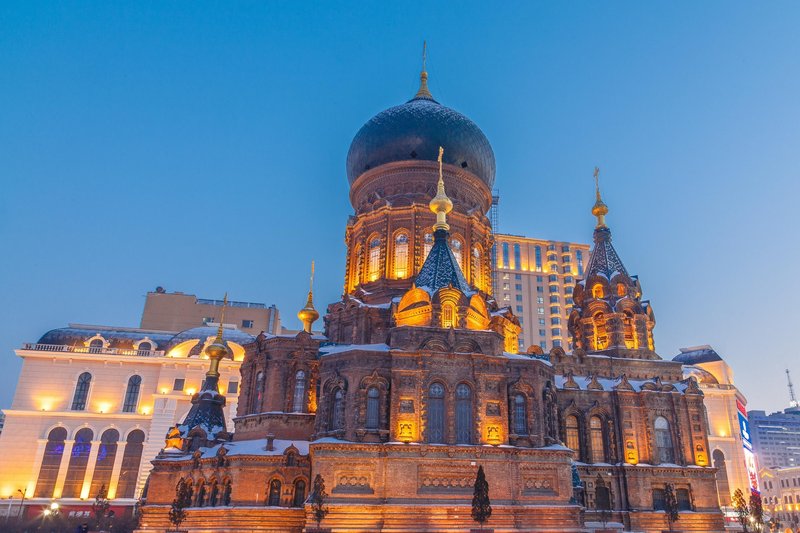
Hotels in The Scotsman, coke
Discover your perfect stay in The Scotsman, coke.
The Scotsman, coke(Indonesia) Travel 2026: Cheap Flights, Hotels & Top Attractions
Popular Landmarks in The Scotsman, coke
Discover the most iconic attractions in The Scotsman, coke
Recommended Hotels in The Scotsman, coke
Find the perfect place to stay in The Scotsman, coke
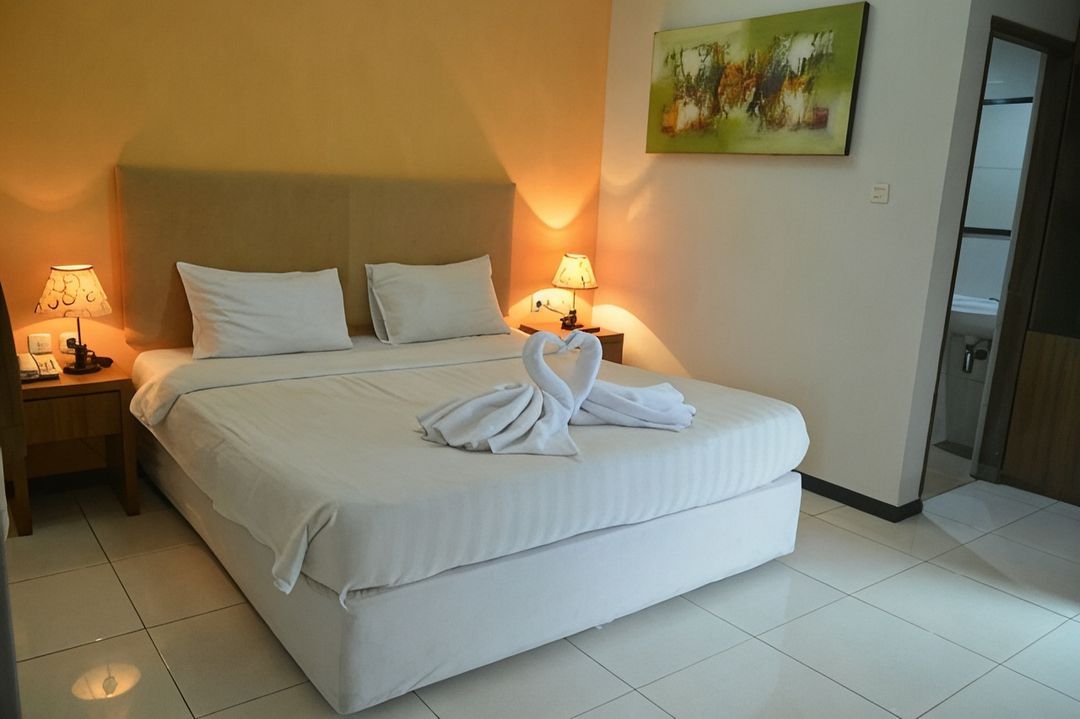
Sarila Hotel Sukoharjo
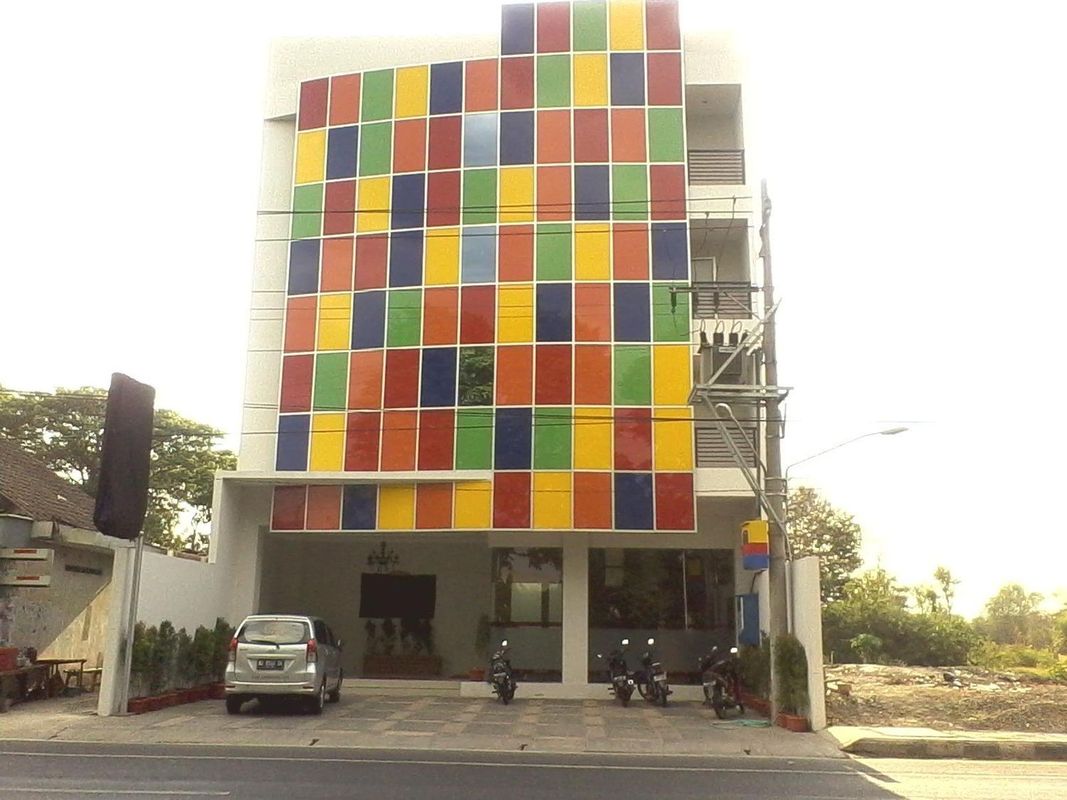
Sarila Hotel Sukoharjo
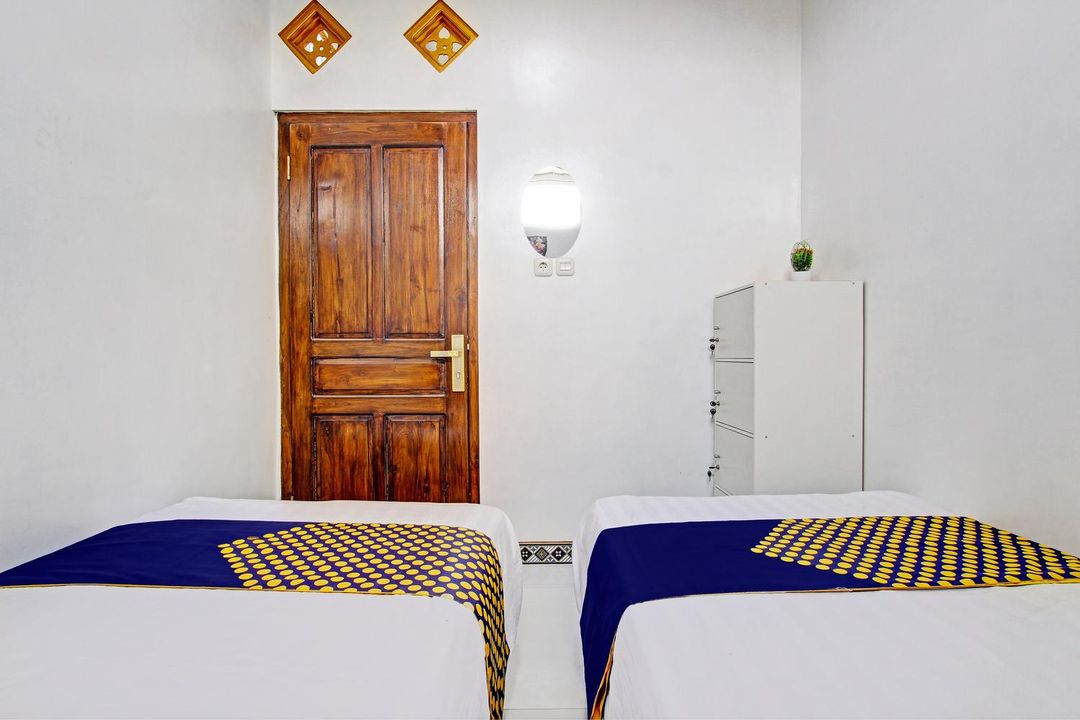
Spot on 93317 Wisma Ratu Syariah
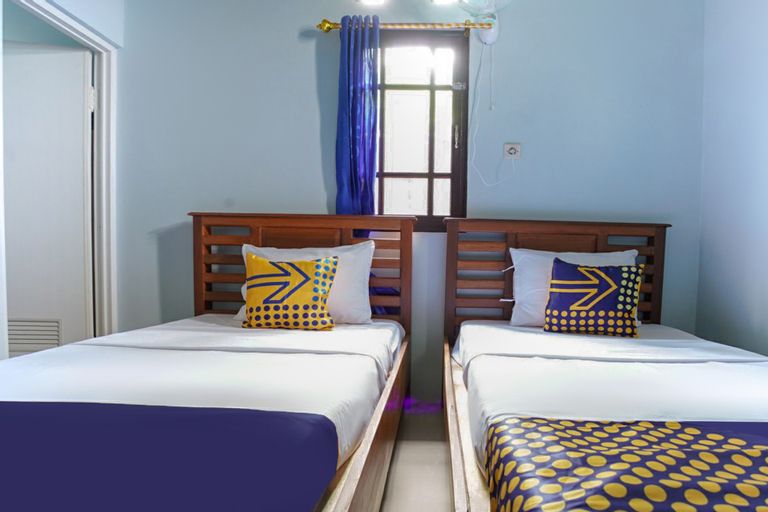
Spot on 3199 Galaxy House 234 Syariah
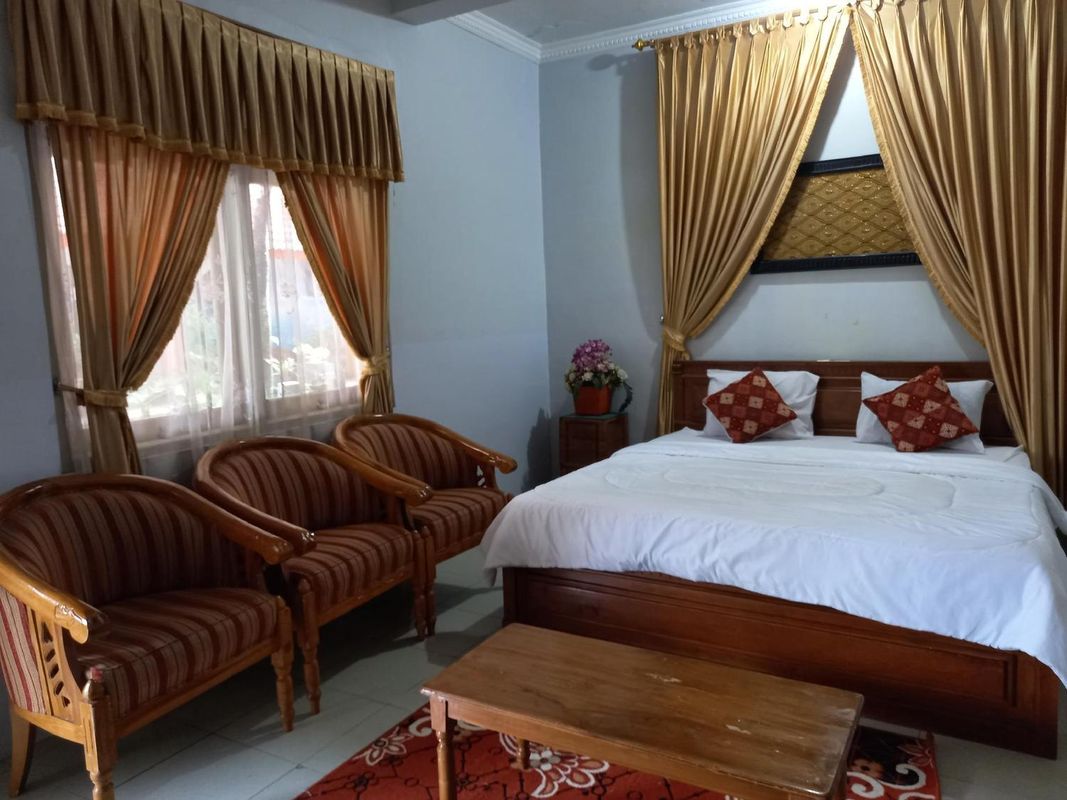
Istana Hapsari Hotel
Best Hotels in The Scotsman, coke
Discover curated hotel collections in The Scotsman, coke

MAHALAYA The Legacy Hotel
Gulala Azana Hotel & Resort Guci Tegal
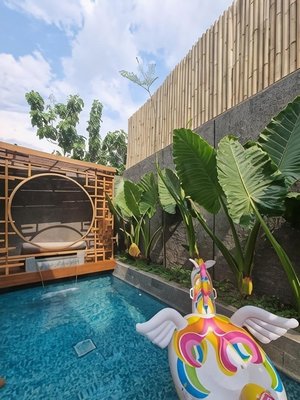
Akaya Villas Solo

Somerset Queen City Semarang
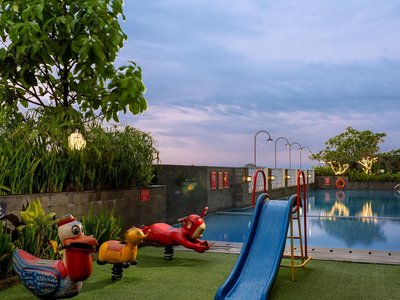
Aston Solo Hotel

Surya Hotel & Cottages Prigen

Aston Inn Pandanaran
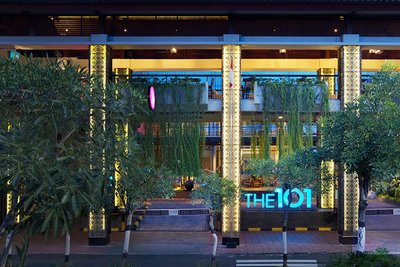
THE 1O1 Yogyakarta Tugu
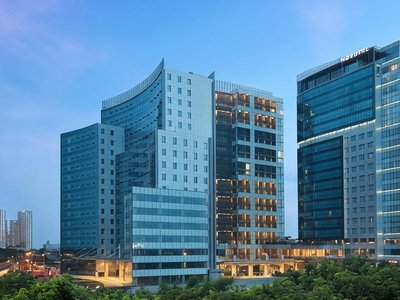
Novotel Samator Surabaya Timur
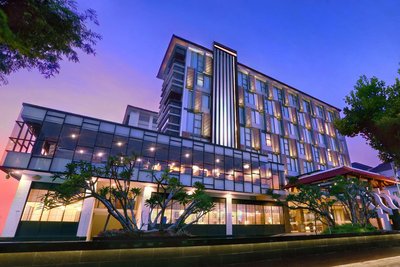
Harper Malioboro Yogyakarta by ASTON
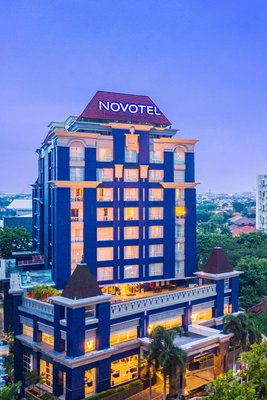
Novotel Semarang
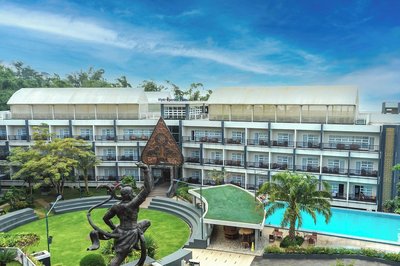
Griya Persada Convention Hotel & Resort
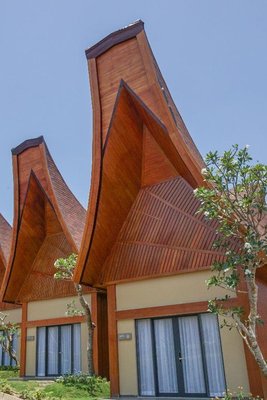
Shanaya Resort Malang
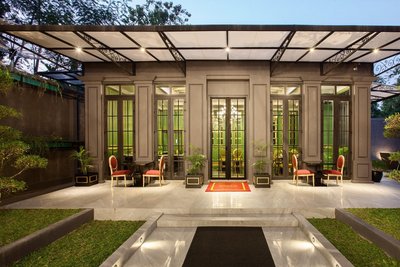
Sofia Boutique Residence
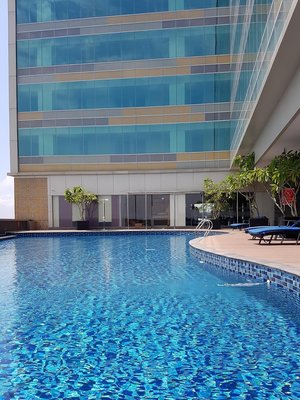
The Alana Hotel & Convention Center Solo by Aston
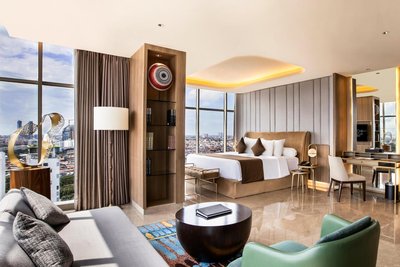
Morazen Surabaya
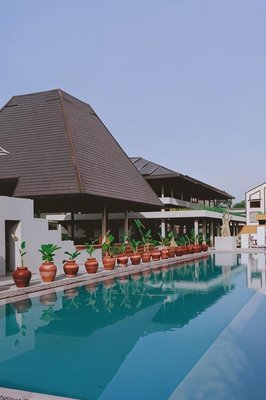
Ayom Java Village Solo
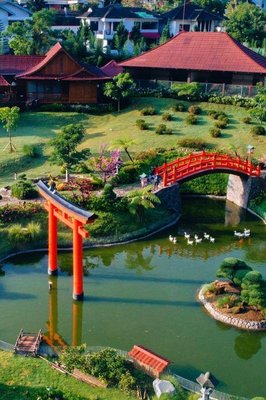
The Onsen Hot Spring Resort
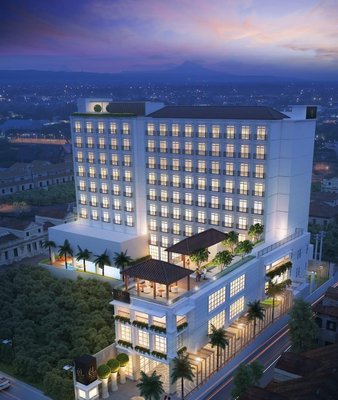
El Hotel Yogyakarta Malioboro

Susan Spa and Resort
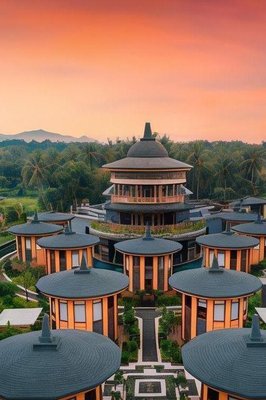
Hotel Le Temple Borobudur
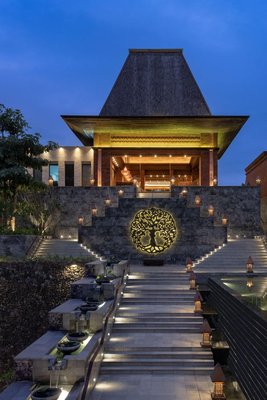
Garrya Bianti Yogyakarta
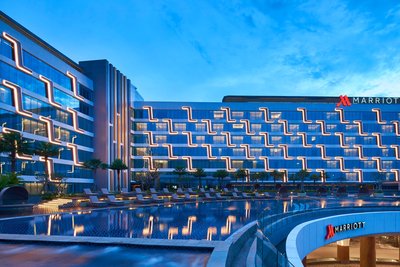
Yogyakarta Marriott Hotel
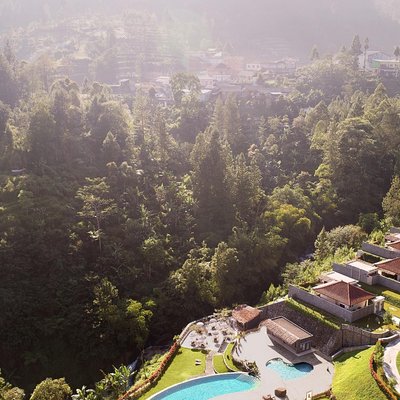
Joglo Ageng Guci Tegal
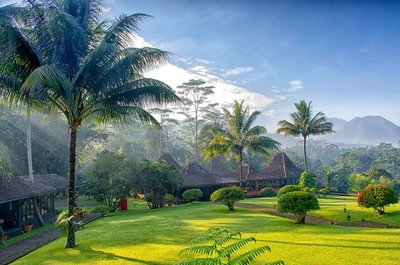
MesaStila Resort and Spa
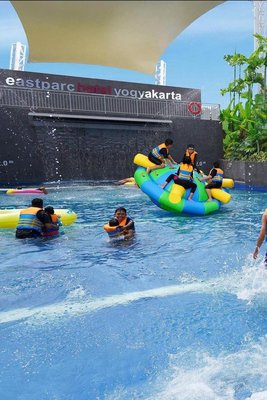
Eastparc Hotel Yogyakarta
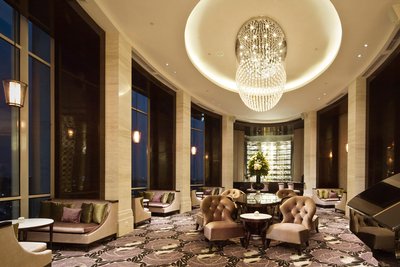
Hotel Ciputra World Surabaya managed by Swiss-Belhotel International

The Phoenix Hotel Yogyakarta - Handwritten Collection
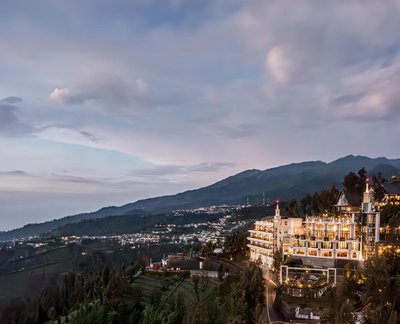
Plataran Bromo

JW Marriott Hotel Surabaya
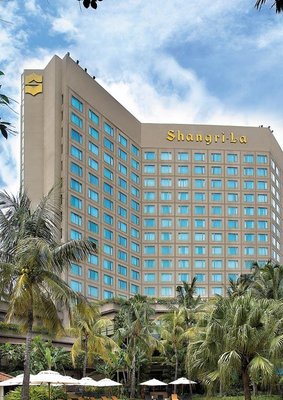
Shangri-La Surabaya
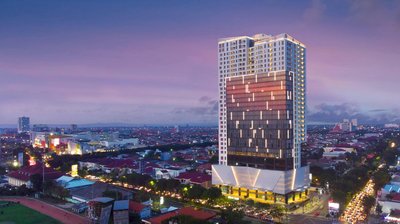
Oakwood Hotel & Residence Surabaya
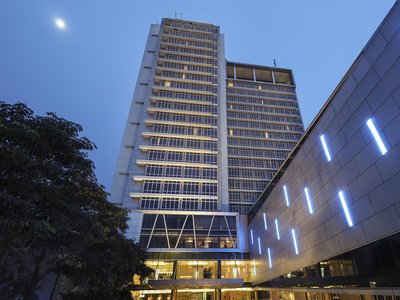
Grand Mercure Solo Baru
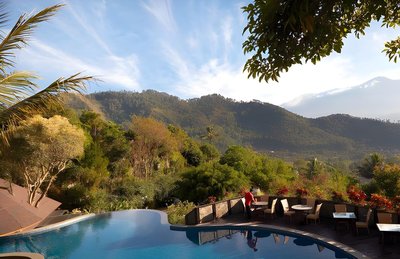
Jambuluwuk Convention Hall & Resort Batu
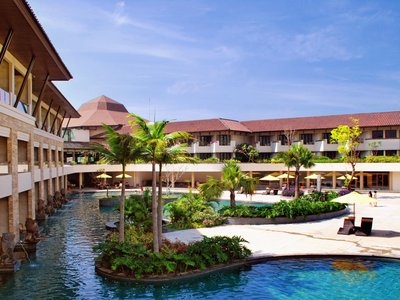
The Singhasari Resort Batu
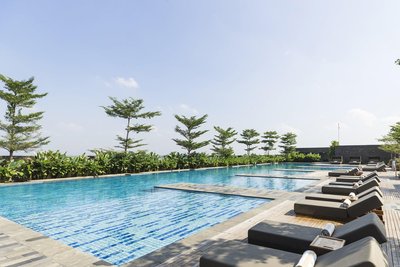
Alila Solo

Ascott Waterplace Surabaya
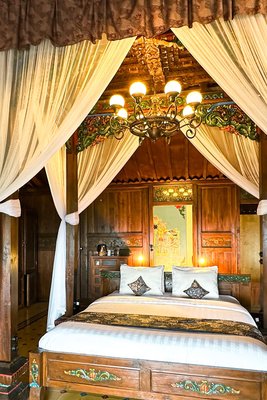
Villa Borobudur Resort
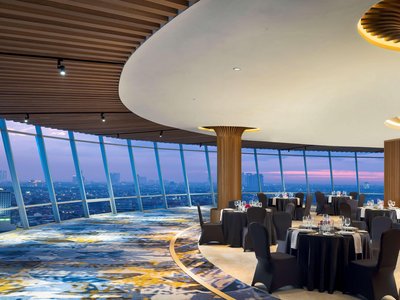
DoubleTree by Hilton Surabaya
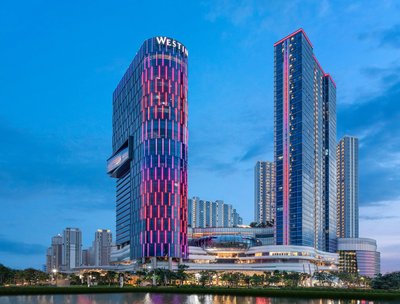
The Westin Surabaya
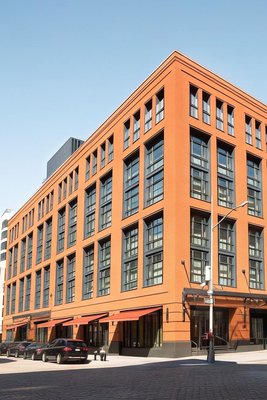
Hotel Barrière Fouquet's New York
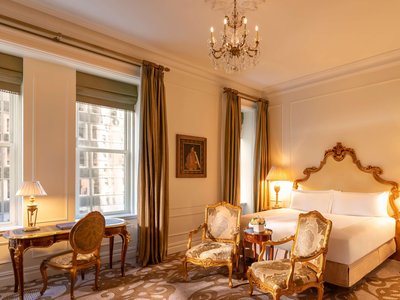
The Plaza - A Fairmont Managed Hotel
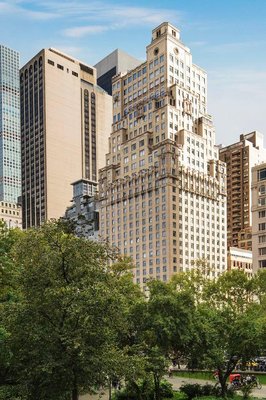
The Ritz-Carlton New York, Central Park
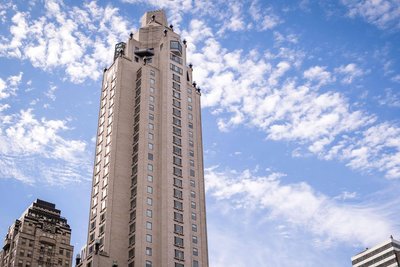
Four Seasons Hotel New York
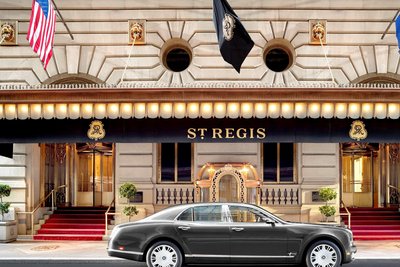
The St. Regis New York
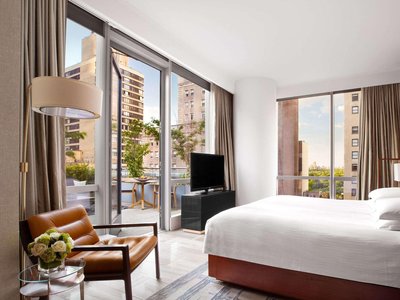
Park Hyatt New York
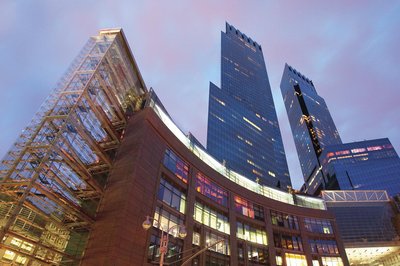
Mandarin Oriental New York

Times Square Edition New York

Loews Regency New York Hotel
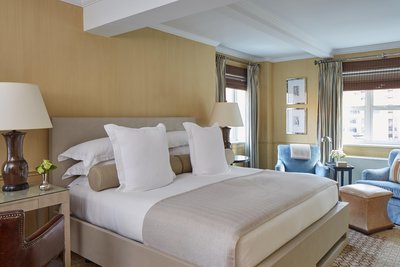
Lowell Hotel
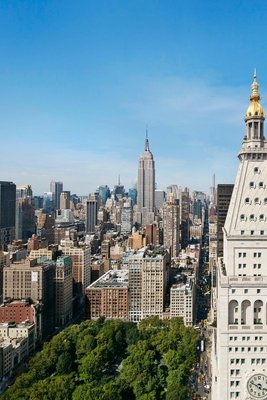
New York Edition
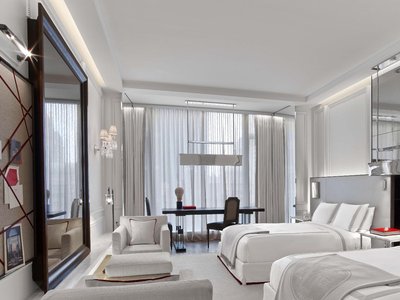
Baccarat Hotel New York

Equinox Hotel New York

Four Seasons Hotel New York Downtown
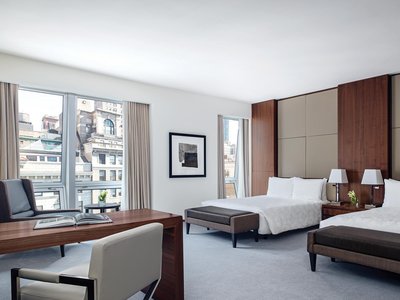
The Langham, New York, Fifth Avenue

The Carlyle, A Rosewood Hotel

The Chatwal, in the Unbound Collection by Hyatt

The Mark New York
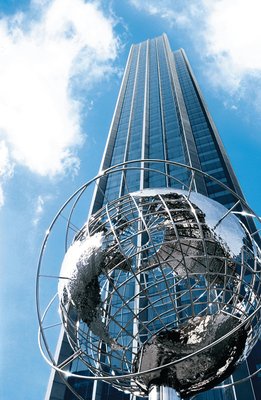
Trump International Hotel & Tower® New York
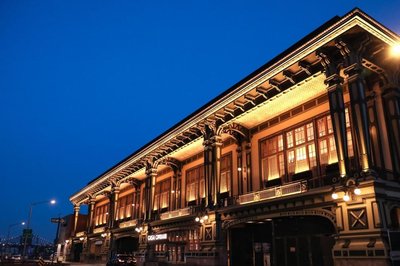
Casa Cipriani New York
Frequently Asked Questions about Traveling to The Scotsman, coke
Questions You Might Need to Know About Traveling to The Scotsman, coke
In Sukoharjo, the most authentic stay is Sukoharjo Heritage Inn, a restored 19th-century joglo house blending traditional Javanese architecture with modern comfort. Nestled near Alun-Alun Sukoharjo Square and Bromo Temple, it offers guided tours to local batik villages and rice terraces. Each room features handwoven bamboo décor and free access to cultural workshops—like traditional gamelan music sessions and Javanese tea ceremonies.
For deeper immersion, try Rumah Jawa Homestay, where hosts serve homemade Soto Sukoharjo and teach visitors how to craft lampion lanterns. The inn also organizes sunrise visits to ancient temples and night performances of wayang kulit shadow puppetry. All stays support local artisans and include eco-friendly amenities like bamboo toiletries and solar-powered lighting.
The historic city center around Alun-Alun Sukoharjo Square is ideal for authentic local experiences. This vibrant district pulses with daily life: morning market stalls sell fresh tempeh, kopi tubruk coffee, and handmade keroncong musical instruments. Wander narrow alleys lined with ancestral homes featuring carved wooden gates and tropical gardens.
Here, you’ll find community events like weekly gamelan practice at the Cultural Center and children’s storytelling nights under the banyan tree. Stay at Kampung Kuno Guesthouse, a family-run homestay offering cooking classes in nasi liwet and klepon desserts. Locals welcome visitors to join their morning prayers or farm harvest festivals, creating meaningful connections beyond tourism.
Tourists in Sukoharjo can join rare, hands-on cultural rituals. Every Saturday, the Lentera Budaya Festival invites guests to perform alongside local artists in traditional Javanese dance and gamelan ensemble concerts at the Cultural Center. For crafts enthusiasts, Klubu Village hosts batik dyeing workshops using natural indigo and turmeric pigments—each design tells a personal story.
Experience spiritual depth through dawn temple rituals at Bromo Temple, where monks chant mantras in Sanskrit while offering coconut milk and flowers. Another highlight: rice terrace meditation walks, led by village elders who share wisdom on harmony between humans and nature. These immersive experiences emphasize local craftsmanship, spiritual mindfulness, and intergenerational knowledge transfer.
Sukoharjo’s cuisine shines with simple yet rich flavors. Must-try dishes include:
- Soto Sukoharjo: A fragrant chicken soup simmered with lemongrass, galangal, and kaffir lime, served with bean sprouts, fried shallots, and spicy sambal.
- Nasi Liwet: Coconut milk-steamed rice paired with fried chicken, cucumber pickles, and sweet soy sauce—best enjoyed at dawn.
- Pisang Goreng: Crispy fried banana slices dusted with palm sugar, sold by street vendors near Alun-Alun Square.
For an authentic taste, book a family kitchen tour at Rumah Muda Homestay, where you’ll learn to make klepon (palm-sugar dumplings) and lapis legit (layered spice cake). Many lodgings also offer coffee tasting sessions featuring locally grown Arabica beans, served with fresh coconut water—a perfect start to a cultural day.
Yes, Sukoharjo is excellent for families. The town is safe, quiet, and child-friendly, with wide streets perfect for biking and exploring. Family Homestay Sukoharjo offers spacious rooms, children’s play kits, and organized activities like rice paddy fishing, animal petting zones, and craft workshops (e.g., making paper lanterns).
Every Sunday, the Community Playground hosts interactive storytelling shows based on Javanese folklore. Kids can also join eco-tours through nearby nature reserves, spotting butterflies and learning about rainforest ecosystems. Parents enjoy peaceful moments at riverside cafes, while children engage in cultural games like gerobak (cart racing) and lompat tali (jump rope). Most accommodations provide strollers and baby monitors upon request.
Transportation in Sukoharjo is convenient for travelers. From Semarang (Central Java), take a direct bus or rent a car—about 1.5 hours away. Within the town, bajaj (three-wheeled taxis) and motorbike rentals are affordable and efficient for short trips. Use apps like Go-Motor for reliable, app-based rideshare services.
For rural exploration, hire a private driver to visit hidden gems like underground caves and ancient wells. Public signage is clear, and many guesthouses offer free shuttle services to major sites. The central square and market are walkable from most areas. Avoid peak afternoon hours during farming seasons to prevent traffic delays. Always carry a small umbrella—light showers are common even in dry months.
Top photo spots in Sukoharjo include:
- Bromo Temple: Its red tiled roof and ivy-covered stone walls create dramatic contrast, especially at sunrise.
- Alun-Alun Sukoharjo Square: During festivals, the square glows with colorful lights and traditional statues—perfect for evening shots.
- Klubu Village: Bamboo houses with spiral roofs set against lush green rice fields form a dreamy landscape.
- River Terraces at Golden Hour: The undulating rice paddies reflect sunset light, capturing farmers working in silhouette.
Wear traditional Javanese attire (Kebaya & Batik) for authentic photos. Some hostels lend costumes and guide posing techniques. Early mornings and late afternoons offer soft lighting ideal for portraits and landscape photography.
The best time to visit Sukoharjo is May to October, when the weather is dry and cool—ideal for outdoor adventures. Peak highlights include June and September, coinciding with the Ngabélan Festival, a week-long celebration featuring parades, fire dances, and traditional markets.
November to April is the rainy season, but brings lush greenery and powerful waterfalls. It’s quieter, with lower accommodation prices. Pack a lightweight raincoat and check forecasts via Indonesia’s Meteorology Agency. March is especially beautiful, with blooming jasmine and roses across villages—perfect for romantic or artistic photography.
Yes, Sukoharjo has excellent budget options. Sukoharjo Backpacker Hostel offers dorm beds from IDR 100,000 ($6.50 USD), with AC, free laundry, and a rooftop bar hosting international meetups every Friday. Shared kitchens and 24/7 reception ensure comfort.
Another choice is Rumah Muda Youth Stay, run by local youth, providing basic rooms starting at IDR 80,000. Guests get a free city map, bike rental, and access to community clean-up projects. Both hostels organize eco-workshops and film nights—fostering social connection. All offer free Wi-Fi and support sustainable tourism by sourcing materials from local cooperatives.
Sukoharjo reflects a blend of Hindu-Buddhist heritage and animist beliefs, forming a unique Javanese spiritual identity. The Bromo Temple is dedicated to Brahma, where pilgrims perform the annual Sedekah Raya ritual—offering milk, flowers, and rice to deities.
Each household maintains a Pelinggih altar facing east, where elders light incense daily. Gamelan music is believed to communicate with spirits; ensembles perform sacred tunes during festivals to purify the village. Visitors are welcome to observe rituals if they remove shoes and avoid pointing at deities. This deep respect for diverse faiths makes Sukoharjo a living example of Indonesian pluralism and interfaith harmony.