Hotels in Tlalmanalco
Discover your perfect stay in Tlalmanalco.
Tlalmanalco(Mexico) Travel 2026: Cheap Flights, Hotels & Top Attractions
Popular Landmarks in Tlalmanalco
Discover the most iconic attractions in Tlalmanalco
Recommended Hotels in Tlalmanalco
Find the perfect place to stay in Tlalmanalco

Best Hotels in Tlalmanalco
Discover curated hotel collections in Tlalmanalco




























Frequently Asked Questions about Traveling to Tlalmanalco
Questions You Might Need to Know About Traveling to Tlalmanalco
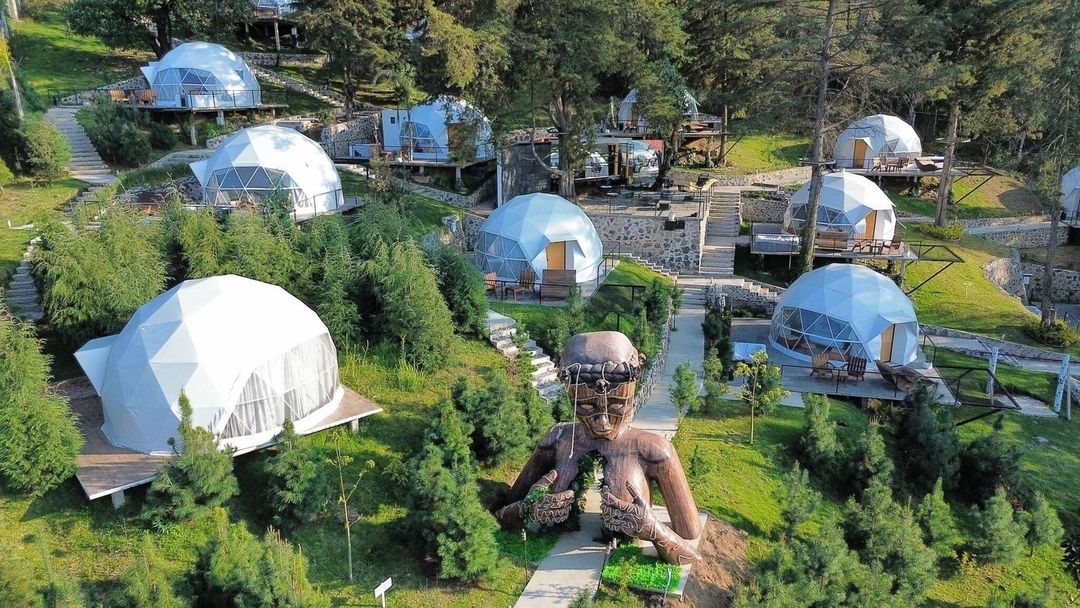
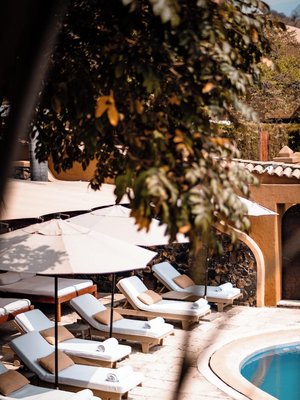
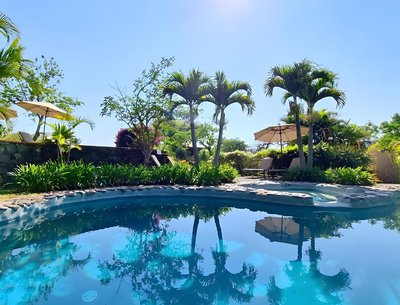
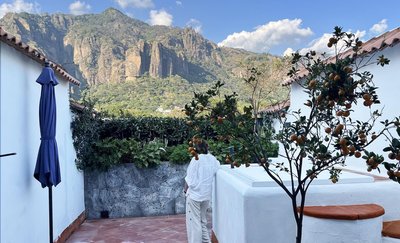
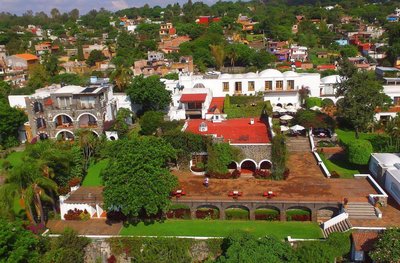
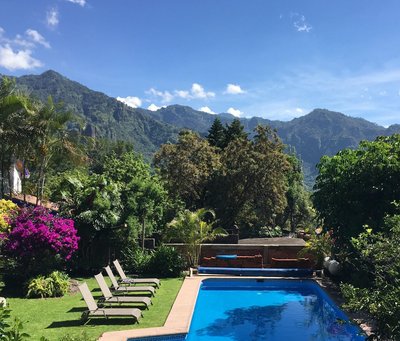
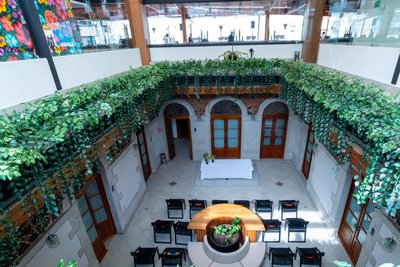
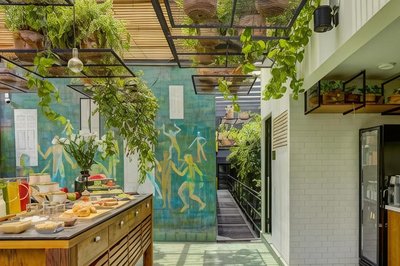
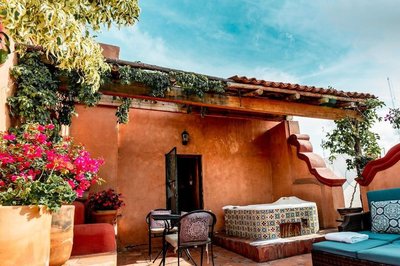
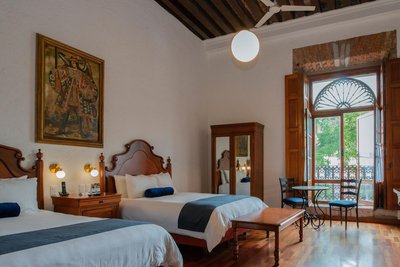
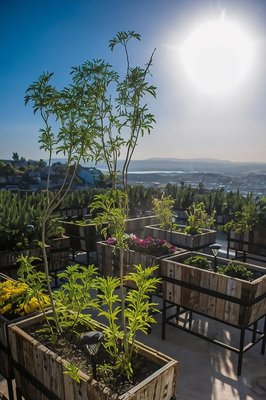
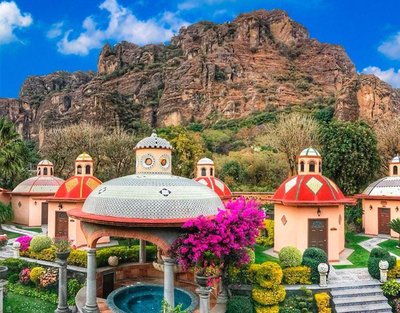
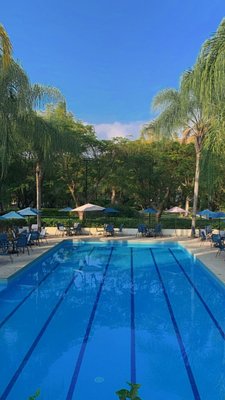
In Tlalmanalco, the standout choice is Camping House Resort, a boutique eco-lodge nestled amidst the Sierra de San Luis Potosí mountains. This property blends traditional Mexican architecture with modern comforts, offering panoramic views and authentic regional cuisine like handmade tortillas and chili-stewed dishes. Each room features hand-painted murals reflecting indigenous artistry, while the on-site thermal pools and nature trails provide immersive cultural experiences. The hotel also hosts artisan markets and traditional music nights, making it ideal for travelers seeking genuine connection to Mexican heritage.
The historic downtown district is the ideal area for first-time visitors to Tlalmanalco. It’s centrally located near key attractions such as the Church of the Assumption and the Plaza Central. With safe streets, family-run guesthouses, and vibrant street food vendors, this zone offers an authentic glimpse into daily life. Morning visits to local cafés for fresh Mexican coffee and pan dulce enhance the experience. Plus, the compact layout allows easy walking access to most sights and events, perfect for slow-paced exploration.
Don’t miss the Día de Muertos (Day of the Dead) celebration held annually in October. Locals create elaborate ofrendas (altars) adorned with photos, marigolds, candles, and offerings. Visitors can join processions, learn to craft sugar skulls and cempasúchil garlands, and witness traditional dances like the Danza de los Viejitos. The town’s artisan market also showcases handwoven textiles, pottery, and folk art—perfect for experiencing Mexico’s deep-rooted traditions and spiritual worldview.
Must-try dishes include Tacos al Pastor, made with spit-roasted pork, pineapple, and fresh lime. Another highlight is Mole Poblano, a complex sauce with over 20 ingredients, served over chicken at La Azteca, a century-old eatery known for its original recipe. Pair your meal with a Mezcal Slush, a refreshing blend of ice and local agave spirit. These culinary experiences offer a rich taste of regional identity and ancestral recipes passed down through generations.
Yes, Tlalmanalco is highly family-friendly. The Jardín El Paso park has shaded playgrounds and picnic areas, while many hotels offer family suites and kid-friendly menus. The town regularly hosts workshops like pottery-making and mask painting, engaging children in hands-on cultural learning. A short 15-minute drive leads to a protected natural reserve ideal for hiking and birdwatching. With low crime and welcoming locals, families enjoy a safe, enriching stay.
The optimal travel window is from November to April, when temperatures range between 14°C and 22°C, with minimal rainfall and clear skies. This period includes the festive Día de Muertos celebrations in late October and November, when streets glow with lights and marigolds. Due to the high altitude, visitors may feel mild altitude effects—recommended to rest during the first day. The dry season ensures ideal conditions for exploring outdoor sites and enjoying mountain views.
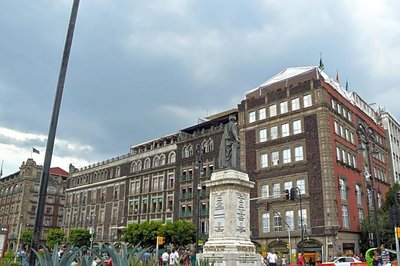
Key landmarks include the Church of the Assumption, built in the 18th century with Baroque façades and stained-glass windows. The Colonial Municipal Palace, once a colonial governor’s residence, now houses a museum showcasing 18th-century documents and indigenous artifacts. The Monumento a la Libertad in the central plaza commemorates the 1810 independence uprising, featuring sculpted figures of heroes. These sites offer profound insight into Mexico’s colonial past and revolutionary spirit.
While not a major transit hub, Tlalmanalco is reachable by bus from Mexico City in about 2 hours, with frequent departures and affordable fares (~60 MXN). Within the town, shared e-bikes and small taxis operate efficiently. For those driving, the National Highway 15 provides scenic access. Use GPS navigation, as some roads lack signage. Note that large vehicles are restricted in the historic center; parking is available at designated lots near the plaza.
Nightlife in Tlalmanalco is relaxed and community-focused. Enjoy live acoustic music at Plaza Central’s open-air cafés, sipping hot chocolate or mezcal cocktails. Cava del Lobo bar features local craft beer and traditional folk music nights. The streets remain softly lit, creating a peaceful ambiance perfect for evening strolls. With no clubs or loud venues, the town embraces quiet evenings—ideal for travelers seeking tranquility and authentic cultural rhythm.
Visit the Mercado Central for handmade crafts, including woven rugs, ceramic tableware, and embroidered garments. Artesanías Aztecas specializes in beeswax candles and painted clay jars crafted by local artisans. The town also hosts several antique bookshops with rare colonial-era texts. Bargaining is customary and encouraged—part of the cultural exchange. Purchasing directly supports local makers and preserves traditional craftsmanship.
Tlalmanalco Overview
City Summary
Tlalmanalco in Mexico State is a hidden gem blending colonial heritage with volcanic landscapes. Its key attractions include the 16th-century Ex-Convento de San Luis Obispo (UNESCO World Heritage) and panoramic views of Popocatépetl Volcano. Renowned for indigenous Nahua culture and traditional amate paper crafts, it offers an off-the-beaten-path retreat.
Must-See Attractions
Top sights feature the San Luis Obispo Monastery with exceptional frescoes, and Iztaccíhuatl-Popocatépetl National Park for alpine trekking. Don't miss the Nahua artisan market (Sundays) for handwoven textiles. Adventure seekers can explore **Los Dinamos" canyon for rappelling.
Food Guide
Savor local specialties like nopal cactus stew and cemita sandwiches. Pulque (fermented agave drink) tasting at haciendas is a must. Street food highlights include tlacoyos (oval tortillas) topped with fiery habanero sauce. For sweet treats, try cocoles (coconut candies) from convent kitchens.
Transportation Guide
From Mexico City's TAPO bus terminal, take "Volcanes" line (90min ride). Within town, tricycle taxis are common; historical center is walkable. Volcano access requires 4WD rentals or guided tours—avoid driving after dark due to foggy mountain roads. Note: Road closures occur during rainy season (June-Sep).
Best Time to Visit
Ideal visiting period: November-April (dry season, 68°F avg). December festivals bring vibrant processions but higher prices. May-October rains enhance greenery but trail conditions worsen.
Travel Tips
- Dress modestly when visiting religious sites.
- Carry small bills; ATMs are scarce in rural areas.
- Acclimate gradually to high altitude (over 13,000ft).
- Bargain politely at markets—aggressive haggling is frowned upon.
- Hire certified guides for volcano hikes; sudden weather changes are frequent.
- Sunday markets start at dawn for freshest produce.
Useful Information
Language: Spanish dominant. Basic English understood in tourist zones. Connectivity: Free WiFi in main plaza; limited coverage in outskirts. Currency: Cash preferred (MXN), credit cards accepted at hotels. Medical: 24/7 clinic in town center (Clínica San Francisco). For emergencies, Mexico City hospitals are best equipped. Safety: Low crime but avoid isolated areas at night. Drink bottled water—tap water isn't potable. Tipping: 10-15% expected in restaurants.