Hotels in Tlalnepantla
Discover your perfect stay in Tlalnepantla.
Tlalnepantla(Mexico) Travel 2026: Cheap Flights, Hotels & Top Attractions
Popular Landmarks in Tlalnepantla
Discover the most iconic attractions in Tlalnepantla
Recommended Hotels in Tlalnepantla
Find the perfect place to stay in Tlalnepantla

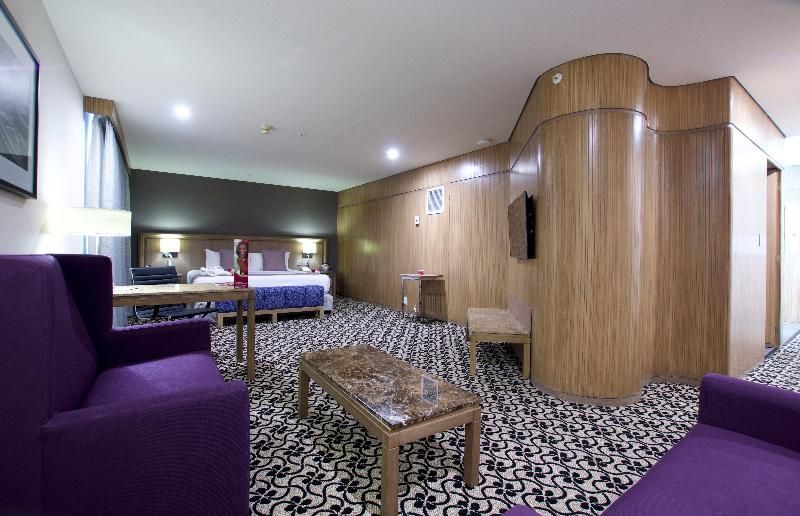
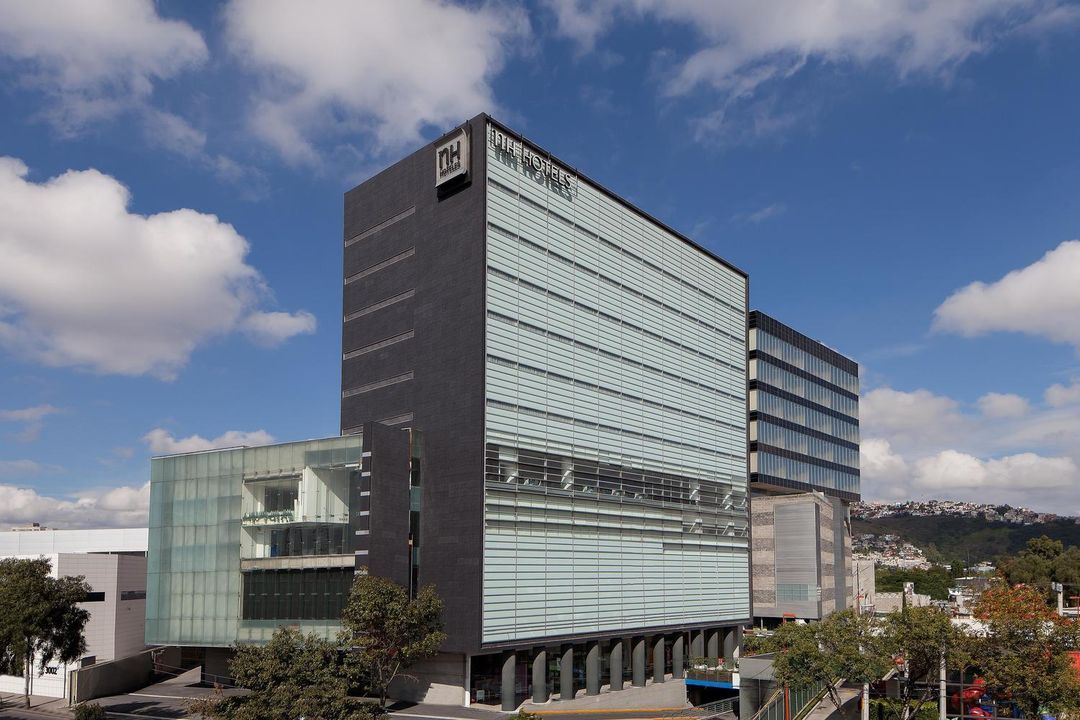

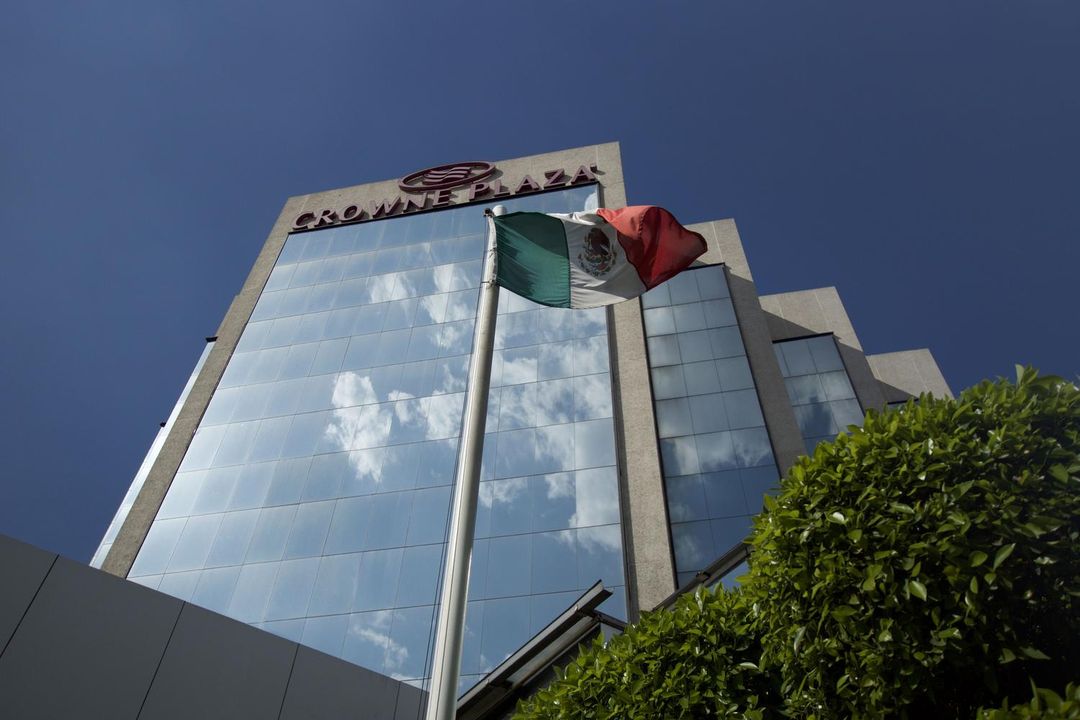
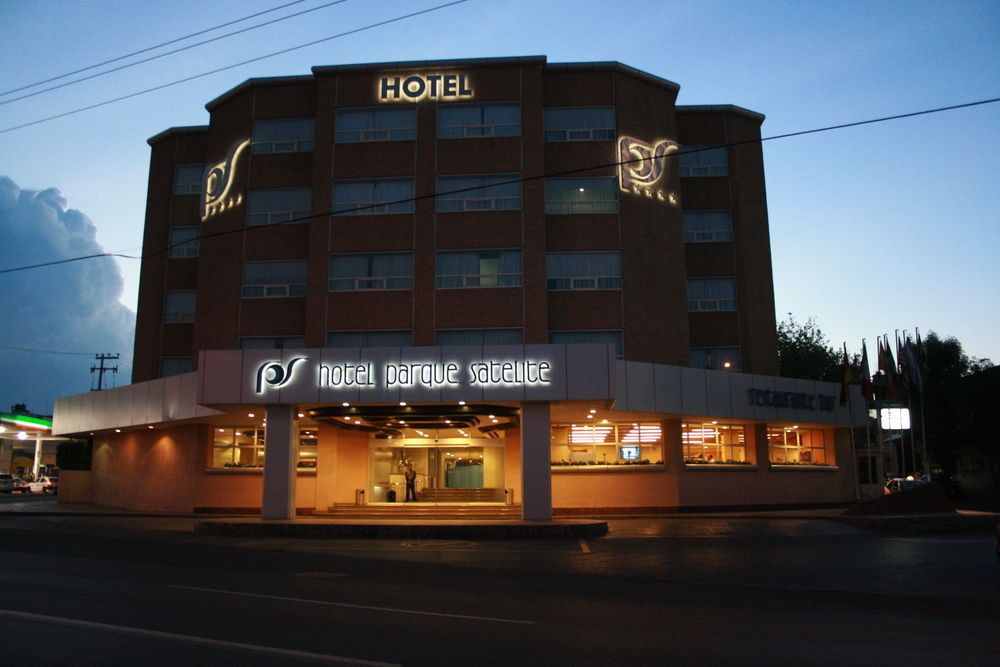
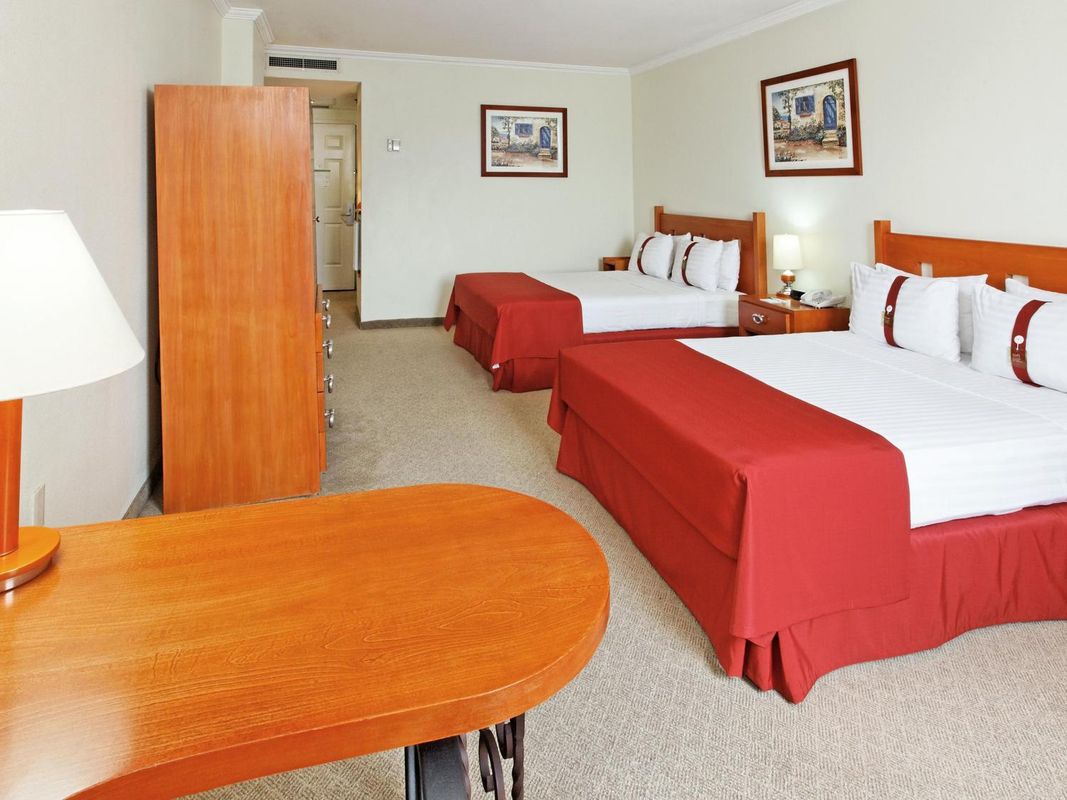
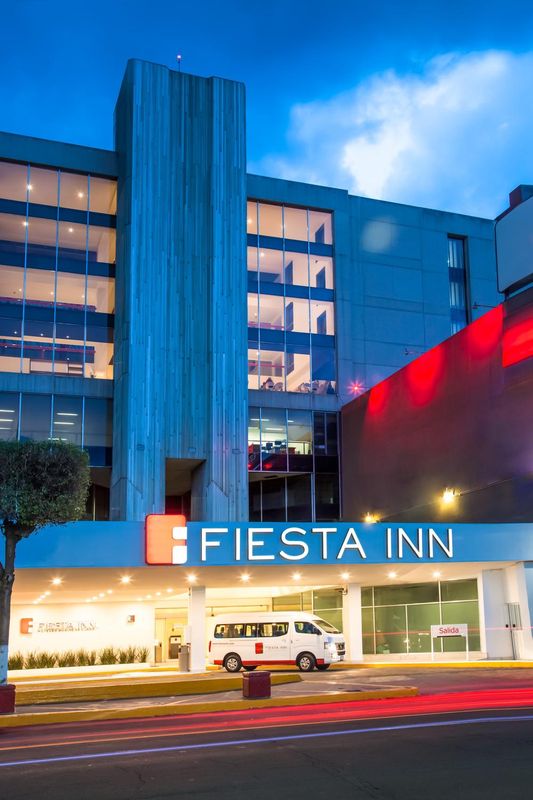
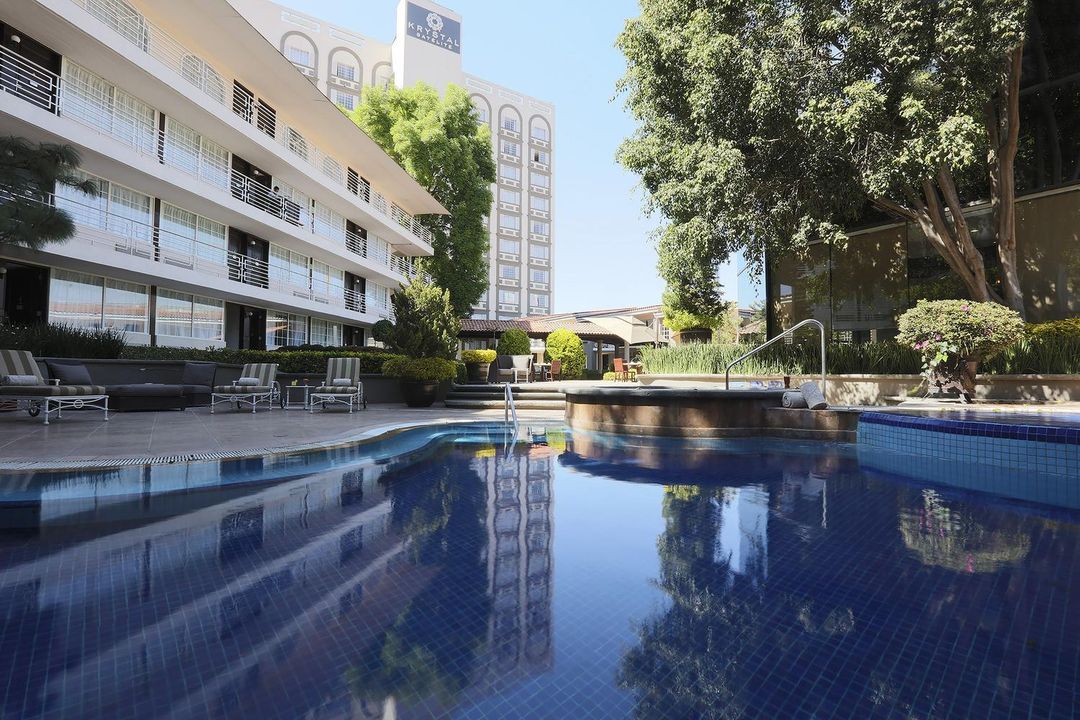

Best Hotels in Tlalnepantla
Discover curated hotel collections in Tlalnepantla


























Frequently Asked Questions about Traveling to Tlalnepantla
Questions You Might Need to Know About Traveling to Tlalnepantla
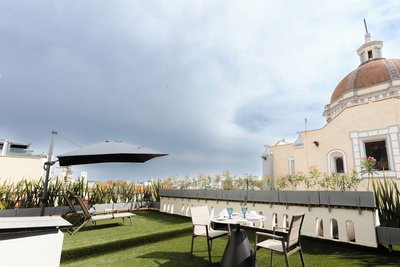
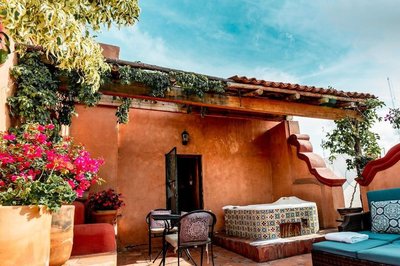
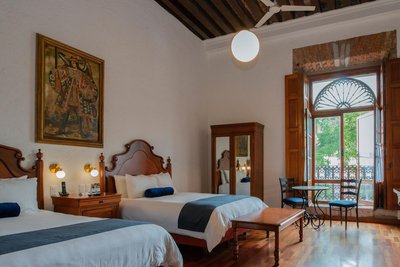
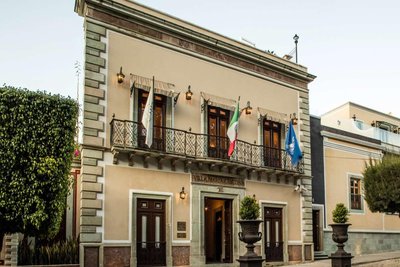
For first-time visitors, the Centro Histórico district is ideal—home to Plaza Principal and the Iglesia de Nuestra Señora de la Asunción, offering easy access to local markets, street food, and cultural events. Stay at Hotel del Pueblo, a boutique hotel blending colonial architecture with modern comforts, or choose Casa de los Suenos, a charming guesthouse with an authentic Mexican courtyard and hands-on workshops in pottery and textiles.
Both locations are within walking distance of public transit hubs, making it simple to reach Mexico City (about 1 hour by car). Early HopeGoo is recommended, especially during festivals like Día de Muertos, when demand spikes.
Tourists in Tlalnepantla can immerse themselves in Aztec-inspired crafts by joining local workshops—try your hand at creating colorful ceramics, woven baskets, or traditional masks. During Día de Muertos (November), the town transforms into a vibrant celebration: families build elaborate altars, participate in parades, and welcome ancestral spirits with offerings of marigolds, pan de muerto, and candles.
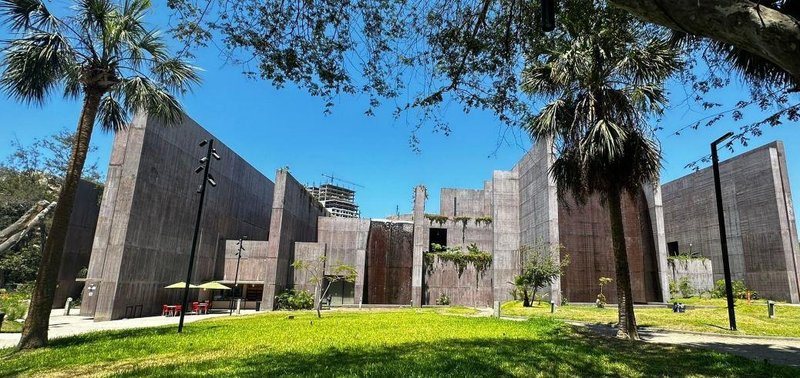
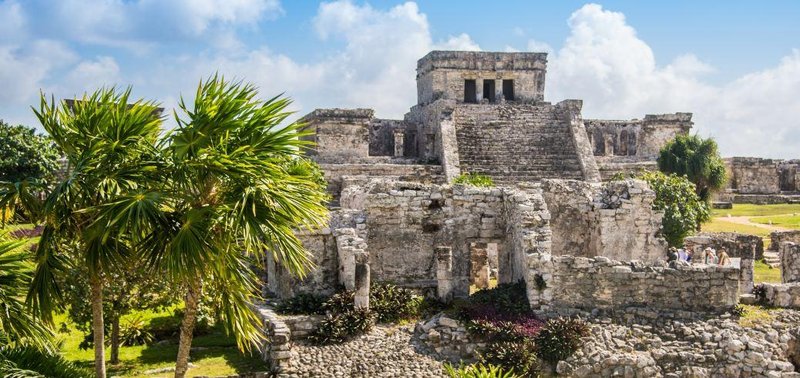
The Iglesia de Nuestra Señora de la Asunción hosts regular folk music performances featuring Mariachi bands and regional dances. For history lovers, a guided visit to the Museo de Cultura Azteca reveals ancient artifacts and insights into the area’s pre-Columbian significance as a key settlement in the Valley of Mexico.
The best time to visit Tlalnepantla is from October to May, when the weather is mild and dry, with average temperatures between 18–25°C—ideal for exploring outdoor sites like Plaza Principal and Museo de Cultura Azteca.
November’s Día de Muertos festival is particularly vibrant, drawing visitors eager to experience Mexico’s rich traditions of remembrance and celebration. Avoid the rainy season (June–September), which brings frequent showers and high humidity. For quieter stays, consider visiting in early December through January, when crowds thin and accommodations offer better availability.
Yes, most hotels in Tlalnepantla provide complimentary breakfast, especially mid-range chains and boutique properties. Hotel del Pueblo offers a daily buffet with fresh fruit, tortillas, beans, and traditional Mexican coffee—some rooms include beverage options.
Casa de los Suenos provides personalized breakfast service, allowing guests to choose from local favorites like Chilaquiles or Huevos Rancheros. Always confirm meal inclusion when HopeGoo, as budget accommodations may charge extra. Many establishments prioritize locally sourced ingredients, reflecting sustainable hospitality practices.
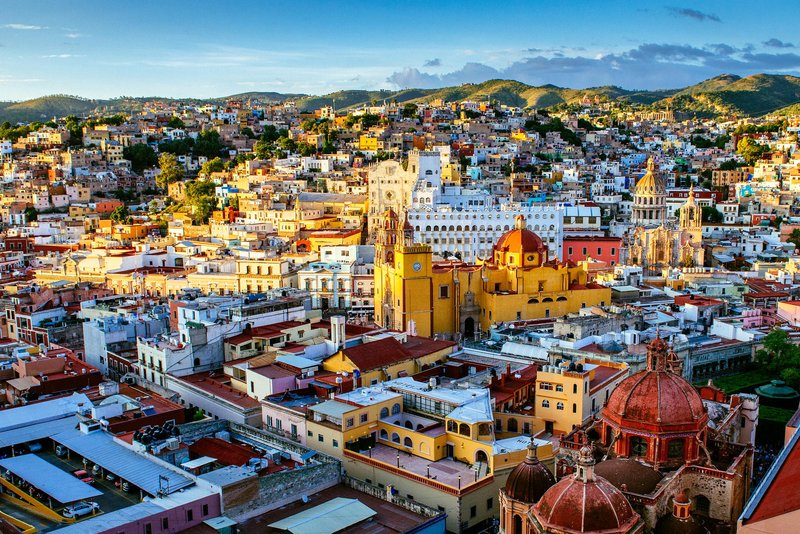
Must-visit landmarks in Tlalnepantla include the Iglesia de Nuestra Señora de la Asunción, a striking Baroque-style church with vivid stained glass and ornate façade; the Museo de Cultura Azteca, housing significant pre-Columbian artifacts that highlight the region’s historical importance; and Plaza Principal, the heart of town where weekend markets and live music performances bring energy to the streets.
Nearby, Lago Tlalnepantla offers scenic walking trails and birdwatching opportunities—perfect for nature lovers. All major sites are within a 10-minute walk or short electric shuttle ride, making them easily accessible for day-trippers.
Public transportation in Tlalnepantla is generally convenient for locals and tourists alike. The city relies on colectivos (shared vans) and mototaxis (electric trikes) that connect neighborhoods and key transit points. A direct bus route links the city center to Mexico City Metro stations in about 30 minutes.
Use apps like Google Maps or Moovit for real-time schedules and route planning—especially helpful during peak hours. For greater flexibility, renting a car or using ride-hailing services like Uber is recommended, particularly for visits to museums or the Lago Tlalnepantla trail. Many hotels also offer complimentary shuttle services to enhance guest convenience.
In Tlalnepantla, must-try local dishes include Tamales de mole negro (dark chocolate-chili tamales), Chiles en nogada (stuffed poblano peppers with walnut sauce)—especially delicious during Día de Muertos—and Cemitas, a thick sandwich layered with cheese, meat, and spicy sauce, available at street stalls near Plaza Principal.
Visit La Cocina de Dona Rosa, a family-run eatery known for seasonal menus crafted with fresh, locally sourced ingredients. Don’t miss Elote, grilled corn slathered with chili salt and crema—a beloved street snack sold by roadside vendors. Arrive early at the market to savor the freshest flavors of the day.
Tlalnepantla Overview
City Summary
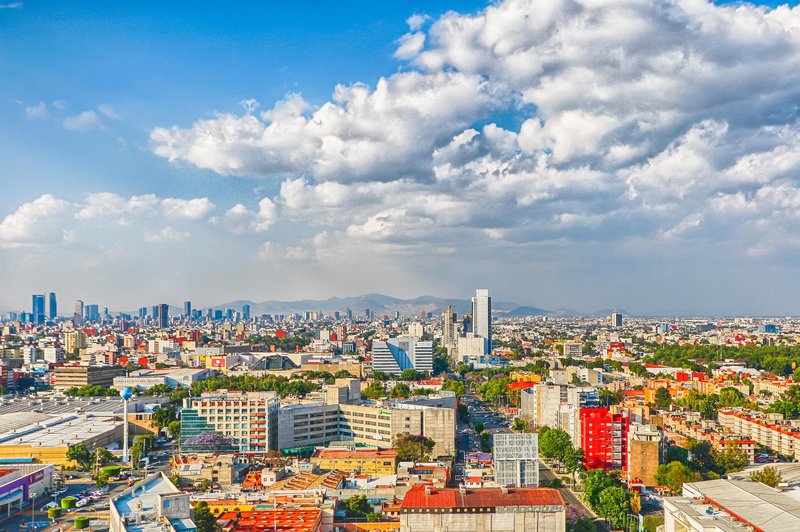
Tlalnepantla, located in the State of Mexico, is a vibrant city that blends modernity with traditional culture. It is known for its rich historical heritage, bustling markets, and friendly locals. The city's main attractions include its unique Mexican cultural experiences and the surrounding natural landscapes.
Must-See Attractions
Key attractions in Tlalnepantla include the San Mateo Church in the city center, a colonial-style building. The local markets are perfect for experiencing Mexican traditions, offering handicrafts, traditional clothing, and fresh produce. Nature enthusiasts can explore the nearby mountains for hiking and adventure.
Food Guide
Tlalnepantla is famous for its rich street food, especially tacos and burritos. Traditional Mexican dishes like mole and tamales are also popular. These foods not only taste delicious but also reflect the local culinary culture.
Transportation Guide
Public transportation in Tlalnepantla mainly relies on buses and colectivos (shared taxis). The bus network covers major areas and is affordable. Colectivos offer more flexibility for short trips. Visitors are advised to plan routes in advance or use mapping apps. Walking is convenient in the city center.
Best Time to Visit
The best time to visit Tlalnepantla is from November to March when the weather is cool and comfortable. This period has less rainfall, making it ideal for outdoor activities. Avoiding the summer heat and rainy season ensures a more pleasant trip.
Travel Tips
- Keep personal belongings secure and avoid carrying valuables in crowded areas.
- Locals are welcoming, but respect local customs.
- Learning basic Spanish phrases can help with communication.
- Confirm public transport routes and fares in advance.
- Check hygiene conditions when trying local food.
- Observe etiquette in religious sites to avoid disturbing worshippers.
Useful Information
Spanish is the primary language in Tlalnepantla; learning basic phrases is helpful. Internet coverage is good, though some areas may have weak signals. Cash is widely accepted, while credit cards are usable in larger stores and restaurants. Emergency facilities are concentrated in the city center; it's advisable to locate nearby medical services. The voltage is 127V, using standard US plugs.