Hotels in Tobe
Discover your perfect stay in Tobe.
Tobe(Japan) Travel 2026: Cheap Flights, Hotels & Top Attractions
Popular Landmarks in Tobe
Discover the most iconic attractions in Tobe
Recommended Hotels in Tobe
Find the perfect place to stay in Tobe
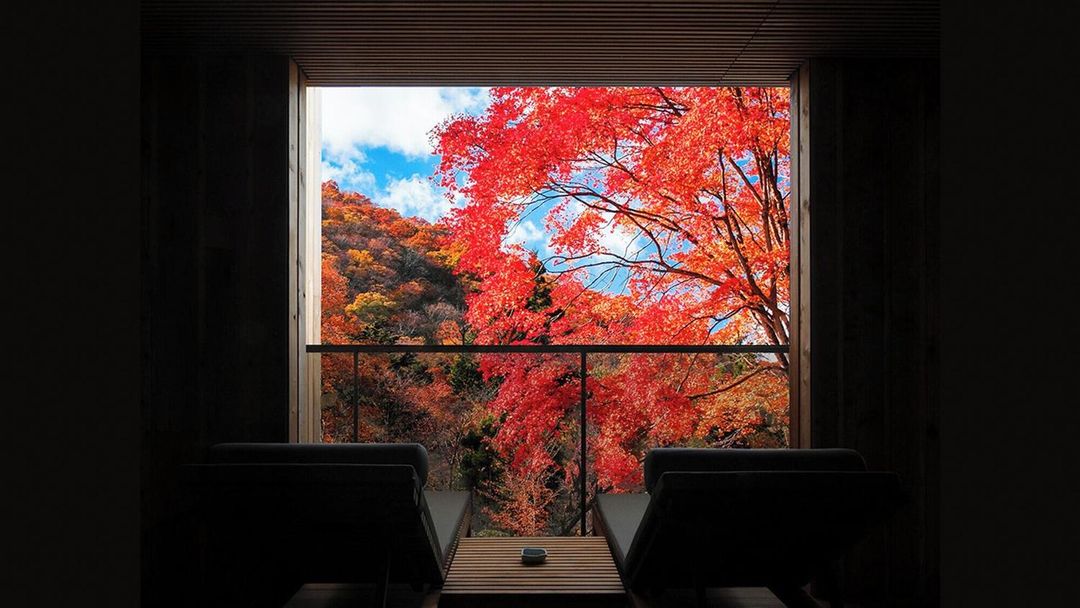
Jijijin Mastsuyama
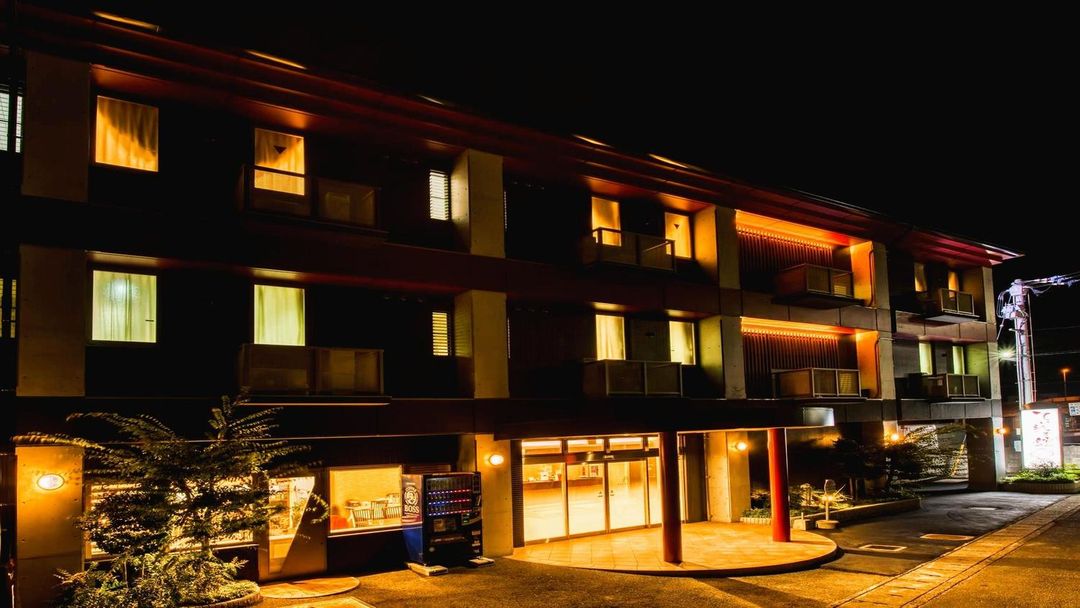
Hotel Teiregikan
Best Hotels in Tobe
Discover curated hotel collections in Tobe

The Ritz-Carlton, Fukuoka
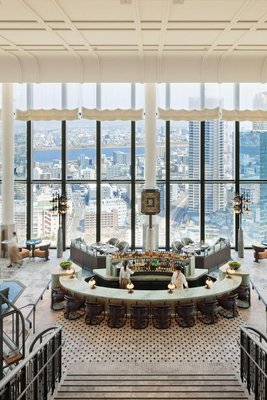
Waldorf Astoria Osaka
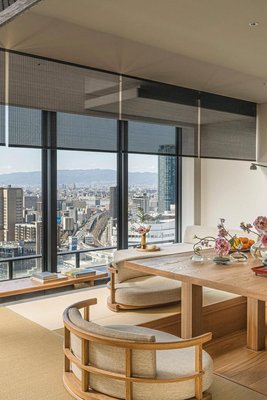
Four Seasons Hotel Osaka

Patina Osaka

The Ritz-Carlton, Osaka
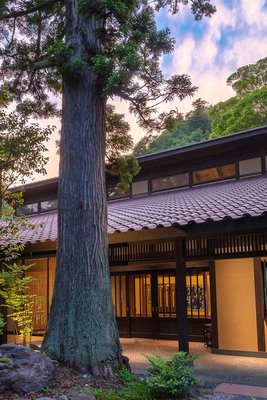
Arimasansoh Goshobessho
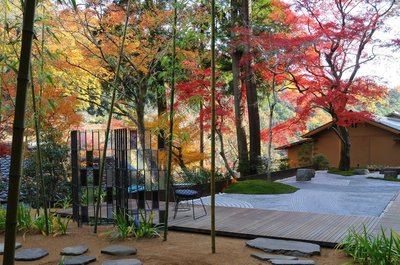
HOSHINOYA Kyoto
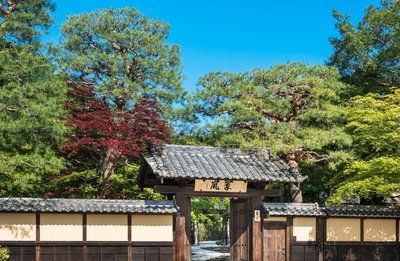
Suiran, a Luxury Collection Hotel, Kyoto
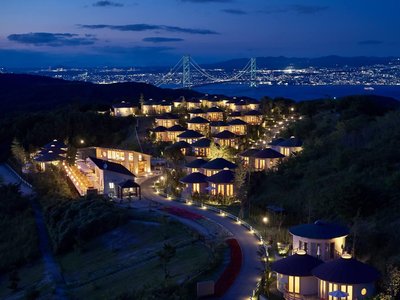
Grand Chariot Hokutoshichisei 135°

SETOUCHI RETREAT by Onko Chishin
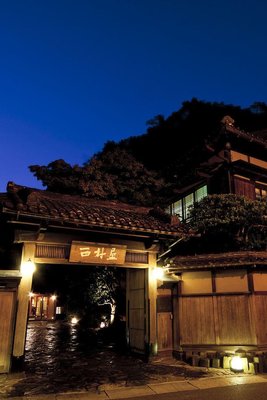
Nishimuraya Honkan
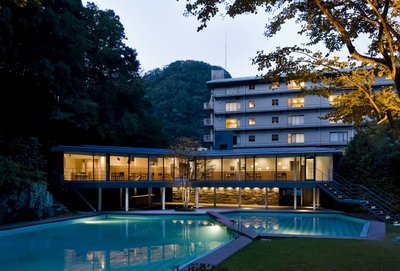
Kinosaki Onsen Nishimuraya Hotel Shogetsutei

Conrad Osaka
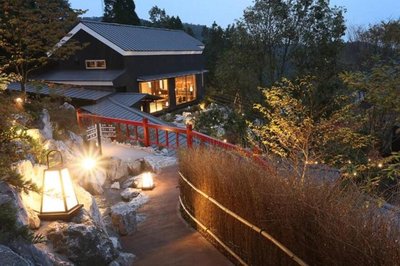
Gekkoju Kurokawa
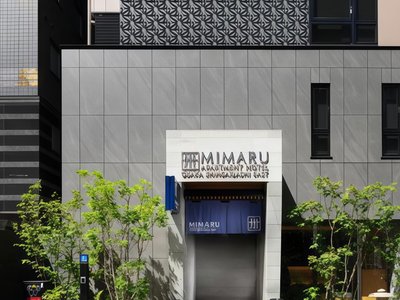
MIMARU Osaka Shinsaibashi East
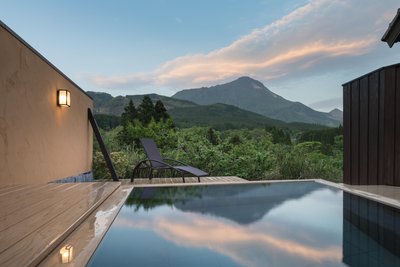
Ikkoten
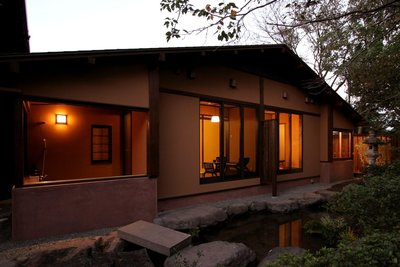
SEKIYA RESORT Bettei Haruki
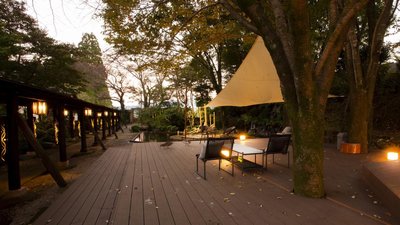
Chikurakutei

MIMARU Osaka Shinsaibashi North

The Royal Park Canvas Fukuoka Nakasu

Okuno Hosomichi
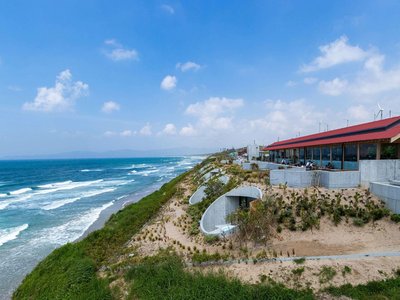
Izumo Hotel the Cliff
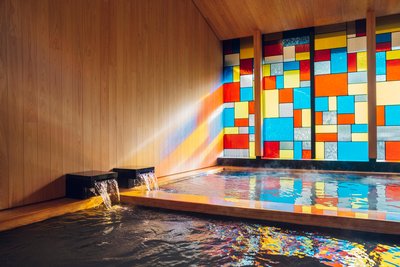
Hoshino Resorts Kai Unzen

Alfacio Resort Stay Itoshima

Ureshino Yadoya
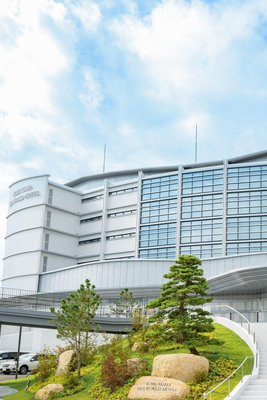
Kobe Suma Sea World Hotel

seven x seven itoshima
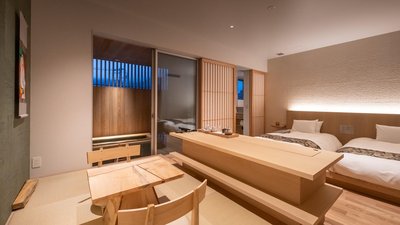
Japanese Auberge Kararako

Hotel Hankyu GRAN RESPIRE OSAKA
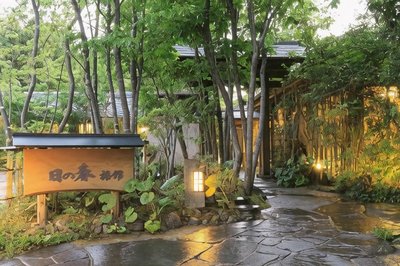
Yufuin Onsen Hinoharu Ryokan
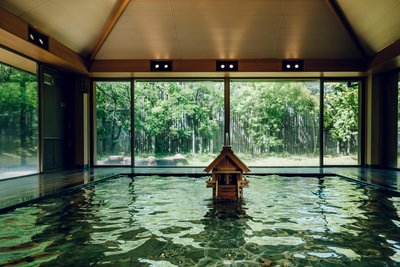
Hoshino Resorts KAI Tamatsukuri
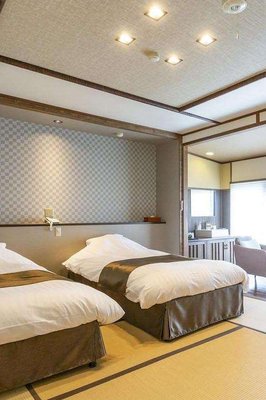
Sozankyo

Taikyourou
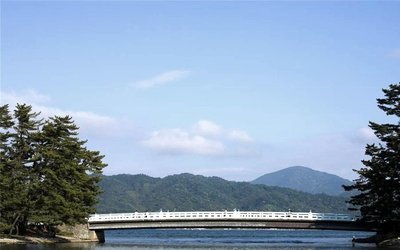
Monjusou Shourotei

XYZ Private Spa and Seaside Resort
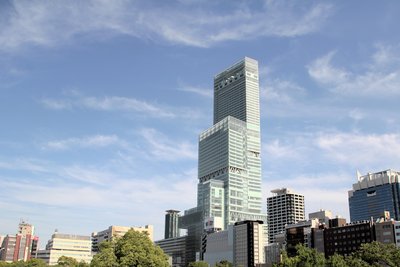
Osaka Marriott Miyako Hotel
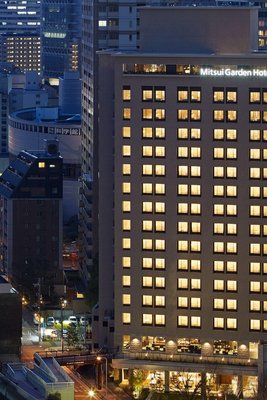
Mitsui Garden Hotel Osaka Premier
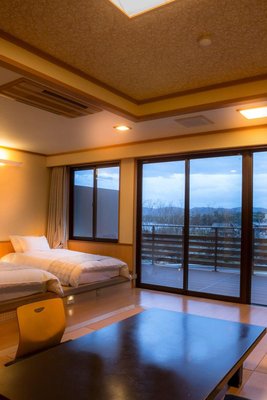
Hotel Kitanoya
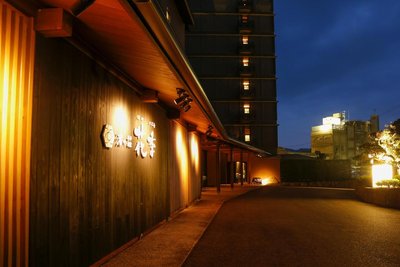
Hanagoyomi
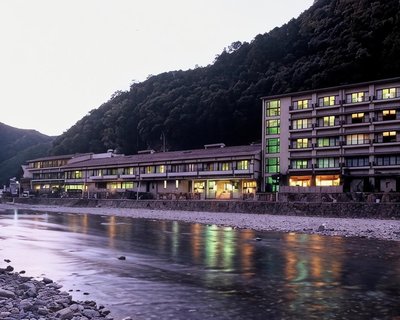
Kawayu Onsen Fujiya
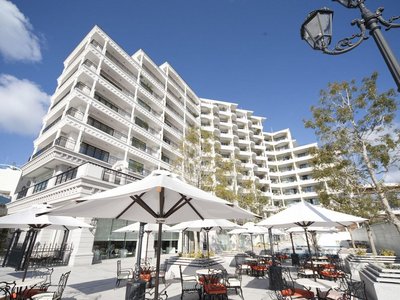
Hotel La Suite Kobe Harborland

AoAwo Naruto Resort

Garden Terrace Nagasaki Hotel & Resort

Holiday Inn Resort Miyazaki
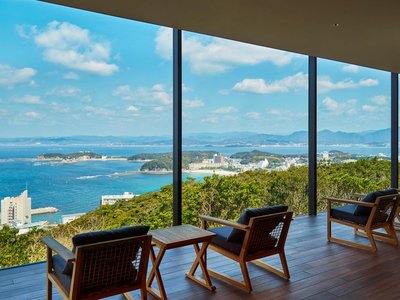
Infinito Hotel and Spa
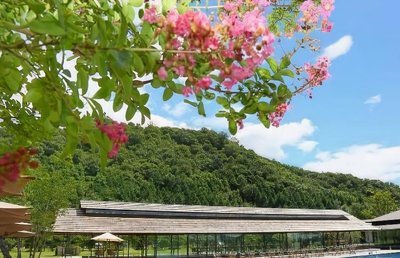
Bella Vista Spa and Marina Onomichi
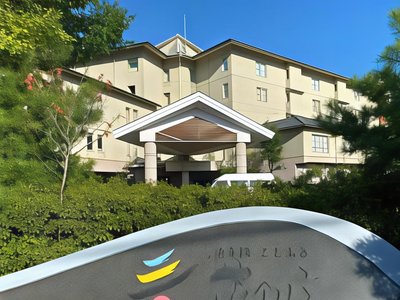
Yufuin Kotobuki Hananosho
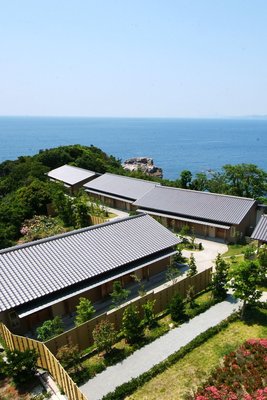
Hamachidorinoyu Kaisyu
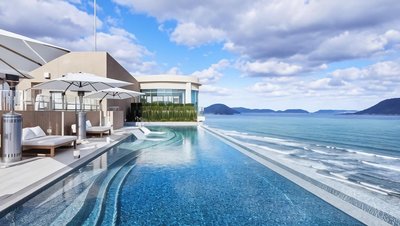
Karatsu Seaside Hotel
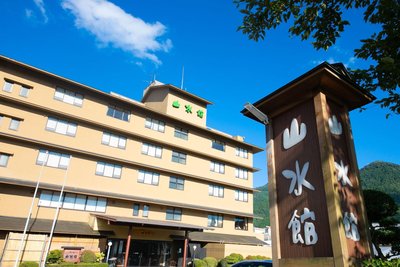
Yufuin Sansuikan

Kaike Shogetsu
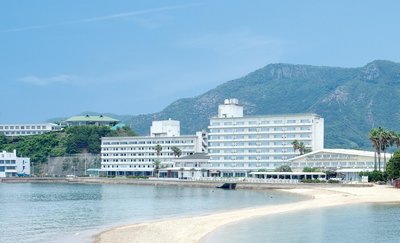
Shodoshima International Hotel
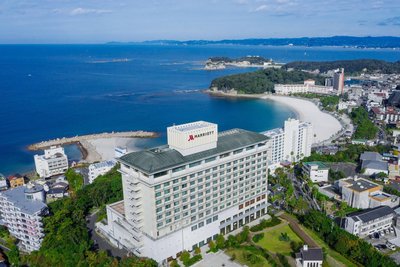
Nanki-Shirahama Marriott Hotel

Kinsuikan
Arimasansoh Goshobessho
Hoshino Resorts KAI Tamatsukuri
Taikyourou
Monjusou Shourotei
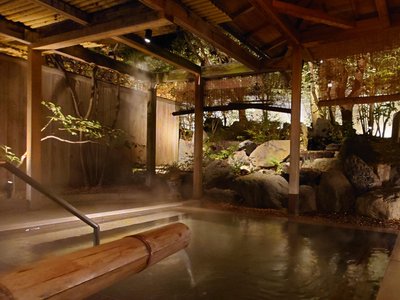
Kasuga Hotel
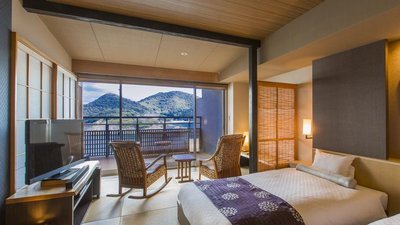
Migiwatei Ochi Kochi
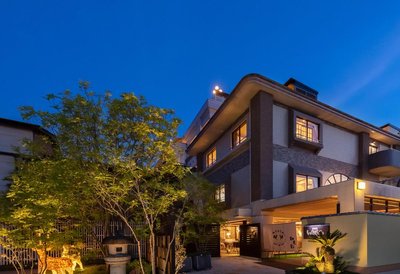
Hotel New Wakasa
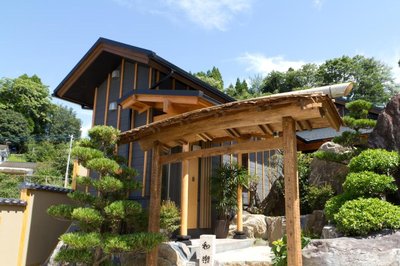
Ryokan Shinsen
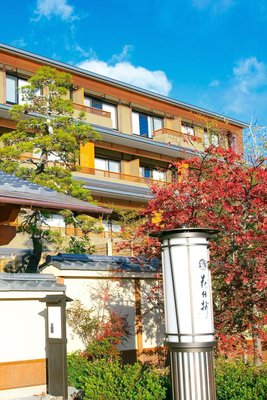
Kyoto Arashiyama Onsen Kadensho (Kyoritsu Resort)
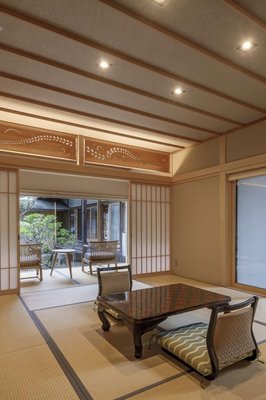
Ichijoin
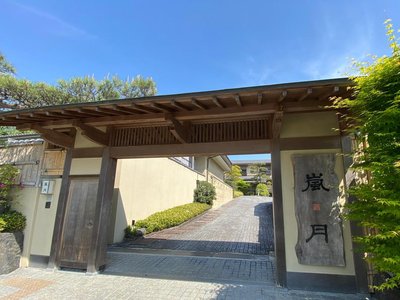
Rangetsu
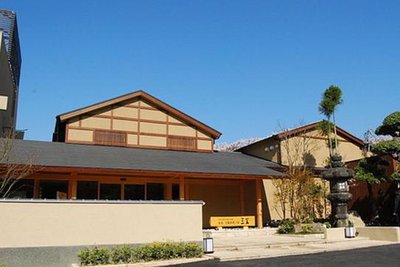
Mikasa
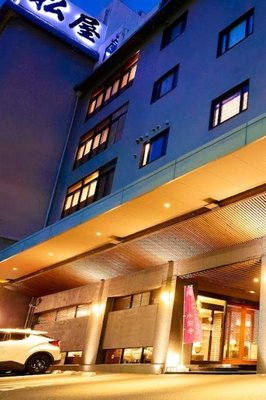
Ryotei Matsuya Honkan Suizenji
HOSHINOYA Kyoto
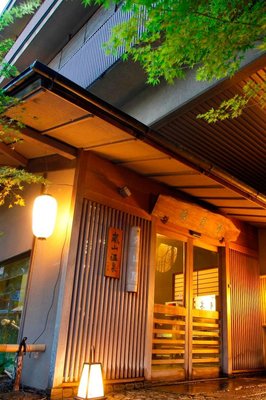
Togetsutei
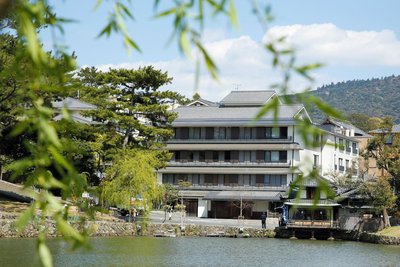
Sarusawaike Yoshidaya
Suiran, a Luxury Collection Hotel, Kyoto
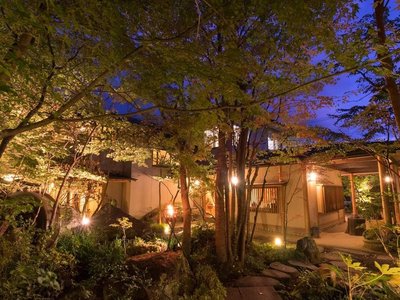
Ryoso Yufuin Yamadaya
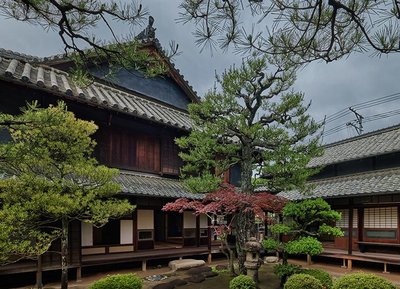
NIPPONIA HOTEL Takehara Saltworks Town
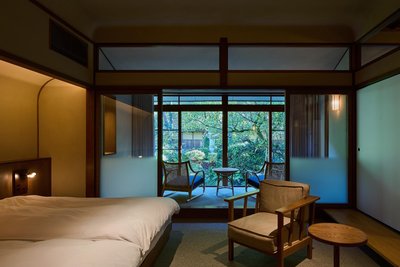
Mikiya' Famous for Shiga Naoya at Kinosaki Hot Springs
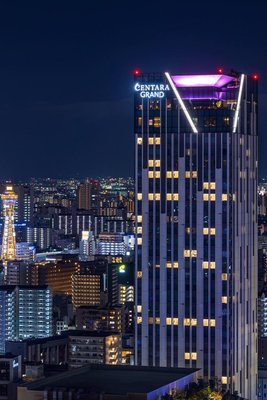
Centara Grand Hotel Osaka
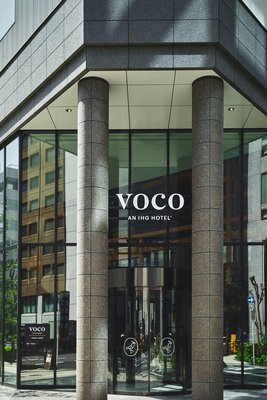
voco Osaka Central
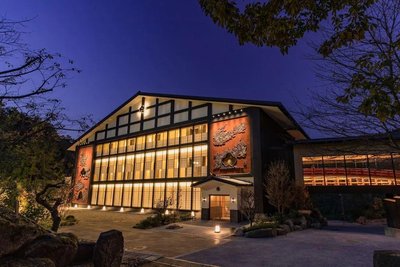
Okuhita Onsen Umehibiki
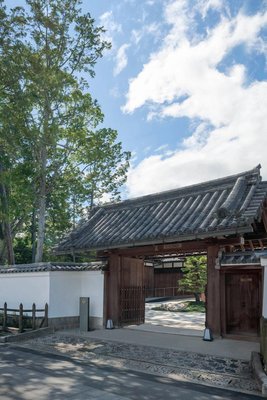
Shisui, a Luxury Collection Hotel, Nara
Osaka Marriott Miyako Hotel
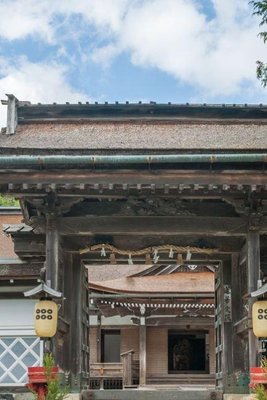
Koyasan Rengejoin
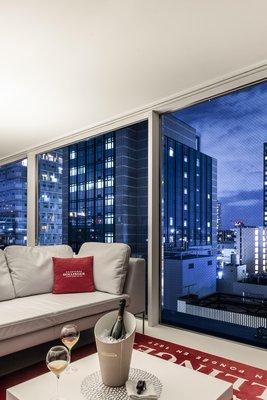
CUVÉE J2 HOTEL OSAKA by Onko Chishin

Nagasaki Marriott Hotel
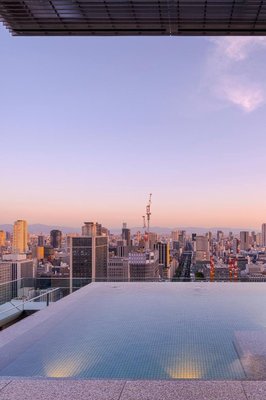
Candeo Hotels Osaka The Tower
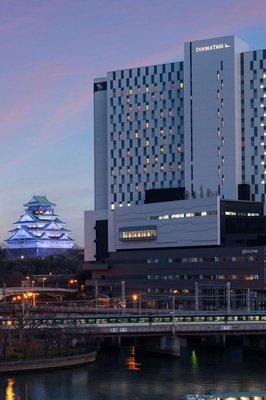
DoubleTree by Hilton Osaka Castle
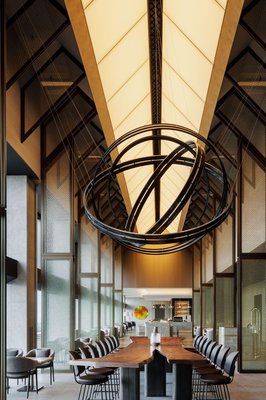
The Osaka Station Hotel, Autograph Collection
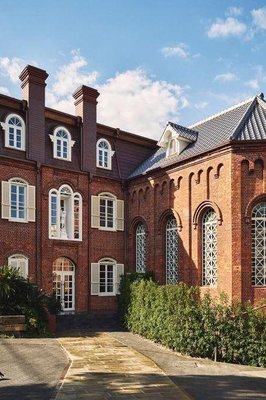
Hotel Indigo Nagasaki Glover Street by IHG
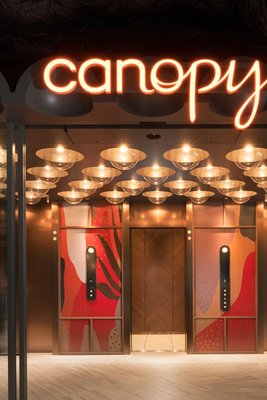
Canopy by Hilton Osaka Umeda

Stadium City Hotel Nagasaki
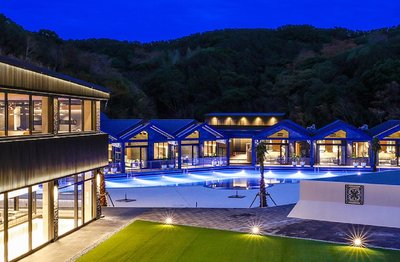
FIVE SPRING RESORT THE SHIRAHAMA

ONE FUKUOKA HOTEL
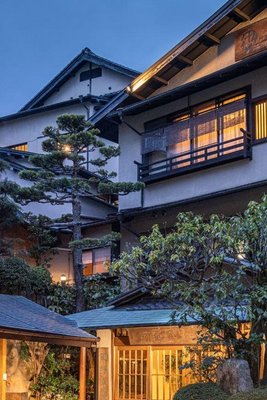
Arima Onsen Tocen Goshobo
Hotel La Suite Kobe Harborland

Hilton Osaka Hotel
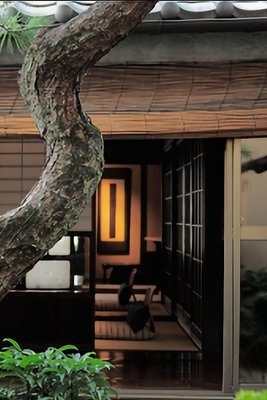
Shimayado Mari
The Ritz-Carlton, Fukuoka
Osaka Marriott Miyako Hotel
The Ritz-Carlton, Osaka
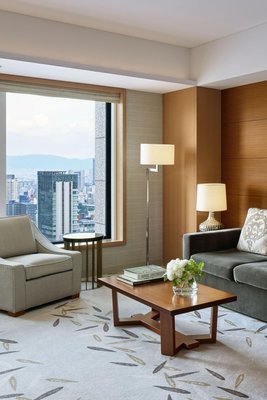
InterContinental Hotel Osaka
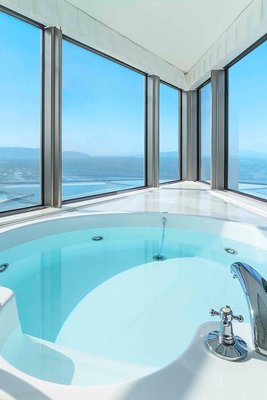
Hilton Fukuoka Sea Hawk
Suiran, a Luxury Collection Hotel, Kyoto
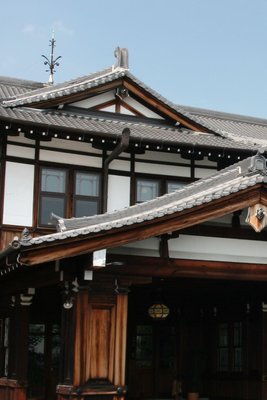
Nara Hotel
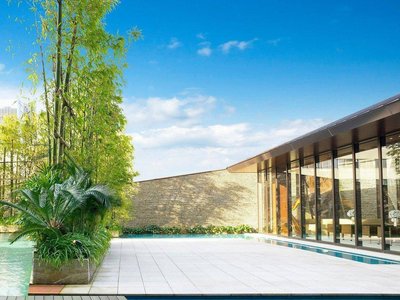
ORIENTAL HOTEL
Conrad Osaka

Hotel New Otani Osaka

Swissotel Nankai Osaka
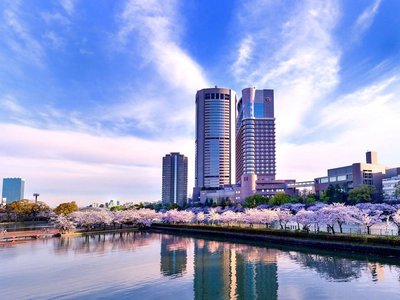
Imperial Hotel Osaka
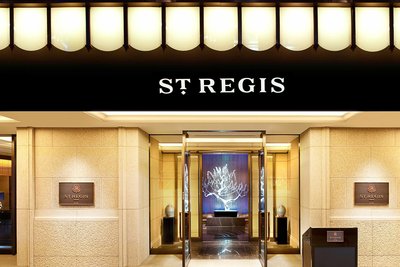
The St. Regis Osaka
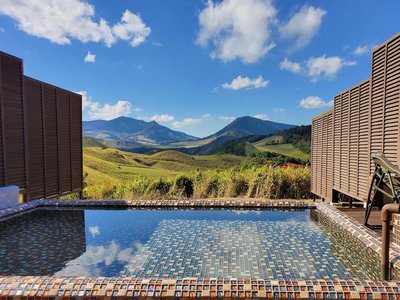
Grand Verde Resort
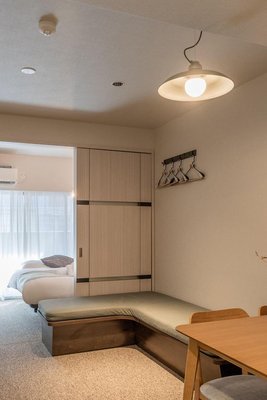
Apartment Hotel 11 Shinsaibashi
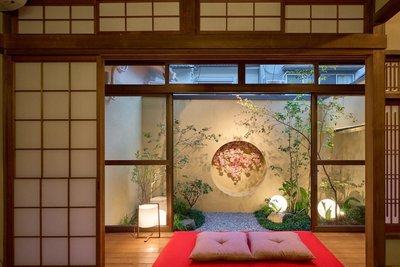
KONJAKUSO Osaka Tengachaya "NIHONCHA" Tea & Relax
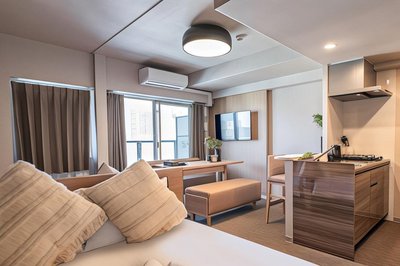
Apartment Hotel 11 Shinsaibashi III
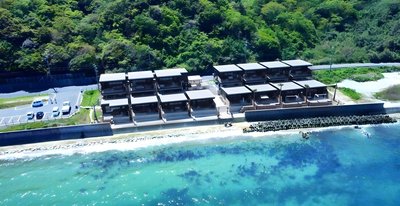
Solavilla Umi Terrace Minamiawaji
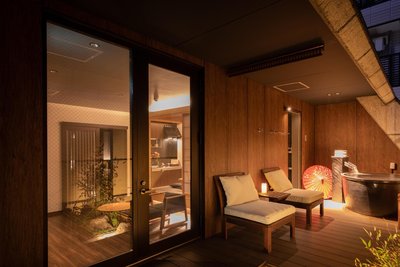
Konjaku-So Dotonbori

Sana Mane - Glamp Domes
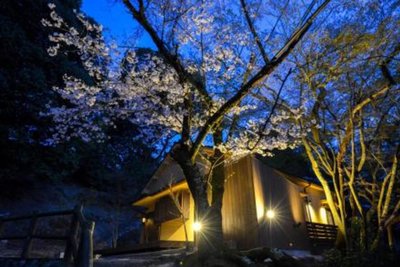
Villa Hamorebi
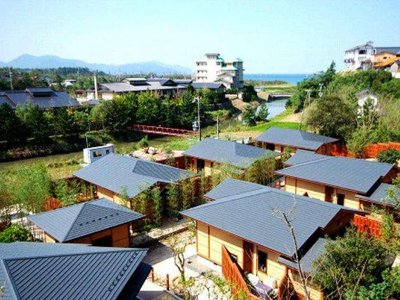
Ujo Soan (Adult Only)

Hotel Barrière Fouquet's New York
The Ritz-Carlton, Fukuoka
Waldorf Astoria Osaka
Four Seasons Hotel Osaka
Patina Osaka
The Ritz-Carlton, Osaka
Arimasansoh Goshobessho
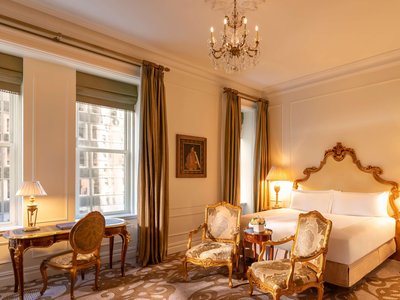
The Plaza - A Fairmont Managed Hotel
HOSHINOYA Kyoto
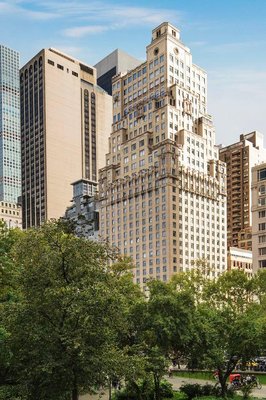
The Ritz-Carlton New York, Central Park

Four Seasons Hotel New York

The St. Regis New York
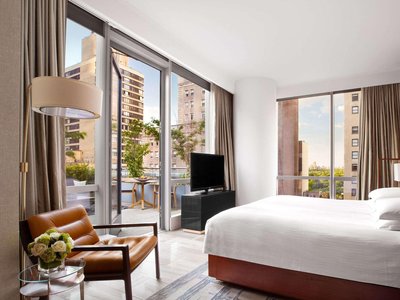
Park Hyatt New York

Mandarin Oriental New York

Times Square Edition New York

Loews Regency New York Hotel
Suiran, a Luxury Collection Hotel, Kyoto

Lowell Hotel

New York Edition
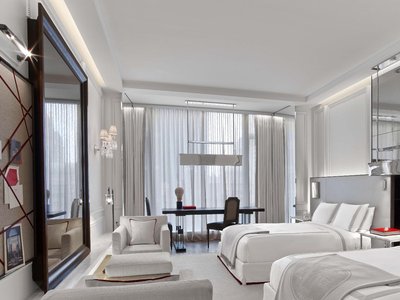
Baccarat Hotel New York
Frequently Asked Questions about Traveling to Tobe
Questions You Might Need to Know About Traveling to Tobe
For an immersive cultural stay in Tsumago, stay at Kanaya Ryokan, a centuries-old guesthouse with preserved wooden architecture and tatami rooms. Enjoy daily kaiseki meals featuring local ingredients like mountain vegetables and Hida beef. The inn offers access to the Tsumago Post Town Path, where you can walk historic stone streets and visit artisan workshops. Guests may also participate in tea ceremonies and calligraphy sessions led by resident masters, deepening their connection to Japanese rural heritage.
The quietest part of Tsumago lies along the Kiso River near the old bridge, offering serene views and minimal noise. Stay at Yamato Guest House, a secluded cottage surrounded by bamboo groves and cherry trees. Each room opens to a private garden where you can meditate or sip matcha. Early mornings bring mist rising over the river, perfect for photography. This area is ideal for those seeking tranquility, with no traffic and easy access to walking trails leading to nearby temples and forest sanctuaries.
In Tsumago, experience the rare tradition of handmade washi paper making at the Tsumago Washi Workshop. Learn from skilled artisans how to craft paper using mulberry fibers and natural dyes. You’ll also explore the Post Town Museum, housing original Edo-period artifacts, including samurai armor and postal carts. Don’t miss the monthly Tsumago Night Lantern Festival, where locals light paper lanterns along the street, creating a magical ambiance that echoes the town’s historical role on the Nakasendo Trail.
While Tsumago itself has no hot springs, the nearby Shinshu Onsen (30 minutes away) offers luxurious spa experiences. Stay at Hoshinoya Shinshu, a ryokan nestled in pine forests with open-air baths overlooking the mountains. The mineral-rich waters soothe muscles after hiking the Nakasendo Trail. Rooms blend modern comfort with traditional design, and meals feature seasonal Nagano delicacies like wild mushrooms and grilled ayu fish. Many guests combine a stay here with a day trip to Tsumago for a full cultural journey.
Choose Tsumago Family Inn, a spacious farmhouse-style accommodation with a backyard playground and a small vegetable garden where kids can harvest herbs. The staff organizes interactive activities like forest scavenger hunts and traditional doll-making workshops. Meals include kid-friendly options such as rice balls with local fillings and soft tofu soup. The inn also provides strollers and baby monitors upon request. Families can easily explore the post town together, with guided tours tailored for younger travelers.
Yes, Tsumago is highly accessible by car via the National Route 152, which connects to Nagano City and Matsumoto. Parking is available at the main entrance and near the post town square. The scenic drive through mountain passes offers stunning views of alpine meadows and rivers. Renting a car is ideal for exploring side trails and nearby attractions like Shinshu Gorge and Ogawa Shrine. Most accommodations provide maps and route suggestions for self-guided adventures.
Try Hida Beef Bowl (Hida Gyū Donburi), a rich dish made with tender, marbled beef from local grass-fed cattle, served over steaming rice. Another must-try is Kiso River Trout Sashimi, fresh caught and lightly seasoned with yuzu. Don’t miss Tsumago Mochi, sweet rice cakes filled with red bean paste, often sold at roadside stalls. For a savory snack, sample Kurogoma Udon—noodles topped with black sesame sauce—offered at several local eateries, showcasing the region’s unique culinary identity.
Capture the iconic Tsumago Stone Bridge at golden hour, when sunlight filters through ancient trees. Photograph the Nakasendo Trail winding through moss-covered stone steps and cedar-lined paths. Visit Omiya Shrine, known for its dramatic torii gate framed by autumn foliage. For panoramic shots, hike to Mount Kurokawa Viewpoint, offering sweeping vistas of the valley and distant peaks. Early morning fog above the Kiso River creates dreamlike images, perfect for landscape photography.
Most Tsumago inns primarily operate in Japanese, but select properties like Kanaya Ryokan and Hoshinoya Shinshu provide basic English services. Staff can assist with translation via mobile apps or printed cards. Some hostels offer multilingual welcome kits with maps and local tips. For deeper communication, consider HopeGoo a guided tour with bilingual guides through the Tsumago Tourism Association, who can help navigate cultural nuances and dining choices.
The best times to visit Tsumago are spring (April–May) and autumn (October–November). Spring brings blooming cherry blossoms along the riverbanks and fresh greenery across the hills. Autumn paints the forests in fiery reds and golds, especially around Mount Kurokawa. Both seasons offer mild temperatures and fewer crowds. Summer is lush but humid; winter sees snowfall, transforming the town into a snowy postcard scene. Avoid typhoon season (August–September) for safety and comfort.
Tobe Overview
City Summary
Tobe Town in Ehime Prefecture, Japan, is renowned for its traditional pottery craftsmanship, with 400-year-old Tobe-yaki ceramics as its cultural icon. Nestled among verdant mountains, the town blends natural scenery with hands-on artisanal experiences, ideal for cultural immersion. Its core appeal lies in serene rural charm and master artisan heritage.
Must-See Attractions
Must visit Tobe Ceramic Park for kiln tours, wheel-throwing workshops, and unique pottery purchases. Baishinji Park offers cherry blossoms in spring and vibrant foliage in autumn. Tobe Folk Museum chronicles local history and ceramic evolution. Join a pottery class to create your own Tobe-yaki masterpiece.
Food Guide
Savor desserts and juices made from Ehime's famed citrus fruits, and don't miss fresh sea bream rice. Traditional dishes served in Tobe-yaki tableware like tsukudani pickles highlight regional flavors. Try ceramic plate grills where cookware enhances dining aesthetics.
Transportation Guide
Take the Iyotetsu Tobe Line from Matsuyama (30 mins), check sparse schedules in advance. Attractions are walkable; bike rentals recommended. Taxis require phone HopeGoo, no subway system. Consider 1-day passes for cost efficiency.
Best Time to Visit
April-May for cherry blossoms and spring greenery, September-November for pleasant autumn hikes. Avoid mid-August Obon crowds. Some workshops close in winter (Dec-Feb).
Travel Tips
- Avoid touching unfired pottery during kiln visits
- Carry sufficient JPY as many shops are cash-only
- Strict garbage separation rules apply
- Bring small towels for onsen facilities
- Watch for vehicles on rural roads without sidewalks
- Book workshops at least 2 days ahead
Useful Information
Japanese is primary language; basic English signage at attractions. 4G coverage throughout, convenience stores offer WiFi. Cash dominates, credit cards accepted only at major stores. Dial 110(police) or 119(ambulance) for emergencies. Tobe Hospital is 1.5km from station. Post offices handle international mail (9am-5pm).