Hotels in Togitsu
Discover your perfect stay in Togitsu.
Togitsu(Japan) Travel 2026: Cheap Flights, Hotels & Top Attractions
Popular Landmarks in Togitsu
Discover the most iconic attractions in Togitsu
Recommended Hotels in Togitsu
Find the perfect place to stay in Togitsu
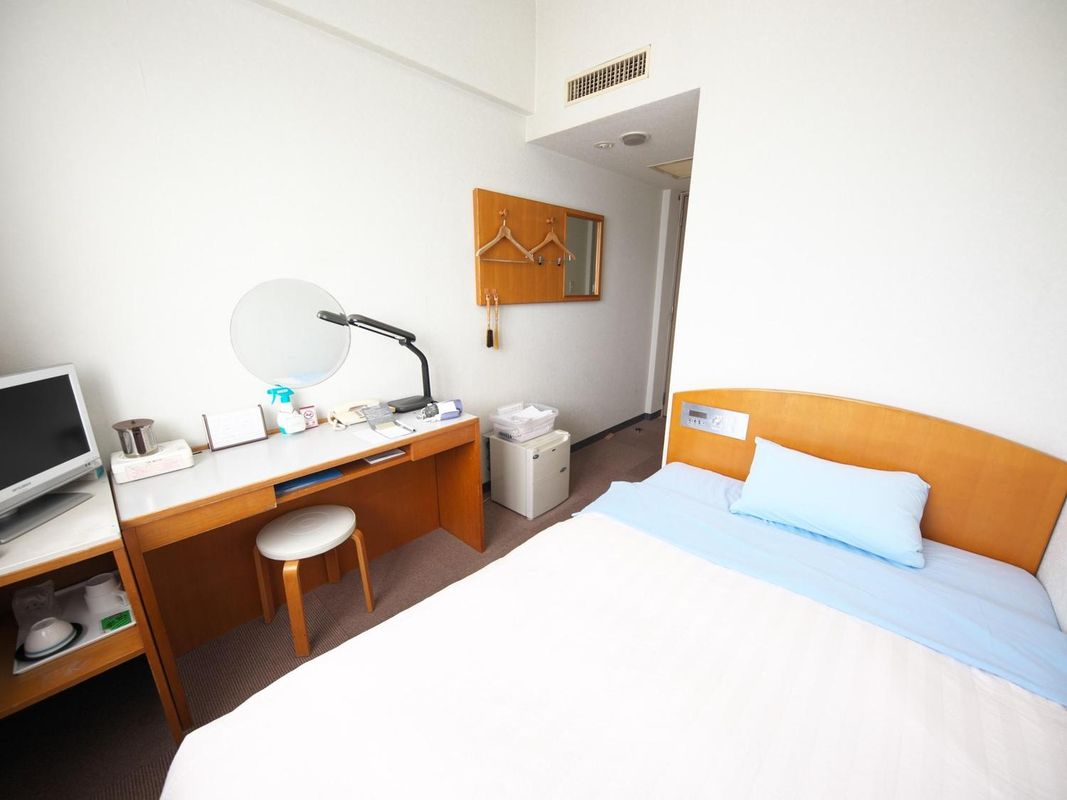
Togitsu Yasuda Ocean Hotel
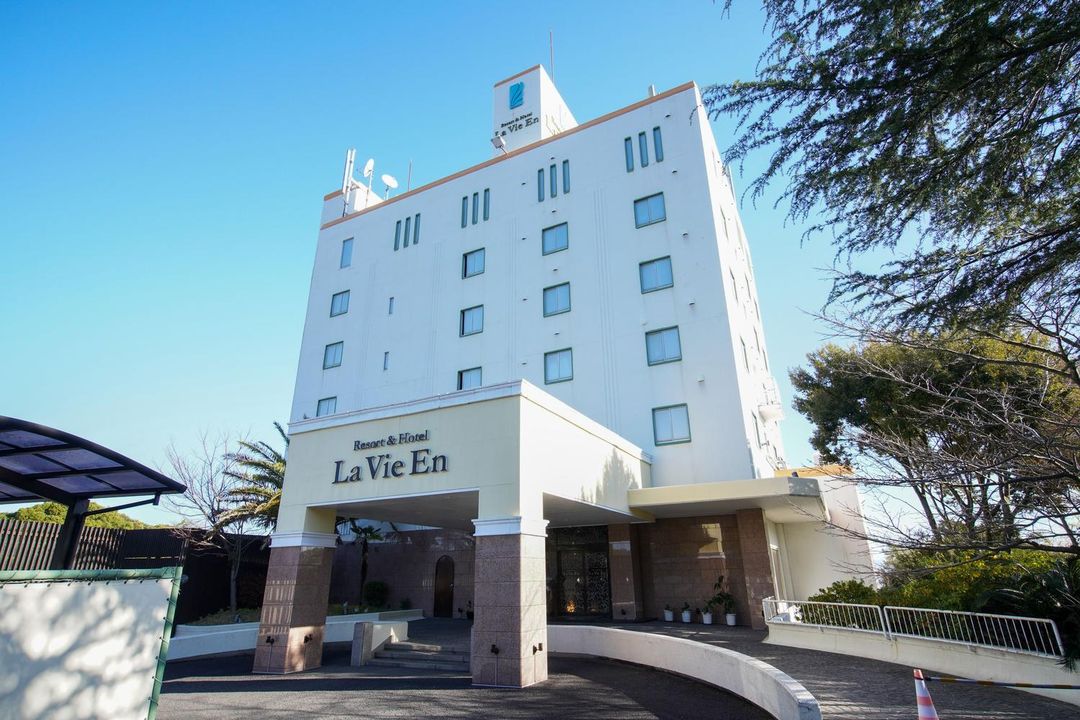
HOTEL LAVIEN
Best Hotels in Togitsu
Discover curated hotel collections in Togitsu
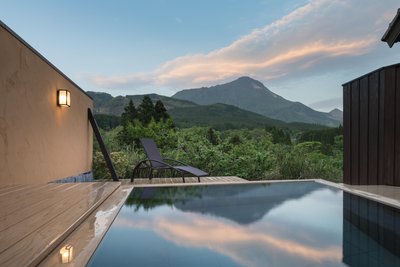
Ikkoten
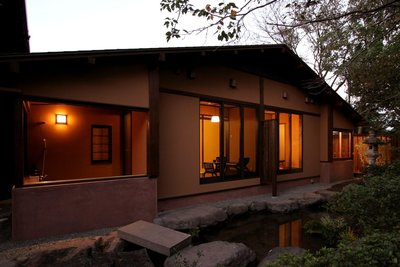
SEKIYA RESORT Bettei Haruki
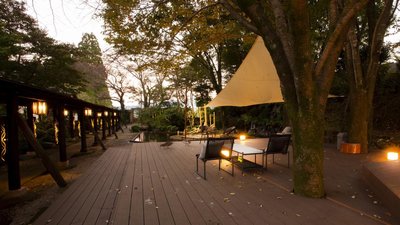
Chikurakutei
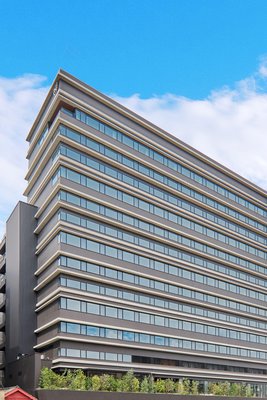
The Royal Park Canvas Fukuoka Nakasu
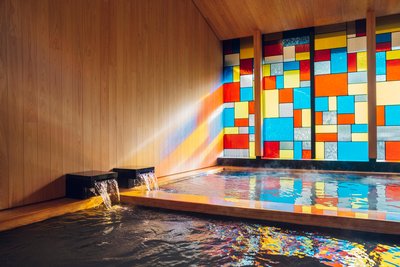
Hoshino Resorts Kai Unzen
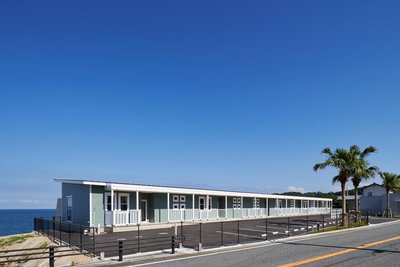
Alfacio Resort Stay Itoshima
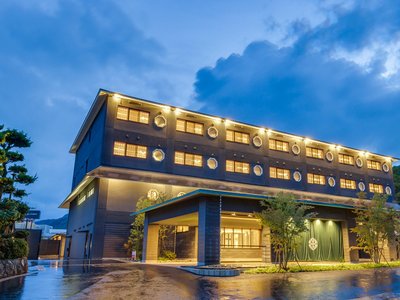
Ureshino Yadoya
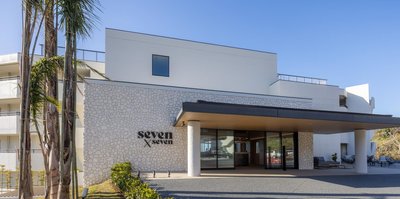
seven x seven itoshima
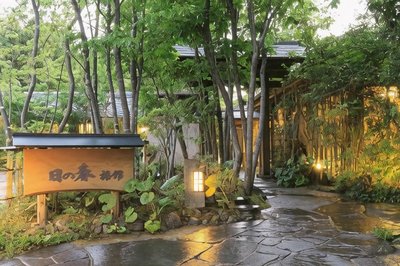
Yufuin Onsen Hinoharu Ryokan
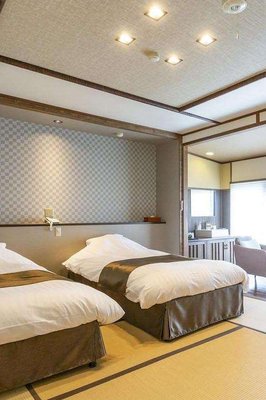
Sozankyo
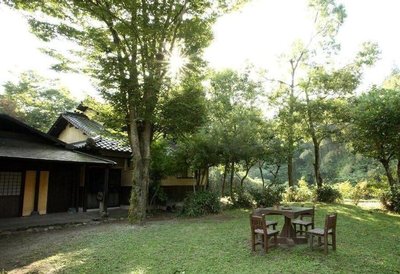
Yamashinobu
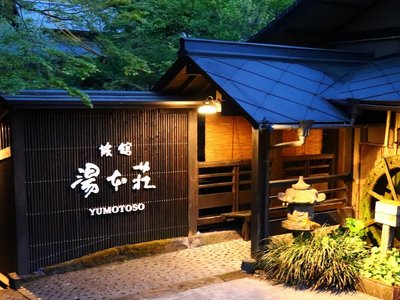
Ryokan Yumotosou
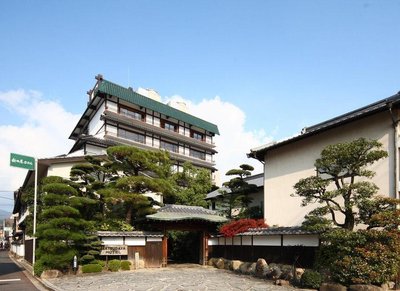
Matsudaya Hotel
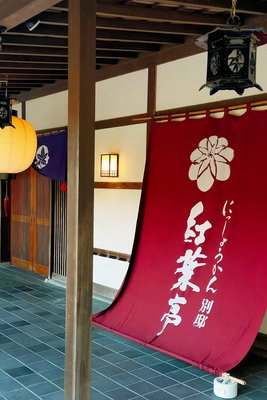
Nisshokan Bettei Koyotei
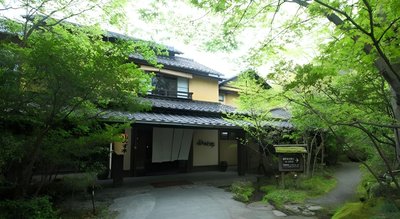
Kurokawaonsen Yamamizuki
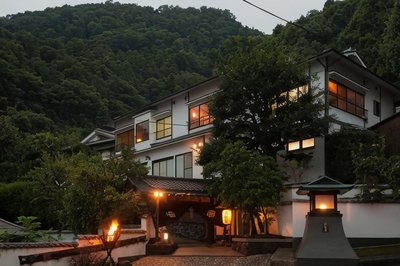
Beppu Showaen
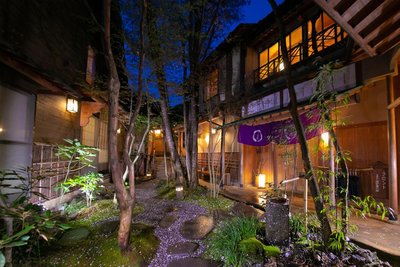
Oyado Ichizen
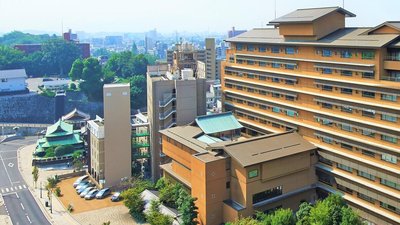
Yamatoya Honten
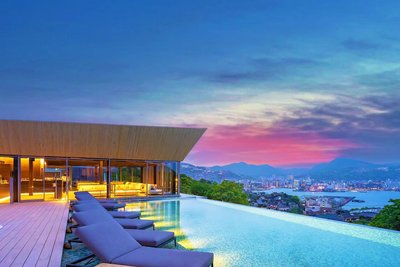
Garden Terrace Nagasaki Hotel & Resort
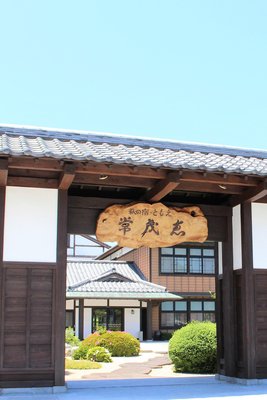
Hagi No Yado Tomoe
Garden Terrace Nagasaki Hotel & Resort
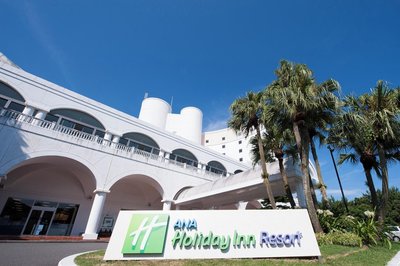
Holiday Inn Resort Miyazaki
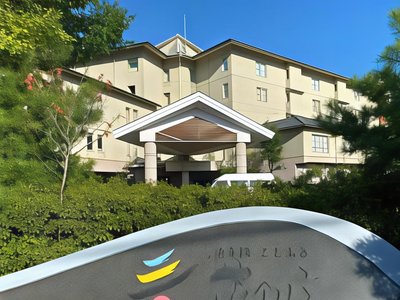
Yufuin Kotobuki Hananosho
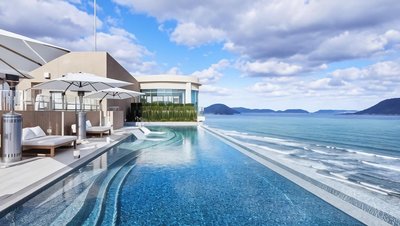
Karatsu Seaside Hotel
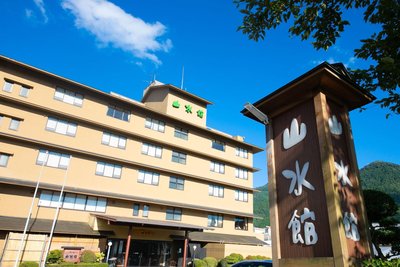
Yufuin Sansuikan
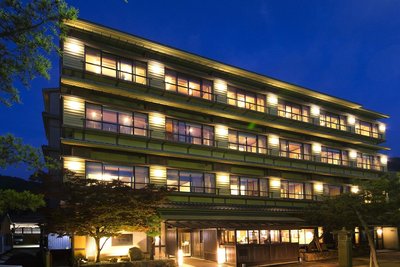
Kinsuikan
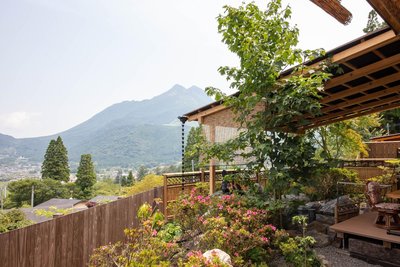
Yufuin-Sanso Waremokou
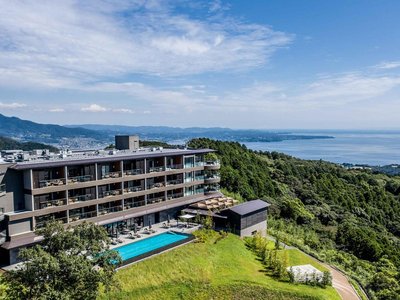
Ana InterContinental Beppu Resort & Spa
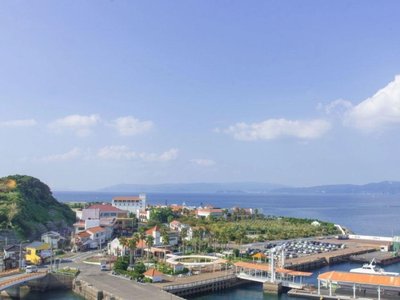
I+Land Nagasaki
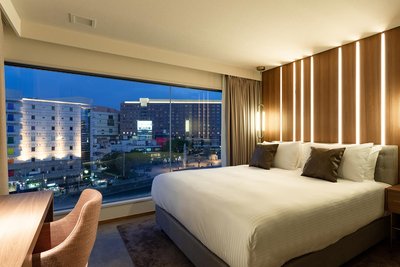
The OneFive Villa Fukuoka
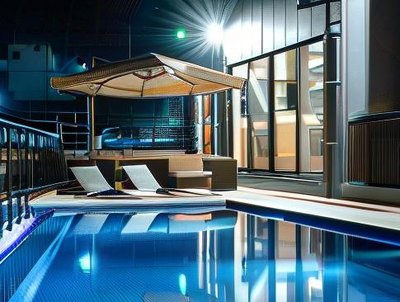
LiVEMAX RESORT MIYAHAMA ONSEN OCEAN
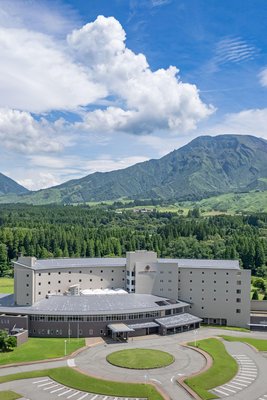
KAMENOI HOTEL ASO
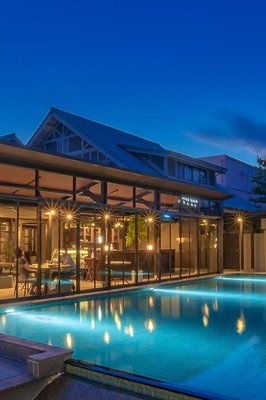
Amane Resort Gahama

SEKIYA RESORT GALLERIA MIDOBARU

Beppu Suginoi Hotel

Phoenix Seagaia Ocean Tower
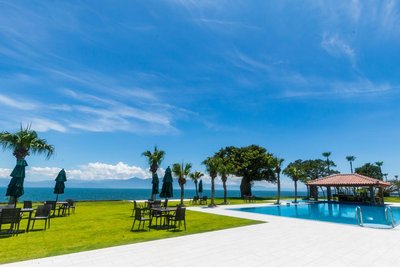
Kagoshima Sunamushi Onsen Ibusuki Hakusuikan
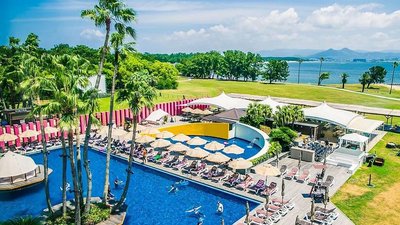
The Luigans Spa and Resort
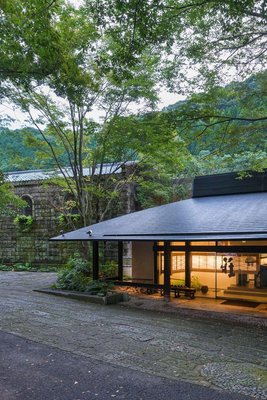
Myoken Ishiharaso

SHIROYAMA HOTEL kagoshima
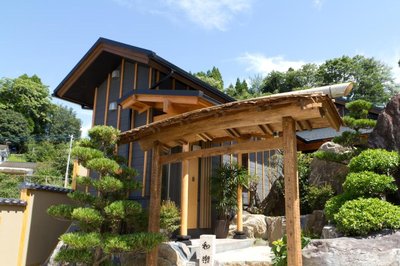
Ryokan Shinsen
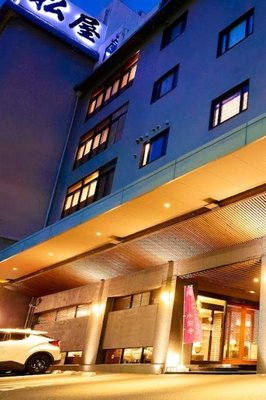
Ryotei Matsuya Honkan Suizenji
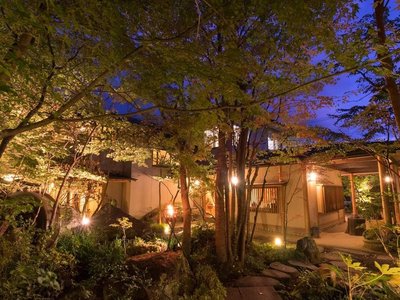
Ryoso Yufuin Yamadaya
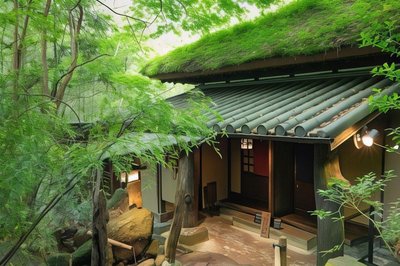
Sanso Tensui
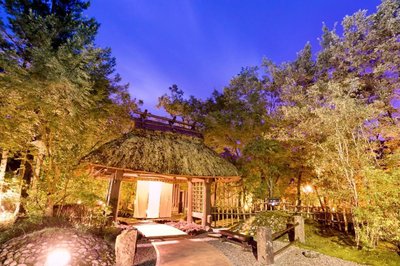
Satonoyu Waraku
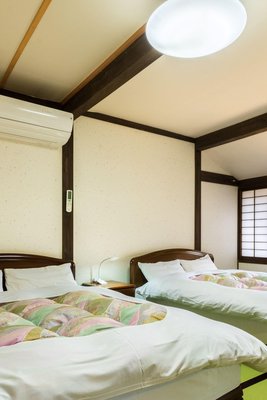
Tobise Onsen Tenga Sanso
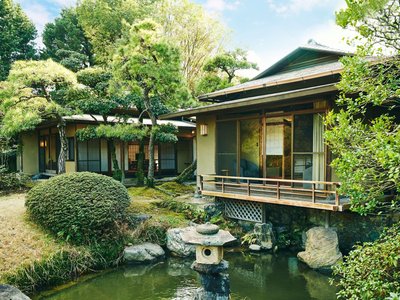
Suisui Garden Ryokan (in the Art Hotel Kokura New Tagawa)
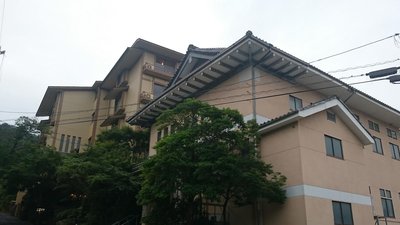
Miyajima Hotel Makoto
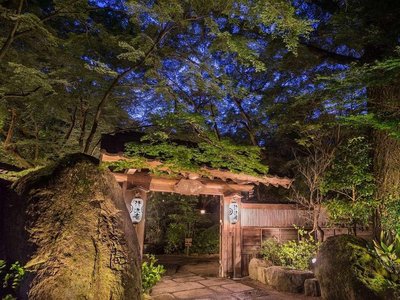
Akizuki Spa Ryokan Seiryuan
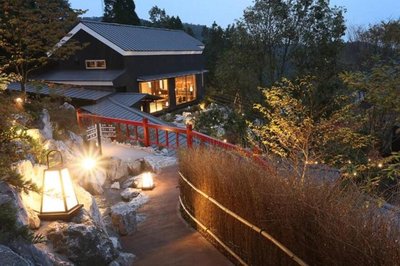
Gekkoju Kurokawa
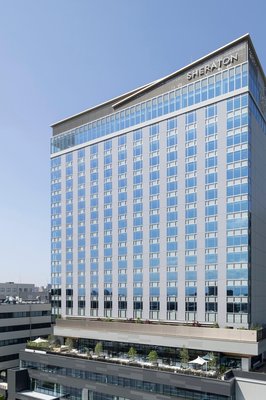
Sheraton Kagoshima
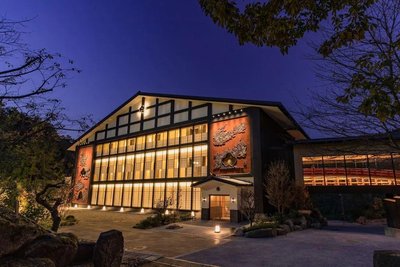
Okuhita Onsen Umehibiki
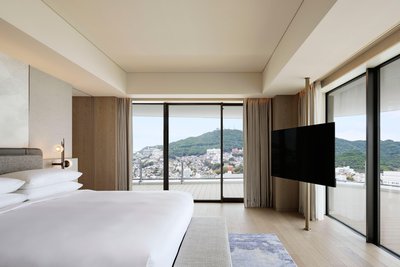
Nagasaki Marriott Hotel
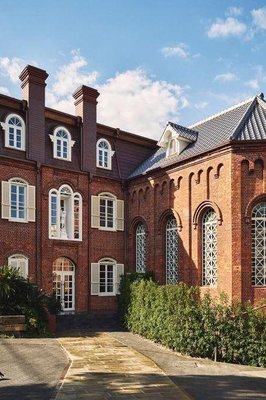
Hotel Indigo Nagasaki Glover Street by IHG
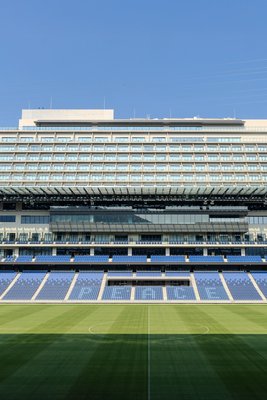
Stadium City Hotel Nagasaki
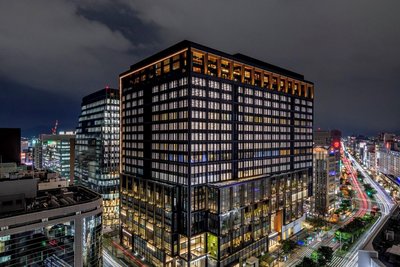
ONE FUKUOKA HOTEL
Ryokan Shinsen
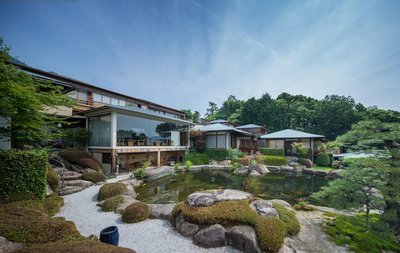
SEKITEI

Yamatoya Besso
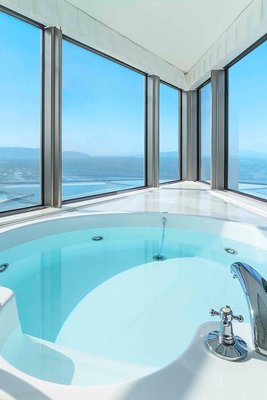
Hilton Fukuoka Sea Hawk

Olive Bay Hotel
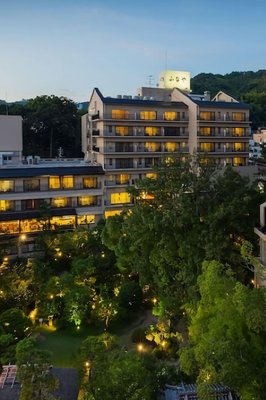
Funaya
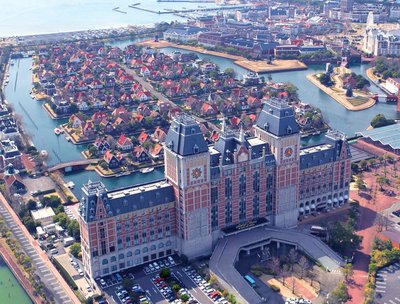
Hotel Okura Jr Huis Ten Bosch
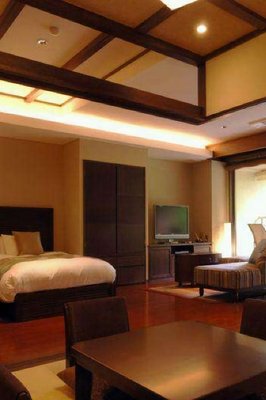
Bettei Oborozukiyo
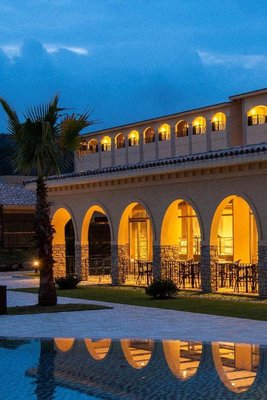
La Vista Kirishima Hills
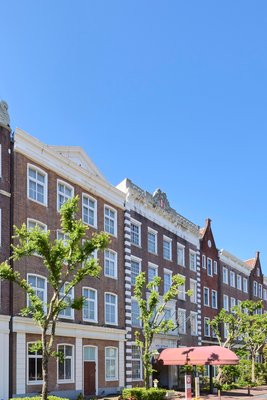
Hotel Amsterdam Huis Ten Bosch

Yumotoankiyohime
Ana InterContinental Beppu Resort & Spa
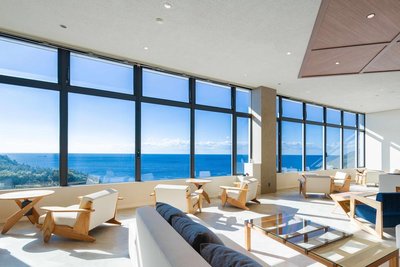
TheMana Village
Amane Resort Gahama

Hotel Barrière Fouquet's New York

The Ritz-Carlton, Fukuoka
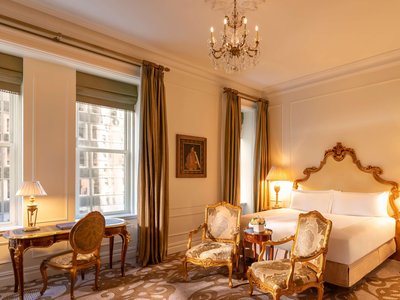
The Plaza - A Fairmont Managed Hotel
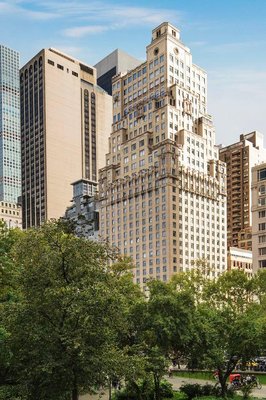
The Ritz-Carlton New York, Central Park
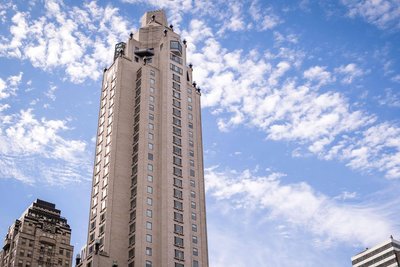
Four Seasons Hotel New York
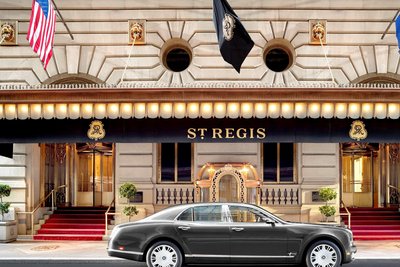
The St. Regis New York
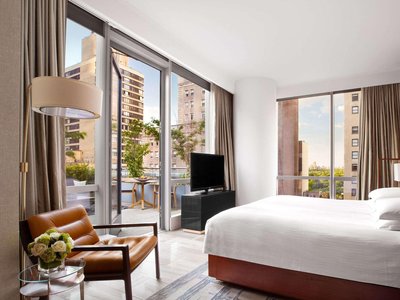
Park Hyatt New York
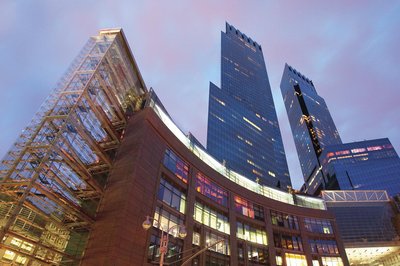
Mandarin Oriental New York
Times Square Edition New York
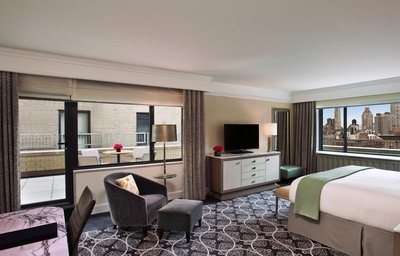
Loews Regency New York Hotel
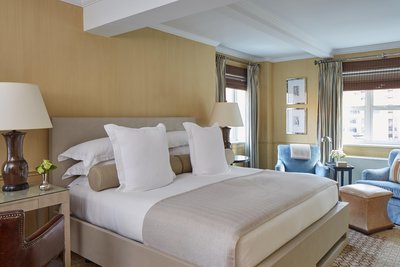
Lowell Hotel
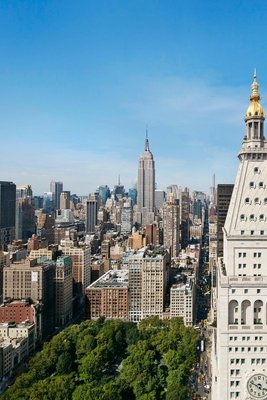
New York Edition
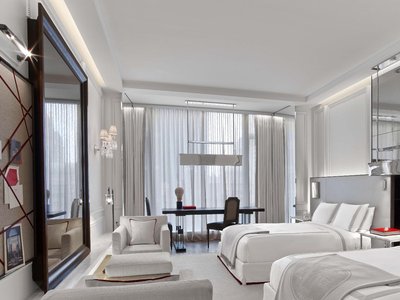
Baccarat Hotel New York
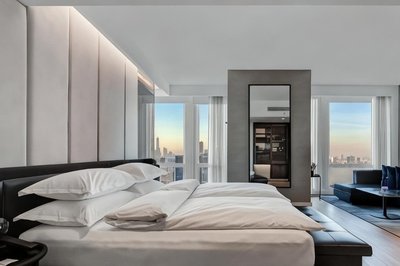
Equinox Hotel New York
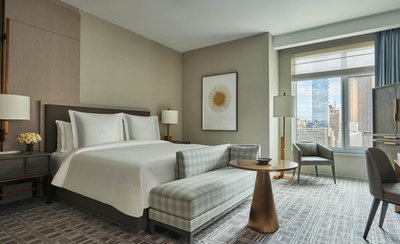
Four Seasons Hotel New York Downtown
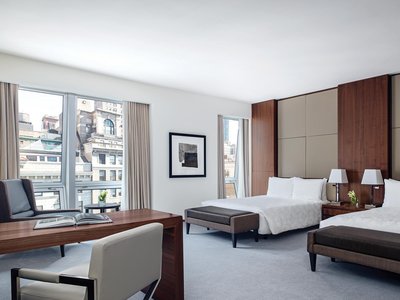
The Langham, New York, Fifth Avenue

The Carlyle, A Rosewood Hotel

The Chatwal, in the Unbound Collection by Hyatt
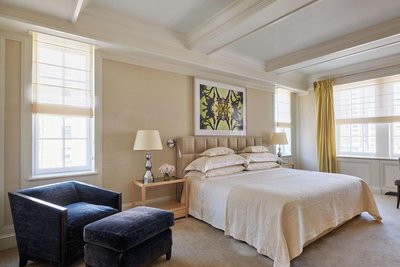
The Mark New York
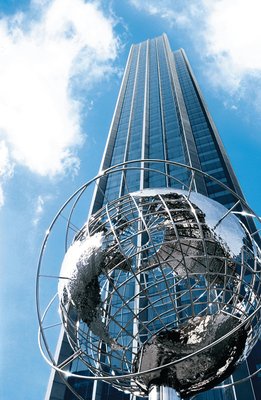
Trump International Hotel & Tower® New York
Frequently Asked Questions about Traveling to Togitsu
Questions You Might Need to Know About Traveling to Togitsu
In Shizuna, the best hotel is Shizuna Onsen Ryokan, a traditional Japanese inn nestled near the Nagasaki Prefectural Shizuna Nature Park. It offers private onsen baths, authentic kaiseki cuisine, and tranquil wooden rooms with views of forested hills. Guests can enjoy cultural experiences like tea ceremonies and kimono dressing. The ryokan emphasizes local island heritage and sustainable living, making it ideal for travelers seeking authenticity and serenity.
The best area for lodging is central Shizuna, close to Shizuna Port and the Shizuna Town Hall. This district hosts cozy guesthouses and boutique inns like Umikaze Koji, offering sea-view balconies and free bicycle rentals. It’s walkable to key attractions including coastal trails and wildlife observation points. With friendly locals and clean streets, it’s perfect for experiencing quiet rural life and slow-paced island culture.
Shizuna’s highlight is the Shizuna Marine Festival, held annually in summer, featuring traditional fishing rituals, decorated boat races, and bonfire dances. At the Shizuna Historical Museum, visitors can explore the town’s evolution from a fishing village to a modern community. Hands-on workshops include woven fish baskets and seaweed dyeing, preserving indigenous craftsmanship and fostering deep community connection through heritage.
Yes, Shizuna has natural hot springs located in the Shizuna Onsen Area, known for mild, soft alkaline waters with low mineral content. Shizuna Onsen Ryokan features both indoor and outdoor baths, where guests can soak while gazing at distant Tsushima Island and the Noto Islands. Some premium rooms include private open-air onsen with stargazing views, creating a deeply relaxing experience. Early mornings offer solitude and serene beauty.
Absolutely. Shizuna is ideal for families due to its safety, peaceful environment, and rich nature. The Shizuna Children’s Nature Learning Garden offers interactive ecology tours where kids can explore tidal pools and grow local vegetables. Gentle beaches are perfect for children to play, and many inns provide family rooms and activities like shell craft and nighttime firefly watching, allowing the whole family to embrace island life at a relaxed pace.
Must-try dishes include Shizuna-style dried bonito (katsuobushi), crispy and used in soups; seaweed rice rolls and salt-grilled black tuna, often prepared by local fishermen. Visit Shizuna Port Market for fresh catches like sea bream and urchin, then have them cooked onsite. Don’t miss Nagasaki-brewed oolong tea and local rice wine, both reflecting the region’s agricultural roots and maritime traditions.
While remote, Shizuna is accessible via bus from Nagasaki City, taking about 50 minutes with regular service. Driving is easy along National Route 351, with clear signage. Many inns offer free shuttle services, and electric bicycles are available for exploring coastal paths. HopeGoo transport in advance is recommended, especially during peak festival seasons.
Shizuna features unique coastal hill landscapes and native forests, including the Shizuna Mangrove Wetland and Tsushima Strait Viewing Platform—ideal for birdwatching and ecological study. Spring brings blooming cherry and azalea trees, while autumn displays vibrant maple foliage. The Shizuna Nature Trail winds through deer and rabbit habitats, with panoramic views of the Noto Islands. Night skies are pristine—perfect for stargazing and astrophotography, earning it the nickname "Eastern Star Whisper".
The Shizuna Harbor Sunset Pier offers stunning silhouettes of fishing boats against golden sunsets. The Shizuna Observation Deck provides sweeping views of the sea and distant islands, perfect for time-lapse photography. The white-walled shrine with blue tiles and century-old banyan tree make an idyllic backdrop for portraits. For dreamy shots, visit the mangrove wetlands at dawn, when mist floats above the water. Many inns also allow access to private gardens and terraces with professional lighting setups.
The best times to visit are April to June and September to November. Spring offers mild weather, blooming flowers, and gentle sea breezes—ideal for hiking and outdoor adventures. Autumn brings clear skies, calm seas, and events like the Shizuna Marine Festival and seaweed harvesting workshops. Winter is quiet and less crowded, though some sites may close due to weather. Both seasons provide excellent conditions for experiencing Shizuna’s natural beauty and cultural rhythm.
Togitsu Overview
City Summary
Togitsu Town is a charming coastal town in Nagasaki Prefecture, Japan, known for its traditional fishing culture and serene natural scenery. With abundant seafood resources and a unique hot spring culture, Togitsu offers a glimpse into authentic Japanese life. Its historic buildings and shrines reflect deep cultural heritage, making it an ideal destination for those seeking tranquility.
Must-See Attractions
Key attractions in Togitsu Town include the Togitsu Fishing Port, where visitors can observe local fishermen at work; Togitsu Hot Springs, renowned for their mineral-rich waters; and Hachimangu Shrine, the town's spiritual center hosting annual festivals. The coastal scenery is perfect for leisurely walks or cycling, offering stunning views of nature.
Food Guide
Togitsu is famous for its fresh seafood. Don't miss the Togitsu mackerel, known for its tender texture; seafood rice bowls made with daily catches; and onsen tamago (hot spring eggs), a local delicacy. The town's izakayas serve a variety of seafood dishes paired with sake, ideal for experiencing authentic Japanese cuisine.
Transportation Guide
Public transport in Togitsu primarily relies on buses, connecting to Nagasaki City and nearby areas. Car rentals offer flexibility for exploring independently. Given the town's compact size, walking or cycling are also convenient. Check bus schedules in advance, especially the last departure times.
Best Time to Visit
The best times to visit are spring (March-May) and autumn (September-November), when the weather is mild. Summers are hot but great for beach activities, while winters are quieter, appealing to those who prefer solitude.
Travel Tips
- Respect local customs: Follow shrine etiquette.
- Eco-friendly travel: Dispose of waste properly.
- Appropriate attire: Wear yukata or swimwear in hot spring areas.
- Language basics: Learn simple Japanese phrases.
- Safety first: Check tide schedules before coastal activities.
- Carry cash: Some small shops may not accept cards.
Useful Information
Japanese is the main language, though some places have English signage. Internet access is reliable; prepaid SIM cards are available at convenience stores. Cash is widely used, so carry sufficient yen. For emergencies, dial 110 (police) or 119 (ambulance). Medical facilities are concentrated in Nagasaki City; travel insurance is recommended.









