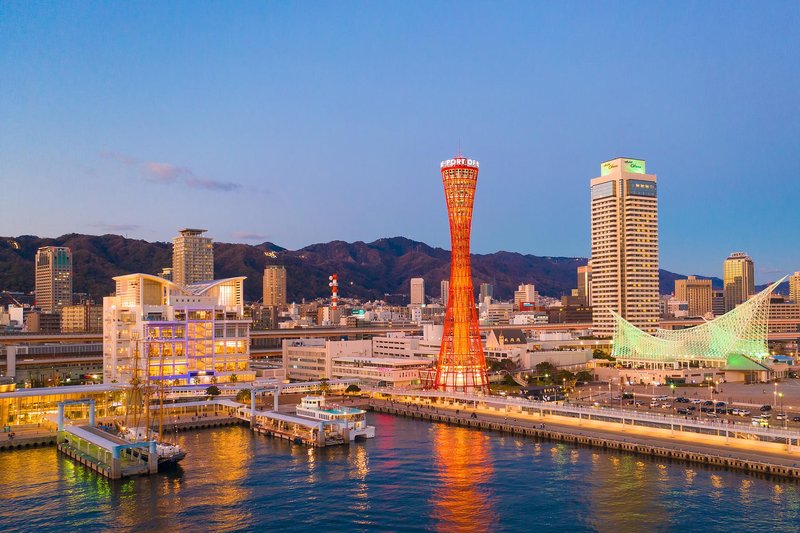
Hotels in Tokamachi
Discover your perfect stay in Tokamachi.
Tokamachi(Japan) Travel 2026: Cheap Flights, Hotels & Top Attractions
Popular Landmarks in Tokamachi
Discover the most iconic attractions in Tokamachi
Recommended Hotels in Tokamachi
Find the perfect place to stay in Tokamachi
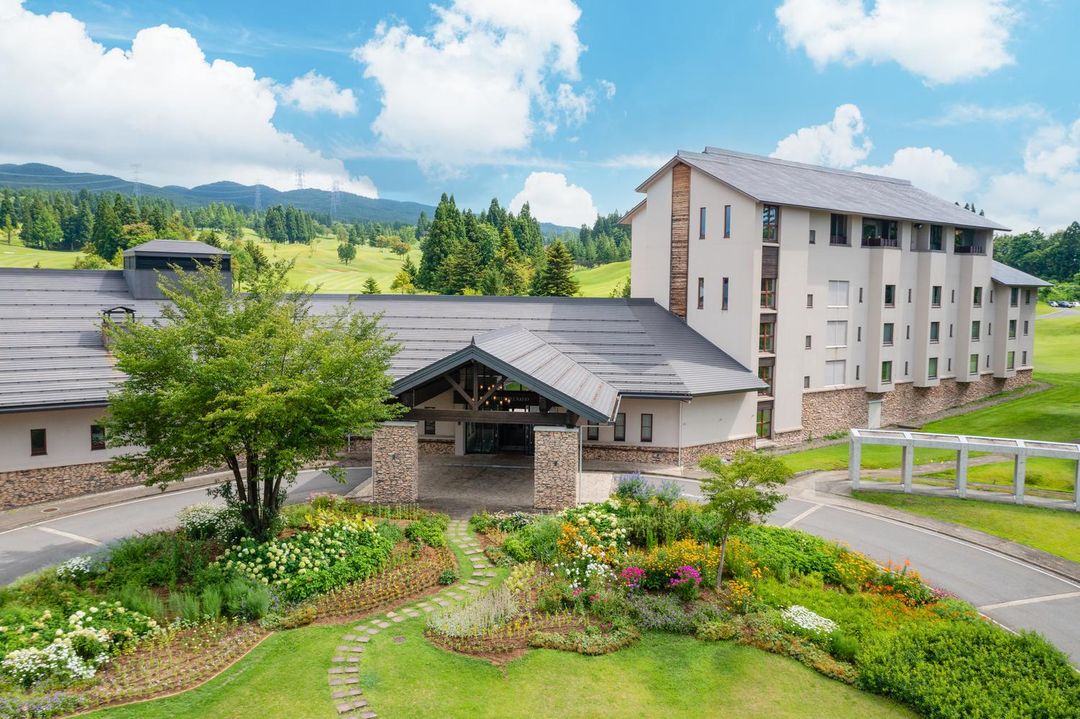
Atema Kogen Resort Belnatio
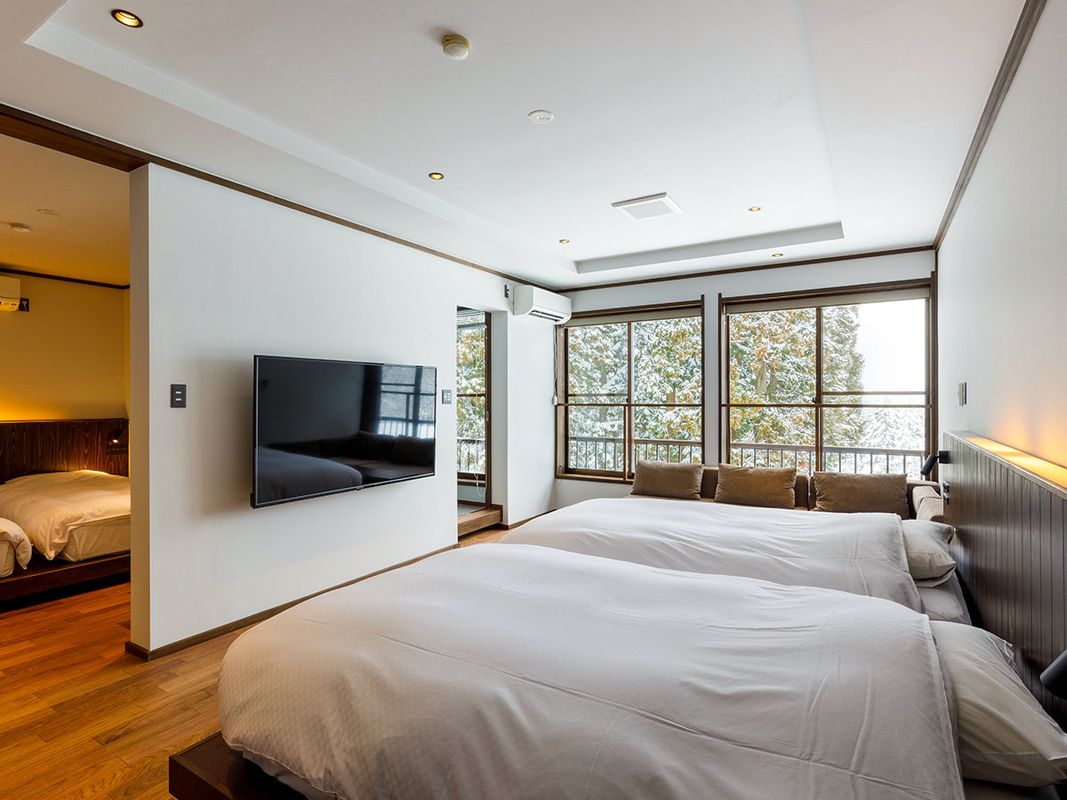
Kamosu Mori
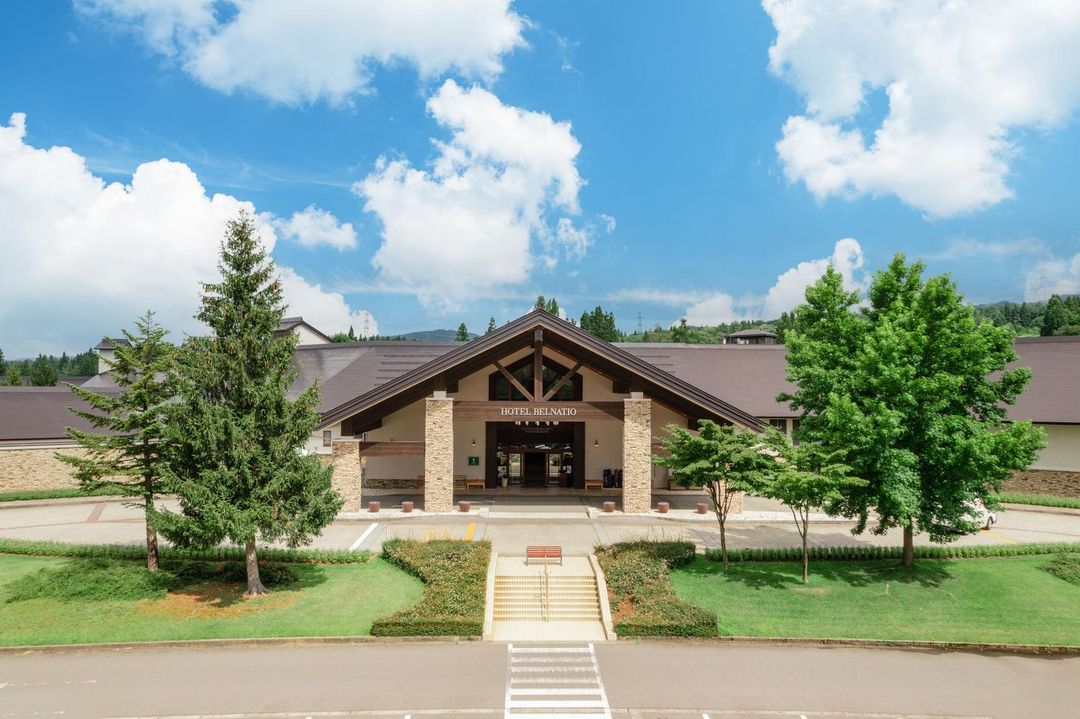
Atema Kogen Resort Belnatio
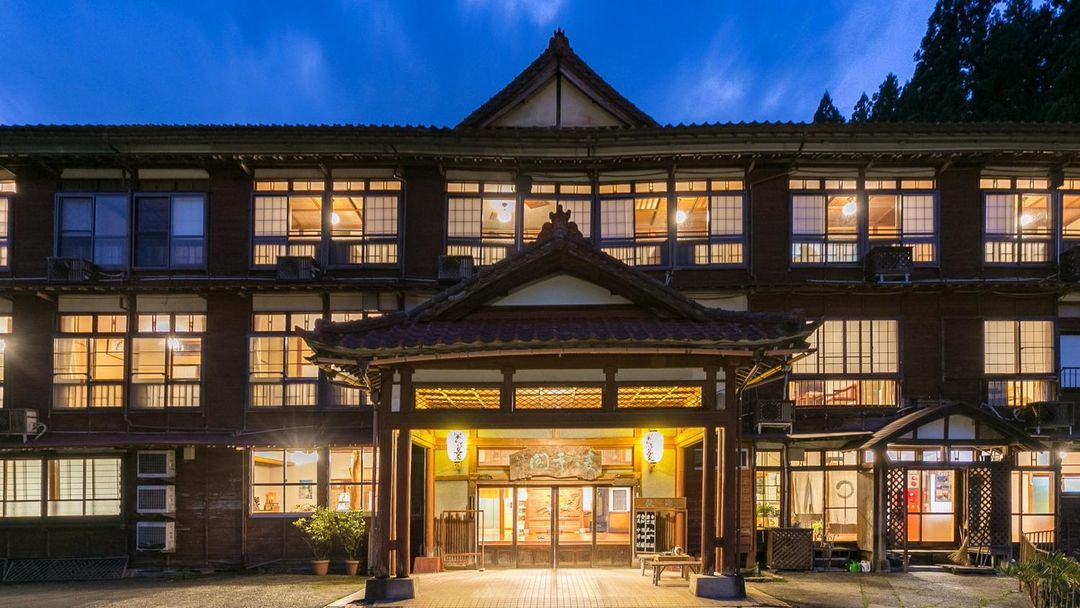
Ryounkaku Matsunoyama Onsen
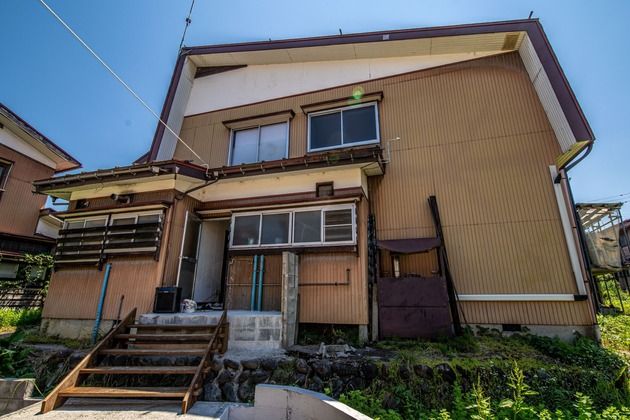
Yadoya (Inn)
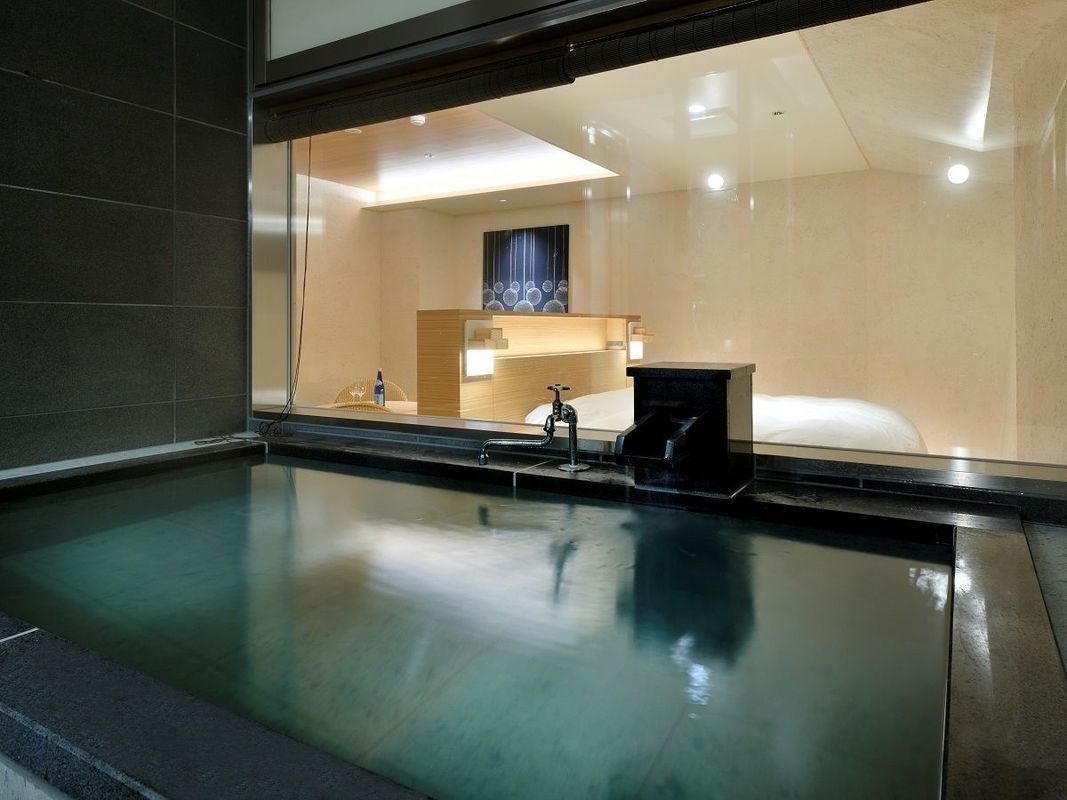
Sake Hotel Tamakiya
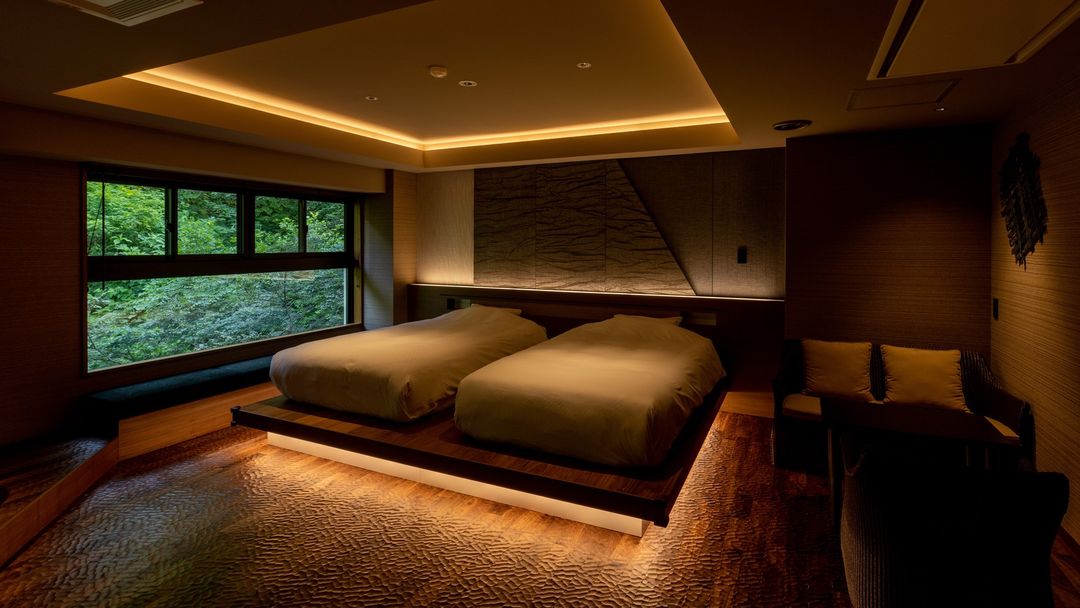
Sake Hotel Tamakiya
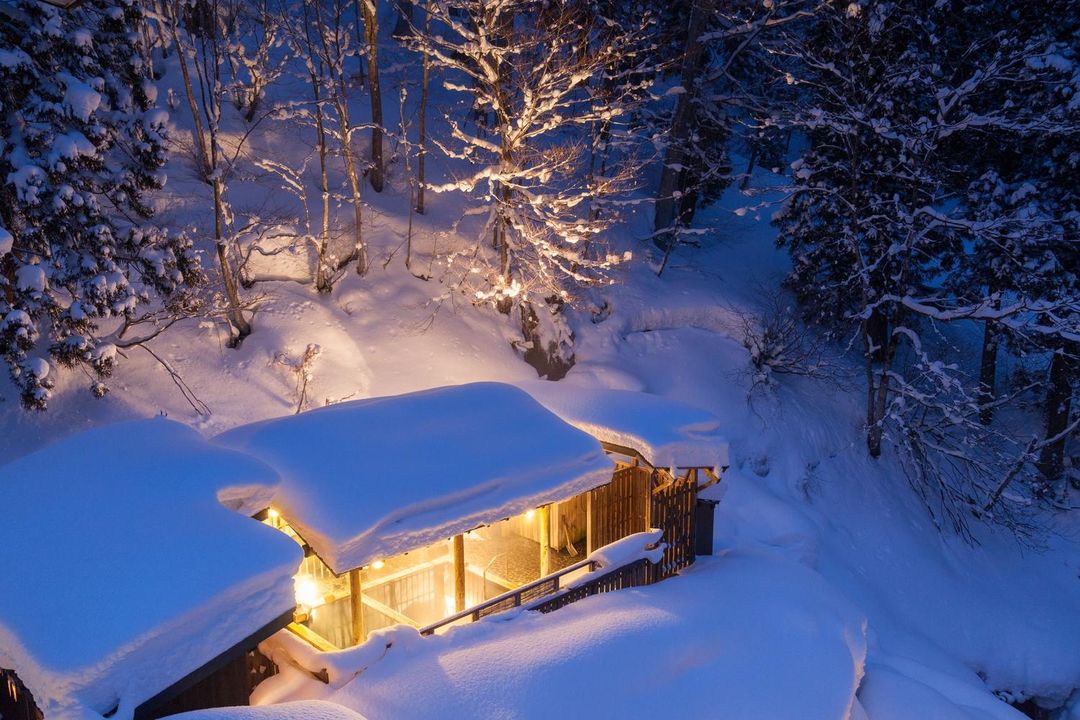
Hinanoyado Chitose
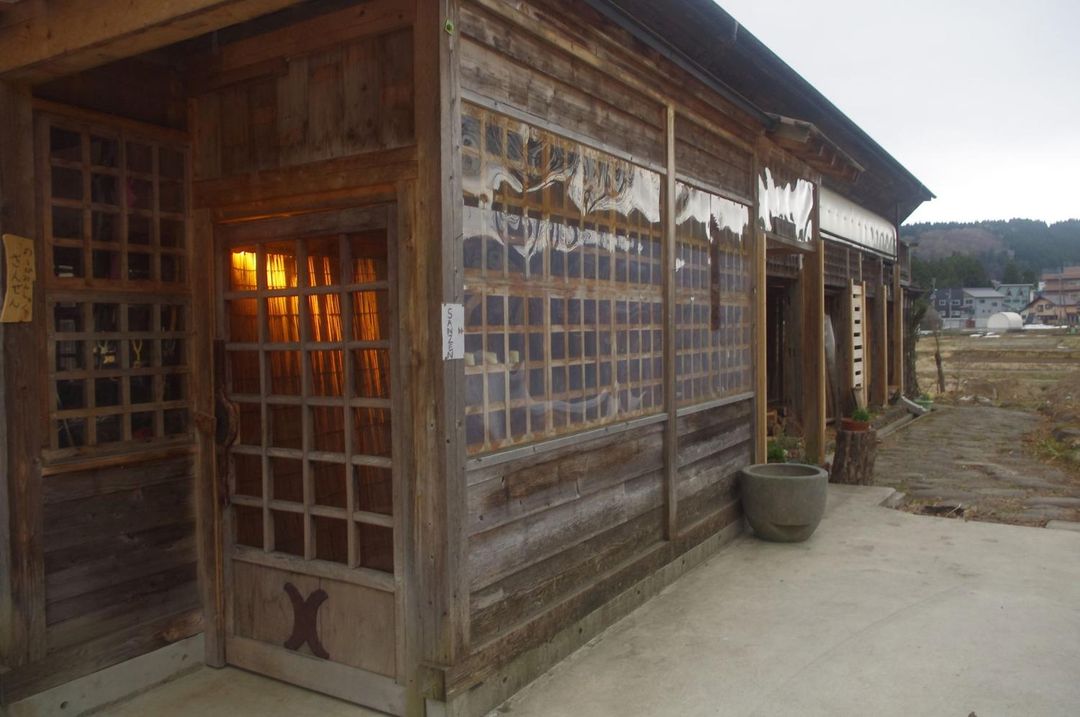
Noka Minshuku Sanzen
Best Hotels in Tokamachi
Discover curated hotel collections in Tokamachi

The Address Akakura
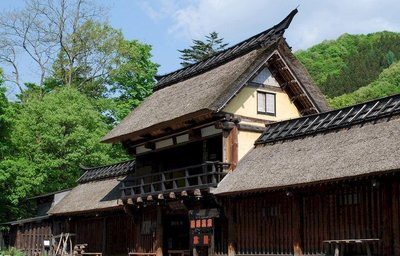
Kayabukinosato Yakushionsen Hatago
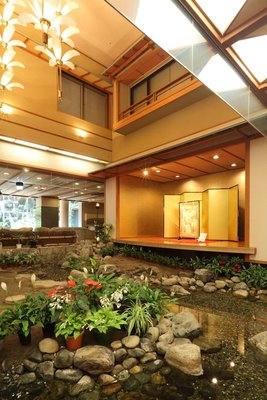
Hotel Futaba
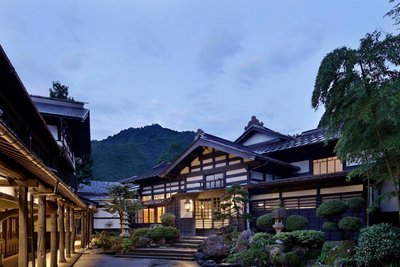
Ryugon

Tokinoniwa
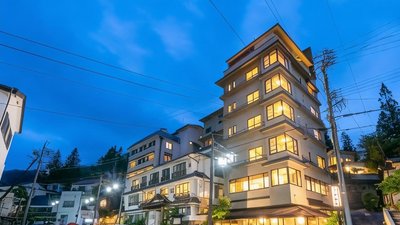
Nakamatsuya Ryokan
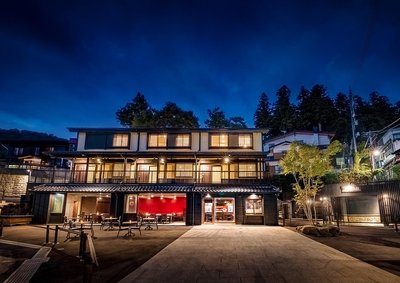
Ryokan Sakaya
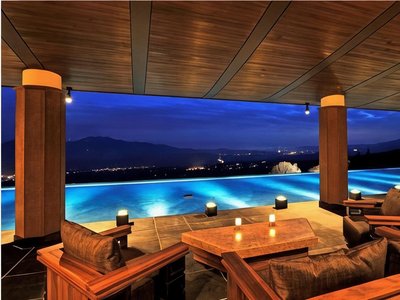
Akakura Kanko Hotel
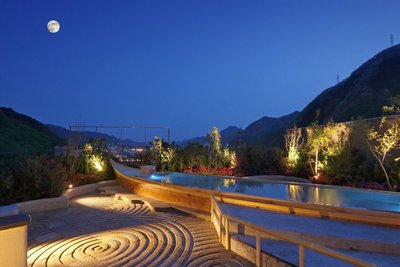
Asaya
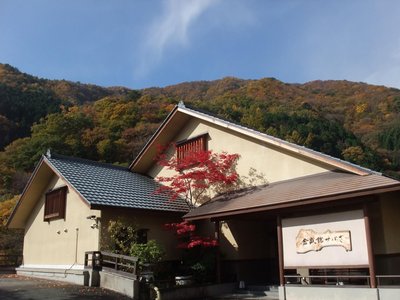
Kinseikan Seseragi
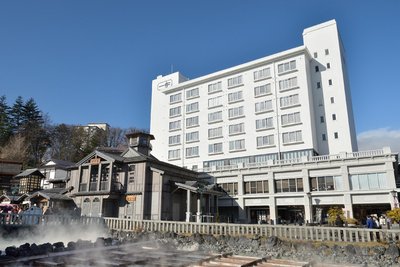
Kusatsu Onsen Hotel Ichii
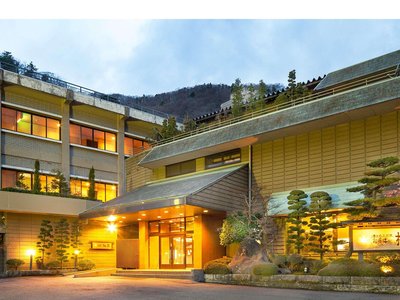
Shofuro Matsuya
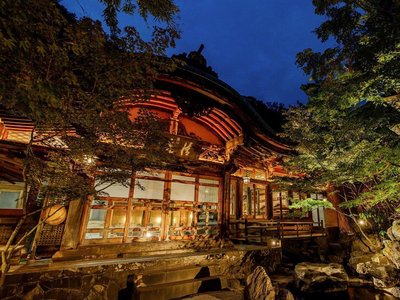
Yorozuya
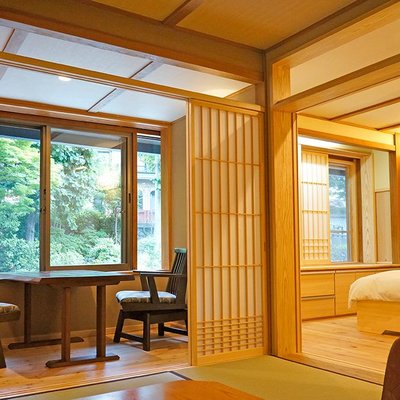
Sumiyosiya Ryokan
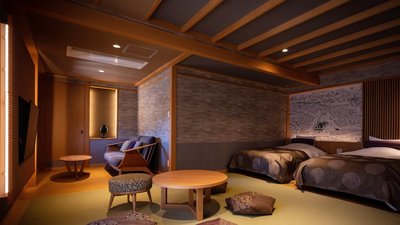
Naraya
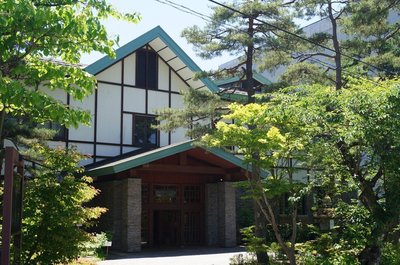
Senjukaku
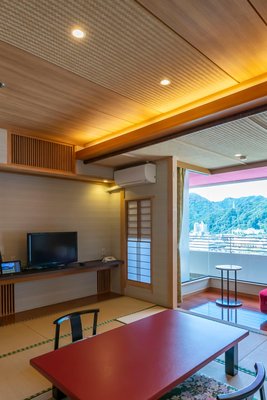
Kinugawa Grand Hotel Yume No Toki
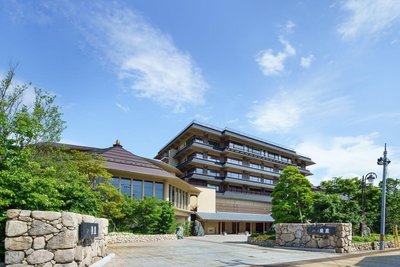
Shiratama No Yu Senkei

Houshi Onsen Chojukan
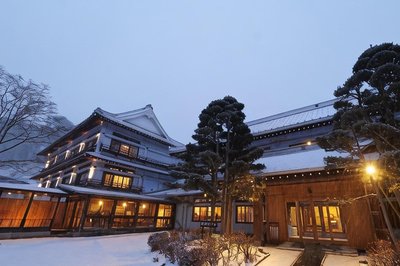
kusatsuhotel 1913
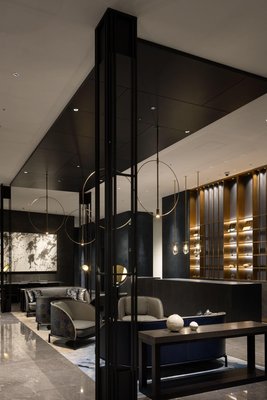
Bellustar Tokyo, A Pan Pacific Hotel
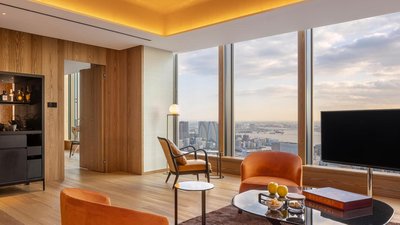
Bvlgari Hotel Tokyo
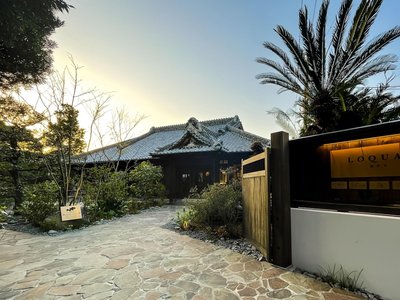
Loquat Nishiizu
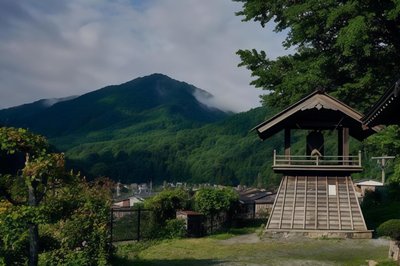
Byaku Narai
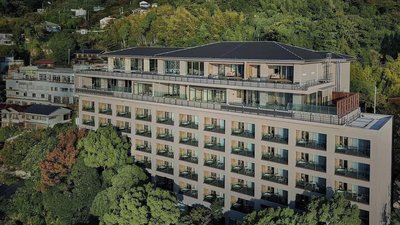
Atami Izusan Karaku
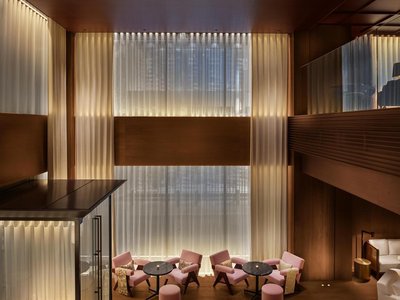
The Tokyo Edition, Ginza
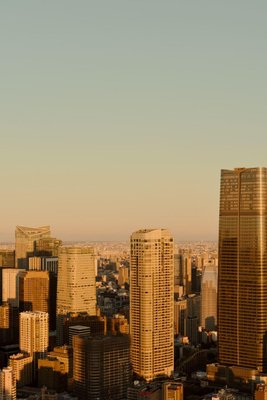
Janu Tokyo
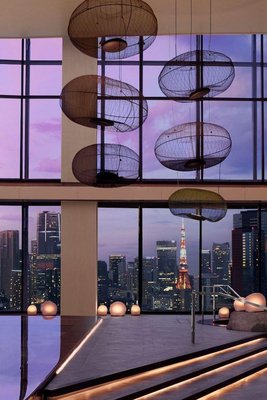
JW Marriott Hotel Tokyo
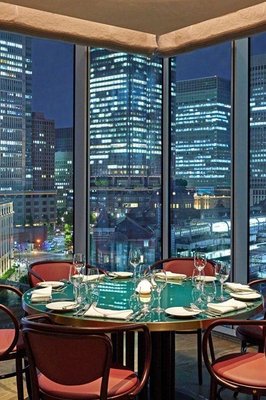
Four Seasons Hotel Tokyo at Marunouchi

Mandarin Oriental, Tokyo
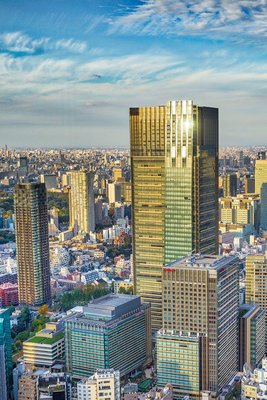
The Ritz-Carlton, Tokyo
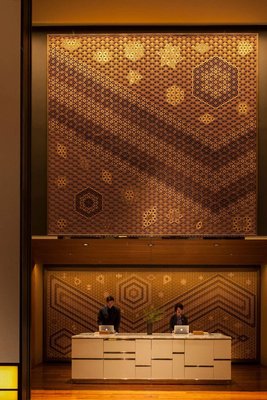
Andaz Tokyo Toranomon Hills- A Concept by Hyatt
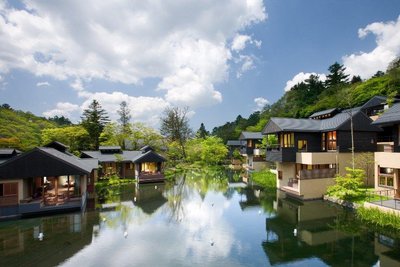
Hoshinoya Karuizawa
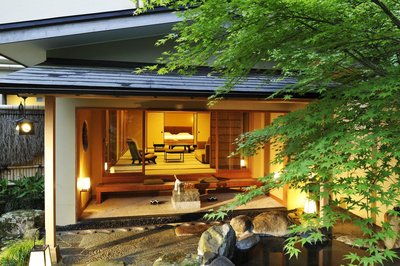
Gora Kadan
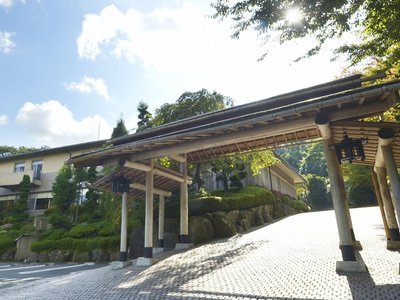
Gora Hanaougi
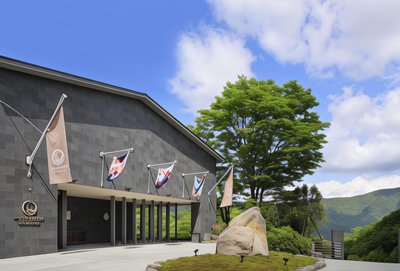
The Hiramatsu Hotels & Resorts Sengokuhara Hakone
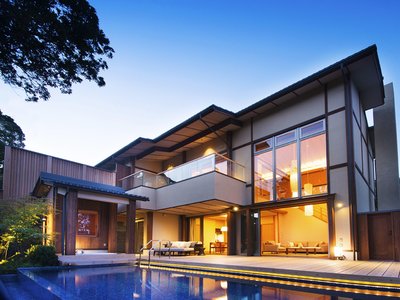
Abba Resorts Izu - Zagyosoh
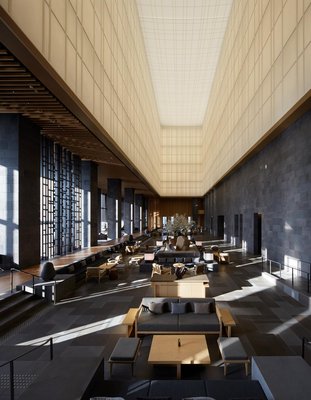
Aman Tokyo
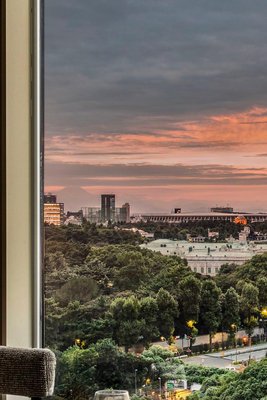
Hotel New Otani Tokyo, Executive House Zen
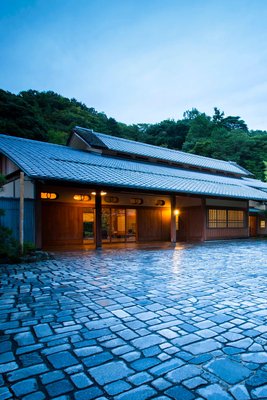
Sanyo-so
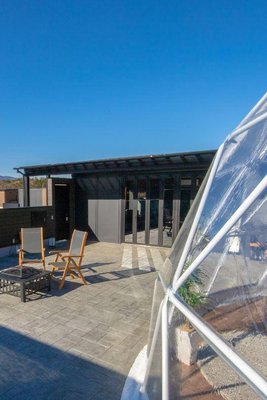
Panoramic Mt. Fuji Views from All Rooms – Vision Glamping Resort & Spa Yamanakako
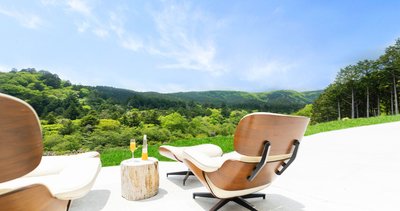
Shelter Garden Nikko
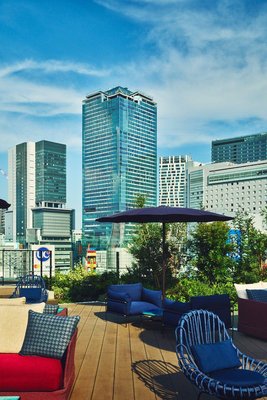
Hotel Indigo Tokyo Shibuya
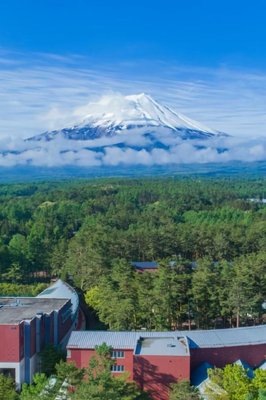
Forest Village (Fuji Premium Resort)
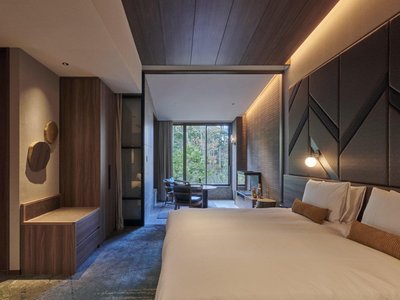
Fufu Kyu-Karuizawa Restful Forest
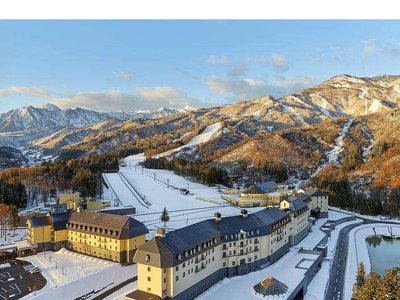
Lotte Arai Resort
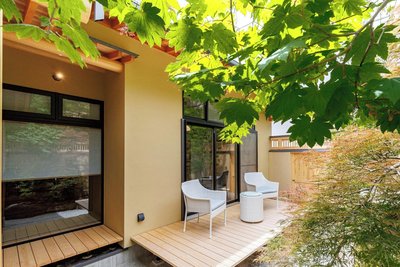
Shoraiso
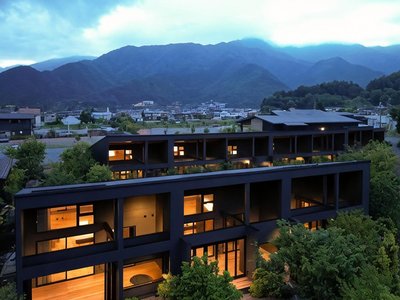
7C Villa and Winery
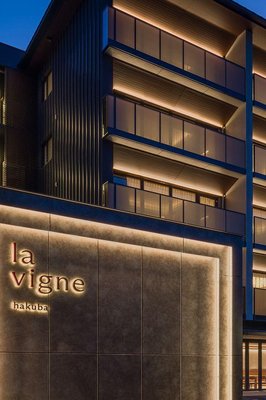
Hotel la Vigne Hakuba by Onko Chishin
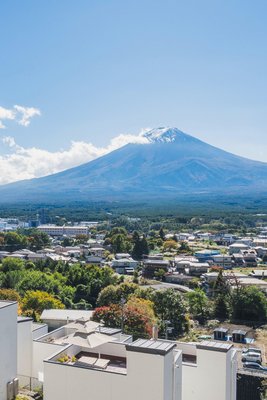
THE TOKI FujiKawaguchiko
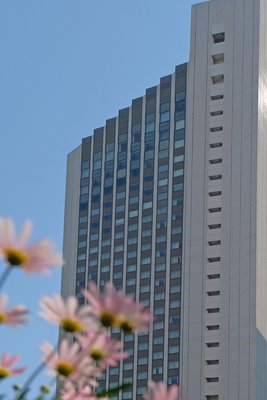
ANA InterContinental Tokyo
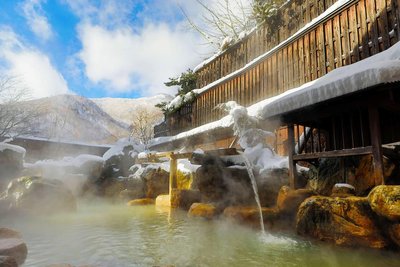
Miyamaouanbekkan yumegurinoyado hirayukan
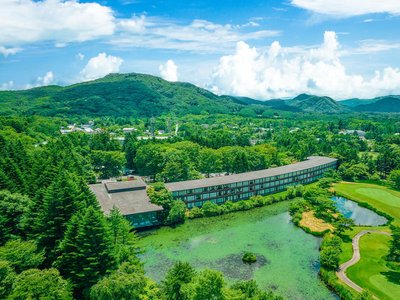
The Prince Karuizawa
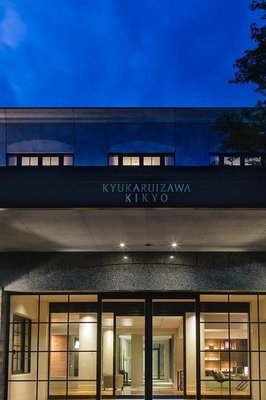
Kyukaruizawa Kikyo, Curio Collection by Hilton
Asaya
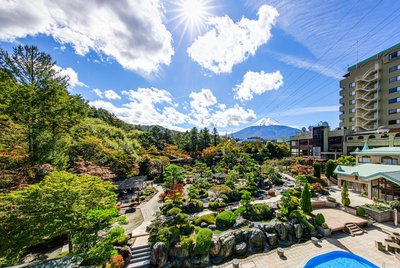
Kaneyamaen
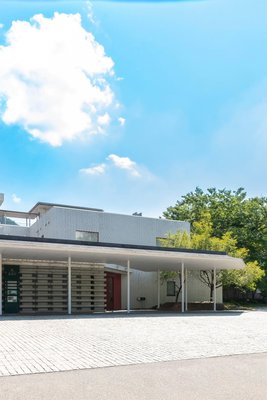
RIVER RETREAT GARAKU
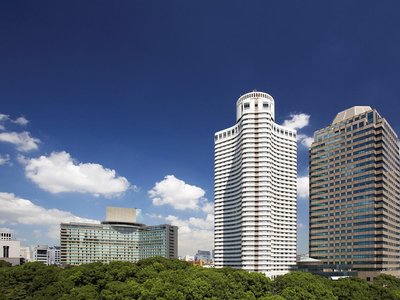
Hotel New Otani Tokyo Garden Tower
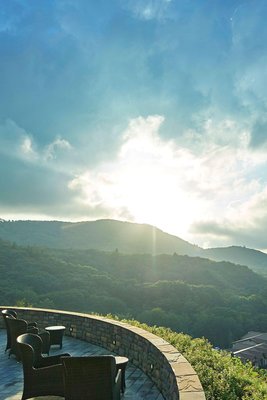
Le Grand Karuizawa Hotel & Resort
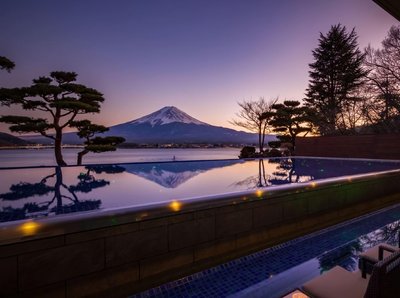
Shuhokaku Kogetsu
Bvlgari Hotel Tokyo
Four Seasons Hotel Tokyo at Marunouchi
Mandarin Oriental, Tokyo
The Ritz-Carlton, Tokyo
Andaz Tokyo Toranomon Hills- A Concept by Hyatt
Gora Kadan

Hotel New Otani Tokyo the Main
Aman Tokyo
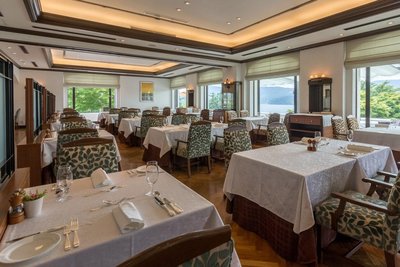
Odakyu Hotel de Yama
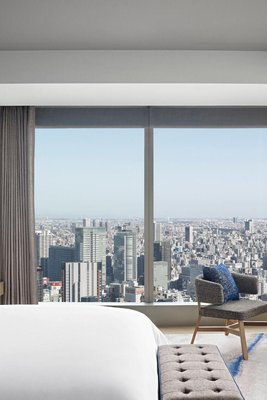
Four Seasons Hotel Tokyo at Otemachi
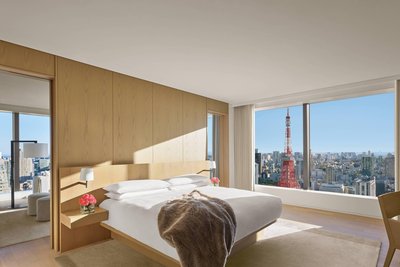
The Tokyo Edition, Toranomon
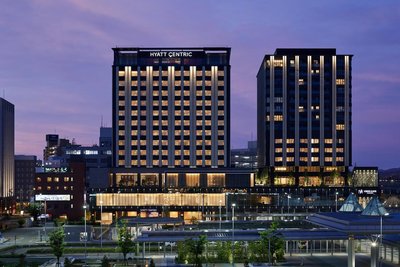
Hyatt Centric Kanazawa
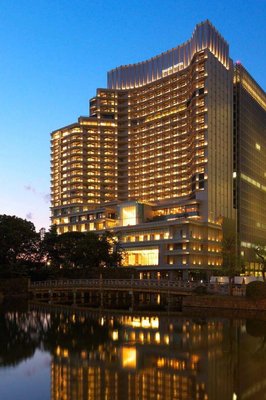
Palace Hotel Tokyo
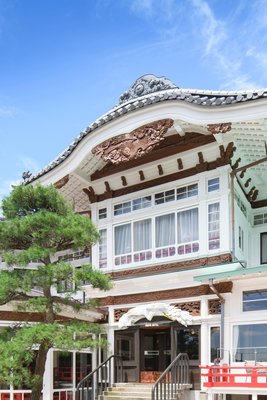
Fujiya Hotel
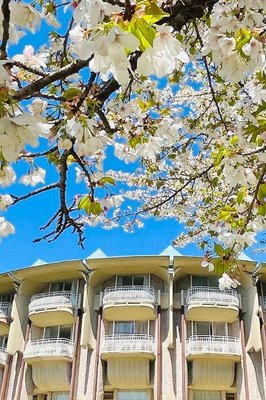
The Prince Hakone Lake Ashinoko
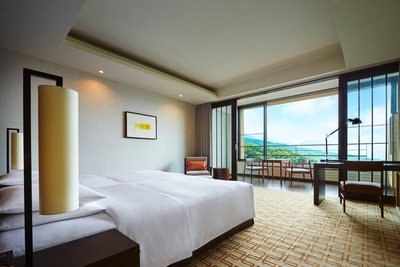
Hyatt Regency Hakone Resort and Spa
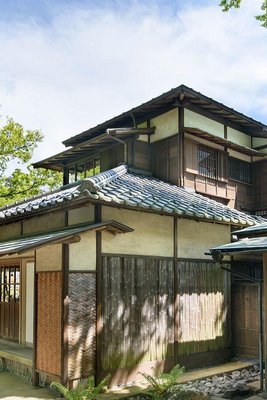
Hakone Suishoen
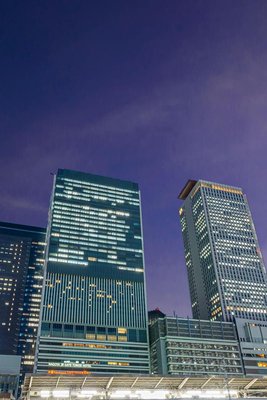
Nagoya JR Gate Tower Hotel (JR-Central Hotels)
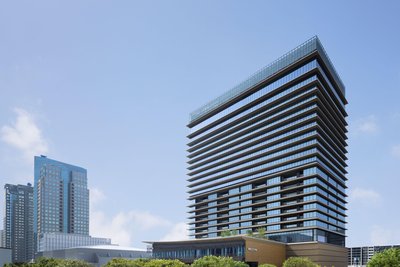
The Westin Yokohama
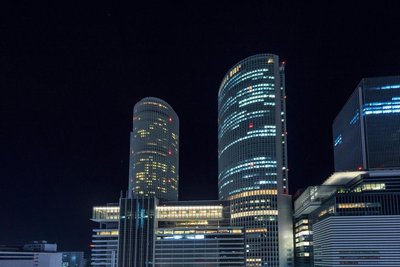
Nagoya Marriott Associa Hotel
The Address Akakura
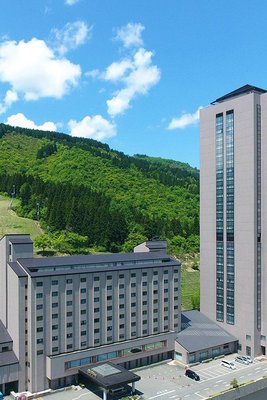
Naspa New Otani
The Prince Karuizawa
Hotel Futaba
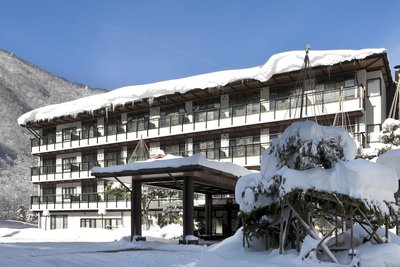
Okada Ryokan Warakutei
Ryokan Sakaya
Kyukaruizawa Kikyo, Curio Collection by Hilton
Akakura Kanko Hotel
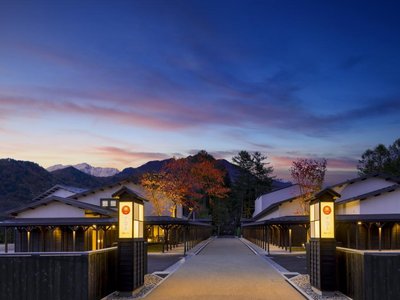
Hoshino Resorts KAI Alps
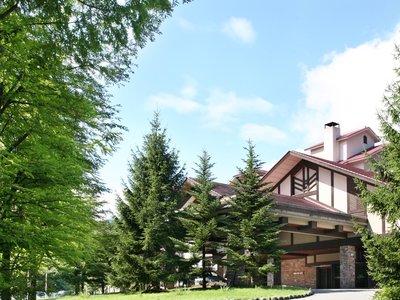
Hakuba Tokyu Hotel
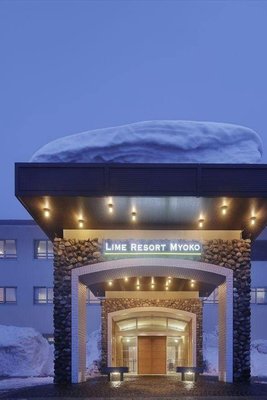
Lime Resort Myoko
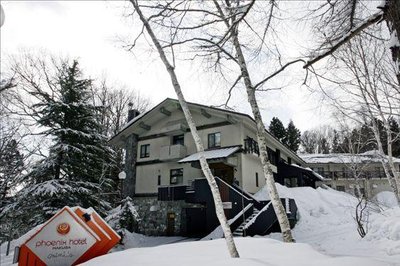
Phoenix Hotel by Hhg
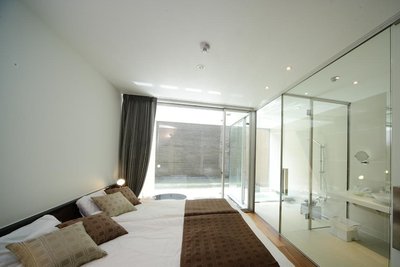
Four Seasons Yuzawa Quattro

Courtyard by Marriott Hakuba
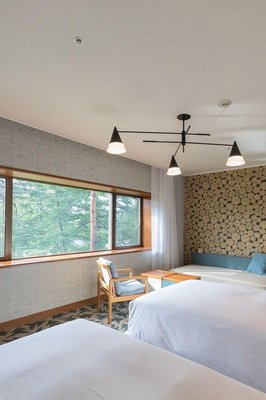
Karuizawa Prince Hotel East
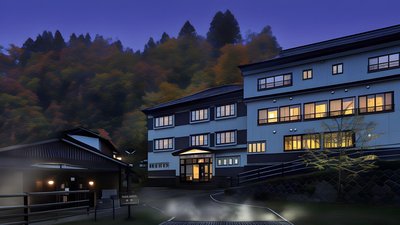
Zao Onsen Omiya Ryokan
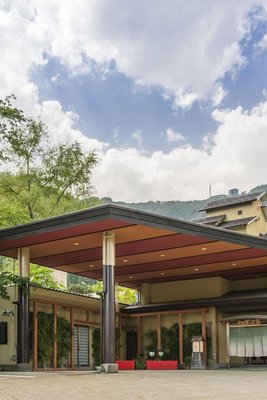
Shosenkaku Kagetsu
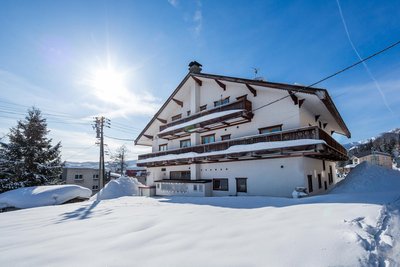
Marillen Hotel by Hhg
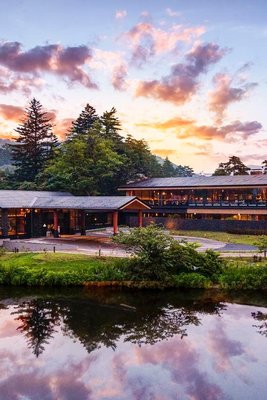
Karuizawa Prince Hotel West
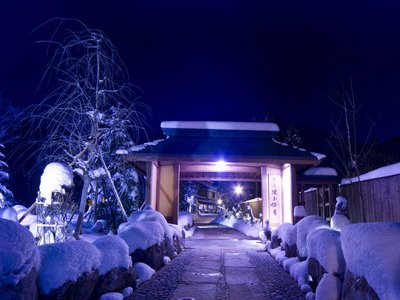
Miyama Ouan
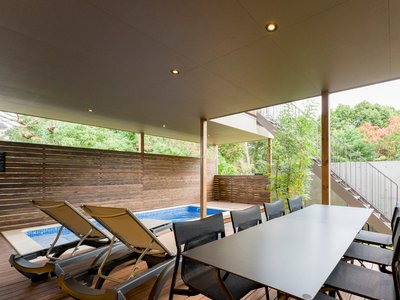
Rakuten STAY VILLA Kamogawa
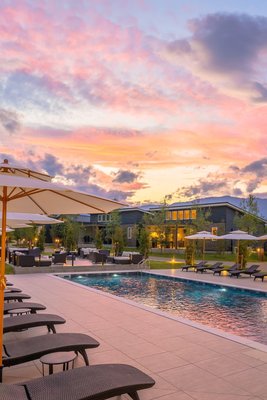
Awaumi Fujikawaguchiko Resort
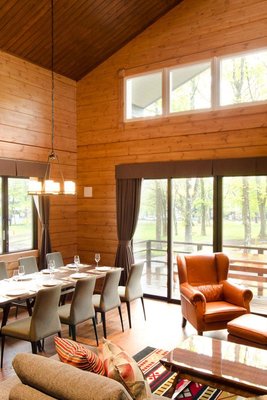
The Prince Villa Karuizawa
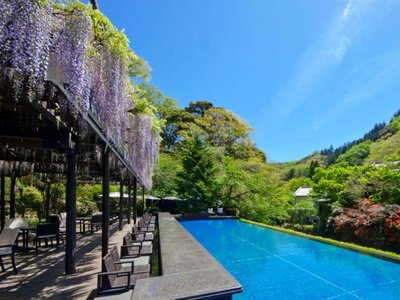
Tofuya Resort & Spa Izu
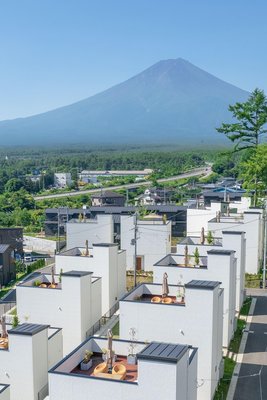
Fuji Granvilla -TOKI-
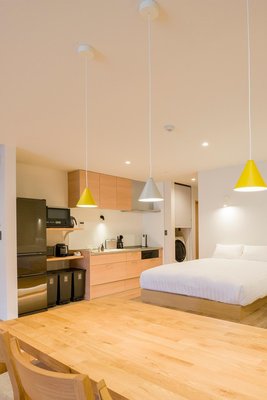
Rakuten STAY VILLA Nasu
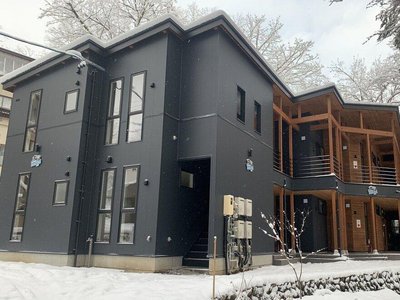
Hakuba Gondola Apartments
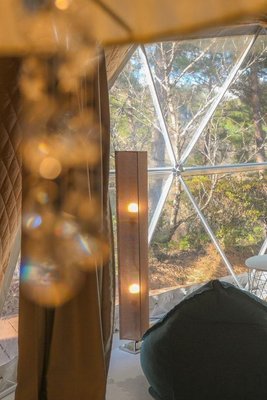
glampark Gekkabijin Nagano
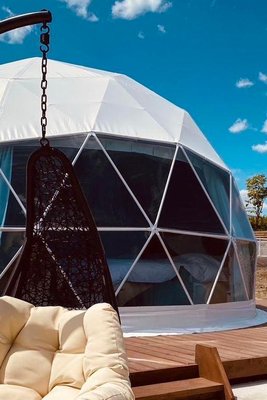
chillout glamping zao
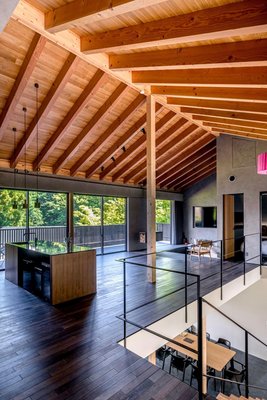
MONS GORA
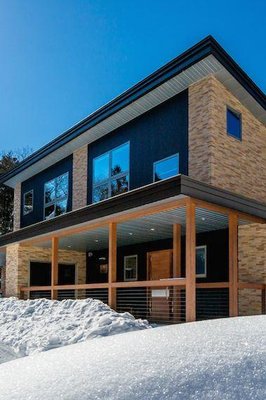
Phoenix Chalets by Hhg
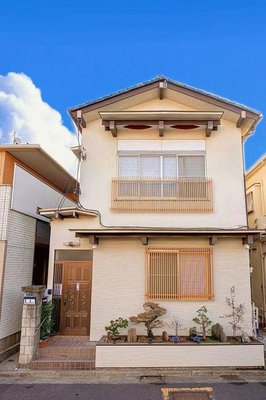
Tokyo Star House-Shinkoiwa
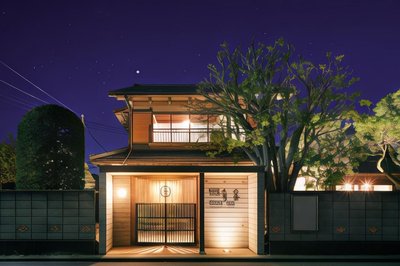
Machi-Jyu
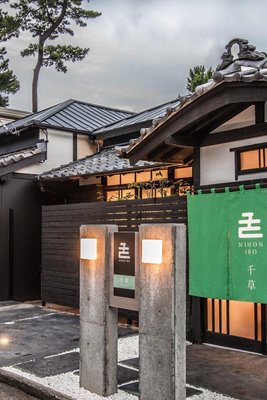
Nihon Iro
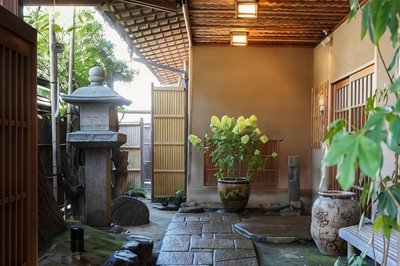
Ryokan Asadaya
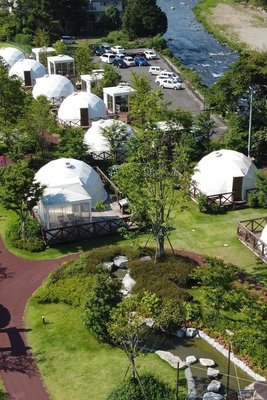
Ufufu Village
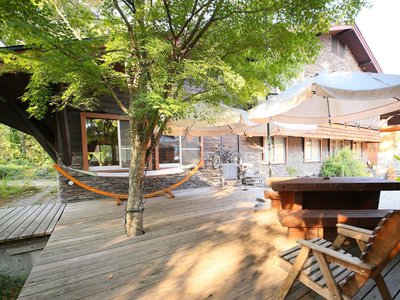
Kunugi Relaxation with 4 Modern Rooms
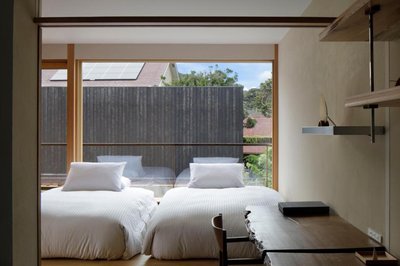
Modern Ryokan Kishi-ke
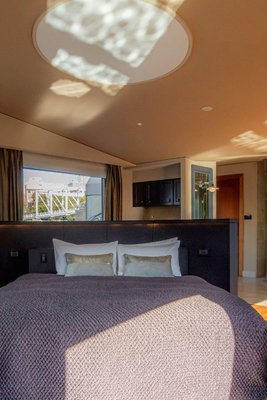
Petals Tokyo - Floating Hotel
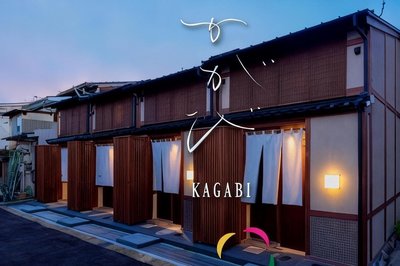
Kagabi Machiya House
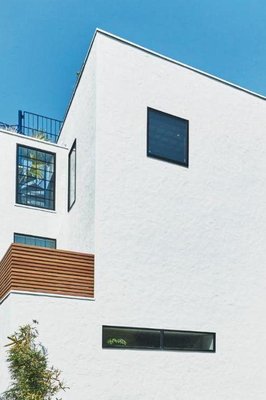
The Flow Kamakura
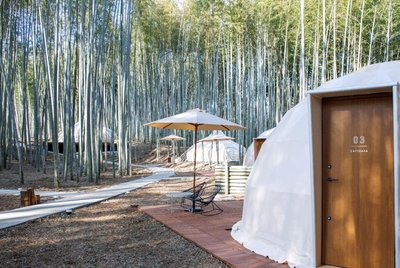
THE BAMBOO FOREST
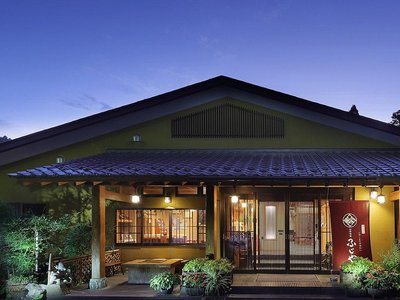
Shikimitei Fujiya
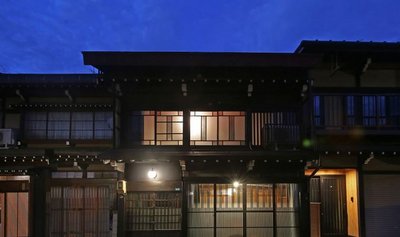
Iori Stay Hida
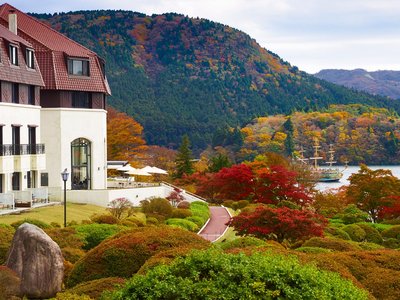
Hotakajyo
Auberge Suzukane

Onyado Nono Asakusa Bettei Hot Spring
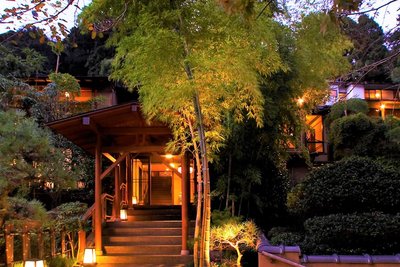
Shiki wo Ajiwau Yado Yamano Chaya
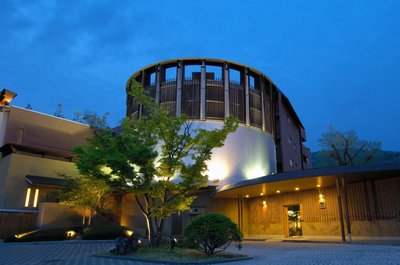
Hoshino Resorts Kai Matsumoto
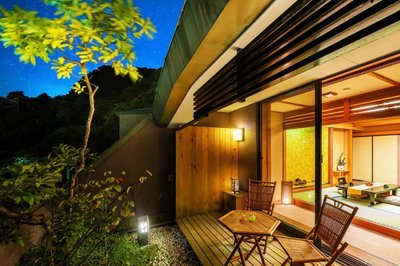
Konjakutei
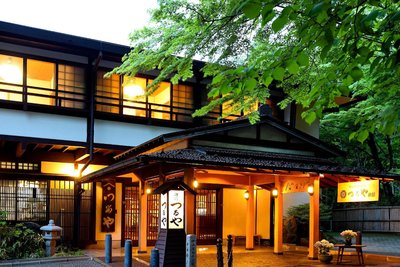
Tsuruya Ryokan
Nakamatsuya Ryokan
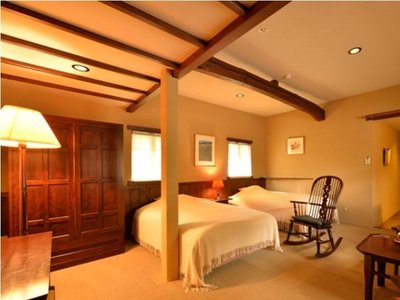
Ryokan Sugimoto
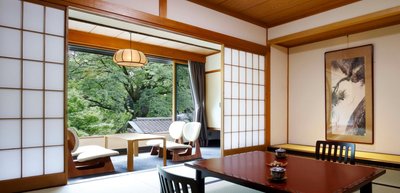
Yoshiike Ryokan
Gora Hanaougi
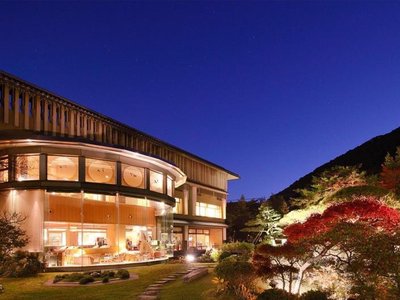
Shikisai Ichiriki
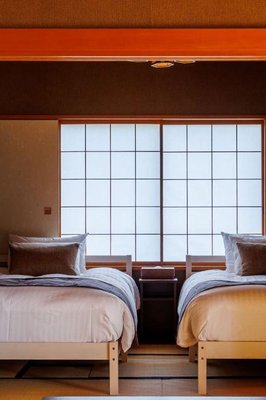
Sado Resort Hotel Azuma
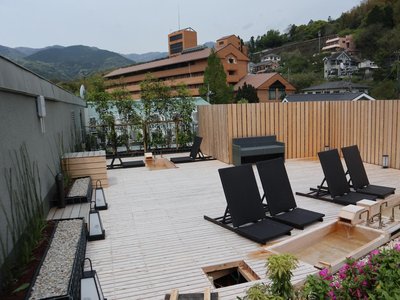
Fukiya Ryokan
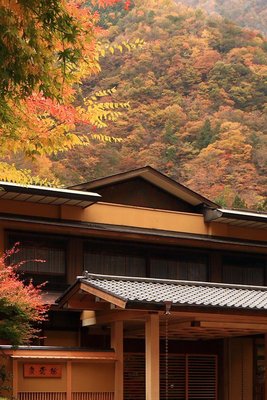
Nishiyama Onsen Keiunkan
Sumiyosiya Ryokan
Naraya
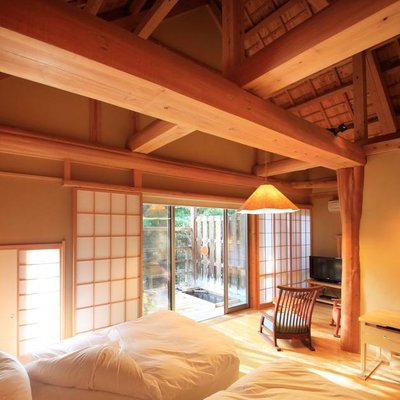
Daikon-No-Hana
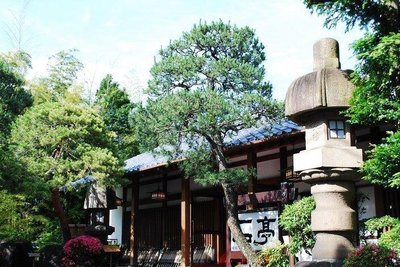
Atami Sekitei
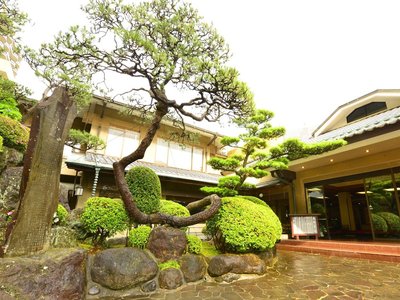
Furuya Ryokan
Frequently Asked Questions about Traveling to Tokamachi
Questions You Might Need to Know About Traveling to Tokamachi
In Tsuchiura City, the top choice for culturally immersive stays is Tsuchiura Ryokan & Art House, a restored traditional inn featuring kaiseki dining, handcrafted washi paper lanterns, and rotating exhibitions of local pottery from the Ibaraki region. Its shoji-screened rooms and tatami floors offer authentic Japanese ambiance. Nearby, Futagawa Onsen Hotel blends modern comfort with natural hot springs sourced from underground aquifers, perfect for unwinding after exploring Tsuchiura Castle Ruins or the Ibaraki Folklore Museum. Both properties emphasize sustainability and community engagement—ideal for travelers seeking deeper connections to regional heritage.
For first-time visitors, the central district near Tsuchiura Station offers the most convenient base. This area combines easy access to JR lines, shopping streets like Futagawa Shopping Street, and cultural sites such as Tsuchiura Castle Park and the Ibaraki Prefectural Museum of History. Many guesthouses and budget-friendly hotels cluster here, including Hotel Sunroute Plaza Tsuchiura, which provides free Wi-Fi and shuttle services to nearby attractions. The neighborhood also hosts seasonal events like the Tsuchiura Cherry Blossom Festival, making it lively year-round while remaining safe and walkable for solo travelers and families alike.
Tourists should try handcrafting washi paper at the Ibaraki Washi Workshop, where artisans teach traditional techniques using mulberry bark. Another highlight is the Tsuchiura Night Lantern Parade, held annually during summer, featuring hundreds of handmade lanterns illuminating the Futagawa River. For food lovers, the Ibaraki Rice & Seafood Festival showcases local delicacies like fresh tuna sushi, dango dumplings, and miso-glazed eel. These events take place at Tsuchiura Civic Center or along the riverfront, offering rich opportunities to engage with local traditions and meet friendly residents.
Yes, Futagawa Onsen Hotel is highly recommended for its natural hot springs and serene setting. The mineral-rich waters originate from deep underground aquifers, known for soothing skin and easing muscle fatigue. The hotel features both indoor and outdoor baths, including a private rotenburo (open-air bath) surrounded by pine trees. Guests can enjoy a kaiseki dinner with locally sourced ingredients like Ibaraki rice, fresh fish, and mountain vegetables. Rooms are elegantly designed with tatami mats and sliding shoji screens, blending tradition with modern comfort—perfect for a restful retreat.
Key landmarks include Tsuchiura Castle Ruins, a historic site with reconstructed gates and moats, now part of Tsuchiura Castle Park. Nearby, the Ibaraki Prefectural Museum of History displays artifacts from Jomon-era settlements and Meiji-era industrial development. The Futagawa River Promenade is another must-see, especially during the Lantern Festival when thousands of lights float downstream. Don’t miss the Tsuchiura Water Tower, a striking 19th-century structure that now houses an art gallery. All these sites are within walking distance of the city center, making them ideal for day-long exploration.
Absolutely. Tsuchiura City is very family-friendly, with numerous child-oriented attractions. The Ibaraki Children’s Science Museum offers interactive exhibits on nature and engineering, while Tsuchiura Castle Park features open lawns and seasonal festivals perfect for picnics. The Futagawa River Park has playgrounds and paddle boats. Many hotels, such as Hotel Sunroute Plaza Tsuchiura, provide family suites, baby cots, and kid-friendly menus. Local restaurants serve mild dishes like miso soup and steamed rice cakes, catering to young palates. With low crime rates and excellent public transport, families can explore safely and comfortably.
Tsuchiura’s culinary highlights include Ibaraki rice, famed for its sweetness and firm texture, often served in rice bowls with pickled vegetables. Try tuna sushi from the local fishing port, where fresh catches are delivered daily. Another specialty is dango dumplings made with sweet red bean paste and served on skewers. Locals also enjoy misozuke eel—eel marinated in miso and grilled over charcoal. These dishes can be sampled at Futagawa Market or Tsuchiura Noodle Alley, where street vendors serve hearty bowls of udon and ramen with local broth. Pair your meal with Ibaraki craft beer for a full taste of regional pride.
Winter in Tsuchiura City brings unique charm. The Tsuchiura Night Lantern Parade transforms the Futagawa River into a glowing pathway each December. Visitors can join workshops to make their own lanterns. For outdoor fun, ice skating is available at Tsuchiura Ice Arena, while nearby Shimosa Forest Park offers snowshoeing trails. Families can visit Tsuchiura Snow Sculpture Garden, where artists create intricate ice carvings. Hotels like Futagawa Onsen Hotel offer special winter packages with hot spring access and traditional kaiseki dinners. The city’s festive atmosphere and clean air make it ideal for a peaceful winter getaway.
Transportation in Tsuchiura City is highly accessible. Tsuchiura Station is served by the JR Joban Line, connecting directly to Tokyo (approx. 1 hour) and Mito. Free shuttle buses link the station to major hotels, museums, and parks. Buses run regularly throughout the day, and bike rentals are available at the station for short trips. The city is compact and walkable, with clear signage in English. For longer excursions, rental cars are available nearby, offering easy access to Ibaraki’s countryside and beaches. Public transit is reliable, affordable, and well-integrated, making independent travel simple even for international visitors.
Photography enthusiasts will love Tsuchiura Castle Park at sunrise, where the ancient stone walls reflect in the moat under golden light. The Futagawa River Promenade, especially during the Night Lantern Parade, offers stunning long-exposure shots of floating lanterns. Capture the architectural details of the Tsuchiura Water Tower, a 19th-century landmark now housing a gallery. For urban scenes, Futagawa Shopping Street in autumn features vibrant maple trees and bustling stalls. At night, the illuminated Tsuchiura Sky Bridge creates dramatic silhouettes against the sky. Bring a wide-angle lens and tripod—these moments are best preserved in high-quality images.
Tokamachi Overview
City Summary
Tōkamachi City in Niigata Prefecture, Japan, is renowned for its stunning natural landscapes and traditional culture. The city boasts breathtaking terraced rice fields, with Hoshitōge Tanada being one of Japan's most beautiful. It's also a key venue for the Echigo-Tsumari Art Triennale, blending art with nature.
Must-See Attractions
Must-see spots include Hoshitōge Tanada, offering different vistas each season, especially magical in morning mist. The Echigo-Tsumari Art Triennale features installations like the Kiyotsu Gorge Tunnel. Don't miss Tōkamachi City Museum for local history.
Food Guide
Food highlights: Famous for Niigata rice and sake, try Tōkamachi soba noodles for their chewy texture. Local specialties include Shiozawa koi cuisine and wild mountain vegetable dishes. Winter calls for hearty nabe hot pots.
Transportation Guide
Transport: Mainly by bus from Tokyo—take the Jōetsu Shinkansen to Echigo-Yuzawa Station, then a 1-hour bus. Attractions are scattered; renting a car or joining tours is advised. Note snow closures in winter.
Best Time to Visit
Best time to visit: Spring to autumn (April-November) for flooded terraces, art triennale, and autumn leaves. Winter (December-March) offers stunning snowscapes but challenging travel.
Travel Tips
- Book accommodations early during art triennale (summer).
- Winter driving requires snow tires; some roads close.
- Respect farming culture—avoid private fields.
- Some art installations are remote; travel with companions.
- Carry cash—many rural shops don't accept cards.
- Follow onsen etiquette: wash thoroughly before bathing.
Useful Information
Essentials:
- Language: Japanese dominant; carry a translation app.
- Mobile: 4G in urban areas, weak in mountains.
- Payments: Cash preferred; limited Suica card acceptance.
- Emergency: Tokamachi City Hospital (025-757-3111).
- Tourist info: JR Tōkamachi Station Tourist Center (9:00-18:00).