Hotels in Tome
Discover your perfect stay in Tome.
Tome(Japan) Travel 2026: Cheap Flights, Hotels & Top Attractions
Popular Landmarks in Tome
Discover the most iconic attractions in Tome
Recommended Hotels in Tome
Find the perfect place to stay in Tome
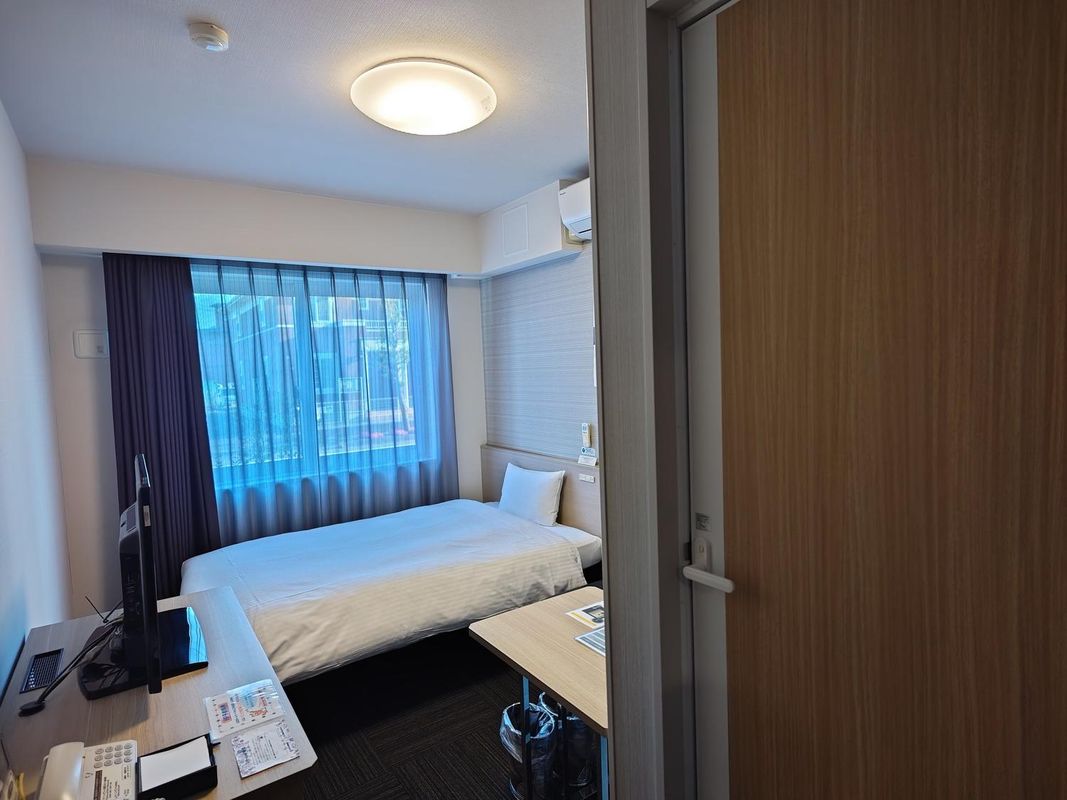
Hotel Route-Inn Tome
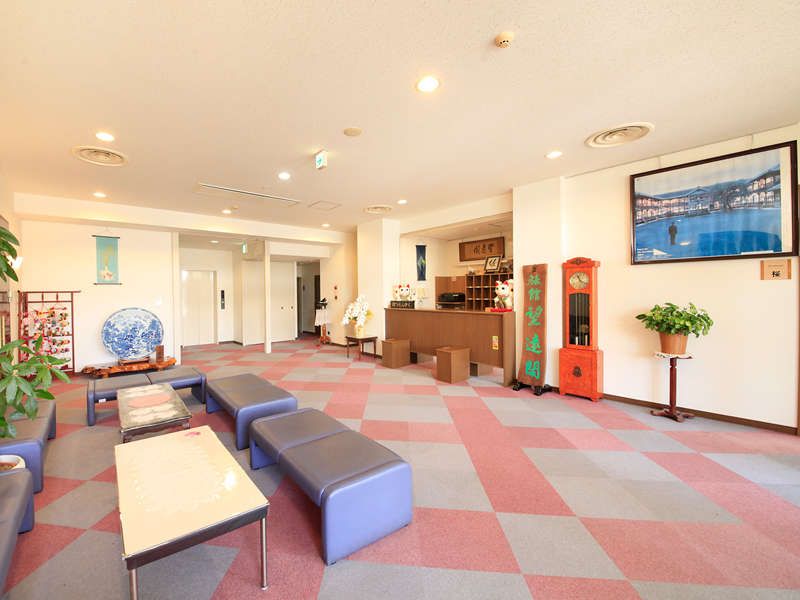
Hotel Bouenkaku
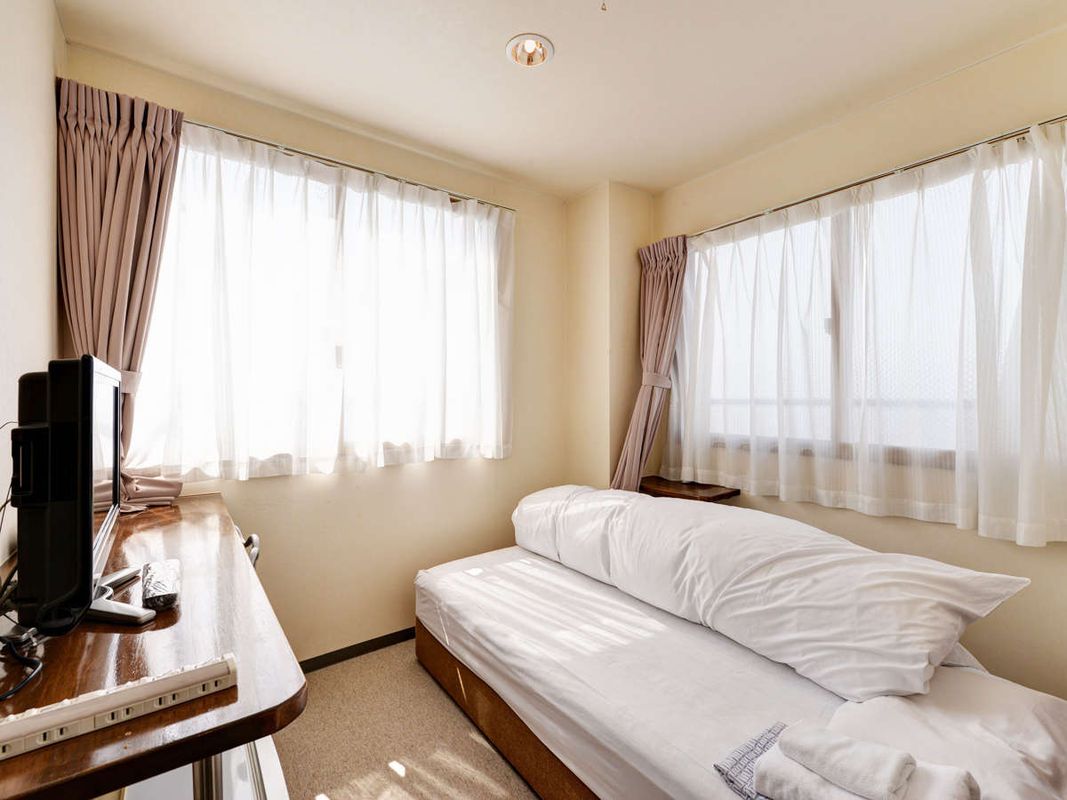
Business Hotel Sanroku
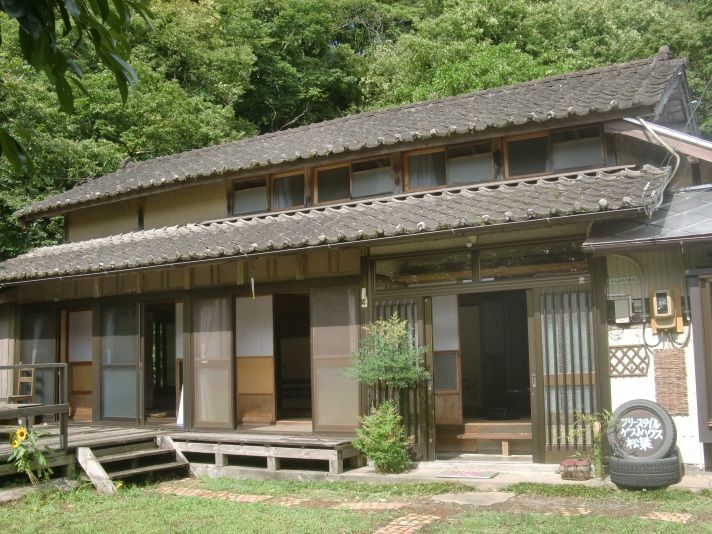
Free Style Guesthouse Matsuba
Best Hotels in Tome
Discover curated hotel collections in Tome

EN Resort Grandeco Hotel
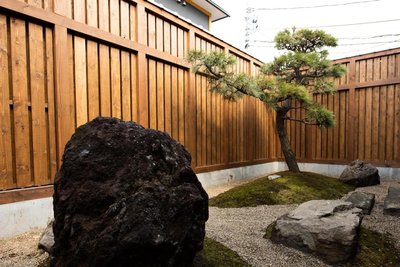
Hotel Zen-Adult Only
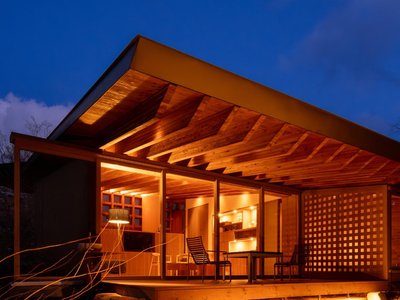
Nasu Mukunone
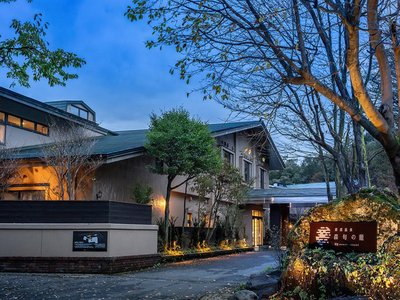
Nasu Onsen Shinshun no Kago Hewitt Resort
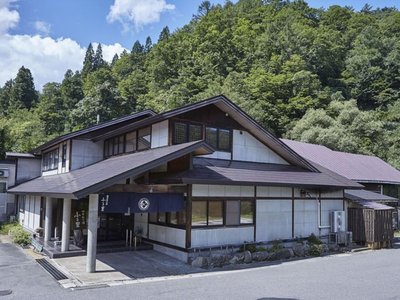
Fulsato
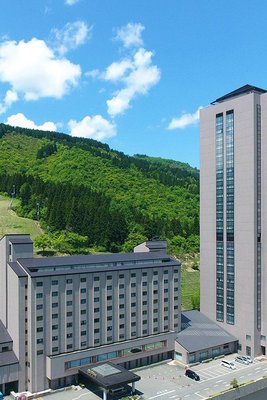
Naspa New Otani

Crowne Plaza - ANA RESORT APPI KOGEN
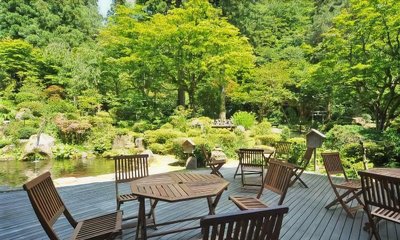
Choseikan
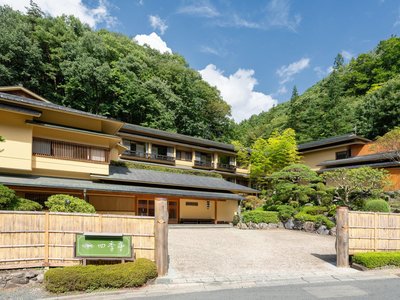
Shikitei Morioka TsunagiOnsen
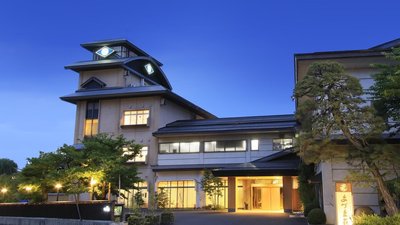
Shouhakutei Azumaso
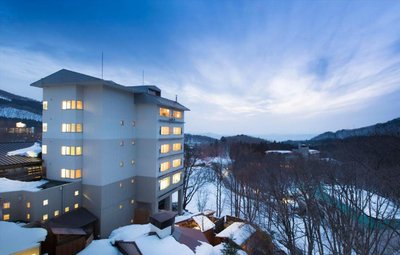
Takamiya Hotel Lucent

Hayamakan
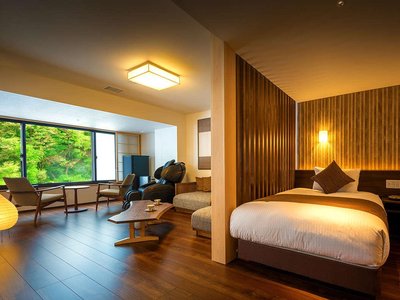
Harataki
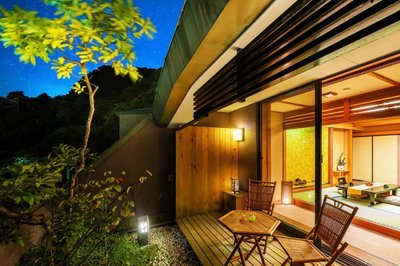
Konjakutei
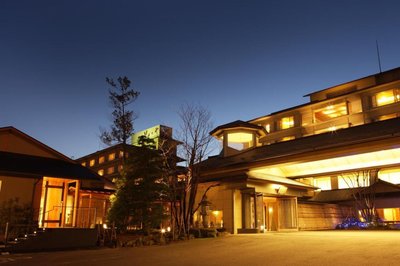
Yumotoya
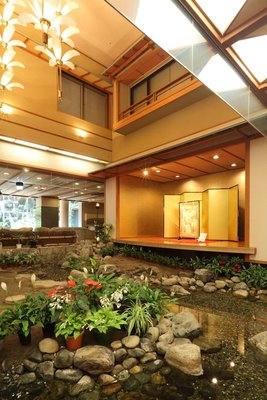
Hotel Futaba
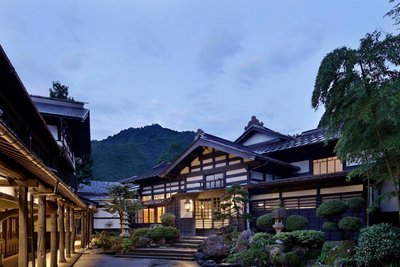
Ryugon
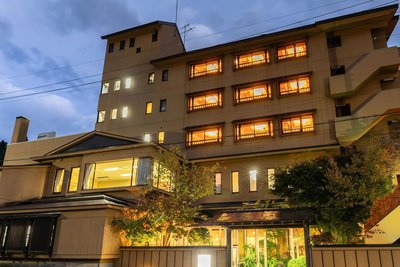
Kashintei Shirahama
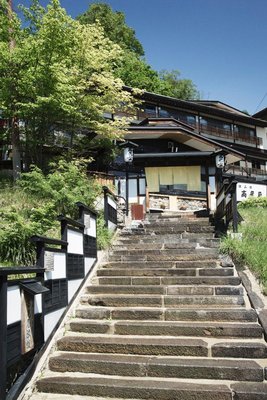
Takamiya Ryokan Miyamaso

Hotel Matsushima Taikanso
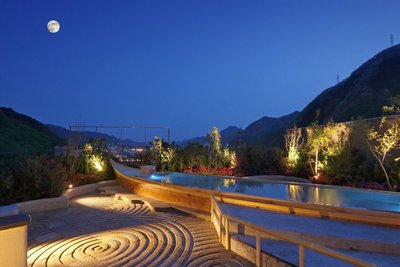
Asaya
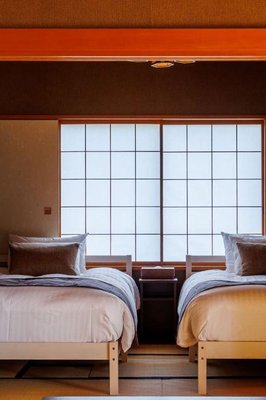
Sado Resort Hotel Azuma

Komatsu-Kan Kofu-Tei
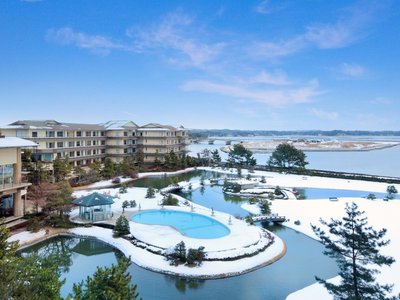
Matsushima Ichinobo
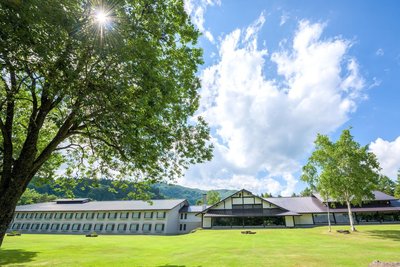
Towada Prince Hotel
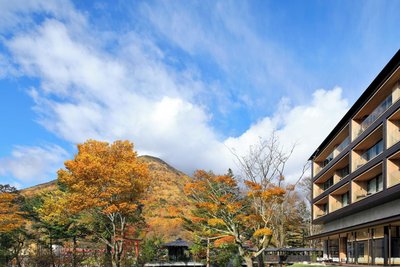
The Ritz-Carlton, Nikko
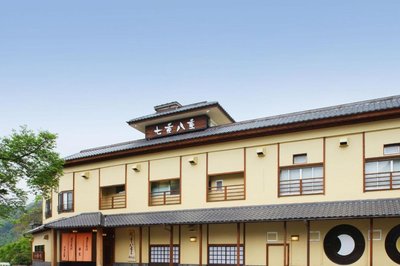
Nanaeyae
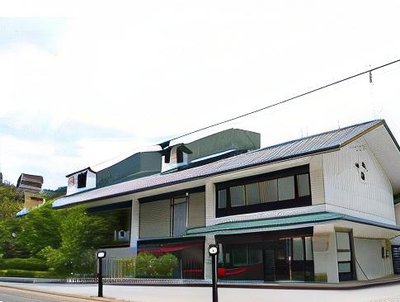
Auberge Suzukane
Konjakutei
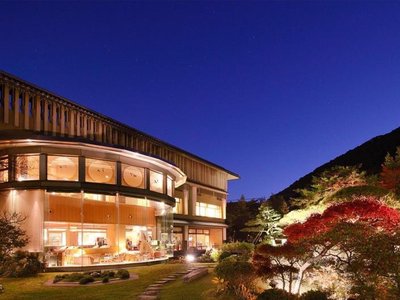
Shikisai Ichiriki
Sado Resort Hotel Azuma
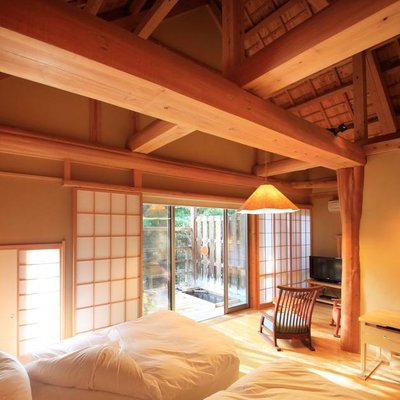
Daikon-No-Hana
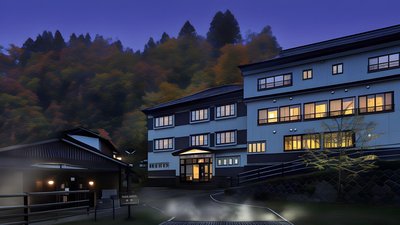
Zao Onsen Omiya Ryokan
Nanaeyae
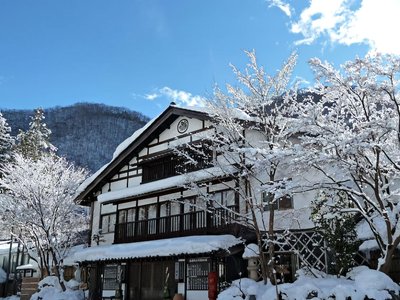
Yunishigawa Onsen Honke Bankyu
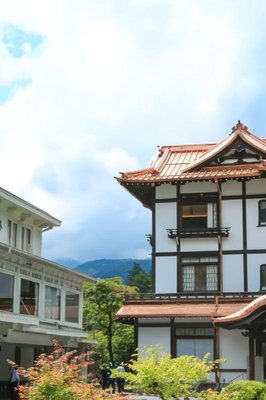
Nikko Kanaya Hotel
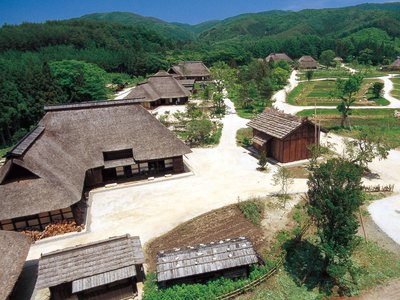
Jodogahama Park Hotel
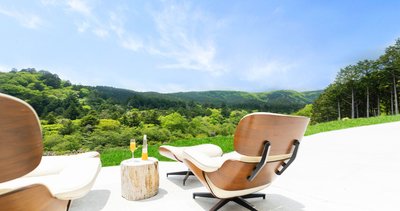
Shelter Garden Nikko
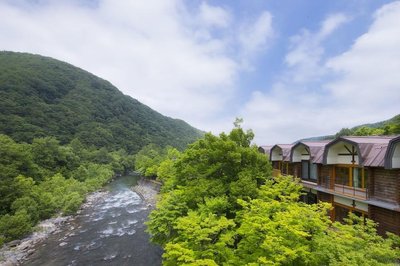
Hoshino Resorts Oirase Keiryu Hotel
Asaya

The Westin Sendai Hotel
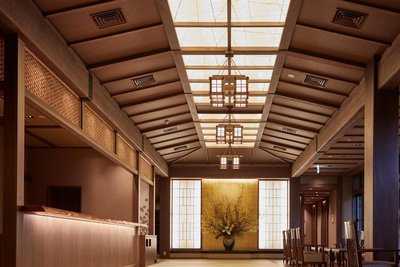
Yukinohana

Yukemuri No Yado Inazumi Onsen
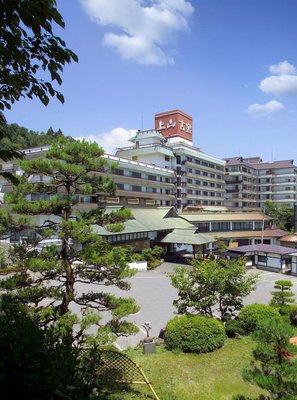
Hotel Koyo
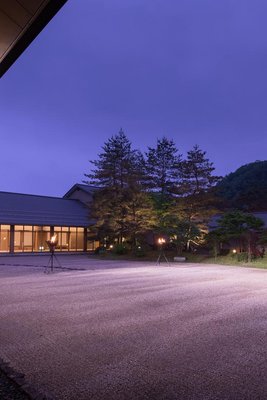
Kashoen
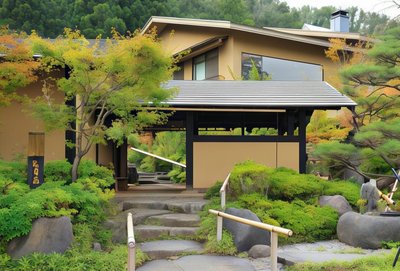
Meigetsuso
Nikko Kanaya Hotel
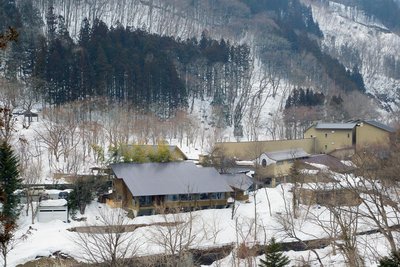
Bettei Senjyuan
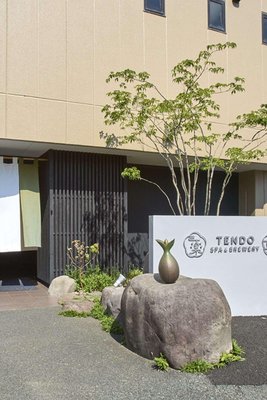
Yubo Ichiraku TENDO SPA&BREWERY

ANA InterContinental Appi Kogen Resort

Hotel Barrière Fouquet's New York
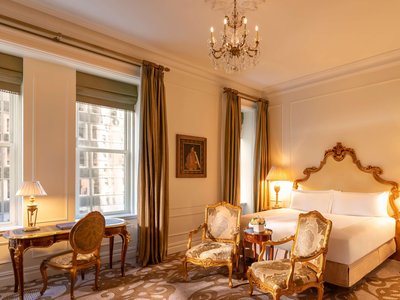
The Plaza - A Fairmont Managed Hotel
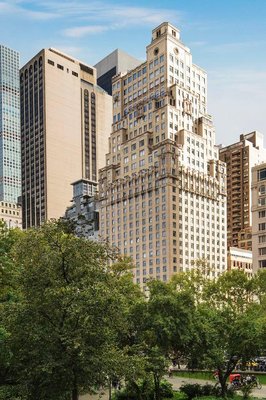
The Ritz-Carlton New York, Central Park

Four Seasons Hotel New York

The St. Regis New York

Park Hyatt New York

Mandarin Oriental New York

Times Square Edition New York

Loews Regency New York Hotel

Lowell Hotel
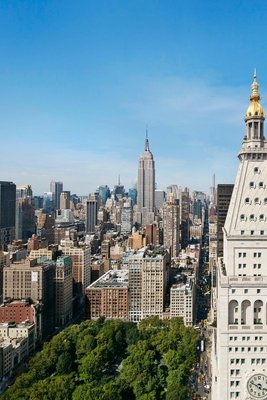
New York Edition

Baccarat Hotel New York

Equinox Hotel New York
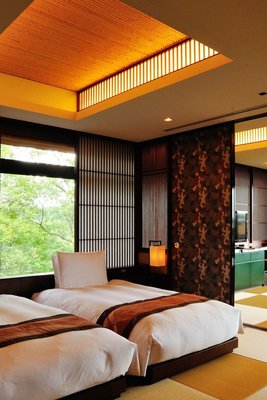
Chikusenso Onsen

Four Seasons Hotel New York Downtown
The Ritz-Carlton, Nikko
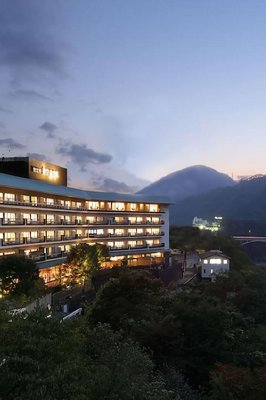
Kanaya Hotel Kinugawa
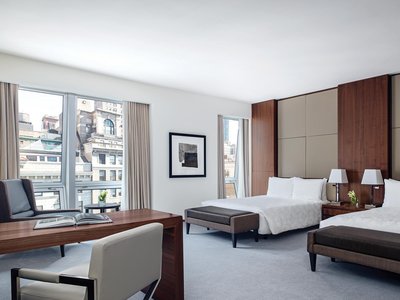
The Langham, New York, Fifth Avenue

The Carlyle, A Rosewood Hotel

The Chatwal, in the Unbound Collection by Hyatt
Frequently Asked Questions about Traveling to Tome
Questions You Might Need to Know About Traveling to Tome
In Tome City, the standout choice is Tome Onsen Hotel, nestled along the serene Tome River. This traditional Japanese inn blends wooden architecture with modern comfort, offering private onsen baths and panoramic views of seasonal landscapes. Guests enjoy authentic Miyagi regional cuisine, including premium Tome beef and locally foraged mountain vegetables. The hotel’s proximity to Tome Municipal Museum makes it ideal for cultural explorers. During cherry blossom season, visitors can join rituals at Tome Grand Shrine, immersing themselves in centuries-old traditions. A true retreat into rural Tohoku’s peaceful lifestyle.
The central district of Tome City offers the most convenient and charming accommodation options. Located near Tome Station, it provides easy access to nearby destinations like Sendai and Iwate Prefecture. Stay in a ryokan or boutique guesthouse close to the Tome River, where morning bird songs and starlit evenings enhance the tranquil experience. The area is safe and family-friendly, with walking distance to Tome Civic Center and a vibrant local market. It’s perfect for travelers seeking quiet authenticity, blending urban convenience with rural serenity.
Tome City hosts the annual Tome Grand Shrine Autumn Festival, a 300-year-old tradition featuring kagura dances, taiko drumming, and ceremonial prayers. Visitors can wear kimono and participate in the procession, experiencing authentic Tohoku spirituality. At the Tome City Museum, exhibits highlight ancient Jomon-era artifacts and Tome pottery, revealing the region’s deep history. For hands-on creativity, try a bamboo weaving workshop led by local artisans—craft your own basket or decorative piece as a lasting memento of your journey.
Tome City boasts rich natural hot spring resources, especially in the Tome Onsen Area, where mineral-rich waters reach temperatures above 60°C, high in sodium and calcium—excellent for skin health. Hotels like Tome Onsen Hotel and Tome River Spa Inn feature private outdoor baths overlooking mountains and rivers. Some facilities include herbal steam rooms and cold-hot plunge pools for full-body relaxation. With pristine water from mountain sources, these springs are dubbed "the hidden gem of Tohoku." Ideal for winter visits, soaking under snow-lit skies enhances the meditative atmosphere.
Must-try foods in Tome City include Tome beef, a premium black-haired wagyu raised on local grass, best enjoyed grilled at Tome Food Road. Another highlight is mountain vegetable hot pot, made with wild ferns, mountain celery, and garlic, simmered in clear broth. Don’t miss Miyagi pickled vegetables, especially Tome radish umeboshi. For a deeper cultural experience, book a farm-to-table cooking class where you’ll prepare miso soup and rice alongside local families—sharing meals becomes part of the journey.
Yes, Tome City is highly family-friendly. The Tome Children’s Science Museum features interactive experiments and nature observation gardens, making science fun for kids. Tome River Riverside Park offers shallow, safe waters and wooden footbridges for children to explore aquatic life. The Tome Grand Shrine often hosts child-friendly kagura performances, letting kids dress in miniature shrine attire. Many inns provide kid-sized toiletries, storytime sessions, and even outdoor night lantern walks—perfect for creating lasting memories in a peaceful, nature-rich environment.
Despite its rural setting, Tome City has reliable transportation. JR East’s Tome Station connects directly to Sendai, Iwate, and Tokyo, with multiple daily trains. Local buses cover major attractions and residential zones, accepting IC cards. For drivers, the Tohoku Expressway offers scenic access. Many inns provide free shuttle services to the station, and the city hall features an English-language tourist information center. Foreign visitors benefit from combining a JR Pass with local rail passes for cost-effective travel.
The ideal times to visit Tome City are spring (March–May) and autumn (September–November). Spring brings blooming cherry blossoms along the Tome River, framing the historic Tome Grand Shrine in pink. Autumn transforms the hills into fiery reds, perfect for hiking at Tome Highlands and Nishi Mountain Nature Park. Temperatures are mild, humidity low, ideal for outdoor activities. Special events include the Tome Autumn Festival in September and the Mountain Vegetable Gathering Festival in October—both offer immersive cultural experiences away from crowds.
Key photo-worthy locations in Tome City include the vermilion torii gate and stone lanterns at Tome Grand Shrine, especially during morning mist. The wooden footbridge over the Tome River glows softly at night with hanging lanterns, creating dreamlike reflections. Tome Onsen Hotel’s open-air bath, surrounded by forest and river, is perfect for tranquil Japanese-style photography. From the Tome Highlands Overlook, capture sweeping valley vistas and distant mountain ranges. For candid moments, photograph locals in kimono during festival processions at the Tome City Museum plaza—full of authentic cultural energy.
Visit the Tome City Specialty Market for genuine local goods: Tome beef gift boxes, dried mountain vegetables, handmade miso paste, and bamboo crafts. Try Tome pottery—each hand-fired ceramic piece carries rustic warmth and uniqueness. For hands-on fun, head to Tome Craft Street to take a pottery or weaving class and take home your creation. The Tome Station shopping arcade houses century-old shops selling traditional wagashi, such as chestnut kintoki and mountain vegetable senbei. All products emphasize natural ingredients and craftsmanship—true expressions of Tome’s heritage.
Tome Overview
City Summary
Tome City in Miyagi Prefecture's northeast is a tranquil blend of tradition and nature, renowned for its Edo-period atmosphere with well-preserved historical buildings and rural landscapes. Its core appeal lies in time-capsule nostalgia and agricultural experiences.
Must-See Attractions
Must-see spots:
- Tome Kaikokan Museum: Exhibits daily artifacts from Edo to Meiji eras
- Education Museum: Japan's oldest surviving Western-style wooden schoolhouse
- Samurai Residences: Intact warrior-class houses Try traditional washi paper-making and seasonal farming activities, with Snow Candle Road events in winter.
Food Guide
Culinary highlights feature Miyagi countryside cuisine:
- Zunda mochi: Sweet rice cakes with local edamame paste
- Sasa kamaboko: Bamboo-leaf-shaped fish cakes
- Kandara nabe: Winter-only cod hotpot Visit farm-direct restaurants for fresh-picked vegetables and regional rice.
Transportation Guide
Transport options:
- Train: JR Tohoku Line from Sendai to Ishinomaki Station (1hr), then bus (30min)
- Bus: Direct highway buses from Sendai Station West Exit (4 daily, 2hrs)
- Car: Tohoku Expressway to Tsukidate IC, then Route 346 (90min total) Rent e-bikes (¥1,500/day) or use sightseeing loop buses locally.
Best Time to Visit
Best seasons are May (rice planting) and October (harvest festivals), with mild 15-25°C weather. Avoid August Obon crowds. Winter (Dec-Feb) offers unique snowscapes but requires cold-weather gear.
Travel Tips
- Cash readiness: Many rural shops don't accept cards
- Footwear: Easy-to-remove shoes for samurai residences
- Farming activities: Book 1 month ahead
- Photography: Seek permission before shooting historic buildings
- Bus schedules: Rural routes have limited frequency
- Dialects: Elderly locals may speak Tohoku-ben; translation apps help
Useful Information
Essentials:
- Language: Basic English signage; offline translators recommended
- Internet: Free TOME_Free WiFi downtown; weak signals in countryside
- Payments: International cards at post office ATMs (7:00-21:00)
- Medical: Tome Municipal Hospital ER (+81-220-52-2111)
- Emergencies: Police #9110; multilingual maps at Tourist Center (9:00-17:00)









