Hotels in Tomi
Discover your perfect stay in Tomi.
Tomi(Japan) Travel 2026: Cheap Flights, Hotels & Top Attractions
Popular Landmarks in Tomi
Discover the most iconic attractions in Tomi
Recommended Hotels in Tomi
Find the perfect place to stay in Tomi
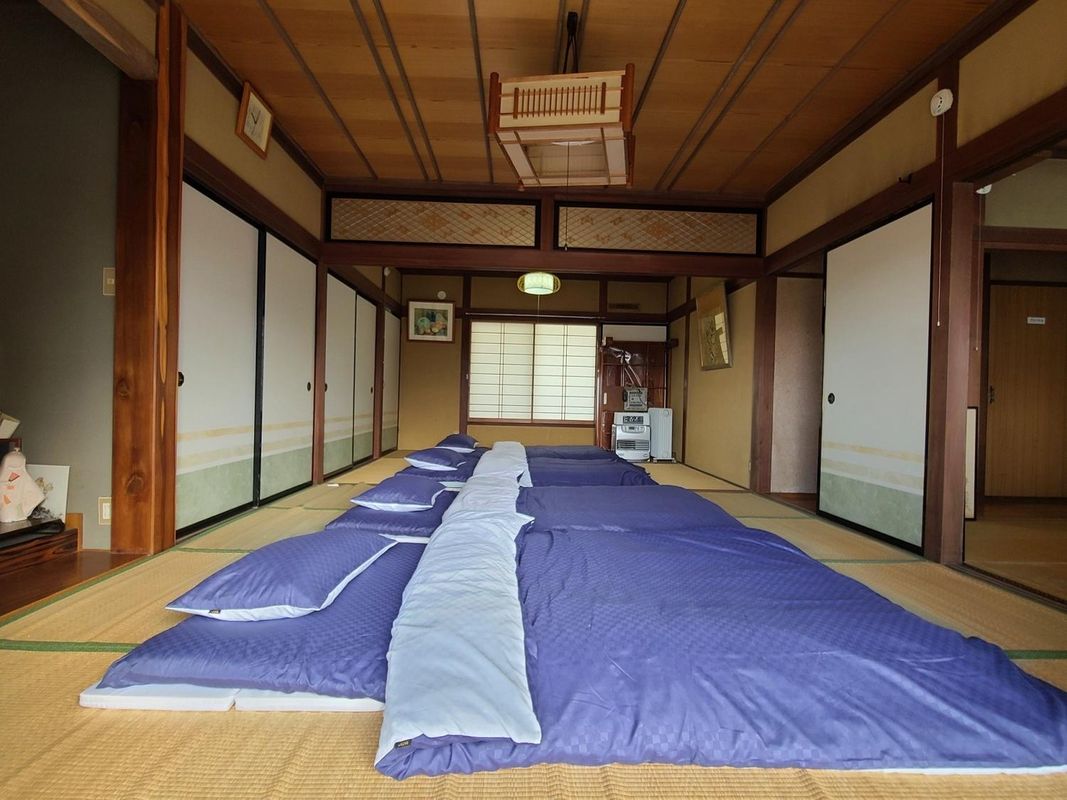
5 Min Drive from the Nearest st Max 6Ppl
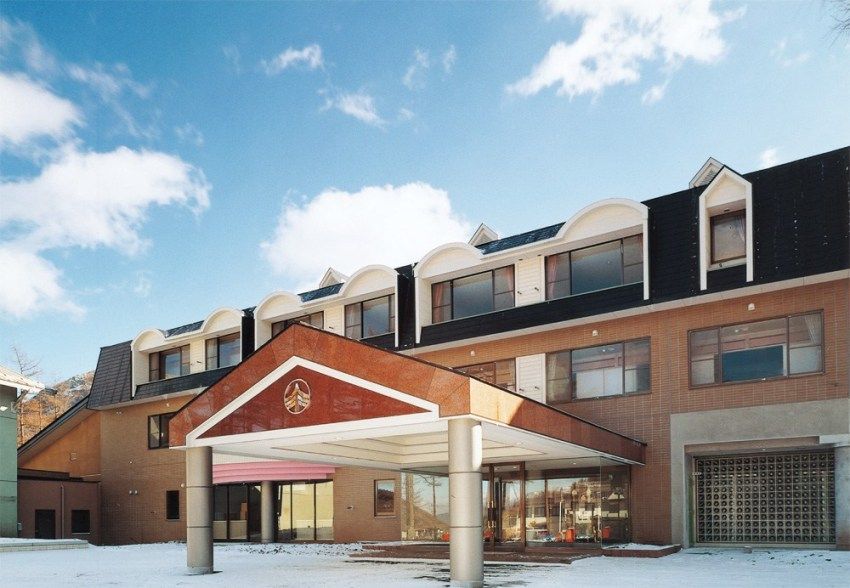
Yunomarukogen Hotel
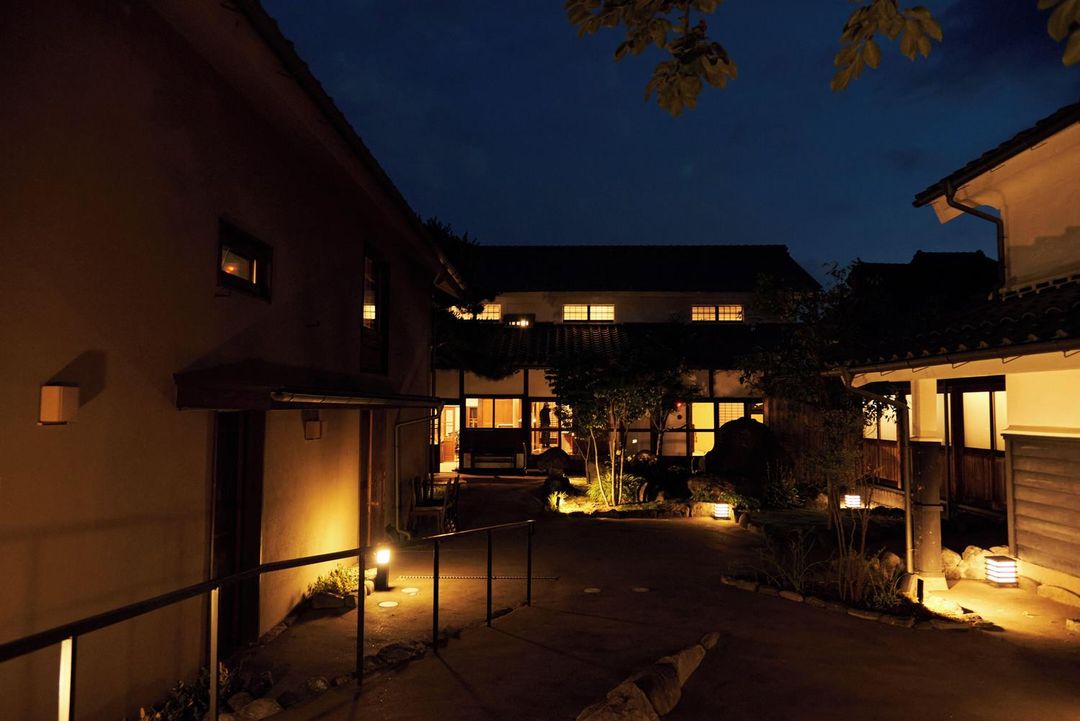
Travel Stop UNNOWA

Sitios Jizo
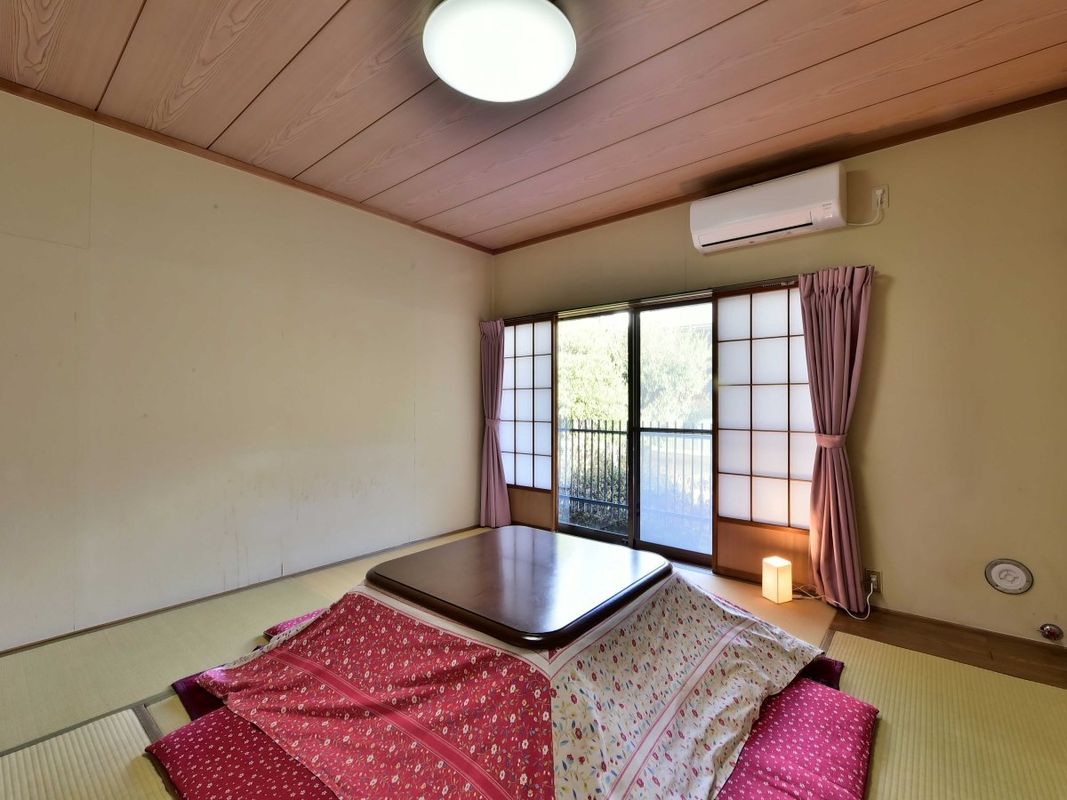
Nunobikikannon Onsen
Best Hotels in Tomi
Discover curated hotel collections in Tomi
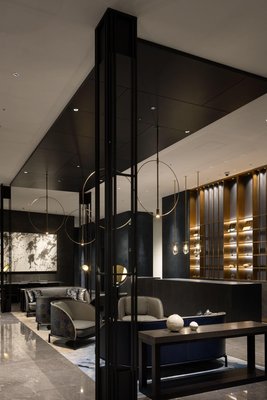
Bellustar Tokyo, A Pan Pacific Hotel

Bvlgari Hotel Tokyo

Shima Kanko Hotel the Bay Suites
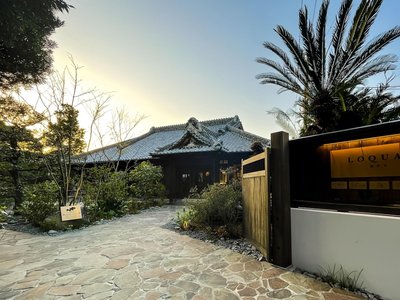
Loquat Nishiizu
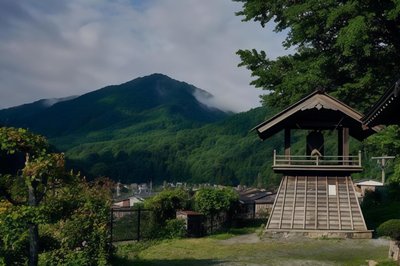
Byaku Narai

Atami Izusan Karaku
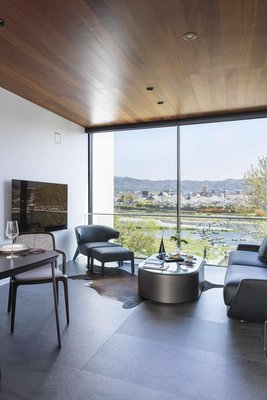
Kamo Residences by Reflections
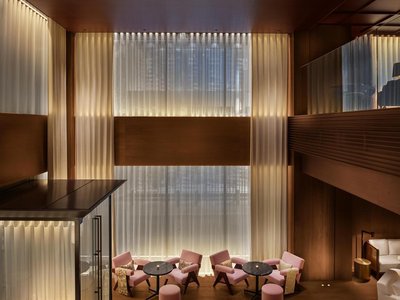
The Tokyo Edition, Ginza

Janu Tokyo
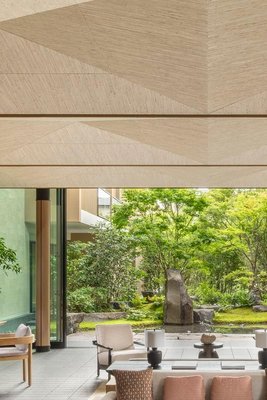
Six Senses Kyoto
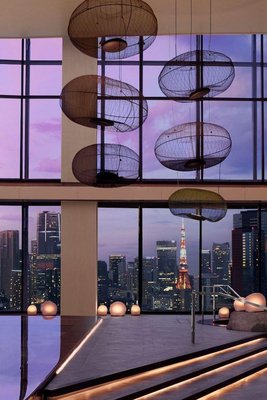
JW Marriott Hotel Tokyo
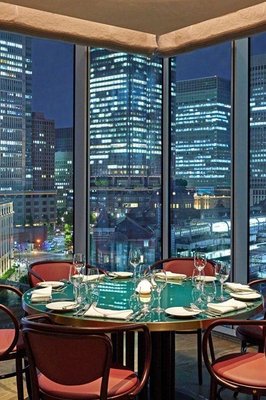
Four Seasons Hotel Tokyo at Marunouchi

Mandarin Oriental, Tokyo
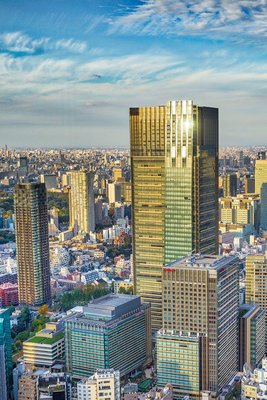
The Ritz-Carlton, Tokyo

Andaz Tokyo Toranomon Hills- A Concept by Hyatt
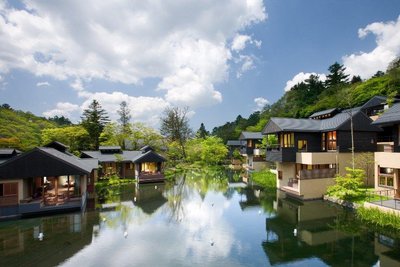
Hoshinoya Karuizawa
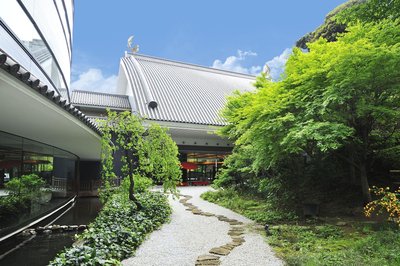
Hotel Gajoen Tokyo
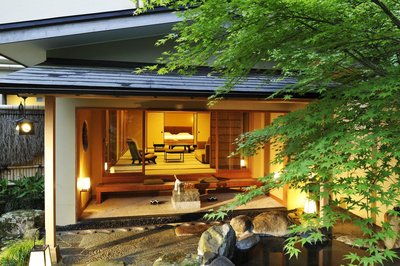
Gora Kadan
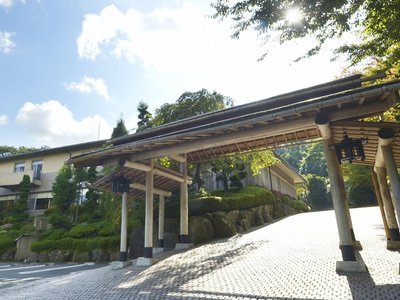
Gora Hanaougi

The Hiramatsu Hotels & Resorts Kashikojima
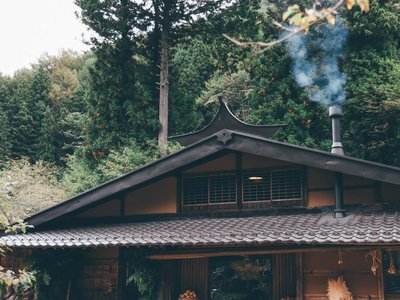
La Terra Resort

Awaumi Fujikawaguchiko Resort
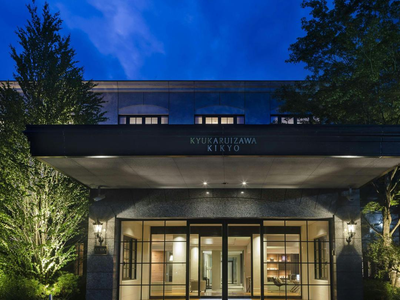
Fufu Karuizawa Wind of Sunshine

Hotel Taiko, Akakura Onsen
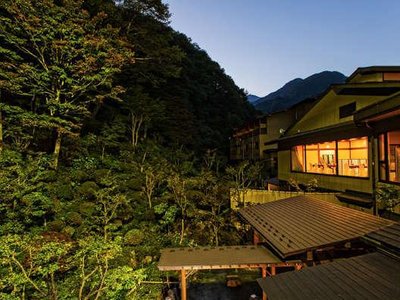
Futari Shizuka
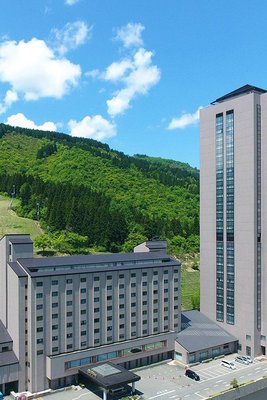
Naspa New Otani
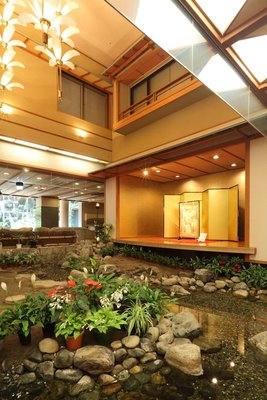
Hotel Futaba
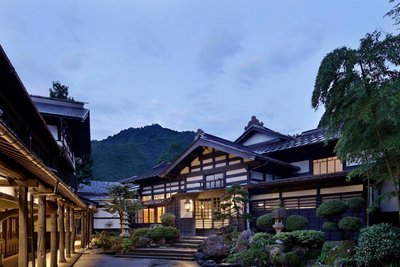
Ryugon
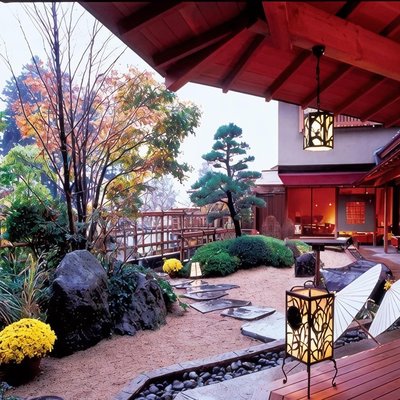
Oyado Tamaki

Tokinoniwa
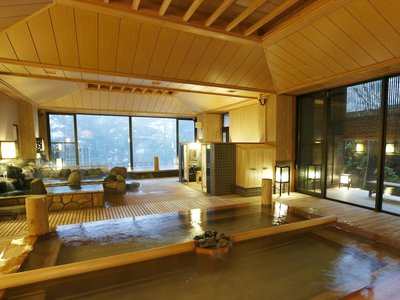
Konoha
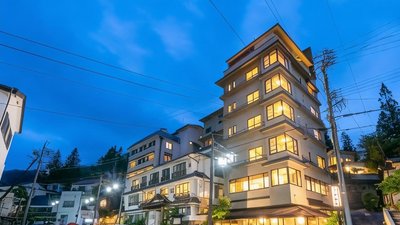
Nakamatsuya Ryokan
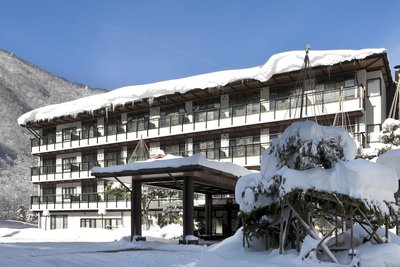
Okada Ryokan Warakutei

Hidatei Hanaougi
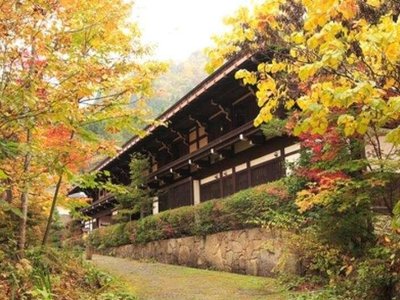
Yumoto Choza
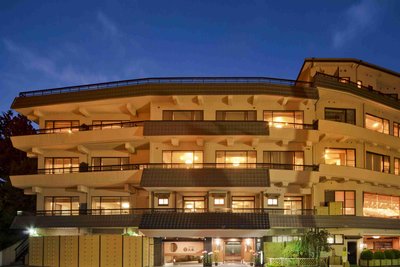
Maruei

Akakura Kanko Hotel
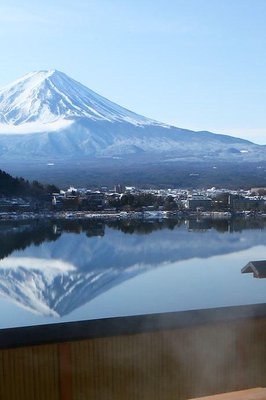
Fuji Ginkei
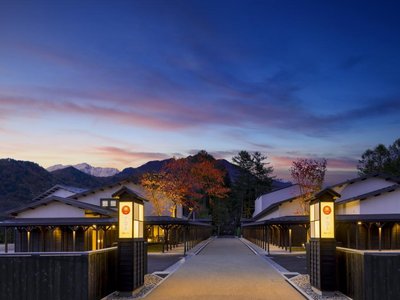
Hoshino Resorts KAI Alps

Hotel Ryu Resort and Spa

Taikyourou
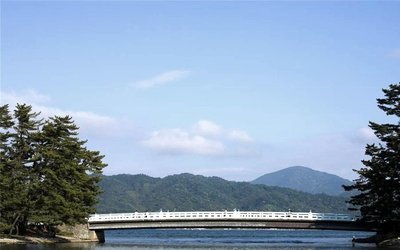
Monjusou Shourotei
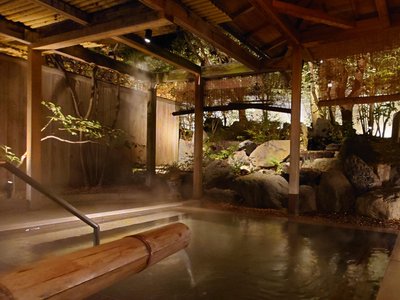
Kasuga Hotel

Hotel New Wakasa
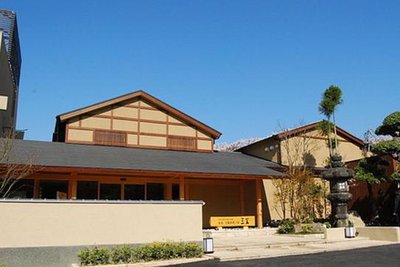
Mikasa
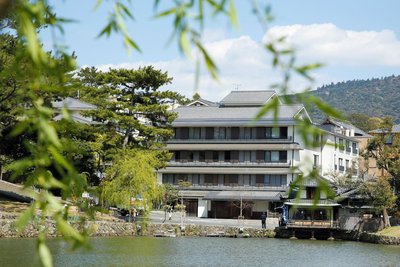
Sarusawaike Yoshidaya
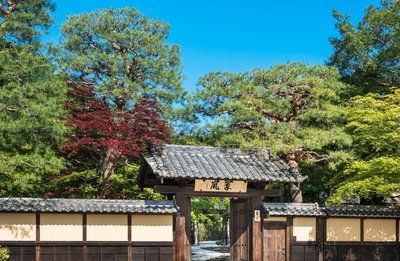
Suiran, a Luxury Collection Hotel, Kyoto
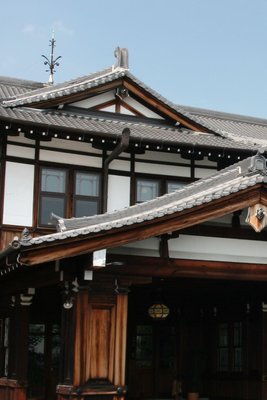
Nara Hotel
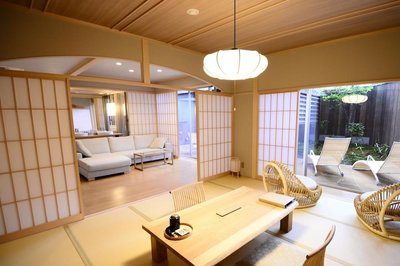
Hakone Gora Byakudan

Panoramic Mt. Fuji Views from All Rooms – Vision Glamping Resort & Spa Yamanakako

Shelter Garden Nikko
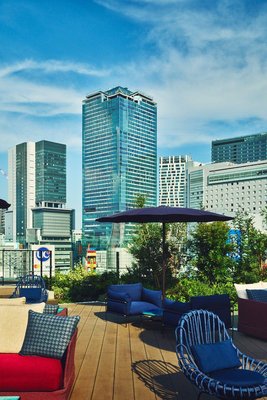
Hotel Indigo Tokyo Shibuya

TIAD, AUTOGRAPH COLLECTION

Dusit Thani Kyoto
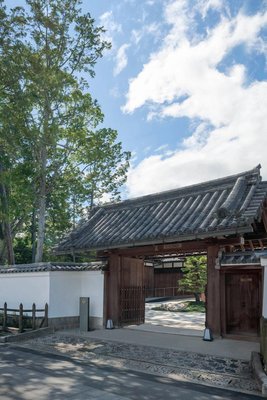
Shisui, a Luxury Collection Hotel, Nara

Hilton Kyoto

Forest Village (Fuji Premium Resort)

Hotel Toranomon Hills

Fufu Kyu-Karuizawa Restful Forest
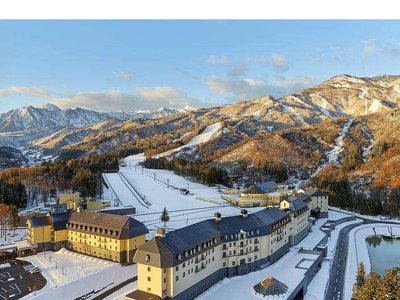
Lotte Arai Resort

Sengokubara Cocon
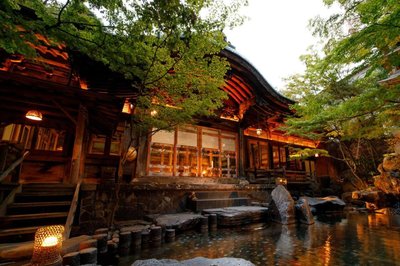
Shoraiso
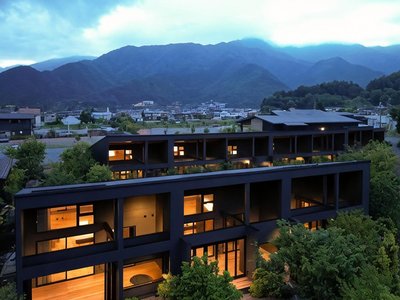
7C Villa and Winery
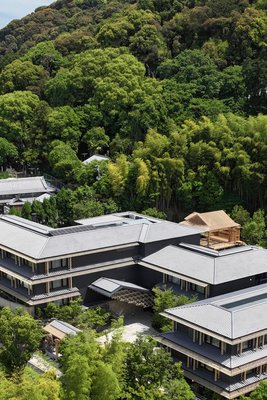
Banyan Tree Higashiyama Kyoto

Hotel la Vigne Hakuba by Onko Chishin
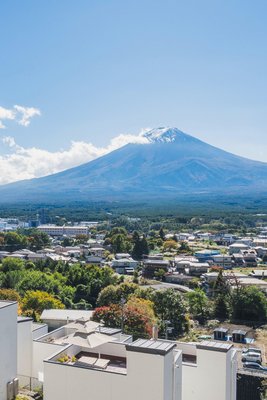
THE TOKI FujiKawaguchiko
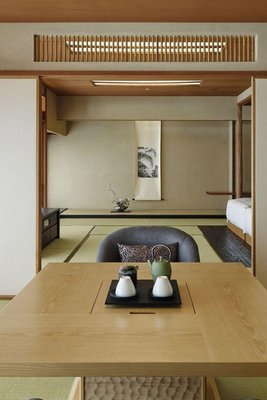
Takanawa Hanakohro (in Grand Prince Hotel Takanawa)

Hyatt Centric Ginza Tokyo

Rakuten STAY VILLA Nasu
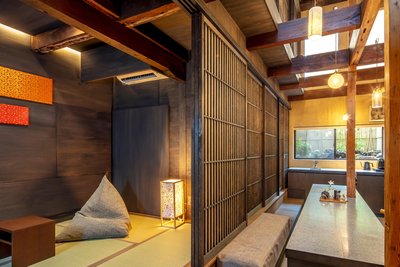
Kyo No Oozora Kihana

Hakuba Gondola Apartments
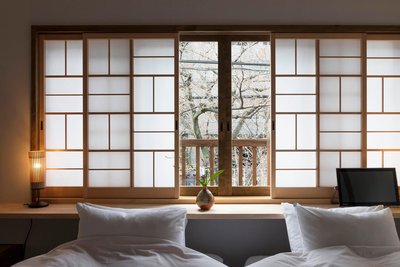
Hanagoromo Machiya House
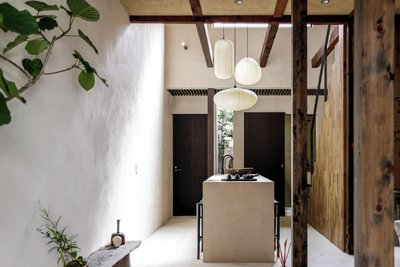
Maana Kiyomizu

glampark Gekkabijin Nagano

chillout glamping zao

MONS GORA

Phoenix Chalets by Hhg
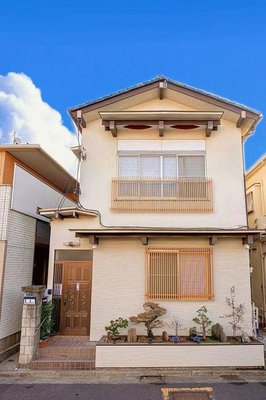
Tokyo Star House-Shinkoiwa
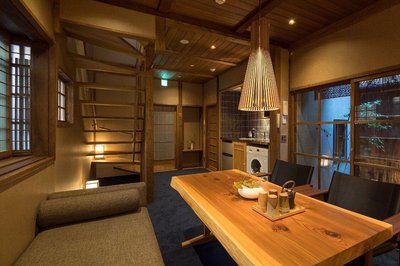
Bonbori an Machiya House

Glamping&Resort Wood Design Park Noma
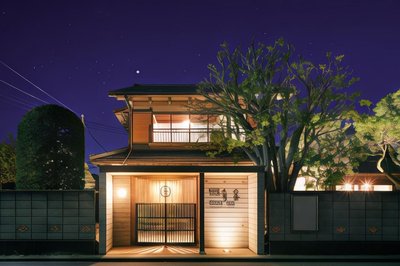
Machi-Jyu
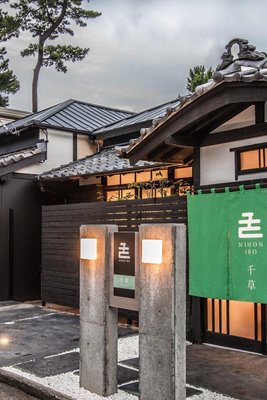
Nihon Iro
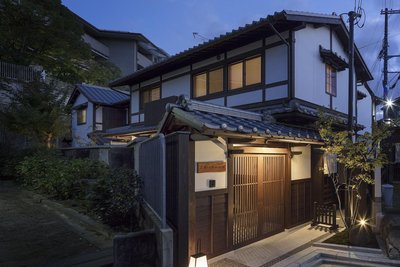
The Machiya Villa Sanjo Shirakawa Koji
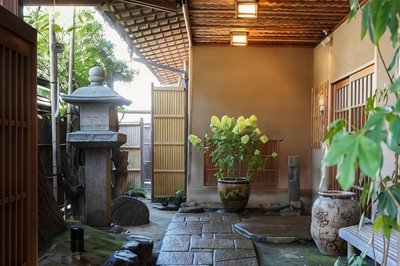
Ryokan Asadaya
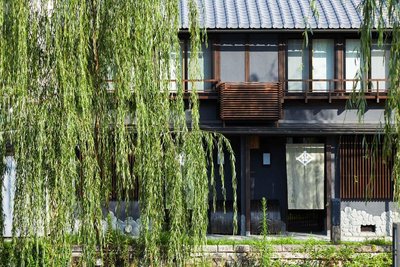
Gion Shirakawa No Yado

Kitashirakawa Natural Radium Onsen
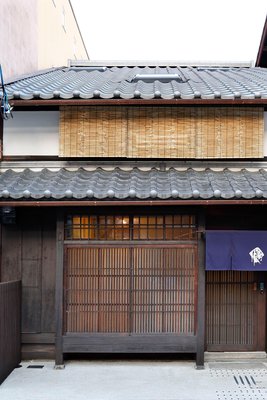
Kyo No Ondokoro Kamanza Nijo #2
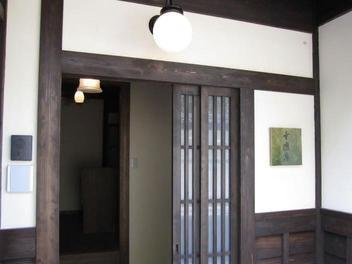
Gion Koyu an Machiya House
Frequently Asked Questions about Traveling to Tomi
Questions You Might Need to Know About Traveling to Tomi
For a tranquil mountain retreat in Higashi-machi, consider staying at Higashi-machi Onsen Ryokan, nestled near Togakushi Shrine and surrounded by lush forests of the Chikuma River valley. This traditional Japanese inn offers private outdoor hot springs with views of seasonal foliage, plus kaiseki meals featuring local ingredients like wild matsutake mushrooms and mountain vegetables.
Another excellent choice is Shinano Higashi-machi Hotel, located just steps from Higashi-machi Station, offering modern comfort with access to indoor pools and wellness programs. Both properties emphasize quiet, nature-immersive experiences—perfect for those seeking restorative solitude amid the scenic beauty of Nagano Prefecture.
During autumn, guests can enjoy the famed Togakushi Lantern Festival, adding a cultural highlight to their stay.
The Higashi-machi Station area is the most convenient and welcoming district for first-time visitors. It features well-connected public transport, easy access to restaurants, convenience stores, and local shops, as well as proximity to key attractions like Togakushi Shrine, Chikuma River Trail, and Higashi-machi City Museum.
This central zone blends urban convenience with rural charm—ideal for travelers who want to explore on foot or hop on local buses to nearby villages and natural sites. Many hotels here offer multilingual staff and free Wi-Fi, making it easy to navigate daily routines.
Additionally, the area hosts seasonal events such as the Higashi-machi Flower Festival and Local Produce Market, giving newcomers a chance to experience authentic community life. With its balanced mix of accessibility and serenity, this district strikes the perfect chord for an introductory visit.
Higashi-machi’s hot springs stand out due to their deep underground origins and mineral-rich waters sourced from aquifers over 1,200 meters deep. The thermal springs, especially in the Togakushi Onsen region, contain high levels of calcium and magnesium—known for soothing muscle tension and improving circulation.
Unlike mass tourism destinations, these baths prioritize natural harmony: many open-air baths are set within bamboo groves or beside forest streams, allowing guests to soak while listening to birdsong and rustling leaves. Some ryokans even offer guided thermal bathing rituals that combine breathing techniques with optimal soaking times.
The water quality is so pure that it's used directly in spa treatments and even in local cuisine. Visitors can also participate in onsen + tea ceremony + pottery workshop combo experiences, blending wellness with traditional craftsmanship—an immersive way to connect with Nagano’s heritage.
Higashi-machi offers deeply rooted cultural experiences that reflect its rural identity. Key highlights include:
-
Togakushi Shrine Night Walks: Participate in the rare Night Procession Ceremony, where visitors dress in white yukata and walk through ancient paths under lantern light, echoing centuries-old spiritual traditions.
-
Handmade Paper Umbrella Workshop: Learn to craft traditional Shinano paper umbrellas using locally made washi paper and bamboo frames. Each umbrella becomes a personal keepsake of your journey.
-
Higashi-machi Farmers’ Market: Visit during spring or fall to sample fresh mountain vegetables, dried matsutake mushrooms, and regional miso-based soups. Local artisans demonstrate food preservation techniques passed down generations.
-
Higashi-machi City Museum: Explore exhibits on Edo-era farming tools, textile looms, and village life—offering insight into how agriculture shaped the town’s development.
These experiences go beyond sightseeing—they invite active participation in living culture, creating lasting memories.
A 2-to-3-day itinerary allows for a meaningful and balanced visit to Higashi-machi. Start Day 1 by checking into a central hotel near Higashi-machi Station, then stroll along the Chikuma River Trail and visit Togakushi Shrine in the afternoon. Enjoy a sunset view from one of the riverside benches.
On Day 2, focus on immersion: take part in a paper umbrella workshop, relax at a private onsen, and savor a kaiseki dinner at a ryokan. If visiting in autumn, don’t miss the Togakushi Lantern Festival—a magical evening event.
Day 3 is ideal for history and shopping: tour the Higashi-machi City Museum, pick up local specialties like dried matsutake and red leaf nabe seasoning at the farmers’ market, and unwind at a riverside café before heading home.
This pace ensures time for both relaxation and discovery, avoiding rush while maximizing cultural and natural engagement—perfect for travelers seeking depth over speed.
Higashi-machi’s cuisine centers around fresh, seasonal ingredients from the surrounding mountains and rivers. Must-try dishes include:
-
Momiji Nabe (Maple Leaf Hot Pot): A winter specialty made with chicken, local mountain greens, tofu, and a rich umami broth. Best enjoyed at Old Town Noodle House or Togakushi Inn.
-
Shinano Soba (Nagano Buckwheat Noodles): Handcrafted from locally grown buckwheat flour, served either in a clear broth or with soy-based dipping sauce. Try it at Chikuma River Sobaya, a family-run shop since 1947.
-
Dried Matsutake Mushrooms: Wild-harvested and sun-dried, these aromatic mushrooms are a prized regional delicacy. Available in vacuum-packed form at Higashi-machi Farmers’ Market for gifts.
Additional hidden gems include onsen eggs with rice and bamboo-steamed chicken, often served at guesthouses. Ask locals for recommendations—they’ll point you toward the most authentic flavors rooted in tradition.
Higashi-machi appeals to several traveler types:
-
Families with children: Safe walking trails, child-friendly ryokans with onsen access, and hands-on workshops like umbrella-making make it ideal for intergenerational trips.
-
Culture and photography enthusiasts: Ancient shrines, lantern festivals, and forest-laced pathways provide endless visual inspiration and storytelling opportunities.
-
Wellness seekers: With pristine air, healing hot springs, and forest therapy programs, it’s a sanctuary for mental and physical rejuvenation.
-
Slow travel advocates: The absence of commercial sprawl and emphasis on sustainable living create a peaceful, unhurried rhythm—perfect for disconnecting from digital overload.
Whether you’re looking for quiet reflection, cultural connection, or simple enjoyment of nature, Higashi-machi offers a serene, soulful escape that feels far removed from urban chaos.
Yes, transportation in Higashi-machi is well-organized for domestic travelers. From Tokyo, take the Shinkansen to Nagano Station, then transfer to the Shinonoi Line—a scenic 90-minute ride to Higashi-machi Station. Trains run frequently throughout the day.
Within the city, the Higashi-machi Municipal Bus network connects major sites like Togakushi Shrine, Onsen District, and City Museum. Purchase a Nagano Prefecture One-Day Pass for unlimited rides and discounts on certain attractions.
For self-drivers, the Nagano Expressway leads directly to Higashi-machi Interchange, about 2 hours from Tokyo. Electric bike rentals are also available along the Chikuma River Trail, promoting eco-friendly exploration.
While not a global hub, Higashi-machi’s transport system is reliable and tourist-friendly. HopeGoo train tickets and accommodations in advance—especially during peak seasons—is recommended for smooth travel.
Must-see natural attractions in Higashi-machi include:
-
Chikuma River Trail: A 10-kilometer riverside path winding through forests and meadows, perfect for walking, cycling, or birdwatching. Spring blossoms and autumnal foliage make it especially scenic.
-
Togakushi Mountain Forest Zone: A protected woodland area behind Togakushi Shrine, home to ancient cedars, cascading streams, and diverse wildlife. Offers guided forest therapy walks and meditation spaces.
-
Omae Highland: At 800 meters above sea level, this elevated plateau provides panoramic views of the Hida Mountains and Akasaka Range. Summer brings cool breezes and wildflower blooms; winter transforms it into a snowy playground for skiing and snowshoeing.
Also worth visiting are Higashi-machi Green Park and the Chikuma River Wetlands, vital habitats for migratory birds. These areas showcase the region’s commitment to ecological preservation and offer serene spaces for quiet contemplation.
Higashi-machi hosts several vibrant annual festivals that celebrate its heritage:
-
Togakushi Lantern Festival: Held every autumn, thousands of hand-made lanterns illuminate the shrine grounds and forest paths during a solemn night procession. Includes traditional kagura dances and onsen yukata tours.
-
Higashi-machi Farmers’ Market: Seasonal events in spring and fall showcasing local produce—fresh mountain vegetables, dried matsutake, handmade miso, and fruit preserves. Features live cooking demos and kids' art contests.
-
Higashi-machi Flower Festival: Celebrated in early summer, this event transforms public parks and riverbanks into colorful floral displays. Includes garden design competitions and community flower planting activities.
These festivals foster strong community bonds and offer visitors authentic, participatory experiences. Timing your trip around them enhances your connection to local life and adds unforgettable moments to your journey.
Tomi Overview
City Summary
Tomi City is located in the eastern part of Nagano Prefecture, Japan, known for its rich natural scenery and historical culture. The city is famous for its hot springs and highland landscapes, with each season offering unique views, especially the autumn leaves and winter snowscapes. Tomi City is also a significant center for sericulture in Japan, preserving traditional silk craftsmanship.









