Hotels in Tomioka
Discover your perfect stay in Tomioka.
Tomioka(Japan) Travel 2026: Cheap Flights, Hotels & Top Attractions
Popular Landmarks in Tomioka
Discover the most iconic attractions in Tomioka
Recommended Hotels in Tomioka
Find the perfect place to stay in Tomioka
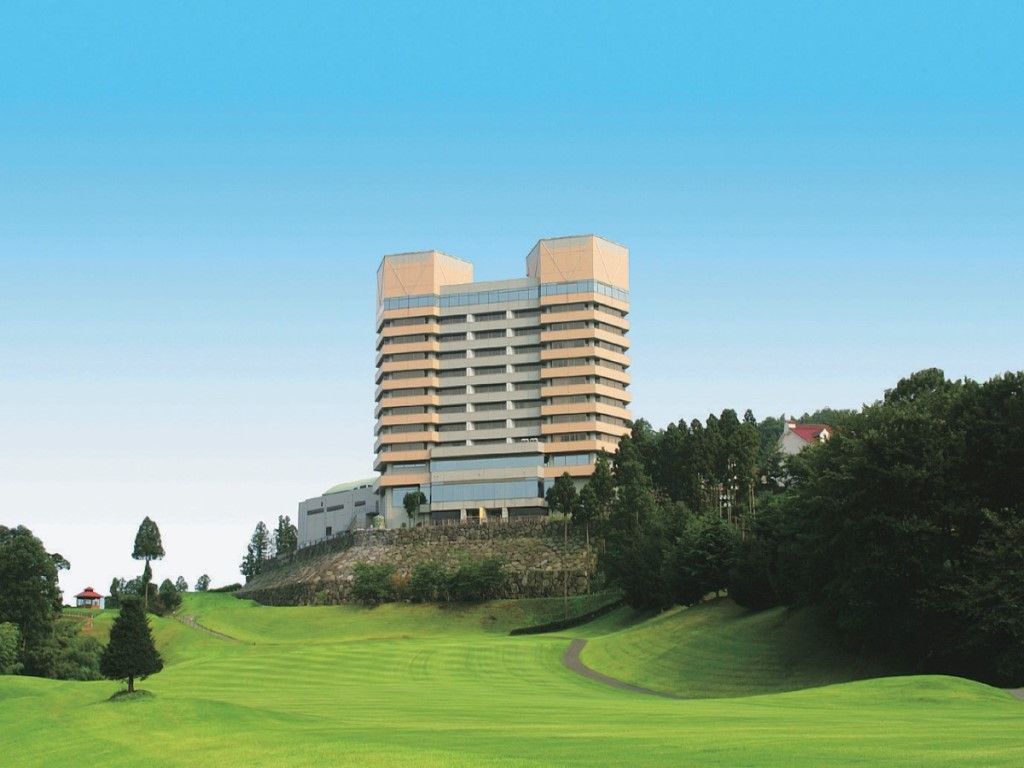
MYOGI GREEN HOTEL&TERRACE
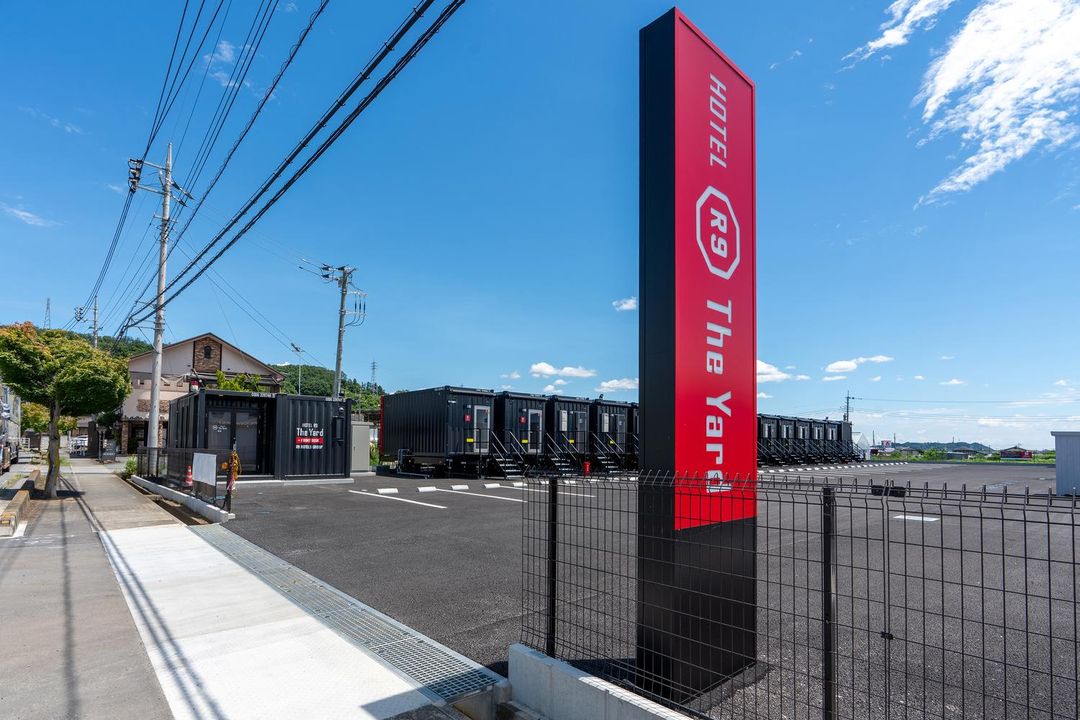
Hotel R9 the Yard Tomioka
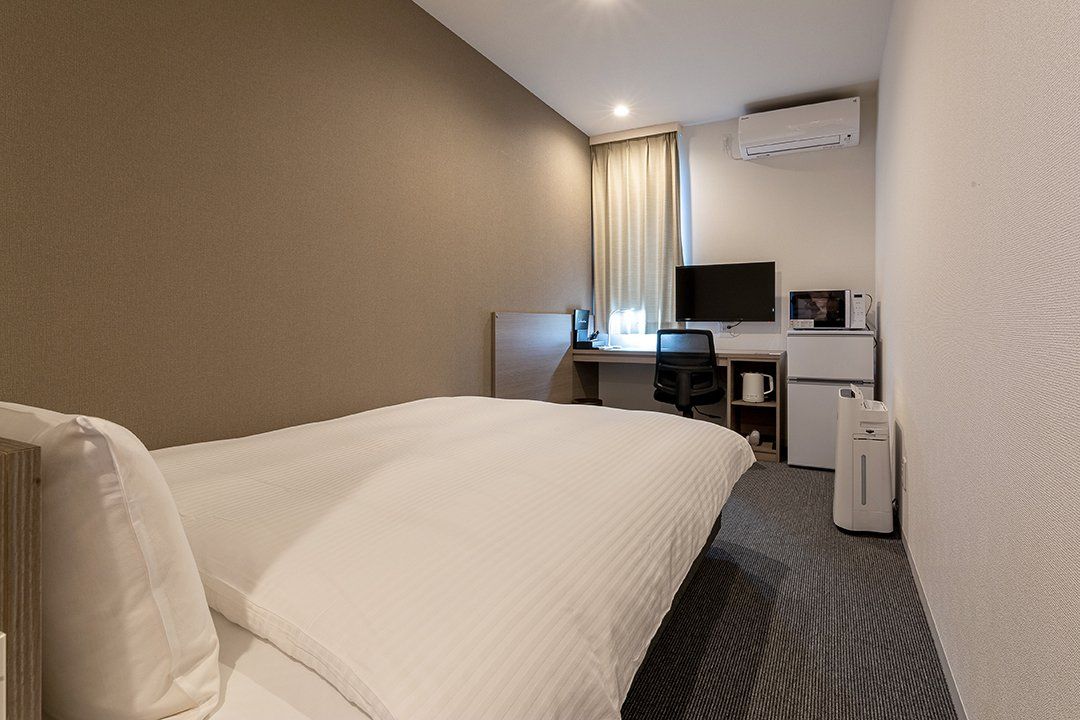
HOTEL R9 The Yard Tomiokananokaichi
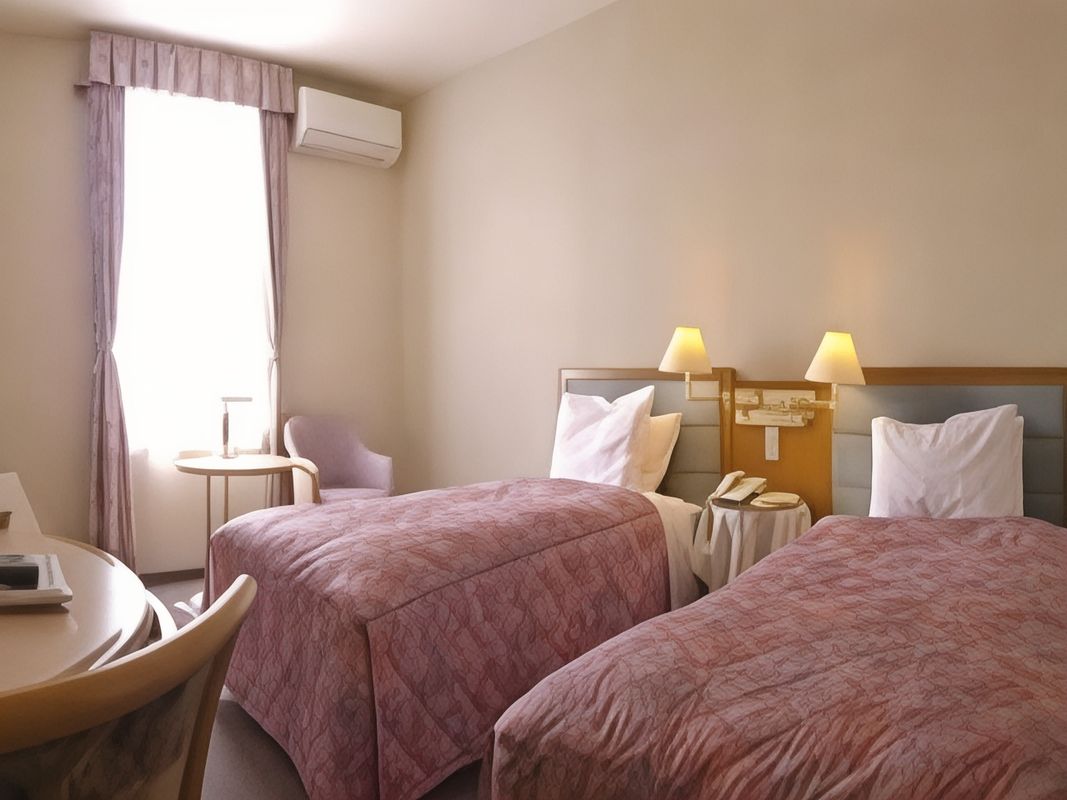
Hotel Amuse Tomioka
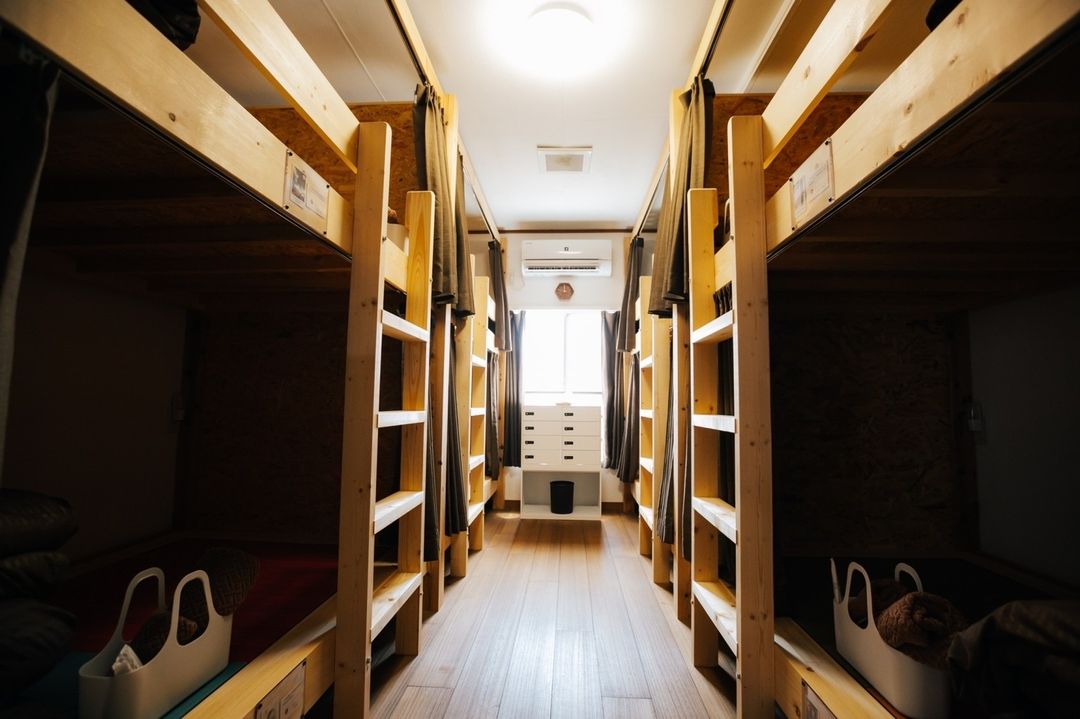
Shuzo Travel Back in Time at the World Heritage
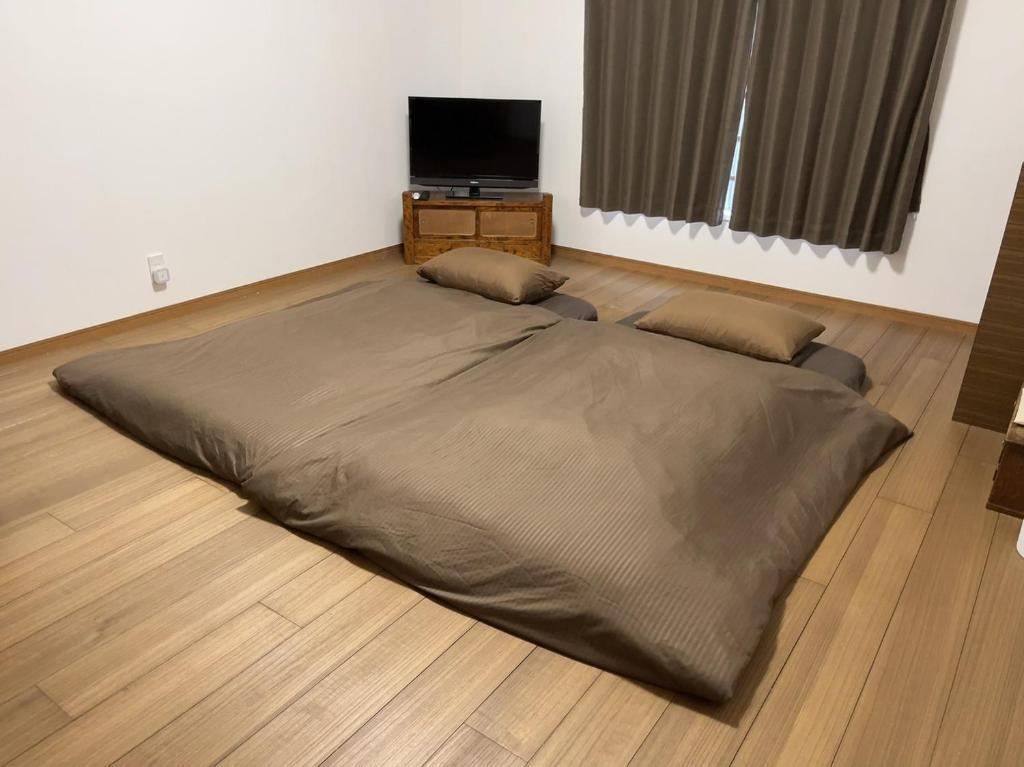
Morizo
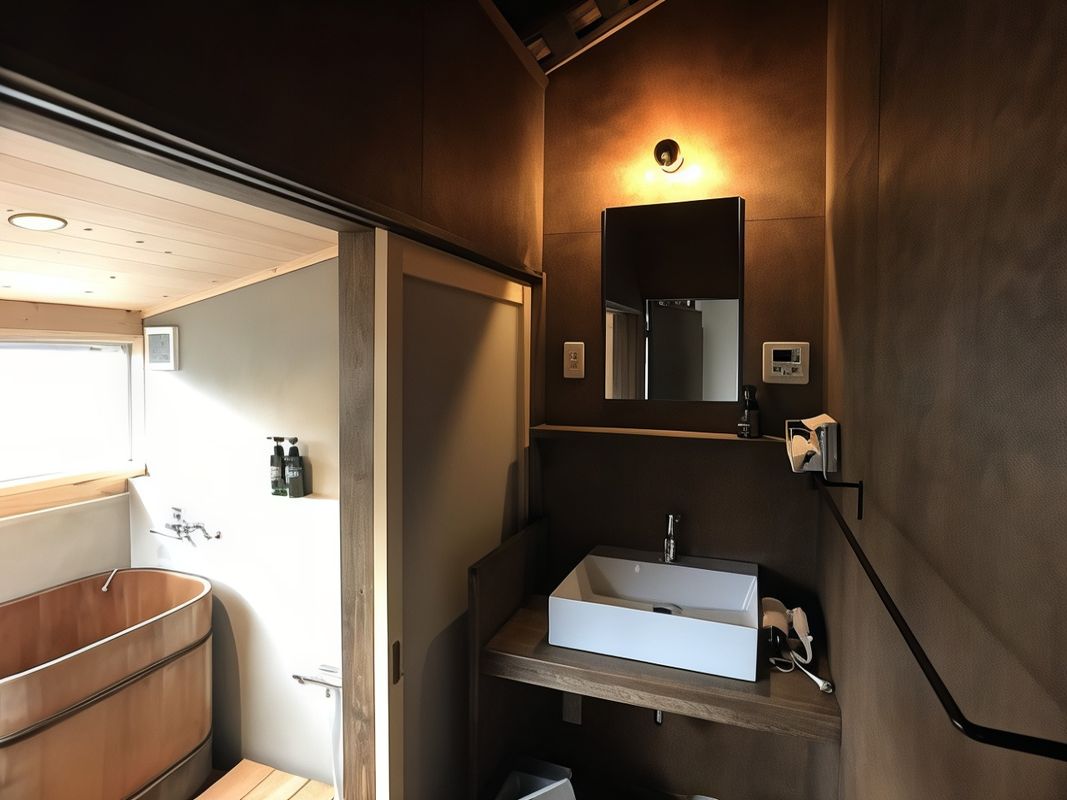
Mabushi-ya
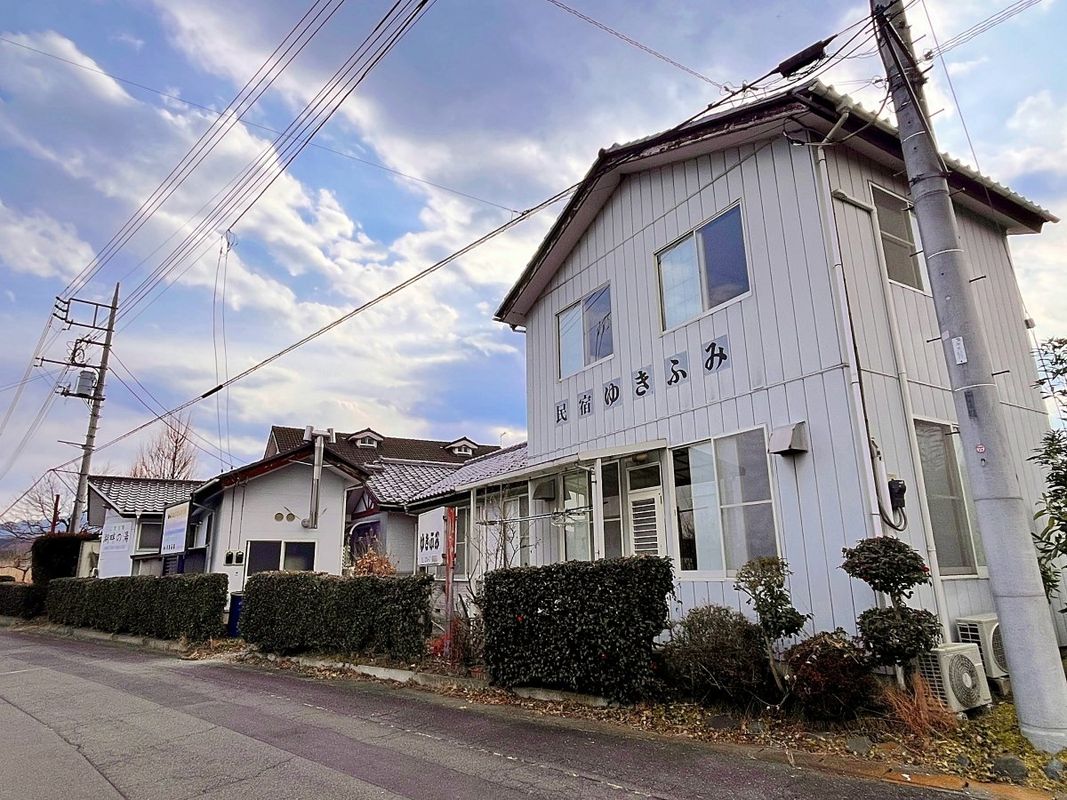
MirabelleYukifumi
Best Hotels in Tomioka
Discover curated hotel collections in Tomioka
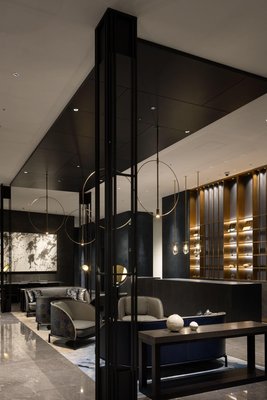
Bellustar Tokyo, A Pan Pacific Hotel
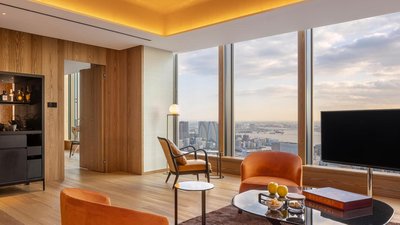
Bvlgari Hotel Tokyo
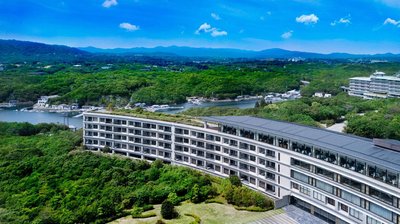
Shima Kanko Hotel the Bay Suites
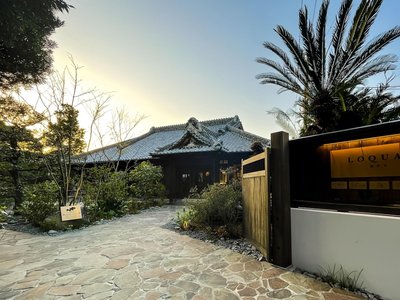
Loquat Nishiizu
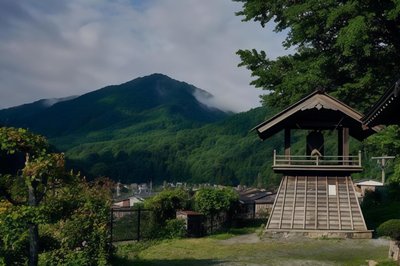
Byaku Narai
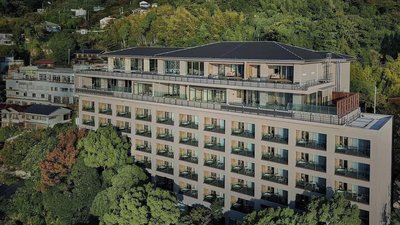
Atami Izusan Karaku
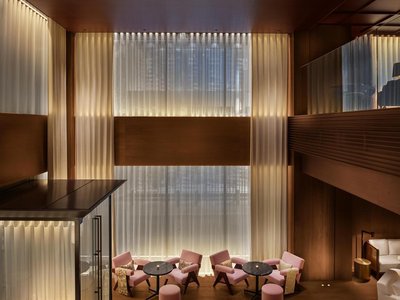
The Tokyo Edition, Ginza
Janu Tokyo
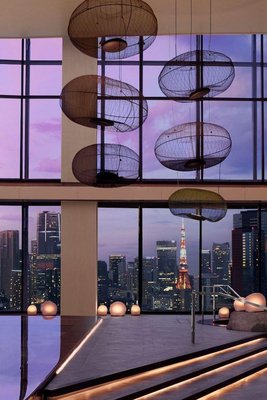
JW Marriott Hotel Tokyo
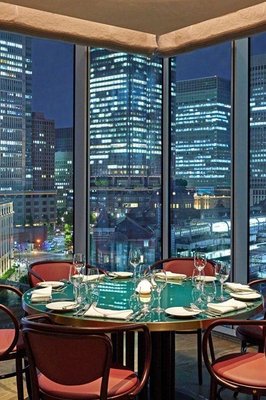
Four Seasons Hotel Tokyo at Marunouchi

Mandarin Oriental, Tokyo
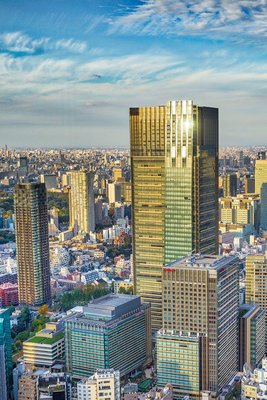
The Ritz-Carlton, Tokyo
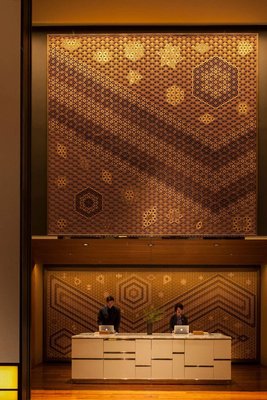
Andaz Tokyo Toranomon Hills- A Concept by Hyatt
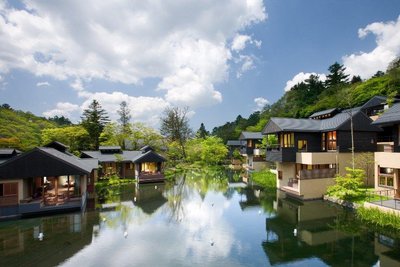
Hoshinoya Karuizawa
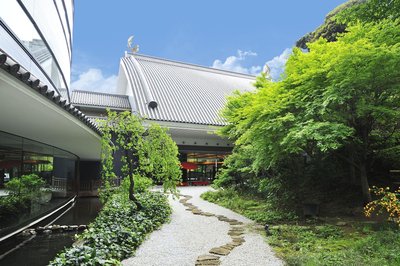
Hotel Gajoen Tokyo
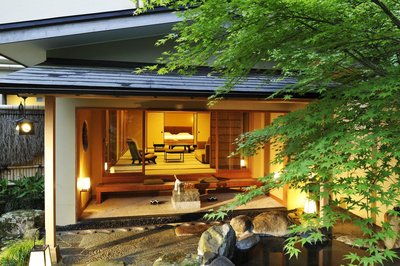
Gora Kadan
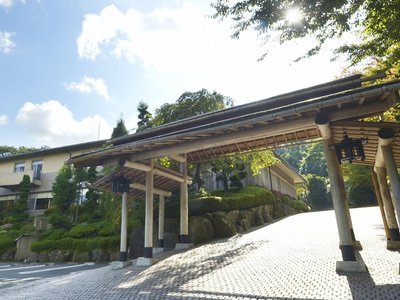
Gora Hanaougi
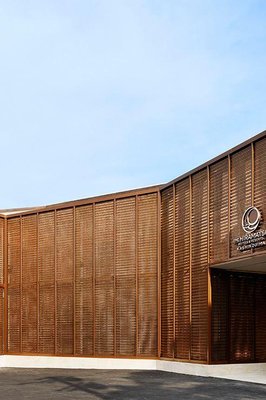
The Hiramatsu Hotels & Resorts Kashikojima
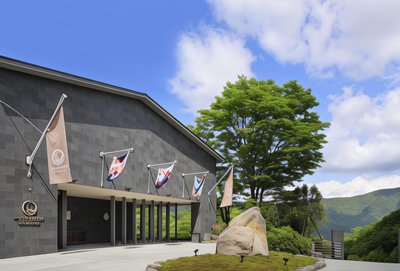
The Hiramatsu Hotels & Resorts Sengokuhara Hakone
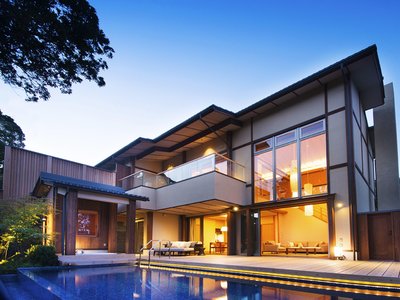
Abba Resorts Izu - Zagyosoh
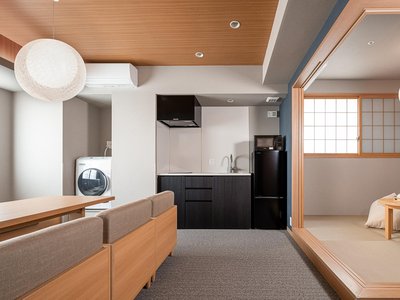
MIMARU SUITES Tokyo Asakusa
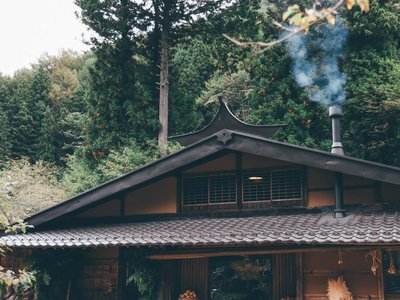
La Terra Resort
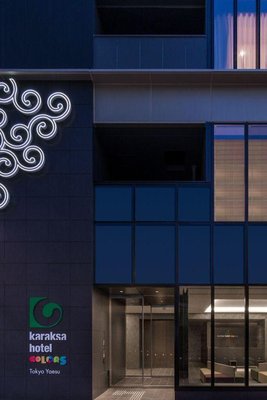
karaksa hotel colors Tokyo Yaesu
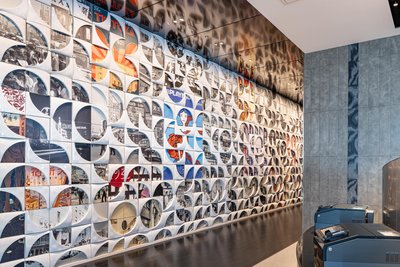
HOTEL GROOVE SHINJUKU, A PARKROYAL Hotel
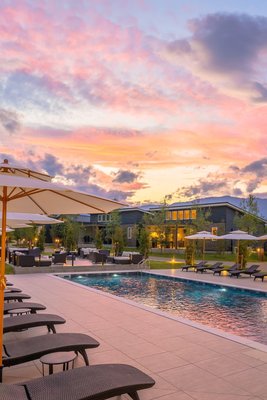
Awaumi Fujikawaguchiko Resort
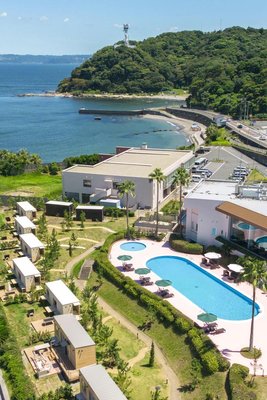
La vista Yokosuka Kannonzaki Terrace
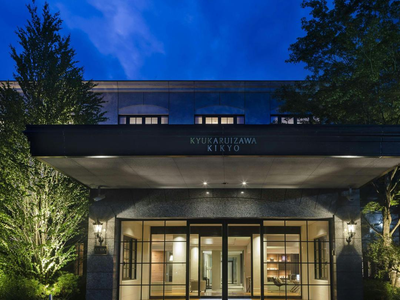
Fufu Karuizawa Wind of Sunshine
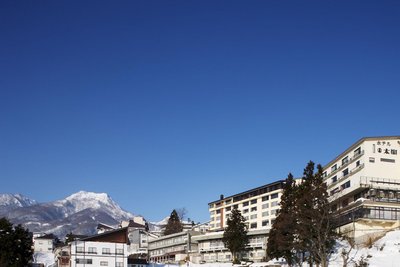
Hotel Taiko, Akakura Onsen
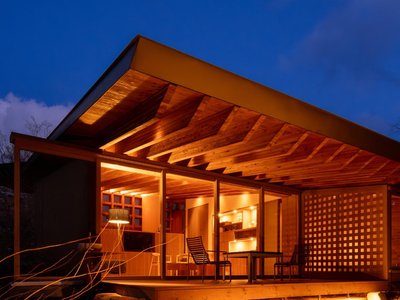
Nasu Mukunone
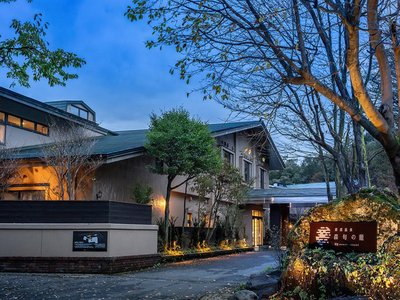
Nasu Onsen Shinshun no Kago Hewitt Resort

Scapes the Suite
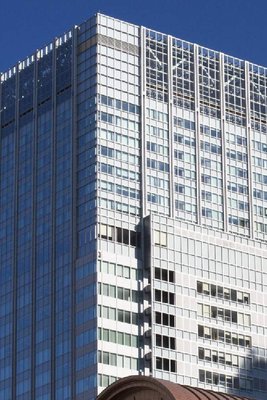
Hotel Metropolitan Tokyo Marunouchi
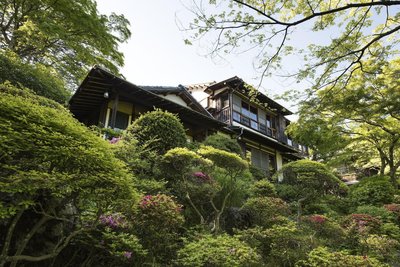
Gora Kansuiro
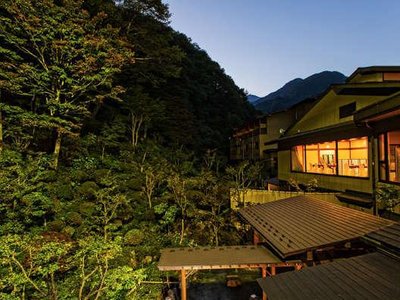
Futari Shizuka
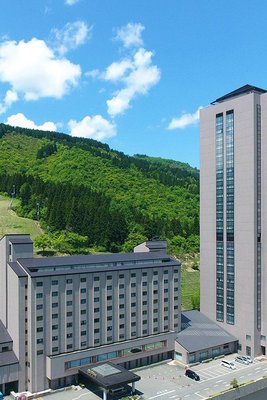
Naspa New Otani
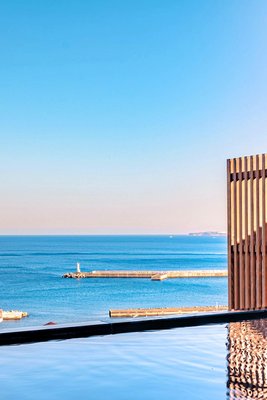
HOTEL KANICHI
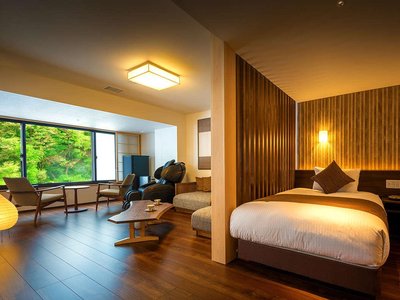
Harataki
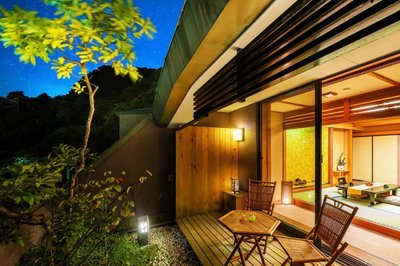
Konjakutei
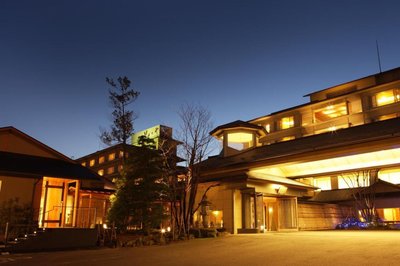
Yumotoya
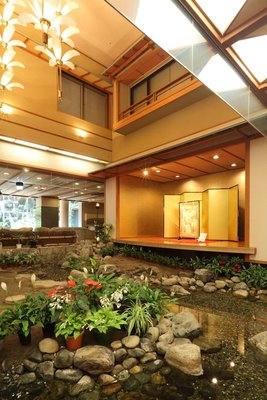
Hotel Futaba
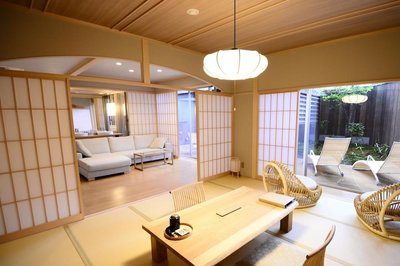
Hakone Gora Byakudan
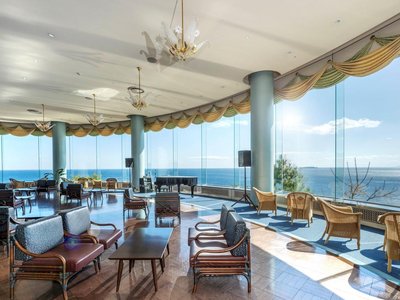
Hotel New Akao
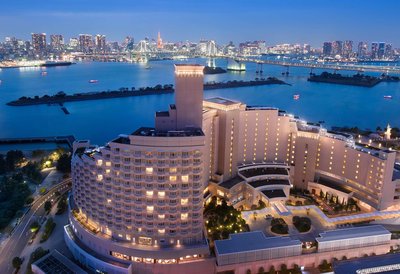
Hilton Tokyo Odaiba
JW Marriott Hotel Tokyo
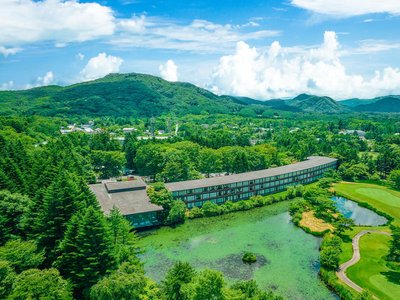
The Prince Karuizawa
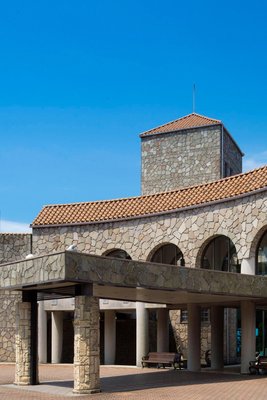
Izumigo Hotel Altia Toba
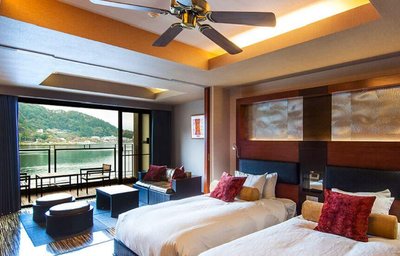
The Kukuna
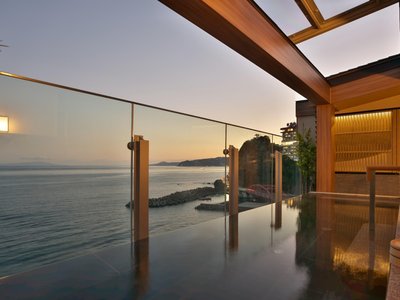
Hotel New Sagamiya
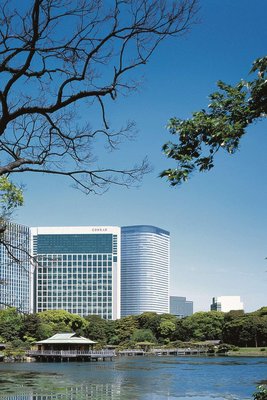
Conrad Tokyo
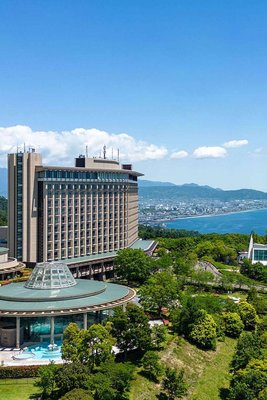
Hilton Odawara Resort & Spa
Hoshinoya Karuizawa
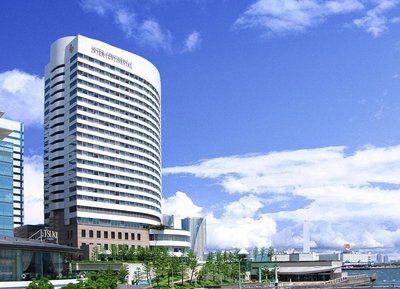
InterContinental Tokyo Bay
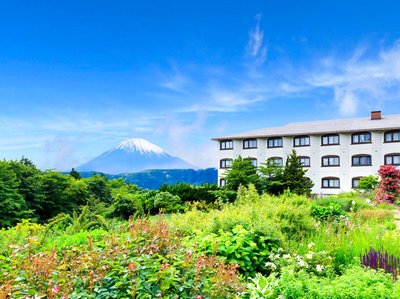
Hotel Green Plaza Hakone
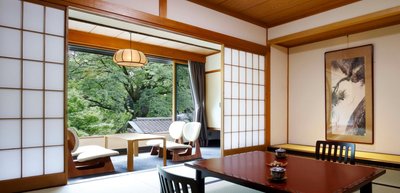
Yoshiike Ryokan
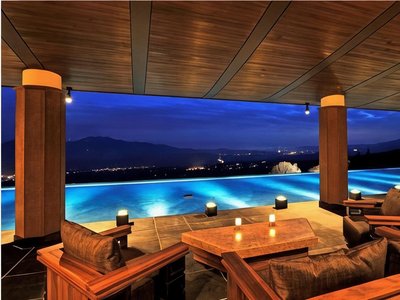
Akakura Kanko Hotel
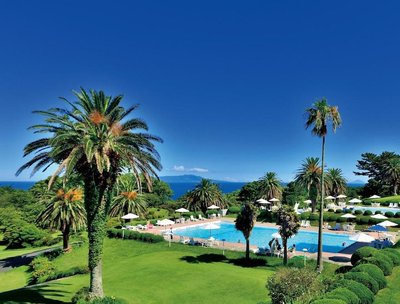
Kawana Hotel
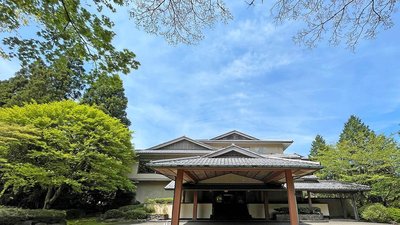
Ryuguden
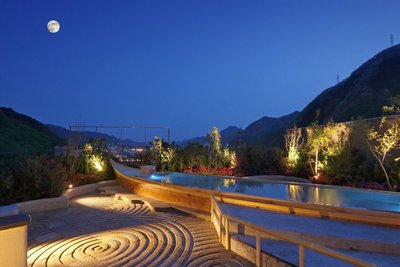
Asaya
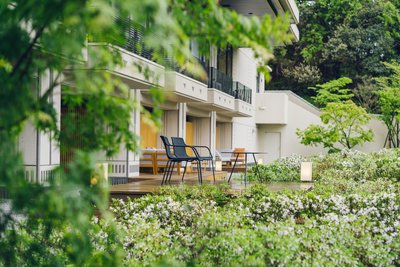
Hoshino Resorts Kai Enshu
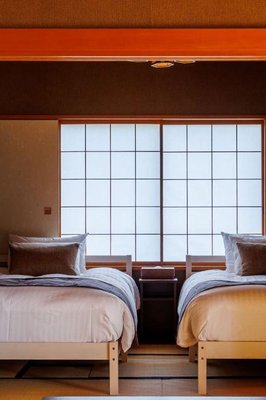
Sado Resort Hotel Azuma
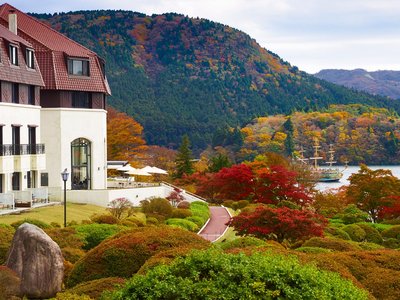
Hotakajyo
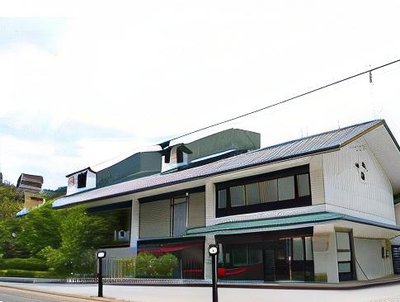
Auberge Suzukane

Onyado Nono Asakusa Bettei Hot Spring
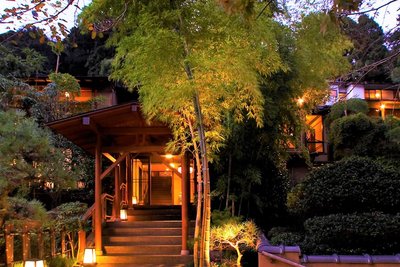
Shiki wo Ajiwau Yado Yamano Chaya
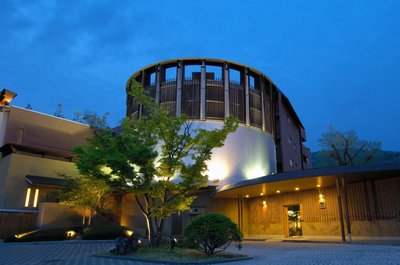
Hoshino Resorts Kai Matsumoto
Konjakutei
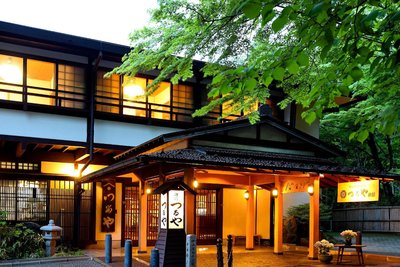
Tsuruya Ryokan
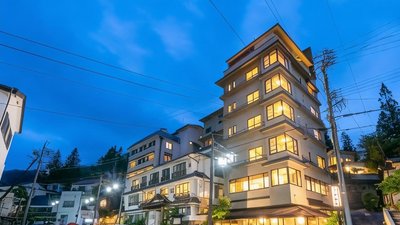
Nakamatsuya Ryokan
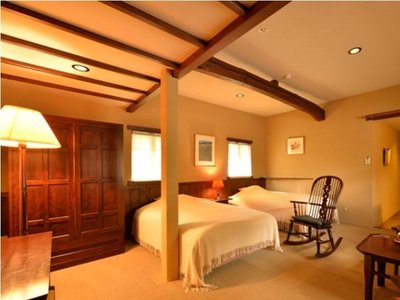
Ryokan Sugimoto
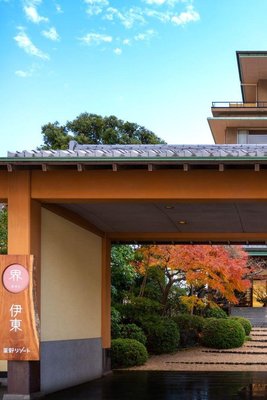
Hoshino Resorts Kai Ito
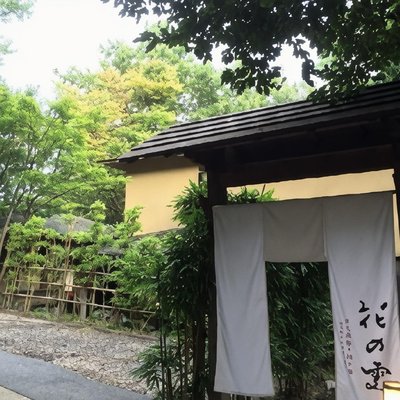
Hana No Kumo
Yoshiike Ryokan
Hotel Gajoen Tokyo
Gora Hanaougi
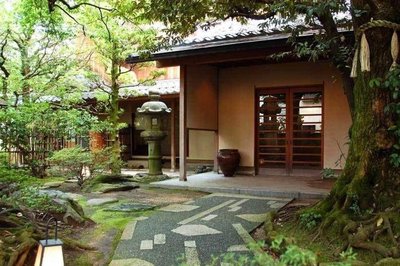
Kocho
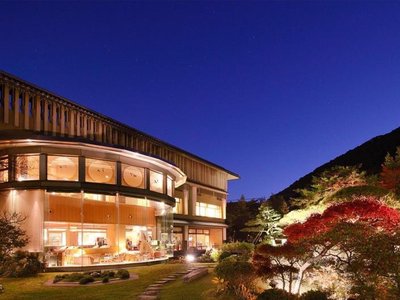
Shikisai Ichiriki
Sado Resort Hotel Azuma
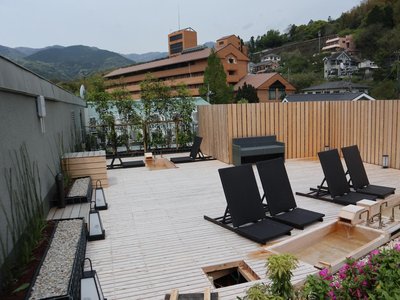
Fukiya Ryokan
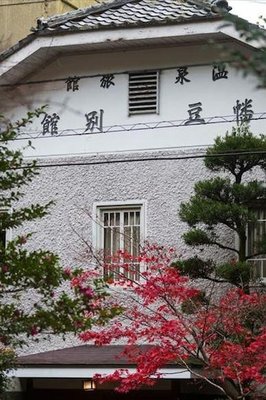
Oku-Mikawa・Yuya Onsen HAZU Bekkan
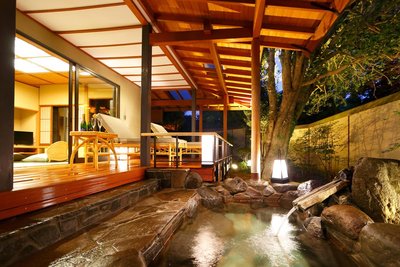
Yoshiharu Ryokan – Izu Nagaoka Onsen
Bellustar Tokyo, A Pan Pacific Hotel
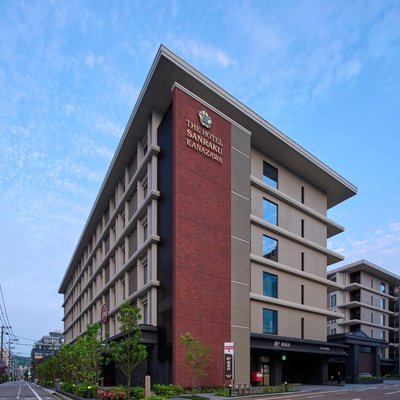
The Hotel Sanraku Kanazawa 21th December 2022 Open
JW Marriott Hotel Tokyo
Andaz Tokyo Toranomon Hills- A Concept by Hyatt
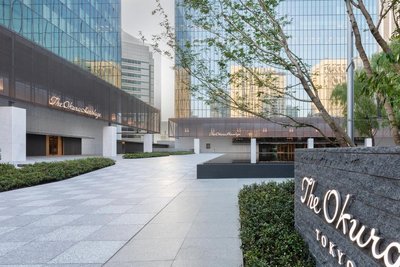
The Okura Tokyo
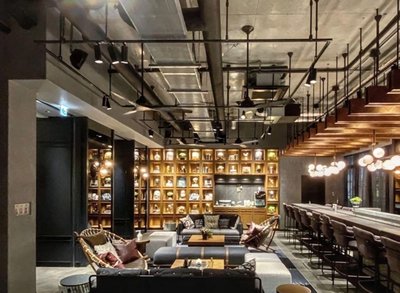
The Lively Azabujuban Tokyo
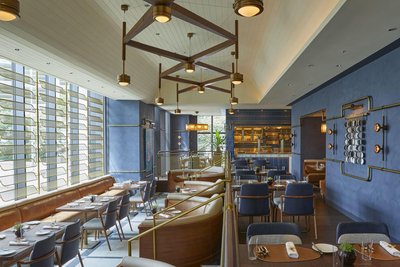
Kimpton Shinjuku Tokyo

HOTEL K5
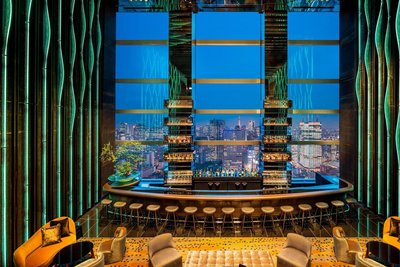
The Prince Gallery Tokyo Kioicho, a Luxury Collection Hotel
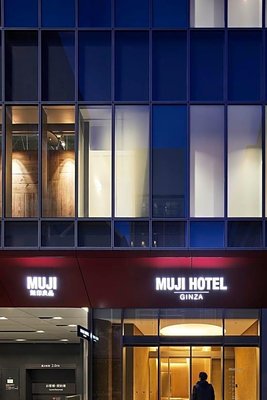
Muji Hotel Ginza
Hakone Gora Byakudan
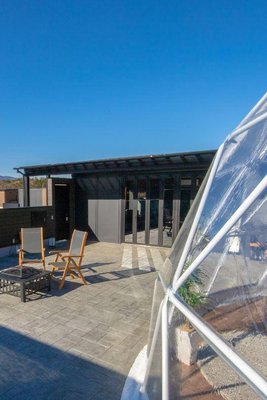
Panoramic Mt. Fuji Views from All Rooms – Vision Glamping Resort & Spa Yamanakako
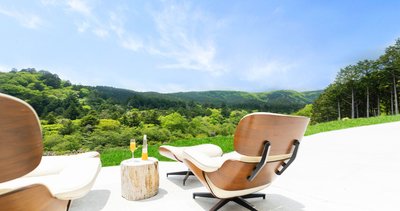
Shelter Garden Nikko
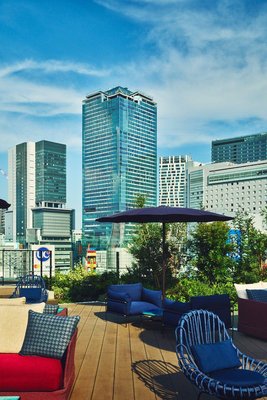
Hotel Indigo Tokyo Shibuya
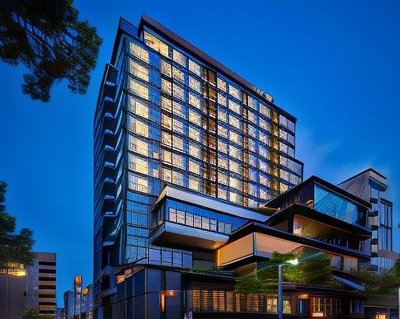
TIAD, AUTOGRAPH COLLECTION
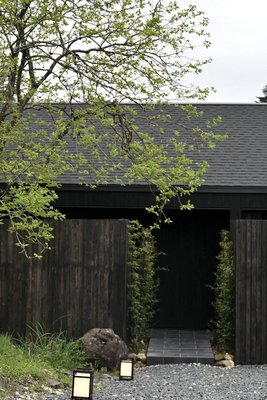
THE LAKOTAN
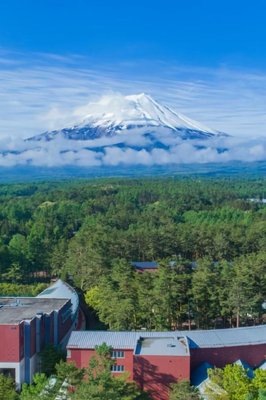
Forest Village (Fuji Premium Resort)
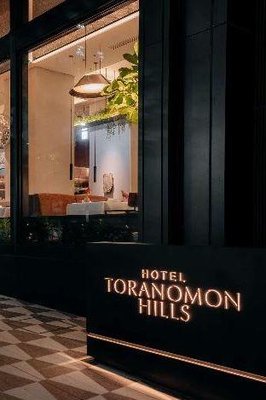
Hotel Toranomon Hills
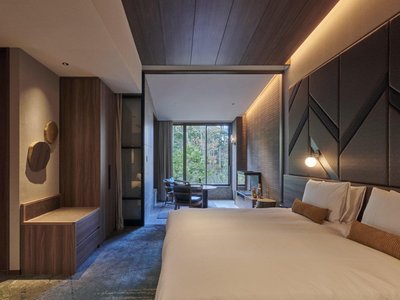
Fufu Kyu-Karuizawa Restful Forest
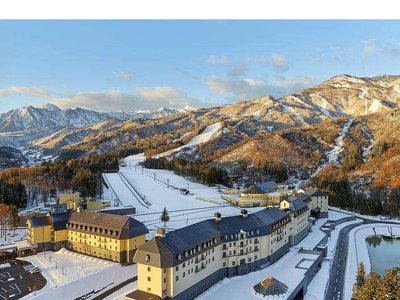
Lotte Arai Resort
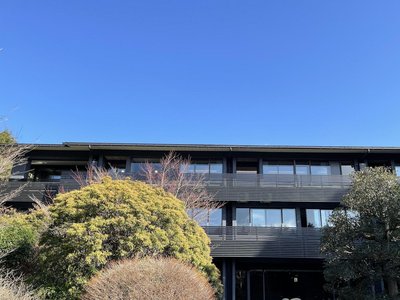
Sengokubara Cocon
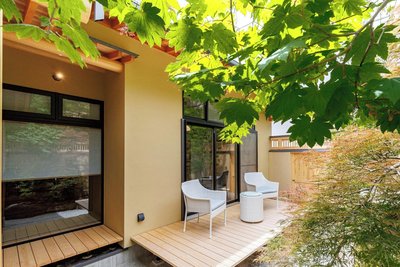
Shoraiso
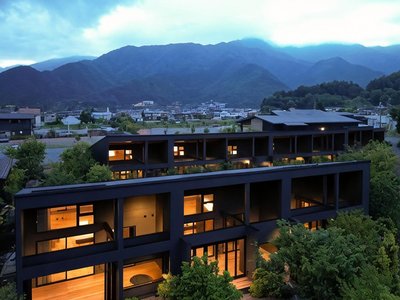
7C Villa and Winery
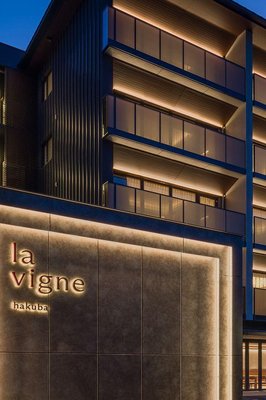
Hotel la Vigne Hakuba by Onko Chishin
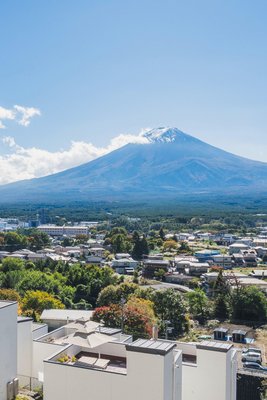
THE TOKI FujiKawaguchiko
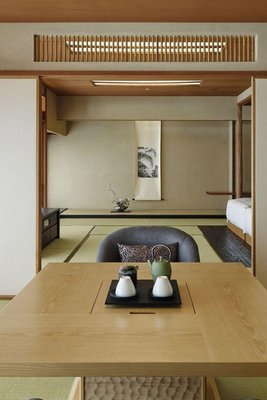
Takanawa Hanakohro (in Grand Prince Hotel Takanawa)
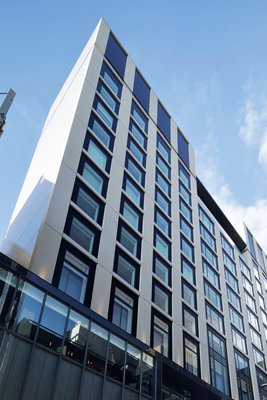
Hyatt Centric Ginza Tokyo
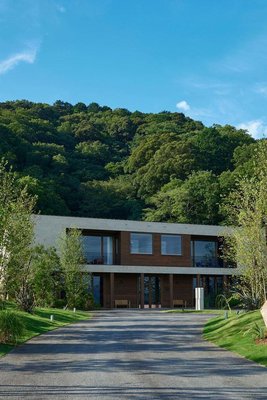
HACIENDA VISON
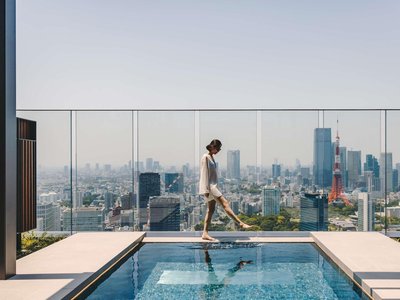
Fairmont Tokyo
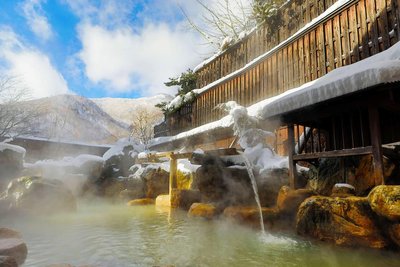
Miyamaouanbekkan yumegurinoyado hirayukan
Bvlgari Hotel Tokyo
Four Seasons Hotel Tokyo at Marunouchi
Mandarin Oriental, Tokyo
The Ritz-Carlton, Tokyo
Andaz Tokyo Toranomon Hills- A Concept by Hyatt
Gora Kadan
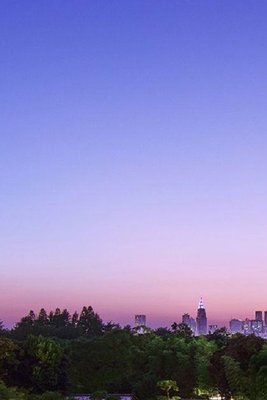
Hotel New Otani Tokyo the Main
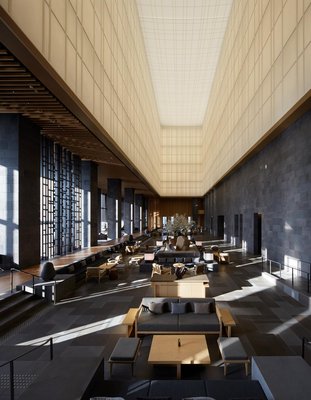
Aman Tokyo
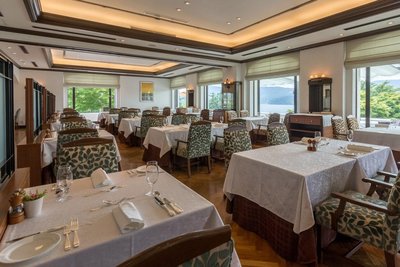
Odakyu Hotel de Yama
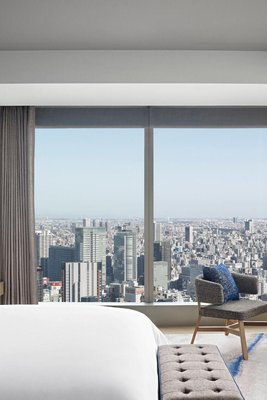
Four Seasons Hotel Tokyo at Otemachi
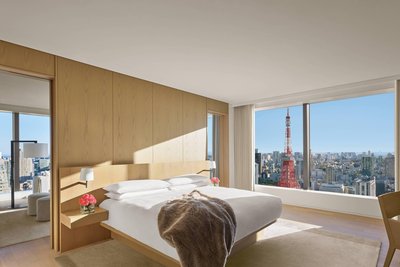
The Tokyo Edition, Toranomon
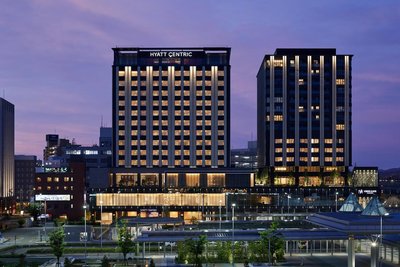
Hyatt Centric Kanazawa
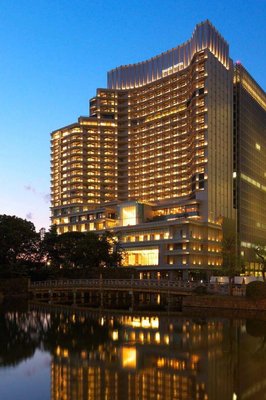
Palace Hotel Tokyo
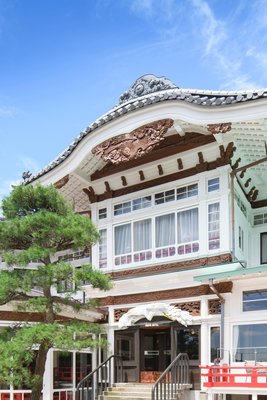
Fujiya Hotel
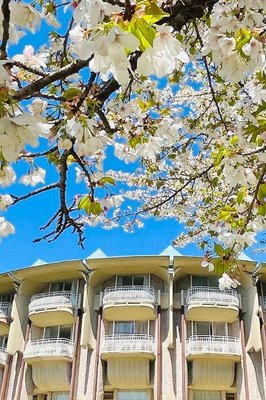
The Prince Hakone Lake Ashinoko
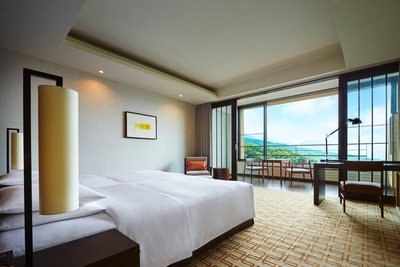
Hyatt Regency Hakone Resort and Spa
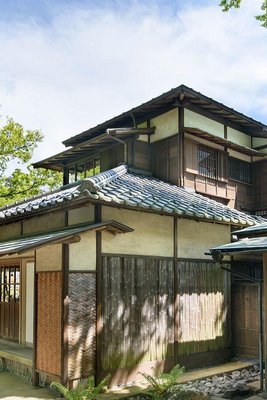
Hakone Suishoen
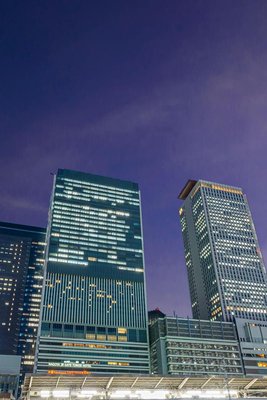
Nagoya JR Gate Tower Hotel (JR-Central Hotels)
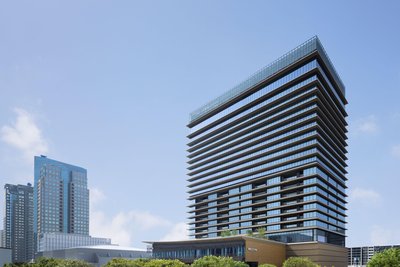
The Westin Yokohama
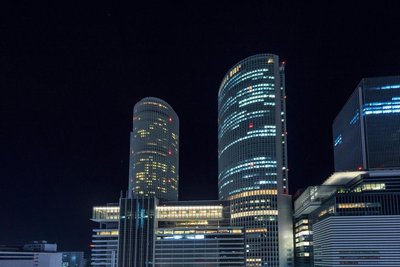
Nagoya Marriott Associa Hotel
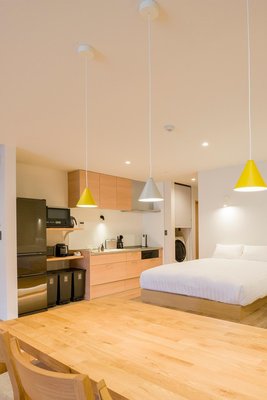
Rakuten STAY VILLA Nasu
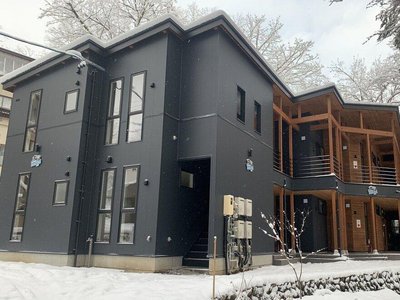
Hakuba Gondola Apartments
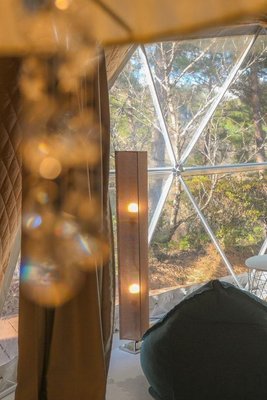
glampark Gekkabijin Nagano
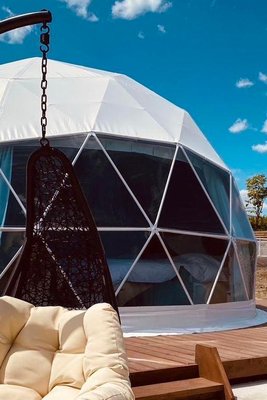
chillout glamping zao
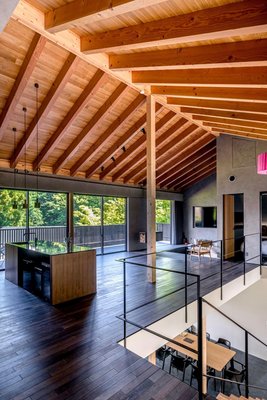
MONS GORA
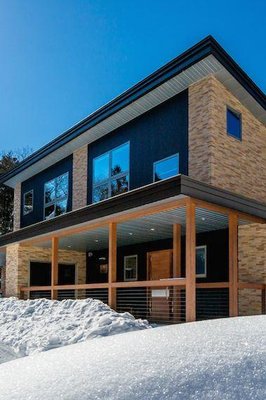
Phoenix Chalets by Hhg
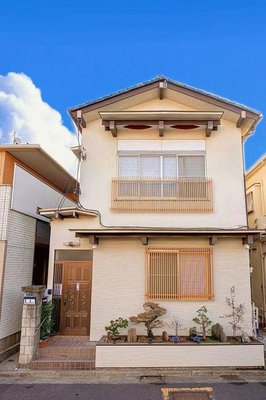
Tokyo Star House-Shinkoiwa
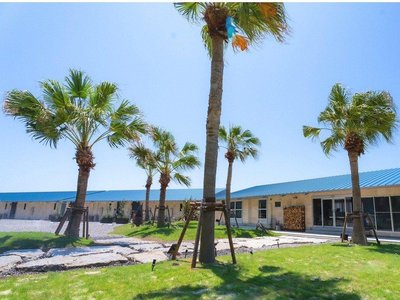
Glamping&Resort Wood Design Park Noma
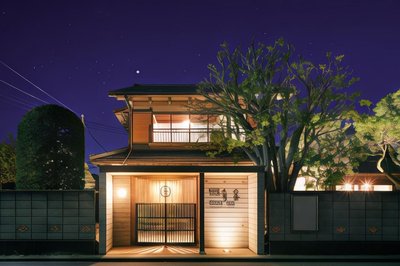
Machi-Jyu
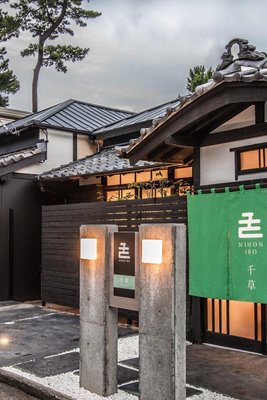
Nihon Iro
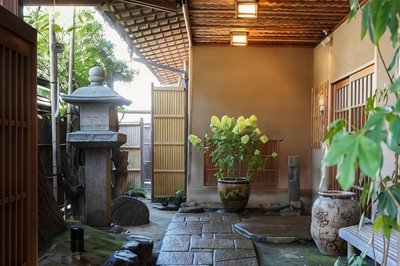
Ryokan Asadaya
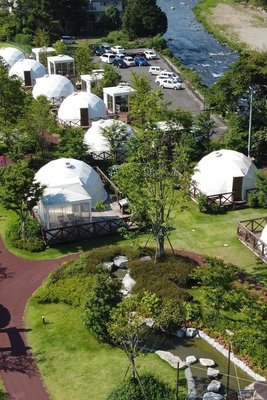
Ufufu Village
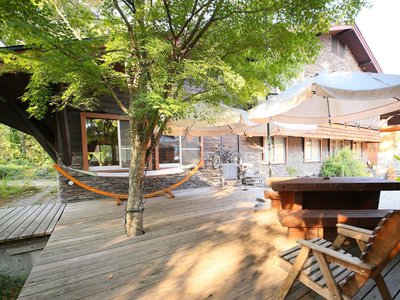
Kunugi Relaxation with 4 Modern Rooms
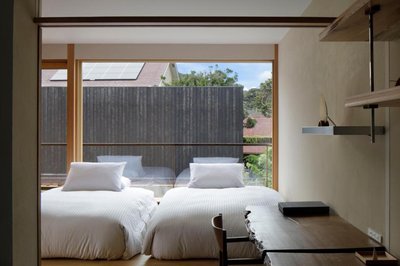
Modern Ryokan Kishi-ke
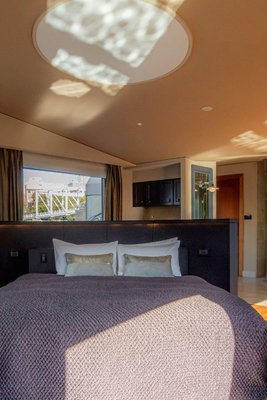
Petals Tokyo - Floating Hotel
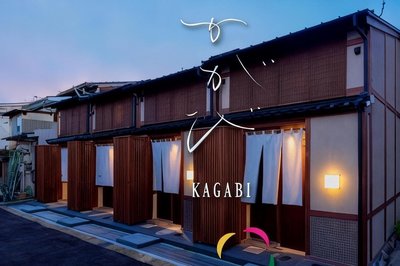
Kagabi Machiya House
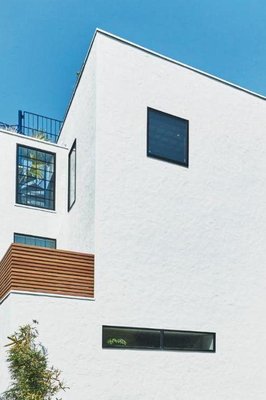
The Flow Kamakura
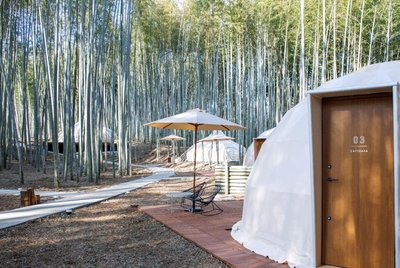
THE BAMBOO FOREST
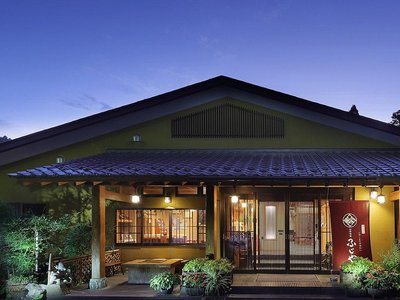
Shikimitei Fujiya
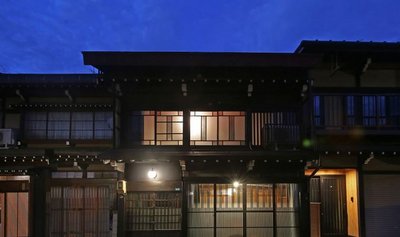
Iori Stay Hida

Hotel Barrière Fouquet's New York

The Plaza - A Fairmont Managed Hotel

The Ritz-Carlton New York, Central Park

Four Seasons Hotel New York

The St. Regis New York

Park Hyatt New York

Mandarin Oriental New York
Times Square Edition New York

Loews Regency New York Hotel
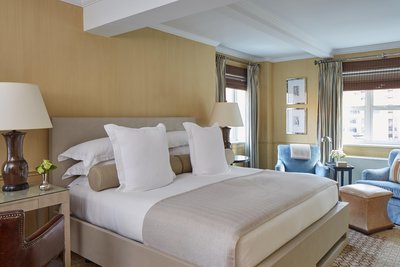
Lowell Hotel
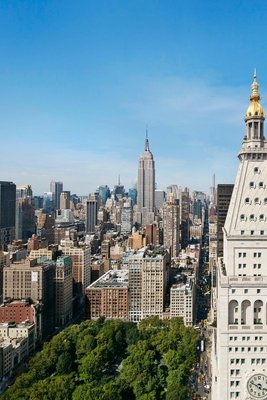
New York Edition
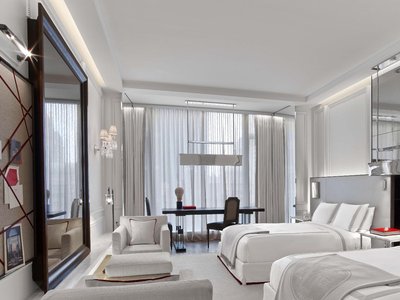
Baccarat Hotel New York
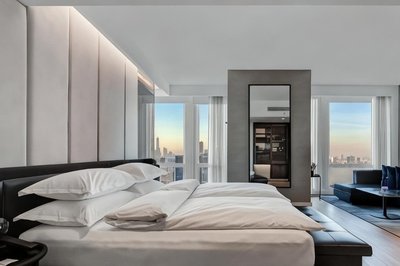
Equinox Hotel New York

Four Seasons Hotel New York Downtown
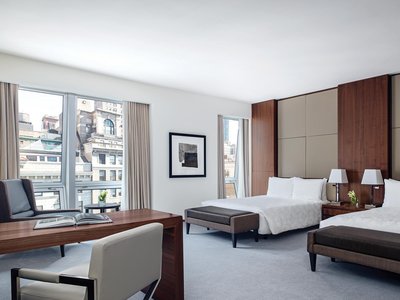
The Langham, New York, Fifth Avenue

The Carlyle, A Rosewood Hotel

The Chatwal, in the Unbound Collection by Hyatt
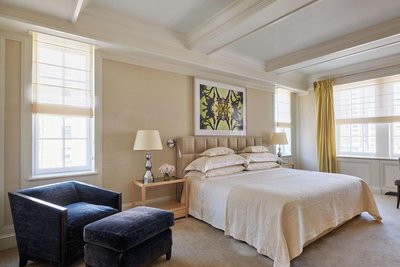
The Mark New York
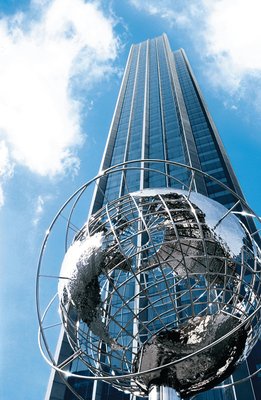
Trump International Hotel & Tower® New York
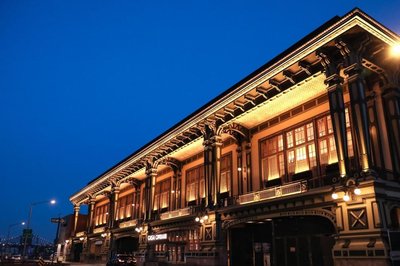
Casa Cipriani New York
Frequently Asked Questions about Traveling to Tomioka
Questions You Might Need to Know About Traveling to Tomioka
In Fukagawa City, the best-rated hotels offering cultural immersion are Maruyama Sō and Fukagawa Prefectural Tourism Hall. Maruyama Sō is a boutique ryokan located near the World Heritage-designated Fukagawa Silk Mill, where guests can stay in traditional tatami rooms with wooden beams and participate in hands-on silk-weaving workshops using vintage looms.
The hotel also hosts seasonal events like the Silk Festival, featuring kimono parades, tea ceremonies, and local craft markets. Fukagawa Tourism Hall offers modern yet authentic accommodations with free Wi-Fi and access to guided tours of the silk factory, making it ideal for families and history enthusiasts.
Both properties emphasize sustainability and local heritage, incorporating materials from nearby farms and promoting eco-tourism. Their proximity to the Takaragawa River allows for evening strolls under illuminated lanterns—a highlight for photography and relaxation. Reservations are recommended, especially during cherry blossom season (late March to early April) when visitor demand spikes.
The best area for quiet, nature-focused stays in Fukagawa City is the eastern hillside region, particularly around Mount Takanosu and the Takaragawa Riverside Trail. This serene zone features small family-run farmstays and eco-lodges nestled among rice fields and forested slopes, offering peaceful retreats away from urban noise.
Guests at properties like Hinata Farm Stay or Sato no Yado enjoy panoramic views of the valley, morning mist over the river, and direct access to hiking paths leading to hidden waterfalls and observation decks. Many lodges provide organic breakfasts made from on-site produce, including fresh eggs, vegetables, and locally grown rice.
This area is perfect for birdwatching, stargazing, and meditation practices. The lack of nightlife ensures deep rest, while nearby facilities such as the Fukagawa Silk Museum and Takaragawa Bridge offer gentle cultural enrichment without disrupting tranquility. Ideal for digital detoxers and wellness seekers, this district balances solitude with meaningful connection to nature and tradition.
Visitors to Fukagawa City can enjoy several unique cultural experiences centered on its legacy as Japan’s first modern silk factory. The most iconic activity is participating in a hands-on silk weaving workshop at the Fukagawa Silk Mill World Heritage Site, where guests learn to operate historic looms used during the Meiji era.
Another highlight is attending the Fukagawa Silk Festival, held annually in autumn, which features traditional processions in period costumes, live demonstrations of sericulture (silkworm farming), and exhibitions of antique textiles. Children can join interactive storytelling sessions that bring the city’s industrial past to life.
During winter, locals host the Snow Lantern Festival, illuminating the Takaragawa Riverbanks with handcrafted paper lanterns shaped like cocoons and silkworms—an artistic tribute to the city’s roots. These events are deeply rooted in community spirit and often include meals prepared with local ingredients, such as "Fukagawa Sea Bream Rice Bowl," a regional specialty.
Tourists visiting Fukagawa City should try several signature local dishes that reflect the region’s agricultural and industrial heritage. The must-try dish is Fukagawa Tai Rice Bowl—a savory combination of fresh sea bream, locally grown rice, and dashi broth, served warm in a traditional lacquer bowl.
Another unique treat is Mulberry Leaf Mochi, a sweet confection made with extract from mulberry leaves (used in silkworm farming), giving it a subtle earthy flavor and green hue. It’s often sold at the Fukagawa Market Street stalls and by artisanal shops near the Silk Mill.
For a more rustic experience, sample Yamazaki Vegetable Stew, a hearty pot of root vegetables, bamboo shoots, and wild mushrooms simmered in soy-based broth, typically served at farm stays. During festivals, you’ll also find Weaving Pattern Manju, mooncakes shaped like traditional textile patterns, filled with red bean paste or chestnut jam—perfect souvenirs.
All these foods are available at roadside stands, local restaurants, and guesthouse breakfast menus, offering an authentic taste of Fukagawa’s identity.
Yes, Fukagawa City is highly suitable for family-friendly travel, thanks to its safe environment, accessible attractions, and educational activities tailored for children. The Fukagawa Silk Mill World Heritage Site offers a dedicated children’s tour with animated videos, touchable exhibits, and a mini loom they can operate themselves—making industrial history engaging and fun.
Family-friendly accommodations like Maruyama Sō and Fukagawa Tourism Hall provide child-sized yukatas, storybooks in English, and supervised crafting sessions such as making paper umbrellas or weaving small mats. Outdoor spaces like the Takaragawa Greenway feature shaded pathways, picnic areas, and observation platforms ideal for kids.
Seasonal events enhance the family experience: the Summer Festival includes fireworks, a children’s parade, and scavenger hunts across town. In autumn, families can join the Harvest Festival, picking seasonal fruits and learning about local farming. With clear signage, multilingual guides, and ample parking, even large groups can navigate easily. A perfect destination for creating lasting memories with younger travelers.
Transportation in Fukagawa City is very convenient, especially for travelers coming from Tokyo. The city is served by the Tobu Railway Isezaki Line, with direct trains from Tokyo Station taking approximately 1 hour to reach Fukagawa Station.
From the station, a short 5-minute walk leads to the central district, and free shuttle buses connect key sites such as the Fukagawa Silk Mill, Takaragawa River, and major hotels. For those exploring independently, bike rental stations are available at the station and several lodging properties, allowing easy access to riverside trails and rural villages.
Local bus services run frequently throughout the day, linking residential neighborhoods with tourist hubs. The city also has a well-marked pedestrian network with clear signs in both Japanese and English. For drivers, there are large public parking lots near the station and museum complex. Overall, the transport system is efficient, low-stress, and designed with tourists in mind—ideal for seamless exploration.
The best photo spots in Fukagawa City include:
-
Fukagawa Silk Mill Old Factory Complex: Its red-brick architecture, steam engines, and vintage machinery create a striking industrial backdrop, especially during golden hour.
-
Takaragawa River Night Illumination: Thousands of paper lanterns float along the riverbank each evening, casting soft reflections and creating dreamlike scenes—perfect for long-exposure shots.
-
Silk Culture Garden: A tranquil courtyard blending Zen rock gardens with sculpted looms and cherry blossoms, ideal for portrait photography with historical ambiance.
-
Fukagawa Station Rooftop View Deck: Offers panoramic views of the city and surrounding mountains, great for sunrise or sunset compositions.
-
Cherry Blossom Avenue (Central Street): Lined with Yoshino cherry trees, this path turns into a pink tunnel during late March, framed beautifully by old-style shop fronts.
Use wide-angle lenses for architectural shots and polarizing filters to reduce glare on water surfaces. Early morning or twilight hours yield the most dramatic lighting, enhancing the city’s poetic atmosphere.
Accommodation prices in Fukagawa City vary based on type and season:
-
Budget lodgings: ¥4,000–¥6,000 per night; options include Fukagawa Tourism Hall and small family guesthouses offering basic but clean rooms with shared bathrooms.
-
Mid-range ryokans: ¥8,000–¥12,000 per night; properties like Maruyama Sō provide tatami rooms, private baths, and included breakfast with local cuisine.
-
Premium experiences: ¥15,000+ per night; luxury farm stays or themed suites with private gardens, silk-making workshops, and personalized service.
Prices rise 20–30% during peak seasons (cherry blossom season, autumn festivals). Many hotels offer bundled packages—such as accommodation + workshop + dinner—for better value. Overall, Fukagawa offers excellent affordability for high-quality cultural stays, making it one of Japan’s most cost-effective destinations for immersive travel.
Yes, Fukagawa City is excellent for a quick getaway, whether it’s a single-day trip or a two-night weekend escape. Just 1 hour from Tokyo by train, it offers a full cultural and natural experience without long commutes.
A suggested itinerary:
-
Morning: Arrive at Fukagawa Station, visit the Fukagawa Silk Mill (1.5 hours).
-
Lunch: Enjoy a meal at a local restaurant featuring Fukagawa Tai Rice Bowl.
-
Afternoon: Take a guided walking tour along the Takaragawa River or join a 30-minute silk weaving workshop.
-
Evening: Attend the Night Illumination Festival and relax at a riverside café.
All major attractions are within a 3-kilometer radius, easily reachable on foot or by rental bicycle. The compact layout and minimal traffic make it stress-free for short visits. Perfect for urban dwellers seeking a peaceful, meaningful break without leaving the region—ideal for couples, solo travelers, or friends looking to recharge.
Each season in Fukagawa City brings distinct charm:
-
Spring (March–May): Cherry blossoms bloom along Central Street and the Takaragawa River, creating a pink canopy. The Silk Festival kicks off with vibrant parades and cultural performances.
-
Summer (June–August): Warm days are perfect for outdoor adventures. The Summer Festival features fireworks, open-air concerts, and riverside BBQs. Evening light shows transform the river into a glowing ribbon.
-
Autumn (September–November): Cool weather enhances scenic beauty—golden rice fields, maple forests, and crisp air. The Harvest Festival invites visitors to pick seasonal fruits and sample fresh produce.
-
Winter (December–February): Snow blankets the hills, turning the city into a serene white landscape. The Snow Lantern Festival lights up the riverbanks with handmade cocoons and silkworm motifs, symbolizing renewal.
With seasonal events tied to agriculture and industry, Fukagawa offers year-round appeal. Whether chasing blooms or embracing winter stillness, every visit reveals something new.
Tomioka Overview
City Summary
Tomioka City in Gunma Prefecture is famed as the birthplace of Japan's modern silk industry, with the UNESCO-listed Tomioka Silk Mill at its heart. Surrounded by Mount Akagi and Mount Haruna, it blends industrial heritage with hot spring resorts and volcanic landscapes, offering both cultural depth and natural retreats.
Must-See Attractions
The must-see 【Tomioka Silk Mill】 showcases Meiji-era industrial architecture with immersive exhibits. Adventurers can hike the bizarre rock formations of 【Mt. Myogi】, while art lovers visit 【Tomioka City Museum of Art】. Unwind at sulphurous 【Tomioka Onsen】 with night illumination.
Food Guide
Try Gunma's signature 【Yaki Manju】 (grilled bean-jam buns) or slippery 【Mizusawa Udon】 noodles with raw egg. In winter, savor wild boar hot pot 【Botan Nabe】. Dessert lovers shouldn't miss silk-themed 【Kinudango】 rice dumplings, a nod to local history.
Transportation Guide
From Tokyo, take JR Joetsu Shinkansen to Takasaki (50mins), transfer to Joshin Railway to Tomioka Station (30mins). Walking suffices for downtown sights, but renting a car (from ¥5,000/day) is wise for Mt.Myogi. The Silk Mill offers bike rentals (¥500/day) for historical district exploration.
Best Time to Visit
April-May (cherry blossoms) and October-November (autumn foliage) are ideal. Avoid humid rainy season (July-August). Weekdays visit to the Silk Mill dodges student group crowds.
Travel Tips
- Book English guides for Tomioka Silk Mill in advance
- Hot springs often prohibit tattoos (bring coverings)
- Mountain roads may ice over in winter - consider snow tires
- Most restaurants close 3-5pm between meals
- Strict garbage separation (burnable/non-burnable)
- Cash-only policies common in traditional establishments
Useful Information
Limited free WiFi - prepaid SIM cards recommended (sold at airports/BIC CAMERA). English support is sparse; translation apps helpful. For emergencies, Tomioka Municipal Hospital (Gunma University affiliate) handles 24/7 care (+81-274-62-1295). Credit cards accepted at major venues, but carry ¥10,000+ cash for rural areas. International post services at Tomioka Post Office (9am-5pm).









