Hotels in Tonoshō
Discover your perfect stay in Tonoshō.
Tonoshō(Japan) Travel 2026: Cheap Flights, Hotels & Top Attractions
Popular Landmarks in Tonoshō
Discover the most iconic attractions in Tonoshō
Recommended Hotels in Tonoshō
Find the perfect place to stay in Tonoshō
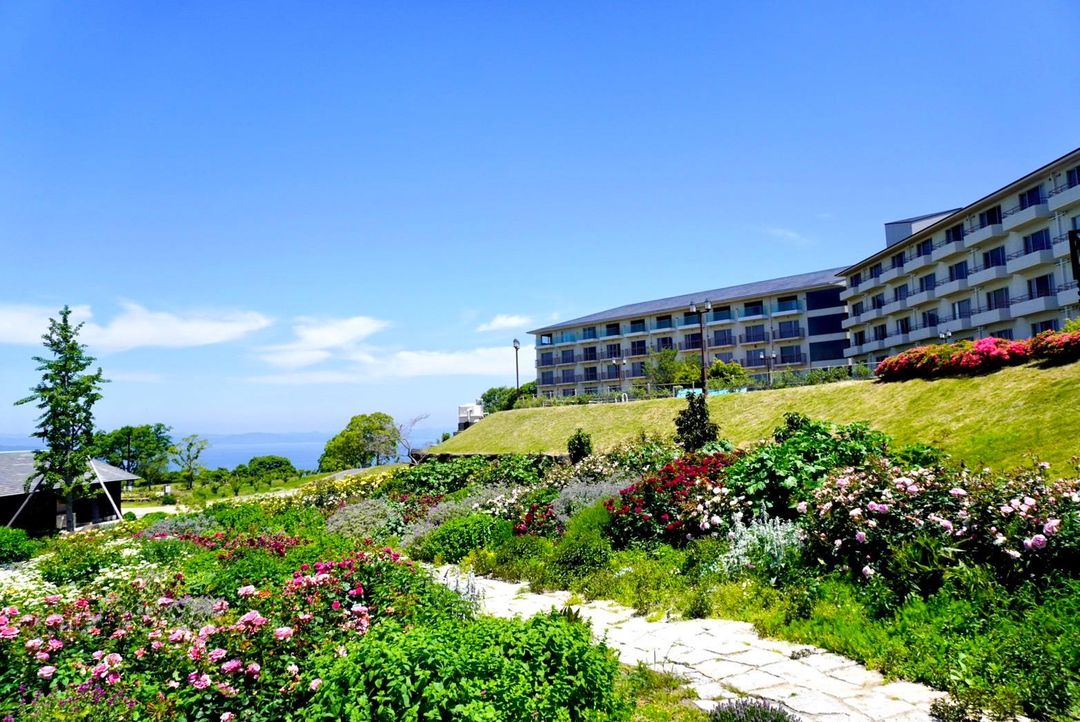
Olivean Shodoshima Yuhigaoka Hotel
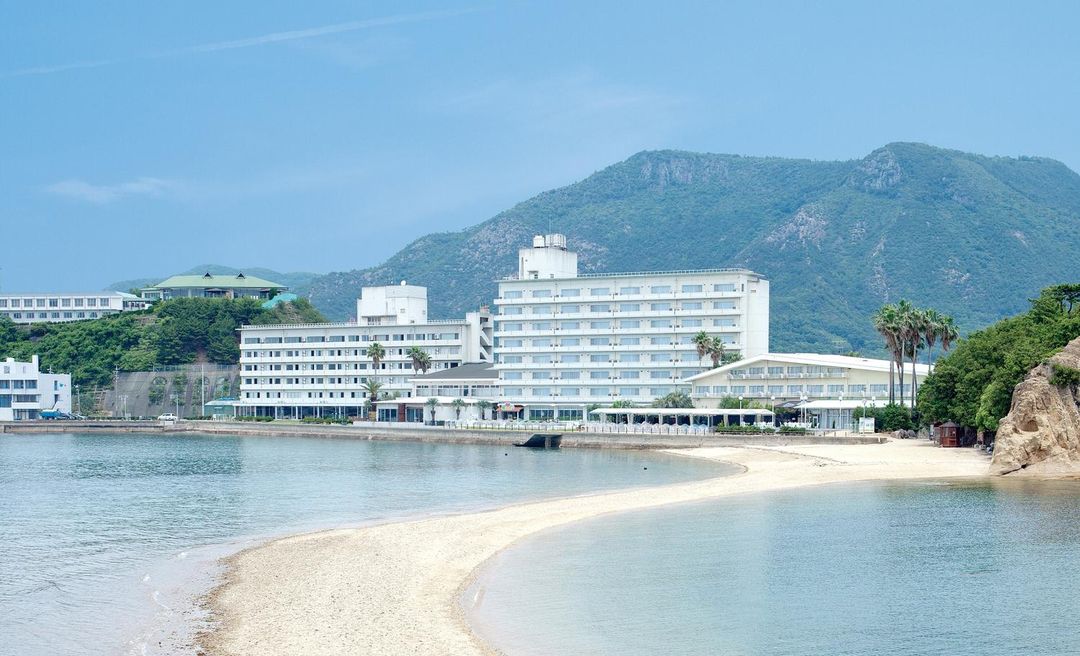
Shodoshima International Hotel
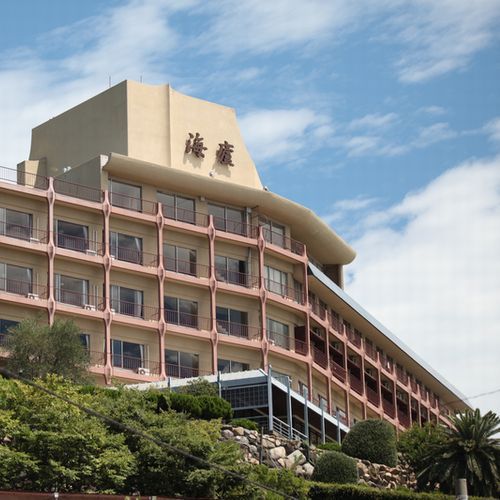
Tenku Hotel Kairo
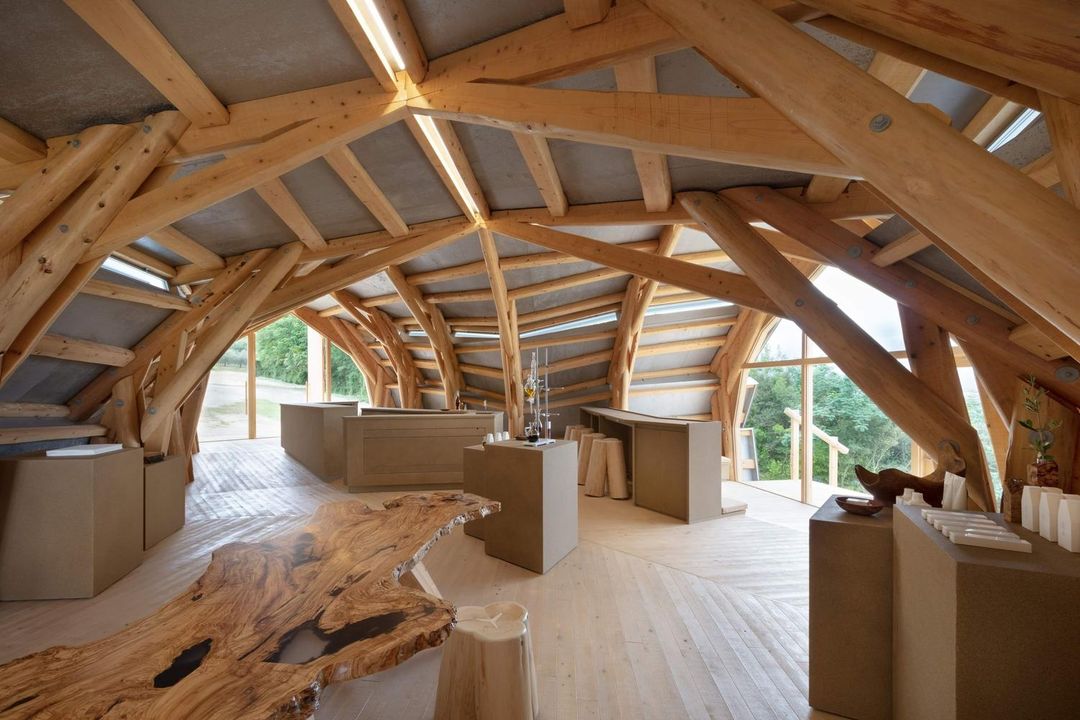
MILLENNIUM OLIVE TERRACE for your wellness The STAY
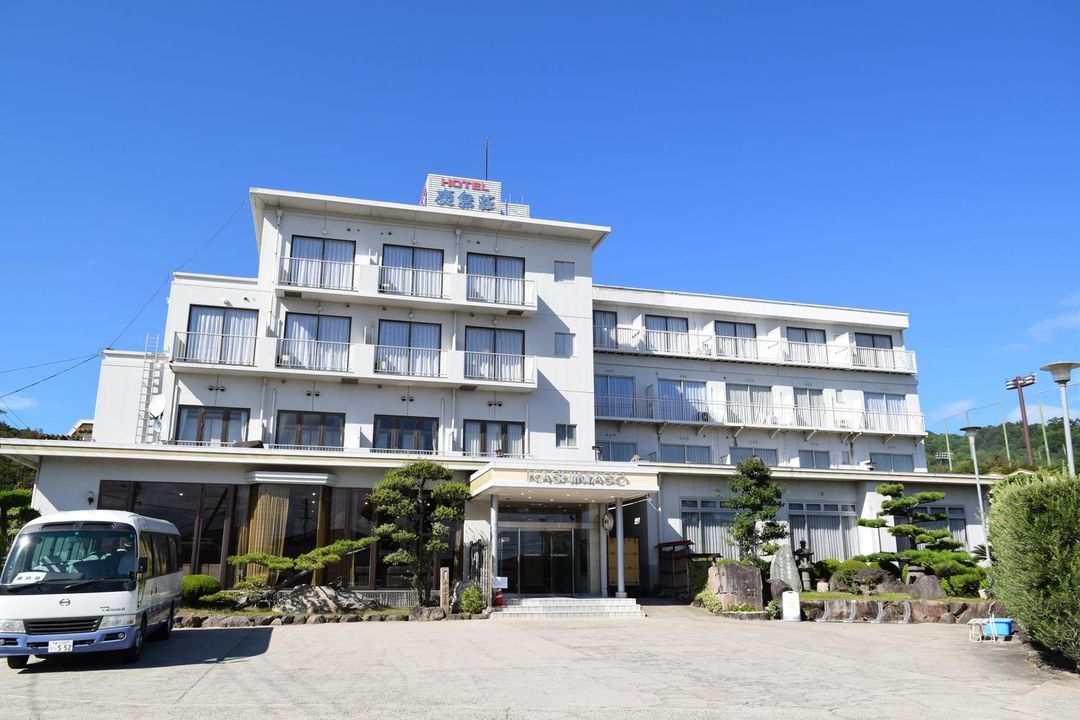
Beachside Hotel Kashimaso
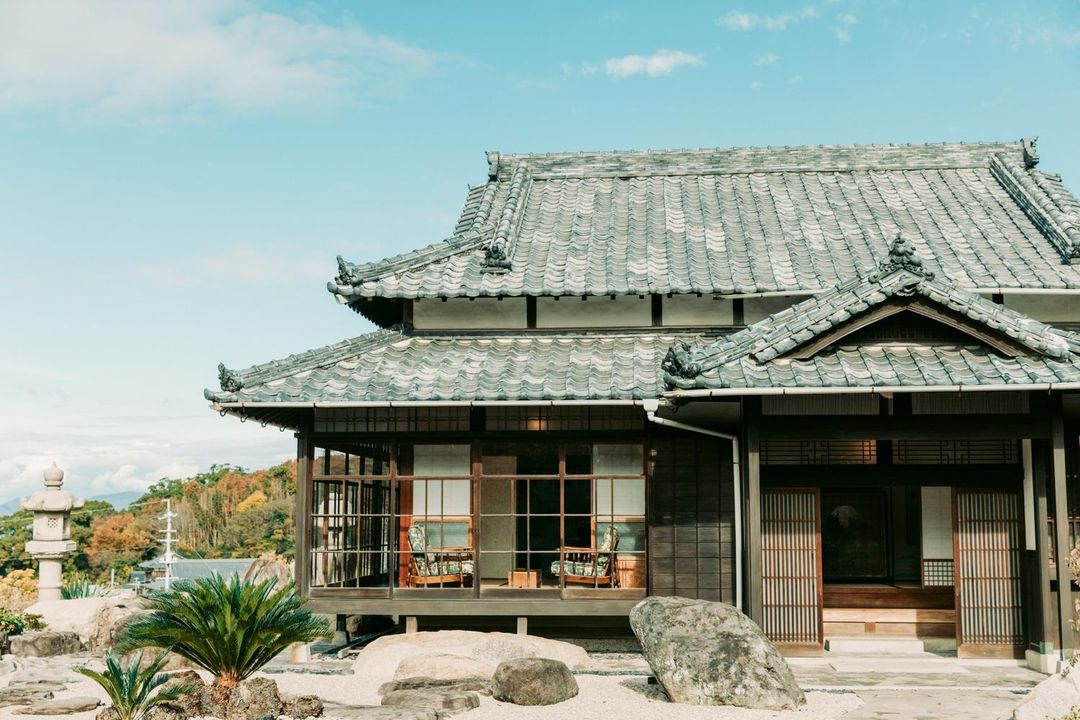
TokutoTeshima
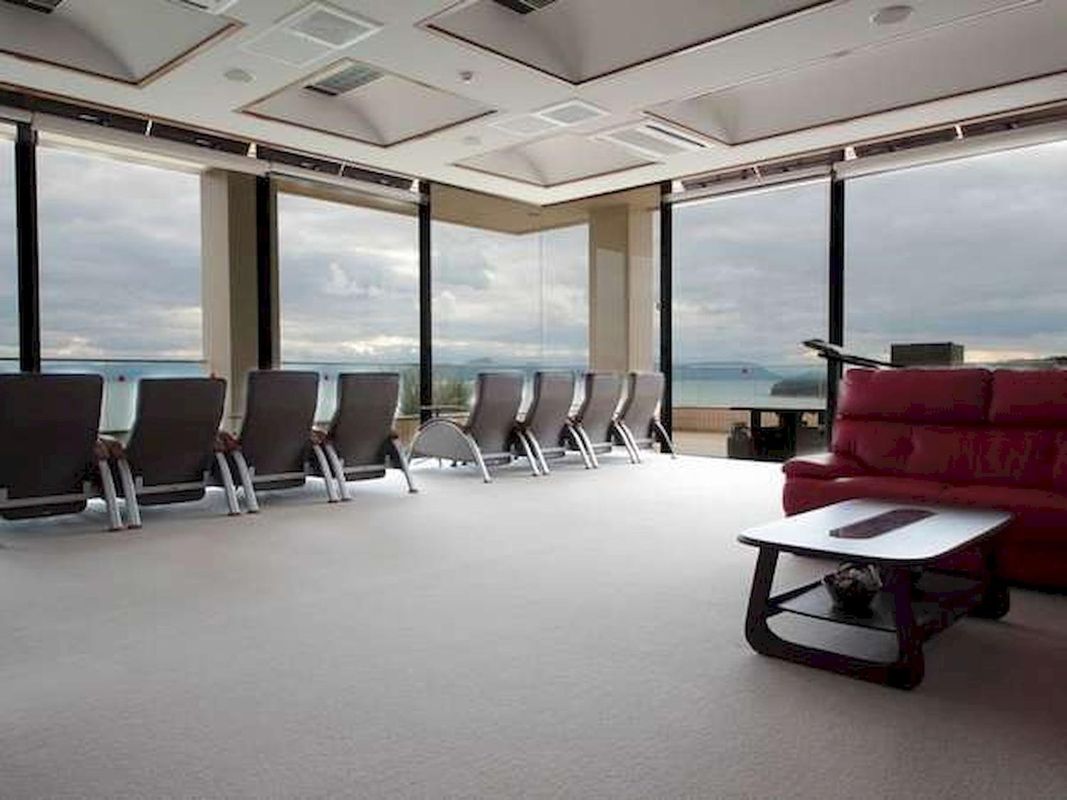
Celeste Shodoshima
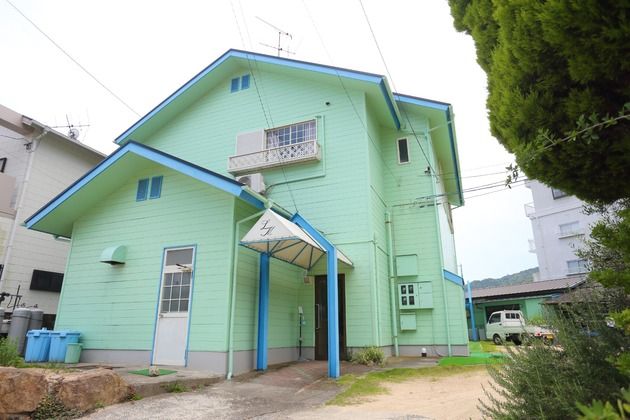
Pension LM Where You Can Feel Music Close to You
Best Hotels in Tonoshō
Discover curated hotel collections in Tonoshō
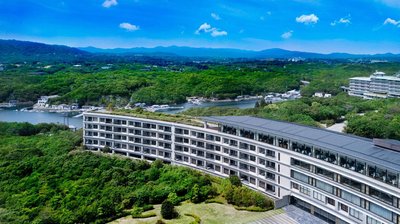
Shima Kanko Hotel the Bay Suites
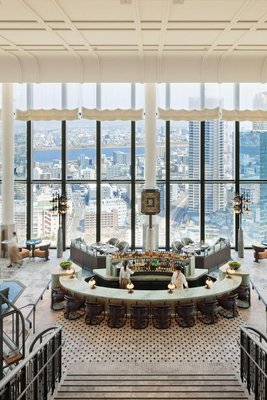
Waldorf Astoria Osaka
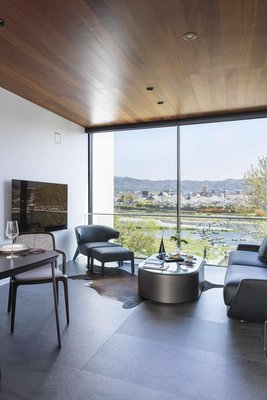
Kamo Residences by Reflections
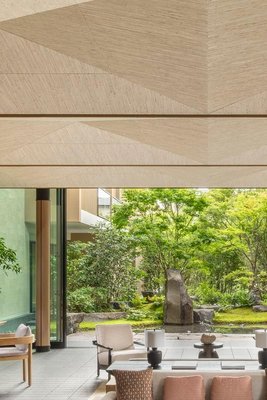
Six Senses Kyoto
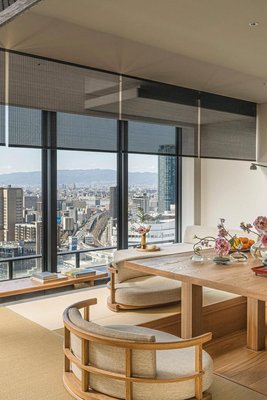
Four Seasons Hotel Osaka
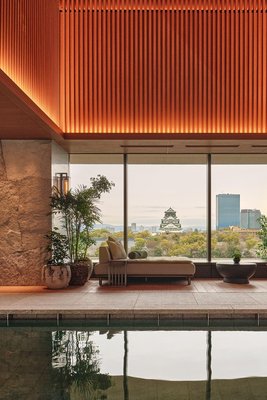
Patina Osaka
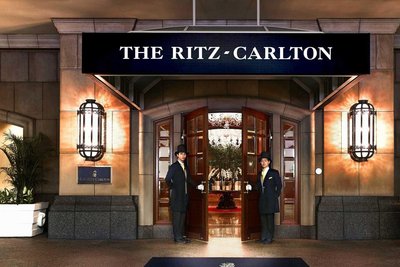
The Ritz-Carlton, Osaka
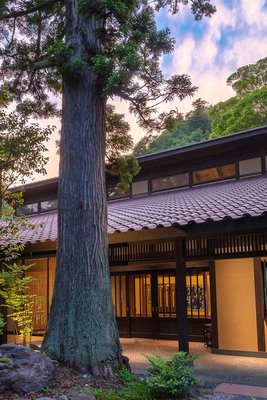
Arimasansoh Goshobessho
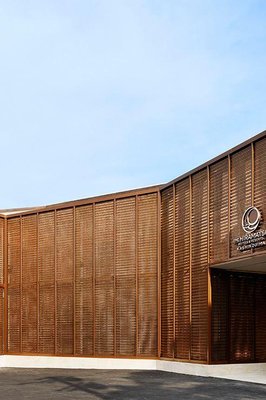
The Hiramatsu Hotels & Resorts Kashikojima
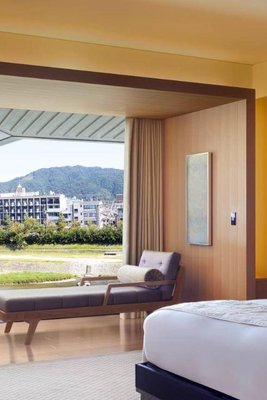
The Ritz-Carlton, Kyoto
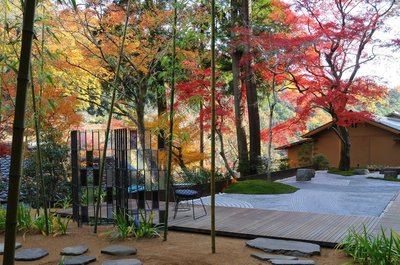
HOSHINOYA Kyoto
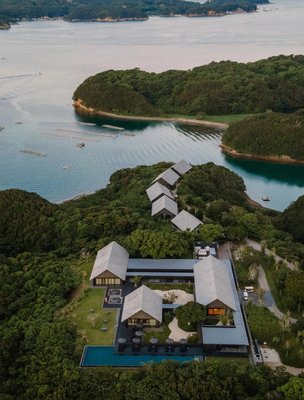
Amanemu
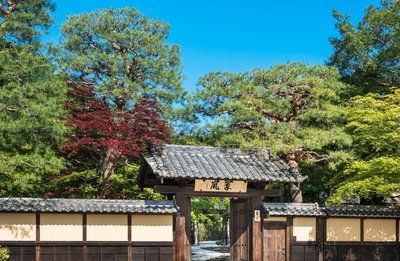
Suiran, a Luxury Collection Hotel, Kyoto
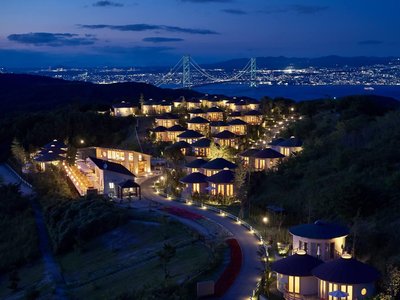
Grand Chariot Hokutoshichisei 135°
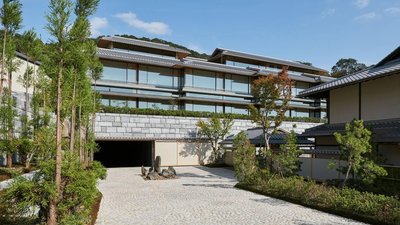
Park Hyatt Kyoto
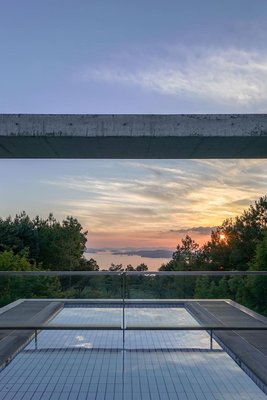
SETOUCHI RETREAT by Onko Chishin
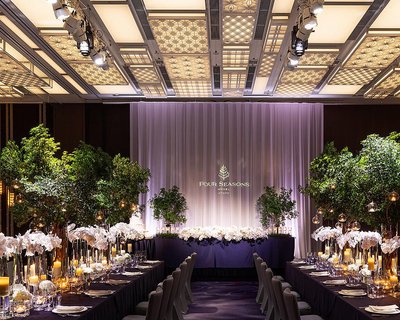
Four Seasons Hotel Kyoto
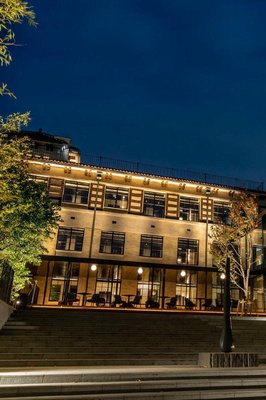
The Hotel Seiryu Kyoto Kiyomizu - a Member of the Leading Hotels of the World-
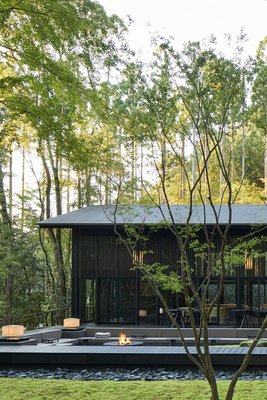
Aman Kyoto
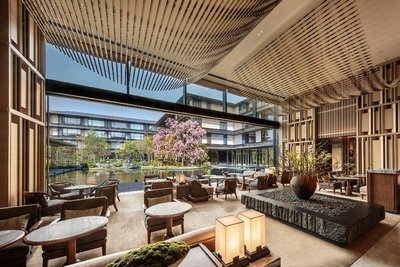
Hotel the Mitsui Kyoto, a Luxury Collection Hotel & Spa
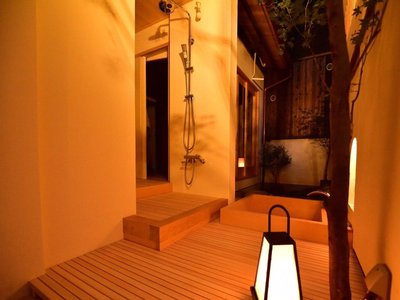
Yado Kiramachi
Arimasansoh Goshobessho
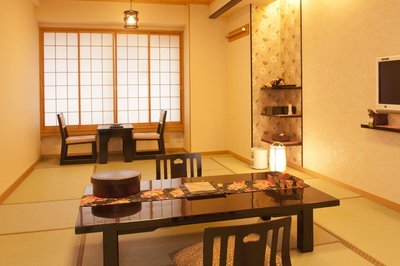
Matsui-Bekkan Hanakanzashi
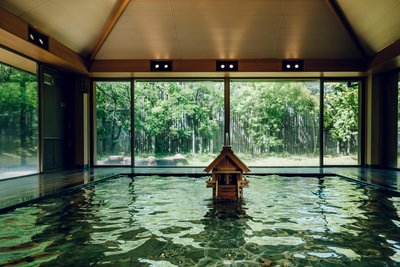
Hoshino Resorts KAI Tamatsukuri

Taikyourou
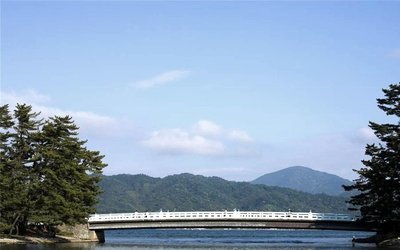
Monjusou Shourotei
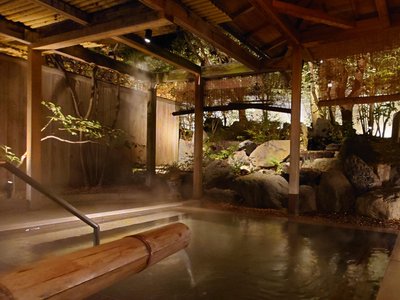
Kasuga Hotel
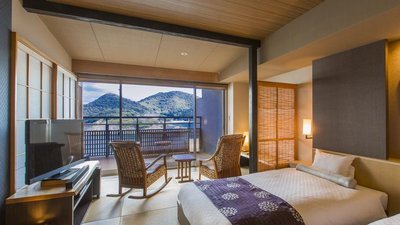
Migiwatei Ochi Kochi
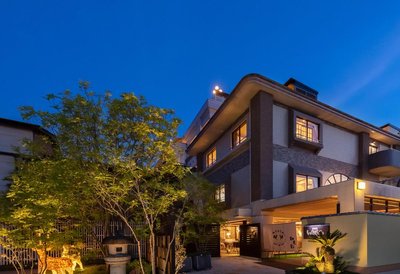
Hotel New Wakasa
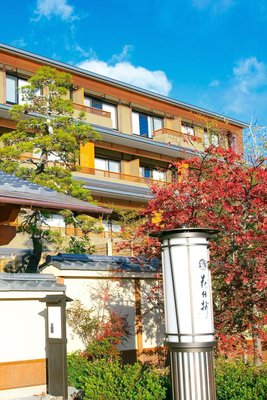
Kyoto Arashiyama Onsen Kadensho (Kyoritsu Resort)
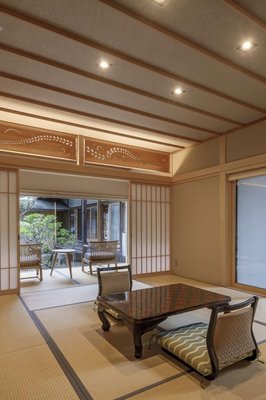
Ichijoin
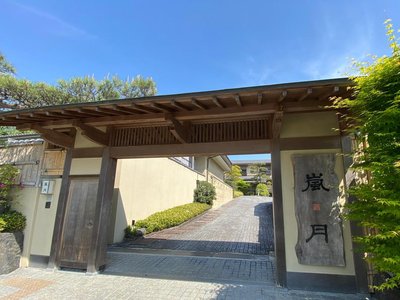
Rangetsu
The Ritz-Carlton, Kyoto
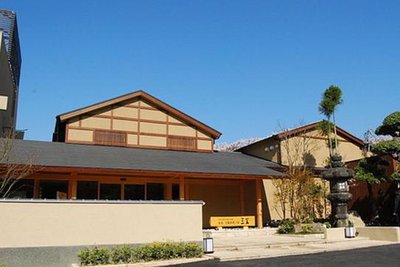
Mikasa
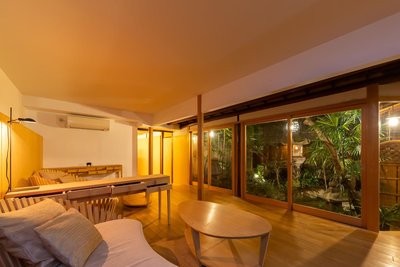
Izuyasu Traditional Kyoto Inn Serving Kyoto Cuisine
HOSHINOYA Kyoto
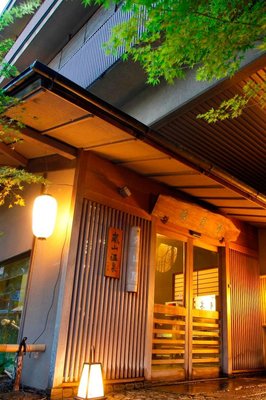
Togetsutei
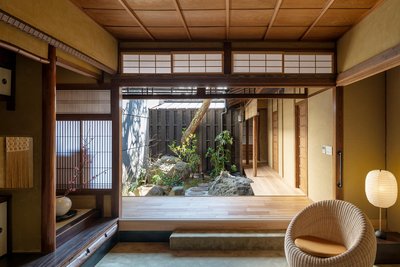
Nazuna Kyoto Gosho
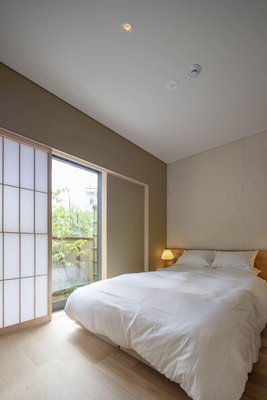
CAMPTON KIYOMIZU
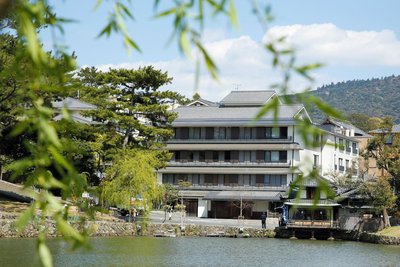
Sarusawaike Yoshidaya
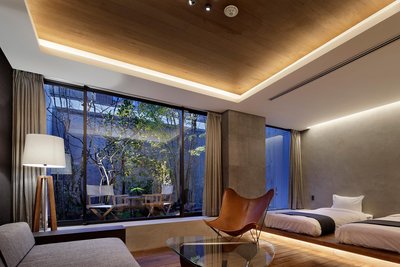
22 PIECES
The Ritz-Carlton, Osaka
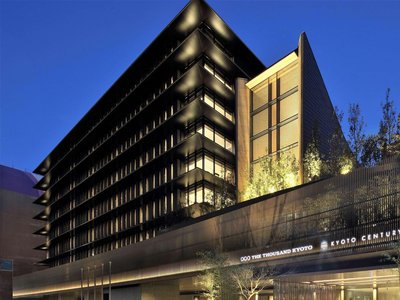
The Thousand Kyoto
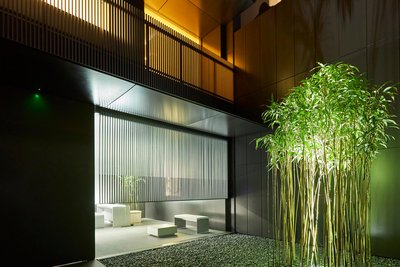
Mogana
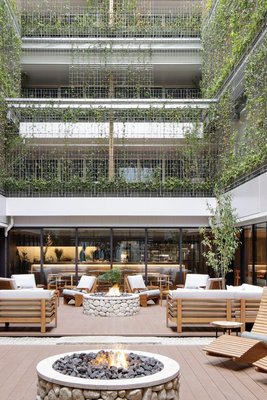
GOOD NATURE HOTEL KYOTO
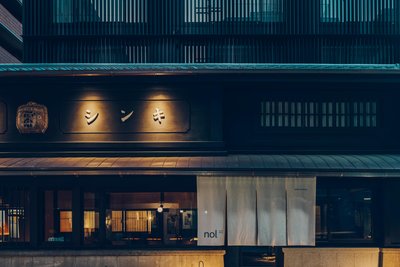
Nol Kyoto Sanjo
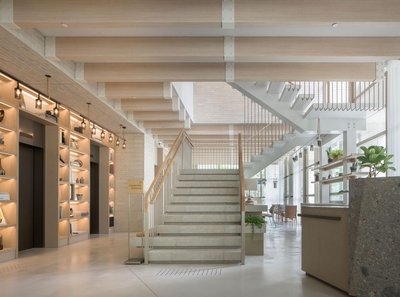
Zentis Osaka
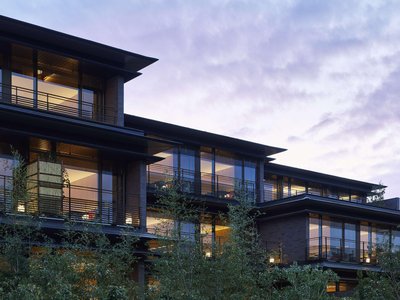
Garrya Nijo Castle Kyoto
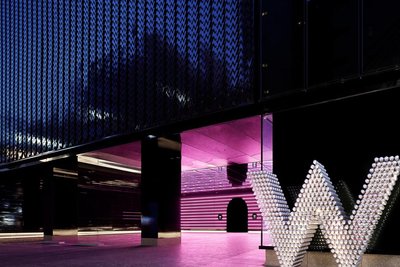
W Osaka
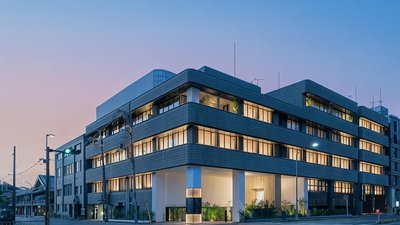
Hotel Kanra Kyoto
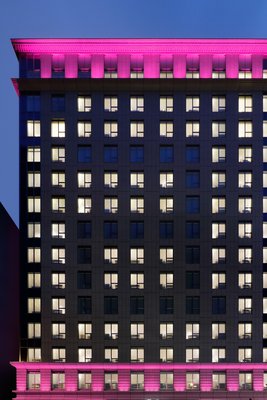
Aloft Osaka Dojima
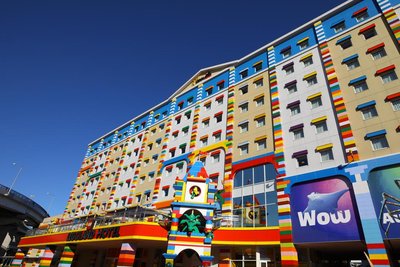
Legoland Japan Hotel
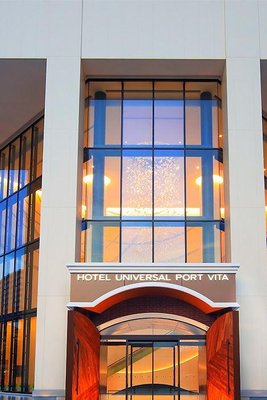
HOTEL UNIVERSAL PORT VITA

The Park Front Hotel at Universal Studios Japan
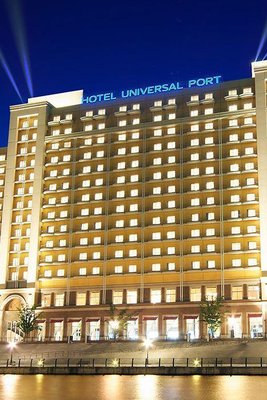
HOTEL UNIVERSAL PORT
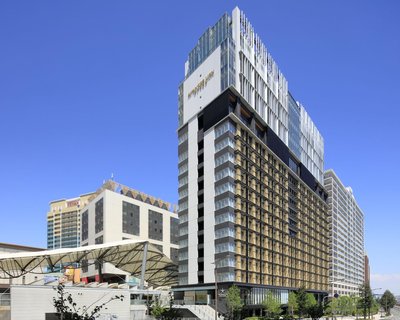
THE SINGULARI HOTEL & SKYSPA at UNIVERSAL STUDIOS JAPAN
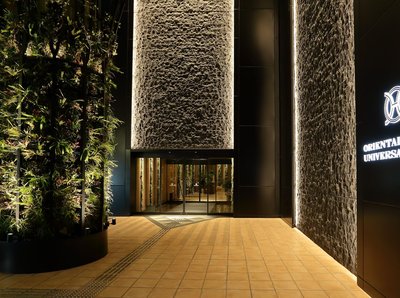
Oriental Hotel Universal City
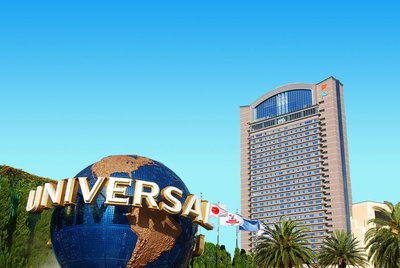
Hotel Keihan Universal Tower
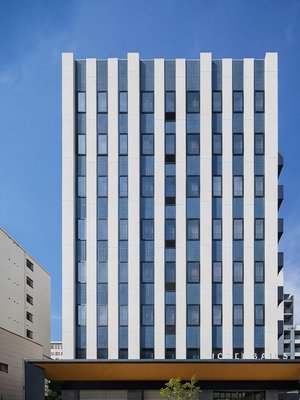
Hotel Sails
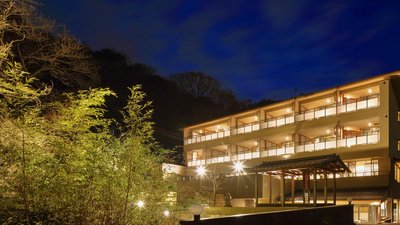
Okuno Hosomichi
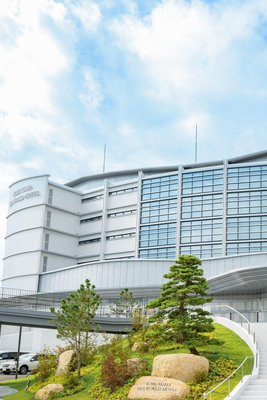
Kobe Suma Sea World Hotel
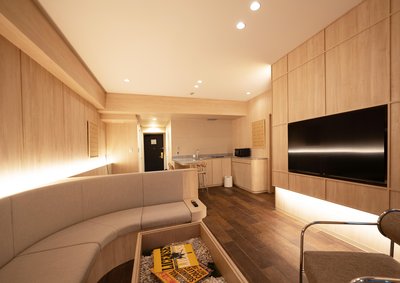
UH SUITE NAMBA STATION
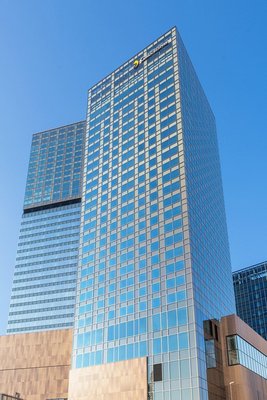
Hotel Hankyu GRAN RESPIRE OSAKA
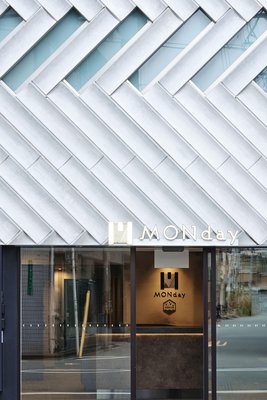
MONday Apart Premium OSAKA NAMBA WEST
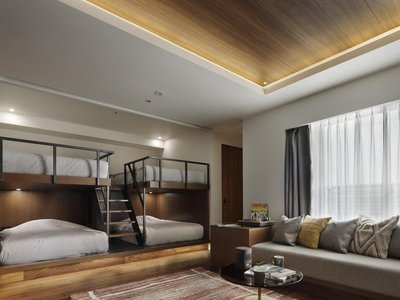
30 PIECES Namba
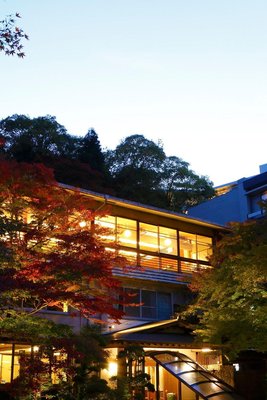
Negiya Ryofukaku
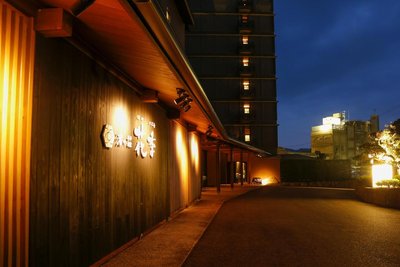
Hanagoyomi
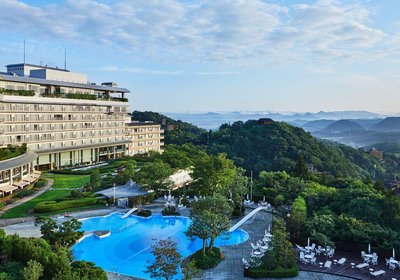
Arima Grand Hotel
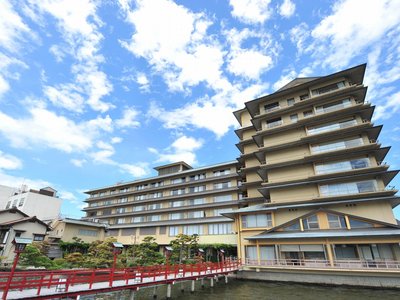
Bokoro Ryokan
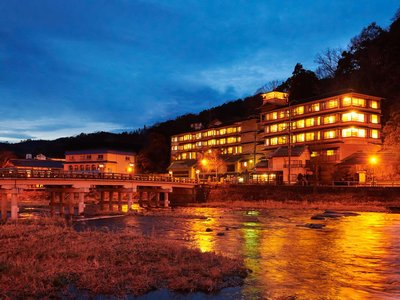
Mansuirou
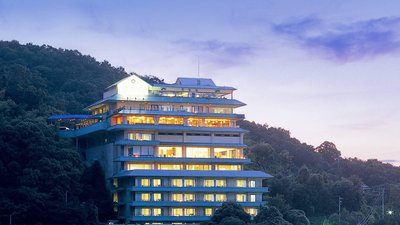
Hotel Hanajyukai
Shinzan Kinosaki
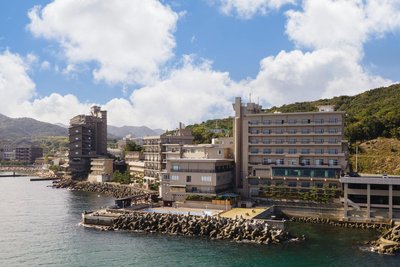
Awakan
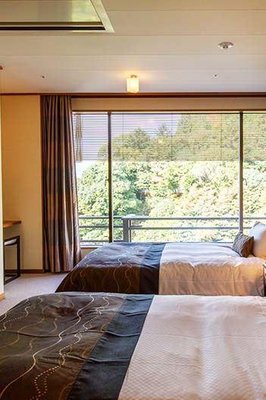
Nakanobo Zuien (Adult Only)
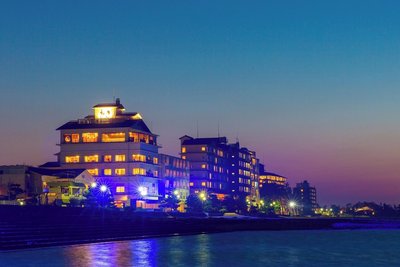
Kaike Shogetsu
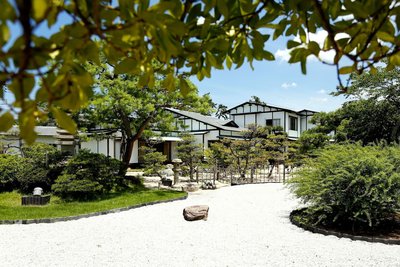
Kaike Fuga
HOTEL UNIVERSAL PORT VITA
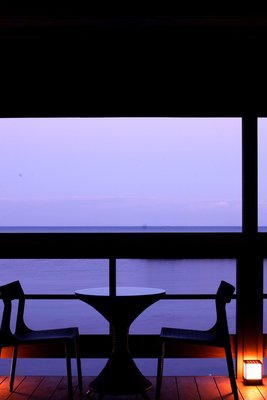
Amahara
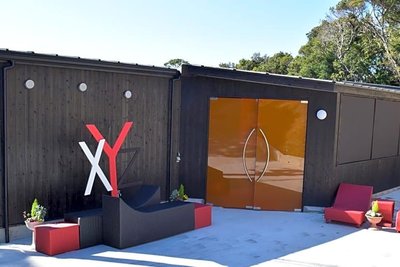
XYZ Private Spa and Seaside Resort
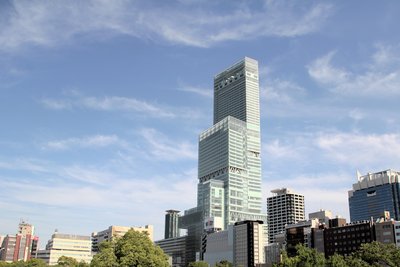
Osaka Marriott Miyako Hotel
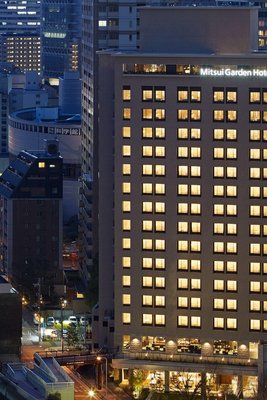
Mitsui Garden Hotel Osaka Premier
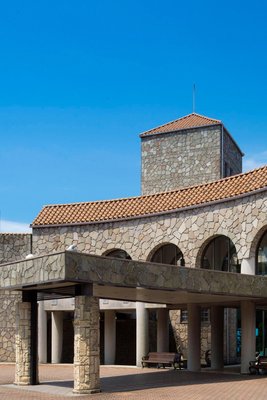
Izumigo Hotel Altia Toba
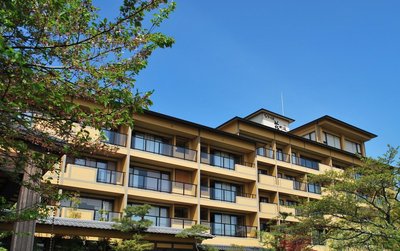
BIWAKO HANAKAIDO
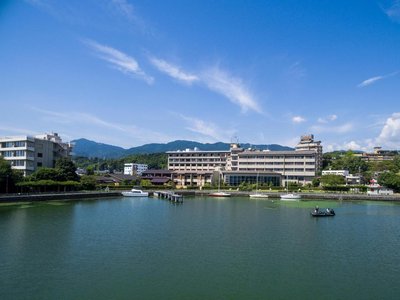
Biwako Ryokusuitei
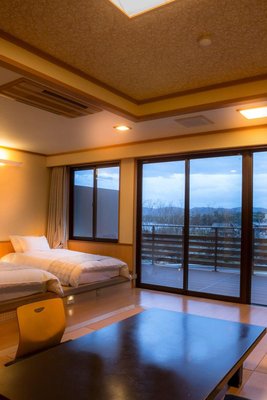
Hotel Kitanoya
Hanagoyomi
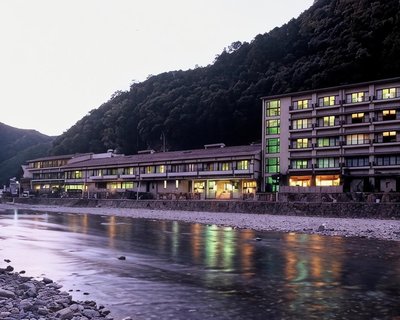
Kawayu Onsen Fujiya
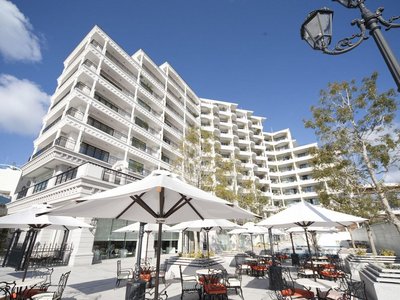
Hotel La Suite Kobe Harborland

AoAwo Naruto Resort
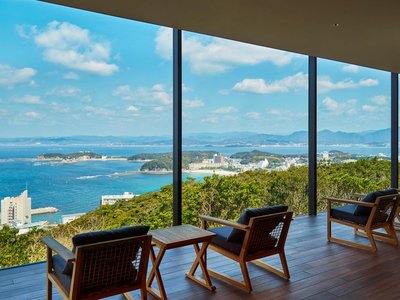
Infinito Hotel and Spa
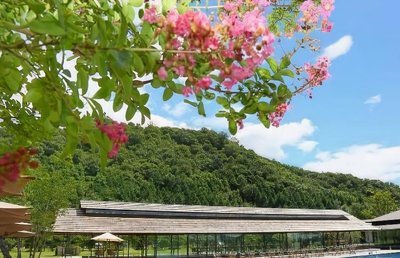
Bella Vista Spa and Marina Onomichi
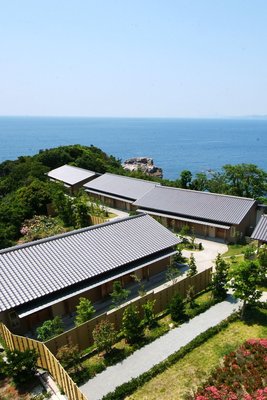
Hamachidorinoyu Kaisyu
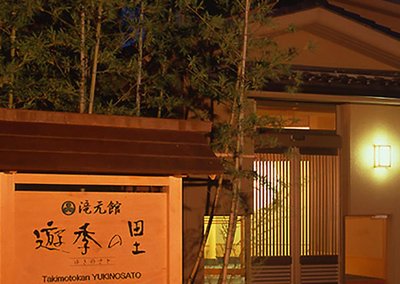
Takimotokan Yuki No Sato
Kaike Shogetsu
The Ritz-Carlton, Kyoto
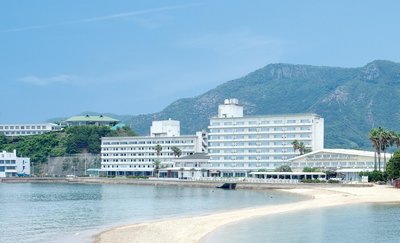
Shodoshima International Hotel
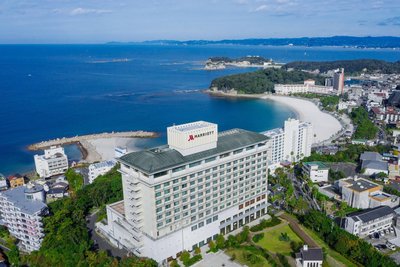
Nanki-Shirahama Marriott Hotel

Toba International Hotel
Osaka Marriott Miyako Hotel
The Ritz-Carlton, Osaka
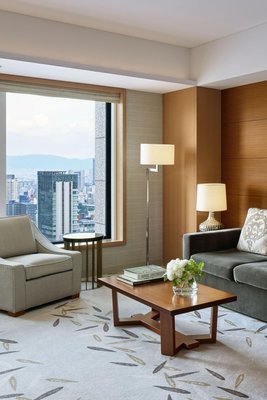
InterContinental Hotel Osaka
The Ritz-Carlton, Kyoto
Suiran, a Luxury Collection Hotel, Kyoto
GOOD NATURE HOTEL KYOTO
Park Hyatt Kyoto
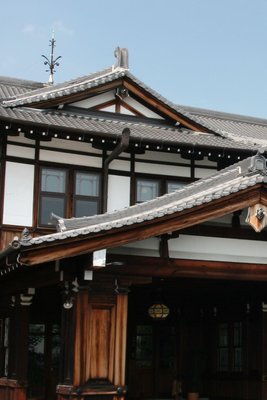
Nara Hotel
ORIENTAL HOTEL
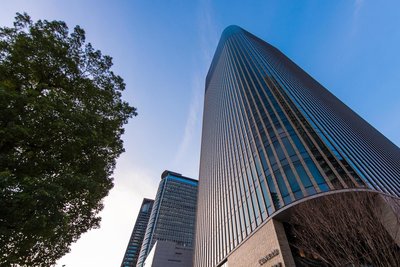
Conrad Osaka
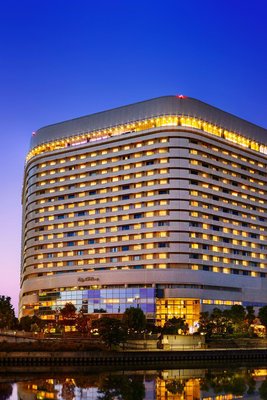
Hotel New Otani Osaka
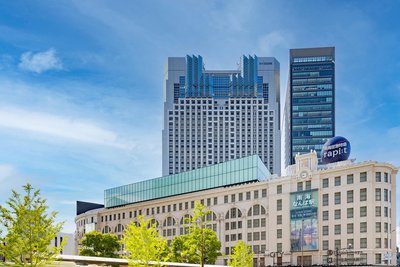
Swissotel Nankai Osaka
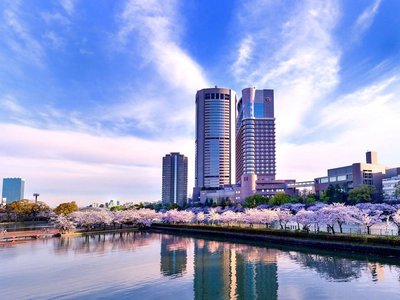
Imperial Hotel Osaka
The St. Regis Osaka
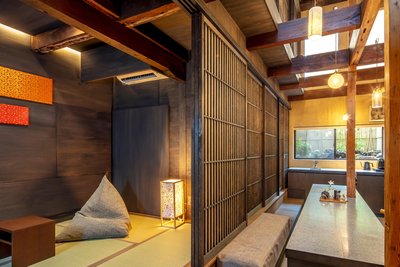
Kyo No Oozora Kihana
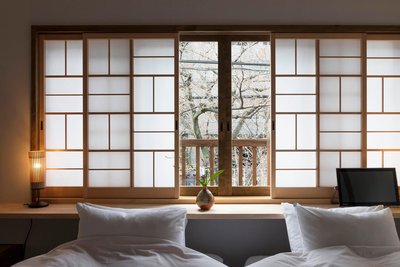
Hanagoromo Machiya House
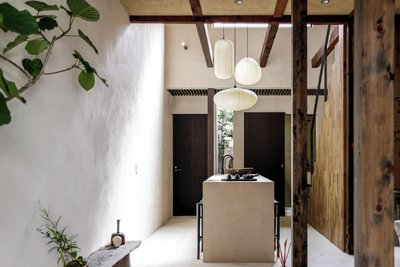
Maana Kiyomizu
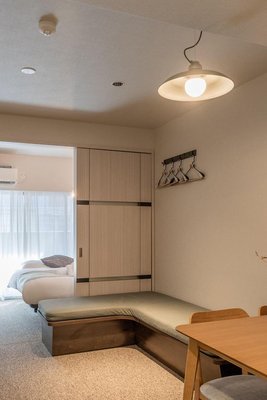
Apartment Hotel 11 Shinsaibashi
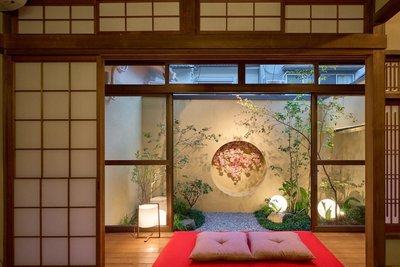
KONJAKUSO Osaka Tengachaya "NIHONCHA" Tea & Relax
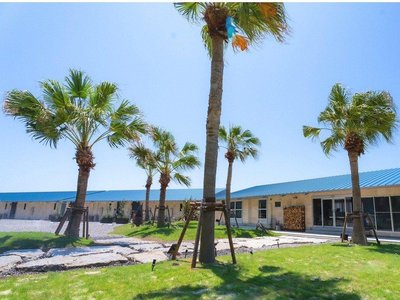
Glamping&Resort Wood Design Park Noma
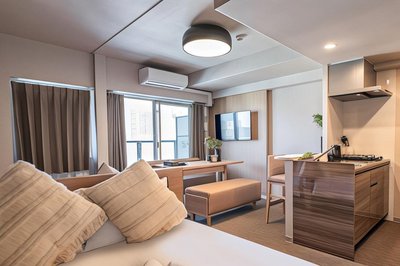
Apartment Hotel 11 Shinsaibashi III
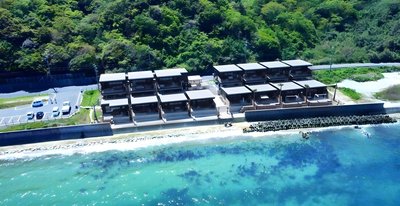
Solavilla Umi Terrace Minamiawaji
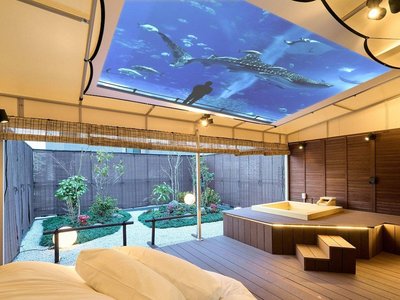
KONJAKUSO Osaka Bentencho "OKUJO-TEIEN" Rooftop Garden
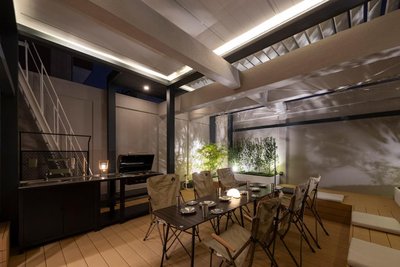
Shirakabanoyado-KINONOKI
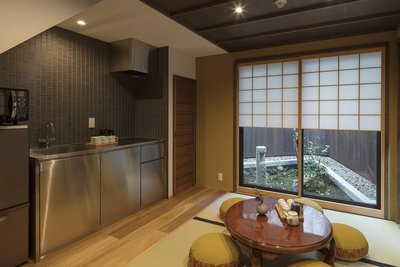
The Machiya Villa Sanjo Shirakawa Koji
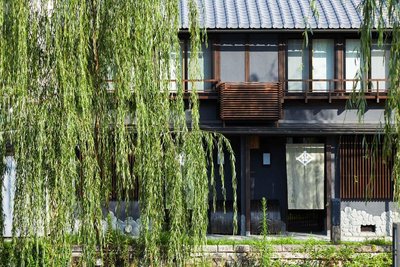
Gion Shirakawa No Yado

Kitashirakawa Natural Radium Onsen
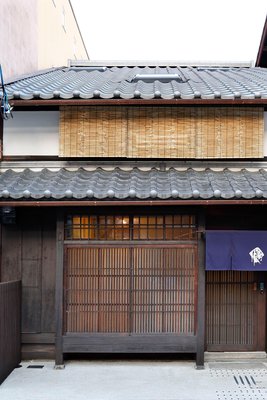
Kyo No Ondokoro Kamanza Nijo #2
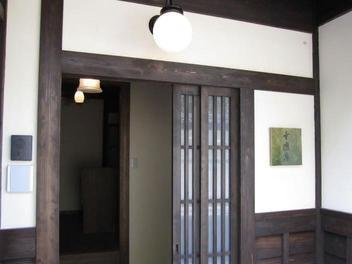
Gion Koyu an Machiya House
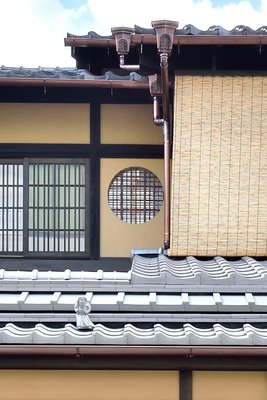
Kyo No Ondokoro Gokomachi Ebisugawa #3
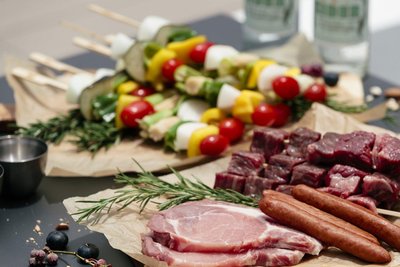
Sana Mane - Glamp Domes
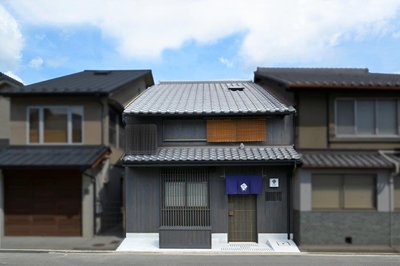
Kyo No Ondokoro Goshonishi #6
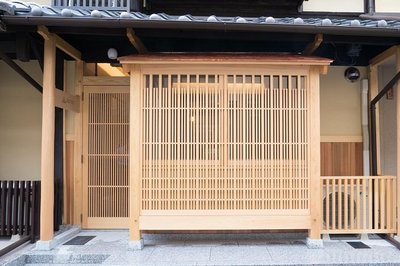
Kyomachiya Suite Rikyu
Kyoisuke
Okuno Hosomichi
Arimasansoh Goshobessho
Negiya Ryofukaku
Arima Onsen Tocen Goshobo
Hanagoyomi
Keishokan Sazanamitei
Kaike Tsuruya
Migiwatei Ochi Kochi
Arima Grand Hotel
Infinito Hotel and Spa
Hamachidorinoyu Kaisyu
Bokoro Ryokan
Mansuirou
Hotel Hanajyukai
Nakanobo Zuien (Adult Only)
Kaike Shogetsu
Kaike Fuga
Shodoshima International Hotel
Nanki-Shirahama Marriott Hotel
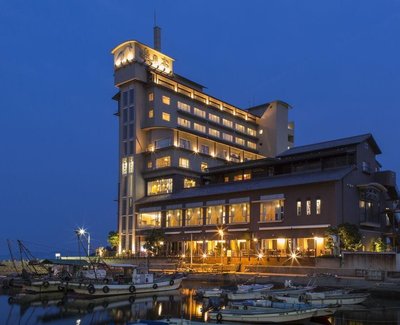
Hotel Ofutei
Frequently Asked Questions about Traveling to Tonoshō
Questions You Might Need to Know About Traveling to Tonoshō
In Toshima Town, the top choice for boutique stays with sea views is Umizato Asahi-tei, a century-old guesthouse nestled along the Seto Inland Sea. Its traditional Japanese architecture features tatami rooms with private balconies overlooking the ocean, offering stunning sunrises and tranquil waves. The on-site restaurant serves fresh local seafood, including Kagawa’s prized bluefin tuna and oysters harvested daily from Toshima Port. Another excellent option is Kai-Fuken, a minimalist design inn with glass-walled lounges perfect for capturing golden-hour light. Both offer personalized service and access to walking trails leading to the lighthouse path—ideal for travelers seeking serenity and authentic coastal charm.
The most ideal area for quiet, nature-focused stays in Toshima Town is the Toshima Port vicinity. This serene zone offers peaceful access to the Seto Inland Sea, with no commercial noise and minimal traffic. Accommodations like Umizato Asahi-tei and Kai-Fuken are set among native trees and feature garden courtyards with stone lanterns and bamboo fences. Guests can enjoy early morning walks along the Lighthouse Trail, listen to seabird calls, or observe tidal pools teeming with marine life. The area is also close to the Ogura Forest Path, a hidden woodland trail rich in wild azaleas and ancient cedars. Perfect for eco-conscious travelers seeking solitude and deep connection with nature.
Visitors to Toshima Town can immerse themselves in traditional pottery workshops held on Shikoku Island’s small island of Shodoshima, accessible via ferry from Toshima Port. Local artisans guide guests through hand-building Seto-style ceramics using locally sourced clay, creating one-of-a-kind pieces. Another highlight is the annual Toshima Sea Festival, featuring boat parades, fireworks displays, and folk dances performed by fishermen. During autumn, the Chestnut Harvest Festival invites guests to gather black chestnuts from local orchards and learn to prepare traditional sweets like kuri mochi. These events reflect the town’s deep-rooted relationship with the sea and land.
Yes, Toshima Town is highly suitable for family vacations. The town offers a safe, low-traffic environment ideal for children. Stay at Umizato Asahi-tei, which provides sand pits, fishing gear rentals, and guided tide pool exploration near Toshima Port. Nearby, the Toshima Children’s Nature Classroom hosts interactive sessions on marine biology and plant identification. Families can also take a short 15-minute ferry ride to Shodoshima Island, where kids can visit the famous Shodoshima Olive Park and enjoy animal encounters. With gentle activities and warm hospitality, it's a perfect destination for bonding and relaxation.
Tourists visiting Toshima Town must try Kagawa’s bluefin tuna sashimi, freshly caught each morning from Toshima Port, known for its rich umami and silky texture. Another must-try is Black Chestnut Rice, made with locally grown shiro-kuri chestnuts and premium Koshihikari rice, served at Umizato Asahi-tei. The town’s market also offers handmade salt-cured plums and dried seaweed rolls, perfect as souvenirs. For a complete experience, dine at the inn’s seasonal menu, where chefs highlight ingredients sourced within a 10-kilometer radius, ensuring freshness and authenticity.
Transportation in Toshima Town is efficient despite its rural setting. The main access point is the ferry from Takamatsu Port, taking just 20 minutes to reach Toshima Port. Buses run regularly from Takamatsu Airport to the town center, approximately 1 hour. Once in Toshima, the town is best explored on foot or by bicycle—rentals are available at several guesthouses. Free parking is provided near Toshima Port, making it convenient for car travelers. Ferries to Shodoshima Island depart frequently, offering seamless connections for day trips. All routes are clearly marked, and many accommodations provide multilingual maps and transit guides.
Must-see natural attractions in Toshima Town include the Seto Inland Sea coastlines, dotted with basalt rock formations and mangrove wetlands that attract migratory birds. The Lighthouse Trail offers panoramic views of the sea and surrounding islands, especially breathtaking at sunrise. For hikers, the Ogura Forest Path winds through ancient cedar groves and seasonal wildflowers like azaleas and cherry blossoms. On clear days, visitors can spot Shodoshima Island across the water, framed by soft blue skies. These pristine landscapes make Toshima a haven for nature lovers and photographers alike.
To book a traditional inn in Toshima Town, use the official Kagawa Prefecture Tourism Website or platforms like HopeGoo and HopeGoo, filtering for “Toshima” and “authentic ryokan.” Recommended properties include Umizato Asahi-tei and Kai-Fuken, both offering multilingual support and online check-in. Reservations are advised during peak seasons (April–June, September–November), ideally 1–2 months in advance. Payment options typically include credit card or cash upon arrival. Many inns provide free printed guides with maps, local event schedules, and hiking tips to enhance your stay.
Absolutely, Toshima Town is a paradise for photography enthusiasts. Capture the golden sunrise over the Seto Inland Sea from the Lighthouse Trail, where reflections shimmer on calm waters. The coastal rock formations and tide pools offer dramatic textures and patterns, especially during low tide. At dusk, shoot the fishing boats returning to port, silhouetted against a fiery sky. Winter mist and spring cherry blossoms add ethereal tones to your shots. Several inns, like Umizato Asahi-tei, lend out tripods and ND filters for long-exposure photography. Just remember to respect local rules regarding drones and private property.
Toshima Town hosts vibrant seasonal events throughout the year. In spring (March–April), the Cherry Blossom Festival at Toshima Port Park features tea ceremonies and craft markets. Summer (July–August) brings the Sea Festival, with illuminated boat processions, fireworks, and traditional dances. Autumn (October–November) celebrates the Chestnut Harvest Festival, where visitors can pick black chestnuts and join cooking demos. Winter (December–February) lights up the coastline with the Winter Light Festival, featuring floating lanterns and illuminated pathways. Each event reflects the town’s deep cultural ties to the sea, seasons, and community.
Tonoshō Overview
City Summary
Toshima-cho, located in Kagawa Prefecture, Japan, is a tranquil town in the Seto Inland Sea known for its traditional fishing village charm and art islands. It serves as the gateway to art destinations like Naoshima and Teshima, blending rustic harbor ambiance with contemporary art installations. The core appeal lies in its unspoiled natural landscapes and exhibits from the Setouchi Triennale.
Must-See Attractions
Must-see spots include Naoshima's Chichu Art Museum (designed by Tadao Ando) and Yayoi Kusama's pumpkin sculpture, as well as Teshima's Les Archives du Cœur. On the main island, visit the art installation "Sea Station" at Tonosho Port, and stroll along the seaside promenade at sunset.
Food Guide
Try Sanuki udon (Kagawa's specialty), best served with tempura or raw egg. Harbor-side eateries offer fresh sea bream dishes and takoyaki. Local delicacy "olive beef" is also recommended. The food culture reflects the fishing port's simplicity and emphasis on ingredient quality.
Transportation Guide
Access islands via ferries (check schedules in advance). Rent electric bicycles or walk within the town. From Takamatsu, take a bus or JR train to Tonosho Port (about 1 hour). Taxis are limited—book in advance. During art festivals, expect congestion and allow extra time.
Best Time to Visit
Best seasons are spring (March-May) and autumn (September-November) for mild weather, avoiding summer typhoons. The Triennale (usually April-November in odd years) draws crowds but offers the most exhibits.
Travel Tips
- Book accommodation 6 months ahead during art festivals
- Wear comfortable shoes for hilly terrain
- Respect the quiet fishing village atmosphere
- Photography bans apply in some museums
- Ferries may cancel due to weather—keep plans flexible
- Practice strict trash sorting (public bins are rare)
- Island shops close early—carry essentials
Useful Information
Japanese is primary; major sites have English signs. Cash is king (especially on islands)—ATMs at Tonosho Port. 4G coverage is town-wide but spotty in art areas. Dial 110 (police) or 119 (ambulance) for emergencies. Pharmacies cluster near the port—bring personal meds. Voltage is 100V, Type A plugs work.









