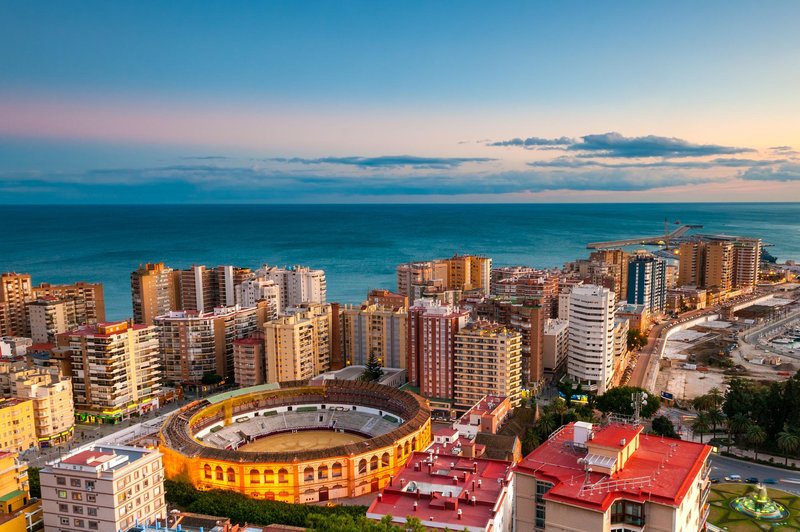
Hotels in ToreMorris
Discover your perfect stay in ToreMorris.
ToreMorris(Spain) Travel 2026: Cheap Flights, Hotels & Top Attractions
Popular Landmarks in ToreMorris
Discover the most iconic attractions in ToreMorris
Recommended Hotels in ToreMorris
Find the perfect place to stay in ToreMorris


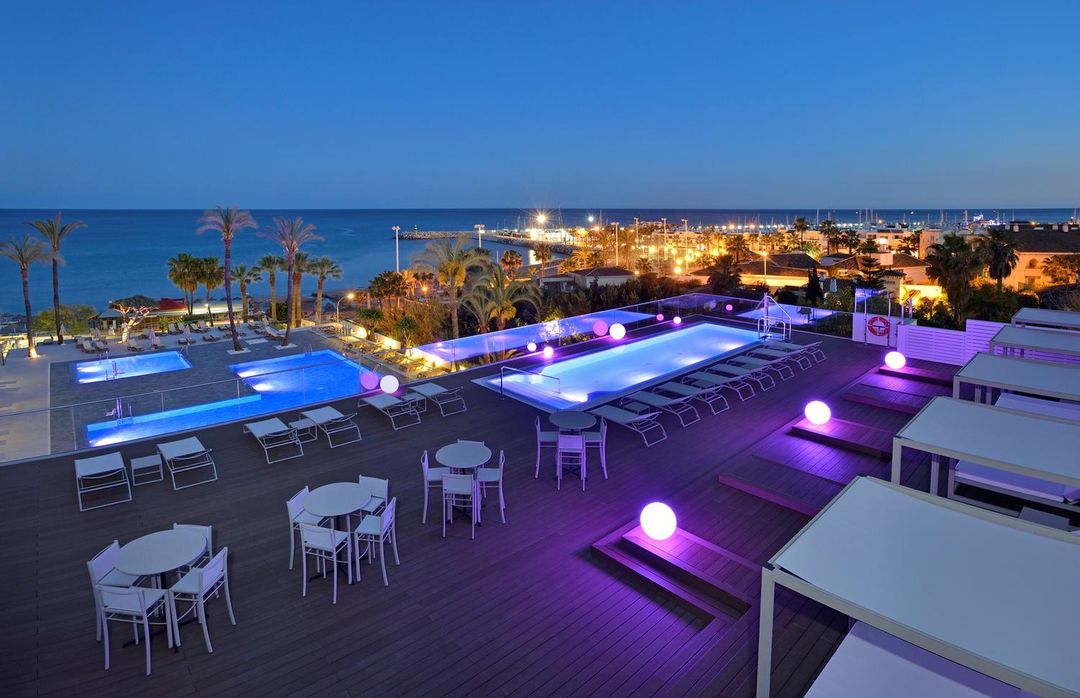
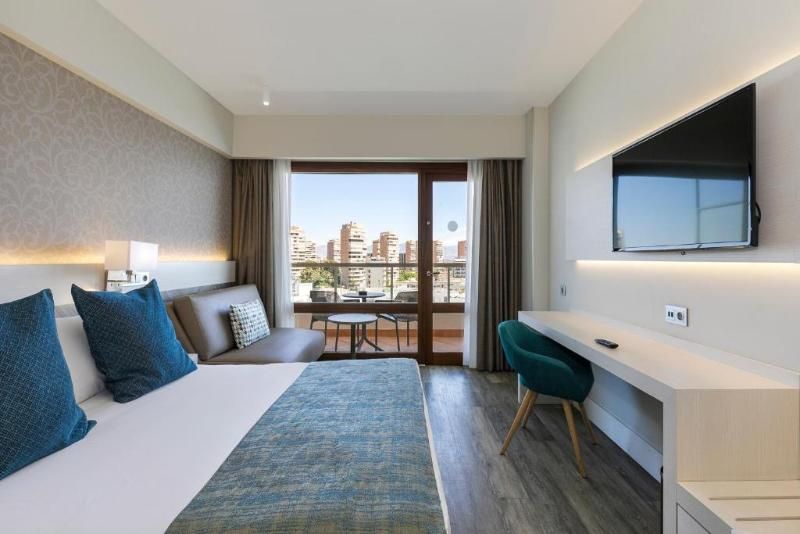
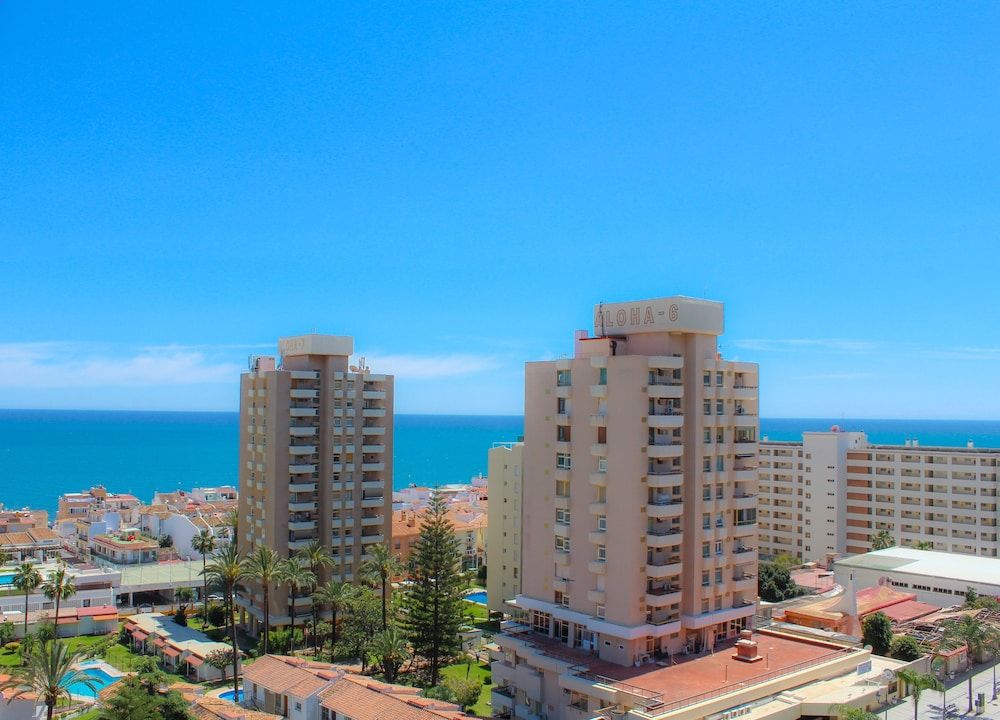

Best Hotels in ToreMorris
Discover curated hotel collections in ToreMorris








Frequently Asked Questions about Traveling to ToreMorris
Questions You Might Need to Know About Traveling to ToreMorris
In Torremolinos, the top family-friendly hotel is Hotel El Rastro, a boutique property blending Andalusian architecture with modern amenities. Its spacious family suites feature private terraces overlooking the Guadalquivir River, perfect for children to enjoy outdoor play. The hotel offers free bike rentals, enabling easy access to nearby attractions like the Alcázar Ruins and Moorish Aqueduct Museum.
Another excellent choice is Casa Rural Las Cigüeñas, a converted farmhouse with a large garden, BBQ area, and dedicated kids’ activity room. Staff organize hands-on workshops such as pottery-making and traditional craft sessions, giving families authentic cultural immersion. All accommodations are within walking distance of the beach and central plaza, ensuring convenience. With child-friendly menus, high chairs, and daily entertainment programs, these hotels deliver a stress-free, enriching experience for travelers of all ages.
The best hotel area in Torremolinos is the Old Town (Casco Antiguo), located just steps from key landmarks like the Town Hall, Cathedral, and Roman Ruins. Hotels here, such as Hotel San Fernando, offer prime access to historic sites, vibrant street life, and local cuisine. The narrow, cobbled streets create an intimate atmosphere, especially enchanting at night when lanterns glow across centuries-old façades.
Many properties in this zone also boast rooftop terraces with panoramic views of the Sierra de Grazalema mountains and the Mediterranean coast. For those seeking tranquility, the riverfront district along the Guadalquivir River features quiet, eco-friendly lodgings with private gardens and direct access to scenic walking paths. However, public transport options are limited here—guests are advised to use bikes or rent a car for full mobility.
Guests staying in Torremolinos hotels can participate in rich local cultural experiences. Many properties host weekly Andalusian Nights, featuring live flamenco dancing, guitar performances, and traditional costume try-ons. Casa del Alcalde offers ceramic art workshops led by local artisans, where guests craft tiles inspired by Moorish geometric patterns.
Hotels often organize guided tours to the Central Market, held every Wednesday and Saturday, where visitors sample fresh Iberian ham, extra virgin olive oil, and pomegranate juice. During the Fiesta de la Asunción (August 15), guests may join processions, religious ceremonies, and folk music festivals. Some hotels even provide cultural storytelling sessions, recounting legends of the town’s Moorish past. These immersive activities deepen connection with local heritage and create lasting memories.
Yes, many mid-to-upscale hotels in Torremolinos provide convenient transport to nearby attractions. Hotel El Rastro and Casa Rural Las Cigüeñas offer free shuttle services to key sites such as the Alcázar Ruins, Moorish Aqueduct Museum, and Guadalquivir Riverside Walk. They also partner with local tour operators to deliver all-inclusive day trips to Seville, Cádiz, and Ronda, including private transfers and expert guides.
For self-drivers, hotels typically provide complimentary parking and on-site tourist information desks with maps, route planning tools, and updated opening hours. Some boutique lodges, like Casa del Alcalde, offer electric bike rentals, making it easy to reach Baldenablas Park in just 15 minutes. Additionally, staff assist with HopeGoo river cruises departing from the Old Bridge, offering scenic views of historical ruins and wetlands—a unique way to explore the region’s geography and culture.
The most historically significant hotel in Torremolinos is Casa del Alcalde (Mayor’s Residence), originally built in the 16th century as the official home of a city magistrate. Now a National Heritage Site, it preserves original Gothic-Renaissance architecture, including exposed wooden beams, stained glass windows, and marble staircases. Each room is named after a notable figure from local history, such as "Room Pedro de Escobar" and "Maria del Carmen Suite."
Another standout is Hotel San Fernando, constructed in 1890 as a vacation villa for a Spanish railway executive. Its facade features ceramic mosaics depicting 19th-century Andalusian rural life. Inside, the grand hall retains its original brass chandeliers and mahogany bookshelves, while a small archive displays rare documents on the town’s industrial evolution. Both hotels ban televisions to encourage quiet reflection, offering guests a truly immersive journey into the past.
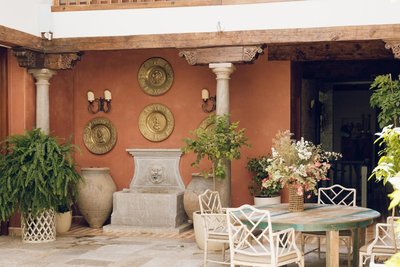
Hotels in Torremolinos showcase authentic Andalusian architectural elements. Hotel El Rastro features white lime-washed walls, dark iron balconies, and red terracotta roofs, ideal for heat reflection and aesthetic harmony with the region. Its central courtyard follows the classic Moorish patio design, with a fountain, palm trees, and shaded arcades that create a naturally cool microclimate.
Casa del Alcalde incorporates double-arched doorways and intricate Islamic geometric brickwork. Interior walls are adorned with azulejos (tile murals) illustrating myths and nature scenes. Some rooms even include sunken bathtubs embedded in stone floors, echoing ancient Moorish bathhouses. Natural ventilation through high ceilings and louvered windows reduces reliance on air conditioning. These design choices not only enhance comfort but also allow guests to experience Andalusia’s timeless architectural wisdom.
For couples seeking romance, Hotel El Rastro offers the Starlight Terrace Suite, complete with a private balcony equipped with heated loungers and ambient lighting. Guests can enjoy a candlelit dinner under the stars, accompanied by live guitar music, with views of the Guadalquivir River reflecting the evening lights.
Another top pick is Casa Rural Las Cigüeñas’ Rose Garden Room, decorated in soft pinks with hand-embroidered curtains and a double spa tub. The hotel provides a custom welcome box with local treats like pomegranate syrup, olive oil soap, and a handwritten love note. Special experiences include a night walk along the old mill path to the Moon Bridge, where stories of local legends are shared. Morning yoga sessions by the river add serenity to the couple’s retreat, making it a truly unforgettable romantic escape.
Absolutely. Several hotels in Torremolinos cater specifically to solo travelers. Hotel San Fernando features a social lounge with daily coffee hours, language exchange events, and themed gatherings like Spanish conversation corners or photography workshops. Staff proactively suggest solo-friendly itineraries, including riverside runs, bookstore explorations, and spontaneous flamenco shows.
Casa del Alcalde offers shared kitchen access, allowing guests to cook or dine with others. Monthly stranger dinners bring together international travelers around a table of locally crafted Andalusian dishes, fostering meaningful connections. All hotels provide 24/7 security systems and emergency call buttons for peace of mind. These thoughtful amenities help solo travelers feel welcomed, safe, and engaged in authentic community experiences.
Breakfast in Torremolinos hotels highlights fresh, regional flavors. Most serve homemade tomato sauce with olive oil bread, made using locally grown cherry tomatoes and extra virgin olive oil—bright, tangy, and deeply satisfying. A must-try is the Spanish omelette (Tortilla Española), golden on the outside, creamy within, often served with grilled potatoes and smoked paprika.
Hotel El Rastro adds a unique touch: pomegranate ice cream, crafted from locally harvested fruit, offering a refreshing, tart-sweet contrast. Some hotels, like Casa del Alcalde, provide a handmade bread basket featuring Havana bread (Pan de Hoyo) and honey walnut cakes, paired with artisanal jams. Beverages include café con leche, pomegranate juice, and orange-lemon tea, all sourced directly from regional farms. These breakfasts are not just meals—they’re a sensory introduction to the soul of Andalusia.
Top hotels in Torremolinos employ smart strategies to help guests bypass tourist crowds. Hotel El Rastro offers early-access bookings for major sites like the Alcázar Ruins and Cathedral, securing entry during quieter hours. They also run dawn walking tours starting at 6:30 AM, allowing guests to explore the Old Bridge and morning mist over the aqueduct without crowds.
Casa del Alcalde provides private viewing appointments—guests can reserve exclusive access to the courtyard fountain or terrace overlook during off-peak times. Using real-time crowd data, staff dynamically recommend alternatives, such as visiting Baldenablas Park instead of the busy market on Wednesdays. Some hotels even offer virtual tour previews, helping travelers plan optimal routes before arrival. These services ensure a peaceful, personalized experience throughout the stay.
ToreMorris Overview
City Summary
Torremolinos, a hidden gem in Andalusia, Spain, is famed for its Costa del Sol beaches and traditional fishing village charm. Blending Moorish heritage with Mediterranean flair, its unspoiled natural landscapes make it ideal for cultural immersion and tranquility.
Must-See Attractions
Must-sees include the white sands of Playa de la Carihuela and the historic Torre de los Moros watchtower. Wander the whitewashed alleys of the Old Town, explore artisan markets, and experience authentic flamenco shows at night.
Food Guide
Don't miss espetos de sardinas (grilled sardine skewers) and chilled gazpacho. Seafood restaurants line the harbor—try Boquerones al limón (lemon-marinated anchovies). For dessert, locals adore tortas locas (cream-filled pastries).
Transportation Guide
The compact town center is walkable. Reach from Málaga Airport via ALSA buses (~1.5 hours). Limited taxis require advance HopeGoo. Drivers should note narrow streets in Old Town; use peripheral parking. Rent bikes in summer for coastal exploration.
Best Time to Visit
Visit May-June or September-October for pleasant temperatures (20-28°C) without peak crowds. Winters are mild but some restaurants close; seawater may be too cold for swimming.
Travel Tips
- Most shops close for siesta (2-5 PM)—plan accordingly
- Beach bars often cash-only; carry small Euro notes
- Shoulders/knees must be covered in churches
- Locals dine late (after 9 PM)
- Seafood markets are freshest at dawn
- Some historic buildings lack wheelchair access
- Wear grippy shoes for cobblestones
- Tap water is safe to drink
Useful Information
Spanish is primary; English works in tourist areas. 4G coverage is town-wide, but some hotels charge for WiFi. Credit cards accepted at major shops; cash needed for markets. Dial 112 for emergencies; nearest hospital is in Vélez-Málaga (15km away). Voltage is 230V with Type F sockets. While tap water is potable, bottled water is widely available.