Hotels in Toride
Discover your perfect stay in Toride.
Toride(Japan) Travel 2026: Cheap Flights, Hotels & Top Attractions
Popular Landmarks in Toride
Discover the most iconic attractions in Toride
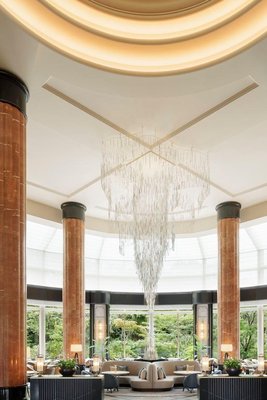
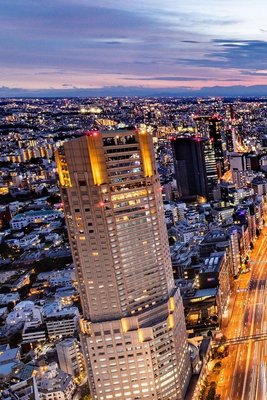
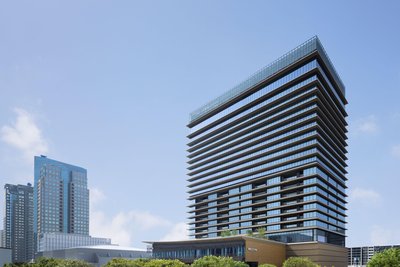
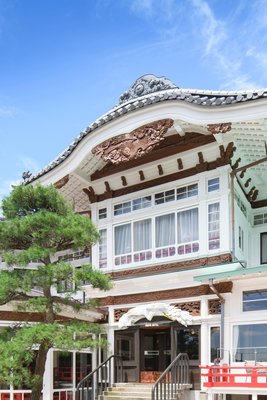
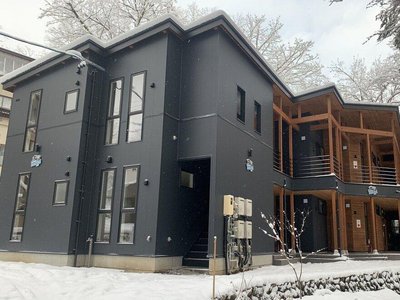
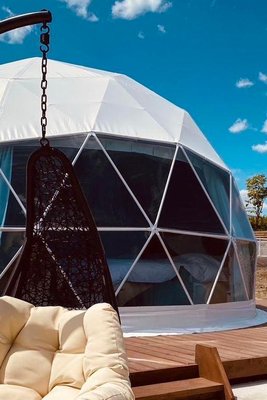
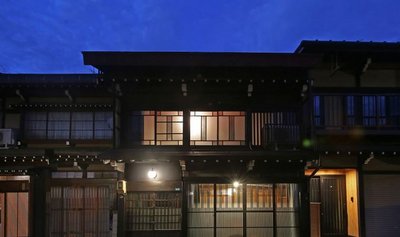
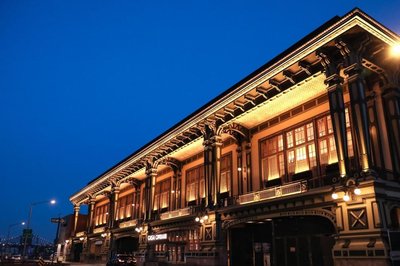
Recommended Hotels in Toride
Find the perfect place to stay in Toride

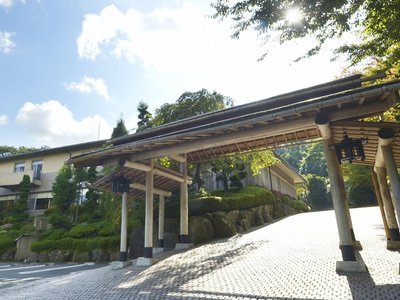
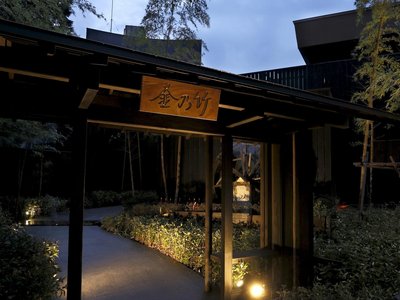
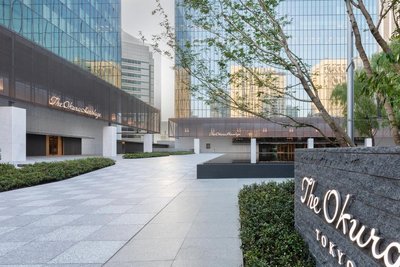
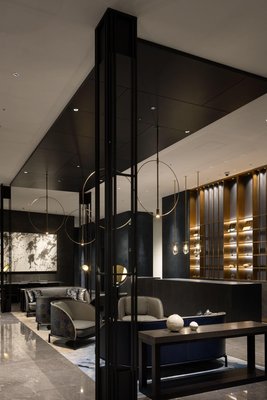
Best Hotels in Toride
Discover curated hotel collections in Toride

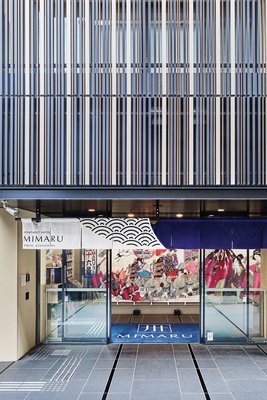





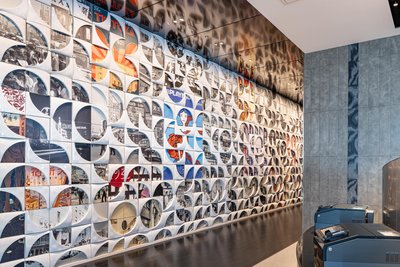

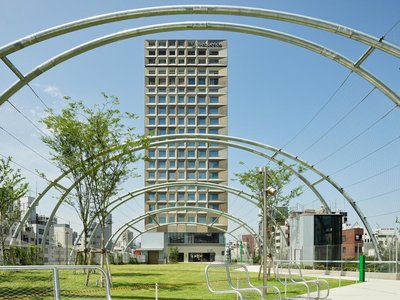
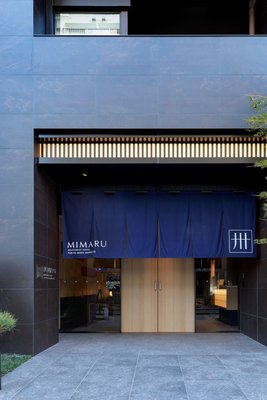













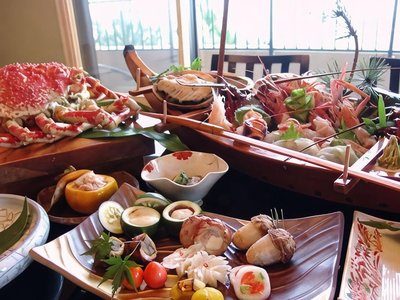
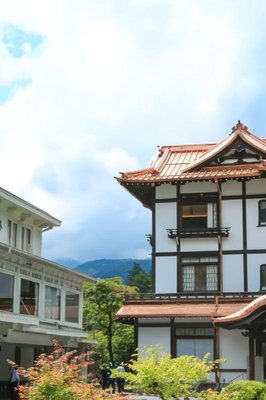
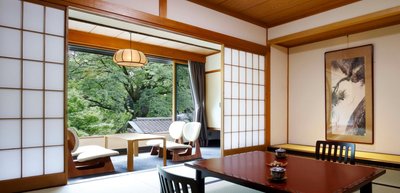
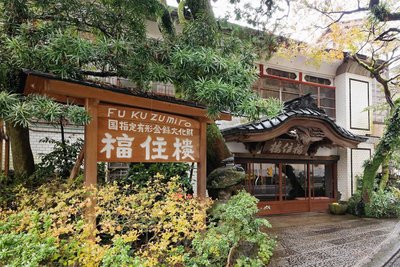
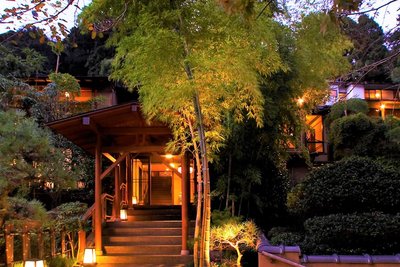
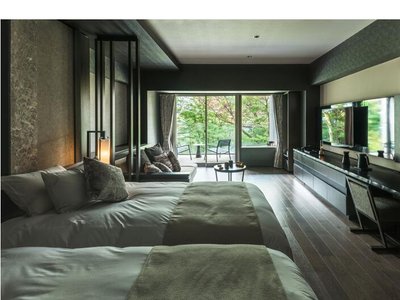
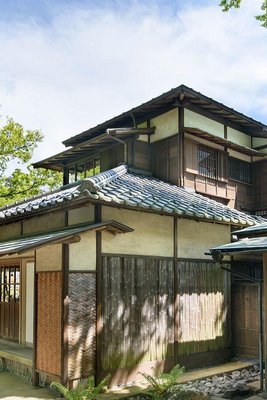
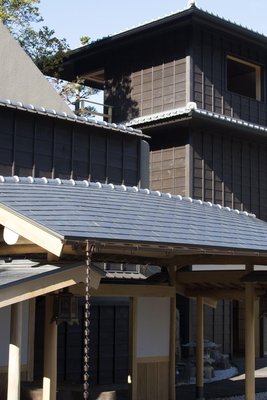
















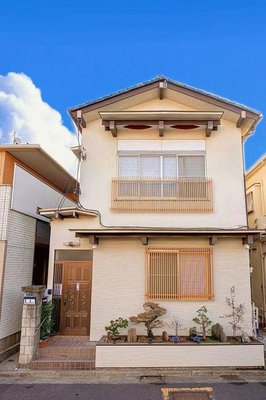

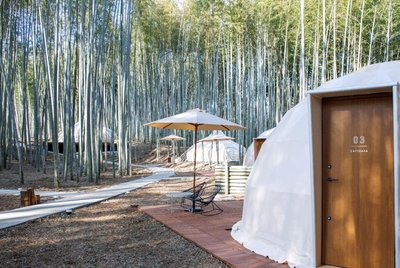


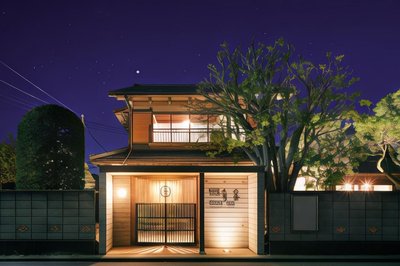

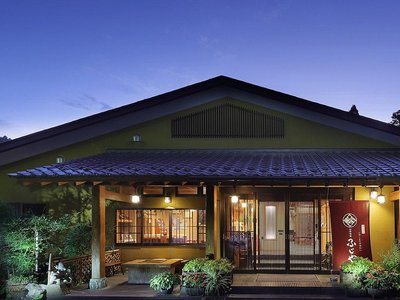




















Frequently Asked Questions about Traveling to Toride
Questions You Might Need to Know About Traveling to Toride
Toride Overview
City Summary
Toride City in Ibaraki Prefecture is a tranquil town blending nature and culture, located approximately 50 km northeast of Tokyo. Known for its Tone River basin rural landscapes, it preserves traditional Edo-period architecture. Toride is uniquely famous for its handicraft culture, particularly high-quality washi paper and pottery production. The annual Toride Art Festival in autumn attracts art enthusiasts from across Japan.
Must-See Attractions
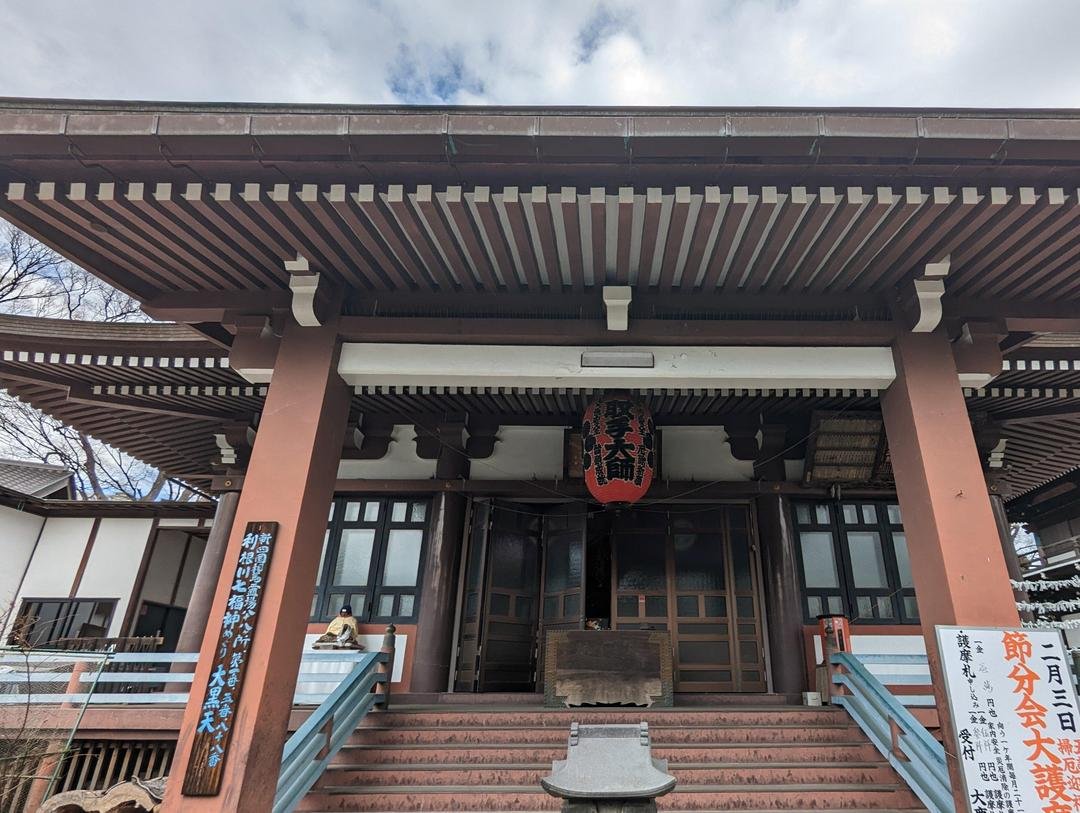
Don't miss the Toride City Library, whose innovative architecture has won international awards. Toride Hasunuma Park offers seasonal beauty with cherry blossoms in spring and lotus flowers in summer. History buffs should visit Toride Castle Ruins Park to experience Sengoku-period atmosphere. Art lovers must explore Toride Art University Museum for contemporary artworks.
Food Guide
Toride's handmade soba noodles are local specialty famed for their chewy texture. Try Tone River eel rice, prepared with fresh river eels. For sweets, Toride wagashi (traditional confections) are renowned for artistic designs, especially dango rice dumplings made with local rice. Fresh produce at farmers' markets make excellent souvenirs.
Transportation Guide
The easiest access from Tokyo is via JR Joban Line limited express (about 45 minutes). Local bus network covers major attractions - consider day passes. Taxis are reasonably priced but limited. As attractions are spread out, bicycle rental is recommended (multiple rental spots available). Note JR Toride Station has English signage but bus stops may only display Japanese.
Best Time to Visit
Best visiting periods are April-May for cherry blossoms and September-November for pleasant autumn weather with fewer crowds. Summers are hot/humid while winters offer traditional snowy landscapes. Avoid Golden Week (late April-early May) for lighter crowds.
Travel Tips
- Maintain silence at temples and confirm photography permissions.
- Most restaurants lack English menus - research dishes or use translation apps.
- Avoid loud talking in public as Japanese value quiet spaces.
- Strict trash sorting is required with few public bins - carry a trash bag.
- Shower before onsens and never wear swimwear in bath water.
- Taxi doors open automatically - don't manually pull to avoid damage.
Useful Information
English proficiency is limited - download offline translation apps. Major businesses accept cards but small vendors often only take cash. Free Wi-Fi spots exist at stations and tourist centers. Dial 110 (police) or 119 (ambulance) for emergencies. Drugstores sell over-the-counter meds but prescriptions require doctor notes. Tap water is drinkable with public water fountains available. Voltage is 100V with Type A plugs (two flat pins) matching US standards.









