Hotels in Tottori
Discover your perfect stay in Tottori.
Tottori(Japan) Travel 2026: Cheap Flights, Hotels & Top Attractions
Popular Landmarks in Tottori
Discover the most iconic attractions in Tottori
Recommended Hotels in Tottori
Find the perfect place to stay in Tottori
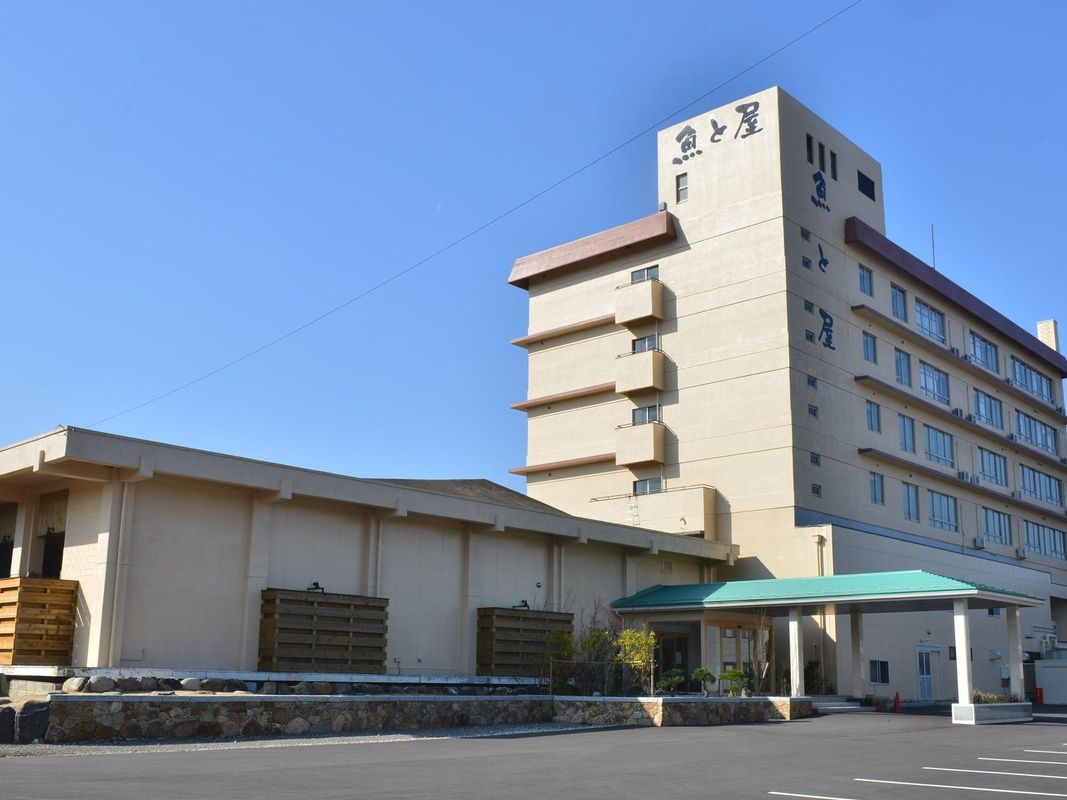
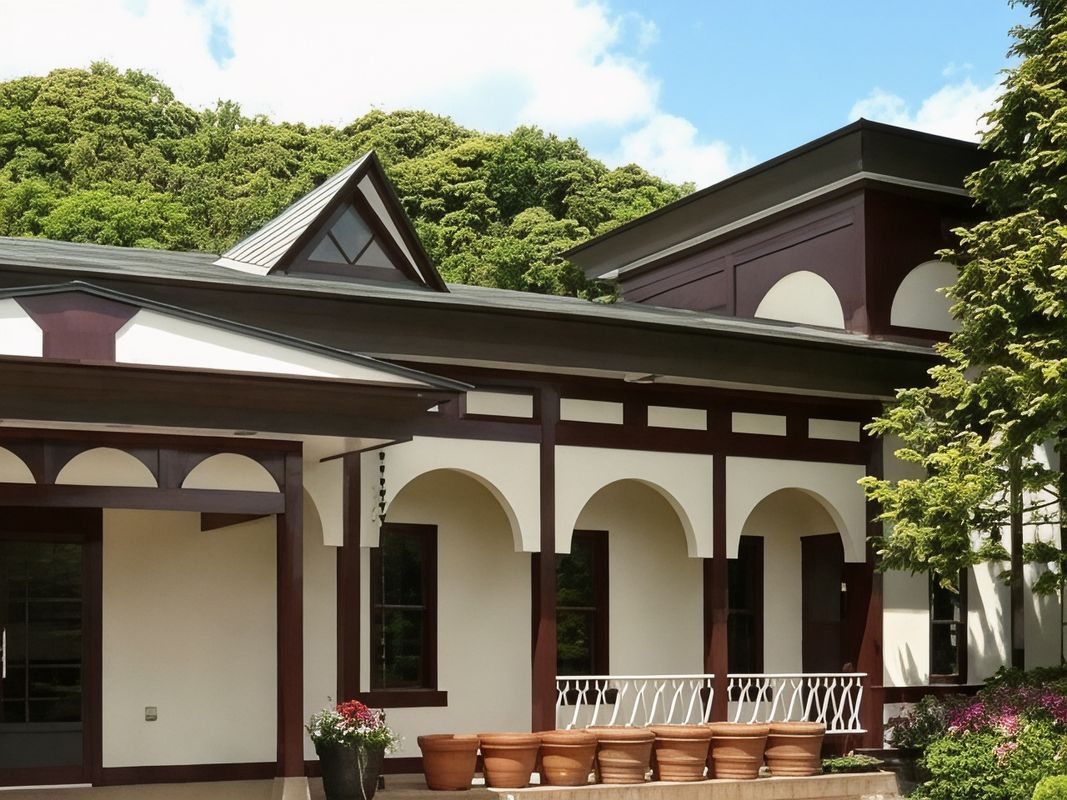
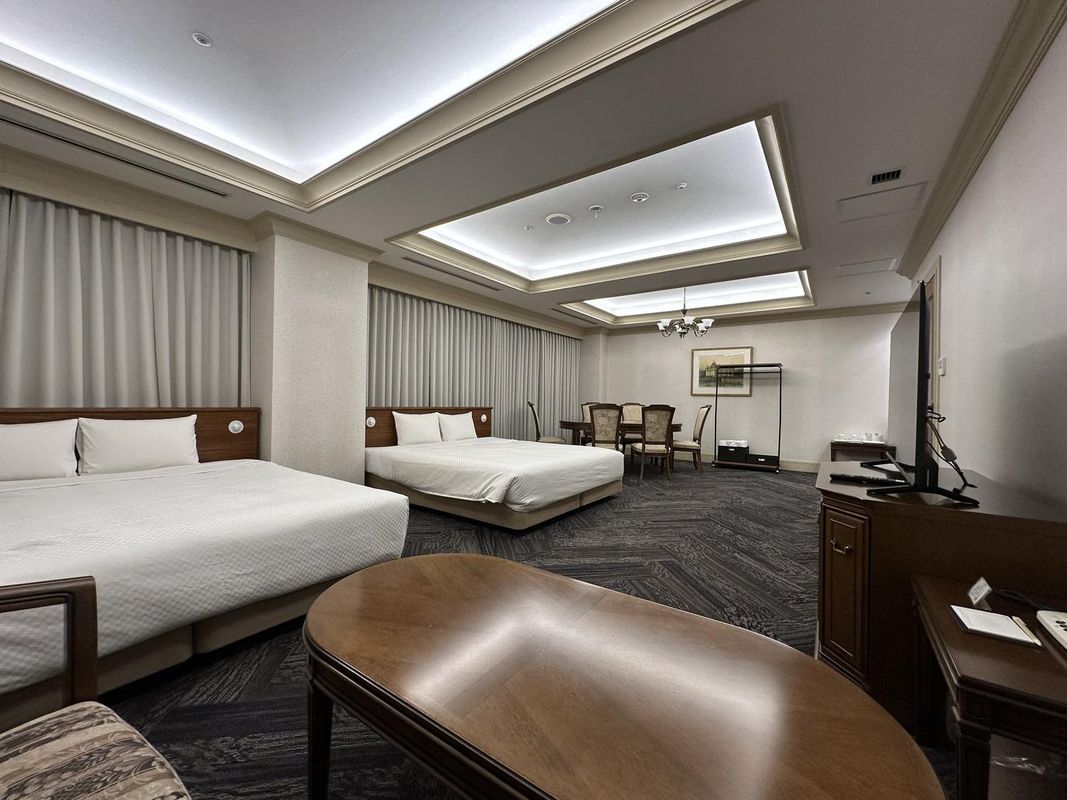

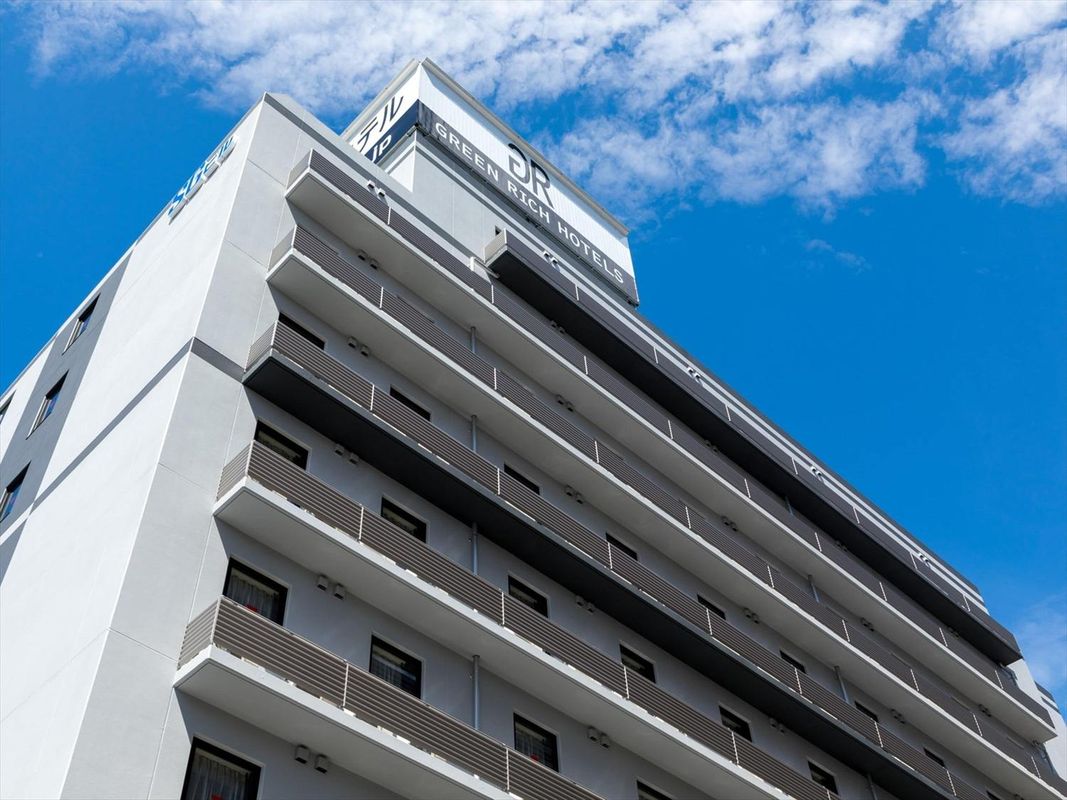
Best Hotels in Tottori
Discover curated hotel collections in Tottori



























Frequently Asked Questions about Traveling to Tottori
Questions You Might Need to Know About Traveling to Tottori
In Tottori City, the top family-friendly option is Hyatt Regency Tottori, located just minutes from Tottori Station. It offers spacious family rooms, a kids’ play area, and direct access to Tottori Sand Dunes, making it ideal for day trips. Another excellent choice is Hilton Tottori, featuring a dedicated children’s lounge, babysitting services, and themed activities like sandcastle-building workshops at the dunes. Both hotels provide complimentary shuttle services to major attractions, including Mount Daibosatsu and Tottori Castle Ruins, ensuring stress-free travel for families. Many rooms also offer panoramic views of the sea or mountains, perfect for memorable family moments.
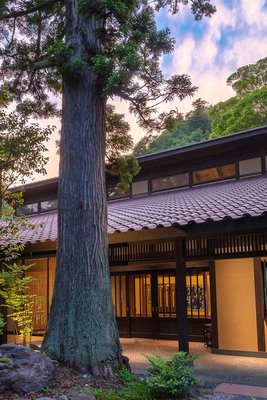
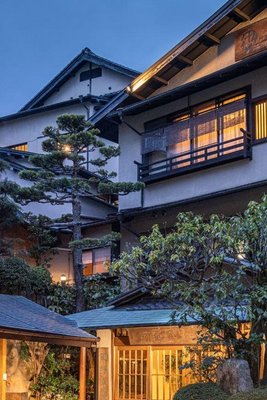
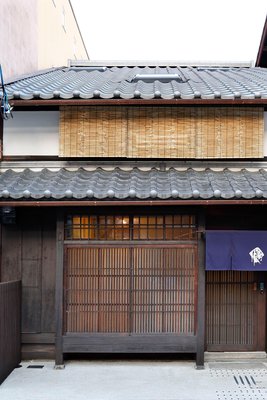
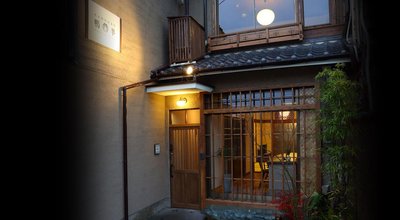
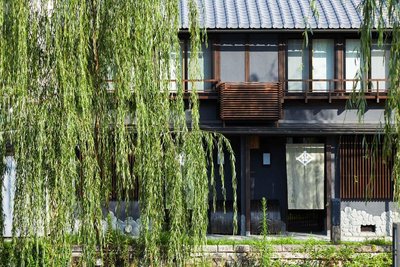
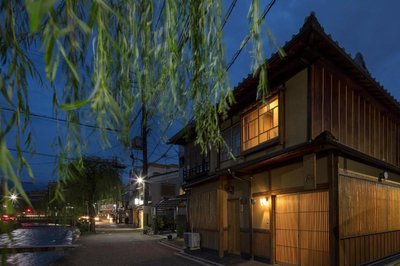
For a more traditional experience, consider staying at Machiya-style Ryokans in Kurayoshi, where families can participate in local craft workshops such as soy sauce brewing or tea ceremony. These accommodations often include private gardens and on-site dining with kid-friendly local dishes like Bessho beef and fresh seafood. Early HopeGoo is recommended during peak seasons to secure availability.
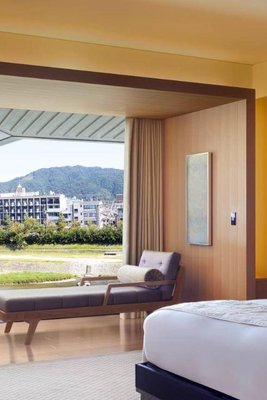
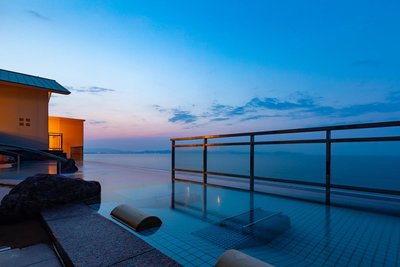
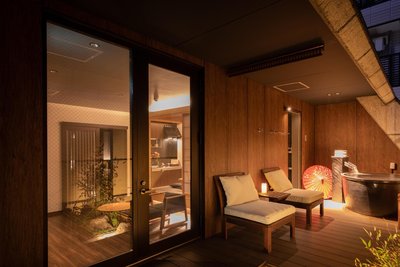
The Tottori Sand Dunes area provides the most breathtaking sunset views, especially at Tottori Sand Dunes Resort, where many rooms face the ocean with unobstructed views of the sun dipping below the horizon over golden dunes. The reflection of the sky on the shifting sands creates a surreal, cinematic scene. For a more luxurious stay, Daibosatsu Onsen Ryokan offers panoramic windows overlooking both the mountain range and distant sea, allowing guests to witness the sunset painted across the sky from their private hot spring baths.
Alternatively, Tottori Central Hotel features elevated rooftop terraces and floor-to-ceiling glass walls, enabling guests to enjoy the evening glow while sipping local sake. Don’t miss the seasonal Tottori Festival Night Illumination, which enhances the romantic atmosphere with lanterns lining the castle ruins. Staying near these locations ensures you won’t miss the daily spectacle of nature’s grand finale.
Visitors to Tottori City can immerse themselves in rich cultural traditions. A highlight is exploring Kurayoshi’s White-Wall Warehouse District, a preserved Edo-period district where visitors can tour historic sake breweries and participate in hands-on sake-making workshops. The annual Tottori Festival features traditional dance performances, kagura rituals, and vibrant parade floats showcasing local folklore.
Another must-try is the Yamato Art Museum in Tottori, which hosts rotating exhibitions of works by renowned Japanese artists like Hiroshi Sugimoto, blending photography, sculpture, and natural light. For a deeper connection with nature, visit Daisen Park, where ancient burial mounds and stone carvings reveal Japan’s early spiritual heritage. Some hotels even offer tea ceremony sessions and kimono dressing experiences, allowing travelers to dress in traditional attire and walk through historic streets, bringing history to life in a personal way.
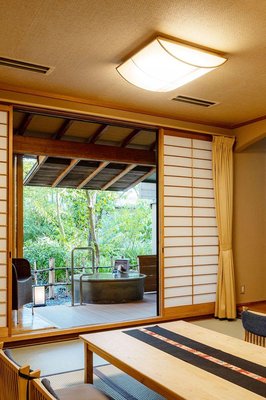
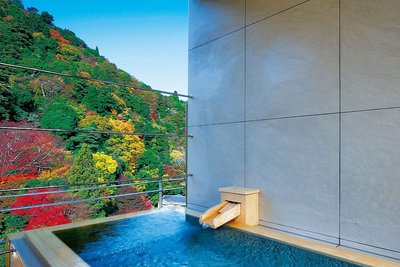
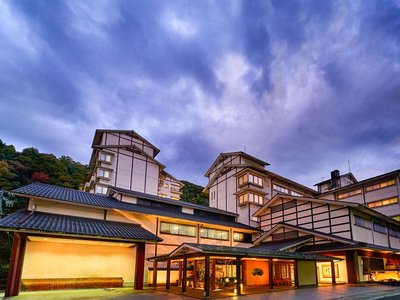
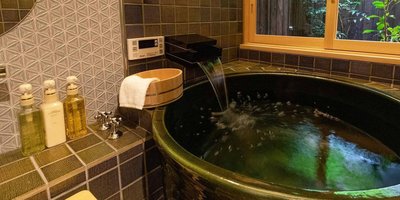
Yes, many hotels in Tottori City feature onsen (hot spring) facilities, especially those near Mount Daibosatsu and the Tottori Sand Dunes. Daibosatsu Onsen Ryokan is a standout choice, offering natural mineral-rich hot springs sourced directly from underground geothermal vents, known for their therapeutic benefits. Its open-air baths overlook lush forests and misty mountains, creating a serene, meditative atmosphere.
Other popular options include Hyatt Regency Tottori, which has an indoor/outdoor wellness spa with heated pools and steam rooms, and Tottori Central Hotel, which features a modern onsen lounge with panoramic views. While not all hotels have full-scale onsen, most provide foot baths or private soaking tubs in premium rooms. Reservations are advised during weekends and festivals, as demand is high. The region’s volcanic activity ensures abundant thermal resources, making Tottori a hidden gem for wellness-focused travelers seeking authentic Japanese relaxation.
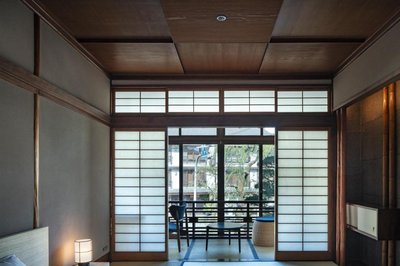
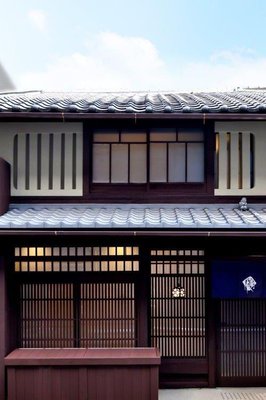
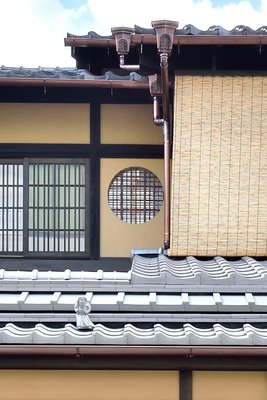
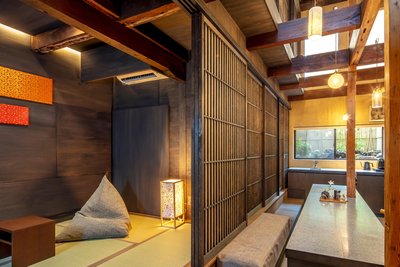
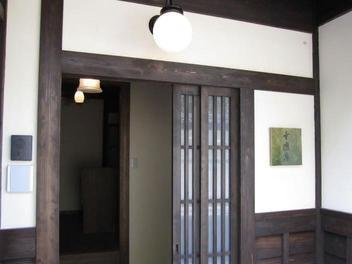
For unique guesthouses, head to Kurayoshi’s Shirakabe District, where centuries-old white-walled warehouse buildings have been transformed into boutique guesthouses like Shirakabe Machiya and Sakura House. These properties preserve original wooden beams, tatami floors, and sliding shoji screens while integrating modern comforts. Guests can enjoy exclusive experiences such as local cooking classes, traditional dyeing workshops, and guided walks through narrow alleyways lined with cherry blossoms.
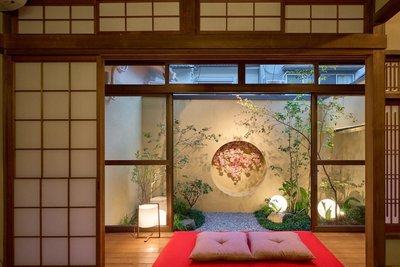
In central Tottori, Higashi-cho Street hosts several converted old townhouses, including Old Townhouse Kiku, which offers themed rooms inspired by Meiji-era lifestyles. Each property often includes a small garden, a shared tea room, and personalized welcome kits with local snacks. These guesthouses are perfect for travelers seeking authenticity, quiet ambiance, and a deeper connection to Tottori’s heritage. HopeGoo ahead is essential, especially during cherry blossom season and autumn foliage events.
Absolutely. Tottori City is ideal for short getaways due to its compact layout and excellent transportation links. Most hotels, such as Hilton Tottori and Tottori Central Hotel, are within a 5-minute walk from Tottori Station, offering quick check-in and convenient access to nearby attractions. Key sites like Tottori Sand Dunes, Tottori Castle Ruins, and Mount Daibosatsu are all reachable within one hour by car or public transit.
Many hotels offer express check-in/check-out, luggage storage, and free Wi-Fi. Some even provide “One-Day Experience Packages” that include entrance tickets, guided tours, and local cuisine vouchers, simplifying trip planning. Whether you’re spending one night or just a few hours en route, Tottori delivers a rich cultural and scenic experience without requiring extensive time. It’s a perfect stopover between Kyoto and Hiroshima or a tranquil retreat after visiting the Chūgoku Mountains.
Photographers will love Tottori Sand Dunes Resort, whose rooms face the vast desert and sea, offering uninterrupted views of sunrise and sunset over golden dunes. The resort features large glass panels and rooftop terraces perfect for capturing dramatic skies and silhouettes. Daibosatsu Onsen Ryokan provides a dream setting with forest-covered mountains and misty mornings, ideal for long-exposure shots of waterfalls and foggy valleys.
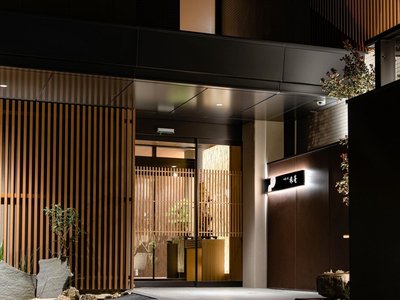
For urban photography, Tottori City Design Hotel offers minimalist architecture and stark contrasts between modern lines and traditional elements, great for architectural studies. During seasonal events like Cherry Blossom Festival or Autumn Foliage Season, the city’s parks and temples become photo hotspots. Some hotels also arrange guided night photography tours, including stargazing at remote dune spots and capturing the Milky Way above the sand. Bring a tripod and wide-angle lens to make the most of these unforgettable visuals.
Yes, Tottori City hotels are highly child-friendly. Hyatt Regency Tottori features a dedicated Kids’ Activity Center with games, coloring stations, and supervised playtime. Hilton Tottori offers family suites, baby cots, and child-sized bathrobes, plus a special “Sand Dunes Adventure Pack” with binoculars, maps, and safety gear for exploring the dunes.
Several hotels partner with local zoos and nature centers, providing free admission passes and guided wildlife tours. In Kurayoshi, Shirakabe Machiya Guesthouses host hands-on crafts like making paper lanterns or painting clay figures, keeping children engaged and culturally immersed. Evening programs such as storytelling under the stars at the sand dunes add a magical touch. With easy access to outdoor spaces, playgrounds, and gentle hiking trails, Tottori is a safe, low-stress destination for families seeking quality time in nature and culture.
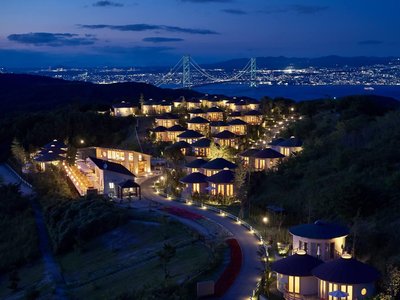
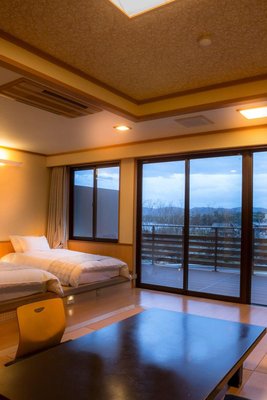
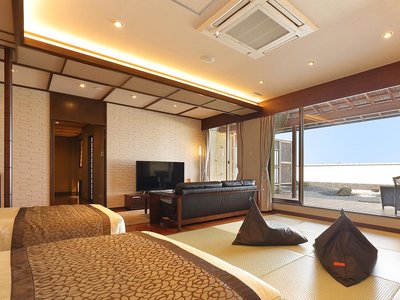
Tottori City hotels are designed to seamlessly integrate with the surrounding environment. Tottori Sand Dunes Resort uses sustainable materials and low-profile architecture to blend into the dunes, with rooms featuring floor-to-ceiling windows facing the sea and shifting sands. Guests can step directly onto private decks to observe sand ripples and migratory birds.
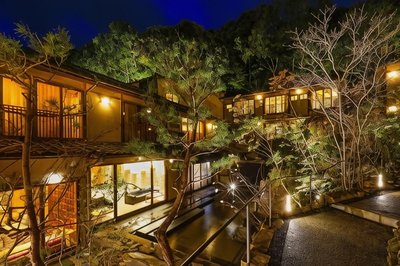
Daibosatsu Onsen Ryokan builds elevated wooden walkways connecting cabins through dense forests, allowing guests to walk among trees while enjoying views of the mountain peaks. Many hotels collaborate with local conservation groups to promote eco-tourism, offering guided hikes, birdwatching tours, and night-time stargazing sessions. Some even use solar power and rainwater harvesting systems, reflecting a deep respect for nature.
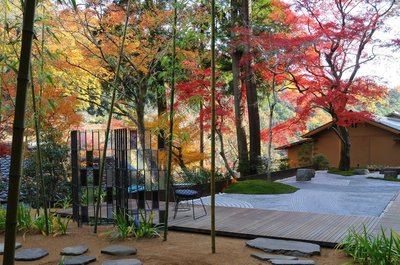
Staying in these lodges means waking up to the sound of wind through reeds, walking through untouched meadows, and experiencing the rhythm of seasons—from cherry blossoms in spring to fiery red maples in autumn. This close bond with nature transforms a simple stay into a profound journey of presence and peace.
Tottori Overview
City Summary
Tottori City, located in eastern Tottori Prefecture, is renowned for its dramatic sand dunes—Japan's largest coastal dunes—and pear orchards. The city blends natural wonders like the Tottori Sand Dunes with quirky pop culture as the hometown of manga artist Shigeru Mizuki (creator of "GeGeGe no Kitaro"). Seasonal highlights include autumn pear festivals and winter snow crab harvests.
Must-See Attractions
The Tottori Sand Dunes offer camel rides and paragliding with Sea of Japan views. Nearby, the Sand Museum features intricate international sand art exhibits. Mizuki's legacy shines at the Shigeru Mizuki Memorial Museum, while the adjacent Yokai Street brims with monster statues. History buffs can explore Tottori Castle Ruins and Western-style Jinpūkaku Hall. Don't miss fresh seafood at Karoichi Market.
Food Guide
Savor Tottori Wagyu, prized for its marbling, as yakiniku or shabu-shabu. Seasonal snow crab (December-February) and red queen crab are local luxuries. Desserts starring the 20th Century Pear (like pear daifuku) showcase regional produce. Try dune curry, infused with local ingredients, or playful yokai-themed dango at souvenir shops.
Transportation Guide
Local buses (KAURU IC card accepted) connect key spots from Tottori Station. The Kirinjishi Loop Bus serves major attractions hourly. Taxis charge 650 JPY initially. JR San-in Line links neighboring cities. Rent a car for flexibility, but note paid parking near dunes. Bicycle rentals (500-1,000 JPY/day) work for short distances.
Best Time to Visit
Spring (April-May) and autumn (September-November) offer mild weather and fewer crowds. Summer brings scorching dune temperatures; winter offers crab feasts and snowy landscapes. Avoid Golden Week (May) and Obon (August) peaks.
Travel Tips
- Wear sturdy shoes on dunes—summer surfaces exceed 50°C.
- Carry cash—many rural vendors don't accept cards.
- Check bus schedules—services are infrequent.
- Visit Yokai Street at dusk for illuminated displays.
- Onsen etiquette: Rinse thoroughly before entering baths.
- Shop for pear jams or Kitaro merchandise as souvenirs.
Useful Information
Language: Japanese prevails; basic English at transit hubs. Wi-Fi: Prepaid SIMs at convenience stores or rent pocket routers. Currency: Carry yen for small vendors. Healthcare: Tottori University Hospital has limited English support (call 119 for emergencies). Plugs: Type A (100V). Post offices operate weekdays; hotels often handle mail.