Hotels in Toyone
Discover your perfect stay in Toyone.
Toyone(Japan) Travel 2026: Cheap Flights, Hotels & Top Attractions
Popular Landmarks in Toyone
Discover the most iconic attractions in Toyone
Recommended Hotels in Toyone
Find the perfect place to stay in Toyone
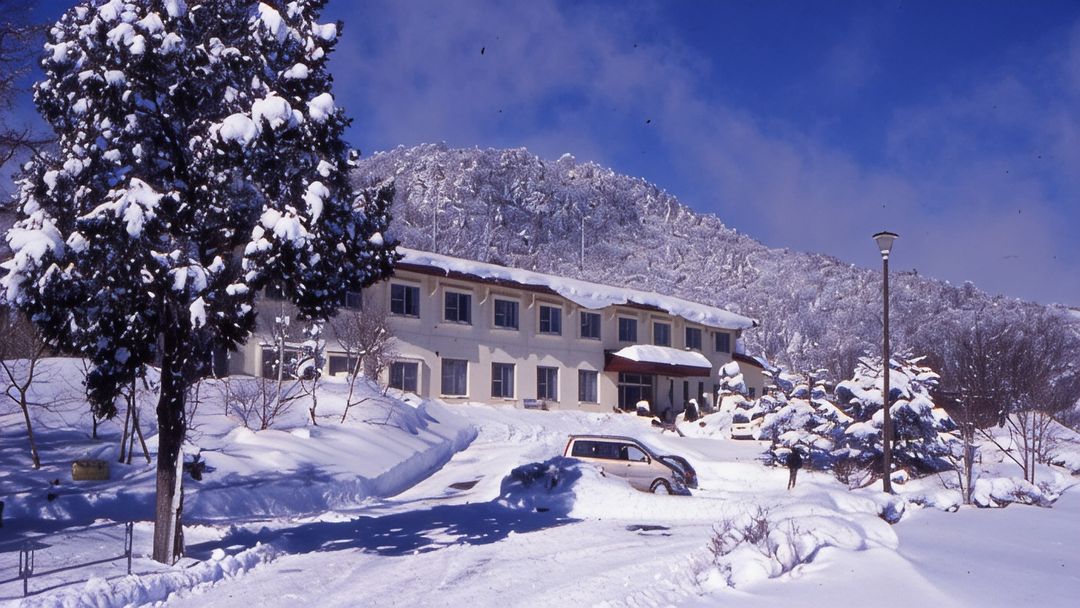
Kyukamura Chausuyama-Kogen
Best Hotels in Toyone
Discover curated hotel collections in Toyone
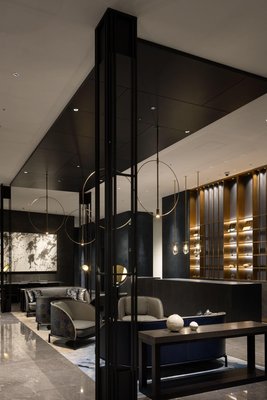
Bellustar Tokyo, A Pan Pacific Hotel

Bvlgari Hotel Tokyo

Shima Kanko Hotel the Bay Suites
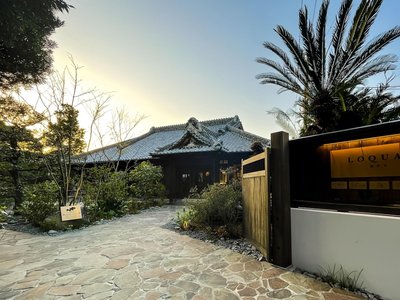
Loquat Nishiizu
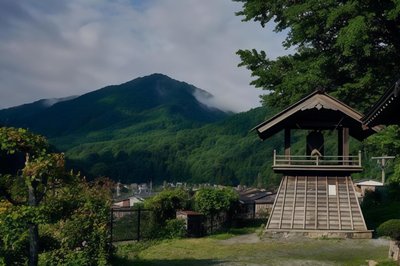
Byaku Narai
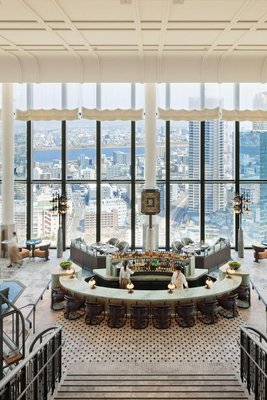
Waldorf Astoria Osaka
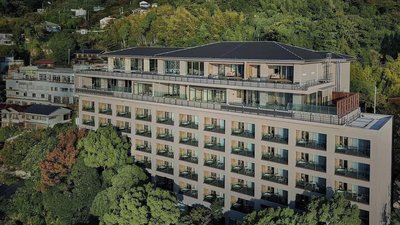
Atami Izusan Karaku
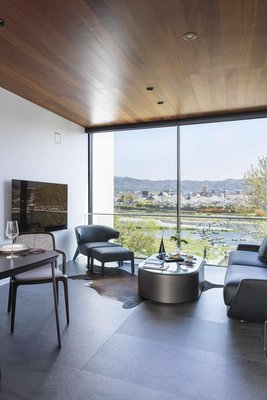
Kamo Residences by Reflections
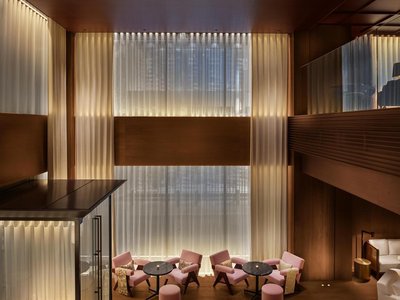
The Tokyo Edition, Ginza

Janu Tokyo
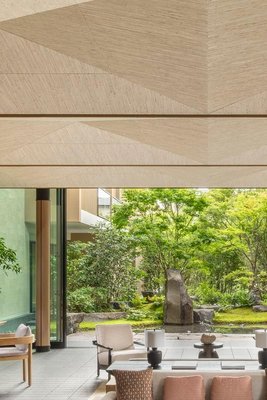
Six Senses Kyoto
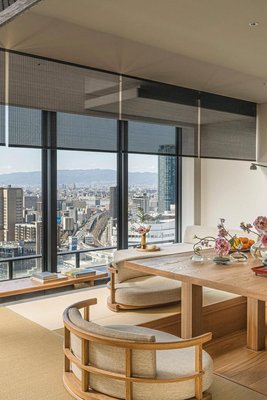
Four Seasons Hotel Osaka

Patina Osaka

The Ritz-Carlton, Osaka
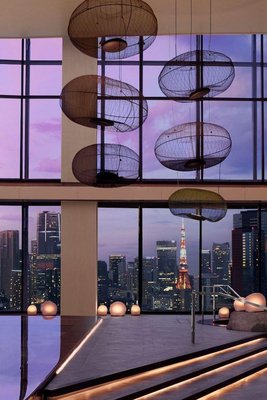
JW Marriott Hotel Tokyo
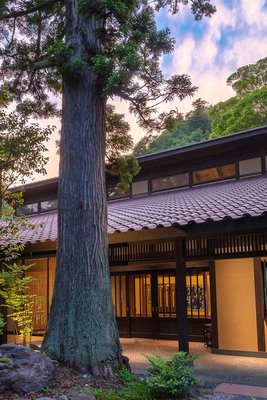
Arimasansoh Goshobessho
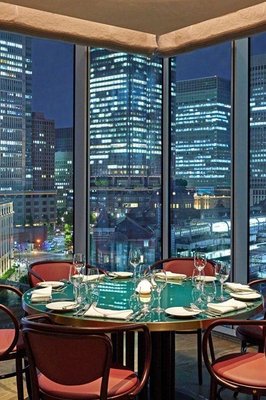
Four Seasons Hotel Tokyo at Marunouchi

Mandarin Oriental, Tokyo
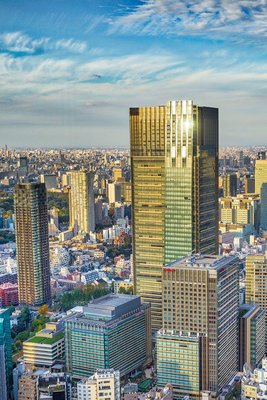
The Ritz-Carlton, Tokyo
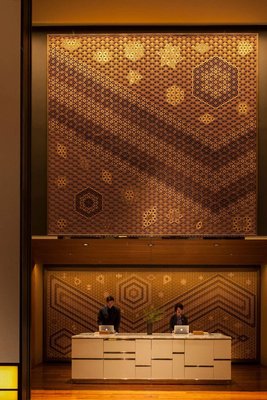
Andaz Tokyo Toranomon Hills- A Concept by Hyatt

Centara Grand Hotel Osaka

voco Osaka Central
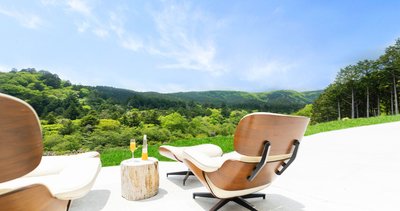
Shelter Garden Nikko
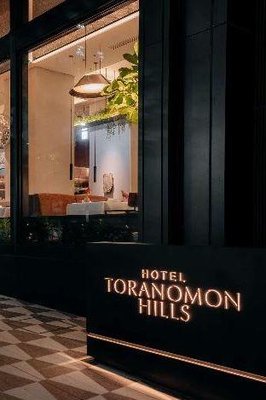
Hotel Toranomon Hills
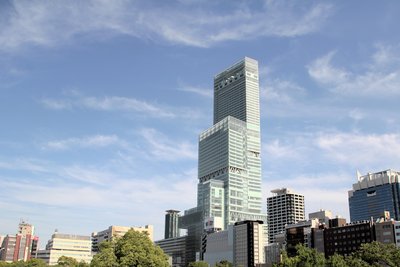
Osaka Marriott Miyako Hotel
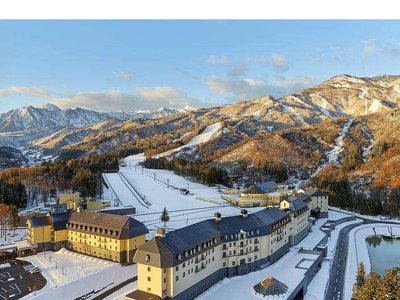
Lotte Arai Resort
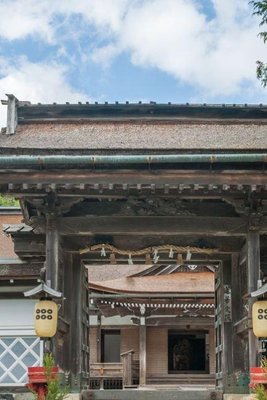
Koyasan Rengejoin
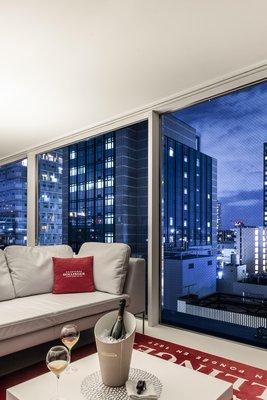
CUVÉE J2 HOTEL OSAKA by Onko Chishin
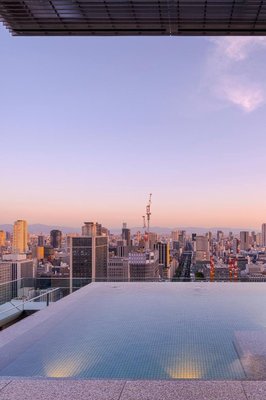
Candeo Hotels Osaka The Tower
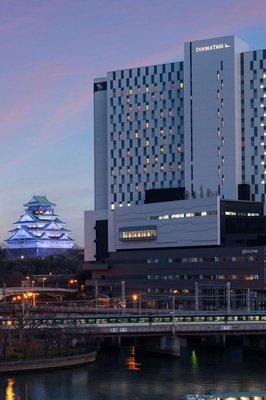
DoubleTree by Hilton Osaka Castle
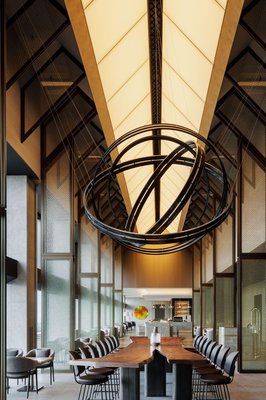
The Osaka Station Hotel, Autograph Collection
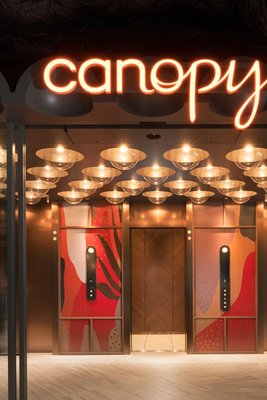
Canopy by Hilton Osaka Umeda
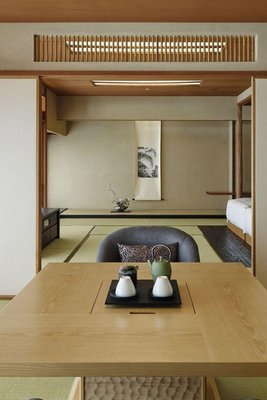
Takanawa Hanakohro (in Grand Prince Hotel Takanawa)
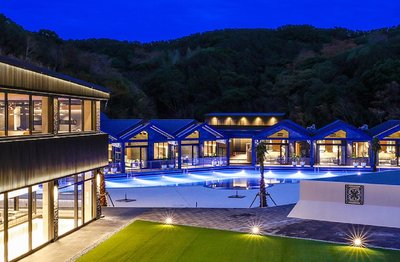
FIVE SPRING RESORT THE SHIRAHAMA

Hyatt Centric Ginza Tokyo
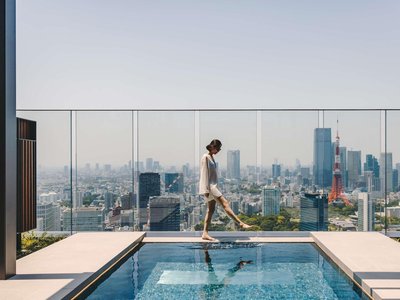
Fairmont Tokyo
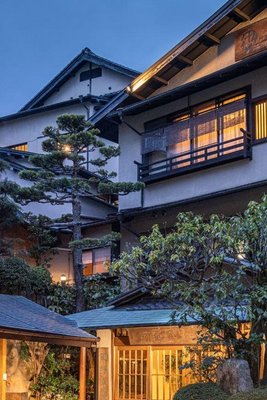
Arima Onsen Tocen Goshobo

Hotel La Suite Kobe Harborland
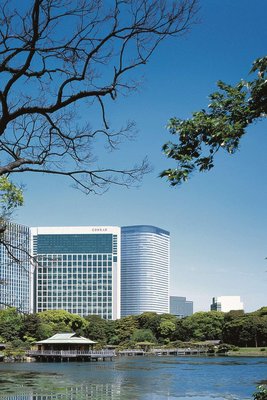
Conrad Tokyo

Hilton Osaka Hotel

Rakuten STAY VILLA Nasu
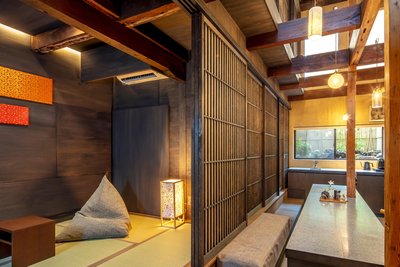
Kyo No Oozora Kihana
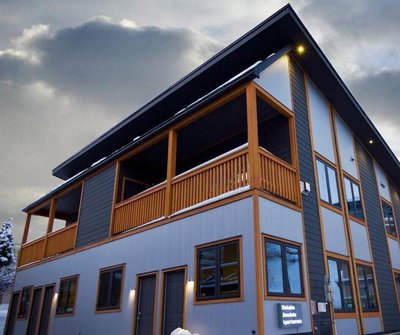
Hakuba Gondola Apartments
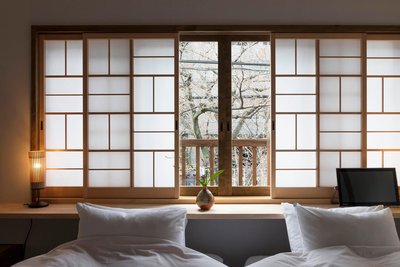
Hanagoromo Machiya House
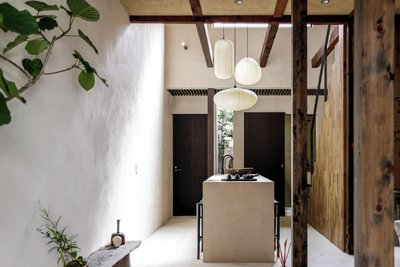
Maana Kiyomizu
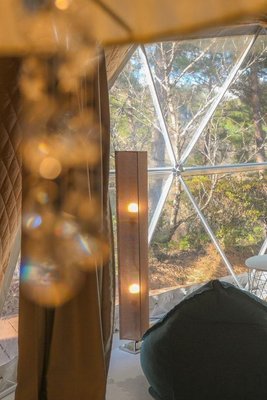
glampark Gekkabijin Nagano
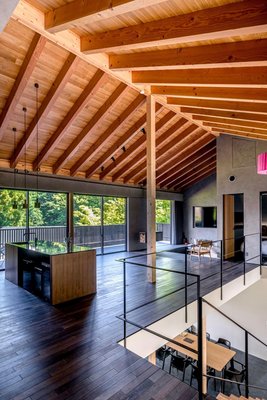
MONS GORA

Phoenix Chalets by Hhg
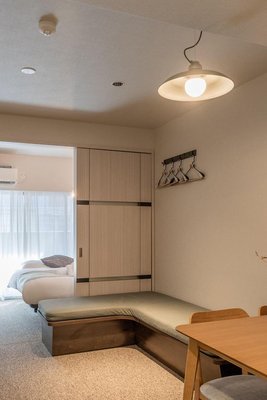
Apartment Hotel 11 Shinsaibashi
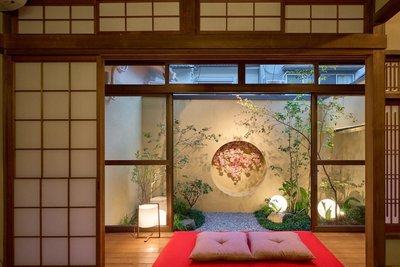
KONJAKUSO Osaka Tengachaya "NIHONCHA" Tea & Relax
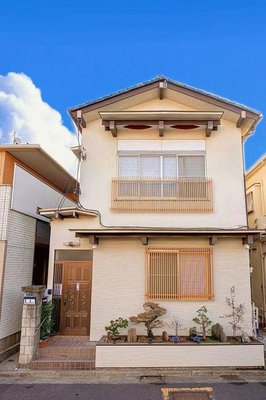
Tokyo Star House-Shinkoiwa
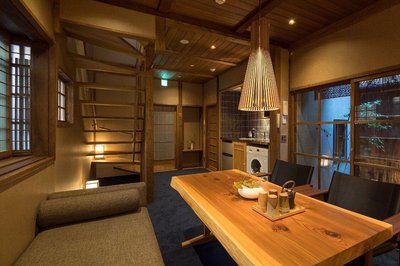
Bonbori an Machiya House
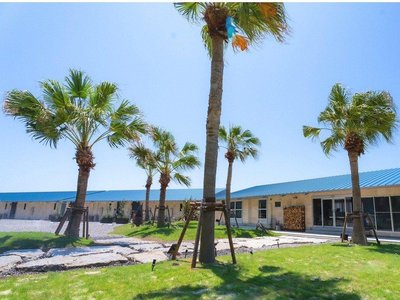
Glamping&Resort Wood Design Park Noma
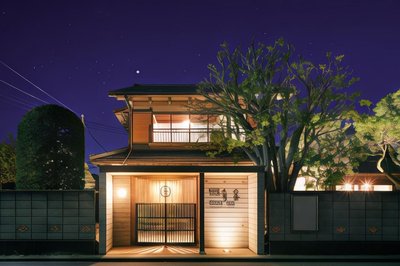
Machi-Jyu
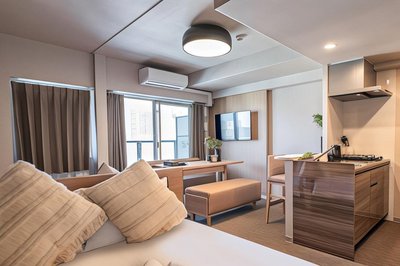
Apartment Hotel 11 Shinsaibashi III
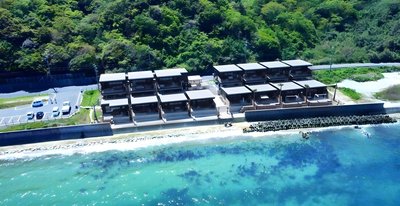
Solavilla Umi Terrace Minamiawaji
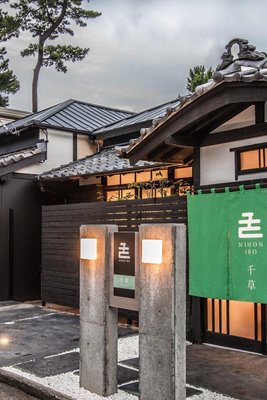
Nihon Iro
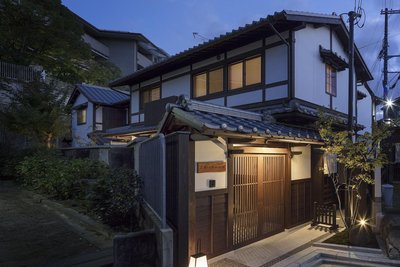
The Machiya Villa Sanjo Shirakawa Koji
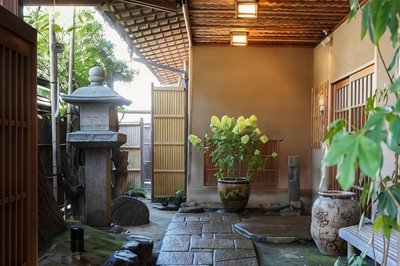
Ryokan Asadaya
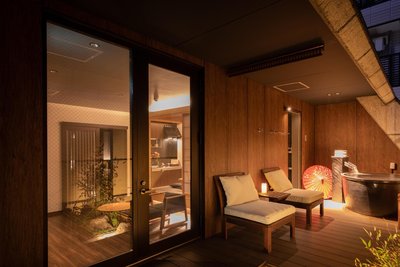
Konjaku-So Dotonbori
Frequently Asked Questions about Traveling to Toyone
Questions You Might Need to Know About Traveling to Toyone
In Fujine Village, the top choice is Fujine Onsen Kodai-kan, a beautifully preserved minka-style inn that blends historic architecture with modern comfort. Guests can soak in natural hot springs sourced from underground geothermal vents, known for their skin-rejuvenating properties. The inn also offers authentic kaiseki dining featuring seasonal local ingredients like wild mountain vegetables and fresh rice from nearby terraced fields.
For an immersive cultural experience, book a stay during the Fujine Harvest Festival (late September), where visitors participate in rice-stripping ceremonies and learn traditional farming techniques. The village’s surrounding mountain trails and ancient cedar groves make it ideal for nature walks and photography. Many ryokan provide access to private gardens with cherry blossoms in spring and vibrant maple foliage in autumn.
The most peaceful and scenic accommodations in Fujine Village are found in the northern hillside region, nestled among rice paddies and old-growth cedar forests. Staying here offers panoramic views of terraced fields that change color with the seasons—lush green in summer, golden in autumn—and distant mountain silhouettes under clear skies.
Many boutique lodges in this area are built using local timber and feature open-air baths overlooking the valley. Guests often enjoy quiet mornings with only the sound of wind through bamboo groves and birdsong. This area is especially ideal for those seeking solitude, photography, or spiritual renewal near the Fujine Shrine and ancient pilgrimage paths. The lack of nightlife ensures deep rest and connection with nature.
Visitors to Fujine Village can participate in a range of authentic cultural experiences. One highlight is the Seasonal Farming Workshop, where guests join locals in rice planting, weeding, or harvesting, gaining insight into sustainable agriculture rooted in centuries-old practices.
The annual Fujine Spring Festival features traditional dances like the "Fujine Odori," performed in colorful yukata by villagers, followed by communal meals served in open-air pavilions. Another must-try is the Bamboo Weaving Studio, where artisans teach how to craft baskets and lanterns using locally harvested bamboo—a skill passed down through generations.
Don’t miss the Old Fujine Elementary School Museum, now a heritage center showcasing vintage tools, hand-carved woodwork, and archival photos. Weekly "Village Language Talks" offer rare opportunities to hear elders speak regional dialects and share folk tales, preserving intangible cultural heritage.
The hot springs in Fujine Village are renowned for their mineral-rich waters drawn from a deep geological fissure over 300 meters below ground. The water is mildly alkaline and rich in silicates and sulfur compounds, known for soothing skin conditions and relieving joint pain.
The standout feature is the open-air bath at Fujine Onsen Kodai-kan, which offers sweeping views of the Nōbi Plain at sunrise and sunset. During winter, steam rises above snow-dusted fields, creating a dreamlike atmosphere. All baths use 100% natural spring water with no chemical additives—a policy upheld across the village to preserve ecological integrity.
Guests can also purchase on-site spa products like mineral mud masks and bath salts as souvenirs, extending the wellness experience beyond the visit.
Yes, Fujine Village is highly suitable for family travel due to its safe, serene environment and abundant child-friendly activities. The Fujine Children’s Farm allows kids to interact with goats, rabbits, chickens, and even try milking cows or baking animal-shaped bread.
A highlight is the Family Pottery Workshop, where parents and children collaborate on hand-building clay sculptures, glazing them for later pickup. During summer, the Rice Field Firefly Night Walk draws families to illuminated paddy paths, where guides explain the life cycle of fireflies and their role in the ecosystem.
Most guesthouses offer baby kits, playrooms, and outdoor sand pits. Staying near the Fujine Shrine enables the whole family to join seasonal rituals and festivals, fostering intergenerational bonding. With minimal traffic and ample green space, it’s a perfect retreat for quality time together.
Must-try dishes in Fujine Village highlight fresh, locally sourced ingredients and traditional preparation methods. Start with Fujine Beef Rice, a savory dish made by slow-cooking local beef with glutinous rice, resulting in tender, flavorful grains enhanced by homemade pickles.
Another standout is Mountain Vegetable Tempura, featuring seasonal wild greens like ferns, dandelion, and squash blossoms, lightly battered and fried to preserve crispness. Served with seaweed-based dipping sauce, it’s a celebration of nature’s bounty.
Don’t miss the Fujine Sweet Potato Cake, a soft, honey-like pastry made from sun-dried local sweet potatoes. It pairs perfectly with matcha tea. Many restaurants also offer the Farm-to-Table Experience, where families dine on meals composed entirely of ingredients grown on-site, emphasizing sustainability and transparency from field to table.
Toyone Overview
City Summary
Toyone Village is a tranquil village nestled in the mountains of northeastern Aichi Prefecture, Japan. Known for its natural beauty and hot springs, the village offers a peaceful retreat from urban life. With distinct seasons, visitors can enjoy cherry blossoms in spring, lush greenery in summer, vibrant foliage in autumn, and snowy landscapes in winter. Toyone is ideal for those seeking rural charm and onsen relaxation.
Must-See Attractions
Key attractions in Toyone Village include Chausuyama Plateau, a popular spot for hiking and skiing; Toyone Onsen, offering traditional Japanese hot spring experiences; and Toyone Dam, surrounded by scenic views perfect for walks and photography. The village's traditional architecture and farmland vistas are also worth exploring.
Food Guide
In Toyone Village, savor authentic countryside cuisine such as tempura made with wild mountain vegetables, locally produced soba noodles, and fresh river fish dishes. Small eateries and onsen ryokans often serve these specialties, providing a taste of genuine Japanese rural flavors.
Transportation Guide
Getting around Toyone Village primarily relies on buses and rental cars. From Nagoya, take a bus to Toyone, which takes about 3 hours. As attractions are spread out, renting a car or using local buses is recommended. Some roads may close due to snow in winter, so check conditions in advance.
Best Time to Visit
The best times to visit are spring (April-May) and autumn (October-November), when the weather is pleasant and the scenery stunning. Winter (December-February) is ideal for skiing but requires warm clothing and awareness of travel restrictions.
Travel Tips
- Onsen Etiquette: Wash thoroughly before entering the hot spring; swimsuits are prohibited.
- Winter Gear: Prepare warm clothing and snow boots for cold temperatures.
- Cash Payments: Some businesses don't accept cards, so carry sufficient cash.
- Respect Local Customs: Avoid loud noises and follow village traditions.
- Eco-Consciousness: Dispose of trash properly and keep the environment clean.
- Advance Bookings: Ryokans and restaurants may require reservations.
Useful Information
Language: Japanese is primarily spoken; English is limited, so a translation app is helpful. Internet: Mobile signals can be weak; consider renting a portable Wi-Fi device. Payment: Cash is preferred, though some ryokans and restaurants accept cards. Emergency Care: A small clinic is available, but serious cases may require travel to a city hospital. Voltage: 100V, with Type A outlets; bring an adapter if needed.