Hotels in Tozawa
Discover your perfect stay in Tozawa.
Tozawa(Japan) Travel 2026: Cheap Flights, Hotels & Top Attractions
Popular Landmarks in Tozawa
Discover the most iconic attractions in Tozawa
Recommended Hotels in Tozawa
Find the perfect place to stay in Tozawa
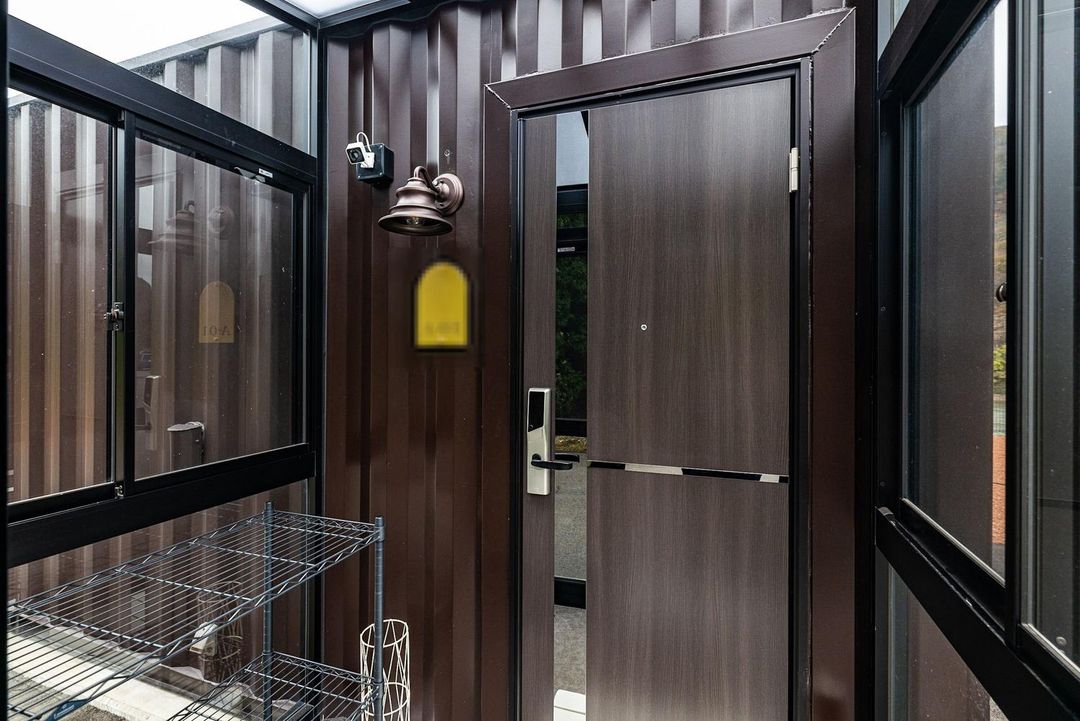
R MOGAMI
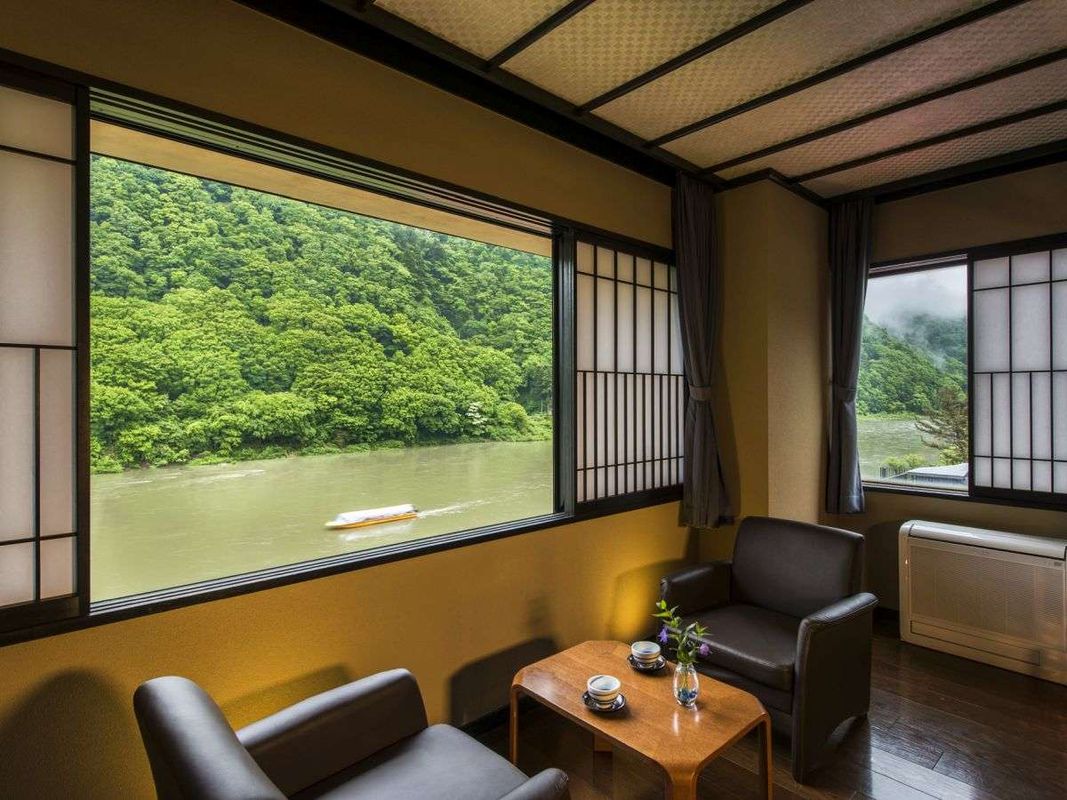
Takamiya Ryokan Beni
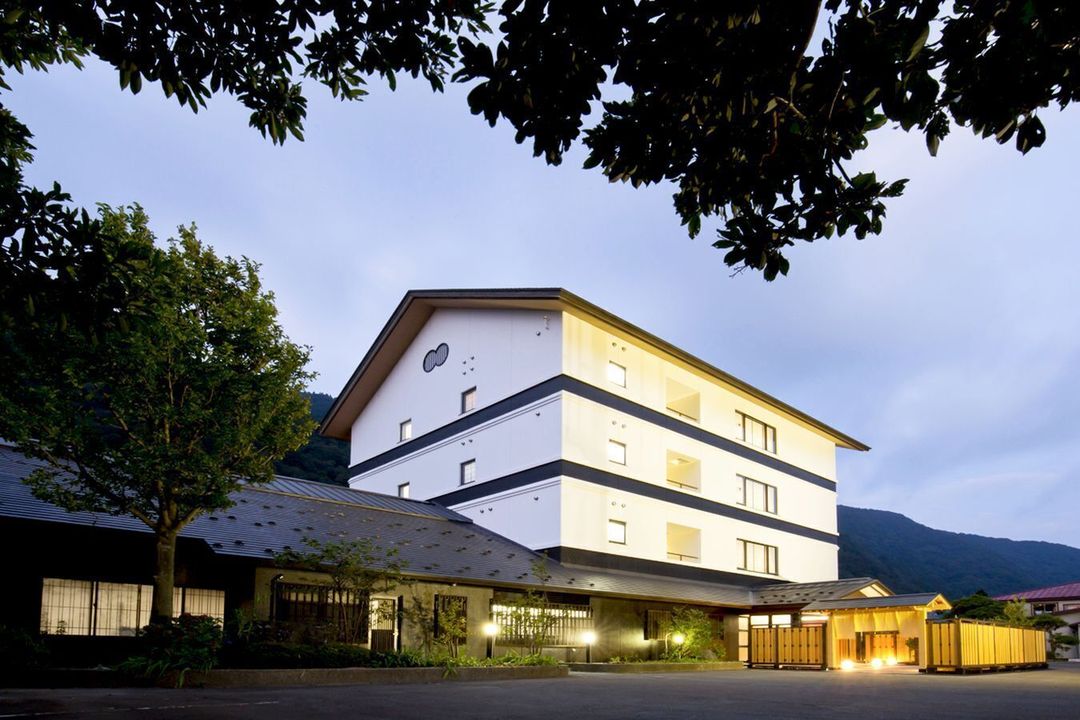
Beni
Best Hotels in Tozawa
Discover curated hotel collections in Tozawa
Hoshinoya Karuizawa
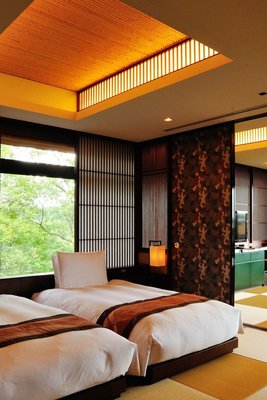
Chikusenso Onsen
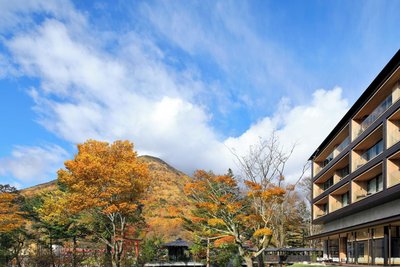
The Ritz-Carlton, Nikko
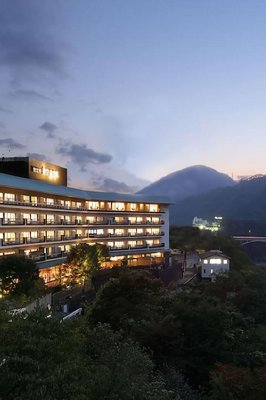
Kanaya Hotel Kinugawa
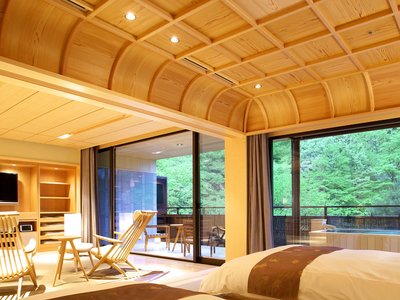
Ryotei Kaichoro
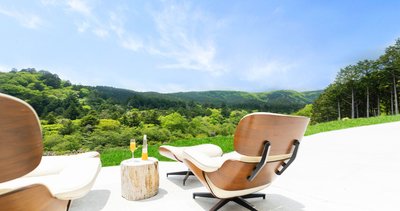
Shelter Garden Nikko

Fufu Kyu-Karuizawa Restful Forest
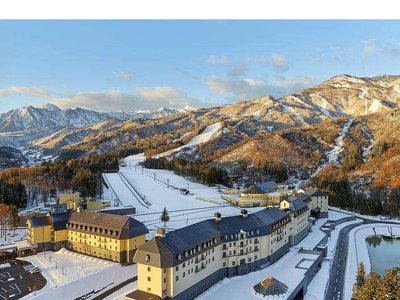
Lotte Arai Resort
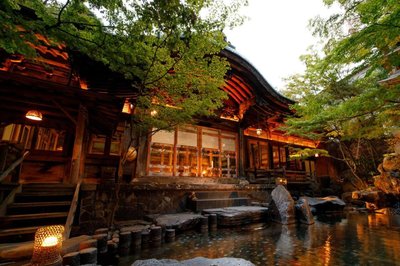
Shoraiso
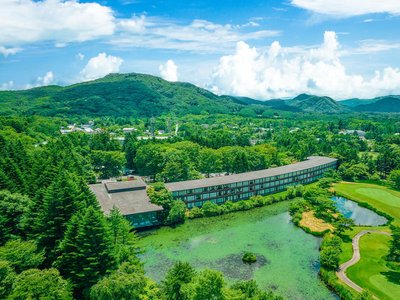
The Prince Karuizawa
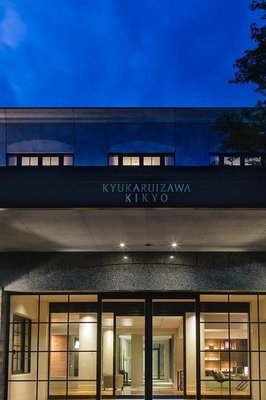
Kyukaruizawa Kikyo, Curio Collection by Hilton
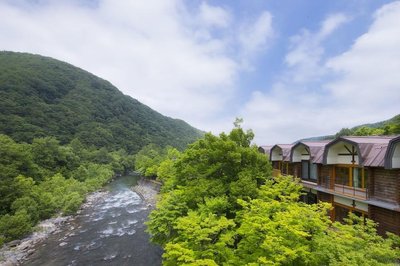
Hoshino Resorts Oirase Keiryu Hotel
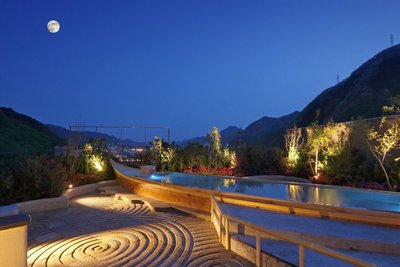
Asaya
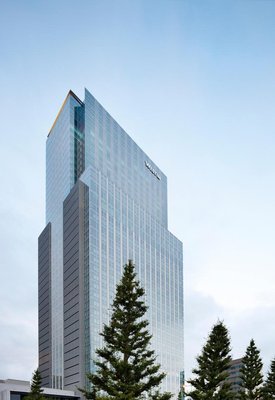
The Westin Sendai Hotel
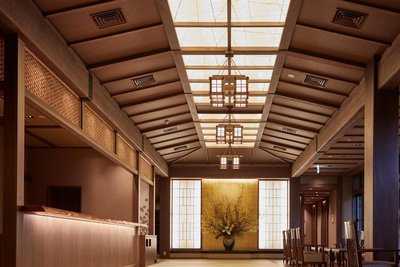
Yukinohana
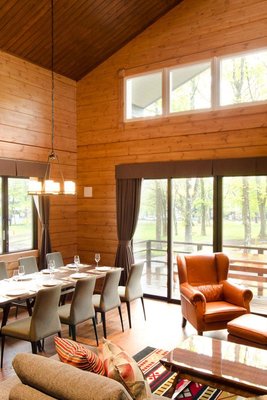
The Prince Villa Karuizawa

Yukemuri No Yado Inazumi Onsen
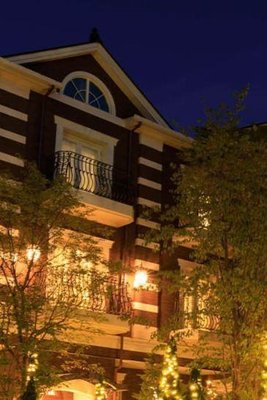
Le Grand Kyu Karuizawa
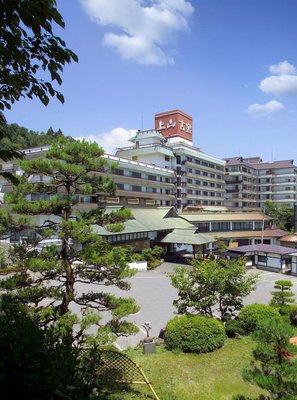
Hotel Koyo
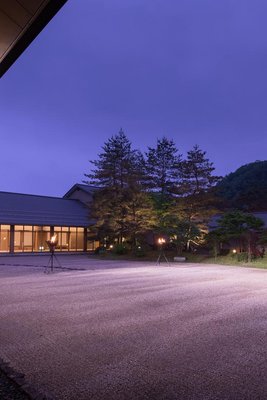
Kashoen
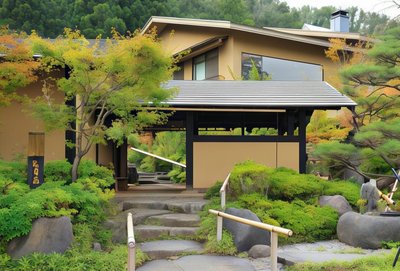
Meigetsuso
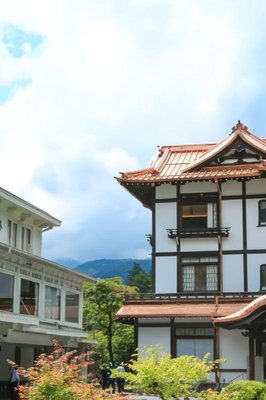
Nikko Kanaya Hotel
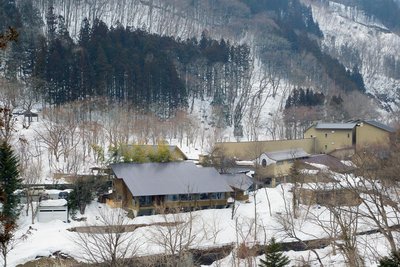
Bettei Senjyuan

La Vista Kusatsu Hills
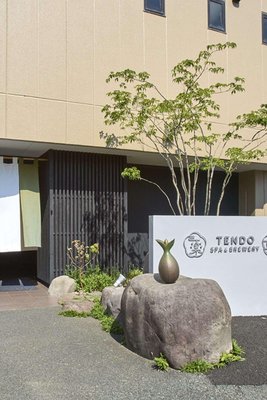
Yubo Ichiraku TENDO SPA&BREWERY

Hotel Barrière Fouquet's New York

The Plaza - A Fairmont Managed Hotel
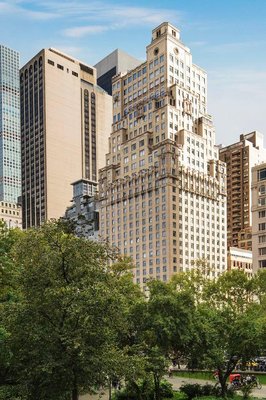
The Ritz-Carlton New York, Central Park
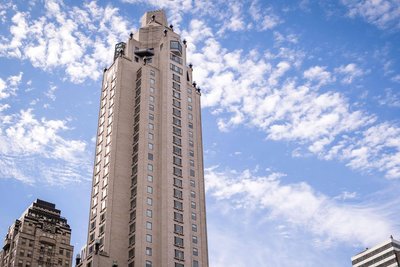
Four Seasons Hotel New York

The St. Regis New York
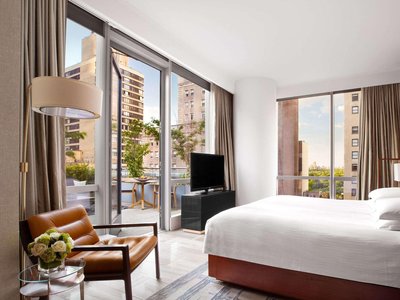
Park Hyatt New York
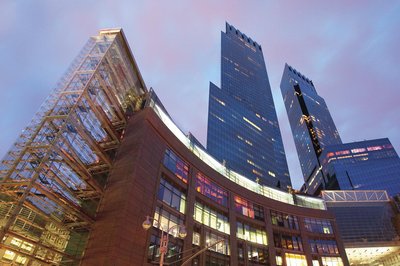
Mandarin Oriental New York

Times Square Edition New York

Loews Regency New York Hotel

Lowell Hotel
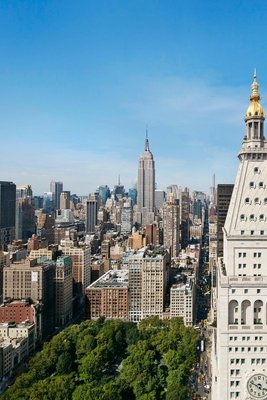
New York Edition

Baccarat Hotel New York

Equinox Hotel New York

Four Seasons Hotel New York Downtown
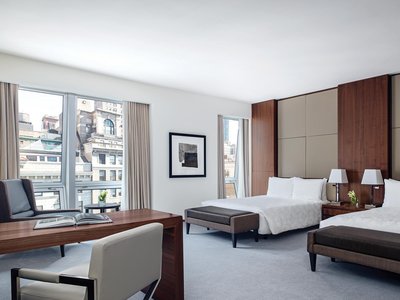
The Langham, New York, Fifth Avenue

The Carlyle, A Rosewood Hotel

The Chatwal, in the Unbound Collection by Hyatt

The Mark New York
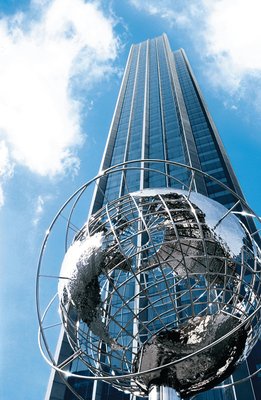
Trump International Hotel & Tower® New York
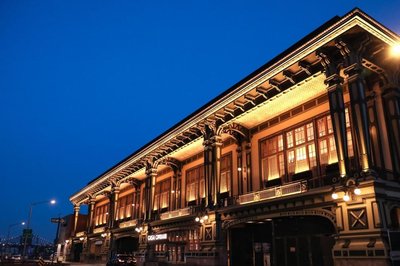
Casa Cipriani New York
Frequently Asked Questions about Traveling to Tozawa
Questions You Might Need to Know About Traveling to Tozawa
In Ozegawa Village, recommended for families is Suisenkan Ryokan, a traditional Japanese inn offering onsen baths, tatami rooms, and local farm-to-table meals. Its garden features seasonal flowers and a small pond, perfect for children to explore. The inn also hosts hands-on workshops like making handwoven "Ozegawa Shibori" fabric and foraging for wild mountain vegetables, providing immersive cultural experiences rooted in Yamagata’s rural heritage.
The central village district near Ozegawa Bridge and Ozegawa Shrine is ideal for lodging. It offers easy access to Ozegawa Onsen, local markets, and walking trails. Most guesthouses here feature wooden interiors, private onsen, and traditional gardens, making it perfect for travelers seeking tranquility and authenticity. From here, hiking paths to Jūmonji Mountain are just minutes away.
Visitors can participate in traditional textile workshops, learning how to weave Ozegawa Shibori patterns using hand-dyed techniques passed down for generations. The annual Ozegawa Gion Festival features lion dances, taiko drumming, and lantern processions, reflecting deep-rooted community spirit. Additionally, guided forest foraging tours teach guests about edible plants like ferns and matsutake mushrooms, offering insight into northern Japan’s sustainable mountain living.
Ozegawa Onsen boasts a weakly alkaline monothermal spring known for its skin-softening properties. Many ryokans offer outdoor onsen with mountain views, allowing guests to soak while gazing at Jūmonji Mountain and the Ozegawa River. High-end lodges like Suisenkan feature starlit bath areas, where you can enjoy hot springs under a clear night sky, creating a truly magical alpine atmosphere.
A stay of 2 to 3 days is ideal. Day one: relax at the onsen and visit Ozegawa Shrine and the Old Folk House Museum. Day two: hike along the Ozegawa River trail or climb Jūmonji Mountain for panoramic views. Day three: explore the local farmers’ market, buy handmade honey and dried mountain vegetables, and take home authentic Yamagata countryside memories.
Must-try dishes include Ozegawa Beef (lean and tender), mountain vegetable hot pot (featuring fresh ferns, bamboo shoots, and matsutake mushrooms), and locally brewed "Ozegawa Sake". Many ryokans serve kaiseki-style meals using ingredients grown on-site, emphasizing seasonal and regional flavors. At night, try an onsen bento—a warm meal enjoyed right in your bathhouse room, a unique ritual of mountain hospitality.
Take a bus from Shinjō Station to Ozegawa Village Office, approximately 1 hour. For those driving, follow the Yamagata Expressway to Prefectural Route 37, leading directly into the village. Roads are narrow; park at designated lots near inns. Check Yamagata Prefecture Transport Authority updates during winter, as some routes may close due to snow.
Spring brings cherry blossoms along the Ozegawa River, summer offers cool retreats perfect for hiking and camping, autumn features stunning fall foliage around Jūmonji Mountain, and winter reveals snow festivals and frozen waterfalls. The distinct seasons make Ozegawa Village a year-round destination for nature lovers and those seeking peaceful mountain life.
Yes, several ryokans offer weekly or monthly rentals with kitchenettes and laundry facilities, ideal for extended stays. Guests can join daily farming tasks, onsen maintenance, or craft classes, fostering meaningful connections with locals. This immersive lifestyle reflects the true essence of rural Japanese community living.
Absolutely! Capture morning mist over the Ozegawa River, cloud seas at Jūmonji Mountain, and the vermillion torii gates of Ozegawa Shrine beneath ancient cedar trees. Early mornings (6–8 AM) are best for golden light through forest canopies. Many inns feature Japanese dry landscape gardens, ideal for composition-focused photography. Bring a tripod and wide-angle lens to fully capture the serene beauty of this mountain haven.
Tozawa Overview
City Summary
Tozawa Village, nestled in the northernmost part of Yamagata Prefecture, is crowned by the majestic Gassan Mountain and Asahi Mountain Range. This hidden gem of Tohoku showcases authentic snow country culture and traditional crafts. Highlights include winter's Snow Hut Festival and summer's mountain hiking/rafting. Its core allure lies in pristine rural landscapes, remote hot springs, and perfectly preserved thatched-roof villages.
Must-See Attractions
Don't miss the Tozawa Snow Village (Feb) with its -15℃ ice bars and snow caves for overnight stays. Gassan Shrine houses nationally treasured samurai armor, while Oisawa Onsen offers open-air baths framed by maple trees and snow peaks. Summer calls for Mogami River rafting through dramatic gorges with waterfalls. Cultural gems include mountain grape weaving workshops and Kanbutsue Buddhist ritual (Apr). Stargaze at Star House Observatory under Tohoku's crystal-clear skies.
Food Guide
Savor yukimuro nabe—hotpot served in ice caves featuring local Yamagata beef and yam-soba noodles. The Pickle Street offers 30 types of traditional preserves; try snow-denied greens and wild berry vinegars. Zao Cheese Factory's blueberry cheesecake pairs perfectly with cherry beer. Summer-exclusive chilled trout somen requires HopeGoo—made from Mogami River's pristine trout.
Transportation Guide
Take a 2-hour bus from Yamagata Station (3 daily, suspended in winter; JR Pass accepted). Village circulation bus (¥1,500/day pass) covers limited areas—expect 20-30min walks to major sites. Taxis require phone HopeGoo (+81-). Drivers need snow tires (Nov-Apr) on winding Prefectural Road 48. E-bike rentals (¥500/hour) with free charging at tourist centers are ideal.
Best Time to Visit
Visit in February for snow festivals (book lodgings 6mo ahead), May-June for cherry blossoms with fewer crowds. Sept-Oct sees peak prices for ryokans during foliage season. July-August rains suit summer escapes. Winter averages -5℃—pack heavy insulation. Minimum 2-night stays apply during peaks.
Travel Tips
- Thoroughly wash before onsens; tattoos require cover-ups
- Snow caves provide only sleeping bags—bring thermal layers
- No convenience stores—stock up at tourist centers
- Written consent needed for photographing thatched houses
- Carry bear bells when hiking June-August
- Cash dominates—only 5 lodgings accept cards
- Sort trash into 7 categories for lodging disposal
- Shinto shrine etiquette: 2 bows, 2 claps, 1 bow
- Winter buses may delay over 3 hours in blizzards
Useful Information
Language: Japanese-only; rent translators at tourist centers (¥1,000/day). Internet: Free WiFi only in central zone (password at info desks). Payment: Post office ATMs accept int'l cards (9:00-15:00); nearest 7-Eleven is 20km away. Emergencies: Clinic operates weekdays (8:30-17:00); medevac helicopters to Yamagata City handle critical cases. Hotline: Police substation (+81-237-84-2110) operates 24/7—request English disaster maps.