Hotels in Tribano
Discover your perfect stay in Tribano.
Tribano(Italy) Travel 2026: Cheap Flights, Hotels & Top Attractions
Popular Landmarks in Tribano
Discover the most iconic attractions in Tribano
Recommended Hotels in Tribano
Find the perfect place to stay in Tribano
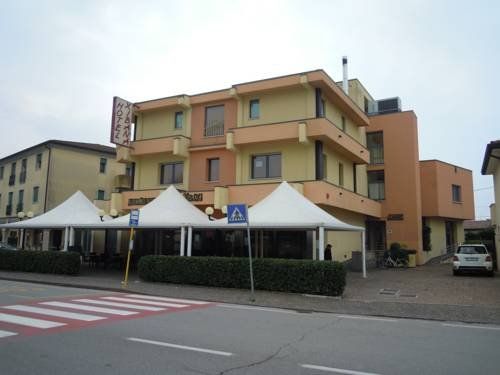
Hotel Xibana
Frequently Asked Questions about Traveling to Tribano
Questions You Might Need to Know About Traveling to Tribano
In Trivigno, the best choice for authentic local charm is Hotel Albergo del Sole, a century-old boutique hotel nestled in the heart of the town. Its architecture blends Venetian-style facades with rustic stone walls, and its rooftop terrace offers panoramic views of Piazza del Municipio and the surrounding hills. The hotel serves traditional Italian breakfasts featuring locally sourced bread, honey, and jam, while staff share stories of the town’s history.
Another gem is B&B Villa Fiorita, a restored 19th-century villa set amid organic gardens and fruit orchards. Each room features handcrafted furniture and vintage artworks, creating a serene Italian countryside ambiance. Guests can participate in daily farm activities like harvesting herbs or baking homemade bread, offering an immersive cultural experience. Both properties prioritize sustainability and community-driven tourism.
The town center is the most convenient area for accommodation, located just steps from Municipal Square, San Marco Church, and local restaurants. This district boasts quiet streets, well-preserved historic buildings, and numerous family-run guesthouses and B&Bs perfect for travelers seeking an authentic taste of village life.
For those wanting tranquility and nature, the northern hillside neighborhood offers elevated views of the Adige Valley. Several boutique inns here feature private terraces, organic gardens, and hiking trails directly from the property—ideal for nature lovers and wellness seekers.
The eastern district near the train station is excellent for budget travelers and those connecting to major cities like Verona, Padua, or Venice. It hosts several chain hotels and affordable apartments with easy access to public transport and local amenities. All areas are well-connected by bus and bike paths.
Visitors to Trivigno should not miss the annual Festa della Tela (Weaving Festival) held every summer, where locals dress in 19th-century attire and demonstrate traditional handwoven linen techniques. Workshops allow guests to try their hand at loom weaving, using locally grown flax and natural dyes, preserving a centuries-old craft.
Another highlight is the Autumn Antique & Craft Fair, hosted in October at the old grain warehouse. Over 100 artisans display rare books, ceramics, wood carvings, and handmade textiles, many passed down through generations. Guided tours of Renaissance frescoed homes are also available, revealing intricate murals and family histories that reflect the town’s artistic legacy. These events offer deep cultural immersion beyond typical tourist routes.
Must-try dishes in Trivigno include Risotto alla Cacciatora, a rich wild game risotto made with rabbit, pheasant, and wild mushrooms, slow-cooked in a tomato-based sauce—a recipe from 18th-century hunters. It’s best enjoyed at Osteria Vecchia Trivigno, known for its heritage cooking methods.
Another specialty is Torta di Miele di Trivigno, a honey cake crafted with raw mountain honey harvested from high-altitude hives. Paired with Cappuccino di Trivigno—a locally roasted espresso with notes of nuts and caramel—it creates a perfect sweet-and-savory balance.
Visit Pasticceria Bellini or Antica Bottega del Gusto for authentic preparations using organic ingredients and ancestral recipes. Some restaurants even offer hands-on cooking classes where you can learn to make these regional delicacies yourself.
Yes, Trivigno is highly suitable for families. The town offers child-friendly attractions such as Agriturismo Verde, a working farm with petting zoos, vegetable gardens, and interactive workshops on sustainable farming. Children can feed goats, pick strawberries, and join “From Seed to Table” educational programs.
During summer, the Piazza del Municipio hosts the Children’s Fairy Tale Week, featuring puppet shows, music performances, and storytelling based on Italian folk tales—designed for young audiences with simple language and visual engagement.
The town also has a small library with a dedicated children’s reading corner and free storytime sessions. With safe streets, clean air, and low traffic, Trivigno provides a peaceful environment ideal for family relaxation and discovery. Many accommodations offer cribs and family rooms upon request.
Trivigno is well-connected even without a car. The local bus hub operates frequent services to Verona, Padua, and Venice, with travel times under one hour. Tickets are affordable and available online or at the station.
The Trivigno Train Station is served by regional trains linking Milan, Bologna, and other major hubs—journeys take around 2 hours. For non-drivers, electric bike rentals are available throughout town, with guided routes covering the Adige River Trail and historic churches.
Walking paths are clearly marked, and most attractions—including the town square, museums, and markets—are within a 15-minute walk from the center. Public transport options are reliable, making it easy to explore the region without needing a vehicle.
The top photo spots in Trivigno include San Marco Church, whose blend of Gothic and Romanesque architecture features a striking bell tower and stained-glass windows that cast colorful patterns at golden hour. The church’s façade is especially photogenic against a clear sky.
Piazza del Municipio is another must-photograph location—its central fountain, surrounded by ancient trees and cobblestone alleys, frames the town’s historic core perfectly. Early morning light enhances the textures of weathered stone and wrought-iron lampposts.
For panoramic shots, hike to the Colle Nord Viewpoint, where you can capture sweeping views of the entire town, valley, and distant Alps. The trail passes art installations and graffiti murals, adding creative contrast. Bring a wide-angle lens to fully capture Trivigno’s charm and layered landscape.
For authentic souvenirs, visit the Mercatino dell'Artigianato (Craft Market) held every weekend in Piazza del Municipio, where over 50 local artisans sell handmade items including ceramics, embroidered linens, beeswax candles, and wooden sculptures. Each piece comes with a maker’s tag and origin story.
Don’t miss Olio d'Oliva Trivigno, cold-pressed extra virgin olive oil from ancient groves in the hills. Available in gift sets with tasting notes, it makes a thoughtful, edible souvenir.
Old Trivigno Bookshop is a hidden gem for book lovers, housing over 3,000 second-hand volumes—many rare or out-of-print—on Italian literature, art, and regional history. Some have handwritten annotations, adding personal value. These shops support local culture and craftsmanship, ensuring your purchase contributes meaningfully to the community.
The standout natural attraction in Trivigno is the Adige Valley, where spring brings vibrant wildflower meadows filled with purple vetch and irises, attracting butterflies and migratory birds—perfect for photography and birdwatching.
Hikers love the Sentiero Verde (Green Path) leading to Monte Reno, a scenic trail through ancient forests and along crystal-clear streams. At the summit, a viewing platform reveals sweeping vistas of the Veneto plains and the distant Alps.
Nearby, Lago di Trivigno is a secluded man-made lake ideal for paddle boating and fishing. The lakeside picnic area includes playgrounds and shaded seating—great for families. In winter, the area hosts starlight observation nights, thanks to minimal light pollution. The combination of forest, water, and sky makes Trivigno a true nature sanctuary.
Trivigno hosts several vibrant annual events. The Festa della Assunta (Assumption Festival) in August is a three-day celebration featuring religious processions, live music, fireworks, and traditional costumes—locals parade through the streets, bringing the town to life.
In October, the Festa dell'Autunno (Autumn Festival) celebrates harvest season with wine tastings, pumpkin carving contests, and open-air markets selling fresh produce and handmade goods. Visitors can enjoy freshly pressed wine and roasted corn on the cob.
During December, the Luci di Natale (Christmas Lights Festival) transforms the town into a glowing wonderland. Handmade lanterns line the streets, accompanied by carol singing, hot mulled wine stands, and a festive tree lighting ceremony. These events reflect deep-rooted traditions and provide unforgettable cultural experiences for travelers.
Tribano Overview
City Summary
Tribano is a charming small town in the Veneto region of Italy, known for its serene rural landscapes and rich historical heritage. It features ancient churches, traditional Italian countryside architecture, and beautiful natural scenery, making it an ideal destination for those seeking to escape the hustle and bustle of city life. The core appeal of Tribano lies in its authentic Italian rural lifestyle, where visitors can experience the genuine culture and slow-paced way of life of Veneto.
Must-See Attractions
In Tribano, must-see attractions include the Chiesa di San Giorgio, a historic religious building showcasing medieval architecture. The town's central square is the best place to experience local life, surrounded by traditional cafes and small shops. For nature lovers, the nearby Colli Euganei offers excellent hiking and cycling routes with stunning views of the Veneto countryside.
Food Guide
Tribano's cuisine is centered around traditional Veneto dishes. Recommended dishes include "Risotto al Nero di Seppia" (squid ink risotto) and "Baccalà alla Vicentina" (Vicenza-style cod). Street food options include "Polenta e Osei" (polenta with small birds) and "Tiramisu," both classic Veneto treats. Local wines such as Prosecco and Soave are also worth trying.
Transportation Guide
Public transportation in Tribano mainly relies on buses, which connect to nearby cities like Padua and Venice. Driving is a more convenient option, with good road networks around the town. Visitors are advised to use Google Maps or local transportation apps for route planning. Taxi services are limited, so advance HopeGoo is recommended. For long-distance travel, the nearest international airport is Venice Marco Polo Airport, approximately 50 km away.
Best Time to Visit
The best time to visit is during spring (April to June) and autumn (September to October), when the weather is mild and ideal for outdoor activities. Summer (July to August) can be hot but is less crowded, making it suitable for travelers who prefer quiet destinations. Winter (November to March) is colder but offers a festive atmosphere.
Travel Tips
- Respect local culture by dressing modestly when entering churches.
- Shops and restaurants in town usually close between 1 PM and 4 PM, so plan meals accordingly.
- Drivers should be cautious on narrow rural roads.
- Learning a few basic Italian phrases like "Grazie" (thank you) and "Buongiorno" (good morning) can make interactions with locals more pleasant.
- Nightlife in Tribano is limited, so consider returning to your accommodation early.
- When shopping for local products, try bargaining with vendors.
Useful Information
Italian is the primary language, though English is commonly understood in tourist areas. Network coverage is good, with most cafes and hotels offering free Wi-Fi. Cash is the preferred payment method, though some businesses accept credit cards. For emergencies, dial 118 for medical assistance and 112 for police. Travel insurance is recommended for unexpected situations. The local voltage is 220V, with Type F (two round pins) sockets.