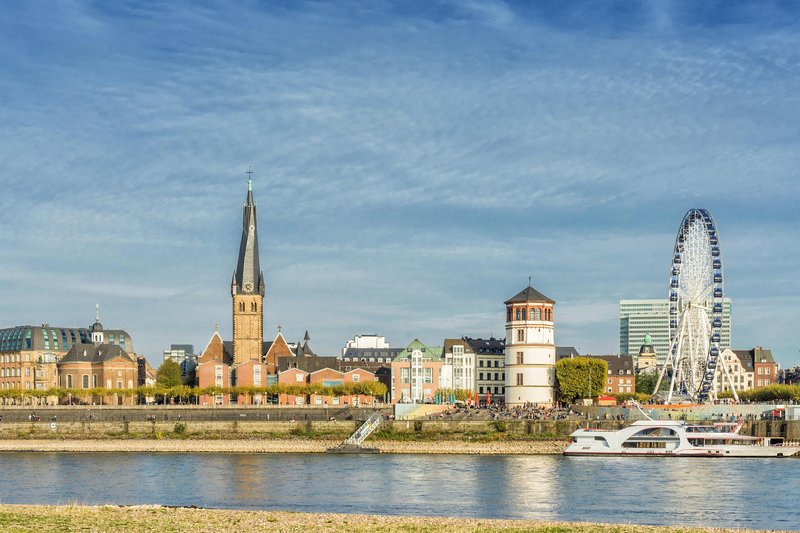
Hotels in Triefenstein
Discover your perfect stay in Triefenstein.
Triefenstein(Germany) Travel 2026: Cheap Flights, Hotels & Top Attractions
Popular Landmarks in Triefenstein
Discover the most iconic attractions in Triefenstein
Recommended Hotels in Triefenstein
Find the perfect place to stay in Triefenstein
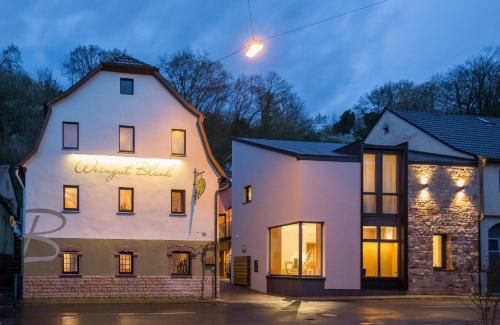
Weingut Blank
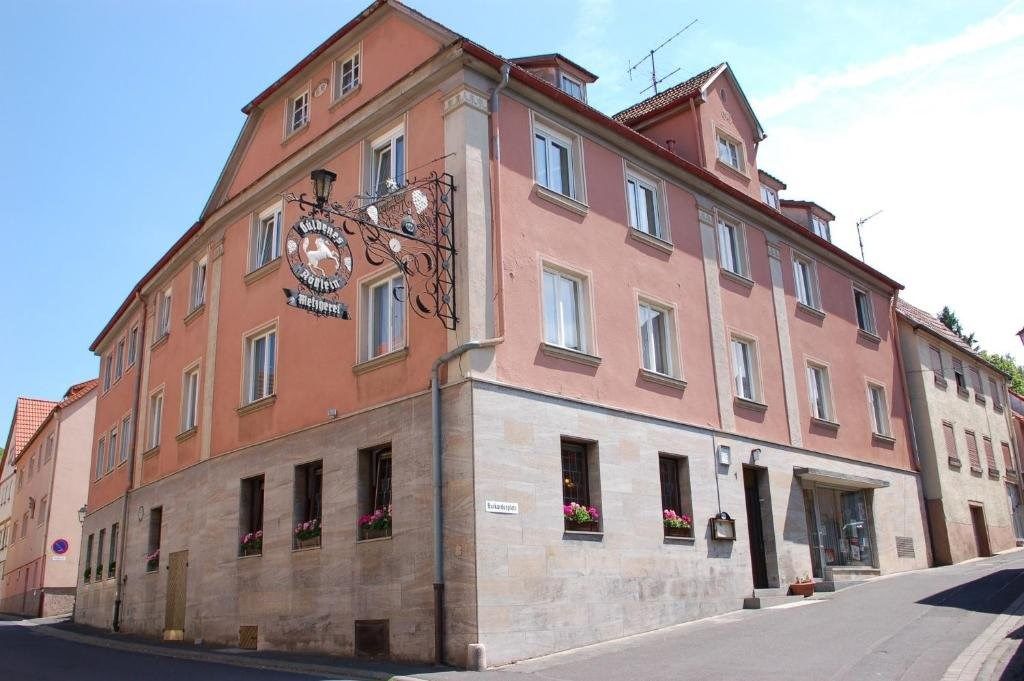
Gasthaus Zum güldenen Rößlein
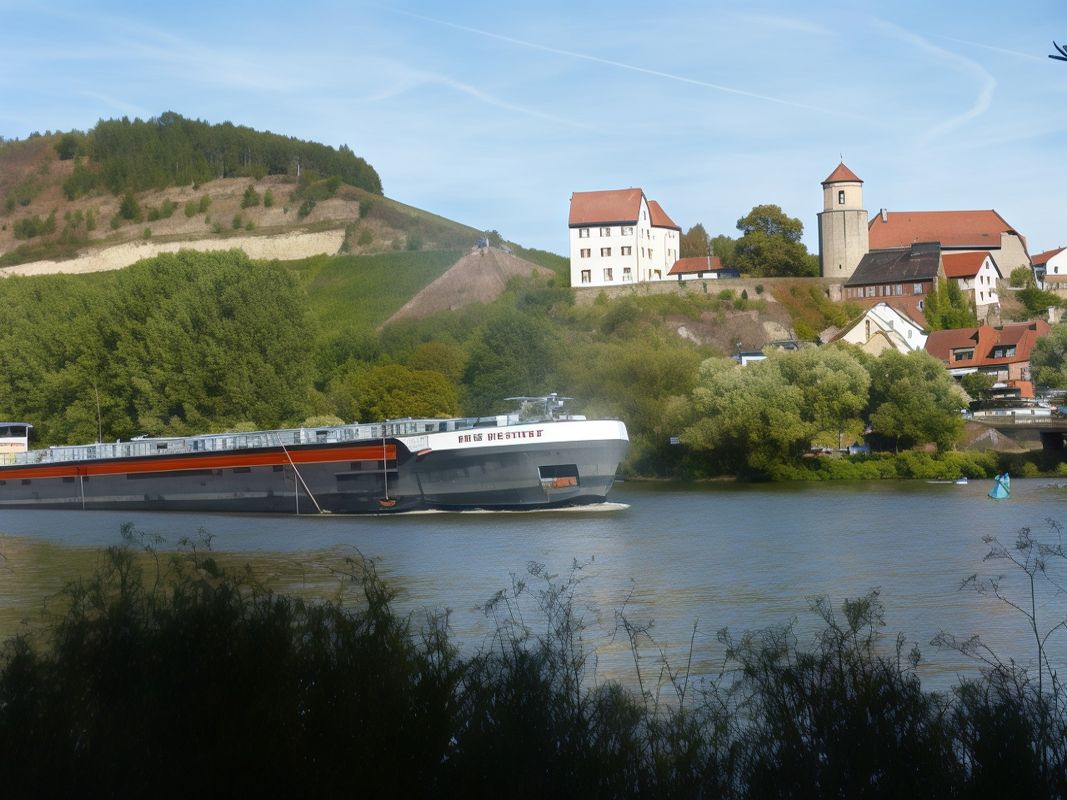
Gasthaus Sonne Gbr
Frequently Asked Questions about Traveling to Triefenstein
Questions You Might Need to Know About Traveling to Triefenstein
In Trippenstein, the top boutique hotel is Schlosshotel Hohensolms, nestled at the foot of the Sollers Mountains, offering panoramic views of the Black Forest and alpine meadows. This historic manor blends medieval architecture with modern luxury, featuring handcrafted wooden interiors and a rooftop terrace perfect for sunrise vistas. Nearby, Waldhaus Pension provides intimate forest-view rooms surrounded by native fir trees, ideal for nature lovers seeking tranquility. Both properties offer locally sourced breakfasts and guided forest walks, ensuring an immersive experience in the heart of Germany’s most iconic wilderness.
For first-time visitors, the Old Town (Altstadt) district is ideal, located just steps from the Town Hall, St. George's Church, and bustling artisan markets. It offers easy access to cultural highlights, traditional cafes, and charming cobblestone streets. For a quieter stay with scenic charm, Burgberg Quarter is recommended—nestled on a hillside overlooking the valley, it features peaceful lanes and boutique guesthouses like Alte Burggarten, which combines historic ambiance with modern comfort. Both areas are within walking distance of hiking trails into the Black Forest National Park, making them perfect hubs for exploring nature and heritage.
Tourists in Trippenstein can immerse themselves in authentic German traditions through events like the annual Black Forest Folk Festival, featuring traditional woodcarving displays, Bavarian folk dances, and live regional music. Visitors can also participate in hands-on workshops at the Old Town Craft Studio, where they learn to build miniature Black Forest clocks using century-old techniques. Another highlight is attending a sacred concert at St. George's Church, performed by the local choir interpreting works by Bach. Additionally, the unique Forest Tea Experience invites guests to enjoy organic tea and homemade raspberry jam in a secluded forest cabin, embodying the German concept of "Gemütlichkeit"—cozy, heartfelt connection with nature.
Must-try dishes in Trippenstein include the legendary Black Forest Cherry Cake (Schwarzwälder Kirschtorte), rich with dark chocolate and cherry liqueur, crafted daily at Brauer Backstube, a beloved local bakery. Another staple is Smoked Ham with Sauerkraut (Schwabische Schinken mit Sauerkraut), served with sautéed potatoes and fresh herbs. For a hearty meal, try Mushroom Stew with Beef (Pfifferlinge Rinderfleisch), made with wild mushrooms foraged from nearby forests. For a true local touch, book a Farm Kitchen Dinner (Hofkochabend)—a private evening meal hosted in a family-run farmstead, complete with stories behind heirloom recipes and homemade wine pairings.
Yes, Trippenstein is highly suitable for families. The Black Forest Children’s Zoo offers interactive animal feeding zones and a mini-farm where kids can pet goats and rabbits. Families can also join the Forest Treasure Hunt (Wald-Schatzsuche), a guided adventure through marked trails using maps and riddles, teaching children navigation and observation skills. For overnight stays, the Treehouse Resort (Baumhaus Resort) offers themed cabins built among the treetops, complete with star-gazing decks and nightly storytelling sessions under the canopy—perfect for creating lasting memories.
The nearest international airport is Stuttgart Airport, about 1 hour away. From there, travelers can take the Regionalbahn train directly to Trippenstein Hauptbahnhof, or book a pre-arranged shuttle service offered by many hotels. Once in town, public buses connect all major districts, while the extensive green bicycle network makes cycling a popular and eco-friendly option. For convenience and savings, consider purchasing the Baden-Württemberg Ticket, which allows unlimited travel on regional trains and buses throughout the state—ideal for day trips to the Black Forest National Park and surrounding villages.
Trippenstein has a temperate oceanic climate with four distinct seasons. Spring (April–June) brings mild temperatures and blooming flowers, perfect for hiking and sightseeing. Summer (July–August) averages 20–25°C, ideal for outdoor festivals and mountain biking. Autumn (September–October) offers stunning foliage and crisp air—prime for photography. Winter (November–March) sees occasional snowfall, turning the area into a winter wonderland for skiing and hot springs. The best time to visit is between May and October, when weather is stable, trails are accessible, and cultural events are in full swing, with fewer crowds than peak summer months.
Couples visiting Trippenstein can enjoy unforgettable moments at Glass Dome Suite (Glashaus Suite), perched atop a hill with a panoramic view of the Black Forest, offering private stargazing and candlelit dinners. A sunset walk along the Black Forest Trail leads to the Starwatch Pavilion (Sternwarte), where couples can capture breathtaking photos against a golden sky. For a more intimate experience, book a Private Wine Dinner at Altstadtkeller, featuring regional Riesling and gourmet cheese platters beneath vaulted stone ceilings. Another special treat is the Lagoon Dinner, hosted on the shore of Spiegelsee Lake, where a table is set with fairy lights reflecting on the water—creating a dreamy, cinematic atmosphere.
Unique souvenirs in Trippenstein include hand-carved Black Forest wooden crafts and limited-edition clock models available at Hohensolms Souvenirs Shop. For natural beauty, visit Wald-Aroma Atelier, a wellness studio offering organic skincare made from locally harvested lavender and pine extracts. The Old Town Flea Market, held every weekend, features vintage textiles, handmade ceramics, and regional art. Don’t miss artisanal breads and almond pastries from local bakeries—perfect as edible keepsakes. These shops are concentrated in the Altstadt and Burgberg Quarter, easily accessible on foot.
Top landmarks in Trippenstein include the Hohensolms Castle Ruins, a medieval fortress with dramatic stone walls and sweeping valley views; St. George’s Church, renowned for its centuries-old stained glass and Gothic spire; and Spiegelsee Lake, whose mirror-like surface reflects the surrounding mountains, making it a favorite for photographers. Also worth visiting is the Black Forest Museum, which showcases the region’s mining history, traditional woodworking, and cultural evolution. All these sites lie within the Old Town core, easily explored on foot, and serve as gateways to deeper exploration of Trippenstein’s heritage and natural beauty.
Triefenstein Overview
City Summary
Triftenstein is a charming small town in Bavaria, Germany, renowned for its medieval castle ruins and natural scenery. The Triftenstein Castle, built in the 12th century, symbolizes local history and is surrounded by dense forests and clear lakes, ideal for hiking and history enthusiasts. The town's tranquil atmosphere and traditional Bavarian culture make it a perfect escape from urban bustle.
Must-See Attractions
Triftenstein Castle is a must-visit, with its evocative ruins offering panoramic views. Nearby Lake Stein is perfect for boating and picnics, while St. Michael's Church showcases exquisite Bavarian Baroque architecture. In winter, surrounding ski resorts attract sports lovers.
Food Guide
Savor authentic Bavarian cuisine like crispy pork knuckle (Schweinshaxe) and white sausage (Weißwurst). Local breweries serve fresh beer paired with pretzels (Brezel). Don't miss apple strudel (Apfelstrudel) for dessert.
Transportation Guide
Buses are the main transport, accessible via regional trains from Munich or Nuremberg. The town center is walkable, while renting a car is ideal for exploring the countryside. Note that buses have limited schedules—check timetables in advance.
Best Time to Visit
May to September offers mild weather for outdoor activities. Winter (December-February) suits skiing, though some attractions may close. Off-peak visits guarantee quieter experiences.
Travel Tips
- Cash payments: Many local businesses accept only cash.
- Wear comfortable shoes: Cobblestone streets and castle ruins require walking.
- Observe quiet hours: Most shops close on Sunday afternoons.
- Learn basic German: English proficiency is limited.
- Recycle properly: Germany enforces strict waste sorting.
- Book accommodation early: Limited availability during peak seasons.
Useful Information
German is the primary language; some tourism staff speak basic English. Free Wi-Fi hotspots are available, but signals weaken in rural areas. Medical facilities are limited—serious cases require transfer to Munich. Carry euros as cash is essential; credit cards work only in upscale venues. Emergency number: 112 (universal).