Hotels in Trier
Discover your perfect stay in Trier.
Trier(Germany) Travel 2026: Cheap Flights, Hotels & Top Attractions
Popular Landmarks in Trier
Discover the most iconic attractions in Trier
Recommended Hotels in Trier
Find the perfect place to stay in Trier
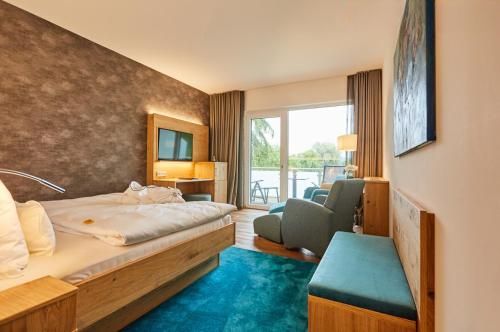
Hotel Villa Hügel
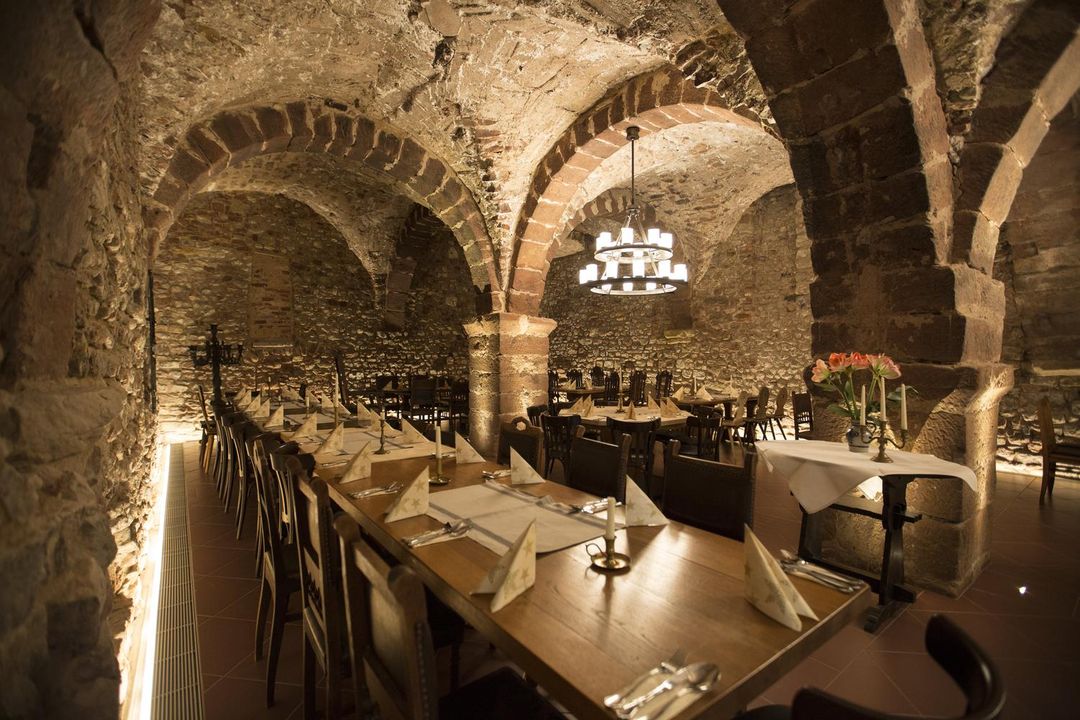
Romantik Hotel Zur Glocke
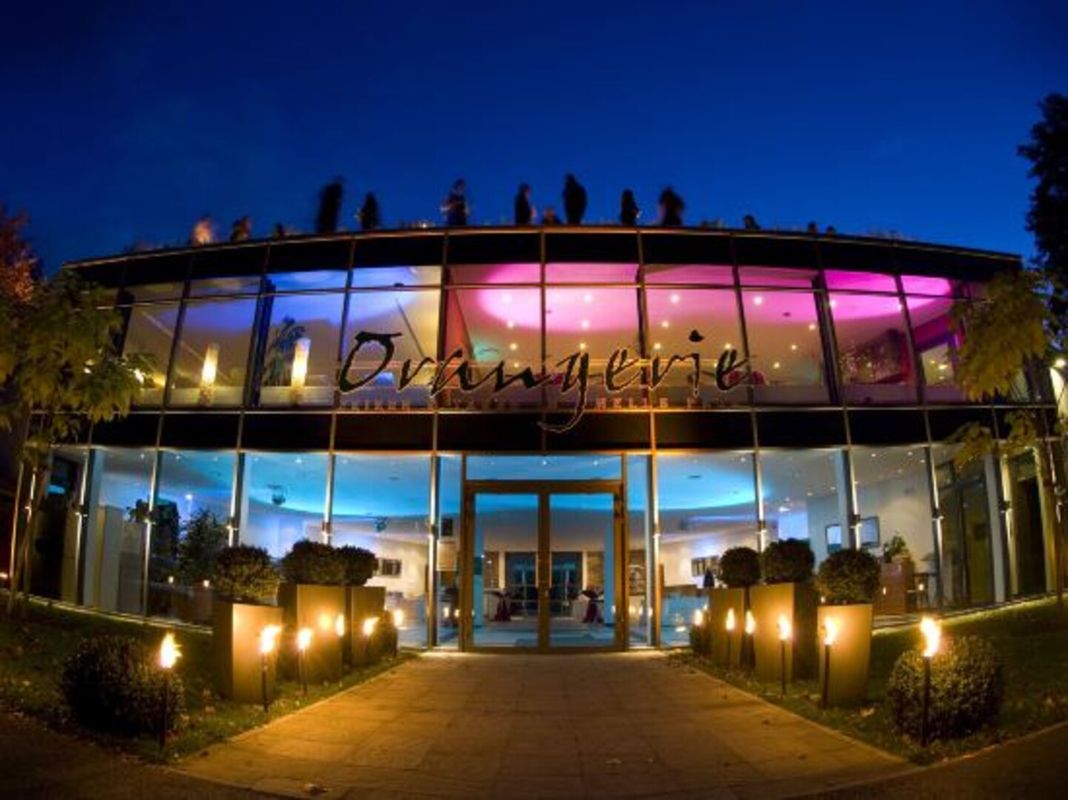
Nells Park Hotel
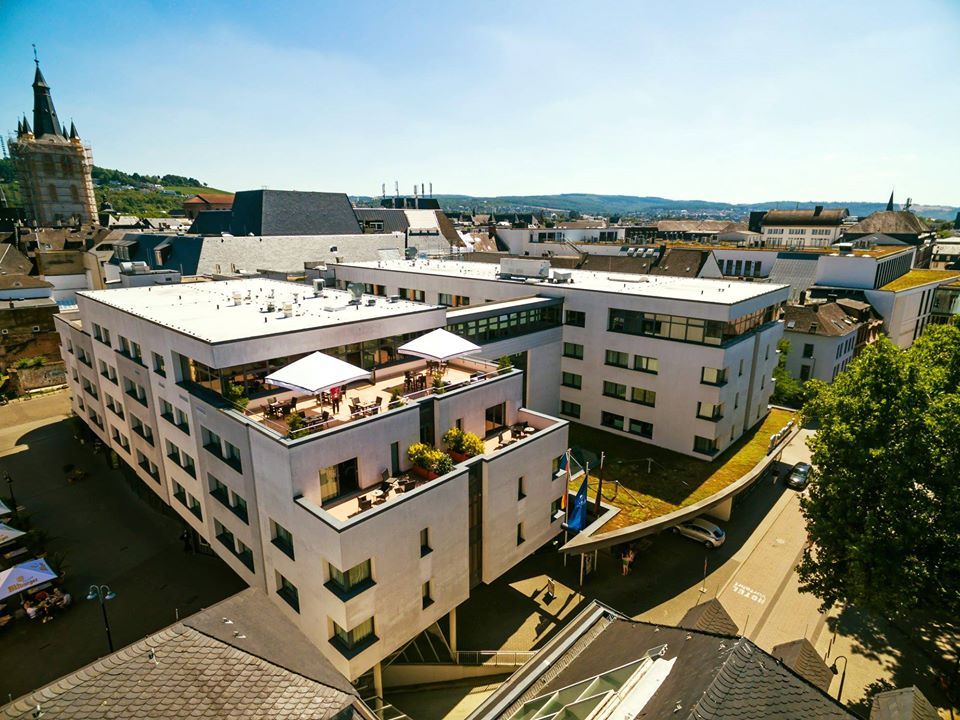
Park Plaza Trier, Germany
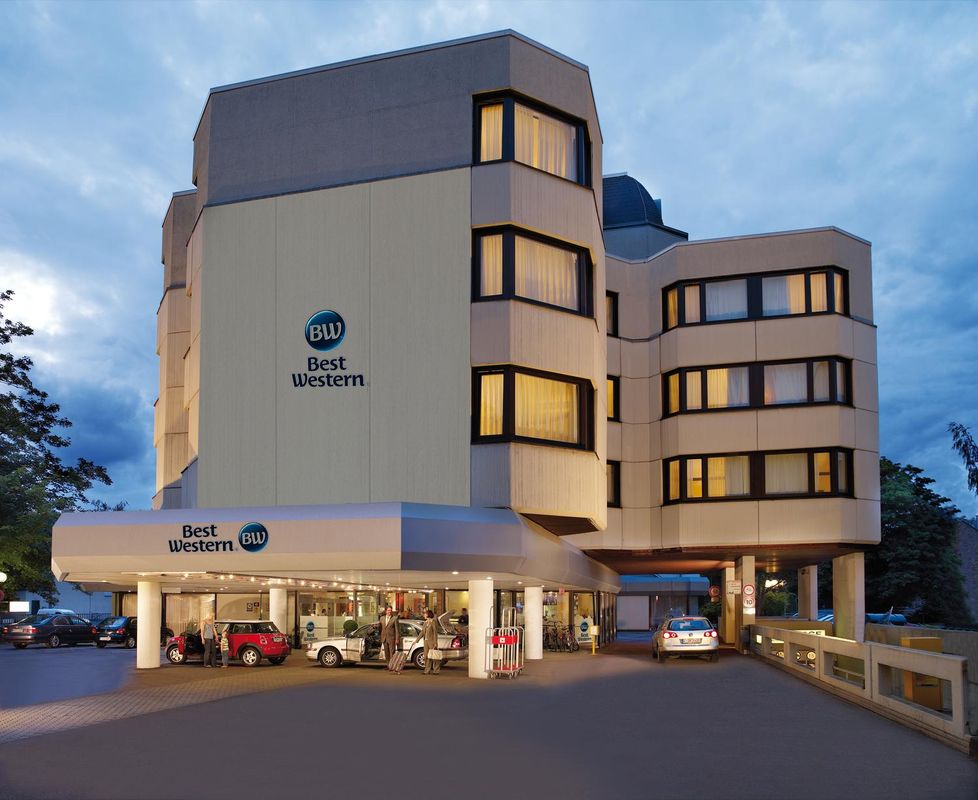
Best Western Hotel Trier City
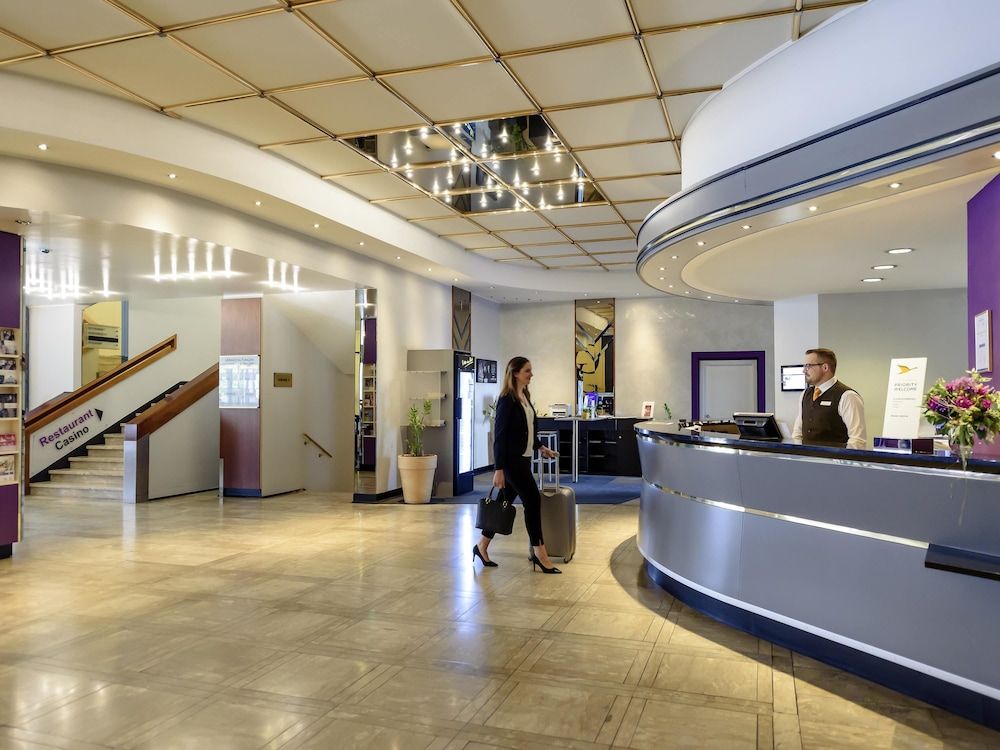
Mercure Hotel Trier Porta Nigra
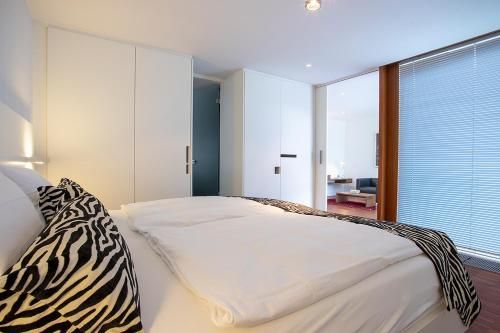
Becker´S Hotel & Restaurant
Best Hotels in Trier
Discover curated hotel collections in Trier
Märchenhotel
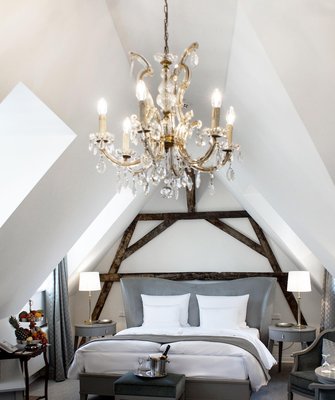
Romantik Hotel Zur Glocke
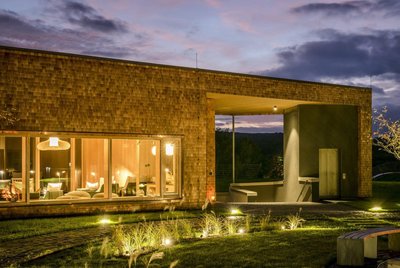
Seezeitlodge Hotel & Spa
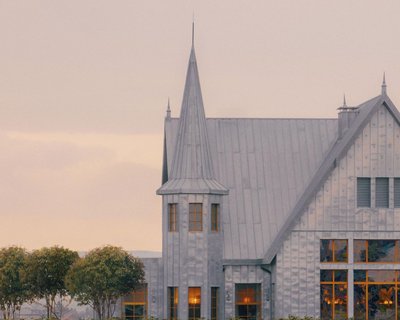
Maison Heler Metz, Curio Collection by Hilton
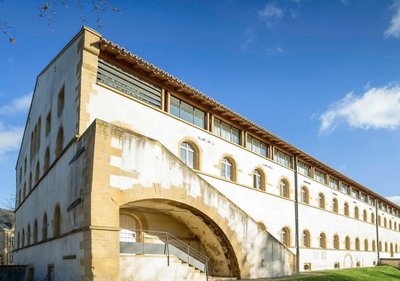
Hôtel la Citadelle Metz - MGallery Collection
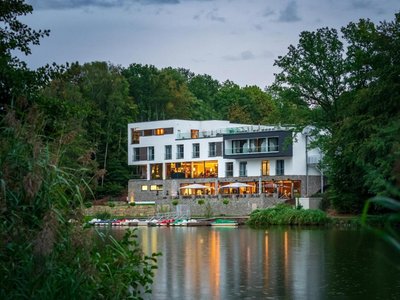
Peters Hotel & Spa
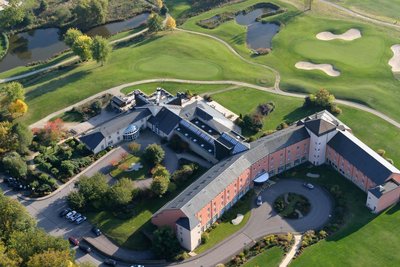
Mercure Luxembourg Kikuoka Golf and Spa
Dorint am Nürburgring Hocheifel
Welcome Parkhotel Euskirchen
The Seven Hotel
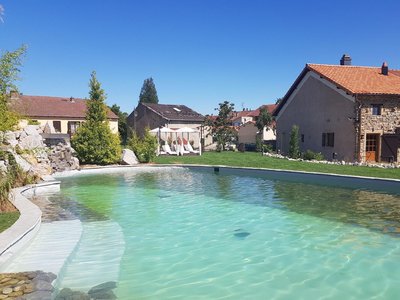
Hôtel du Domaine de La Grange de Condé
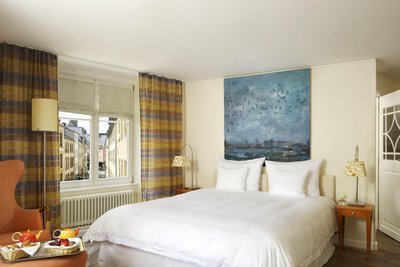
Hotel Parc Beaux Arts
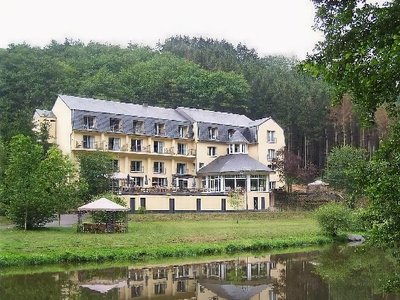
Cocoon Hotel Belair
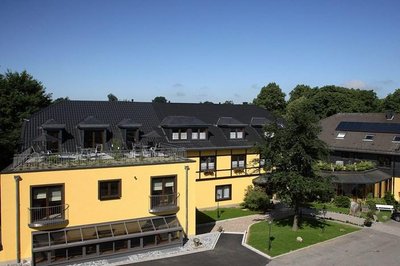
Hotel Bütgenbacher Hof
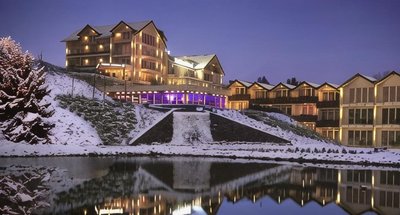
Moselstern Parkhotel Krähennest
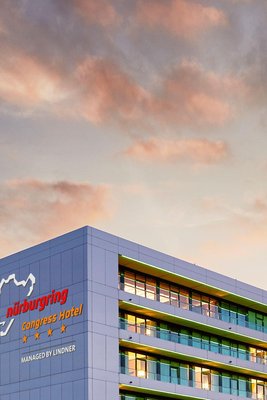
Nuerburgring Congress Hotel
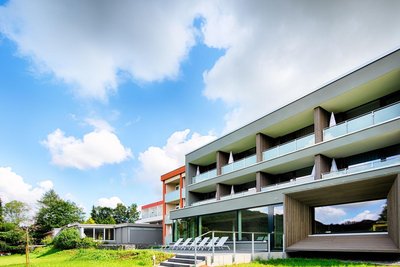
Seehotel am Stausee
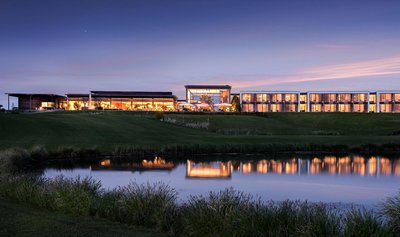
Angel's - Das Hotel am Golfpark
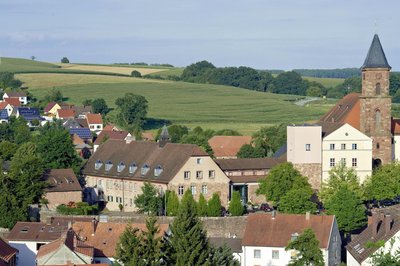
Kloster Hornbach
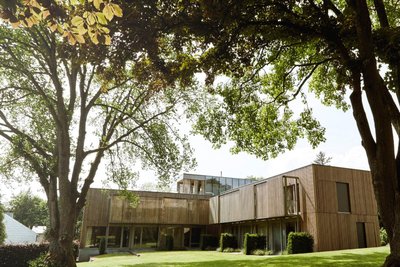
Romantik Hotel le Val d'Amblève
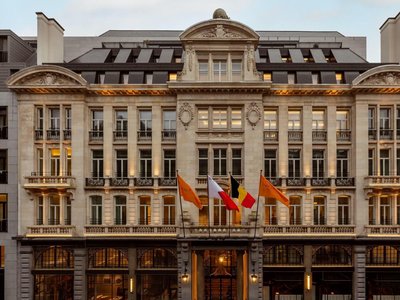
Corinthia Grand Hotel Astoria Brussels
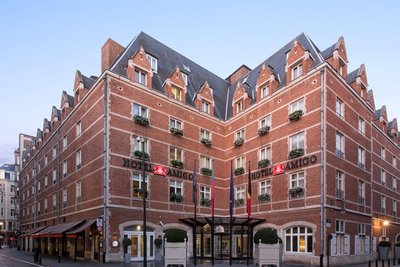
Rocco Forte Hotel Amigo
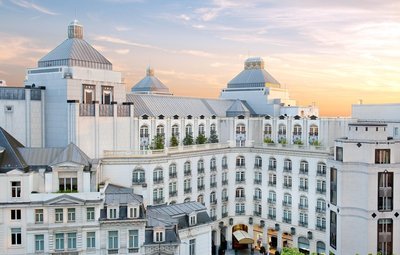
Steigenberger Icon Wiltcher's
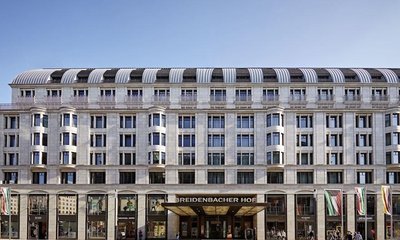
Small Luxury Hotels of the World - Breidenbacher Hof
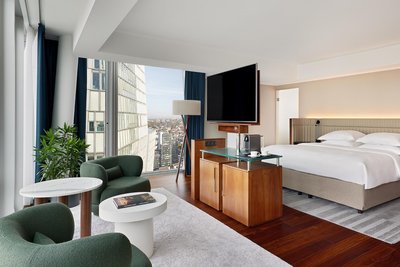
JW Marriott Hotel Frankfurt
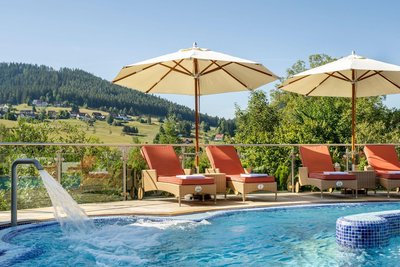
Hotel Bareiss
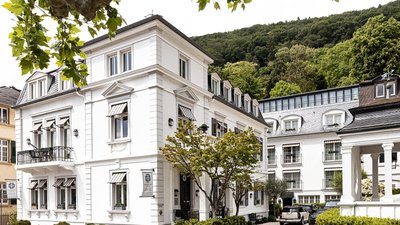
House of Hütter - Heidelberg Suites & Spa
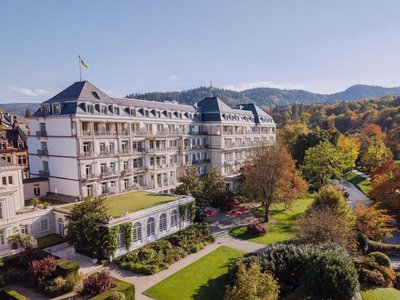
Brenners Park-Hotel & Spa - an Oetker Collection Hotel
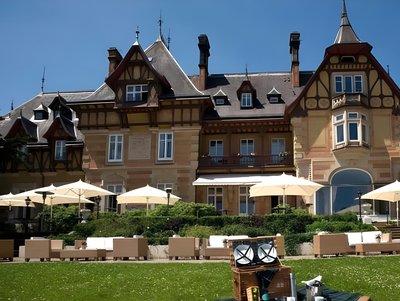
Villa Rothschild, Autograph Collection

Der Öschberghof - Die 101 Besten Hotels
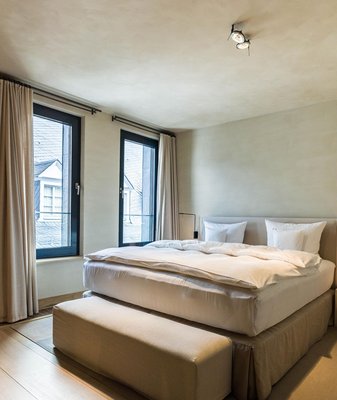
Hotel Purs
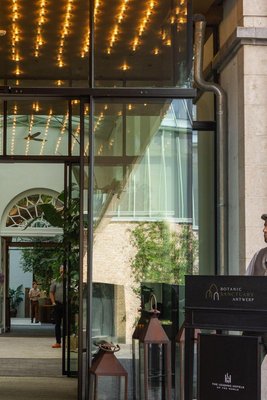
Botanic Sanctuary Antwerp
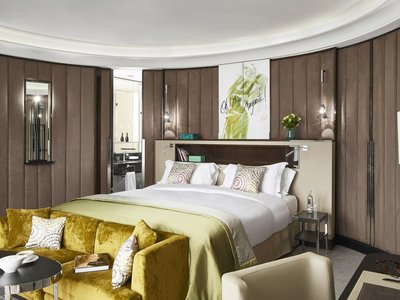
Sofitel Frankfurt Opera
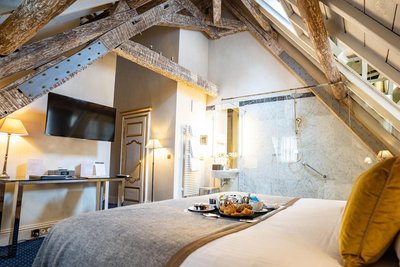
Hotel le Place d'Armes - Relais & Châteaux
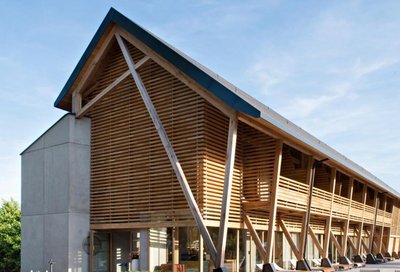
Hotel des Berges, Restaurant Gastronomique & Spa
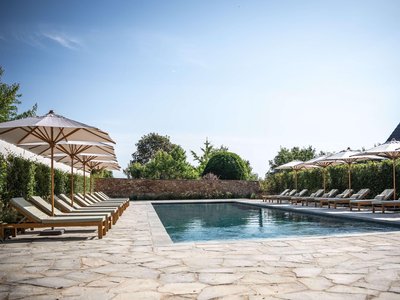
5 Terres Hôtel & Spa - MGallery
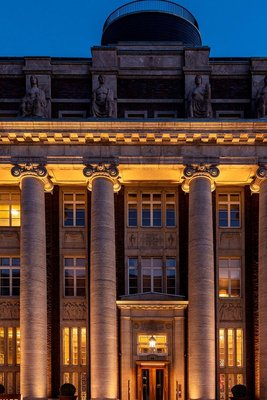
The Wellem Dusseldorf, Part of Hyatt
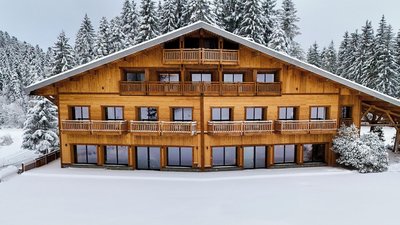
Domaine de Montagne - Hôtel Chalet Frère Joseph
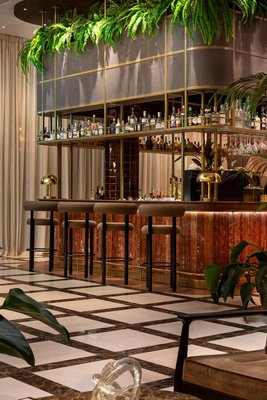
Brunfels Hotel, in the Unbound Collection by Hyatt
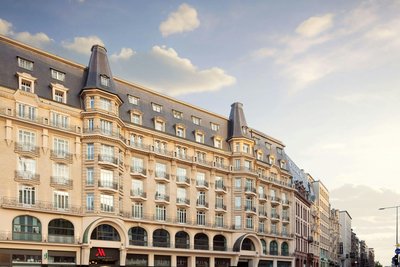
Luxembourg Marriott Hotel Alfa
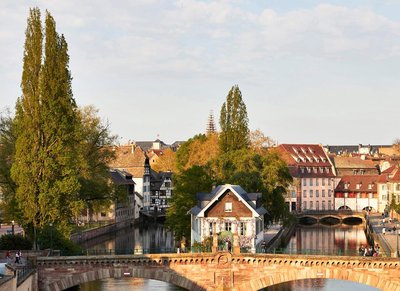
Hôtel & Spa RÉGENT Petite France
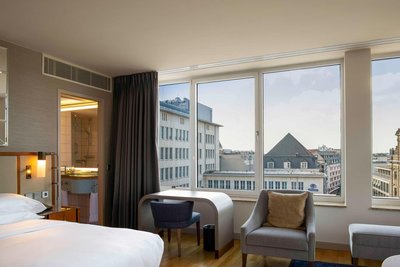
Hilton Cologne
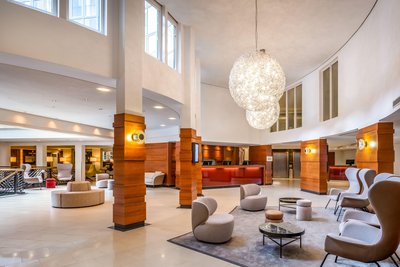
Cologne Marriott Hotel
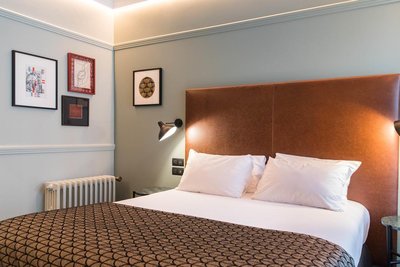
Maison Rouge Strasbourg Hotel & Spa, Autograph Collection
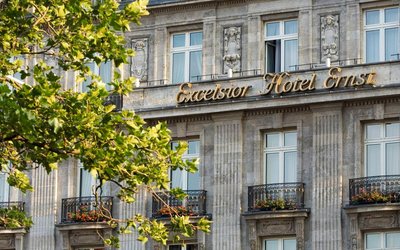
Excelsior Hotel Ernst am Dom
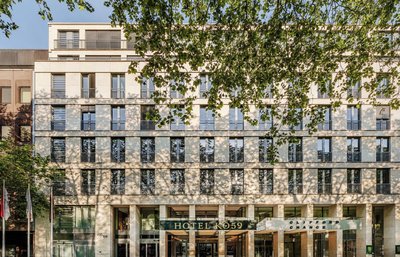
Hotel Ko59 Dusseldorf - Member of Hommage Luxury Hotels Collection
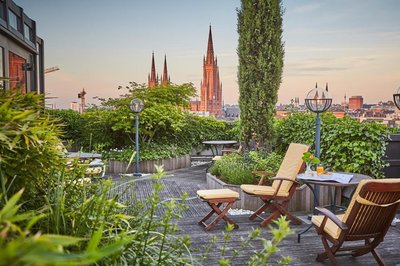
Hotel Nassauer Hof
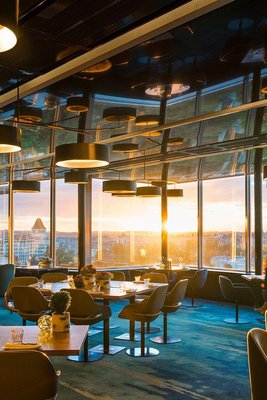
Sofitel Luxembourg le Grand Ducal
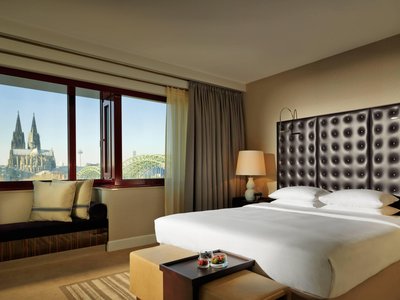
Hyatt Regency Cologne
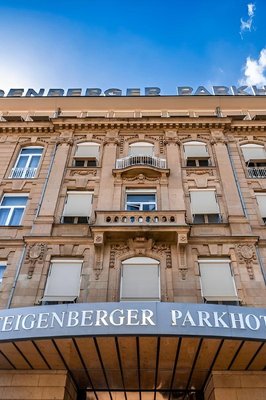
Steigenberger Icon Parkhotel Düsseldorf
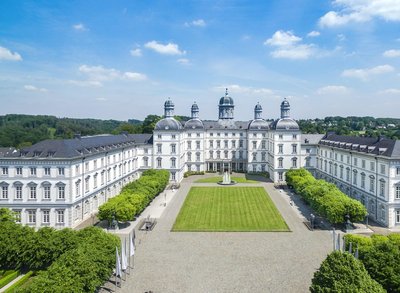
Althoff Grandhotel Schloss Bensberg
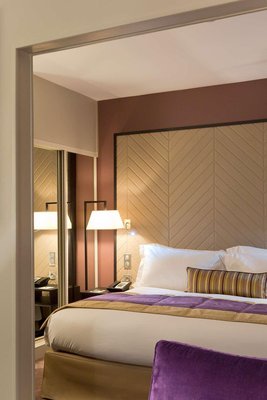
Sofitel Strasbourg Grande Île
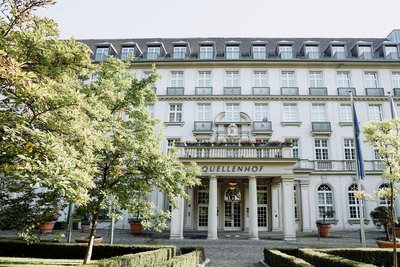
Parkhotel Quellenhof Aachen
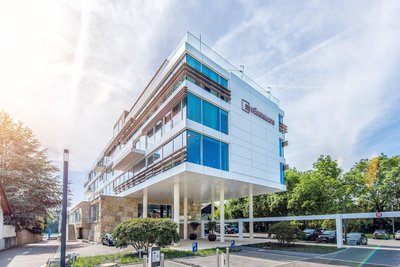
Fährhaus
Hôtel la Citadelle Metz - MGallery Collection
Excelsior Hotel Ernst am Dom
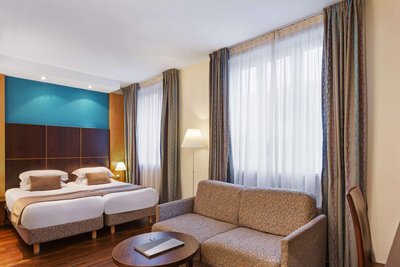
Best Western Plus Monopole Metropole
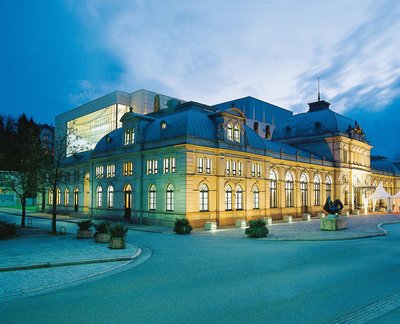
Hotel der Kleine Prinz
Hotel Nassauer Hof
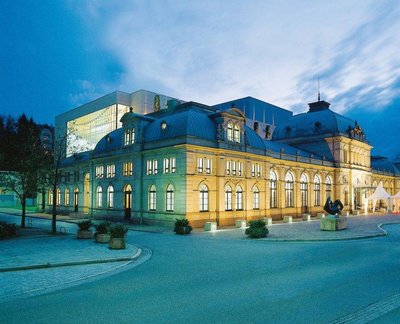
Hotel Belle Epoque
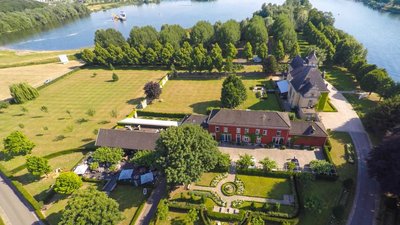
Landgoed Kasteel de Hoogenweerth
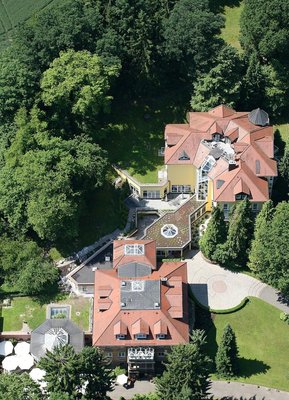
Hotel-Restaurant Villa Hammerschmiede
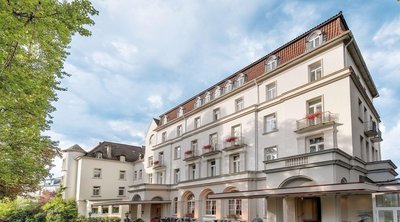
Rheinhotel Dreesen
Althoff Grandhotel Schloss Bensberg
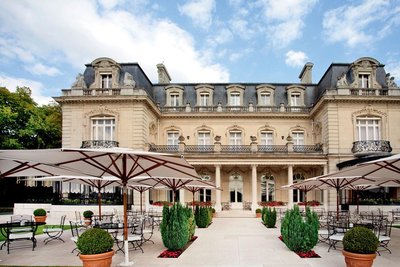
Domaine les Crayères
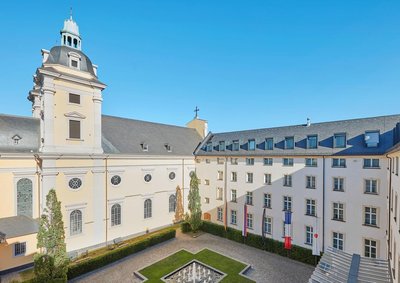
Living Hotel de Medici
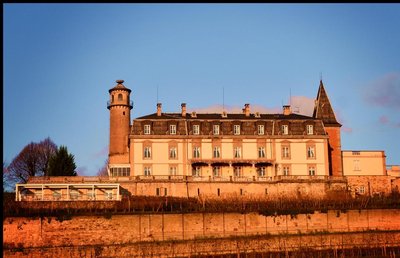
Château d'Isenbourg & Spa
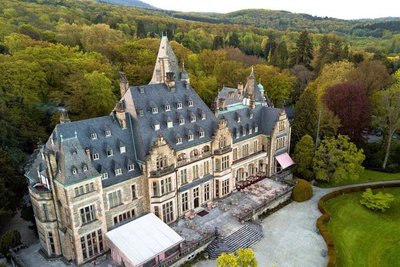
Schlosshotel Kronberg - Hotel Frankfurt
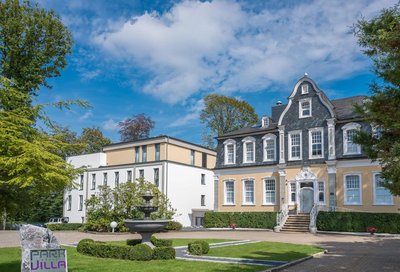
Park Villa
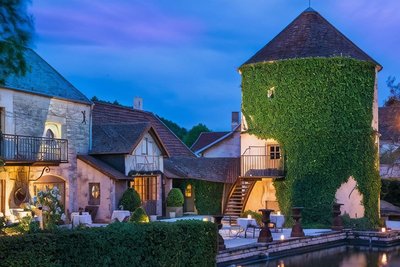
Chateau de Courban et Spa Nuxe
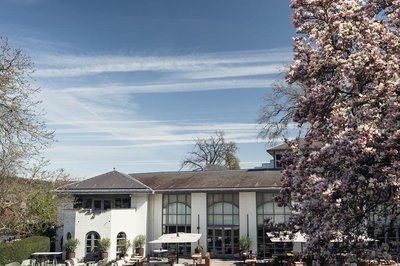
Hotel Bloemendal
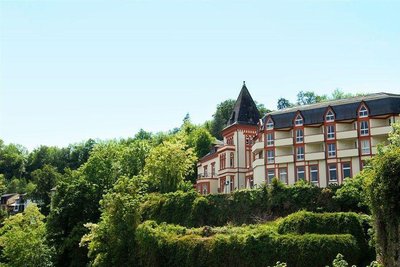
Hotel Schloss Rheinfels
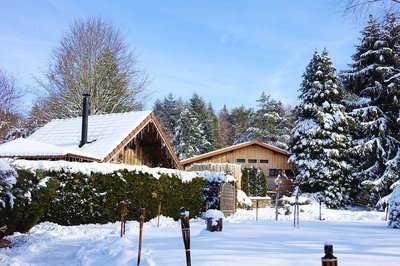
Domaine du Haut Jardin Hôtel & Chalets Spa Privé
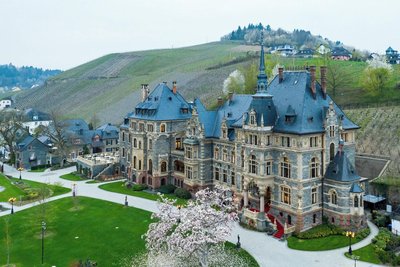
Schloss Lieser, Autograph Collection
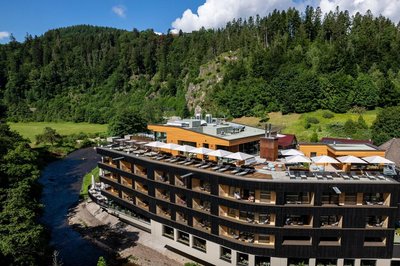
Sackmann Genuss Und Spa Resort
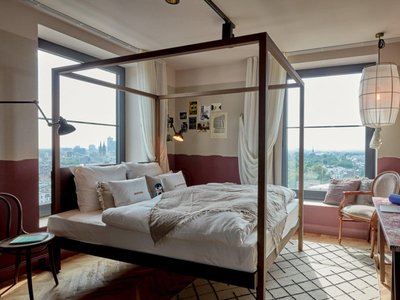
25Hours Hotel Duesseldorf Das Tour
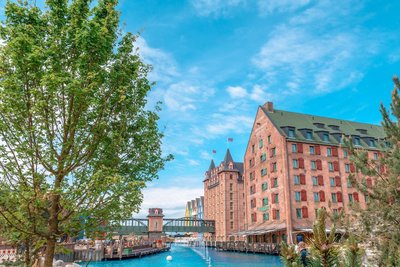
Europa-Park Freizeitpark & Erlebnis-Resort, Hotel Krønasår
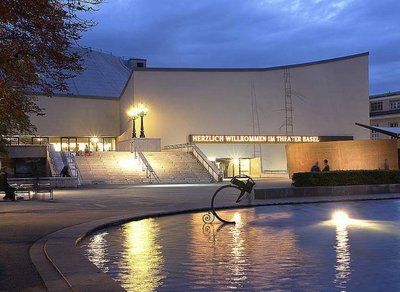
Art House Basel - Member of Design Hotels
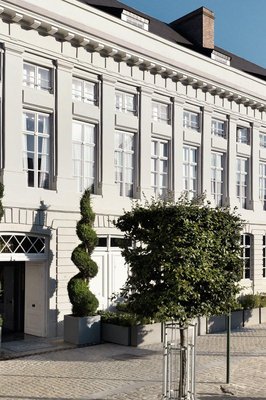
Juliana Hotel Brussels
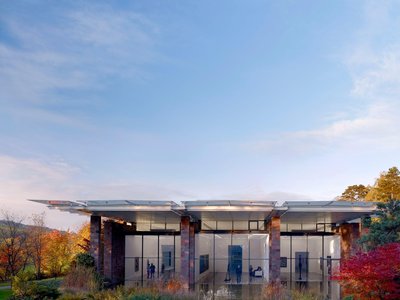
Grand Hotel les Trois Rois
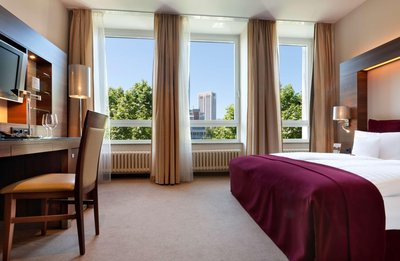
Flemings Selection Hotel Frankfurt-City
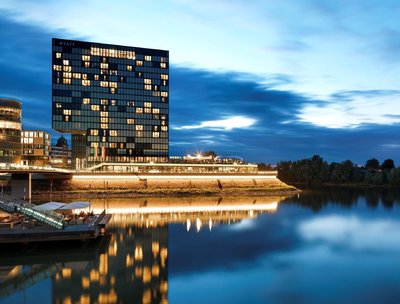
Hyatt Regency Dusseldorf
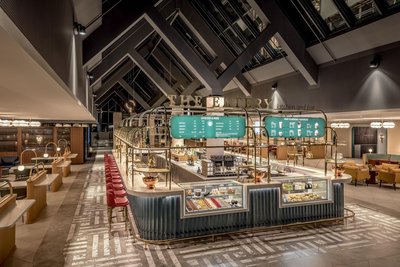
Frankfurt Airport Marriott Hotel
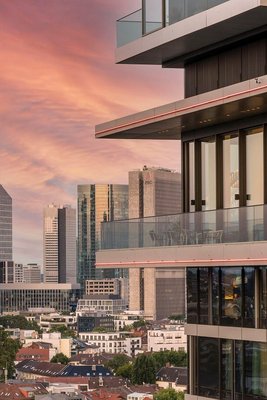
Melia Frankfurt City
Sofitel Frankfurt Opera
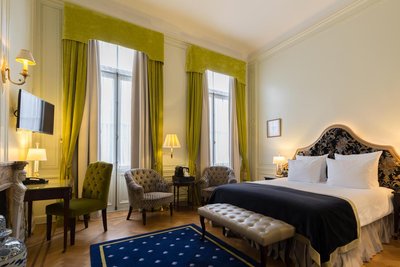
Stanhope Hotel Brussels by Thon Hotels
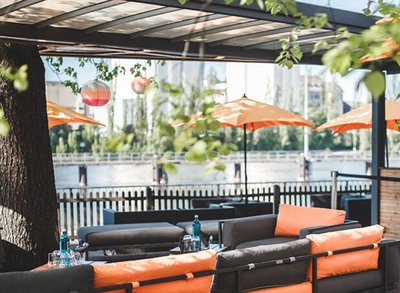
Hotel Gerbermühle
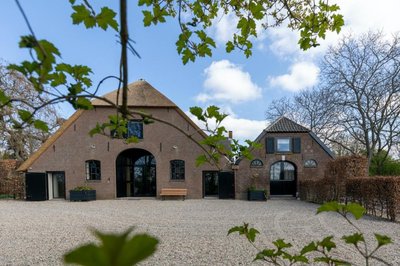
Het Rentmeestershuis
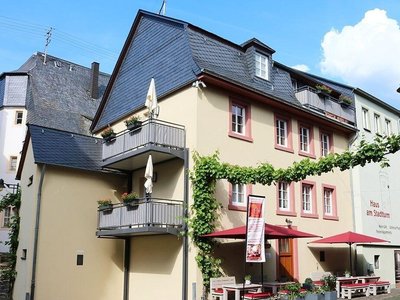
Haus am Stadtturm
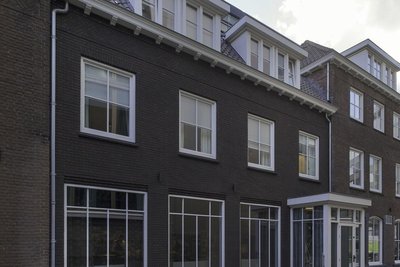
Little Grand
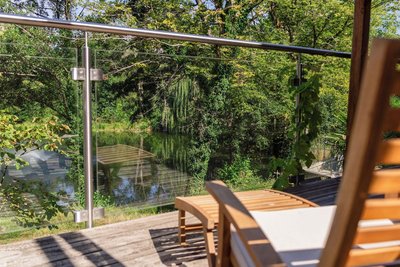
Domaine de la Résidence Hotel Spa & Restaurant
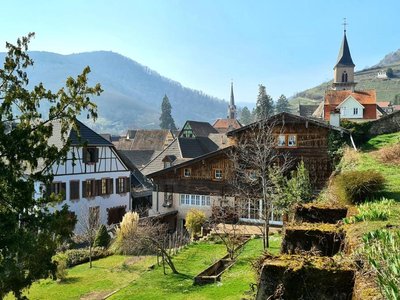
La Grange du Couvent B&B
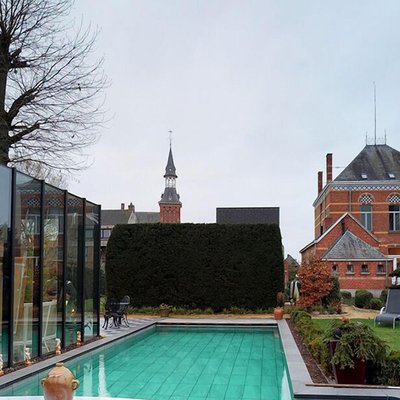
Art of Dreams Deluxe 4 Stars
Frequently Asked Questions about Traveling to Trier
Questions You Might Need to Know About Traveling to Trier
In Trier, the top choice for historic charm is Hotel Alter Hof, located in the heart of the old town, steps from the Roman Imperial Baths and St. Mary's Church. This boutique hotel blends medieval architecture with modern comfort, offering spacious rooms with exposed stone walls and original wood beams. Another excellent option is Hotel am Dom, situated just across from the Trier Cathedral, where guests can enjoy panoramic views of the cathedral’s Gothic spire. Both properties provide authentic German breakfasts and are ideal for travelers seeking immersion in Rhineland-Palatinate’s Roman heritage.
The Old Town (Altstadt) is the most recommended district to stay in Trier. It’s centrally located near major attractions like the Porta Nigra, Trier Cathedral, and the Imperial Roman Ruins. The cobblestone streets, historic buildings, and vibrant atmosphere make it perfect for walking tours and evening strolls. Additionally, the area is close to the Moselle River promenade, restaurants, and local markets, offering easy access to both culture and relaxation while enjoying the city’s rich historical ambiance.
To experience authentic Trier culture, join a guided tour of the Roman Imperial Complex, including the Porta Nigra, Castra Herculis, and the Basilica of Constantine. Visit the Trier Cathedral, one of Germany’s oldest churches, and explore its stunning Gothic vaults and sacred relics. In the evening, take a walk through Mauritzburg Park, offering breathtaking views over the city and the Moselle River. Don’t miss the seasonal Trier Wine Festival, where you can sample local Riesling wines and traditional German sausages at the town square.
Don’t miss the Trier International Theatre Festival (Trierer Festspiele) held annually in summer at the ancient Roman amphitheater site, featuring classic German plays and operas performed in a historic setting. Also, visit the Trier Wine Festival (Weinfest Trier) in autumn, where locals gather at the Town Hall Square to taste premium Moselle Rieslings, enjoy regional delicacies like Black Forest cake and smoked sausages, and experience lively folk music. These events offer deep insight into Rhineland-Palatinate’s traditions and community spirit.
Yes, Trier offers several family-friendly accommodations. Hotel am Dom and Best Western Plus Hotel Trier feature child-friendly rooms, cribs, playrooms, and family packages that include museum tickets and dining discounts. Both are within walking distance of Trier Zoo, Natural History Museum, and scenic Moselle River trails, making them ideal for multi-generational travel. Many hotels also offer bike rentals, enabling families to explore the city and surrounding countryside safely and conveniently.
For couples seeking romance, Hotel Alte Burg stands out—nestled within the old town’s ancient stone walls, this boutique hotel features private courtyards, panoramic terraces, and suites with vintage bathtubs. Enjoy a candlelit dinner on-site or book a private evening tour of the Roman ruins under moonlight. The hotel’s intimate atmosphere and historical setting create a dreamy backdrop for a memorable getaway. Some rooms even feature views of the Trier Cathedral’s spire, enhancing the sense of timeless love.
Must-try dishes in Trier include Trierer Rote Grütze, a sweet-sour berry stew with slow-cooked beef, and Moselwurst, a smoked sausage served with dark rye bread and beer. Visit Zum alten Rathaus, a centuries-old restaurant near the town hall, known for its farm-to-table cuisine using local ingredients. At the weekly Saturday Market, sample warm mulled wine, roasted potatoes, and artisanal cheeses. These culinary experiences offer a true taste of Rhineland-Palatinate’s rural traditions and regional pride.
Yes, Trier is excellently connected by public transport. The Trier Hauptbahnhof train station links directly to Cologne, Frankfurt, and Berlin. The city’s bus network covers key sites including the Porta Nigra, Cathedral, and Moselle River Pathways. Bike-sharing stations are available throughout the old town, making it easy to cycle to Mauritzburg Park or St. Mary’s Church. For drivers, ample parking is available near hotels and attractions, with many hotels offering complimentary parking.
Trier has a temperate oceanic climate. Spring (April–June) offers mild temperatures and blooming gardens—ideal for exploring Roman ruins and Moselle River walks. Summer (July–August) sees occasional rain but pleasant daytime highs of 20–25°C, perfect for outdoor festivals. Autumn (September–November) brings crisp air and harvest festivities, especially the Wine Festival. Winter is cool with frequent fog, but the Christmas market at Town Hall Square creates a magical atmosphere. Pack a light jacket and waterproof shoes year-round.
Top shopping spots in Trier include Braubachstraße, a charming street lined with independent boutiques selling handmade wool scarves, antique silverware, and local ceramics. The Old Town Market Square hosts weekend craft fairs featuring Moselle wine, wooden souvenirs, and hand-carved items. For fresh local produce, visit the Markthalle Trier, a covered market with organic fruits, cheeses, and regional meats. Bring a reusable bag to support sustainable shopping in this historic city.
Trier Overview
City Summary
Trier is one of Germany's oldest cities, with over 2000 years of history and a key Roman Empire outpost. Known for its Roman ruins, including the iconic Porta Nigra and Trier Cathedral, the city blends ancient and modern culture, making it a prime destination for exploring Europe's ancient heritage.
Must-See Attractions
Must-see sights include the Porta Nigra, a well-preserved Roman city gate and the city's symbol. Trier Cathedral, Germany's oldest bishop's church, houses rich religious art. The Imperial Baths (Kaiserthermen) and Amphitheater showcase Roman grandeur. Additionally, Karl Marx House is a must-visit for those interested in the philosopher's life.
Food Guide
Trier's street food features German sausages and bread. Try regional specialties like "Himmel un Ääd" (mashed potatoes with apple sauce). Local beer is a highlight, especially in traditional pubs. For dessert, German cakes and apple strudel are popular choices.
Transportation Guide
Trier's public transport includes buses and trams covering major attractions. A day pass saves costs. Walking is ideal for the compact city center. Car rentals are useful for exploring nearby areas. The train station connects to major German cities.
Best Time to Visit
Best times to visit are spring (April-June) and autumn (September-October), with mild weather and fewer crowds. Summer (July-August) is warm but busy. Winter (December-February) offers festive Christmas markets.
Travel Tips
- Safety: Trier is safe, but watch belongings.
- Etiquette: Dress modestly for churches.
- Language: English works in tourist areas, but German phrases help.
- Tipping: Restaurants expect 5-10% tips.
- Cash: Some small shops only accept cash.
- Eco-friendly: Follow strict recycling rules.
Useful Information
Language: German is primary; English works in tourist zones. Internet: Free Wi-Fi in public spots. Payment: Cards accepted, but cash is handy for small purchases. Emergencies: Dial 112. Voltage: 230V; bring adapters. Water: Tap water is drinkable.