Hotels in Tristan Suarez
Discover your perfect stay in Tristan Suarez.
Tristan Suarez(Argentina) Travel 2026: Cheap Flights, Hotels & Top Attractions
Popular Landmarks in Tristan Suarez
Discover the most iconic attractions in Tristan Suarez
Recommended Hotels in Tristan Suarez
Find the perfect place to stay in Tristan Suarez
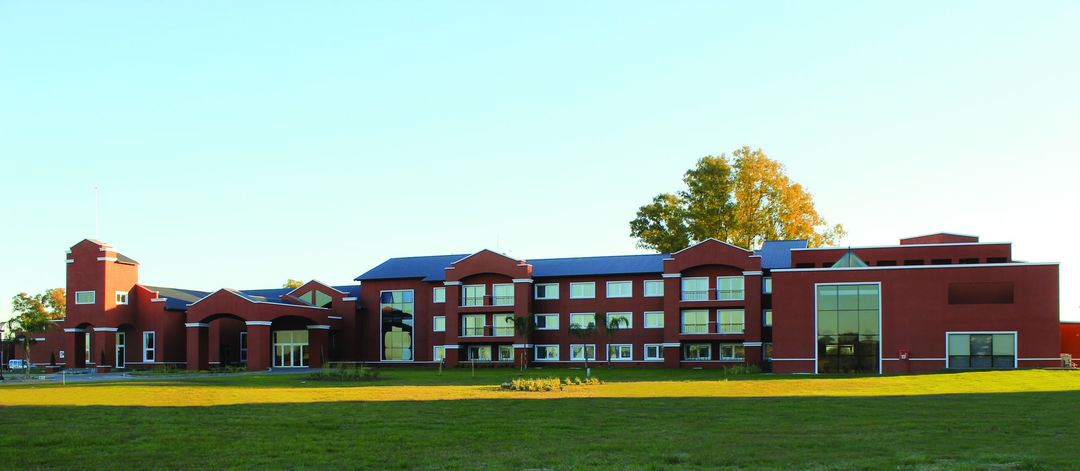
Best Hotels in Tristan Suarez
Discover curated hotel collections in Tristan Suarez

Frequently Asked Questions about Traveling to Tristan Suarez
Questions You Might Need to Know About Traveling to Tristan Suarez
For first-time visitors, staying in the central district of Tristan Suarez is ideal. This area offers easy access to Buenos Aires city center, with frequent bus and taxi services. The neighborhood features a mix of quiet residential streets and local cafes, giving guests a genuine taste of Argentine daily life.
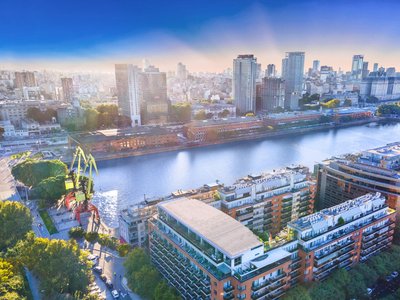
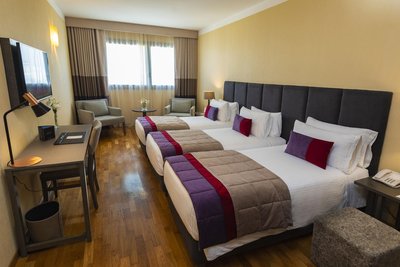
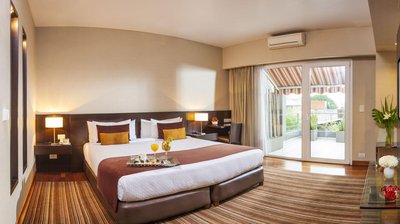
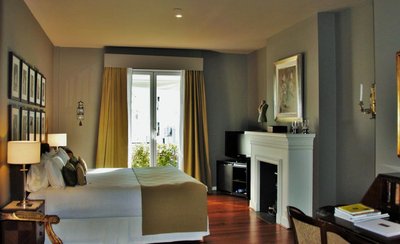
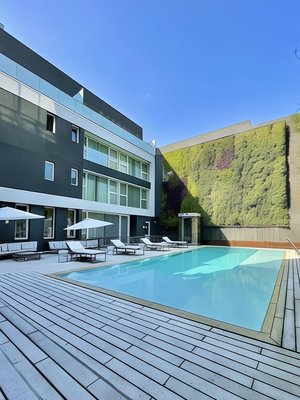
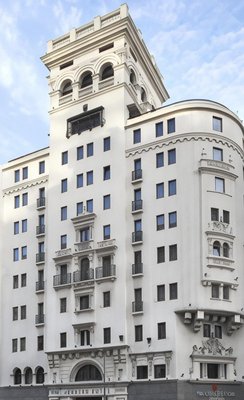
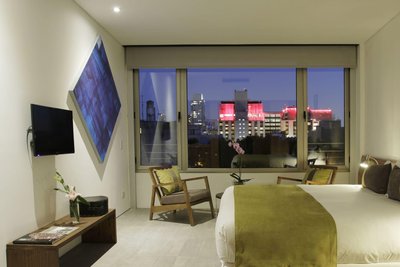
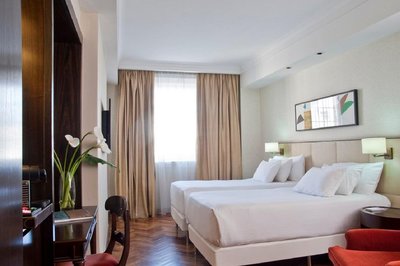
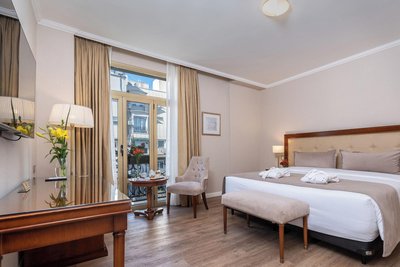
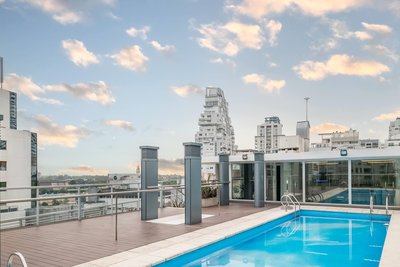
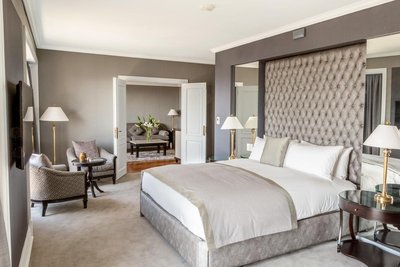
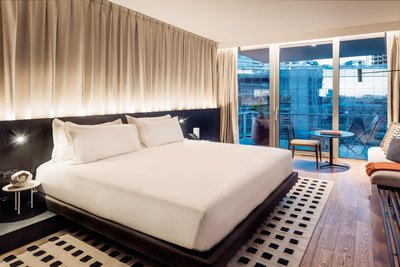
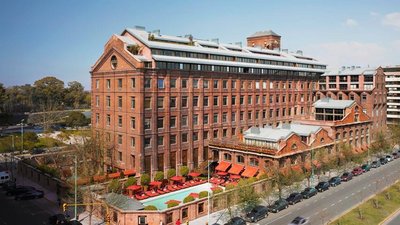
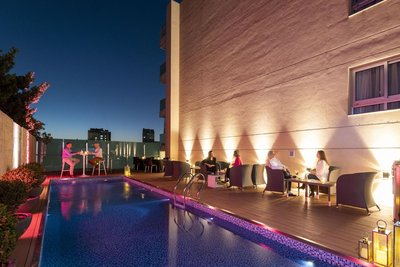
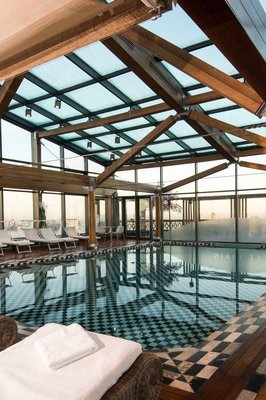
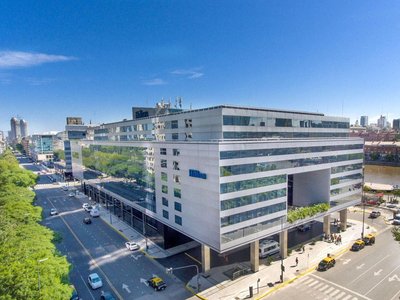
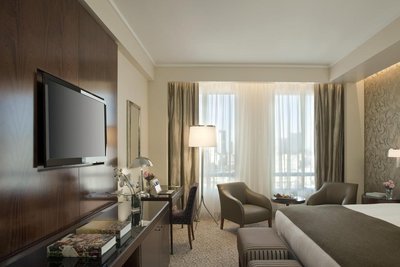
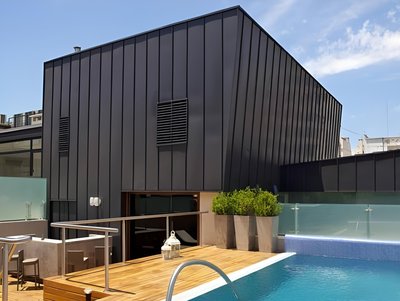
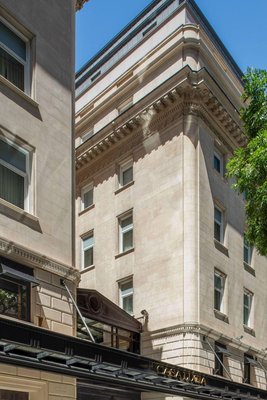
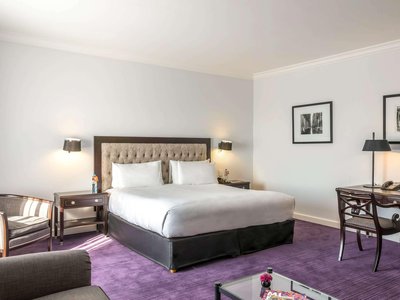
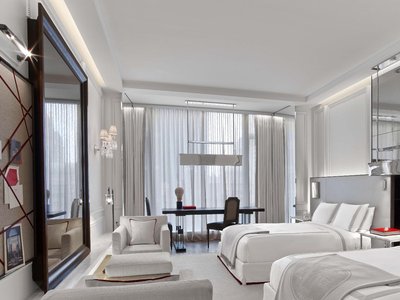
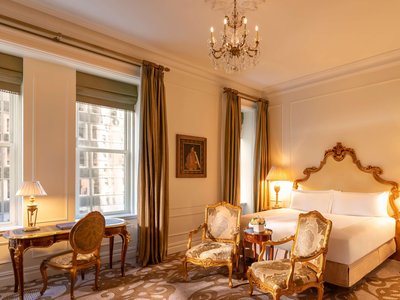
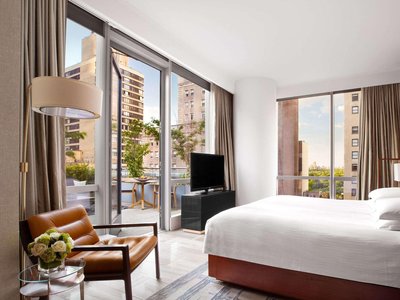
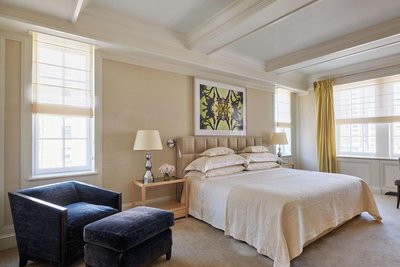
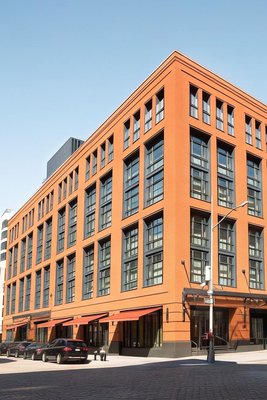
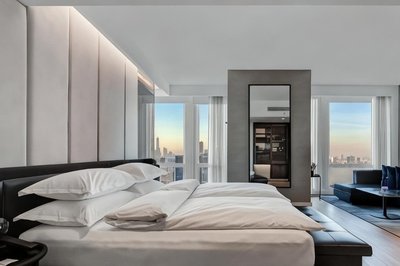
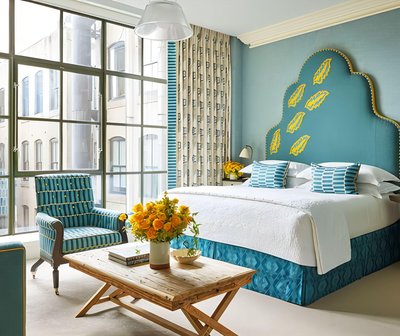
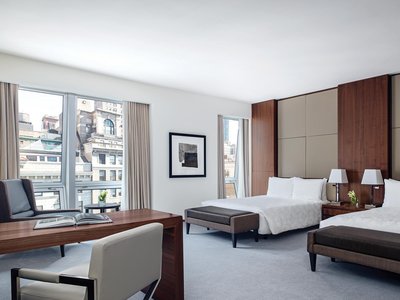
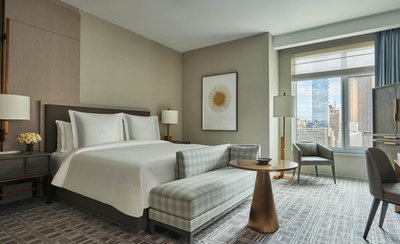
Recommended accommodations include Hotel del Parque, known for its serene garden setting and elegant architecture. Its proximity to the Parque Centenario makes it perfect for morning walks or evening strolls. Guests also enjoy modern amenities like free Wi-Fi, air conditioning, and a welcoming staff fluent in English and Spanish. For cultural immersion, consider staying at a family-run guesthouse near the riverfront, where you can experience authentic tango music and homemade asado dinners.
Tourists in Tristan Suarez can immerse themselves in authentic Argentine culture through local events and community traditions. The neighborhood hosts seasonal street markets featuring handmade crafts, traditional clothing, and regional food such as empanadas and mate tea. These markets often include live tango performances and folk music from the Pampas region.
Visitors can also explore local art galleries showcasing works by emerging artists inspired by the Río de la Plata landscape. A highlight is the annual Festival del Barrio, which celebrates neighborhood heritage with parades, food stalls, and dance workshops. For a deeper connection, consider joining a guided walking tour that reveals hidden stories behind the area’s colonial-style homes and street murals, offering insights into the cultural identity of this vibrant suburb.
Yes, Tristan Suarez offers several family-friendly attractions perfect for travelers with children. The Parque Ecológico Ignacio Martoni features a large playground, shaded picnic areas, and nature trails ideal for young explorers. It's also home to native bird species, making it a great spot for wildlife observation.
Nearby, the Buenos Aires Zoo and Museo de Ciencias Naturales are easily accessible via public transport and offer interactive exhibits tailored for kids. Many hotels in the area provide family suites with extra beds and baby amenities. Families can also enjoy weekend outdoor markets with kid-focused activities like face painting and puppet shows. With low traffic and safe neighborhoods, Tristan Suarez ensures a relaxed, enjoyable experience for all ages.
Visitors to Tristan Suarez should try traditional Argentine asado (barbecue) served at family-run parrillas, where locally raised beef is slow-grilled over wood fire. Don’t miss empanadas, especially the meat-filled version with a flaky crust, often sold fresh from roadside stands.
A must-try beverage is mate, a traditional herbal drink served in a gourd with a metal straw. Local cafés like Café de Esquina offer authentic preparations and friendly hospitality. At weekend farmers' markets, sample choclo asado (grilled corn) and dulce de leche pastel, a sweet pastry filled with caramelized milk. For a unique experience, book a home cooking class to learn how to make these dishes from local families, gaining insight into Argentina’s culinary heart.
Travelers can reach downtown Buenos Aires from Tristan Suarez via several convenient options. The Line B subway connects directly to key stations like Carlos Gardel, providing a fast 15-minute ride to central hubs such as Plaza San Martín and Teatro Colón.
Numerous bus lines—including 63, 79, and 83—serve the area, offering affordable fares and frequent departures. For greater comfort and flexibility, taxis or ride-sharing apps like Uber are available; the journey takes about 20 minutes and costs $10–15 USD. Avoiding peak hours is recommended to minimize traffic delays. All routes ensure quick access to the city’s cultural landmarks, shopping districts, and nightlife venues.
Tristan Suarez has a temperate humid climate with distinct seasons. Summers (December–February) range from 22–30°C, with occasional thunderstorms. Winters (June–August) are mild, averaging 8–14°C, and can drop below 5°C at night, so light layers are recommended.
Spring (September–November) and autumn (March–May) offer pleasant temperatures and abundant sunshine—ideal for visiting. Due to proximity to the Río de la Plata, humidity levels are slightly higher, so breathable clothing and a compact umbrella are advisable. Days are long and bright, perfect for outdoor activities like jogging, cycling, or riverside walks. Overall, the climate is stable and comfortable year-round, making it suitable for travel anytime.
Tristan Suarez Overview
City Summary
Tristan Suarez is a quiet and charming neighborhood in Buenos Aires, Argentina, known for its suburban tranquility and rich local culture. Away from the hustle of the city center, it offers a glimpse into traditional Argentine life. The area features green parks and small museums showcasing local history and art.
Must-See Attractions
In Tristan Suarez, Parque de la Ciudad is a must-visit, with its expansive lawns and walking paths perfect for picnics. The Museo Histórico de Tristan Suarez provides insights into the region's development. At night, Plaza Principal comes alive with local gatherings and nightlife.
Food Guide
The culinary scene here is deeply rooted in Argentine traditions. Asado (barbecue) is a highlight, with many local restaurants serving freshly grilled meats. Street food like Empanadas and Choripán (sausage sandwich) are also popular. Don’t miss the pizza at Almacén de Pizzas, which blends Italian and Argentine flavors.
Transportation Guide
Transport in Tristan Suarez relies on buses and taxis. Buses cover most areas but have limited schedules, so check timetables in advance. Taxis are affordable for short trips. From downtown Buenos Aires, take the Línea Roca train, a 40-minute ride. Driving is an option, but parking can be scarce.
Best Time to Visit
The best times to visit are spring (September-November) and autumn (March-May), when the weather is mild. Summers (December-February) are hot, and winters (June-August) can be chilly with fewer tourists.
Travel Tips
- Safety: Avoid walking alone at night, especially in secluded areas.
- Etiquette: Argentines are friendly; a handshake or cheek kiss is common.
- Tipping: Restaurants typically expect a 10% tip.
- Language: Spanish is key; English is understood in tourist spots.
- Cash: Carry some cash as small shops may not accept cards.
- Dress Code: Casual is fine, but cover up for church visits.
Useful Information
Language: Spanish is primary; English works in tourist areas. Internet: Free Wi-Fi is spotty; consider a local SIM card. Payment: Cards work at big venues, but cash is preferred by small vendors. Emergencies: Dial 911; the main hospital is Hospital de Tristan Suarez. Voltage: 220V, plug types C or I; bring an adapter. Time Zone: UTC-3, no daylight saving.