Hotels in Tsu
Discover your perfect stay in Tsu.
Tsu(Japan) Travel 2026: Cheap Flights, Hotels & Top Attractions
Popular Landmarks in Tsu
Discover the most iconic attractions in Tsu
Recommended Hotels in Tsu
Find the perfect place to stay in Tsu

STATION HOTEL AU
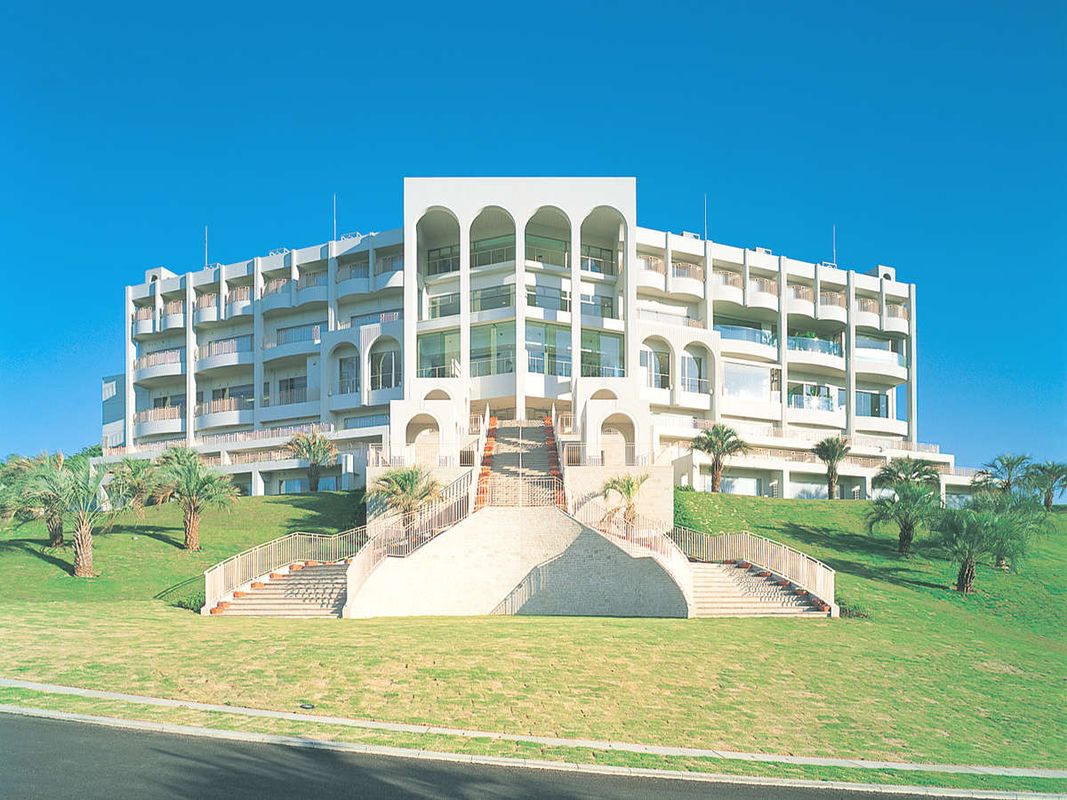
Cocopa Resort Club
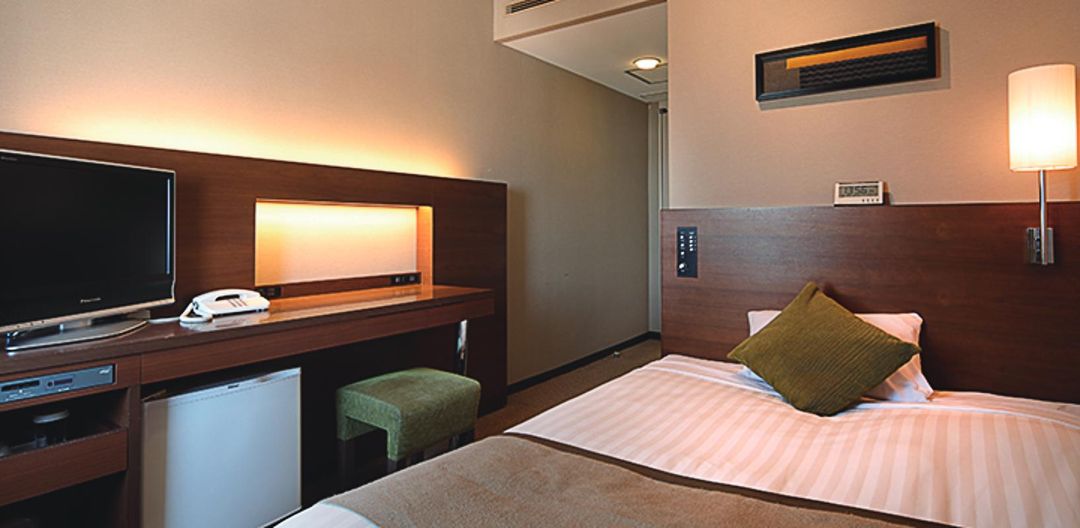
HOTEL TSU CENTER PALACE
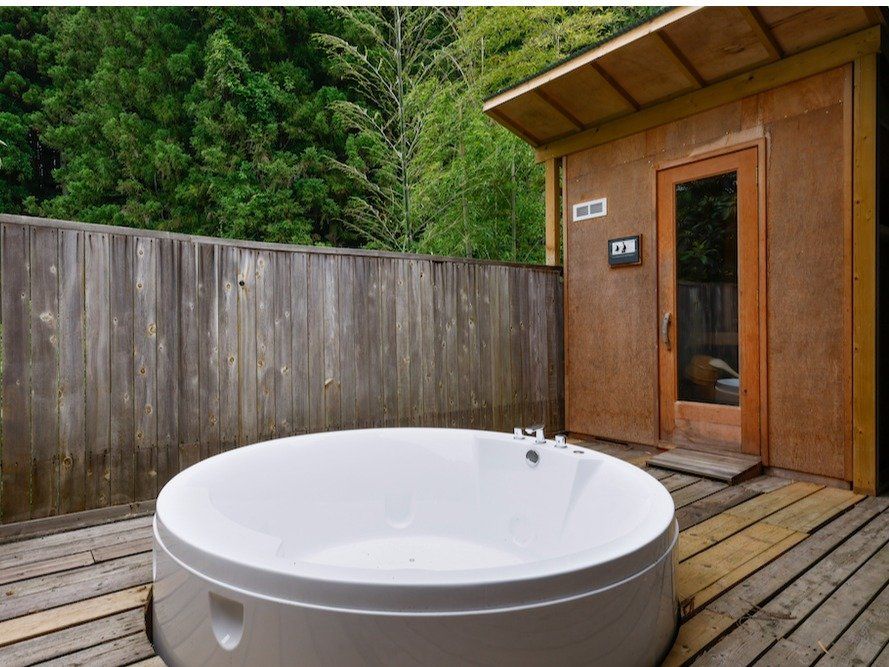
Hinotani Onsen Misugi Resort Fire Vallery Cottage
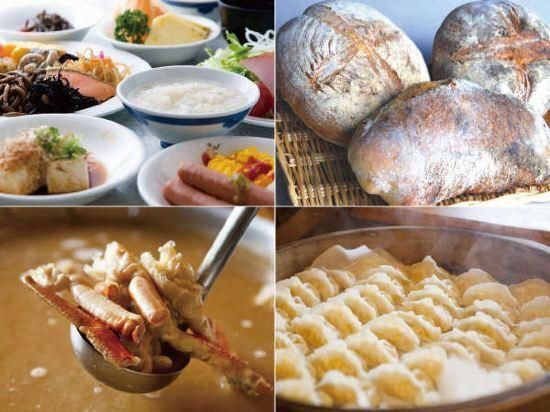
Hinotani Onsen Misugi Resort Hotel Annex
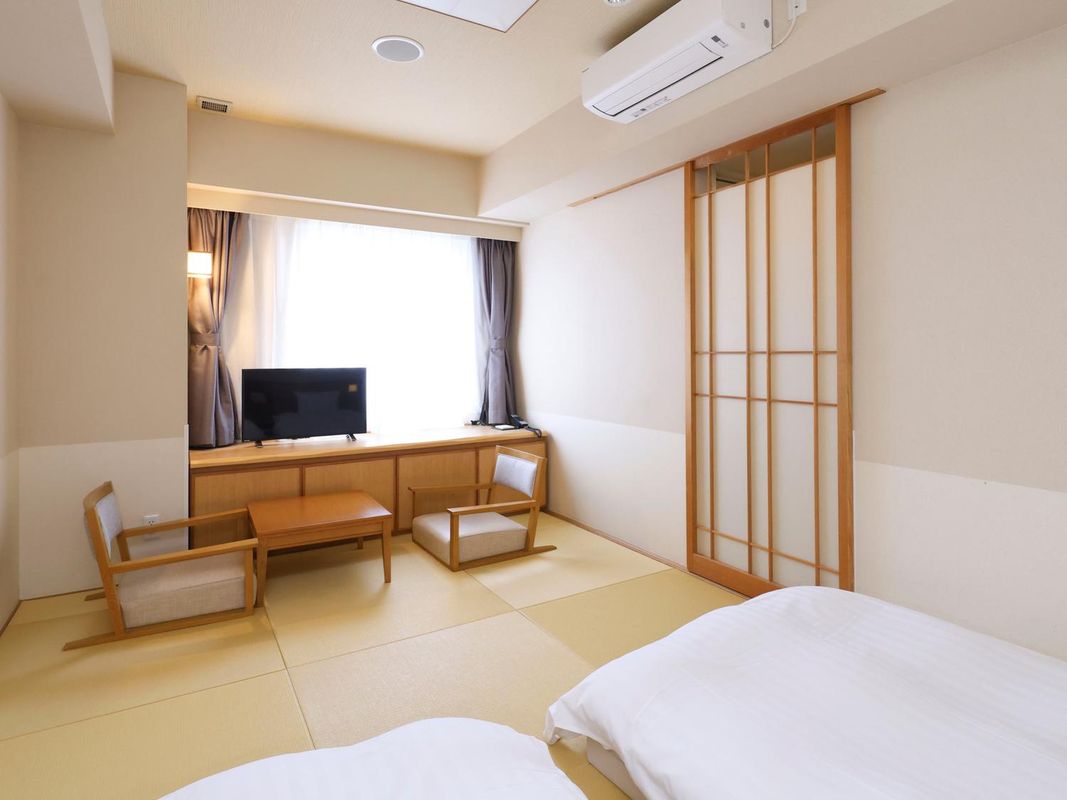
Dormy Inn Tsu
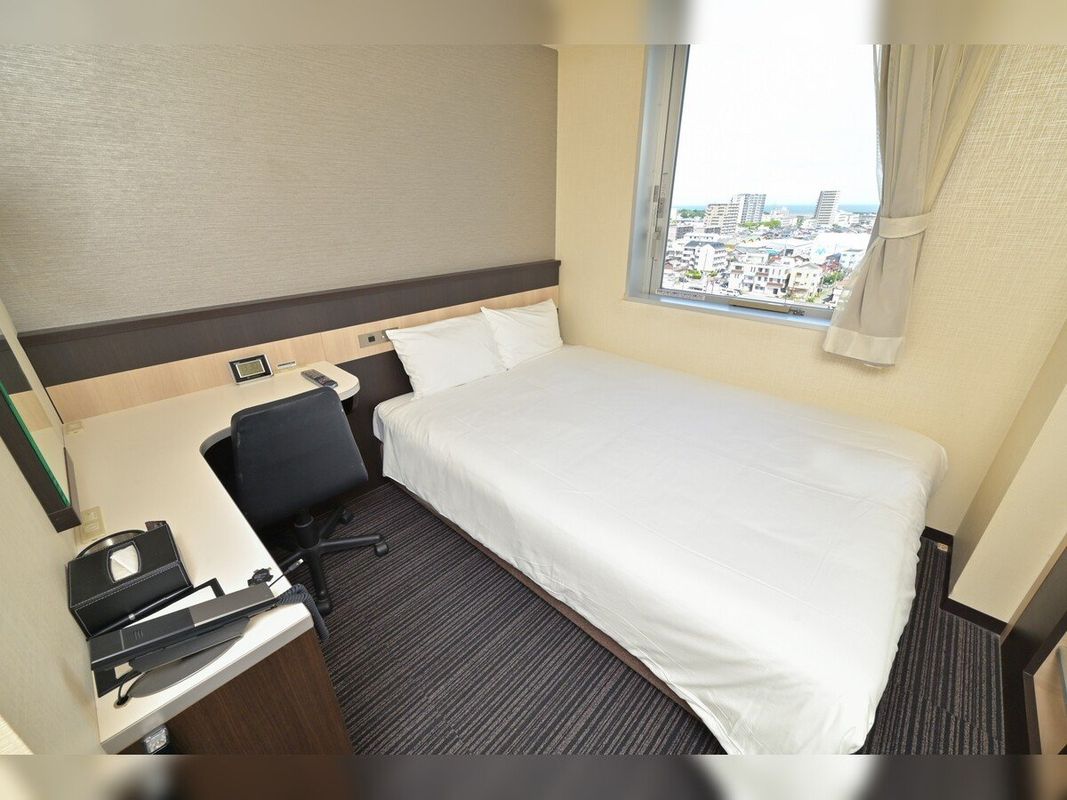
Sanco Inn Tsu Ekimae
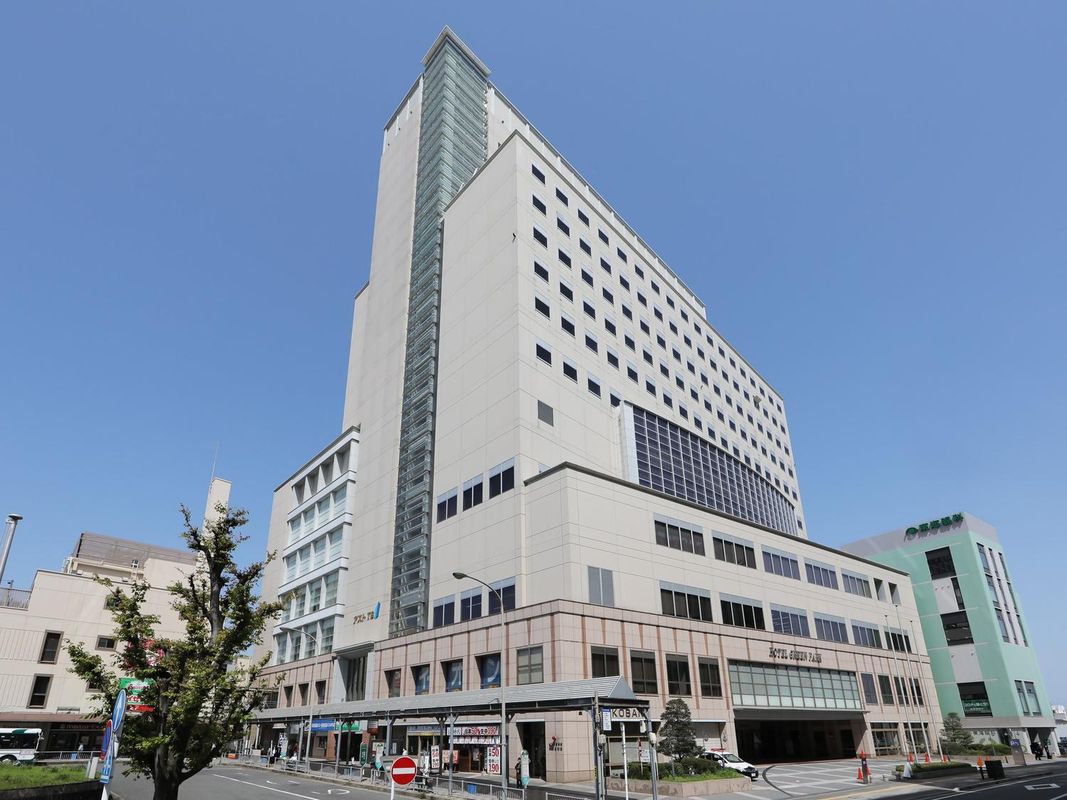
Hotel Green Park Tsu
Best Hotels in Tsu
Discover curated hotel collections in Tsu
Shima Kanko Hotel the Bay Suites
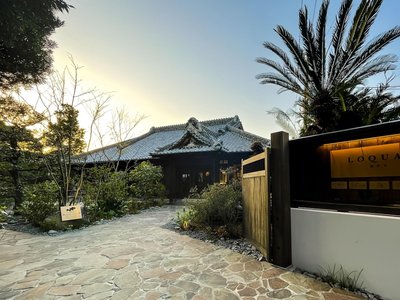
Loquat Nishiizu
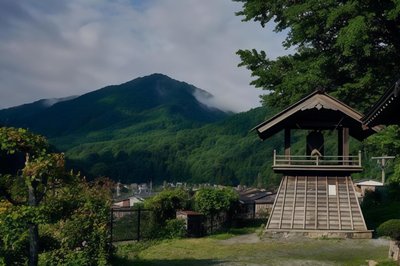
Byaku Narai
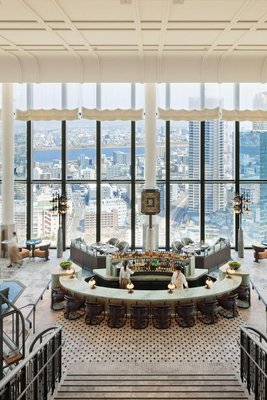
Waldorf Astoria Osaka
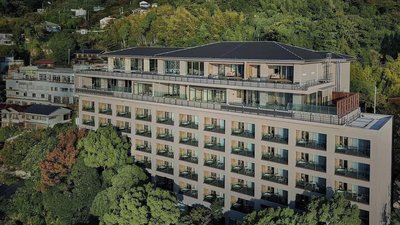
Atami Izusan Karaku
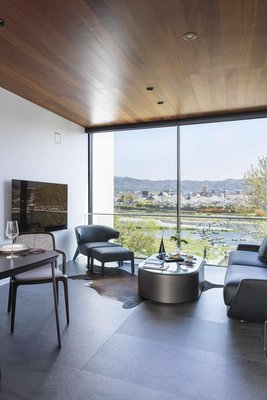
Kamo Residences by Reflections
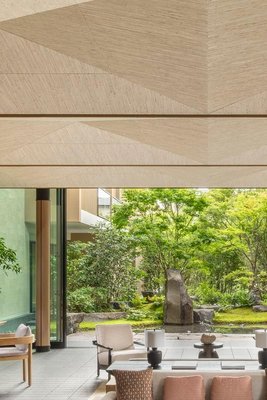
Six Senses Kyoto
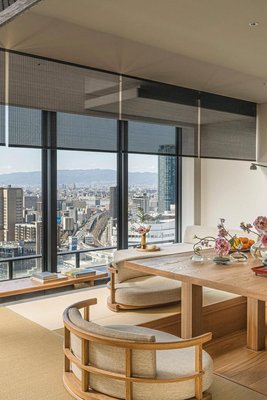
Four Seasons Hotel Osaka
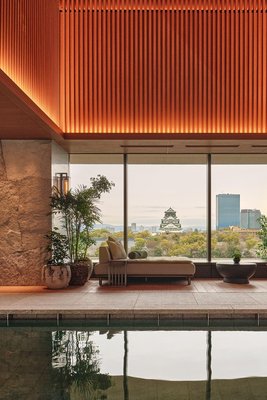
Patina Osaka
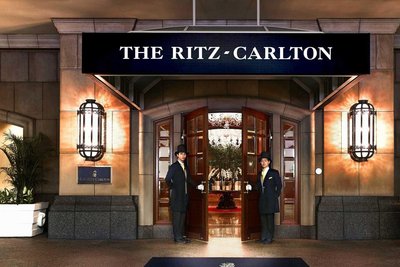
The Ritz-Carlton, Osaka
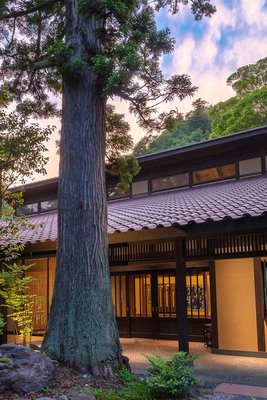
Arimasansoh Goshobessho
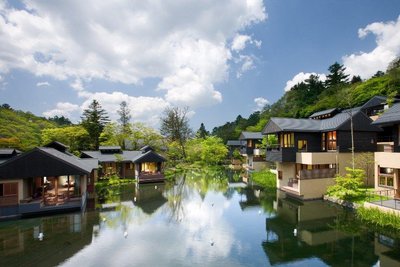
Hoshinoya Karuizawa
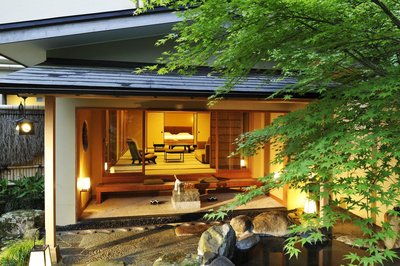
Gora Kadan
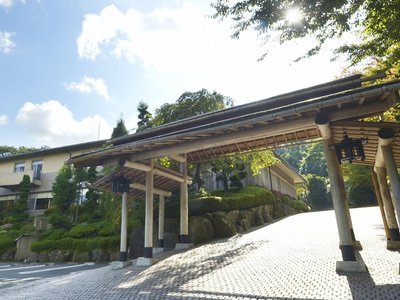
Gora Hanaougi
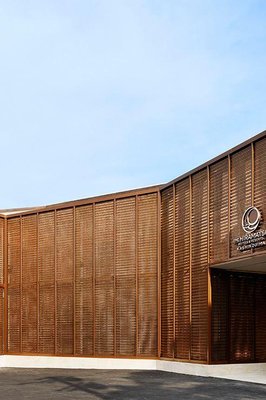
The Hiramatsu Hotels & Resorts Kashikojima
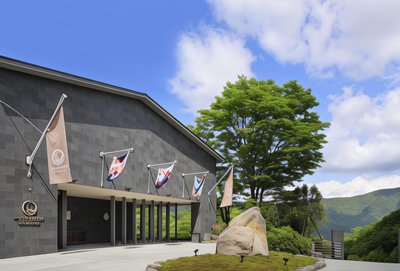
The Hiramatsu Hotels & Resorts Sengokuhara Hakone
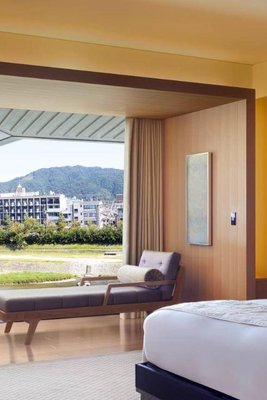
The Ritz-Carlton, Kyoto
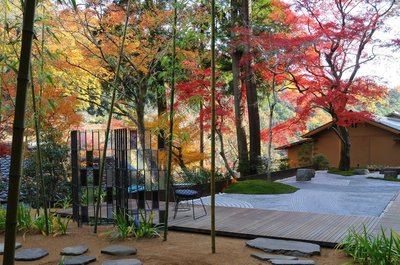
HOSHINOYA Kyoto
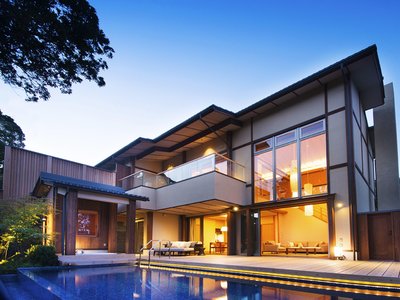
Abba Resorts Izu - Zagyosoh
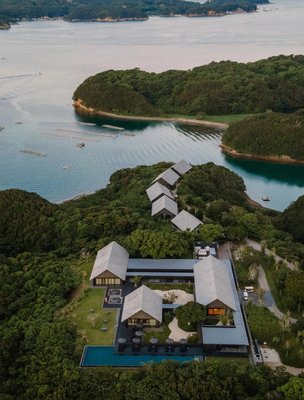
Amanemu
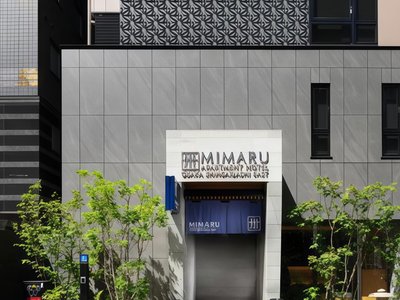
MIMARU Osaka Shinsaibashi East

Toba International Hotel Shiojitei
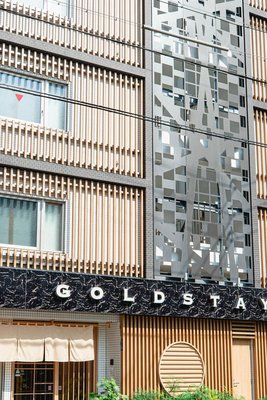
Gold Stay Nagoya OSU
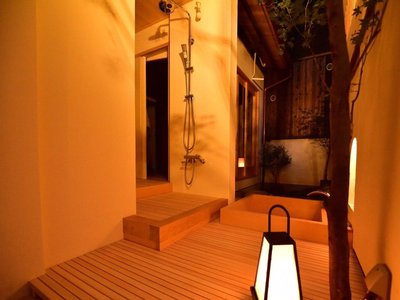
Yado Kiramachi
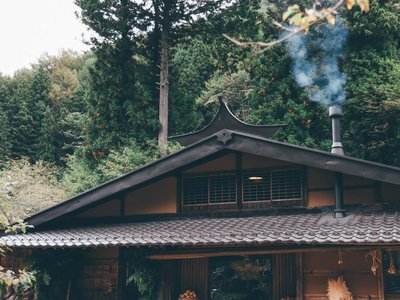
La Terra Resort
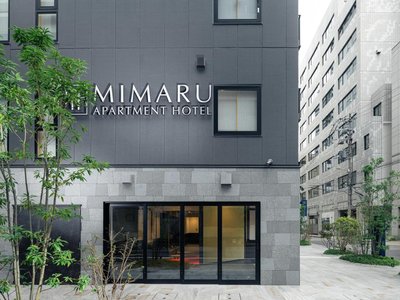
MIMARU Osaka Shinsaibashi North
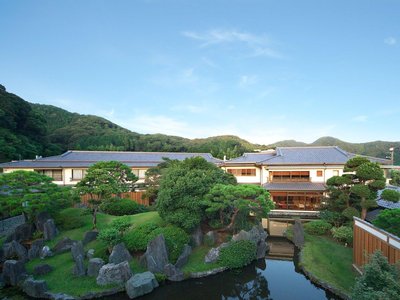
Kagetsutei
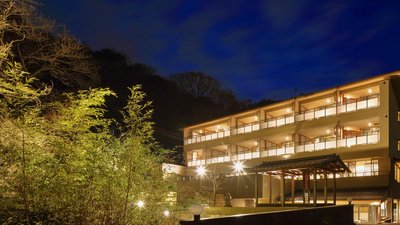
Okuno Hosomichi
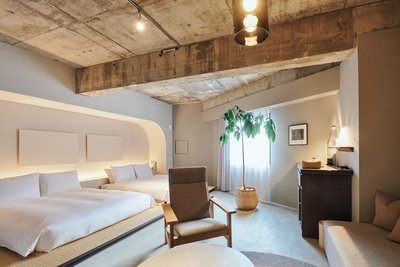
Korinkyo

GOLD STAY Nagoya Sakae
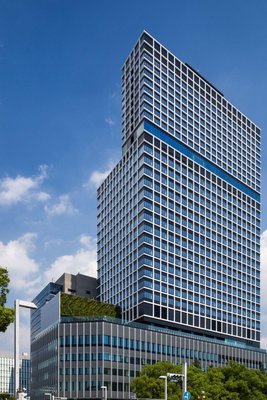
The Royal Park Hotel Iconic Nagoya

Awaumi Fujikawaguchiko Resort
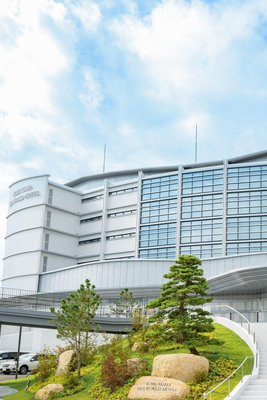
Kobe Suma Sea World Hotel
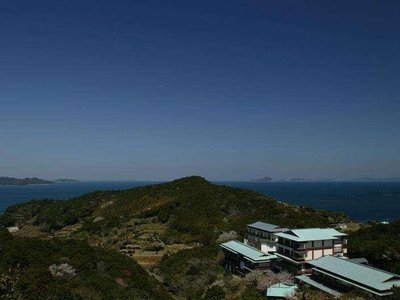
Hanashinsui
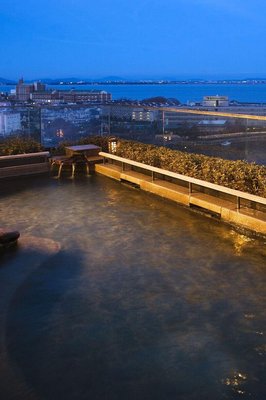
Yumotokan

Hotel Hankyu GRAN RESPIRE OSAKA
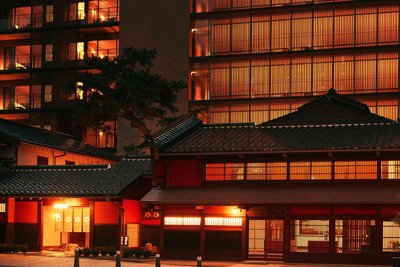
Hoshino Resorts Kai Kaga
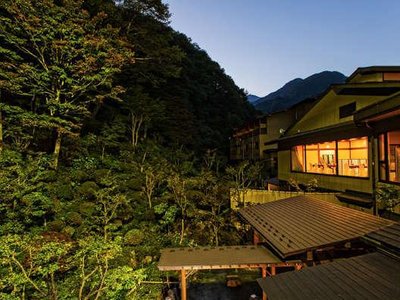
Futari Shizuka

Taikyourou
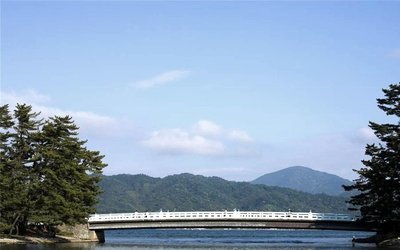
Monjusou Shourotei
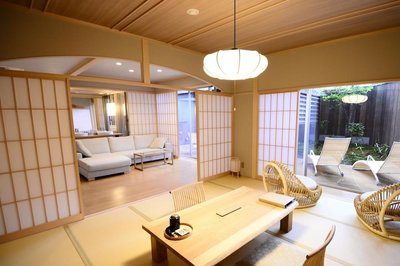
Hakone Gora Byakudan
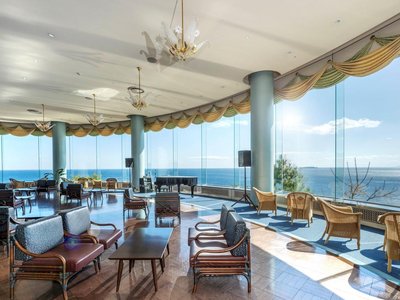
Hotel New Akao
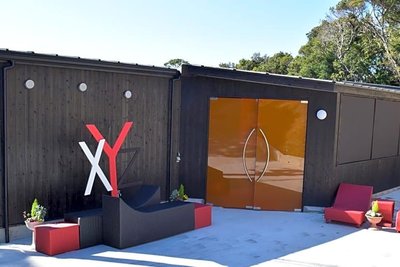
XYZ Private Spa and Seaside Resort
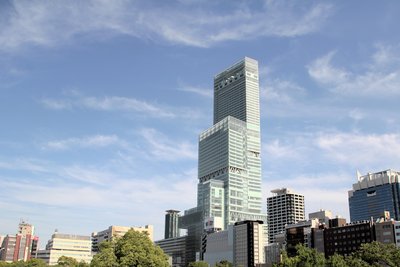
Osaka Marriott Miyako Hotel
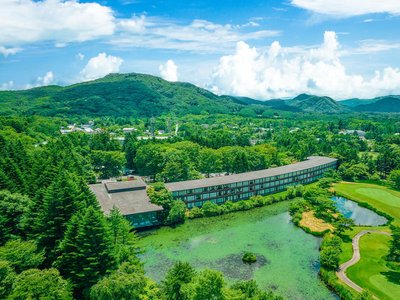
The Prince Karuizawa
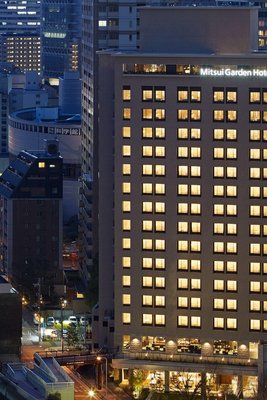
Mitsui Garden Hotel Osaka Premier
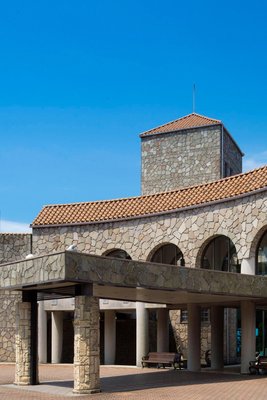
Izumigo Hotel Altia Toba
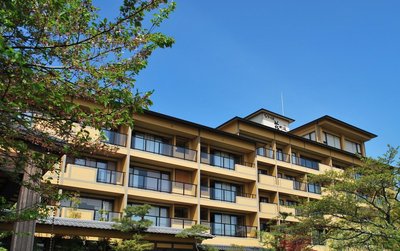
BIWAKO HANAKAIDO
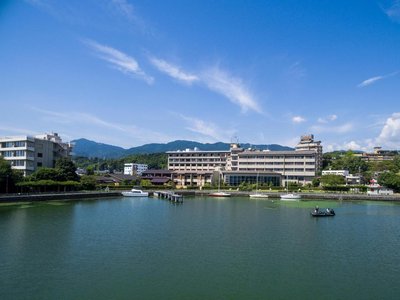
Biwako Ryokusuitei
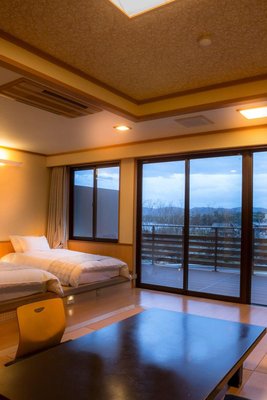
Hotel Kitanoya
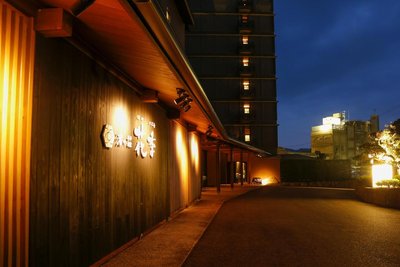
Hanagoyomi
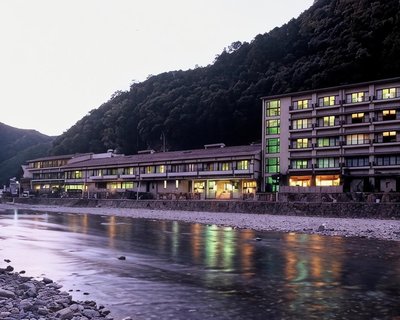
Kawayu Onsen Fujiya
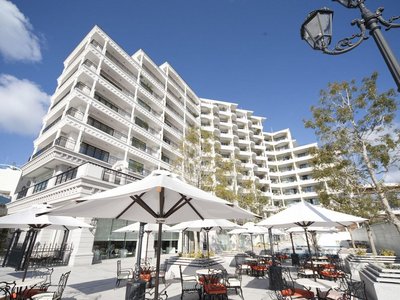
Hotel La Suite Kobe Harborland

The Kukuna
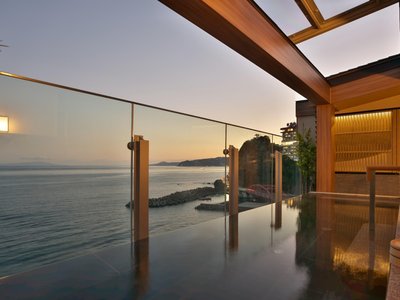
Hotel New Sagamiya
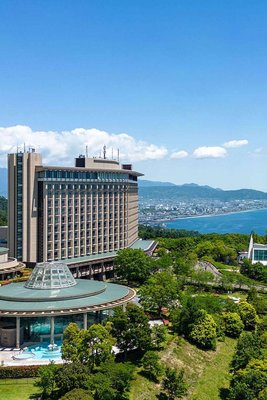
Hilton Odawara Resort & Spa
Hoshinoya Karuizawa
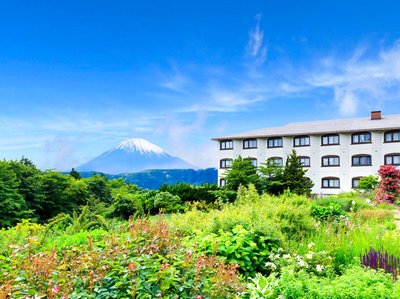
Hotel Green Plaza Hakone
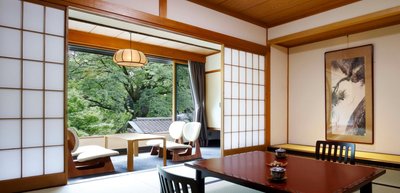
Yoshiike Ryokan
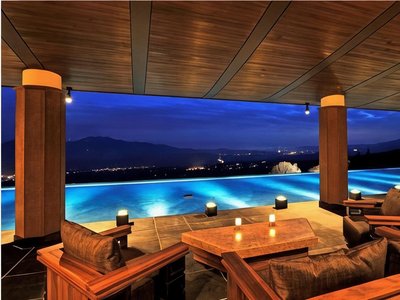
Akakura Kanko Hotel
Yado Kiramachi
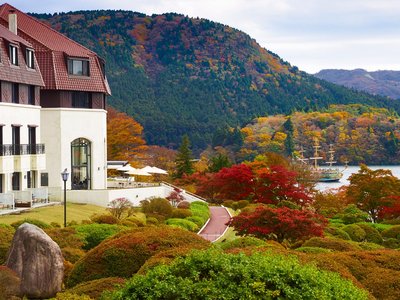
Hotakajyo
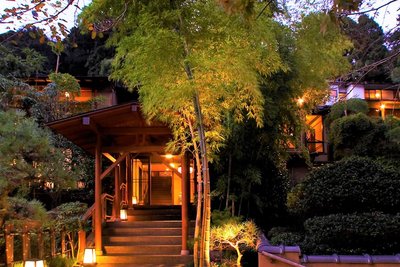
Shiki wo Ajiwau Yado Yamano Chaya
Arimasansoh Goshobessho
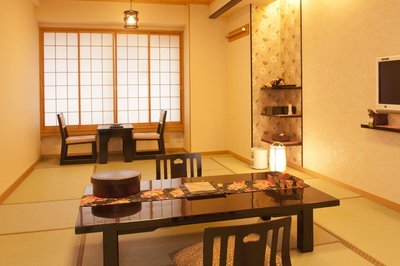
Matsui-Bekkan Hanakanzashi
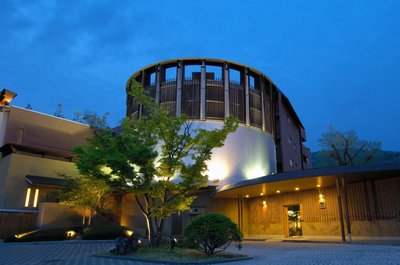
Hoshino Resorts Kai Matsumoto
Taikyourou
Monjusou Shourotei
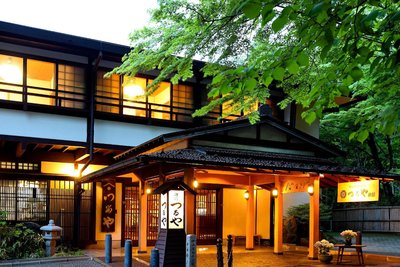
Tsuruya Ryokan
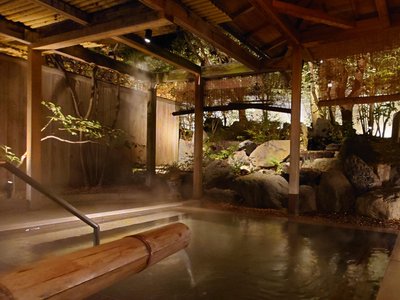
Kasuga Hotel
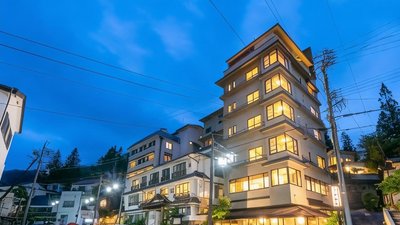
Nakamatsuya Ryokan
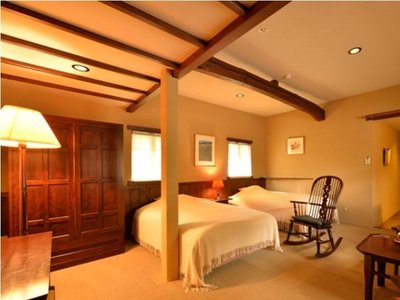
Ryokan Sugimoto
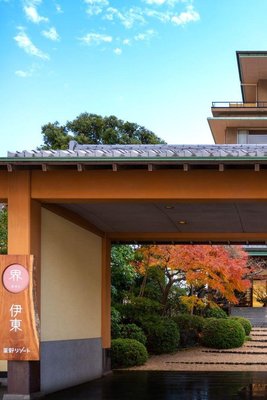
Hoshino Resorts Kai Ito
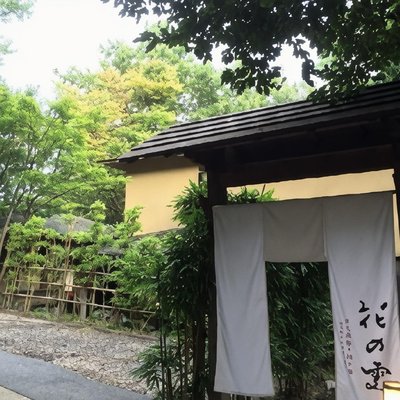
Hana No Kumo
Yoshiike Ryokan
Gora Hanaougi
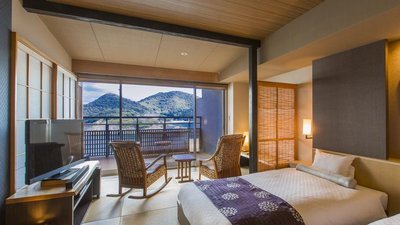
Migiwatei Ochi Kochi
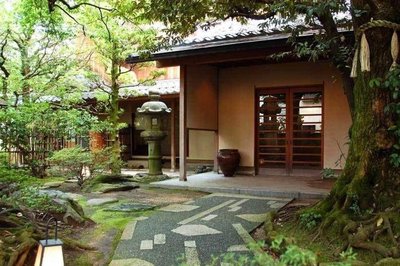
Kocho
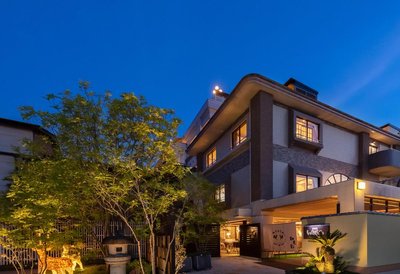
Hotel New Wakasa
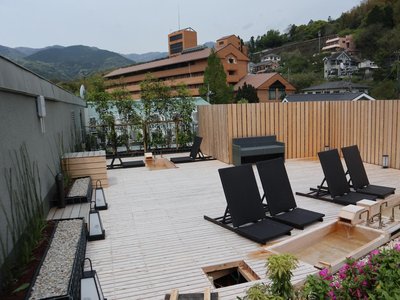
Fukiya Ryokan
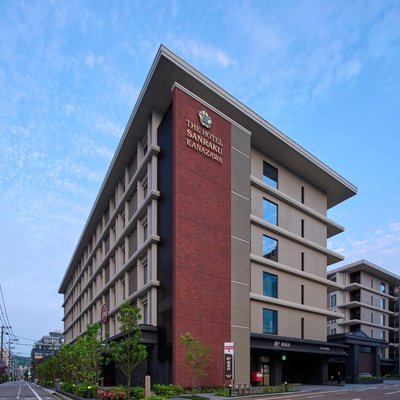
The Hotel Sanraku Kanazawa 21th December 2022 Open
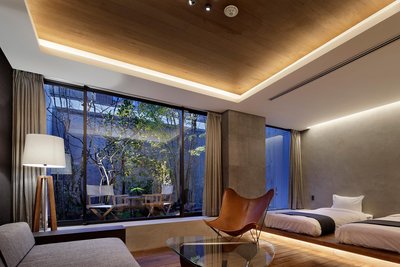
22 PIECES
The Ritz-Carlton, Osaka

The Thousand Kyoto
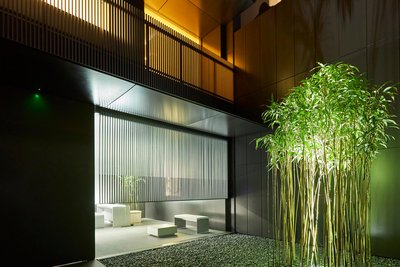
Mogana
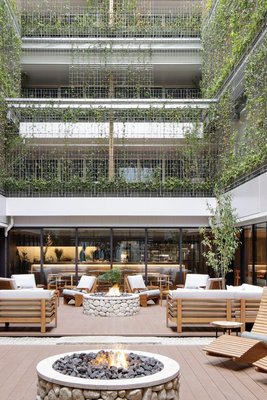
GOOD NATURE HOTEL KYOTO
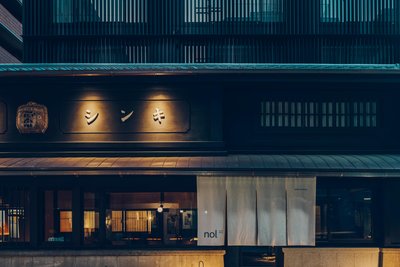
Nol Kyoto Sanjo
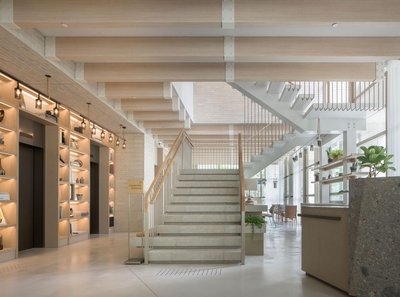
Zentis Osaka

Garrya Nijo Castle Kyoto
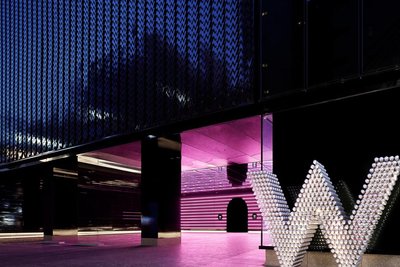
W Osaka

Hotel Kanra Kyoto

Aloft Osaka Dojima
Hakone Gora Byakudan
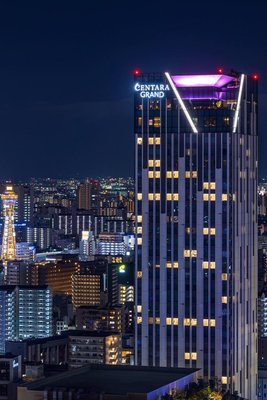
Centara Grand Hotel Osaka
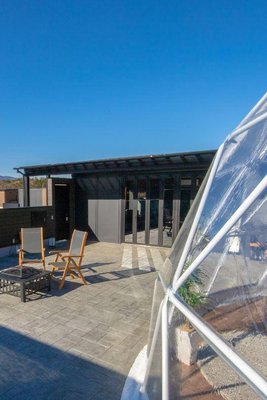
Panoramic Mt. Fuji Views from All Rooms – Vision Glamping Resort & Spa Yamanakako
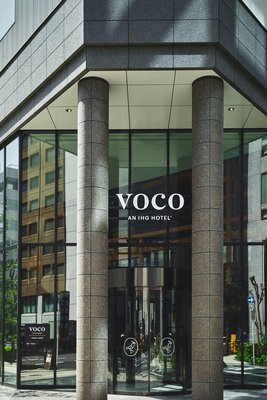
voco Osaka Central

TIAD, AUTOGRAPH COLLECTION
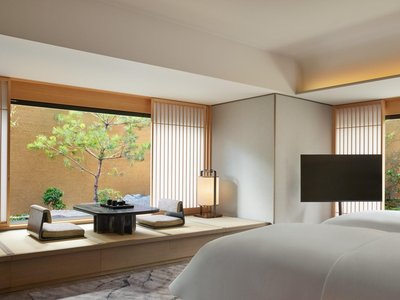
Dusit Thani Kyoto
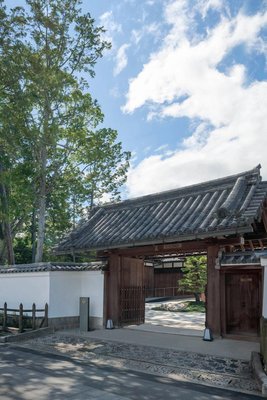
Shisui, a Luxury Collection Hotel, Nara

Hilton Kyoto
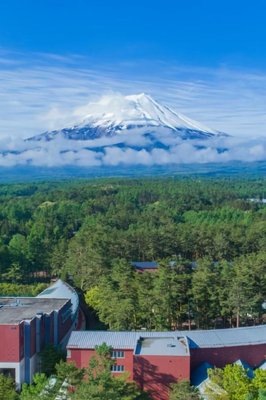
Forest Village (Fuji Premium Resort)
Osaka Marriott Miyako Hotel
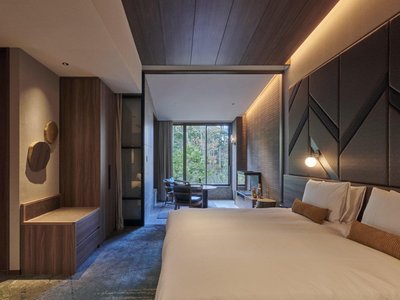
Fufu Kyu-Karuizawa Restful Forest
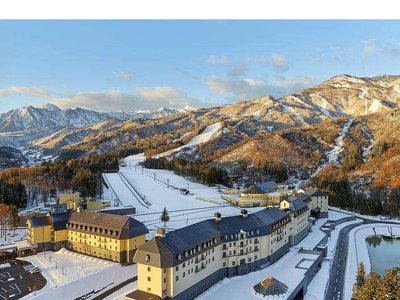
Lotte Arai Resort
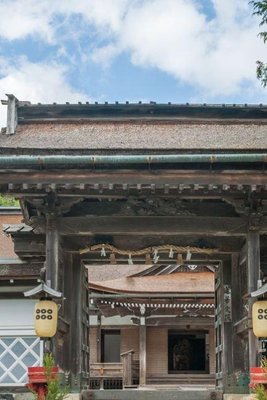
Koyasan Rengejoin
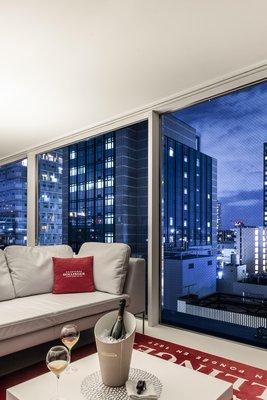
CUVÉE J2 HOTEL OSAKA by Onko Chishin
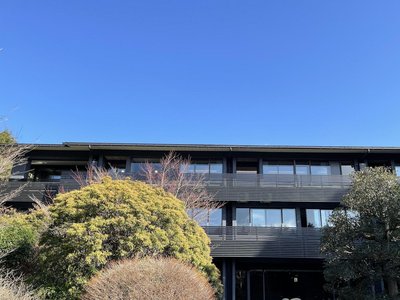
Sengokubara Cocon
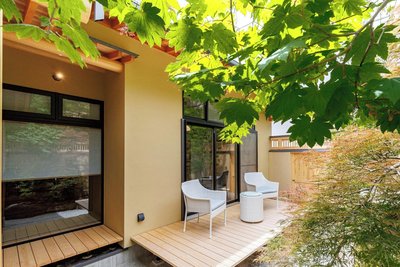
Shoraiso
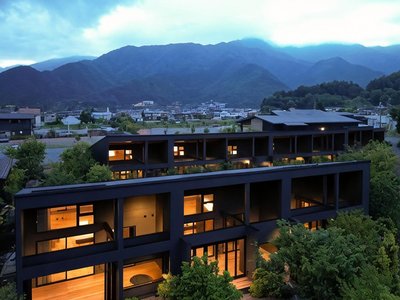
7C Villa and Winery
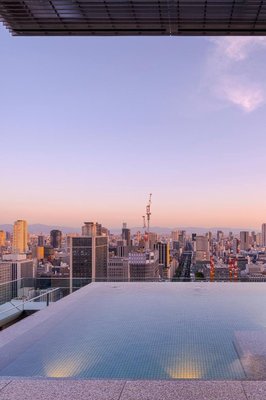
Candeo Hotels Osaka The Tower
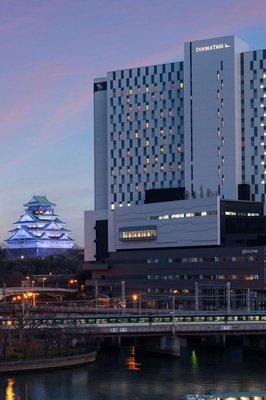
DoubleTree by Hilton Osaka Castle
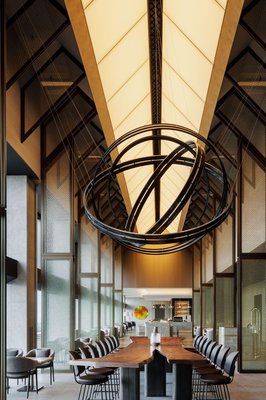
The Osaka Station Hotel, Autograph Collection
Osaka Marriott Miyako Hotel
The Ritz-Carlton, Osaka
Gora Kadan
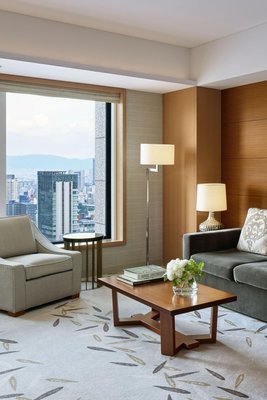
InterContinental Hotel Osaka
The Ritz-Carlton, Kyoto
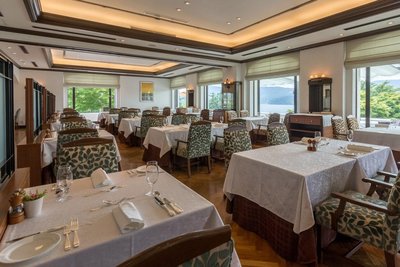
Odakyu Hotel de Yama
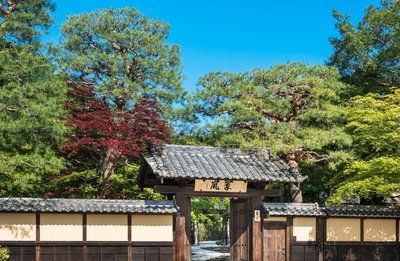
Suiran, a Luxury Collection Hotel, Kyoto
GOOD NATURE HOTEL KYOTO
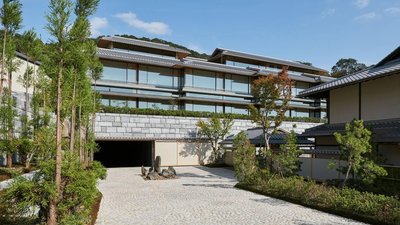
Park Hyatt Kyoto

Hyatt Centric Kanazawa
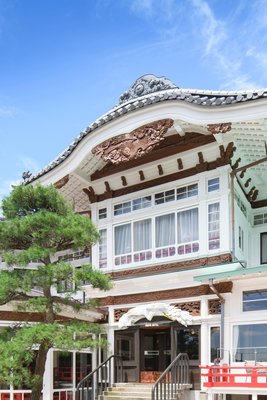
Fujiya Hotel
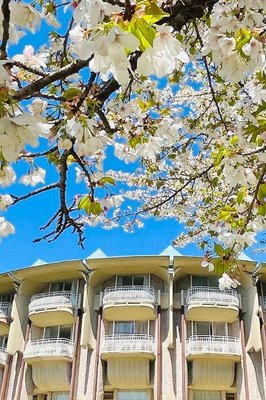
The Prince Hakone Lake Ashinoko
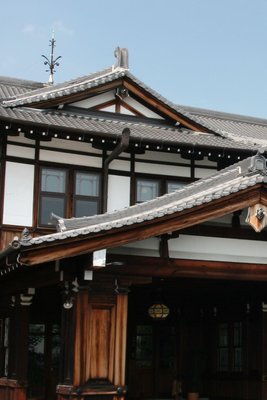
Nara Hotel
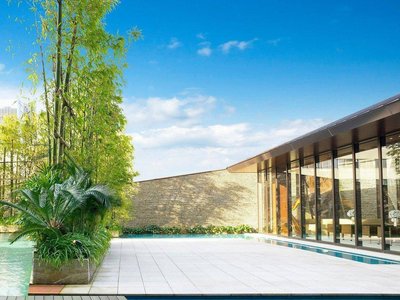
ORIENTAL HOTEL
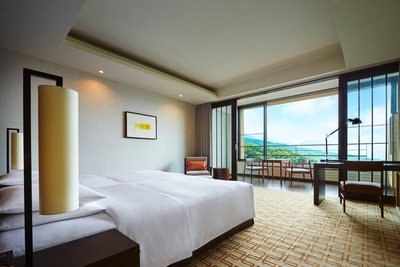
Hyatt Regency Hakone Resort and Spa
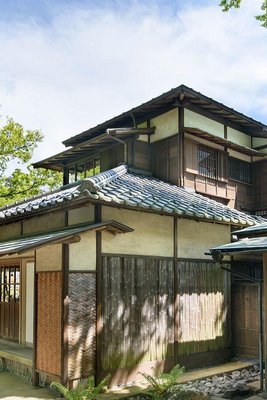
Hakone Suishoen
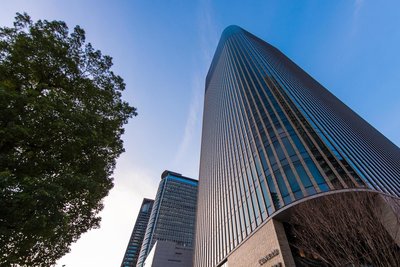
Conrad Osaka
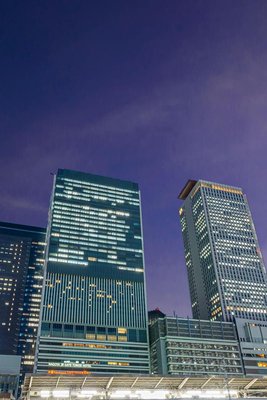
Nagoya JR Gate Tower Hotel (JR-Central Hotels)
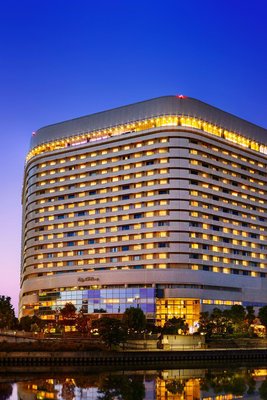
Hotel New Otani Osaka
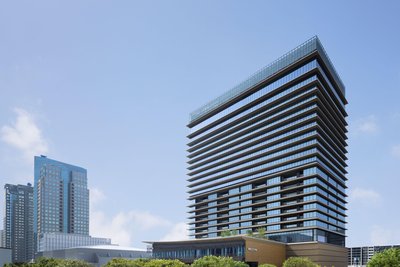
The Westin Yokohama
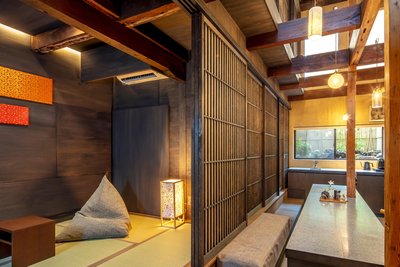
Kyo No Oozora Kihana
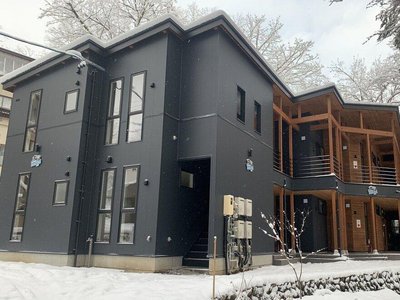
Hakuba Gondola Apartments
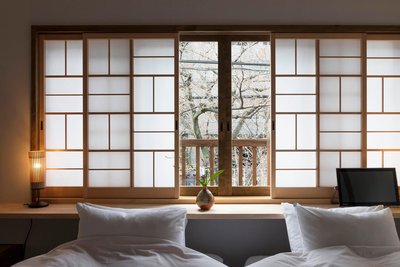
Hanagoromo Machiya House
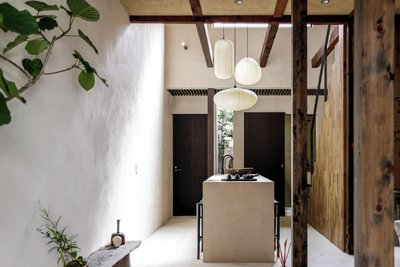
Maana Kiyomizu
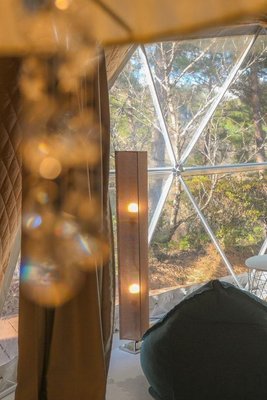
glampark Gekkabijin Nagano
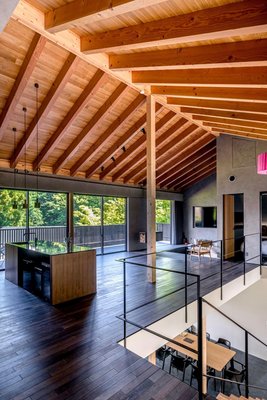
MONS GORA

Phoenix Chalets by Hhg
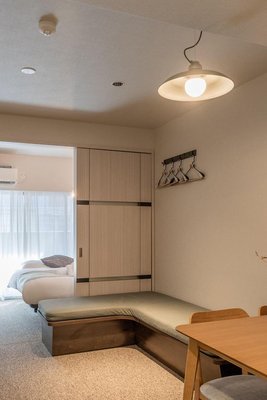
Apartment Hotel 11 Shinsaibashi
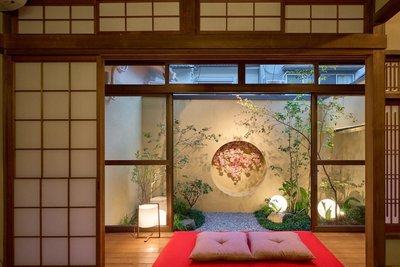
KONJAKUSO Osaka Tengachaya "NIHONCHA" Tea & Relax
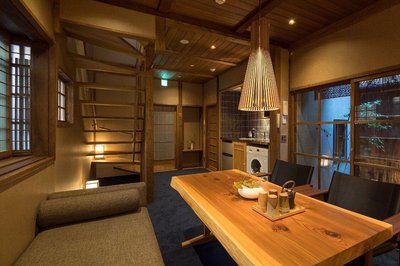
Bonbori an Machiya House
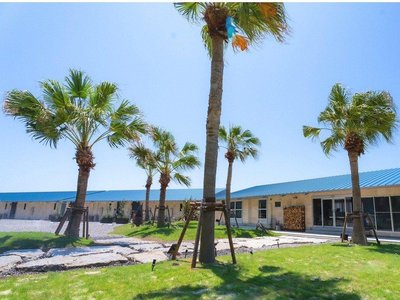
Glamping&Resort Wood Design Park Noma
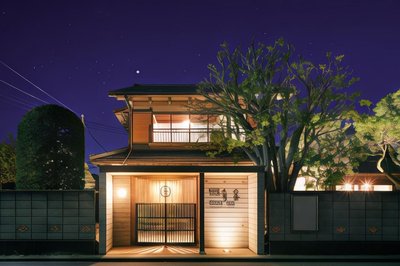
Machi-Jyu
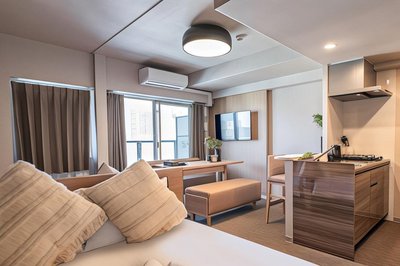
Apartment Hotel 11 Shinsaibashi III
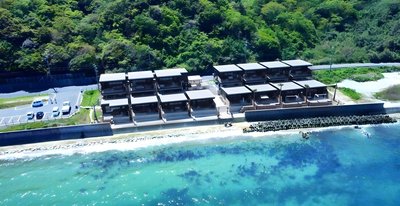
Solavilla Umi Terrace Minamiawaji
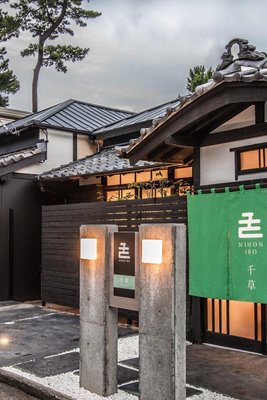
Nihon Iro
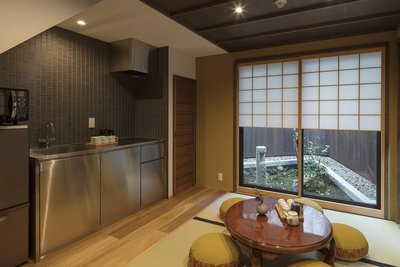
The Machiya Villa Sanjo Shirakawa Koji
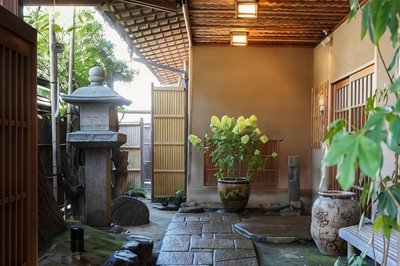
Ryokan Asadaya
Konjaku-So Dotonbori
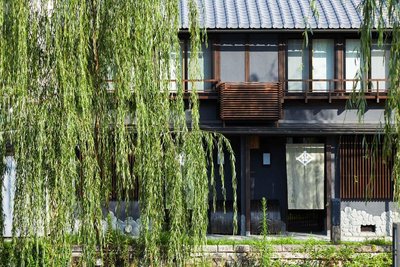
Gion Shirakawa No Yado

Kitashirakawa Natural Radium Onsen

Hotel Barrière Fouquet's New York

Shima Kanko Hotel the Bay Suites
Loquat Nishiizu
Byaku Narai
Waldorf Astoria Osaka
Atami Izusan Karaku
Kamo Residences by Reflections
Six Senses Kyoto
Four Seasons Hotel Osaka
Patina Osaka
The Ritz-Carlton, Osaka
Arimasansoh Goshobessho
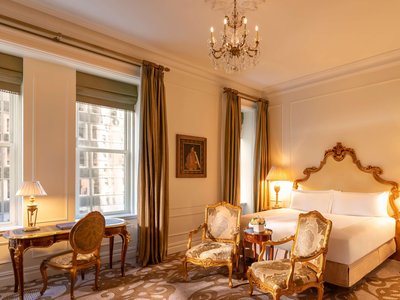
The Plaza - A Fairmont Managed Hotel
Hoshinoya Karuizawa
Gora Kadan
Gora Hanaougi
The Hiramatsu Hotels & Resorts Kashikojima
The Hiramatsu Hotels & Resorts Sengokuhara Hakone
The Ritz-Carlton, Kyoto
HOSHINOYA Kyoto
Frequently Asked Questions about Traveling to Tsu
Questions You Might Need to Know About Traveling to Tsu
For authentic cultural immersion in Tsu City, stay at Yamato Hotel Tsu, located near Tsu Castle and Ise Shrine Outer Garden. This hotel offers traditional Japanese rooms with tatami mats and kōshi ceilings, along with access to a private onsen overlooking Ise Bay. The property hosts monthly tea ceremony workshops using local Uji matcha, and guests can join guided tours to nearby Tsu Historical Museum and Kuji Town’s old merchant district, where Edo-era architecture still stands. It’s ideal for travelers seeking deep-rooted Japanese heritage.
The central business district of Tsu City is the most convenient area for hotel stays, situated just steps from Tsu Station, Tsu Castle, and Ise Bay Port. Top accommodations like Hilton Garden Inn Tsu offer modern amenities and easy access to major attractions including Ise Grand Shrine and Suzuka Circuit. Evening walks along Kuji Street reveal preserved Edo-period alleys, while nearby restaurants serve fresh Tsu seafood cuisine. With excellent public transit and proximity to both nature and culture, this zone balances comfort, convenience, and authenticity.
Tsu City offers unparalleled cultural experiences centered around Ise Shrine’s outer sanctuaries and the sacred Isuzu River. Participate in a traditional tea ceremony at Tsu Cha-no-ma, where skilled masters prepare matcha from locally grown leaves. Attend the annual Tsu Gion Festival in May, featuring elaborate floats, taiko drumming, and night illuminations. During spring, visit Tsu Park during the Cherry Blossom Festival, where thousands of Prunus yedoensis trees create a pink canopy, enhanced by folk performances and craft markets—perfect for capturing Japan’s timeless spirit.
Tsu no Yu Ryokan, nestled beside the Isuzu River, is one of Tsu City’s finest onsen ryokan. Its private outdoor baths draw mineral-rich waters from underground springs, known for skin-rejuvenating properties. Traditional wooden interiors feature shoji screens and futon bedding. Guests enjoy daily kaiseki dining featuring fresh Ise shrimp and local vegetables. Some rooms offer panoramic views of the Suzuka Mountains, making it an ideal retreat for those seeking tranquility, natural beauty, and immersive Japanese hospitality.
Tsu Family Resort "Little Dolphin House" is designed specifically for family travelers, offering a children’s playroom, indoor pool, and interactive workshops like sea life discovery sessions. Located next to Ise Bay Nature Park, it provides direct access to tidal flat exploration trails where kids can collect shells and crabs. Each evening features a marine-themed storytelling session led by local guides sharing maritime legends. The restaurant serves nutritious kid-friendly meals and includes smoke-free zones, ensuring a safe, fun, and memorable vacation for all ages.
Tsu City’s culinary identity centers on Ise shrimp and Tsu-bred sea bream. Try grilled Ise shrimp at Tsu Yakiniku Dining, served over charcoal with lemon zest for a bright finish. Don’t miss Tsu Ramen, a rich broth made from bonito and pork bones, topped with chashu, tamago, and soy-based seasoning. For a deeper experience, join a morning fishing tour at Tsu Port, where you’ll buy fresh catch directly from fishermen, then have it prepared by a chef on-site—savoring the true taste of the sea in its purest form.
The Tsu Castle Keep is the city’s most iconic photo spot, its vermilion turret reflected perfectly in the moat, especially during golden hour. Along the Isuzu River, cherry blossom pathways create a dreamy pink tunnel in spring—ideal for portrait photography. The historic machiya districts of Kuji Town showcase weathered wood facades and paper lanterns, evoking old Japan. Bring a wide-angle lens to capture the harmony between architecture and nature. At night, the Tsu Light Festival transforms the riverbanks into a glowing wonderland with thousands of lanterns, perfect for long-exposure shots.
Yes, Tsu City is well-connected via JR Central Line, with Tsu Station offering fast links to Nagoya (40 min) and Osaka (90 min). Free tourist shuttle buses cover key sites including Tsu Castle, Outer Ise Shrine, and Ise Bay Port. For road travel, the Ise Expressway connects seamlessly to other parts of Mie Prefecture. Additionally, Tsu Port provides ferry services to Ise City and Suzuka City, enabling easy exploration of coastal regions. The city’s efficient infrastructure supports both short trips and extended itineraries across the region.
Don’t miss the Tsu Gion Festival in May, featuring grand parade floats, taiko drum performances, and nighttime illuminations. In October, the Tsu Bay Harvest Festival celebrates local seafood with live fishing demonstrations, cooking contests, and exclusive Ise Shrimp Donburi tastings. During winter, the Tsu Lantern Festival lights up the Isuzu Riverbanks with tens of thousands of lanterns, accompanied by music and projection shows—creating a magical atmosphere perfect for couples and families alike.
The Isuzu River is a must-visit natural gem, flowing clear through the city with lush banks lined with hundreds of weeping cherry trees, creating a stunning pink corridor in spring. Walking trails along its edge allow sightings of waterfowl and native insects. The Suzuka Mountain foothills offer scenic hiking routes with panoramic views of Ise Bay and the city skyline. For relaxation, Tsu Forest Wellness Park provides forest bathing sessions and aromatherapy courses amidst pine forests. At low tide, Tsu Bay’s tidal flats expose vast rocky expanses—perfect for family beachcombing and shell collecting, blending adventure with nature.
Tsu Overview
City Summary
Tsu City, located in the central part of Mie Prefecture, Japan, is the prefectural capital and boasts a rich history and cultural heritage. Known for its beautiful coastline, traditional festivals, and friendly locals, Tsu offers a unique blend of historical landmarks and natural beauty, providing visitors with an authentic Japanese cultural experience.
Must-See Attractions
Key attractions in Tsu include the ruins of Tsu Castle, Yokkaichi Banko Pottery Village, and Kintetsu Cultural Hall. Tsu Castle ruins are a must-visit for history enthusiasts, while Yokkaichi Banko Pottery Village showcases exquisite local ceramics. The Kintetsu Cultural Hall frequently hosts cultural events, making it a great place to experience local art. Additionally, Tsu's coastline offers stunning natural scenery.
Food Guide
Tsu's culinary scene is diverse, with famous street foods including Ise udon and Matsusaka beef. Ise udon is known for its unique savory-sweet broth and chewy noodles, while Matsusaka beef is one of Japan's highest-quality meats, prized for its tender texture. Other recommended dishes include fresh seafood like Ise lobster and sea urchin.
Transportation Guide
Tsu has a well-developed public transportation system, primarily consisting of Kintetsu Line and buses. The Kintetsu Line connects major attractions within the city and nearby areas, while buses cover various districts. A one-day pass is recommended for cost savings. Taxis are convenient but expensive. Visitors driving should be aware of Japan's traffic rules and parking fees.
Best Time to Visit
The best times to visit are spring (March to May) and autumn (September to November), when the weather is mild and ideal for outdoor activities. Summers (June to August) can be hot and humid, while winters (December to February) are colder but less crowded, suitable for those seeking tranquility.
Travel Tips
- Respect local customs, especially when visiting shrines.
- In summer, protect yourself from the sun and stay hydrated.
- In winter, bring warm clothing.
- Keep noise levels low in public places.
- Queue orderly and follow rules when using public transport.
- Learn basic Japanese greetings to enhance interactions with locals.
Useful Information
Japanese is the primary language, but English is often understood in tourist areas and large establishments. Free Wi-Fi is available in many parts of the city, and portable Wi-Fi devices can be rented. Cash is widely used, though some places accept credit cards. The emergency number is 119. Travel insurance is recommended. Tourist information centers in Tsu offer multilingual services, providing maps and travel advice.