Hotels in Tsukuba
Discover your perfect stay in Tsukuba.
Tsukuba(Japan) Travel 2026: Cheap Flights, Hotels & Top Attractions
Popular Landmarks in Tsukuba
Discover the most iconic attractions in Tsukuba
Recommended Hotels in Tsukuba
Find the perfect place to stay in Tsukuba
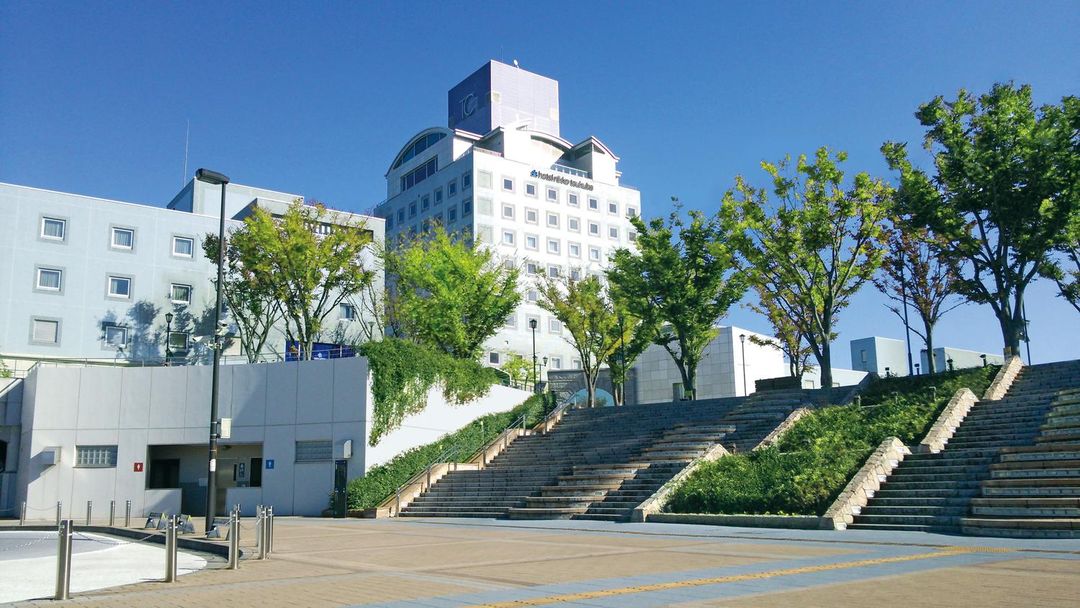
Hotel Nikko Tsukuba
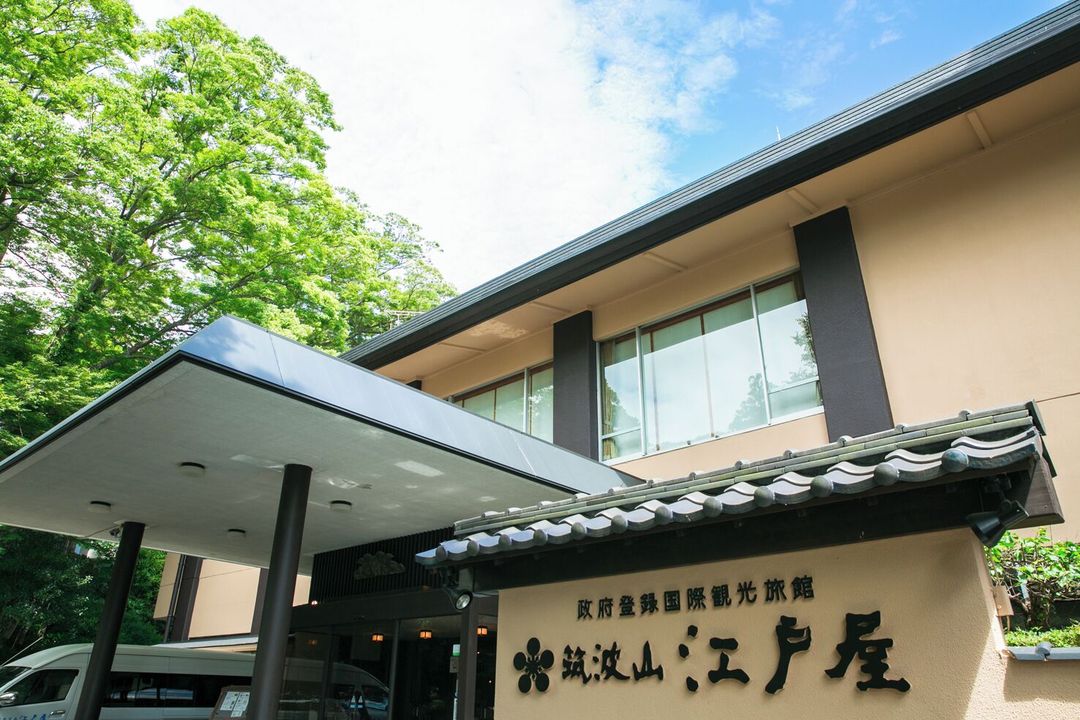
Tsukubasan Onsen Edoya
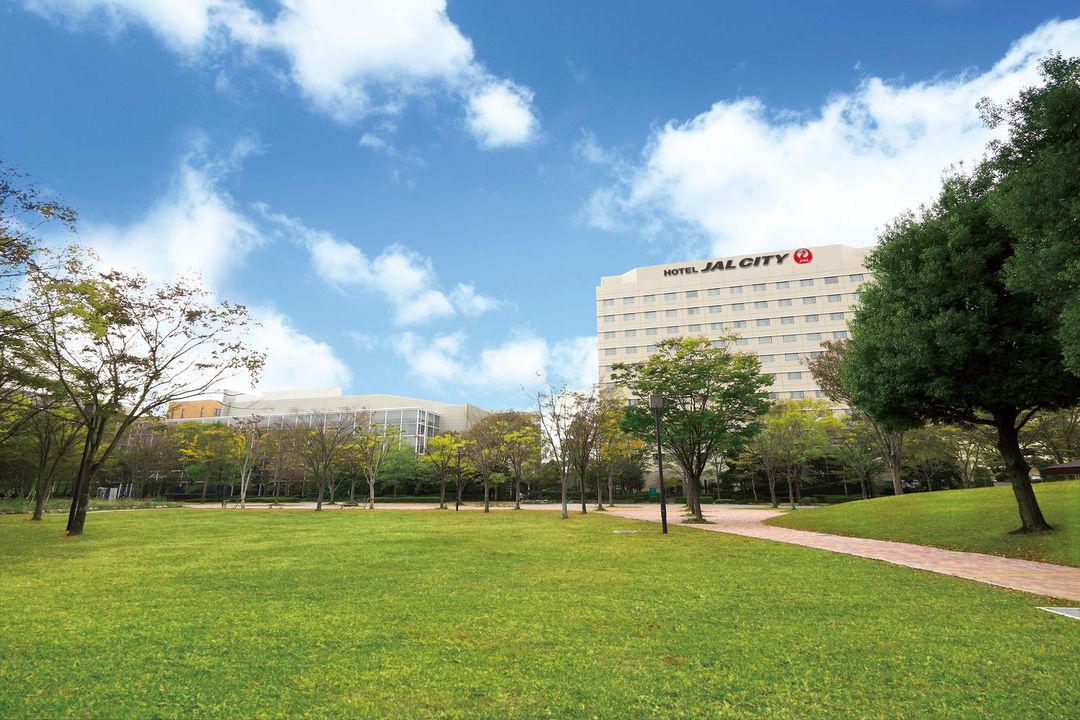
Hotel JAL City Tsukuba
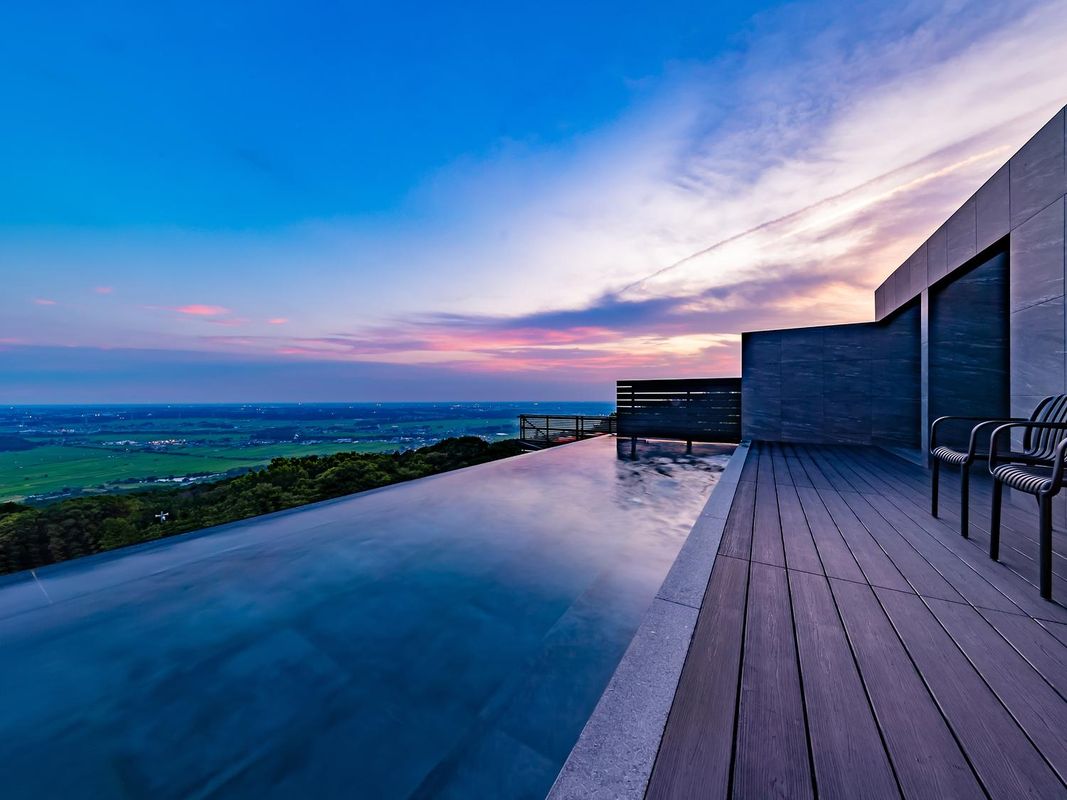
KAMENOI HOTEL TSUKUBASAN
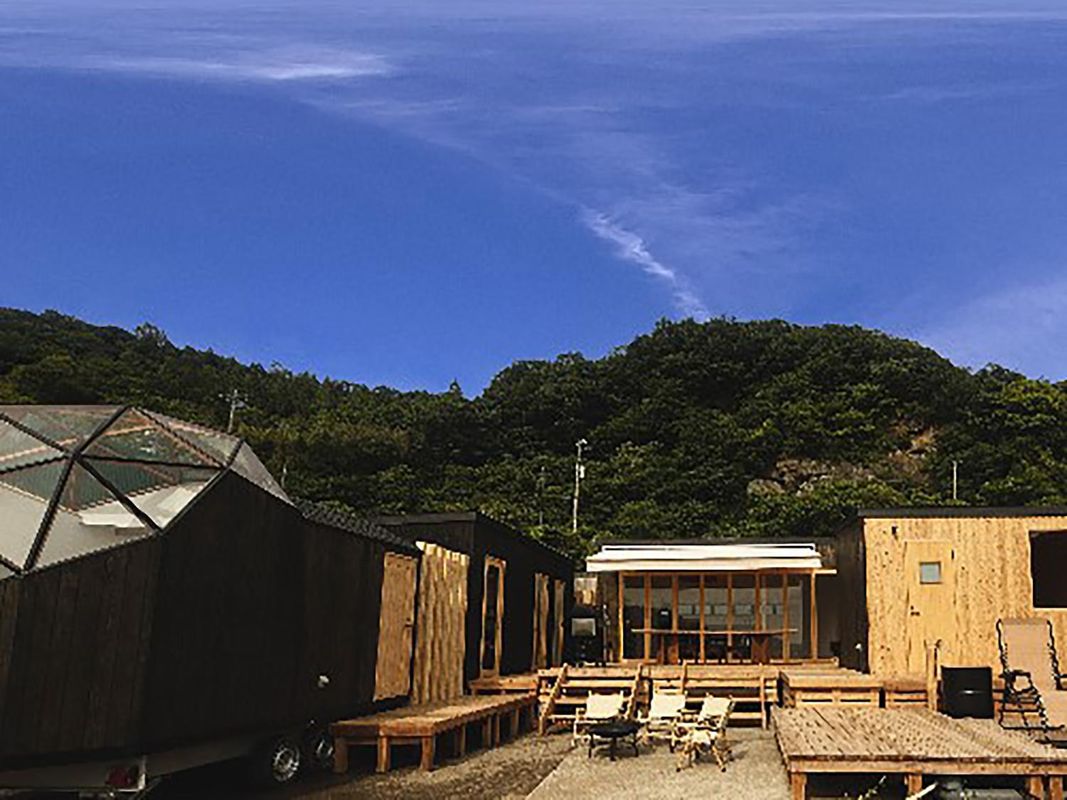
Hole 37
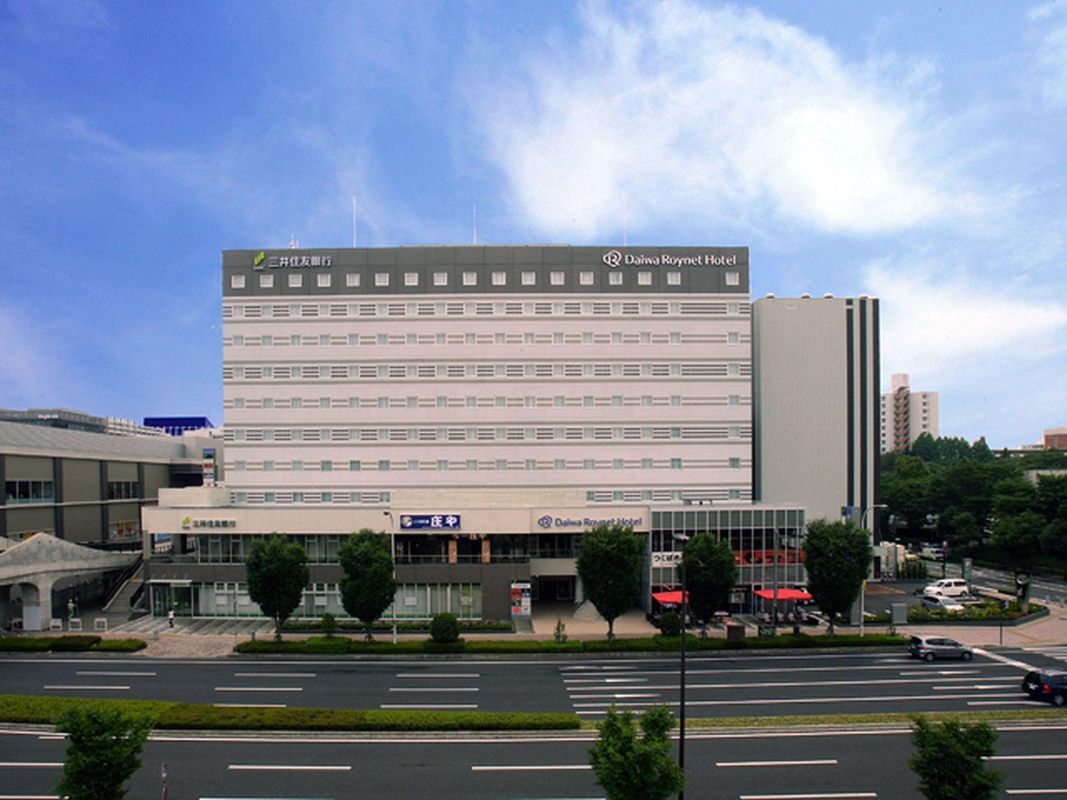
Daiwa Roynet Hotel Tsukuba
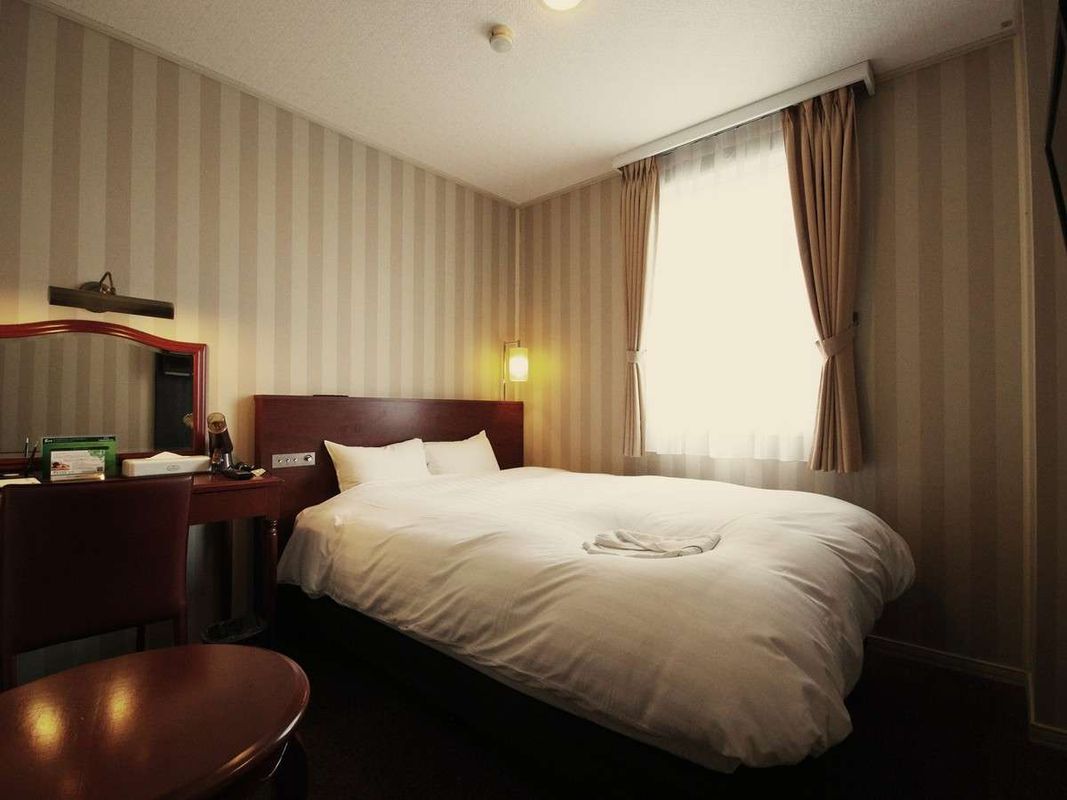
TsukubaNoYu URBANHOTEL
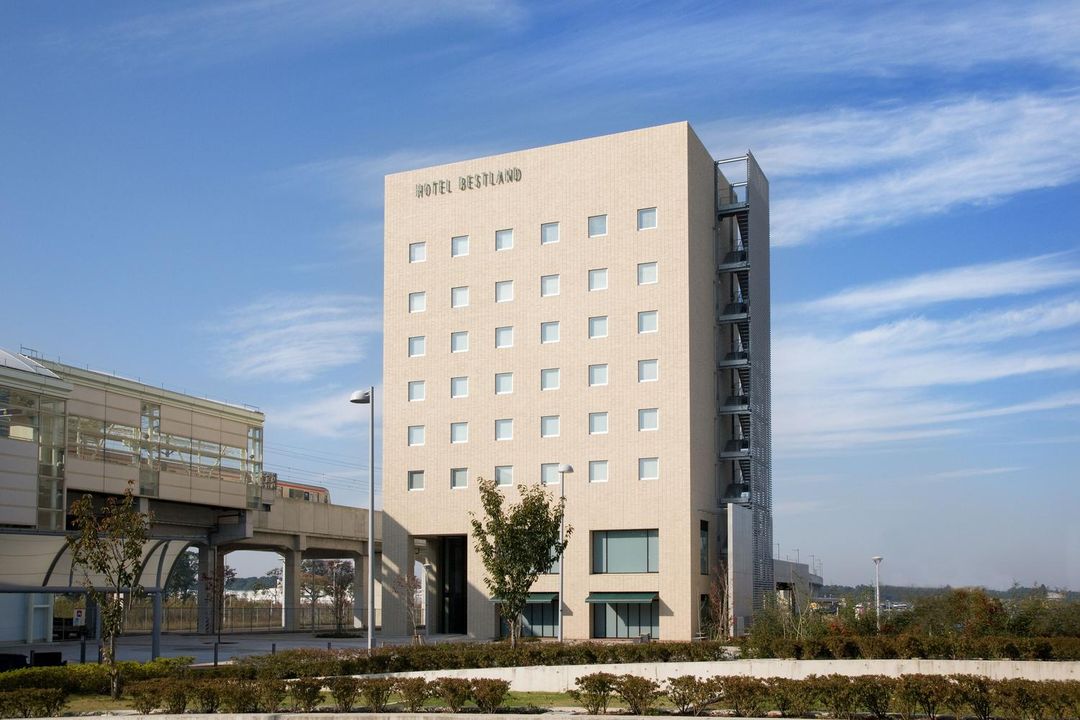
Hotel Bestland
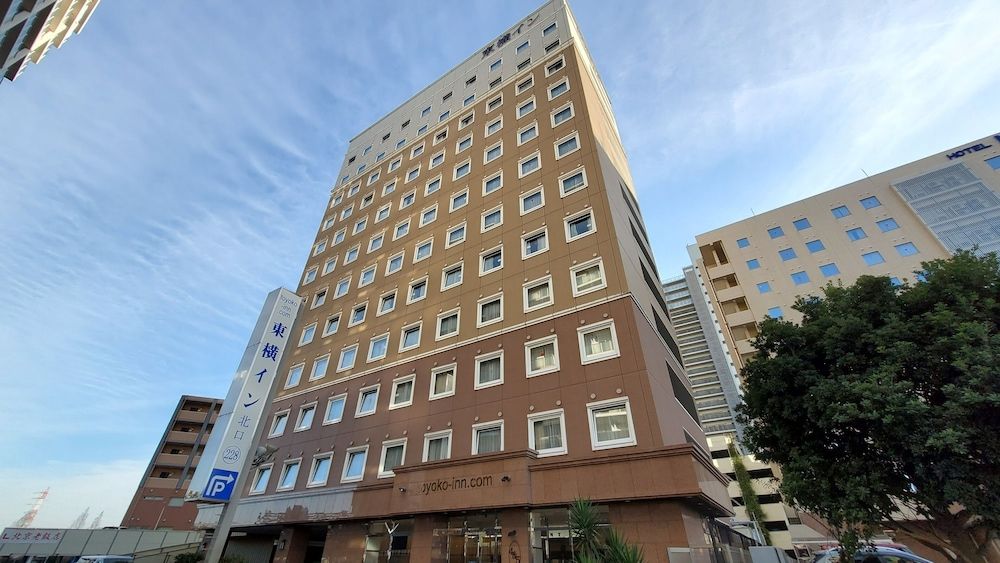
Toyoko Inn Kenkyu-Gakuen Ekimae
Best Hotels in Tsukuba
Discover curated hotel collections in Tsukuba
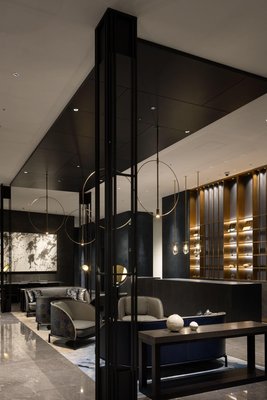
Bellustar Tokyo, A Pan Pacific Hotel
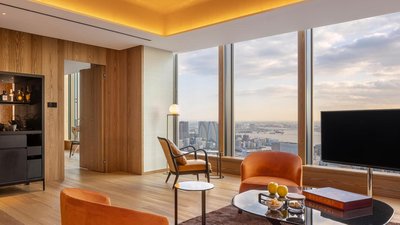
Bvlgari Hotel Tokyo
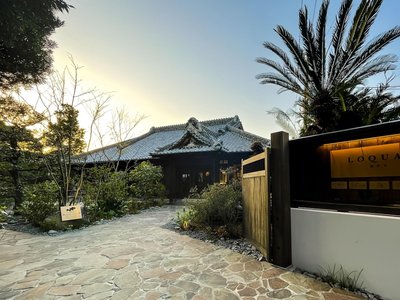
Loquat Nishiizu
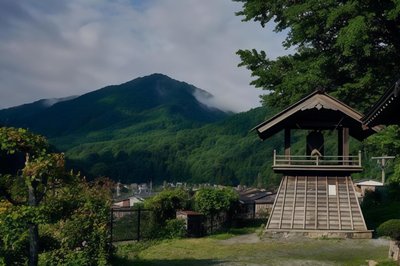
Byaku Narai
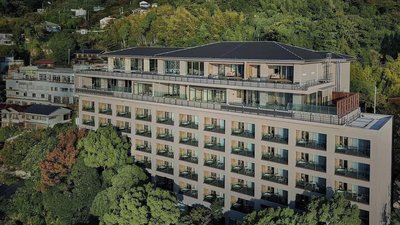
Atami Izusan Karaku
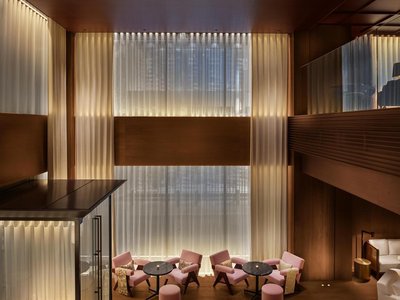
The Tokyo Edition, Ginza
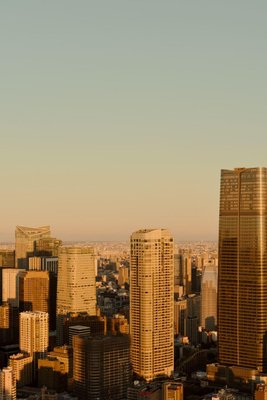
Janu Tokyo
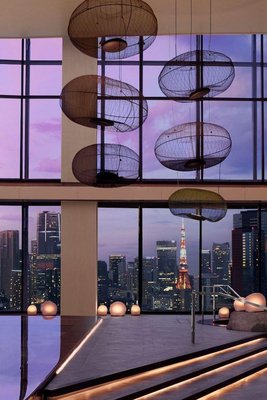
JW Marriott Hotel Tokyo
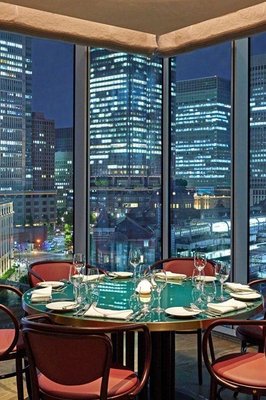
Four Seasons Hotel Tokyo at Marunouchi

Mandarin Oriental, Tokyo
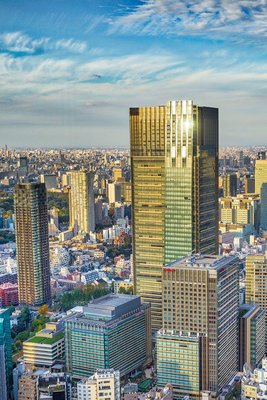
The Ritz-Carlton, Tokyo
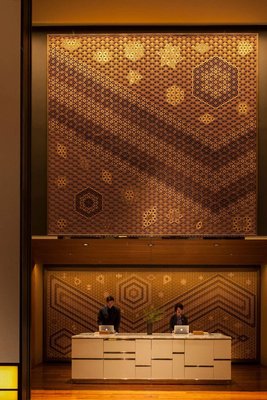
Andaz Tokyo Toranomon Hills- A Concept by Hyatt
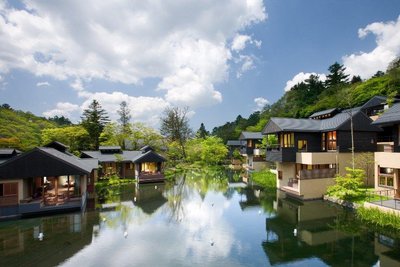
Hoshinoya Karuizawa
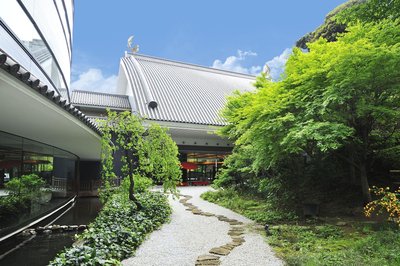
Hotel Gajoen Tokyo
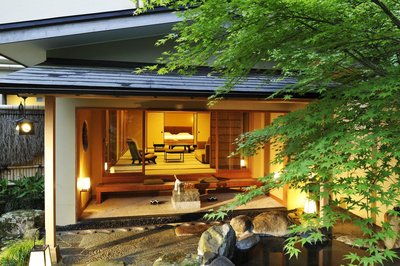
Gora Kadan
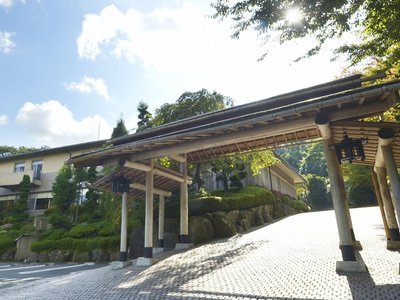
Gora Hanaougi
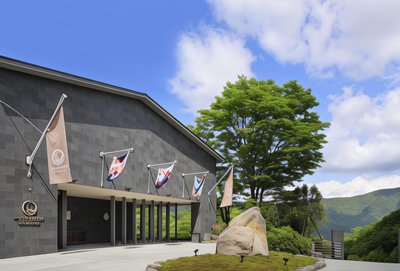
The Hiramatsu Hotels & Resorts Sengokuhara Hakone
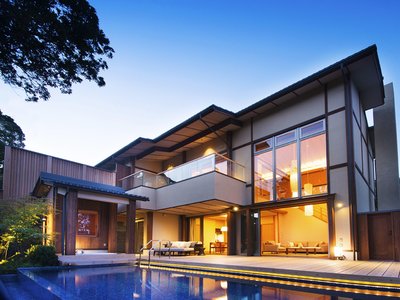
Abba Resorts Izu - Zagyosoh
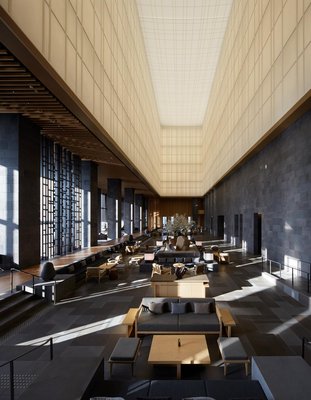
Aman Tokyo
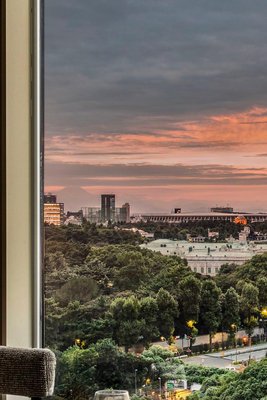
Hotel New Otani Tokyo, Executive House Zen

La Terra Resort

Kagetsutei

EN Resort Grandeco Hotel
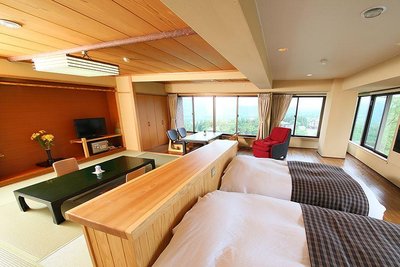
Hotel Taiko, Akakura Onsen
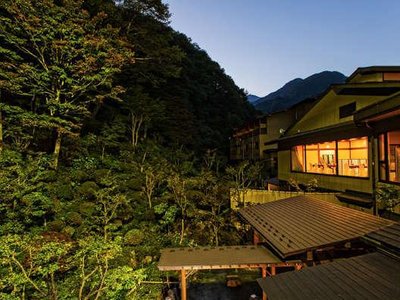
Futari Shizuka
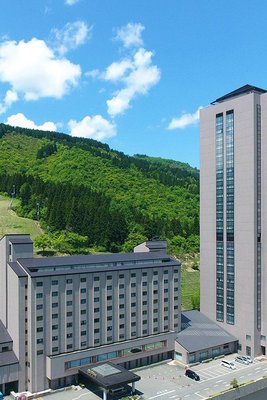
Naspa New Otani
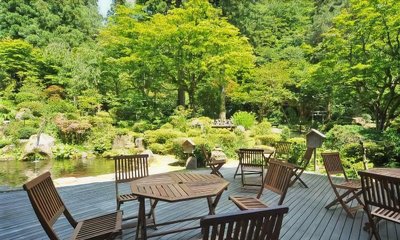
Choseikan
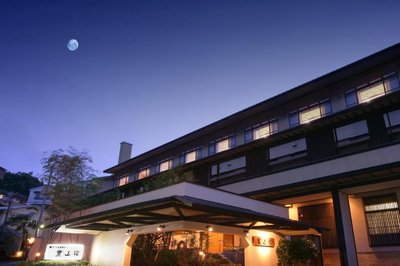
Hayamakan
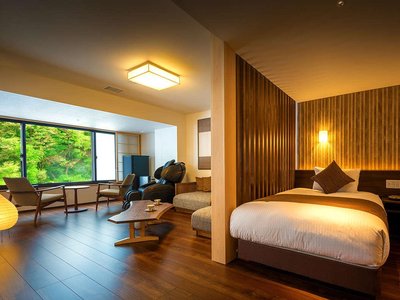
Harataki
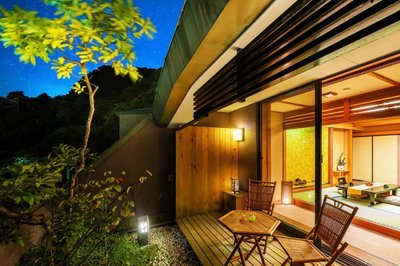
Konjakutei
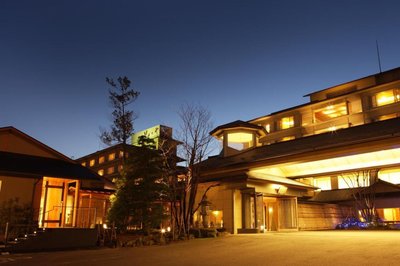
Yumotoya
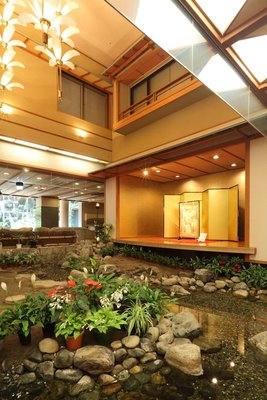
Hotel Futaba
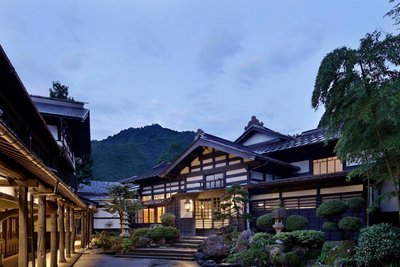
Ryugon

Tokinoniwa
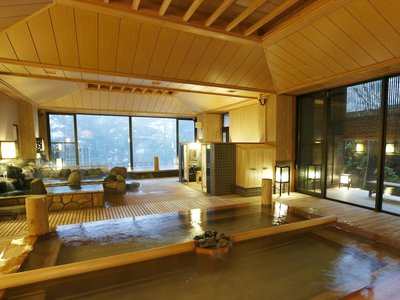
Konoha
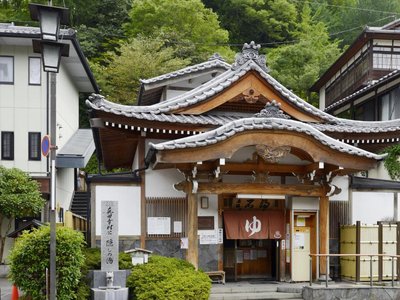
Nakamatsuya Ryokan
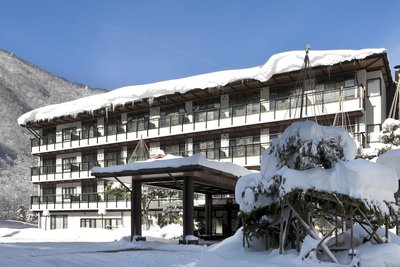
Okada Ryokan Warakutei
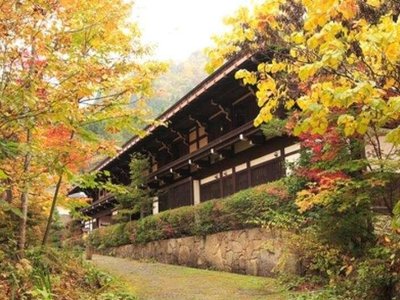
Yumoto Choza
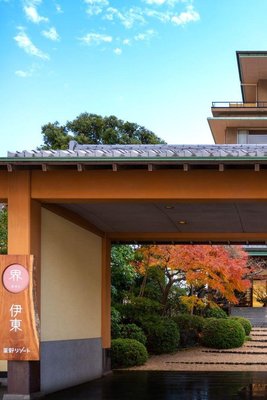
Hoshino Resorts Kai Ito
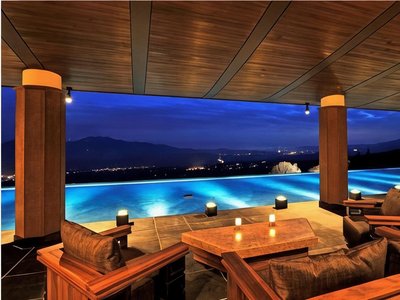
Akakura Kanko Hotel
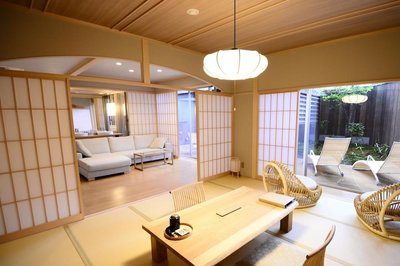
Hakone Gora Byakudan
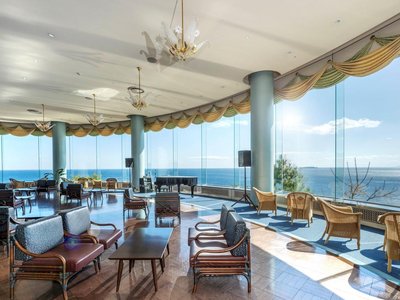
Hotel New Akao
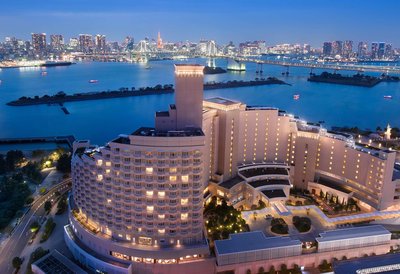
Hilton Tokyo Odaiba
JW Marriott Hotel Tokyo
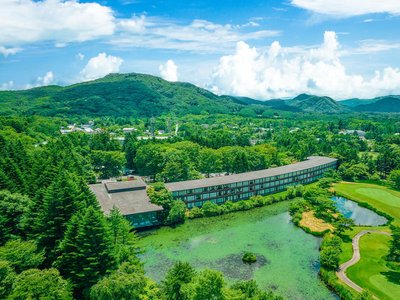
The Prince Karuizawa
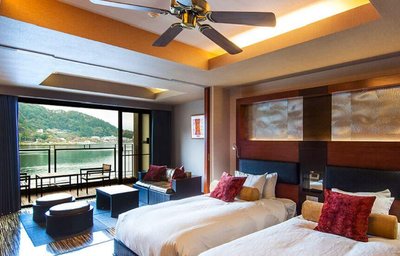
The Kukuna
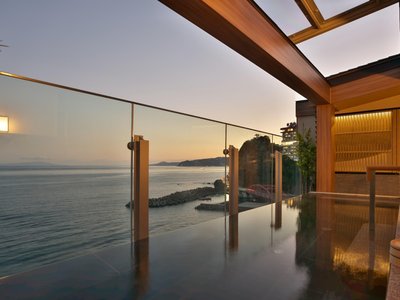
Hotel New Sagamiya
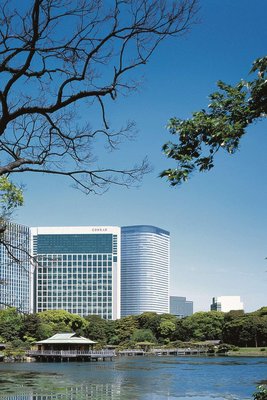
Conrad Tokyo
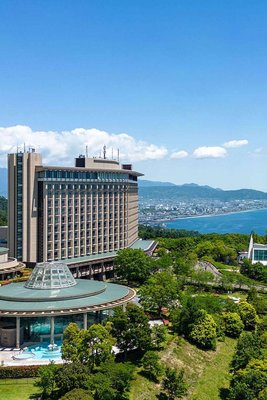
Hilton Odawara Resort & Spa
Hoshinoya Karuizawa
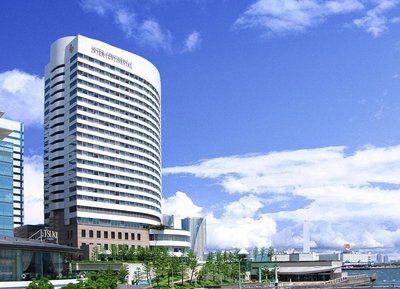
InterContinental Tokyo Bay
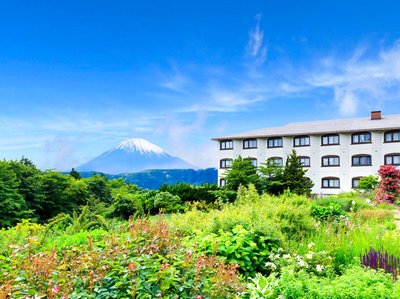
Hotel Green Plaza Hakone
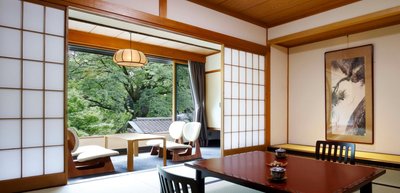
Yoshiike Ryokan
Akakura Kanko Hotel
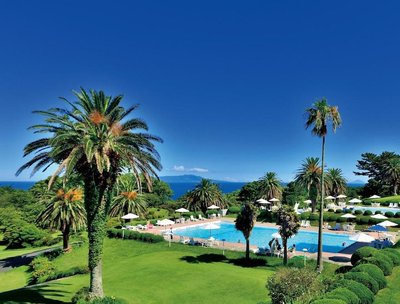
Kawana Hotel
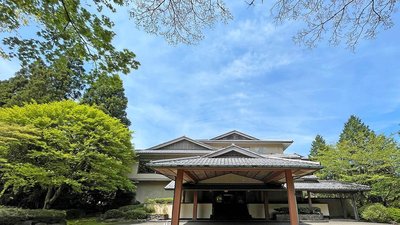
Ryuguden
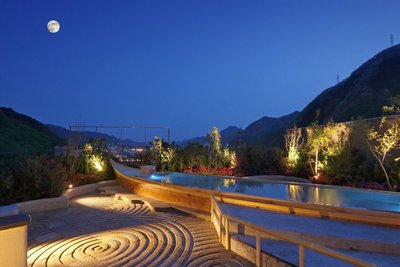
Asaya
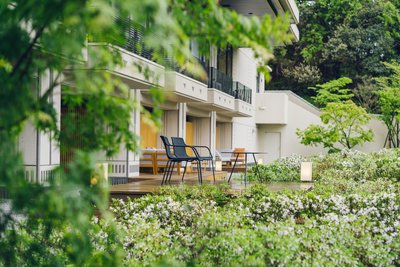
Hoshino Resorts Kai Enshu
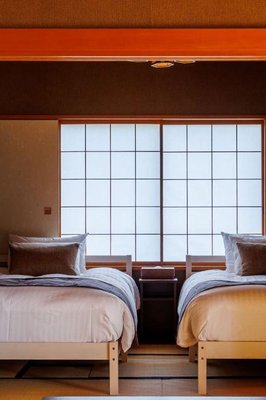
Sado Resort Hotel Azuma
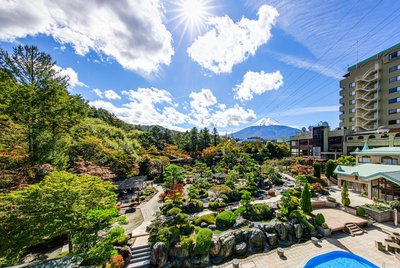
Kaneyamaen
Bellustar Tokyo, A Pan Pacific Hotel
JW Marriott Hotel Tokyo
Andaz Tokyo Toranomon Hills- A Concept by Hyatt
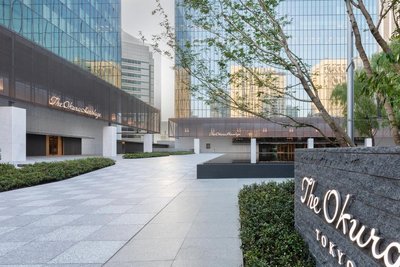
The Okura Tokyo
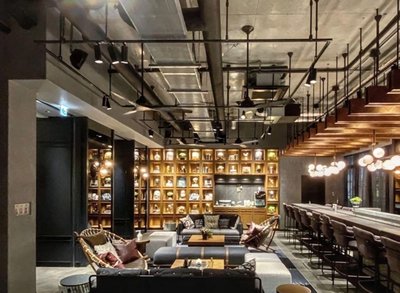
The Lively Azabujuban Tokyo
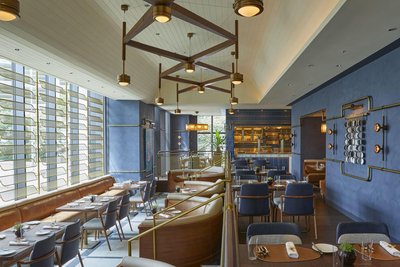
Kimpton Shinjuku Tokyo

HOTEL K5
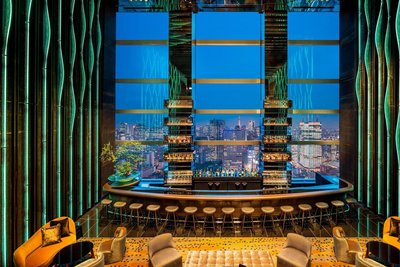
The Prince Gallery Tokyo Kioicho, a Luxury Collection Hotel
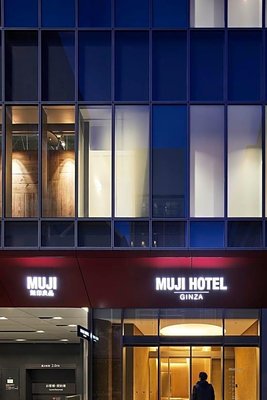
Muji Hotel Ginza
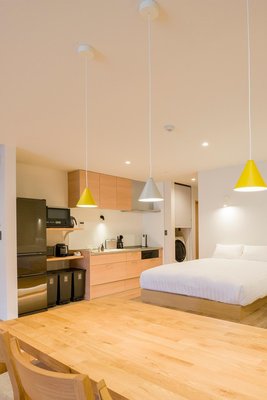
Rakuten STAY VILLA Nasu
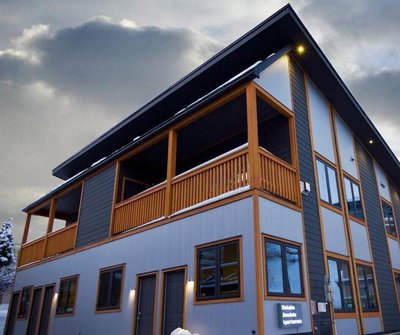
Hakuba Gondola Apartments
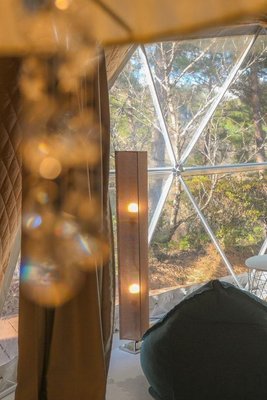
glampark Gekkabijin Nagano
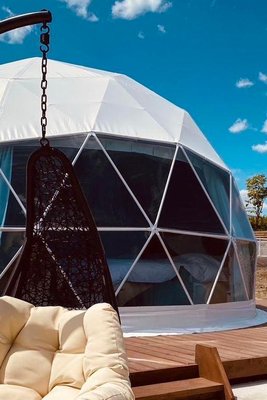
chillout glamping zao
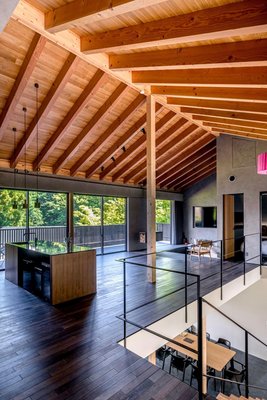
MONS GORA
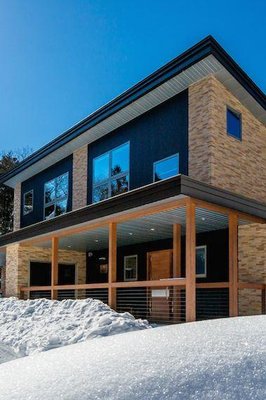
Phoenix Chalets by Hhg
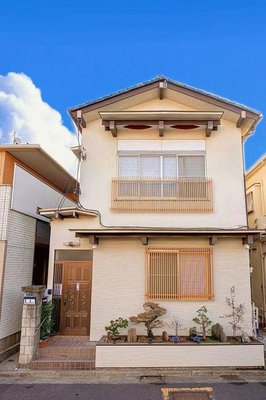
Tokyo Star House-Shinkoiwa
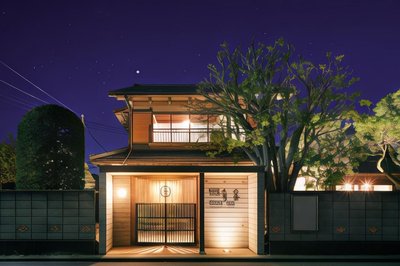
Machi-Jyu
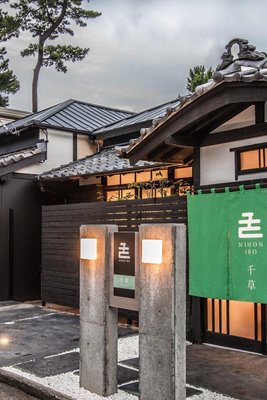
Nihon Iro
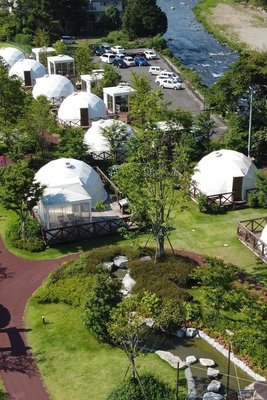
Ufufu Village
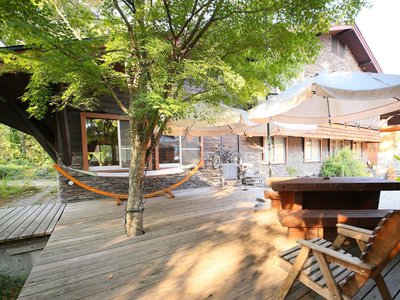
Kunugi Relaxation with 4 Modern Rooms
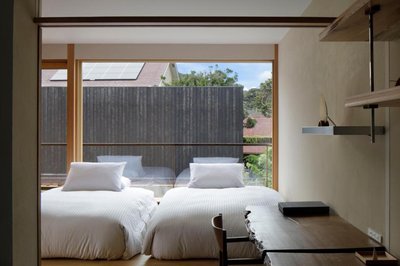
Modern Ryokan Kishi-ke
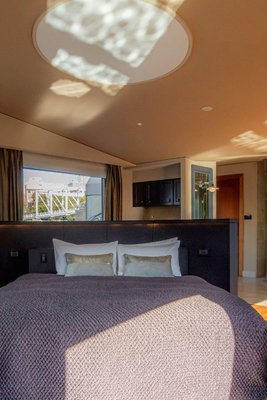
Petals Tokyo - Floating Hotel
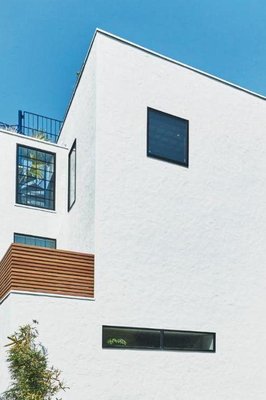
The Flow Kamakura
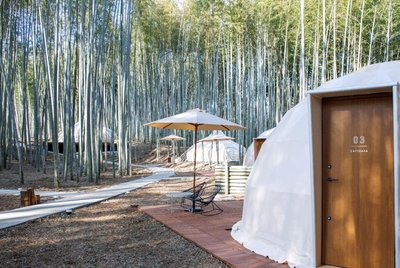
THE BAMBOO FOREST
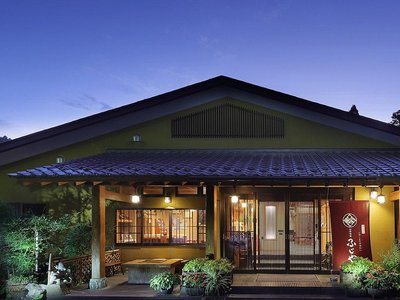
Shikimitei Fujiya
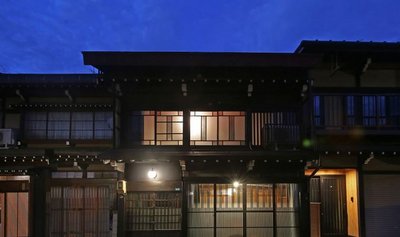
Iori Stay Hida

Hotel Barrière Fouquet's New York
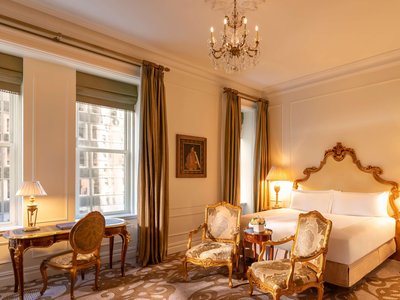
The Plaza - A Fairmont Managed Hotel
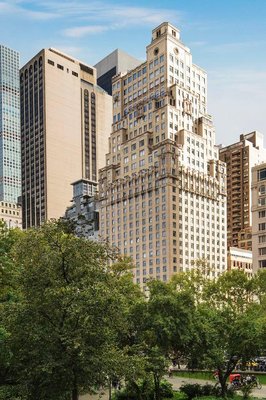
The Ritz-Carlton New York, Central Park
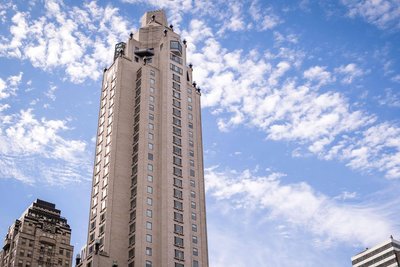
Four Seasons Hotel New York
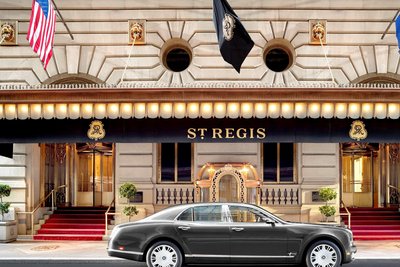
The St. Regis New York
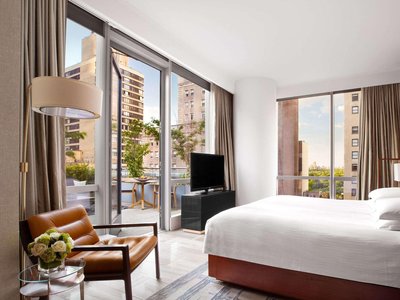
Park Hyatt New York
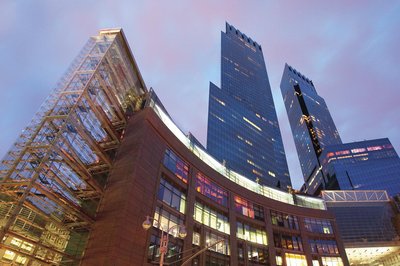
Mandarin Oriental New York
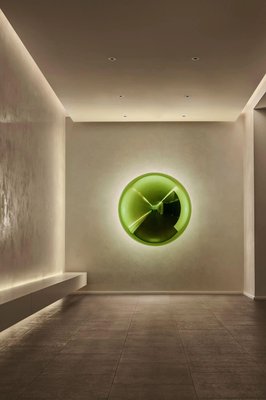
Times Square Edition New York

Loews Regency New York Hotel
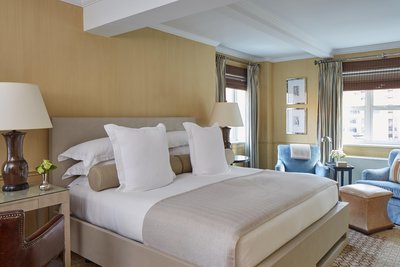
Lowell Hotel
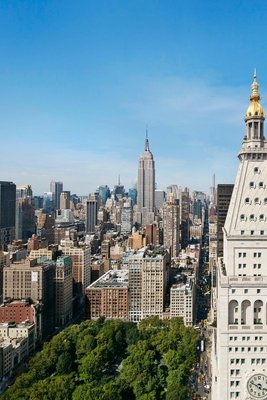
New York Edition
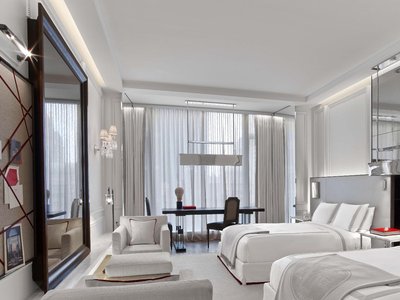
Baccarat Hotel New York
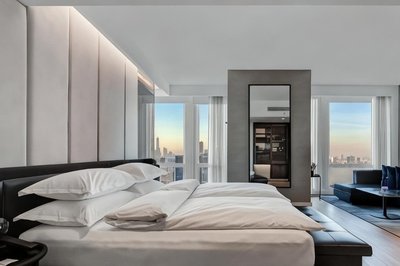
Equinox Hotel New York

Four Seasons Hotel New York Downtown
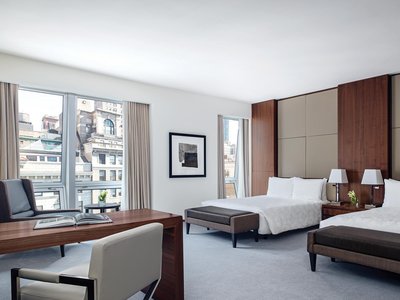
The Langham, New York, Fifth Avenue

The Carlyle, A Rosewood Hotel

The Chatwal, in the Unbound Collection by Hyatt
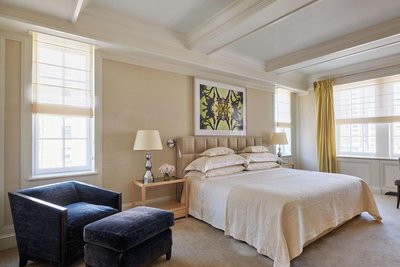
The Mark New York
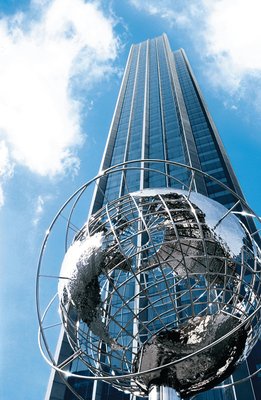
Trump International Hotel & Tower® New York
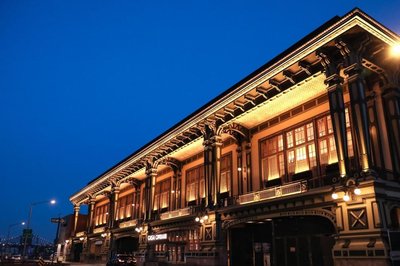
Casa Cipriani New York
Frequently Asked Questions about Traveling to Tsukuba
Questions You Might Need to Know About Traveling to Tsukuba
For science lovers, Tsukuba International Conference Center Hotel is ideal, located near Tsukuba Science City. It features smart rooms, innovation exhibitions, and hosts tech forums, offering a unique immersion into Tsukuba’s cutting-edge research culture.
The Mount Tsukuba foothills region is perfect for families, close to Mount Tsukuba Natural Park and the Tsukuba Children's Science Museum. Stay at Tsukuba Mountain Onsen Inn, which offers outdoor baths and family activities, blending nature and science for a memorable getaway.
Visit the Tsukuba Research Campus Center for guided tours on AI, robotics, and green energy innovations. Attend the annual Tsukuba International Science Expo, where global institutions showcase breakthroughs—perfect for experiencing Tsukuba’s spirit of scientific advancement.
Tsukuba Onsen Grand Hotel is a top choice, nestled at the foot of Mount Tsukuba with natural hot springs and traditional Japanese gardens. Its "Science Wellness Baths" combine modern therapy with ancient rituals, offering a deep dive into Japanese onsen culture.
Stay at Tsukuba Sky Tower Hotel, whose panoramic observatory offers sweeping views of Tsukuba Science City and distant Mount Tsukuba. The hotel hosts regular "Tech Light Photography Exhibitions," providing unique opportunities for creative shots.
Spring (March to May) is optimal: cherry blossoms bloom along Mount Tsukuba, and the weather is pleasant for hiking. This period also coincides with the Tsukuba International Science Expo, blending scenic beauty with high-tech events.
Join the Ibaraki Rural Homestay Program at Tsukuba Farmstay House, a renovated farmhouse where guests participate in rice planting, tofu-making, and local farming. Engaging directly with villagers offers genuine insight into traditional Japanese rural sustainability.
Tsukuba International Conference Center Hotel features state-of-the-art meeting facilities, multilingual staff, and smart conference systems. It’s a premier venue for international academic conferences and corporate summits, reflecting Tsukuba’s status as Japan’s research hub.
Yes, Tsukuba Sky Tower offers stunning nighttime vistas. Illuminated buildings across Tsukuba Science City blend with mountain silhouettes, creating a futuristic urban glow—ideal for capturing the harmony between technology and nature.
Must-see sites include Mount Tsukuba (with hiking trails and observation decks), Tsukuba Research Campus Center, and the National Museum of Nature and Science. These landmarks embody Tsukuba’s identity as Japan’s leading science and innovation center.
Tsukuba Overview
City Summary
Tsukuba, located in Ibaraki Prefecture, Japan, is renowned as a science city and education hub. The Tsukuba Science City hosts top-tier research institutions and universities, blending cutting-edge technology with natural surroundings. Mount Tsukuba, one of Kanto's famous peaks, offers hiking and hot springs, while futuristic architecture and expansive green spaces define the urban landscape.
Must-See Attractions
Visit the Tsukuba Science City to explore advanced facilities like the High Energy Accelerator Research Organization. Ride the cable car up Mount Tsukuba for panoramic views, and explore the 1,000-year-old Tsukuba Shrine. Don't miss the modernist Tsukuba Center Square or seasonal flowers at Doho Park. The annual Tsukuba Science Festival in autumn showcases technological innovations.
Food Guide
Try Ibaraki specialties like anko nabe (anglerfish hotpot) and Hitachi beef. Pair local Tsukuba tea with traditional wagashi sweets. The city's signature Tsukuba ramen features chicken-seafood broth. Izakayas near Kenkyu-gakuen Station serve regional sake and fusion dishes.
Transportation Guide
From Tokyo, take the Tsukuba Express (45 minutes to Tsukuba Station). The 100-yen loop bus connects major sights; bicycles are ideal for short distances. Kanto Railway buses go to Mount Tsukuba. Taxis start at ¥730, but the science district is walkable.
Best Time to Visit
Best seasons are April (cherry blossoms) and November (autumn foliage). Summers (June-August) are humid, while winters (December-February) see fewer tourists. Avoid Golden Week and science festival periods for quieter visits.
Travel Tips
- Book research facility tours in advance
- Carry windproof gear for mountain weather changes
- Check bus schedules due to infrequent service
- Some onsens restrict tattooed guests
- Cash-only policies at local eateries
- Park bicycles in designated areas
Useful Information
Japanese is primary, but English signage exists in research areas. Free "TSUKUBA-Public" Wi-Fi covers the city. Cash is preferred over electronic payments. Emergency numbers: 110 (police)/119 (ambulance). Drugstores cluster near Tsukuba Station; JR Station has currency exchange. Multilingual medical services available at University of Tsukuba Hospital.









