Hotels in Tsunan
Discover your perfect stay in Tsunan.
Tsunan(Japan) Travel 2026: Cheap Flights, Hotels & Top Attractions
Popular Landmarks in Tsunan
Discover the most iconic attractions in Tsunan
Recommended Hotels in Tsunan
Find the perfect place to stay in Tsunan
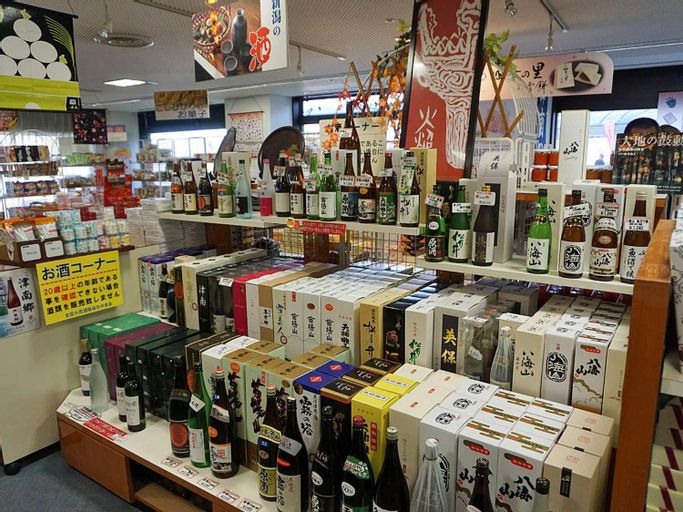
New Greenpia Tsunan
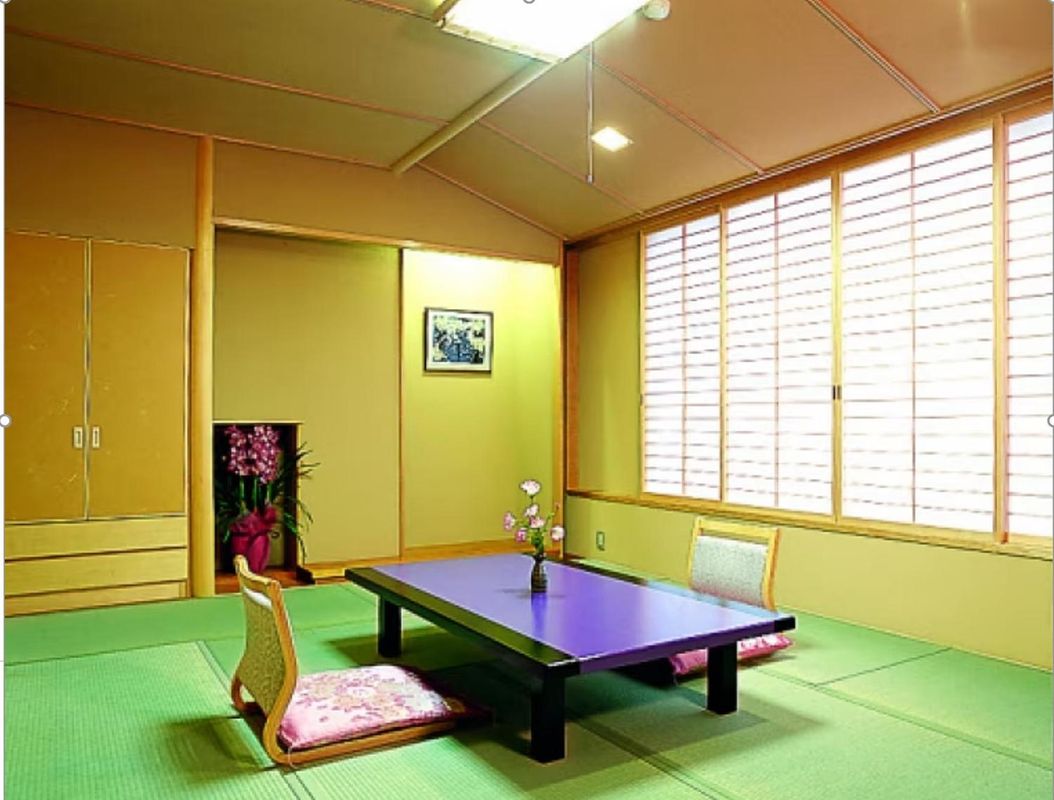
Hana to Hotaru Yu No Sato Yukiguni
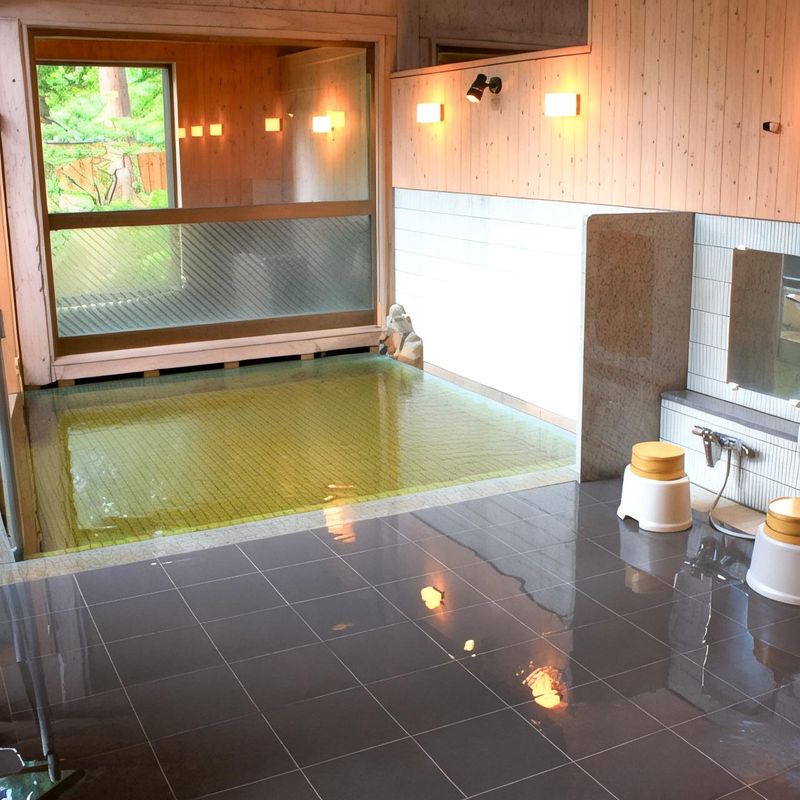
Echigotanaka Onsen Shinanoso
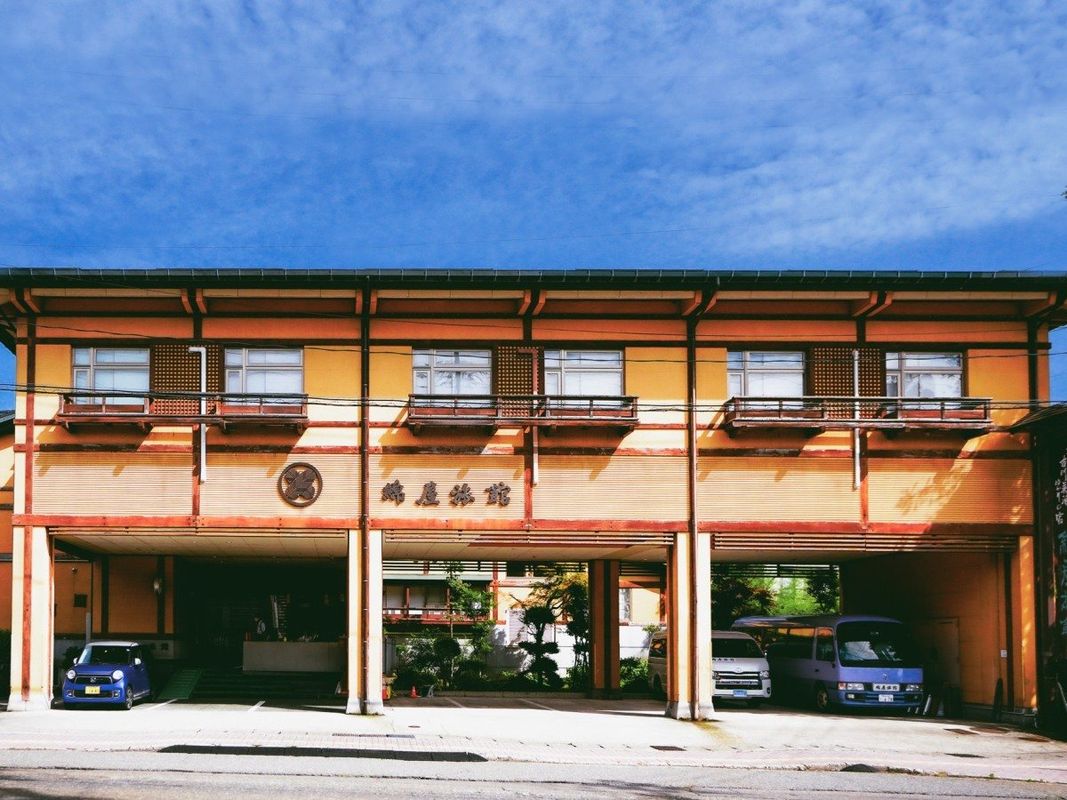
Wataya Ryokan
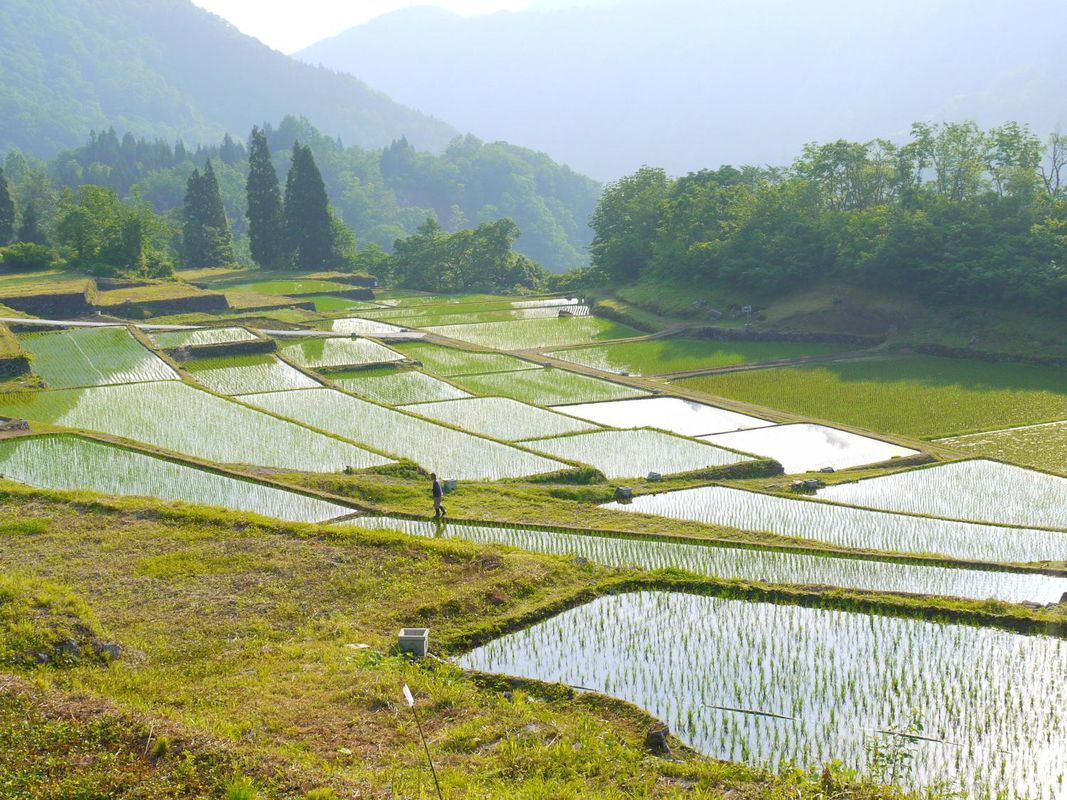
Katakuri No Yado
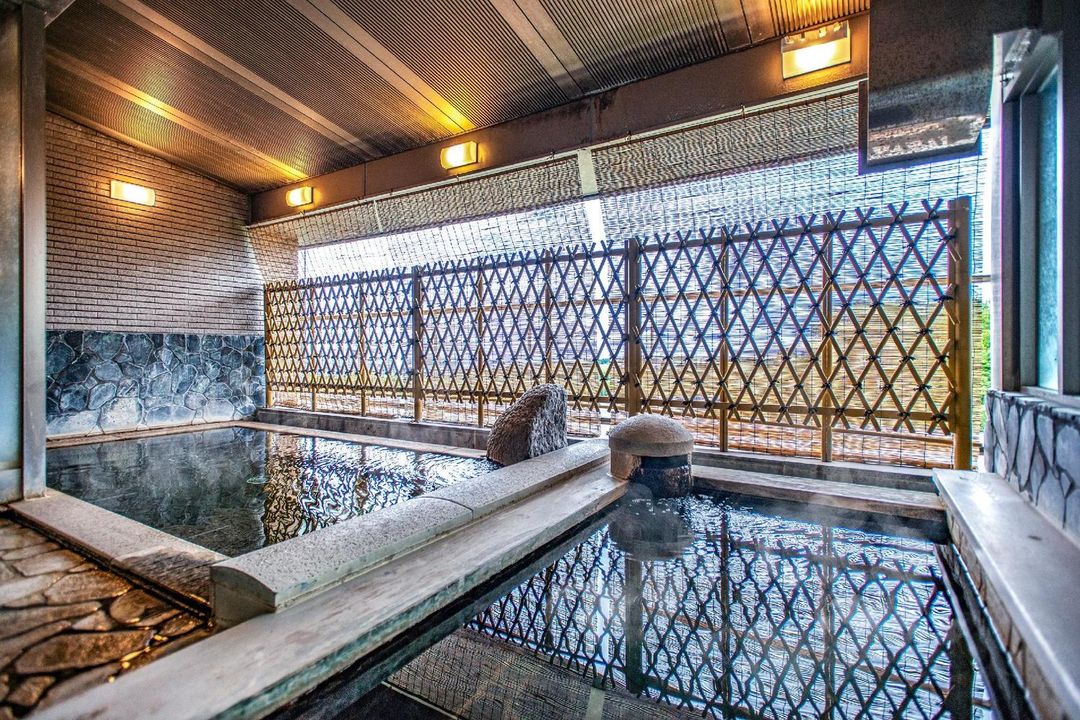
New Greenpia Tsunan
Best Hotels in Tsunan
Discover curated hotel collections in Tsunan

The Address Akakura
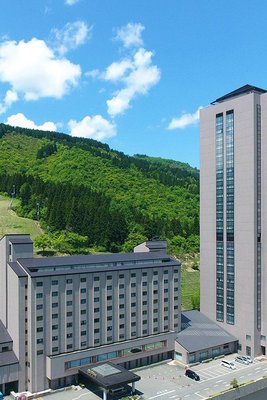
Naspa New Otani
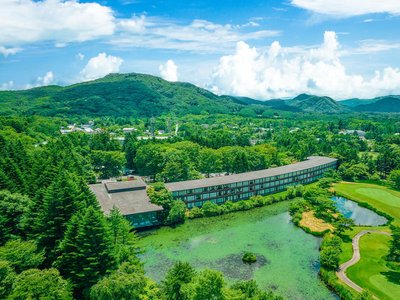
The Prince Karuizawa
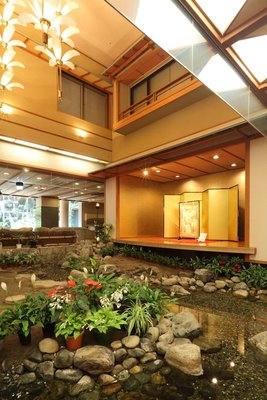
Hotel Futaba
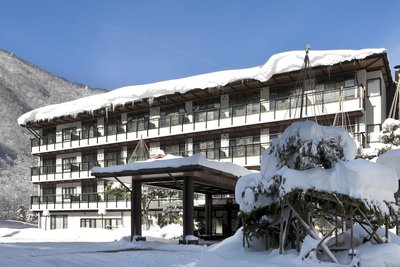
Okada Ryokan Warakutei
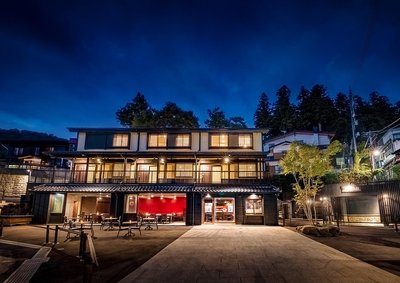
Ryokan Sakaya
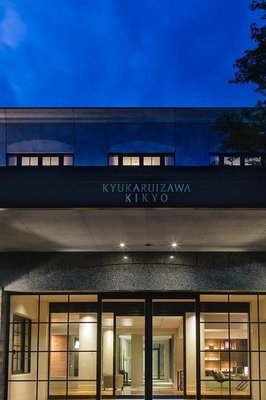
Kyukaruizawa Kikyo, Curio Collection by Hilton

Akakura Kanko Hotel
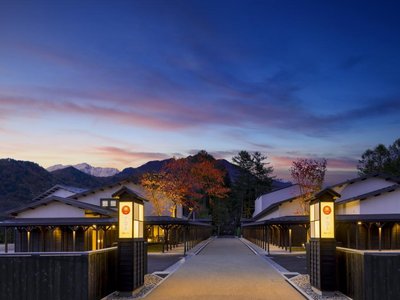
Hoshino Resorts KAI Alps
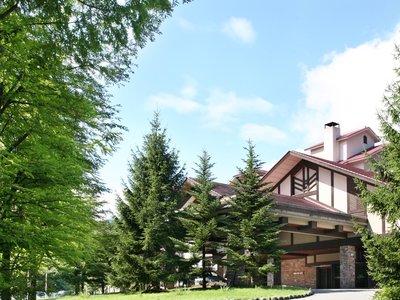
Hakuba Tokyu Hotel
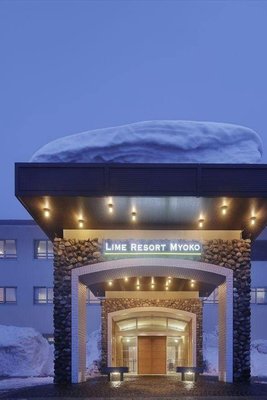
Lime Resort Myoko
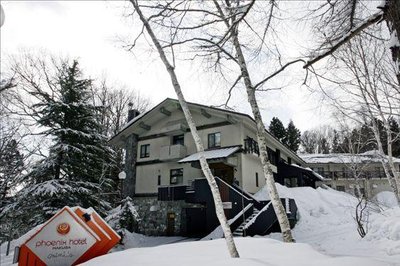
Phoenix Hotel by Hhg

Four Seasons Yuzawa Quattro

Courtyard by Marriott Hakuba
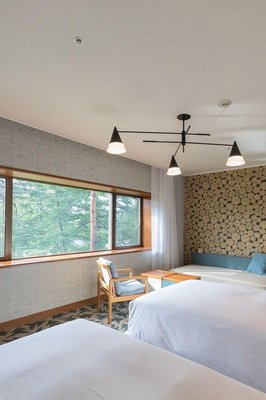
Karuizawa Prince Hotel East
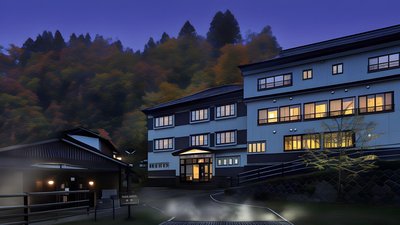
Zao Onsen Omiya Ryokan
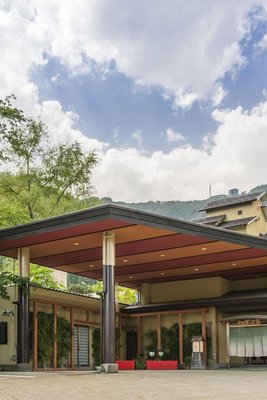
Shosenkaku Kagetsu
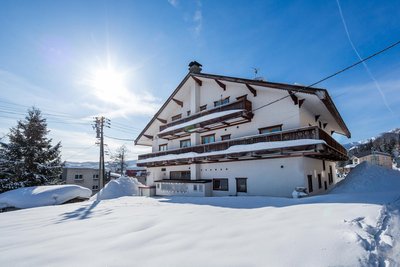
Marillen Hotel by Hhg
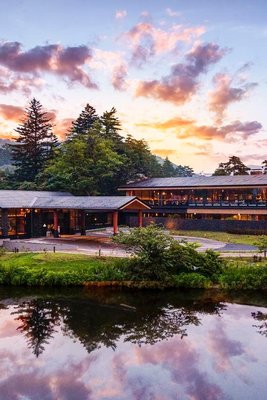
Karuizawa Prince Hotel West
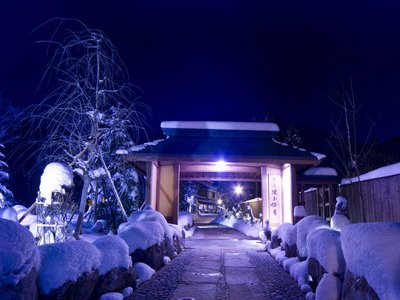
Miyama Ouan
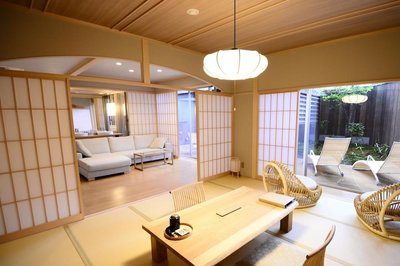
Hakone Gora Byakudan

Panoramic Mt. Fuji Views from All Rooms – Vision Glamping Resort & Spa Yamanakako
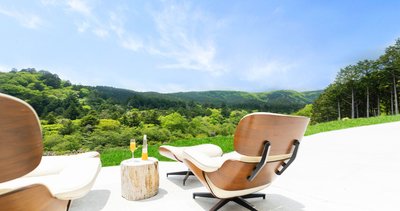
Shelter Garden Nikko
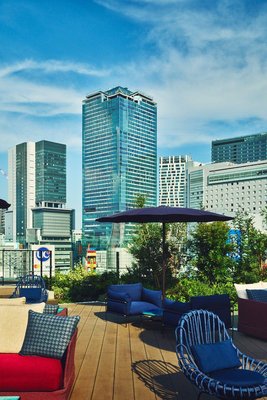
Hotel Indigo Tokyo Shibuya

TIAD, AUTOGRAPH COLLECTION
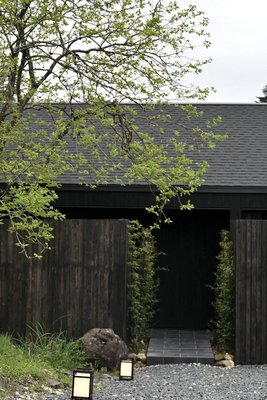
THE LAKOTAN
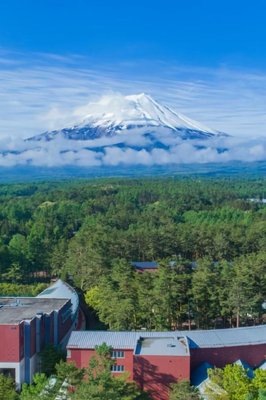
Forest Village (Fuji Premium Resort)

Hotel Toranomon Hills

Fufu Kyu-Karuizawa Restful Forest
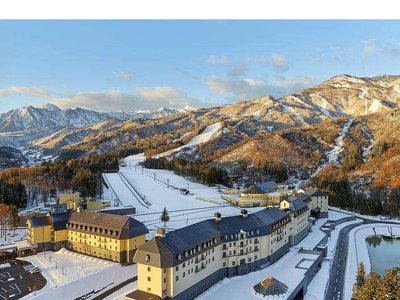
Lotte Arai Resort
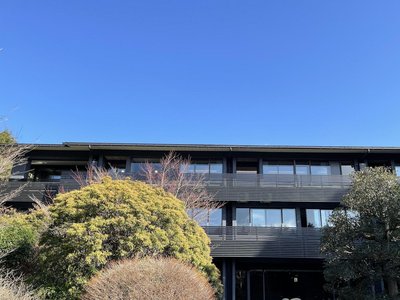
Sengokubara Cocon
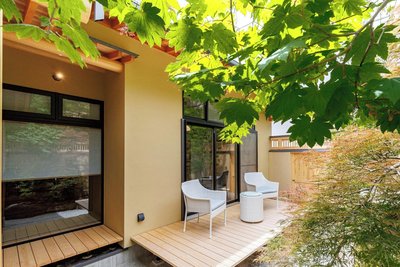
Shoraiso
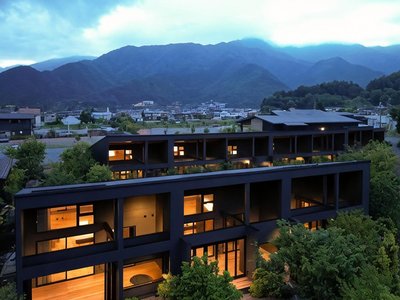
7C Villa and Winery

Hotel la Vigne Hakuba by Onko Chishin
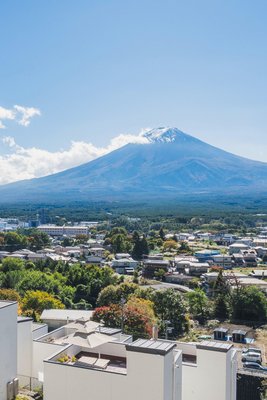
THE TOKI FujiKawaguchiko

Takanawa Hanakohro (in Grand Prince Hotel Takanawa)

Hyatt Centric Ginza Tokyo

Fairmont Tokyo
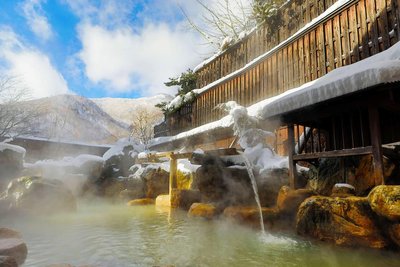
Miyamaouanbekkan yumegurinoyado hirayukan
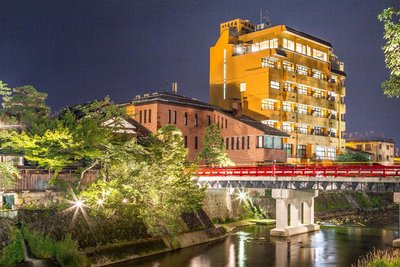
HONJIN HIRANOYA BEKKAN
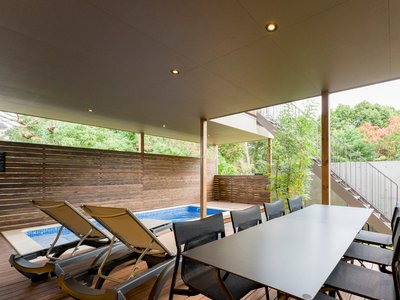
Rakuten STAY VILLA Kamogawa

Awaumi Fujikawaguchiko Resort

The Prince Villa Karuizawa
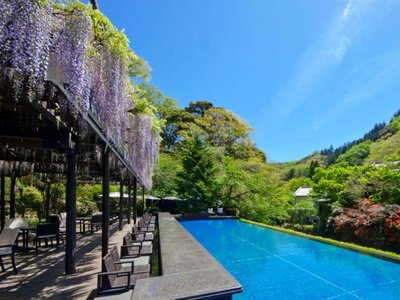
Tofuya Resort & Spa Izu
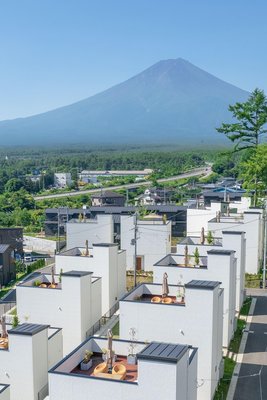
Fuji Granvilla -TOKI-

Bellustar Tokyo, A Pan Pacific Hotel
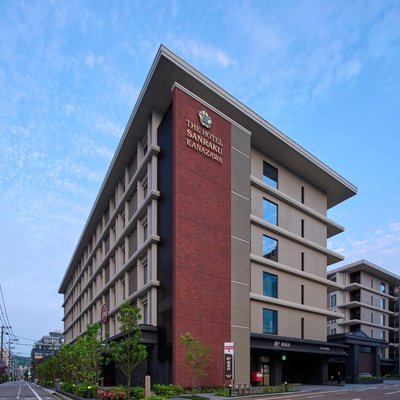
The Hotel Sanraku Kanazawa 21th December 2022 Open

JW Marriott Hotel Tokyo

Andaz Tokyo Toranomon Hills- A Concept by Hyatt

The Okura Tokyo

The Lively Azabujuban Tokyo

Kimpton Shinjuku Tokyo

HOTEL K5

The Prince Gallery Tokyo Kioicho, a Luxury Collection Hotel

Muji Hotel Ginza
Frequently Asked Questions about Traveling to Tsunan
Questions You Might Need to Know About Traveling to Tsunan
In Tsunan Town, the top choice for families is Tsumami Onsen Hotel, a boutique ryokan blending traditional Japanese architecture with modern comfort. Nestled beside the Shinano River, it offers private outdoor baths and an organic farm-to-table restaurant serving local specialties like fresh trout and hand-harvested rice. The hotel organizes seasonal activities such as rice planting workshops and tea-picking tours at nearby Tsuman Tea Gardens. Guests can also enjoy free shuttle service to the Tsuman Cultural Museum and Old-Mansion Exhibition Hall, perfect for exploring rural Japanese heritage. With spacious family rooms and kid-friendly amenities, this hotel delivers a warm, immersive experience in nature. It’s especially ideal for travelers seeking tranquility and cultural connection away from city crowds.
The central district of Tsunan Town is the optimal area for lodging, located near the Tsunan Town Hall and Comprehensive Citizen Center, offering excellent access to public services and local shops. This neighborhood is also close to the Shinano River Promenade, perfect for morning walks or evening strolls along the riverbank. Several guesthouses and inns—like Tsumami Noie Guesthouse—are clustered here, featuring wooden interiors, handmade crafts, and cozy tatami rooms. Many offer guided town walks and seasonal events such as the Town Lantern Festival, allowing visitors to engage with local traditions. Additionally, the central zone is just 30 minutes by car to Myoko Highlands Ski Resort, making it ideal for winter travelers. Its balanced mix of convenience, culture, and calm makes it the heart of Tsunan's hospitality scene.
Tsunan Town offers unforgettable cultural experiences, starting with the annual Tsuman Rice Harvest Festival held each autumn. Visitors can participate in traditional rice planting, threshing, and even learn to craft Tsuman bamboo baskets at a local artisan workshop. The Tsuman Folklore Museum houses artifacts from the Edo period, including farming tools, vintage clothing, and oral histories passed down through generations. During spring, join the Cherry Blossom Tea Picking Event, where you’ll harvest tender tea leaves from Tsuman Tea Fields and enjoy freshly brewed matcha with homemade wagashi sweets. These hands-on activities provide deep insight into Tsunan’s agrarian roots and seasonal rhythms, turning travel into meaningful cultural immersion.
The hot springs in Tsunan Town stand out due to their natural sodium-chloride mineral water, drawn from depths of 1,200 meters beneath the Myoko Mountains. The water is clear with a faint golden hue and known for its skin-softening properties. At Tsumami Onsen Hotel, guests can relax in both indoor and outdoor baths, particularly the Mountain View Outdoor Bath, which offers panoramic views of the surrounding valleys and rivers. Each evening features a "Onsen Story Night," where hosts share local legends and family histories. Some rooms include tatami flooring and private gardens, creating a serene retreat after a day of soaking. The therapeutic warmth and authentic atmosphere make these onsen a highlight of any stay in Tsunan.
Photography enthusiasts should not miss three iconic locations in Tsunan Town: first, the Shinano River Sunset View, especially stunning during autumn and winter when golden light reflects across the flowing waters and frames the distant Myoko Mountain Range. Second, the Rice Field Labyrinth, a geometric pattern formed by orderly paddy fields that create striking visual contrast in spring and summer. Third, the Old-Mansion District, including the historic Ogura House and Matsubayashi Residence, preserved with traditional wood framing and shoji screens, surrounded by seasonal flowers. Early mornings and late afternoons offer soft lighting ideal for capturing the quiet beauty of rural Japan. Don’t forget to bring a wide-angle lens to fully frame these expansive landscapes.
Must-try dishes in Tsunan Town center around fresh Shinano River fish and Niigata Koshihikari rice. Try the signature Shinano Trout Hot Pot at Tsuman Town Dining, made with daily-caught trout simmered in kelp broth, served with locally grown rice for a rich, savory flavor. Another highlight is handmade buckwheat noodles, crafted from regionally milled flour and paired with house-made soy sauce and wasabi. Visit the seasonal Local Market to sample Tsuman umeboshi plums and pickled bamboo shoots, perfect as souvenirs. For a deeper culinary experience, book a Homestay Dinner, where you’ll dine with a local family who prepare a multi-course meal using heirloom recipes and ingredients sourced directly from their farm—offering a true taste of Japanese rural life.
The top cycling route in Tsunan Town is the Shinano River Eco Loop, a 15-kilometer scenic trail starting at Tsuman Citizens Park. It winds past rice paddies, wetland observation points, and historic bridges, with rest stops and interpretive signs detailing local ecology and birdlife. Bicycles are available for rent at the town office (¥200/day), and the path features gentle slopes suitable for all ages. Along the way, you may encounter farmers working in the fields, adding authenticity to your journey. Extend your ride toward Myoko Highlands Forest Tunnel, where tree-lined pathways create a magical tunnel effect. End at Tsuman Tea Estate for a refreshing matcha tasting. This route combines adventure, nature, and cultural discovery in one seamless ride.
Families visiting Tsunan Town can enjoy a variety of engaging activities. Join the Little Farmer Experience Camp at Tsuman Farm, where children plant seeds, water crops, and harvest vegetables under expert guidance. The Tsuman Children’s Library hosts weekly events like picture book theater and nature crafting sessions, teaching kids about insects, leaf printing, and forest ecosystems. During summer, the Firefly Night Walk invites families to explore wetlands illuminated by thousands of glowing fireflies, guided by local experts. In winter, try the Snow Sculpture Workshop, where kids mold snow into creative figures using traditional techniques. All activities come with multilingual instructions, ensuring international families feel welcome and engaged throughout their stay.
Key festivals in Tsunan Town include the Tsuman Summer Festival every August, featuring traditional taiko drumming, lantern processions, and a spectacular riverfront fireworks display synchronized with music and light projections. Another highlight is the Tsuman Textile Festival in spring, showcasing hand-dyed indigo fabrics and weaving demonstrations using ancient wooden looms—visitors can even try basic weaving themselves. The Snow Lantern Festival in winter transforms the town into a dreamlike world, with hundreds of handmade paper lanterns illuminating streets and alleys. These events reflect Tsunan’s deep-rooted traditions and community spirit, offering travelers more than entertainment—they provide a window into the rhythm of rural Japanese life.
Begin your day with a peaceful walk along the Shinano River Promenade, capturing sunrise over the rice fields. Then visit the Tsuman Folklore Museum to explore centuries-old farming tools, textiles, and oral histories. Enjoy lunch at Tsuman Town Dining, savoring trout hot pot with local Koshihikari rice. Afterward, cycle the Shinano River Eco Loop, stopping at wetland viewpoints and scenic bridges. Return to town in the afternoon to check into Tsumami Onsen Hotel, unwind in the outdoor bath with mountain views, and attend the evening Onsen Story Night. This well-balanced itinerary blends nature, culture, cuisine, and relaxation—perfectly capturing the essence of tranquil, authentic Tsunan Town.
Tsunan Overview
City Summary
Tsuramura, located in the southern part of Niigata Prefecture, Japan, is renowned for its natural beauty and agricultural culture. The town features vast rice fields and stunning mountain views, with each season offering unique scenery, especially cherry blossoms in spring and autumn foliage. It is also a popular destination for winter skiing and boasts abundant hot spring resources for relaxation.
Must-See Attractions
The natural landscapes of Tsuramura are its main attraction. Spring brings beautiful cherry blossoms, while autumn showcases vibrant foliage. The Tsuramura Ski Resort is a winter hotspot, suitable for both beginners and experienced skiers. Additionally, Tsuramura Hot Springs offer a relaxing experience, and there are numerous hiking trails for nature lovers.
Food Guide
Tsuramura is famous for its agricultural products, especially rice and fresh vegetables. Local specialties include Niigata rice and handmade soba noodles. In winter, hot pot dishes like Yukimigoya (made with local vegetables and meat) are popular. Small restaurants serving traditional Japanese cuisine are also worth trying.
Transportation Guide
Transportation in Tsuramura relies mainly on buses and car rentals. Buses from Niigata or Nagano cities take about 2-3 hours. Public transport within the town is limited, so renting a car is advisable for flexible exploration. Winter driving requires caution due to snow. Planning routes in advance is recommended as attractions are spread out.
Best Time to Visit
The best times to visit Tsuramura are spring (April-May) and autumn (September-November), when the weather is pleasant and scenery is stunning. Winter (December-March) is ideal for skiing, but be prepared for cold temperatures and snow. Summers are mild but less crowded.
Travel Tips
- Winter warmth: Prepare for extremely low temperatures with adequate clothing.
- Cash payments: Some rural areas may not accept credit cards, so carry sufficient cash.
- Respect local customs: Shower before entering hot springs and maintain quiet.
- Book in advance: Accommodations and transport can be tight during peak seasons.
- Check weather: Mountain weather changes quickly; check forecasts before heading out.
- Eco-consciousness: Protect the environment by avoiding littering.
Useful Information
The primary language in Tsuramura is Japanese, with limited English proficiency, so a translation app is helpful. Internet coverage is good, but some remote areas may have weak signals. Cash is the main payment method, with limited credit card acceptance. For emergencies, visit Tsuramura Clinic, but serious cases should be referred to hospitals in Niigata City. Post offices and ATMs are available in the town center.