Hotels in Tsuru
Discover your perfect stay in Tsuru.
Tsuru(Japan) Travel 2026: Cheap Flights, Hotels & Top Attractions
Popular Landmarks in Tsuru
Discover the most iconic attractions in Tsuru
Recommended Hotels in Tsuru
Find the perfect place to stay in Tsuru

Best Hotels in Tsuru
Discover curated hotel collections in Tsuru

















Frequently Asked Questions about Traveling to Tsuru
Questions You Might Need to Know About Traveling to Tsuru
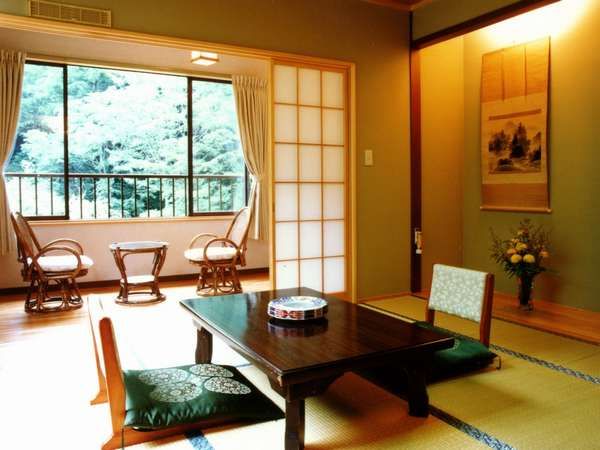
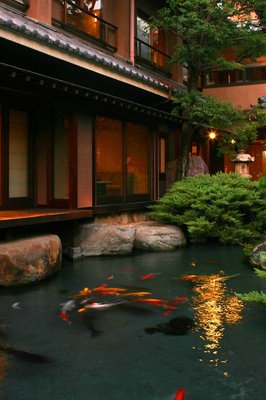
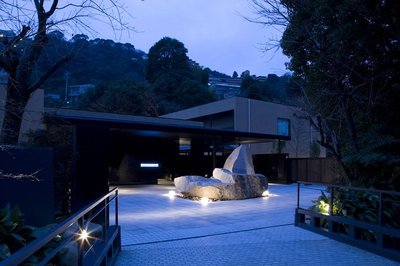
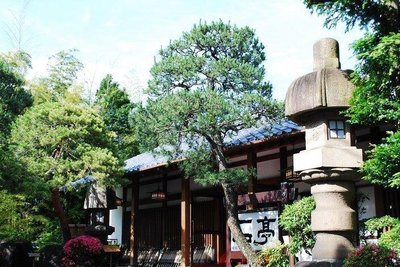
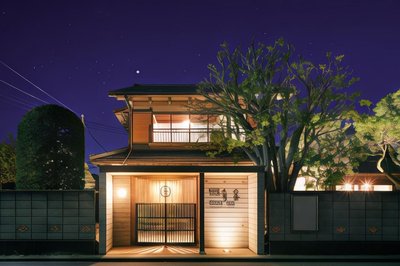
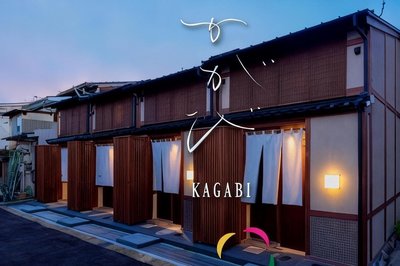
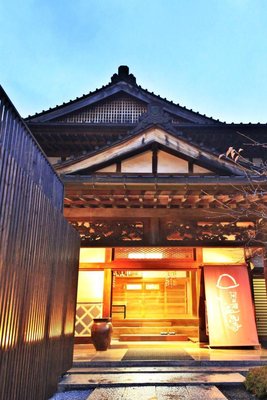
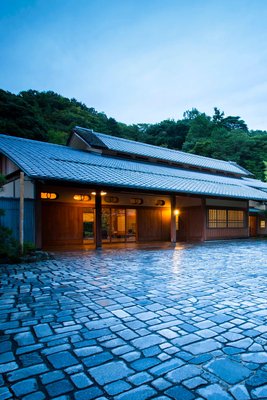
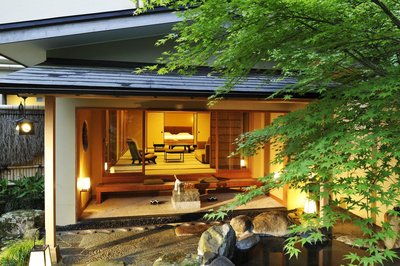
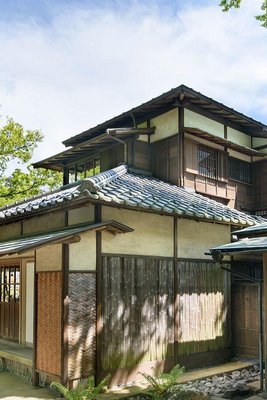
In Tsuru City, the top choice for authentic local charm is Tsuru Town Hall Guesthouse, a boutique accommodation housed in a renovated traditional Japanese town hall. Located steps from the Tsuru City Library and Old Tsuru Station Shopping Street, it blends Edo-era architecture with modern comfort. Each room features tatami mats, shoji screens, and private garden views, offering a serene retreat. The staff organizes cultural experiences like kotatsu tea ceremonies and guided walks through hidden alleys filled with antique shops and local art.
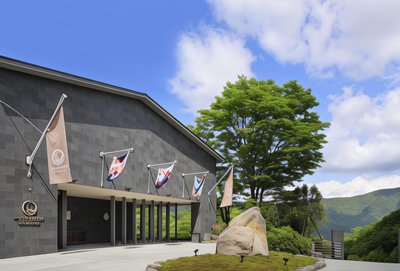
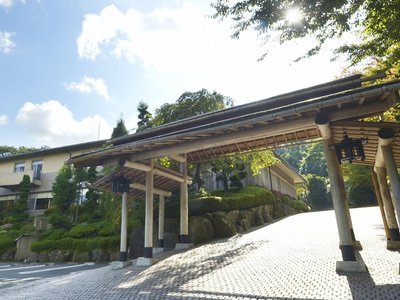
For travelers seeking slightly more luxury while still embracing local identity, Mitsui Garden Hotel Yamanashi Tsuru offers spacious rooms with mountain views, free Wi-Fi, and an on-site restaurant serving regional specialties like Koshu beef and Fuji-gawa vegetables. Its central location near the city hall makes it ideal for exploring Tsuru’s heritage districts and seasonal festivals, all within walking distance.
The best area for first-time visitors to Tsuru City is the downtown district around Old Tsuru Station, where most attractions, dining options, and transportation hubs converge. This vibrant neighborhood includes the Tsuru City Hall, Tsuru City Library, and Old Tsuru Station Shopping Street, making it easy to explore on foot. It’s also home to Tsuru Town Hall Guesthouse and Mitsui Garden Hotel Yamanashi Tsuru, both offering excellent access to local culture and amenities.
The area is safe, well-lit, and bustling with daily life—perfect for those wanting to immerse themselves in everyday Japanese community spirit. Additionally, many guesthouses here provide free bicycles and multilingual guides, helping newcomers navigate with confidence. While quieter areas like West Tsuru offer scenic views of Mount Fuji, they lack public transit and are better suited for self-drive visitors. For convenience and authenticity, downtown remains the top recommendation.
Tsuru City offers several immersive cultural experiences rooted in its agricultural and artisanal heritage. One standout is the Koshu Sake Culture Festival, held annually in autumn at Old Tsuru Station Shopping Street, where you can tour traditional sake breweries, participate in hands-on brewing workshops, and sample rare Koshu pure rice sake made from locally grown rice.
Another must-try is the Washi Paper Workshop hosted at Tsuru Town Hall Guesthouse, led by master artisans using paper made from kozo trees native to Yamanashi Prefecture. You’ll craft your own washi lantern or hand-painted fan, gaining insight into Japan’s centuries-old paper-making tradition. Additionally, the Tsuru City Museum hosts rotating exhibitions on historical documents and local folklore, including stories about the region’s role in the Edo period silk trade. These experiences emphasize connection, craftsmanship, and place-based storytelling.
Yes, Tsuru City has several family-friendly accommodations that cater to children and parents alike. Mitsui Garden Hotel Yamanashi Tsuru stands out with dedicated family rooms, child-sized bathrobes, and a playroom equipped with books and puzzles. They offer a family breakfast buffet featuring kid-approved dishes like grilled salmon and fresh fruit bowls, plus a complimentary activity guide for nearby attractions such as Fuji Mountain Nature Park and Tsuru City Library’s kids’ corner.
For a more intimate experience, Tsuru Town Hall Guesthouse provides a "Family-Friendly Suite" with a separate living area and kitchenette, allowing families to prepare meals together. The staff organizes weekly family tea gatherings, where elders share local legends and children engage in traditional games like hanetsuki (a Japanese shuttlecock game). These thoughtful touches ensure a warm, inclusive stay for all ages.
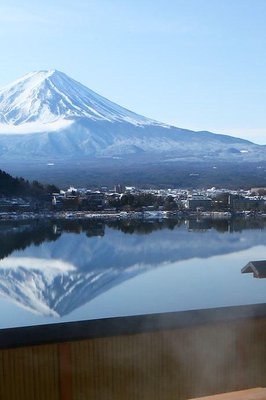
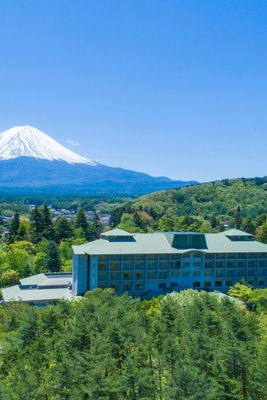
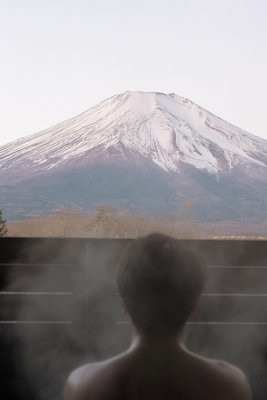
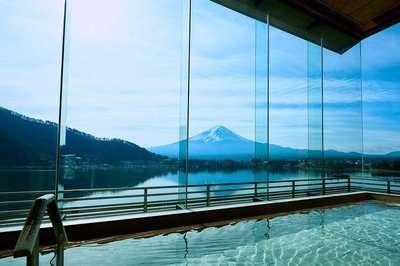
While Tsuru City itself doesn’t have natural hot springs, it’s just a 25-minute drive from Fujikyu Highland Onsen Hotel, one of the finest hot spring resorts in the region. This resort features private onsen baths, open-air baths with panoramic views of Mount Fuji, and a wellness center offering traditional Japanese massage therapies.
The hotel also offers a family onsen package with child-friendly pools and safety rails, perfect for multi-generation stays. Guests enjoy dinner featuring local ingredients like Koshu beef and organic vegetables from Yamanashi farms, paired with regional wines. For those who prefer a quieter option, Mitsui Garden Hotel Yamanashi Tsuru offers a simulated onsen experience with heated relaxation zones and aromatherapy showers, ensuring a rejuvenating stay even without natural geothermal water.
Tsuru City’s culinary highlights center around Koshu beef, known for its rich marbling and tender texture. Try it grilled at Oyama Restaurant in Old Tsuru Station Shopping Street, served with a side of pickled vegetables and miso soup. Another local specialty is Koshu grapes, harvested in summer and sold fresh at the Tsuru Agricultural Direct Market; they’re also used in jams, juices, and dessert menus at local cafes.
Don’t miss Yamanashi soba noodles, made from locally milled buckwheat flour and served in a light kombu broth at Tsuru Town Hall Guesthouse. For a seasonal treat, book a potato stew cooking class during autumn, where you’ll prepare imo-ni (root vegetable stew) using local sweet potatoes and chestnuts. These dishes reflect the region’s emphasis on fresh, seasonal ingredients and deep-rooted farming traditions.
The best times to visit Tsuru City are spring (March–May) and autumn (September–November). Spring brings cherry blossoms along the Old Tsuru Station Shopping Street, creating a romantic pink canopy perfect for photography. The city hosts the Spring Flower Viewing Festival, featuring street performances, food stalls, and craft markets.
Autumn is ideal for foliage lovers: the Fuji Mountain Nature Park turns golden and crimson, while the Koshu Sake Culture Festival celebrates the harvest season with sake tastings and brewery tours. The Tsuru City Harvest Festival in late September showcases local produce, folk dances, and handmade crafts. Winter is quiet but magical—some guesthouses offer special snow-viewing nights with bonfires and stargazing. For optimal weather and events, plan your trip between March and November.
Absolutely. Tsuru City is highly welcoming to solo travelers, thanks to its low crime rate, pedestrian-friendly streets, and strong sense of community. Tsuru Town Hall Guesthouse offers cozy single rooms with private balconies and free Wi-Fi, plus a nightly Solo Traveler Meetup—a casual gathering where guests share stories over tea and local snacks.
The Mitsui Garden Hotel Yamanashi Tsuru features a dedicated floor for solo guests, complete with 24-hour security, smart locks, and a lounge with board games and books. The hotel also partners with local cafes to offer a "Traveler’s Passport", granting discounts on tours and meals. Whether you're hiking in Fuji Mountain Nature Park or attending a sake workshop, you’ll find plenty of opportunities to connect—with locals, fellow travelers, or simply with yourself.
Tsuru City is easily accessible via JR Central Line, with Tsuru Station providing direct trains from Tokyo’s Shinjuku Station (~1.5 hours) and Osaka (~3.5 hours). From the station, it’s a 10-minute walk to the city center, where buses run frequently to key destinations like Tsuru City Hall, Tsuru City Library, and Old Tsuru Station Shopping Street.
The city’s Tsuru Bus System operates on fixed routes with low fares and accepts IC cards like Suica and ICOCA. For visitors without a car, this network covers nearly all major sights. If planning day trips to Fuji Five Lakes or Fujinomiya, express buses depart regularly from the station. For those driving, major highways like National Route 136 link Tsuru to surrounding regions seamlessly. Overall, public transport is reliable, affordable, and well-integrated with tourism infrastructure.
Tsuru City offers stunning photo opportunities blending history, nature, and architecture. The Old Tsuru Station Shopping Street is a prime spot—its preserved wooden storefronts, red-brick facades, and copper signs create a vintage aesthetic perfect for film-style shots, especially at sunrise or golden hour.
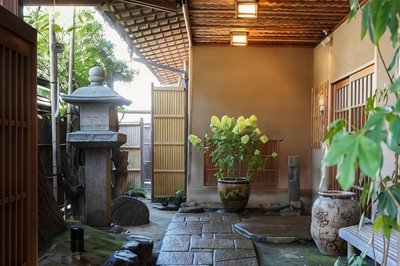
The Tsuru City Library, with its sleek glass façade reflecting Mount Fuji, is ideal for architectural photography. Nearby, the Fuji Mountain Nature Park’s Cherry Blossom Path becomes a dreamy pink tunnel in spring, framed by snow-capped peaks. At night, Tsuru Town Hall Guesthouse’s Zen Garden—with its bamboo fences and raked gravel—offers a tranquil backdrop for minimalist shots.
For panoramic views, head to the West Tsuru Observation Deck, where you can capture the entire city skyline beneath Mount Fuji. These locations combine urban charm and natural beauty, making them favorites among photographers and Instagrammers alike.
Tsuru Overview
City Summary
Tsuru City, located in the eastern part of Yamanashi Prefecture, Japan, is a tranquil town surrounded by nature. Renowned for its hot springs and traditional crafts, particularly "washi" paper-making, it offers cultural depth amidst stunning landscapes near Mount Fuji and the Fuji Five Lakes region.
Must-See Attractions
Must-visit sites include the historic "Tanokura Castle Ruins" and "Tsuru City Museum" showcasing local crafts. Visit "Fuji Sakura Park" for cherry blossoms in spring or "Kawaguchi Lake" for autumn foliage. The "Fuji Hot Spring Village" is ideal for authentic onsen experiences.
Food Guide
Local specialties include Yamanashi's famous "houtou" noodle hot pot and horse sashimi. Try traditional "Shingen mochi" rice cakes with black syrup for dessert. Old-established restaurants serve hearty local cuisine, while izakayas offer regional sake.
Transportation Guide
From Tokyo, take JR Chuo Line to Otsuki Station (1.5 hours) then transfer to Fujikyu Railway. Local buses are primary transport - the "Fuji Five Lakes Pass" is recommended. Taxis are expensive but suitable for groups. Winter drivers should note possible snow on mountain roads.
Best Time to Visit
Best seasons are April-May for cherry blossoms and October-November for autumn colors. Summer offers cool retreats but may have rain. Winter provides snowy onsen experiences, though some attractions may close.
Travel Tips
- Wash thoroughly before entering onsens - swimsuits are prohibited
- Mountain weather changes rapidly; carry rain gear
- Cash remains dominant; many small shops don't accept cards
- Strict trash separation required; public bins are scarce
- Restaurant reservations recommended, especially weekends
- Maintain quiet in temples respecting local traditions
Useful Information
Japanese is primary language; basic English available at stations/tourist centers. Free WiFi hotspots concentrate at transport hubs. Carry cash as credit cards only accepted at major establishments. Dial 110 (police) or 119 (ambulance) for emergencies. Over-the-counter medicine available at drugstores, but prescriptions require hospital visits.