Hotels in Tsurugashima
Discover your perfect stay in Tsurugashima.
Tsurugashima(Japan) Travel 2026: Cheap Flights, Hotels & Top Attractions
Popular Landmarks in Tsurugashima
Discover the most iconic attractions in Tsurugashima
Recommended Hotels in Tsurugashima
Find the perfect place to stay in Tsurugashima

Best Hotels in Tsurugashima
Discover curated hotel collections in Tsurugashima





















Frequently Asked Questions about Traveling to Tsurugashima
Questions You Might Need to Know About Traveling to Tsurugashima
For families visiting Kasukabe City, the top choice is Kasukabe Garden Hotel, located in the heart of downtown near Kasukabe Park and Saitama Prefectural Museum. The hotel offers spacious family rooms, a dedicated children's play area, and easy access to local attractions.
Its Japanese garden design blends traditional aesthetics with modern comfort, and it’s just a 5-minute walk from Kasukabe Station. Nearby highlights include Kasukabe Citizens’ Hall and Kogawa Town Shopping Street, perfect for family-friendly exploration. For budget-conscious travelers, Keisei Hotel Kasukabe Branch provides affordable rates with free breakfast and laundry services—ideal for extended stays. Book early, especially during cherry blossom season or summer festivals.
The best area for sightseeing and hotel stays is around Kasukabe Station, where most mid-to-high-end hotels and business lodgings are concentrated. This location offers excellent access to the Tote River walking path, Owami Temple, and Kasukabe Park, ideal for morning strolls and evening bike rides.
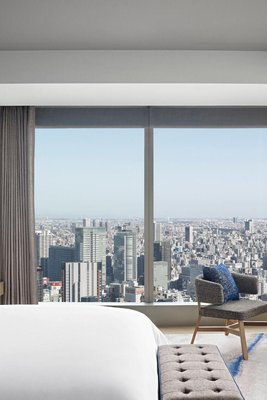
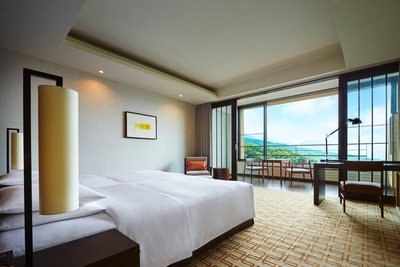
Stay at Hyatt Kasukabe, which features panoramic views of the Tote River and distant hills from its spacious rooms. Its rooftop terrace and Japanese tea room provide serene spaces to enjoy local culture. At night, take a short walk to Kasukabe Night Market to savor local specialties like grilled yakitori and soba noodles, immersing yourself in authentic city life.
Though not a major tourist hub, Kasukabe City preserves deep Edo-era traditions and agricultural heritage. Participate in the annual Rice Planting Festival along the Tote River, where you can join traditional rice planting rituals and craft straw dolls to decorate rice fields—offering insight into regional farming wisdom.
Visit the Kasukabe Folklore Museum to explore restored Meiji-period wooden houses and watch live demonstrations of bamboo weaving and pottery. On weekends, head to the Kogawa Town Handmade Market, where local artisans sell handmade lacquerware, washi paper lanterns, and other intangible cultural crafts. These experiences provide a genuine glimpse into the city’s quiet, heartfelt charm.
Couples should consider Kasukabe Lake Lovers’ Inn, situated on the western shore of Kasukabe Lake, offering private lake-view suites with hot tubs and floor-to-ceiling windows. Wake up to misty mornings over the water or enjoy starlit evenings with panoramic views.
The inn offers nightly candlelit dinners featuring locally caught fish from the Tote River and house-made sweets. Guests can also book a private boat ride at sunset, drifting quietly while listening to distant shōraku temple bells—a nostalgic echo of Edo-era romance. Some suites even feature star projection ceilings, simulating a flowing galaxy for an intimate, dreamlike atmosphere. Reserve early, especially during Valentine’s Day or Tanabata festival.
Business travelers should stay at Kasukabe International Conference Hotel, located in the commercial zone south of Kasukabe Station, adjacent to the Saitama Prefectural SME Support Center. It offers high-speed fiber internet, fully equipped meeting rooms, and a 24-hour business center.
Rooms feature modern minimalist design, smart voice control systems, ergonomic desks, and soundproof walls for focused work. The basement houses several business cafés, including Sakura Lounge, serving Japanese bento and international cuisine—perfect for quick meetings. Additional services include airport transfers and luggage storage, making it ideal for frequent travelers between Tokyo and the Kanto region.
For nature lovers seeking sustainability, Kasukabe Green Forest Stay is a must-visit. Located on the edge of the Tote River Natural Reserve, this eco-lodge is housed in a century-old wooden structure powered by solar energy and rainwater recycling systems.
Guests can join guided early-morning birdwatching tours in the wetlands, spotting rare species like egrets and kingfishers. Afternoon workshops teach native plant identification and wildflower photography. During summer, participate in firefly watching walks, where hundreds of glowing insects light up the forest paths—an unforgettable natural spectacle.
All activities are led by certified natural guides and emphasize environmental respect, making it perfect for eco-conscious travelers and solo explorers.
Stay at Kasukabe Craft House, a boutique guesthouse housed in a historic wooden home once owned by local artisans. The owners specialize in washi paper and lacquerware, offering hands-on workshops for visitors.
Learn how to handcraft washi paper from kozo pulp and create your own calligraphy or artwork. Try shin-damask lacquer painting, applying gold leaf using traditional shin-kinko techniques. Each piece is yours to take home as a souvenir. Monthly events called Artisan Nights bring in master craftsmen from across Kanto to demonstrate bamboo weaving, pottery, and origami.
All sessions include materials and expert guidance—ideal for art enthusiasts and cultural explorers seeking authentic creative immersion.
The best times to visit Kasukabe City are spring (late March to early May) and autumn (mid-October to late November).
In spring, Kasukabe Park and the Tote River corridor bloom with cherry blossoms, forming a stunning pink tunnel stretching for kilometers—perfect for photo walks and hanami picnics. The Rice Planting Festival adds cultural depth, letting visitors engage in traditional farming rituals.
Autumn brings vibrant maple foliage to Owami Temple and the riverbank trails, creating breathtaking red-and-gold landscapes reflected in the calm waters. The weather is crisp and pleasant, ideal for hiking and photography. Both seasons strike a balance between low crowds and favorable conditions, with competitive rates—making them prime windows to experience Kasukabe’s natural beauty and cultural soul.
When visiting Kasukabe City, be sure to try Kasukabe Yaki-Soba, a signature street food made with thick noodles stir-fried in savory soy-based sauce and topped with fresh green onions, pork, and cabbage. It’s sold at the Kasukabe Night Market and local stalls.
Another highlight is Tote River Fresh Fish Sashimi, sourced daily from the nearby river and served raw with wasabi and pickled ginger. For a sweet treat, sample Hokkoku Mochi, a soft rice cake filled with sweet red bean paste and wrapped in a delicate lotus leaf.
Don’t miss the seasonal Cherry Blossom Rice Cake (Sakura Mochi), available only in spring, which combines floral flavor with chewy texture. These dishes reflect the city’s agricultural roots and riverfront identity, offering a true taste of local life.
Yes, Kasukabe Spa & Wellness Inn offers a tranquil retreat with full-scale wellness facilities. Located near Kasukabe Park, this boutique hotel features a heated indoor-outdoor onsen pool, aromatherapy steam rooms, and massage therapy rooms using local herbal oils.
Guests can book a Japanese-style full-body treatment incorporating moxibustion and acupressure, tailored to stress relief and recovery. The hotel also hosts morning meditation sessions by the Tote River and tea ceremony workshops in a traditional tatami room.
All treatments use organic ingredients sourced from nearby farms, and the rooms are designed with natural wood finishes and blackout curtains for optimal relaxation. Perfect for those seeking rejuvenation amid the peaceful rhythm of Kasukabe’s countryside.
Tsurugashima Overview
City Summary
Tsuruishi City, located in the southeastern part of Saitama Prefecture, Japan, blends modern convenience with traditional culture as a commuter town. Its core appeal lies in the tranquil residential atmosphere and easy access to Tokyo, featuring historical sites like Tsuruishi Hachimangu Shrine and natural landscapes such as Shiragawa Green Road. The city's crane-themed symbolism is evident in sculptures and cultural motifs throughout.
Must-See Attractions
Top attractions include Tsuruishi Hachimangu Shrine, renowned for its 800-year-old vermilion torii gate and spring cherry blossoms. Shiragawa Green Road is ideal for cycling and autumn foliage, while Aeon Mall Tsuruishi offers shopping and dining. Don't miss the annual Tsuruishi Festival in October for traditional mikoshi parades and taiko performances.
Food Guide
Must-try local specialties include Saitama-style sauce katsu-don (recommended at "Tsuruishiya" for thick-cut pork) and Shiragawa unagi (broiled eel with sweet soy glaze). Street vendors sell Soka senbei - crispy rice crackers perfect for souvenirs.
Transportation Guide
The city centers around JR Musashino Line's Tsuruishi Station (50min to Tokyo Station). Local Seibu Buses (flat fare ¥210) require exact change; consider purchasing a "Saitama Rainbow Pass" for multi-transport access. Taxis start at ¥730 with 30% night surcharge. Note last trains typically depart by 23:30.
Best Time to Visit
Prime visiting seasons are early April (cherry blossoms) and mid-November (autumn colors), with mild 15-20°C temperatures and fewer crowds. Avoid summer humidity (35°C in July-August) and peak travel periods like Golden Week (early May) and Obon (mid-August).
Travel Tips
- Purify hands/mouth at shrine temizuya in order: left hand→right hand→mouth→dipper handle
- Press bus stop buttons in advance; board via rear doors taking numbered tickets
- Strict trash separation - convenience stores have sorting bins
- Most restaurants prohibit smoking (designated areas only)
- Tattoos may ban entry to public baths
- Never manually operate taxi doors
Useful Information
Language: Basic English signage at stations; translation apps recommended. Internet: Short-term SIMs available at 7-11/LAWSON (passport required); citywide "Saitama_Free_Wi-Fi". Payment: Cash still prevalent; Visa/Mastercard accepted at department stores. Emergency: Tsuruishi Municipal Hospital (048-285-1111) has international clinic; 24hr pharmacy near station.









