Hotels in Tsurugi
Discover your perfect stay in Tsurugi.
Tsurugi(Japan) Travel 2026: Cheap Flights, Hotels & Top Attractions
Popular Landmarks in Tsurugi
Discover the most iconic attractions in Tsurugi
Best Hotels in Tsurugi
Discover curated hotel collections in Tsurugi
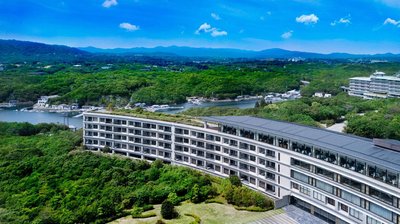
Shima Kanko Hotel the Bay Suites
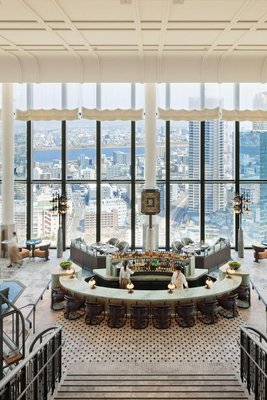
Waldorf Astoria Osaka
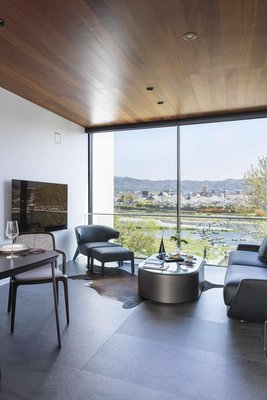
Kamo Residences by Reflections
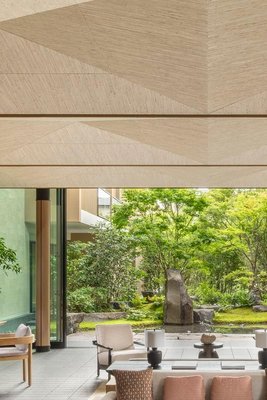
Six Senses Kyoto
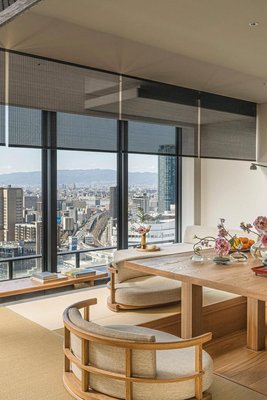
Four Seasons Hotel Osaka

Patina Osaka

The Ritz-Carlton, Osaka
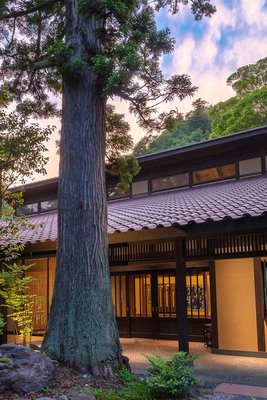
Arimasansoh Goshobessho

The Hiramatsu Hotels & Resorts Kashikojima
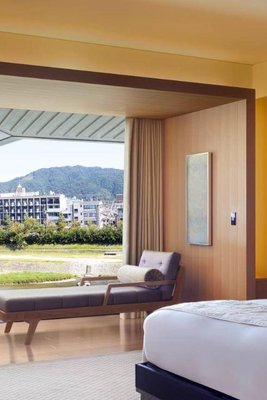
The Ritz-Carlton, Kyoto
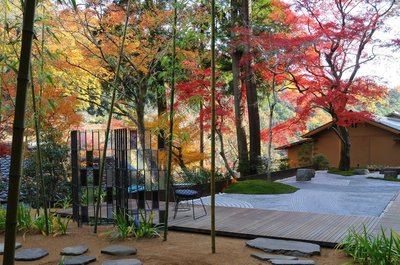
HOSHINOYA Kyoto
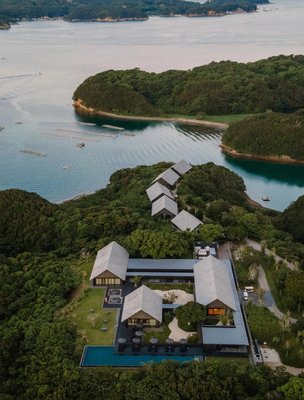
Amanemu
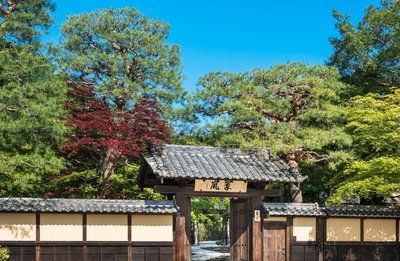
Suiran, a Luxury Collection Hotel, Kyoto
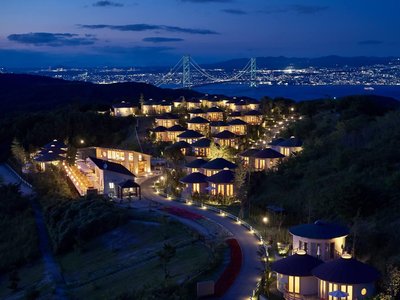
Grand Chariot Hokutoshichisei 135°
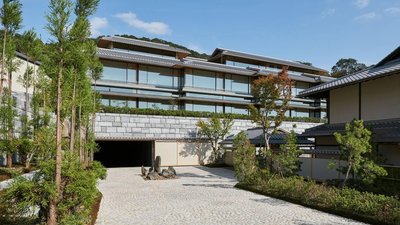
Park Hyatt Kyoto

SETOUCHI RETREAT by Onko Chishin
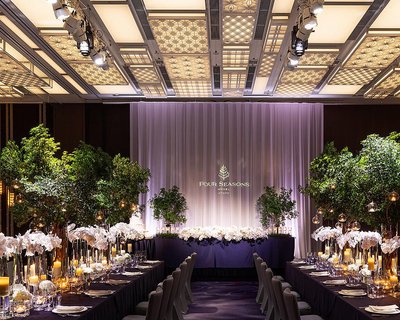
Four Seasons Hotel Kyoto
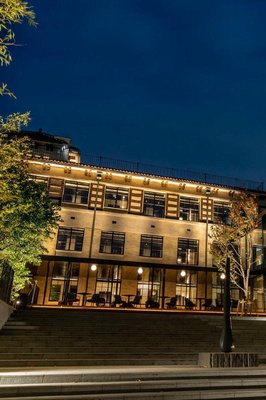
The Hotel Seiryu Kyoto Kiyomizu - a Member of the Leading Hotels of the World-
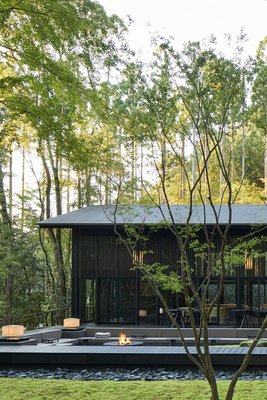
Aman Kyoto
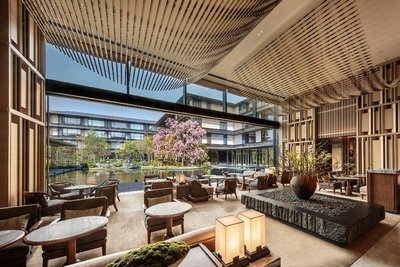
Hotel the Mitsui Kyoto, a Luxury Collection Hotel & Spa
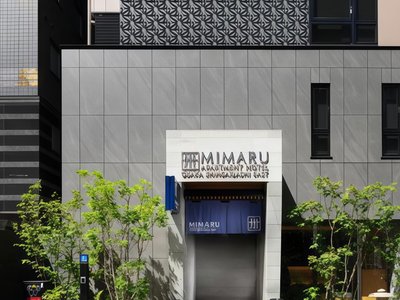
MIMARU Osaka Shinsaibashi East
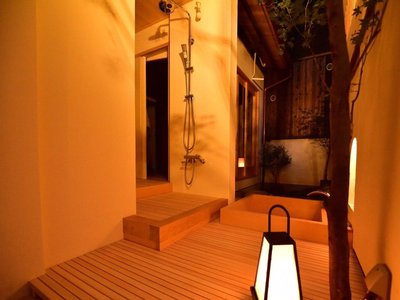
Yado Kiramachi
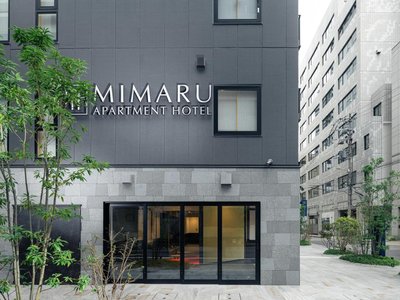
MIMARU Osaka Shinsaibashi North
Okuno Hosomichi
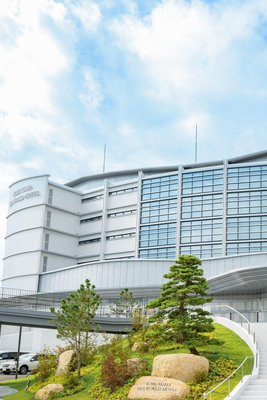
Kobe Suma Sea World Hotel

Hotel Hankyu GRAN RESPIRE OSAKA
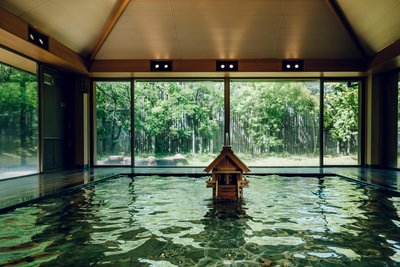
Hoshino Resorts KAI Tamatsukuri
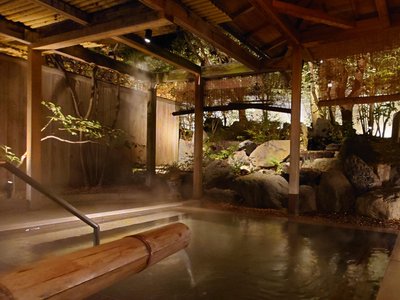
Kasuga Hotel
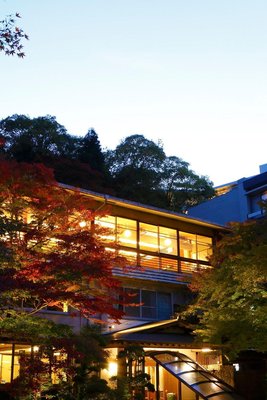
Negiya Ryofukaku
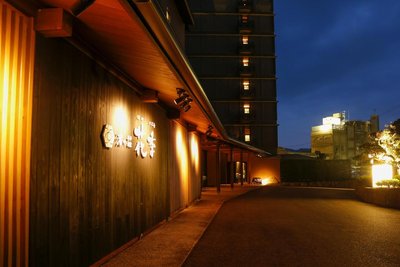
Hanagoyomi
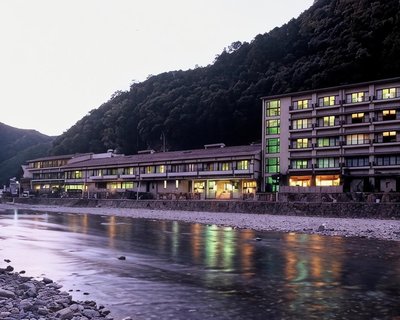
Kawayu Onsen Fujiya
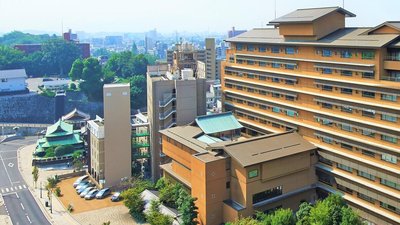
Yamatoya Honten
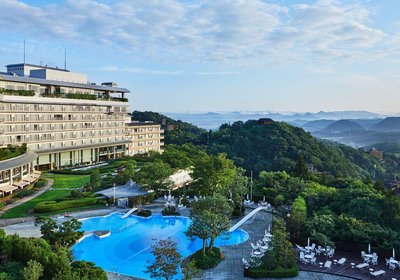
Arima Grand Hotel
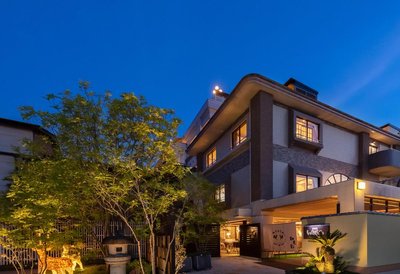
Hotel New Wakasa
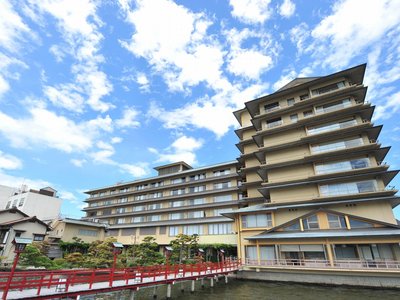
Bokoro Ryokan
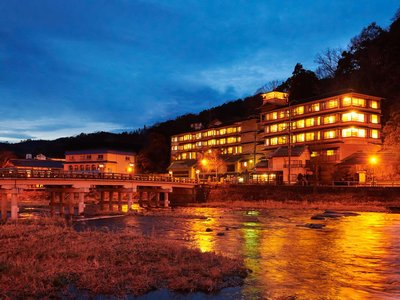
Mansuirou
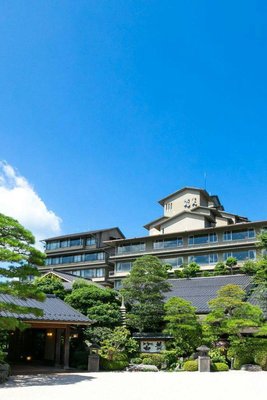
Kasuien Minami
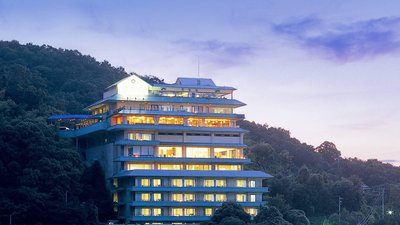
Hotel Hanajyukai
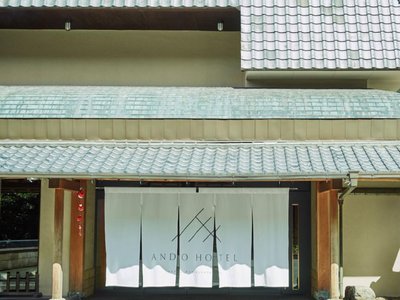
Ando Hotel Nara Wakakusayama -Dlight Life & Hotels-
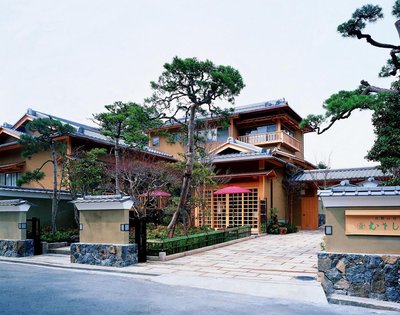
Kotonoyado Musashino

XYZ Private Spa and Seaside Resort
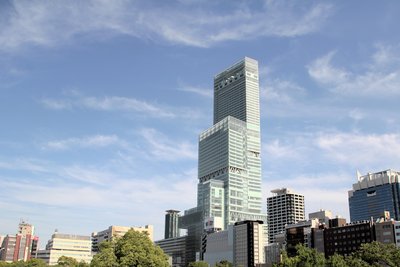
Osaka Marriott Miyako Hotel
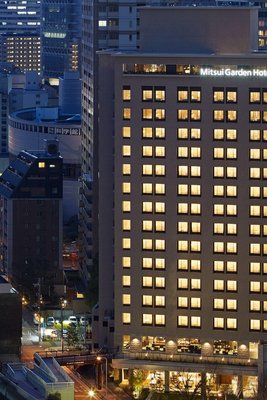
Mitsui Garden Hotel Osaka Premier
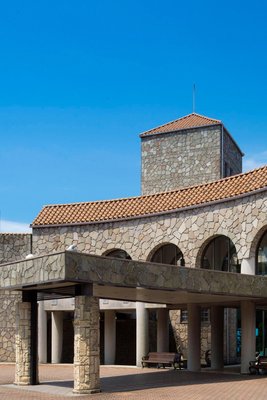
Izumigo Hotel Altia Toba
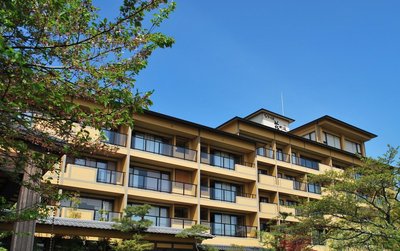
BIWAKO HANAKAIDO
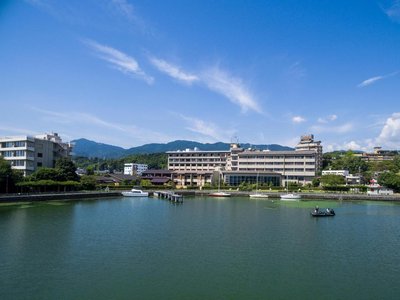
Biwako Ryokusuitei
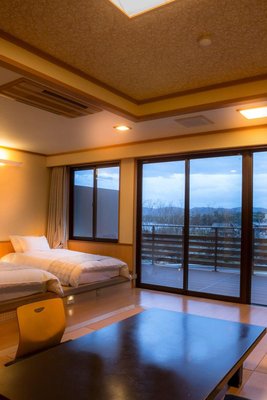
Hotel Kitanoya
Hanagoyomi
Kawayu Onsen Fujiya
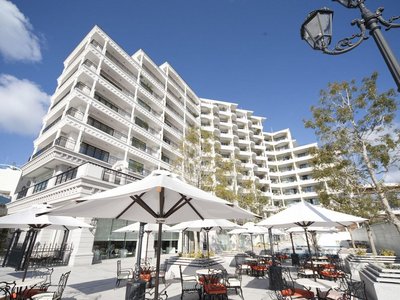
Hotel La Suite Kobe Harborland

AoAwo Naruto Resort
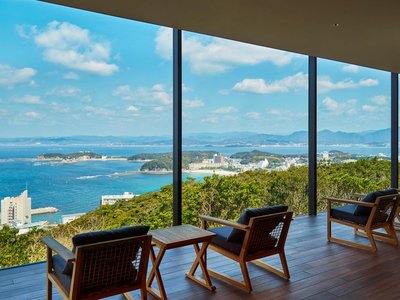
Infinito Hotel and Spa
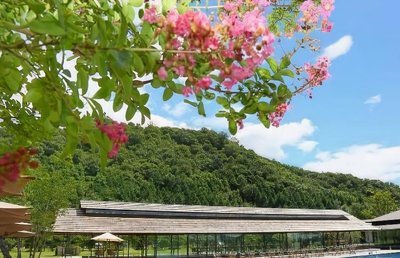
Bella Vista Spa and Marina Onomichi
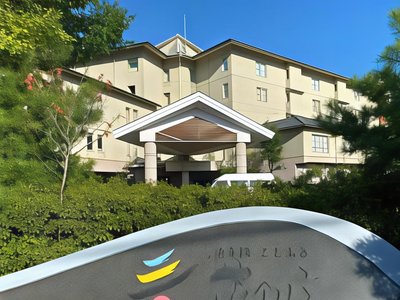
Yufuin Kotobuki Hananosho
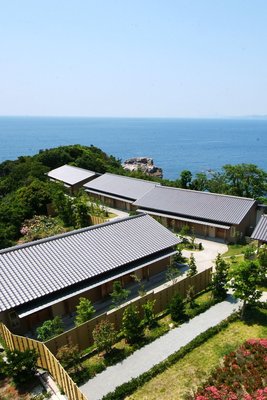
Hamachidorinoyu Kaisyu
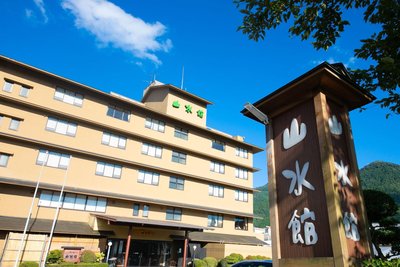
Yufuin Sansuikan
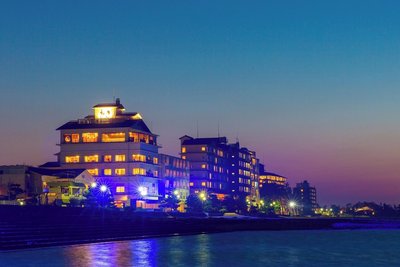
Kaike Shogetsu
The Ritz-Carlton, Kyoto
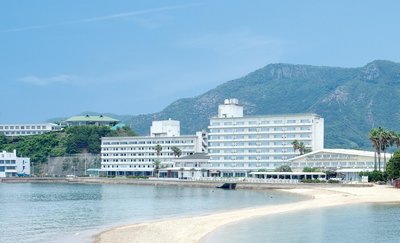
Shodoshima International Hotel
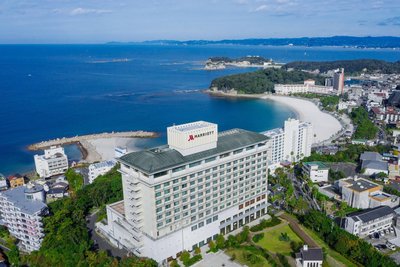
Nanki-Shirahama Marriott Hotel

22 PIECES
The Ritz-Carlton, Osaka

The Thousand Kyoto
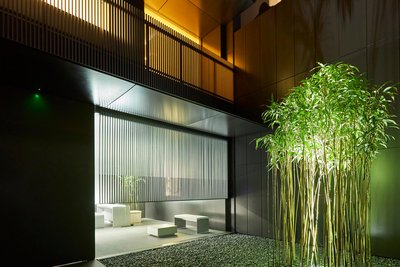
Mogana
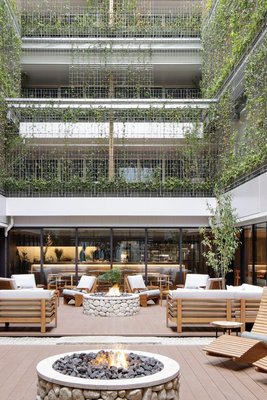
GOOD NATURE HOTEL KYOTO
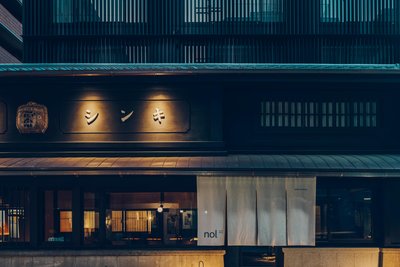
Nol Kyoto Sanjo

Zentis Osaka

Garrya Nijo Castle Kyoto

W Osaka

Hotel Kanra Kyoto

Aloft Osaka Dojima
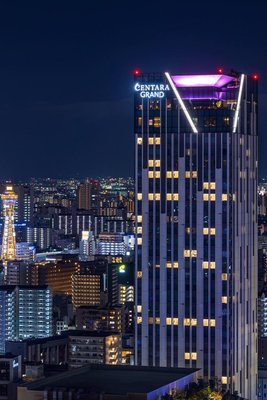
Centara Grand Hotel Osaka
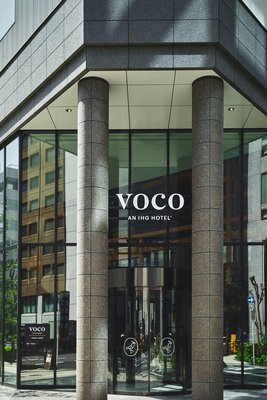
voco Osaka Central
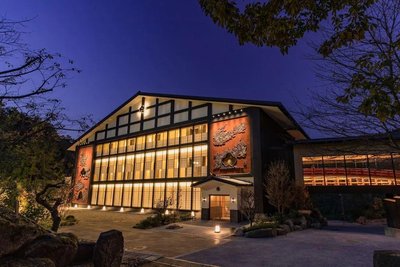
Okuhita Onsen Umehibiki

TIAD, AUTOGRAPH COLLECTION
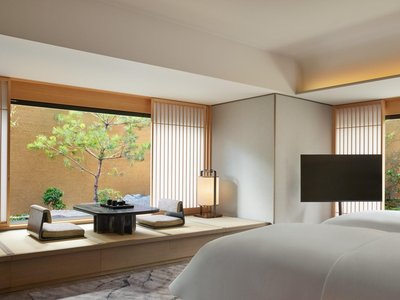
Dusit Thani Kyoto
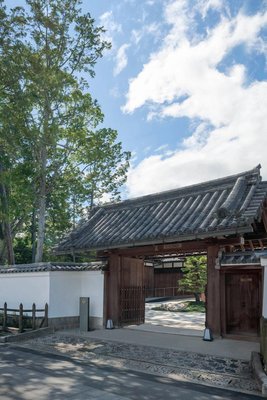
Shisui, a Luxury Collection Hotel, Nara

Hilton Kyoto
Osaka Marriott Miyako Hotel
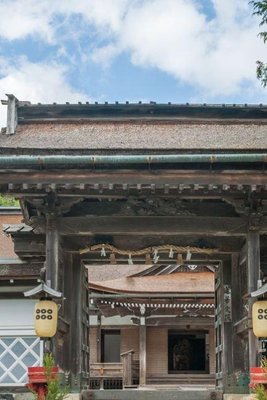
Koyasan Rengejoin
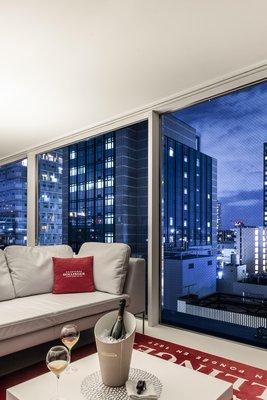
CUVÉE J2 HOTEL OSAKA by Onko Chishin
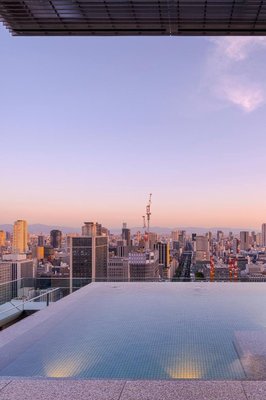
Candeo Hotels Osaka The Tower
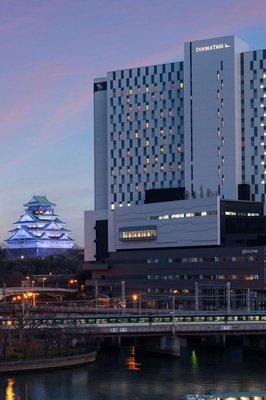
DoubleTree by Hilton Osaka Castle

The Osaka Station Hotel, Autograph Collection
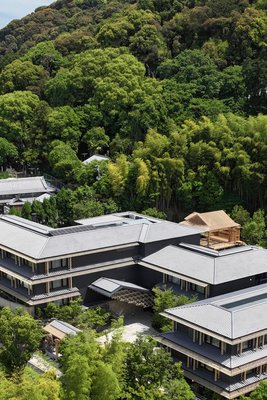
Banyan Tree Higashiyama Kyoto

Canopy by Hilton Osaka Umeda
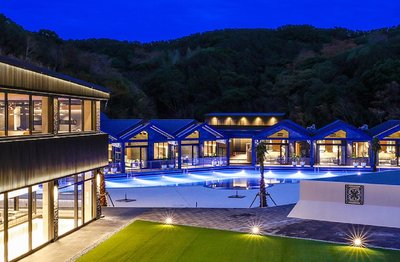
FIVE SPRING RESORT THE SHIRAHAMA
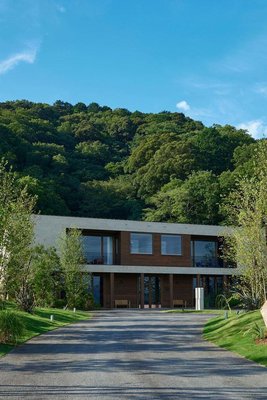
HACIENDA VISON
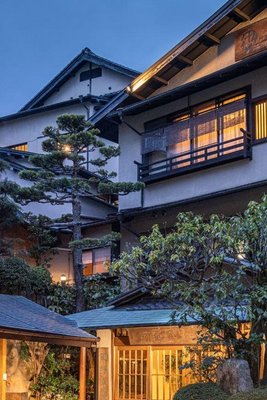
Arima Onsen Tocen Goshobo
Hotel La Suite Kobe Harborland

Hilton Osaka Hotel
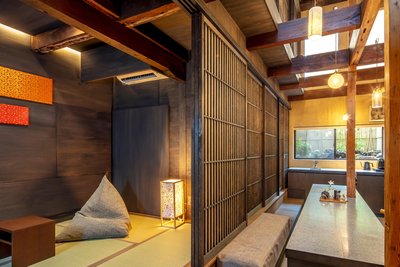
Kyo No Oozora Kihana
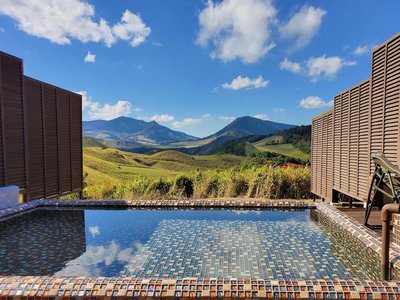
Grand Verde Resort
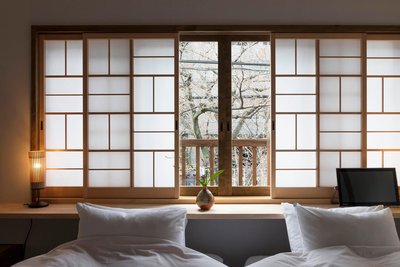
Hanagoromo Machiya House
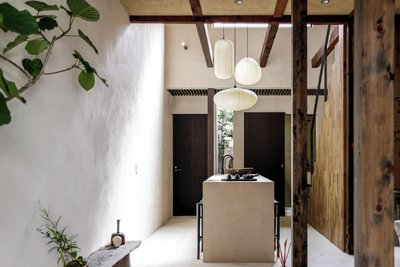
Maana Kiyomizu
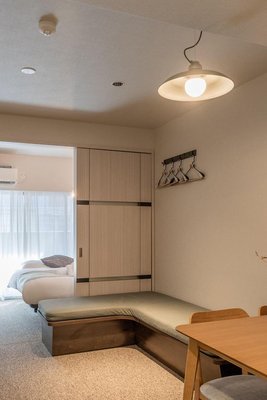
Apartment Hotel 11 Shinsaibashi
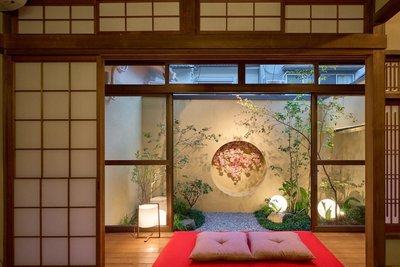
KONJAKUSO Osaka Tengachaya "NIHONCHA" Tea & Relax
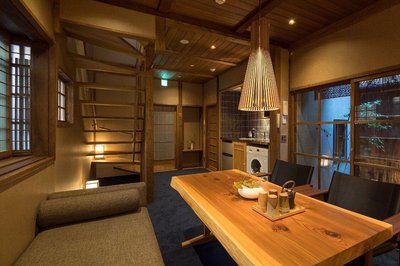
Bonbori an Machiya House
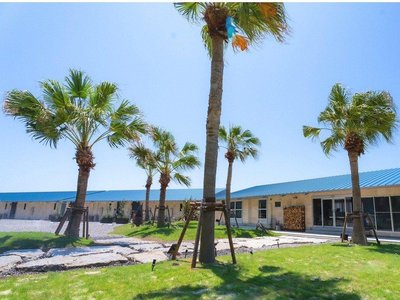
Glamping&Resort Wood Design Park Noma
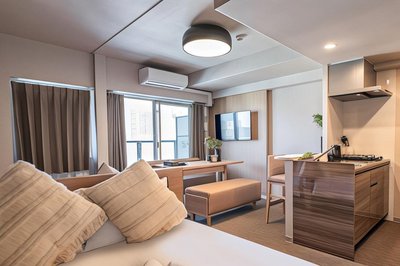
Apartment Hotel 11 Shinsaibashi III
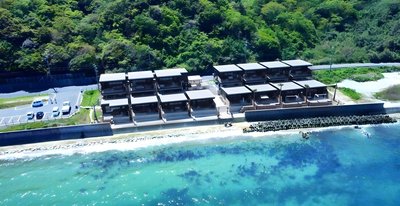
Solavilla Umi Terrace Minamiawaji
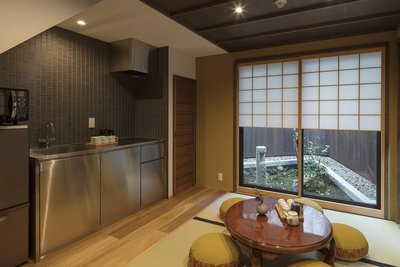
The Machiya Villa Sanjo Shirakawa Koji
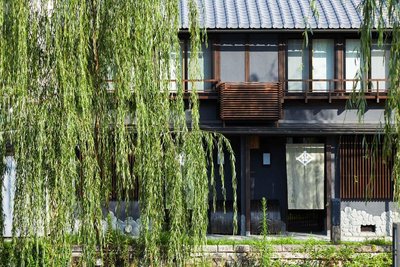
Gion Shirakawa No Yado

Kitashirakawa Natural Radium Onsen
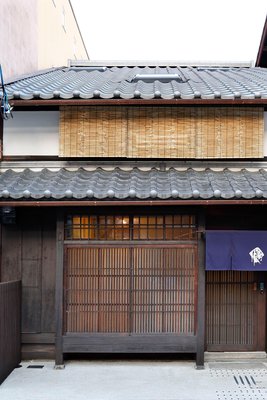
Kyo No Ondokoro Kamanza Nijo #2
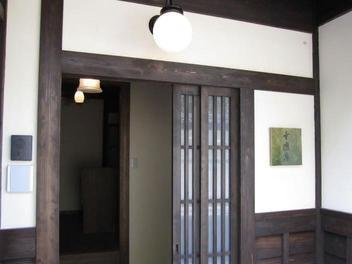
Gion Koyu an Machiya House
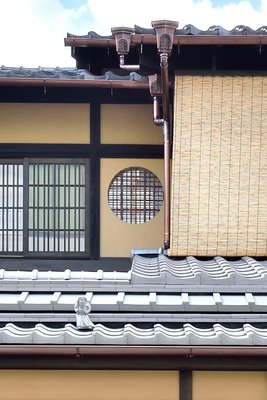
Kyo No Ondokoro Gokomachi Ebisugawa #3

Sana Mane - Glamp Domes
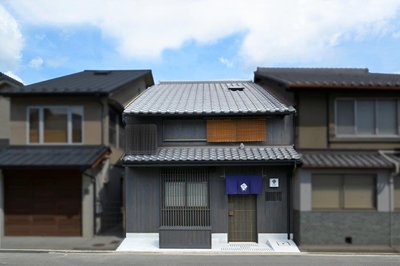
Kyo No Ondokoro Goshonishi #6
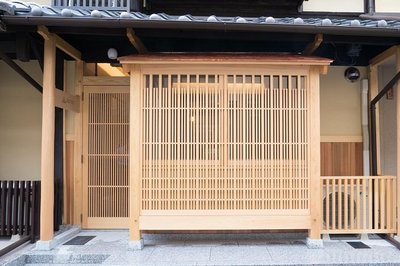
Kyomachiya Suite Rikyu
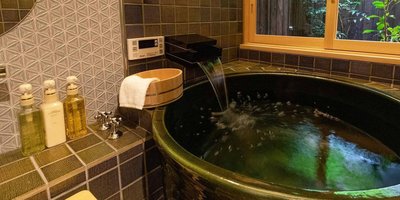
Kyoisuke

Hotel Barrière Fouquet's New York

The Plaza - A Fairmont Managed Hotel

The Ritz-Carlton New York, Central Park

Four Seasons Hotel New York

The St. Regis New York

Park Hyatt New York

Mandarin Oriental New York
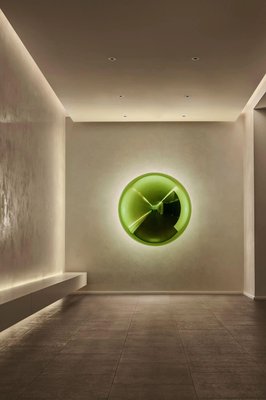
Times Square Edition New York

Loews Regency New York Hotel

Lowell Hotel
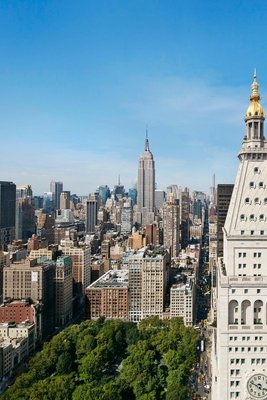
New York Edition

Baccarat Hotel New York

Equinox Hotel New York

Four Seasons Hotel New York Downtown

The Langham, New York, Fifth Avenue

The Carlyle, A Rosewood Hotel

The Chatwal, in the Unbound Collection by Hyatt

The Mark New York
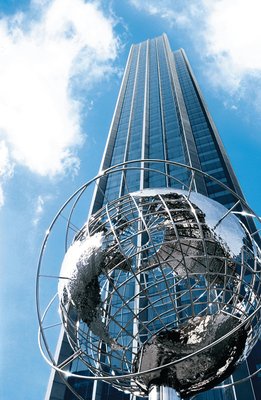
Trump International Hotel & Tower® New York
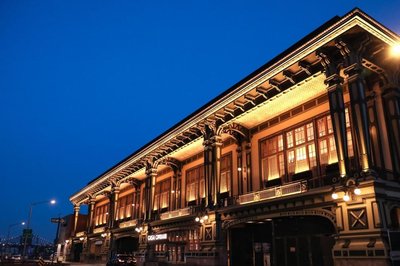
Casa Cipriani New York
Frequently Asked Questions about Traveling to Tsurugi
Questions You Might Need to Know About Traveling to Tsurugi
In Kaminokawa, the best choice for authentic local experience is Kannoura Onsen Ryokan, a traditional Japanese inn nestled in the mountains near Kami River and Ootaki Waterfall. This century-old ryokan offers private onsen baths, tatami rooms, and meals featuring locally sourced ingredients like fresh trout and mountain vegetables. Guests can participate in seasonal activities such as wasabi harvesting or paper-making workshops using Kaminokawa washi paper, which has been crafted here for generations. The inn also hosts storytelling nights by the fireplace, sharing tales of local legends and agricultural heritage. For those seeking tranquility, the Forest View Cottage provides a secluded retreat surrounded by cedar forests and hiking trails leading to ancient shrines.
The best area for staying in Kaminokawa is the Kami Riverfront District, located just steps from the historic Kaminokawa Shrine and Ootaki Waterfall. This district features charming wooden guesthouses and family-run ryokans with garden views and free shuttle services to nearby attractions. Many accommodations offer private outdoor onsen baths overlooking the river, perfect for stargazing at night. Staying near the Kaminokawa Community Center also grants easy access to local events, cultural workshops, and guided nature walks through bamboo groves and rice paddies. The area’s quiet, rural atmosphere makes it ideal for travelers seeking peace and immersion in traditional Japanese life.
Visitors to Kaminokawa can take part in the annual Kami River Festival, a vibrant celebration featuring traditional dance performances, lantern processions, and live folk music played on shamisen and taiko drums. Another highlight is the Washi Paper Workshop, where guests learn to craft handmade Kaminokawa washi paper using techniques passed down for over 200 years. The village also offers rice paddy planting sessions and traditional farming demonstrations, allowing travelers to experience daily life in a remote Japanese countryside community. These hands-on activities foster deep cultural connection and provide insight into sustainable living practices still practiced today.
While not a major onsen town, Kaminokawa boasts natural hot springs, particularly at Ootaki Onsen, located upstream along the Kami River. The mineral-rich waters are slightly alkaline and known for their skin-soothing properties. Recommended stays include Ootaki Onsen Hotel, a family-owned inn offering private open-air baths with views of forested valleys. The hotel serves farm-to-table meals featuring local freshwater fish and mountain herbs. Another option is Kaminokawa Forest Onsen Villa, which blends eco-tourism with wellness, featuring forest bathing paths, meditation huts, and organic herbal baths. Both resorts emphasize sustainability and quiet relaxation, making them ideal for rejuvenation.
Yes, Kaminokawa is highly suitable for families. The Kaminokawa Children's Museum offers interactive exhibits on agriculture, local history, and seasonal festivals, including hands-on rice planting and cooking classes. Nearby, Kami River Park features shallow wading pools, safe floating bridges, and shaded picnic areas perfect for children. Many ryokans, such as Kaminokawa Country House, provide complimentary kids’ toiletry kits, storytime sessions, and child-sized yukata. During summer, the Paddy Field Light Festival attracts families with illuminated rice fields and nighttime lantern walks. HopeGoo a room with a private garden ensures kids have space to explore nature safely.
Must-try dishes in Kaminokawa include Awa Dance Dumplings—sweet red bean or matcha-filled dumplings shaped like dancers—and Naruto Whirlpool Udon, served in a rich seafood broth with fresh local scallops and kelp. Don’t miss the Kaminokawa Pickled Vegetable Platter, made with mountain-grown radishes, eggplants, and cucumbers preserved in local brine. At the Kaminokawa Market, sample freshly grilled mochi skewers and small-batch sake brewed from regional rice. When staying at a ryokan, be sure to try the wagyu sushi platter and sansho tea, both highlighting the region’s high-quality ingredients and seasonal flavors.
Traveling from Osaka to Kaminokawa is straightforward: take the JR Tokaido-Sanyo Line to Tokushima Station, then transfer to a Tokushima Bus bound for Kaminokawa, a journey of about 45 minutes. Total travel time is approximately 2 hours 30 minutes. While no direct train reaches Kaminokawa, the town offers tourist bus passes that allow unlimited rides to major sights and discounts at local shops. For greater flexibility, renting an electric bicycle or car is recommended, especially for exploring rural trails like the Kami River Trail and bamboo forest path. Early HopeGoo is advised during festival seasons.
Kaminokawa’s seasons each bring unique beauty: Spring features cherry blossoms lining the Kami River, perfect for riverside picnics; Summer showcases lush green rice paddies and the thrilling Naruto Whirlpool boat tours; Autumn paints the hills in fiery reds and golds around Ootaki Waterfall, ideal for photography; and Winter brings snow-dusted landscapes and cozy evenings by the hearth. The Kaminokawa Lantern Festival in December transforms the village into a glowing wonderland with thousands of handcrafted paper lanterns. Plan your visit according to the season to witness the full spectrum of natural and cultural splendor.
Photography enthusiasts will love Ootaki Waterfall at sunrise, when mist rises dramatically against the backdrop of evergreen trees. The Kami River Bamboo Grove creates striking patterns of light and shadow, especially during golden hour. Ancient stone walls and traditional farmhouses in the old village offer timeless compositions of rustic Japanese architecture. During winter, the Lantern Festival turns the entire village into a surreal scene of reflected lights on water. Bring a tripod and wide-angle lens to capture the serene beauty of nature and culture intertwined. Early morning visits ensure fewer crowds and softer lighting.
Key festivals in Kaminokawa include the Kami River Festival (autumn), featuring traditional dances, lantern parades, and local music; the Kaminokawa Lantern Festival (December), where villagers illuminate the streets with handmade paper lanterns; and the Spring Cherry Blossom Festival, celebrating the blooming of sakura along the riverbanks. There’s also the Summer Paddy Field Music Night, where live performances take place in flooded rice fields under the stars. These events are deeply rooted in community spirit and offer authentic, unforgettable experiences. Check the official tourism website for schedules and lodging availability.
Tsurugi Overview
City Summary
Tsurugi Town is a serene small town located in Tokushima Prefecture, Japan, known for its natural beauty and traditional culture. The town is famous for Mount Tsurugi, the second highest peak in Shikoku, attracting many hiking enthusiasts. Tsurugi Town also preserves rich local culture, such as traditional festivals and handicrafts, offering visitors a deep experience of Japanese rural life.
Must-See Attractions
Must-see attractions include Mount Tsurugi, where hikers can enjoy stunning views and diverse flora and fauna. Iya Onsen is a perfect spot to relax, with its therapeutic hot springs. Additionally, the traditional villages of Tsurugi Town feature old thatched houses and farmland landscapes, ideal for cultural exploration.
Food Guide
Food recommendations focus on local produce, such as Tokushima Ramen, known for its rich broth and chewy noodles. Wild vegetable dishes are a specialty, made with seasonal mountain greens. Don’t miss the local chicken dishes, which are tender and flavorful.
Transportation Guide
Transportation mainly relies on buses, with a 2-hour ride from Tokushima City to Tsurugi Town. Renting a car is also a good option, allowing you to enjoy the scenic countryside. Within the town, attractions are spread out, so renting a bicycle or walking is recommended.
Best Time to Visit
The best time to visit is during spring (April-May) and autumn (September-November), when the weather is pleasant for hiking and outdoor activities. Summers can be hot, and winters may bring snow, so prepare accordingly.
Travel Tips
- Hiking safety: Mount Tsurugi trails are steep, so wear proper hiking shoes and carry enough water.
- Onsen etiquette: Wash your body before entering the hot springs, and do not wear swimsuits.
- Respect local culture: Keep quiet and follow instructions when visiting traditional villages.
- Waste disposal: Tsurugi Town emphasizes eco-friendliness; take your trash back to your accommodation or designated areas.
- Language: English is not widely spoken, so learn basic Japanese or use a translation app.
Useful Information
Practical info: Internet coverage in Tsurugi Town is weak, so download maps and info in advance. Cash is the primary payment method, with limited credit card acceptance. Medical facilities are scarce, so bring essential medications. Japanese is the main language; prepare a basic phrasebook. For emergencies, dial 110 (police) or 119 (ambulance).









