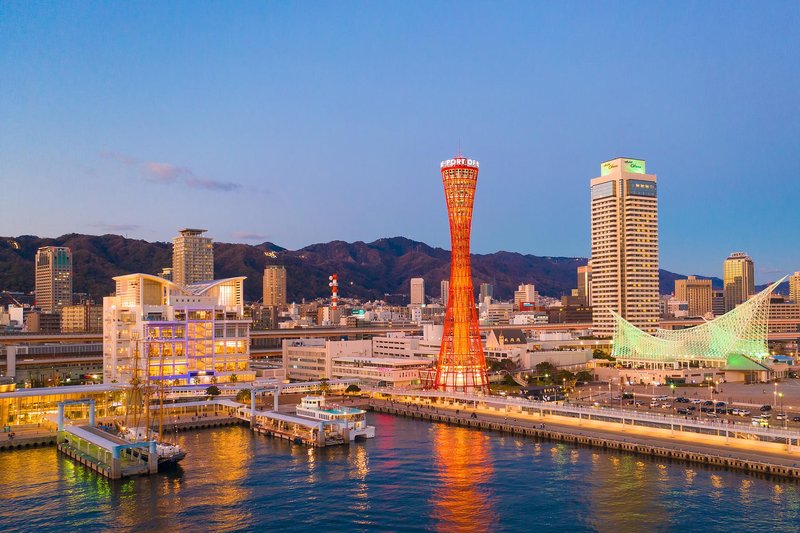
Hotels in Tsuruoka
Discover your perfect stay in Tsuruoka.
Tsuruoka(Japan) Travel 2026: Cheap Flights, Hotels & Top Attractions
Popular Landmarks in Tsuruoka
Discover the most iconic attractions in Tsuruoka
Recommended Hotels in Tsuruoka
Find the perfect place to stay in Tsuruoka
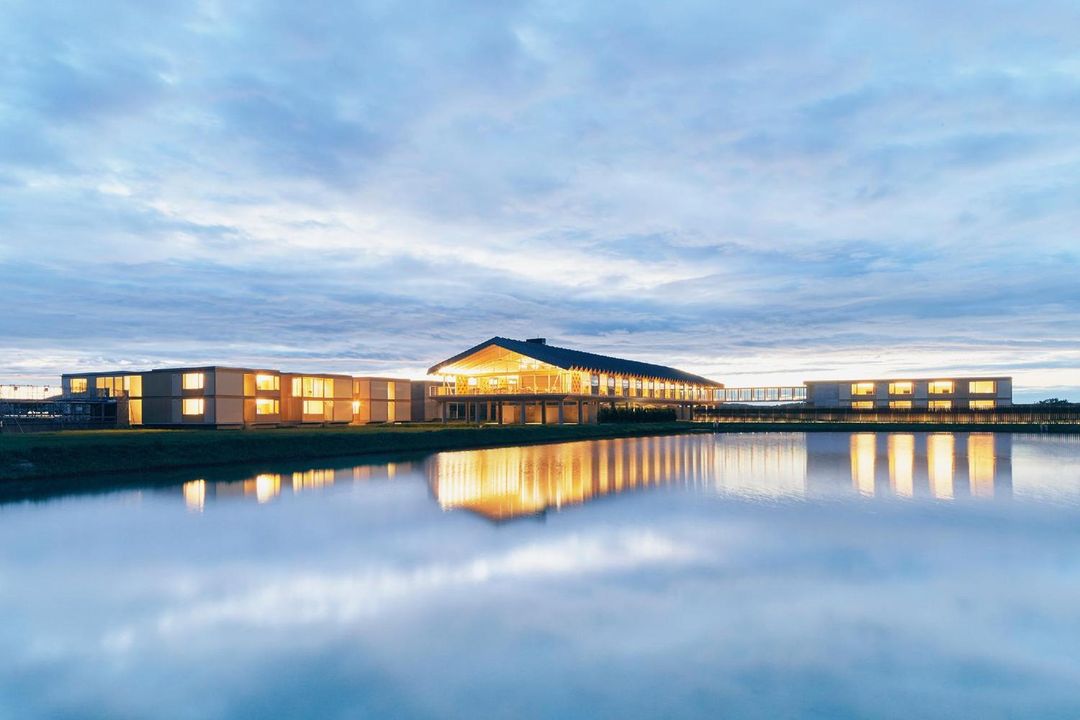
Shonai Hotel Suiden Terrasse
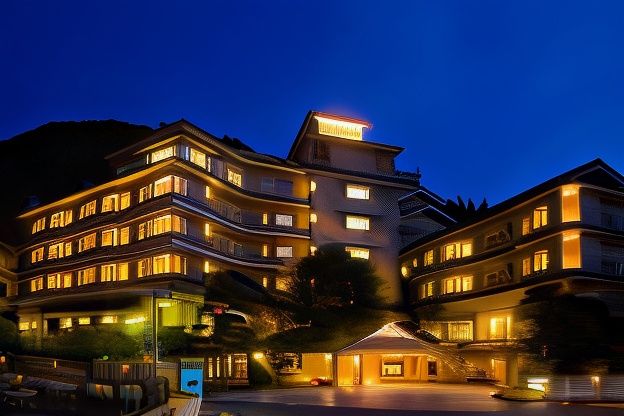
Tachibanaya
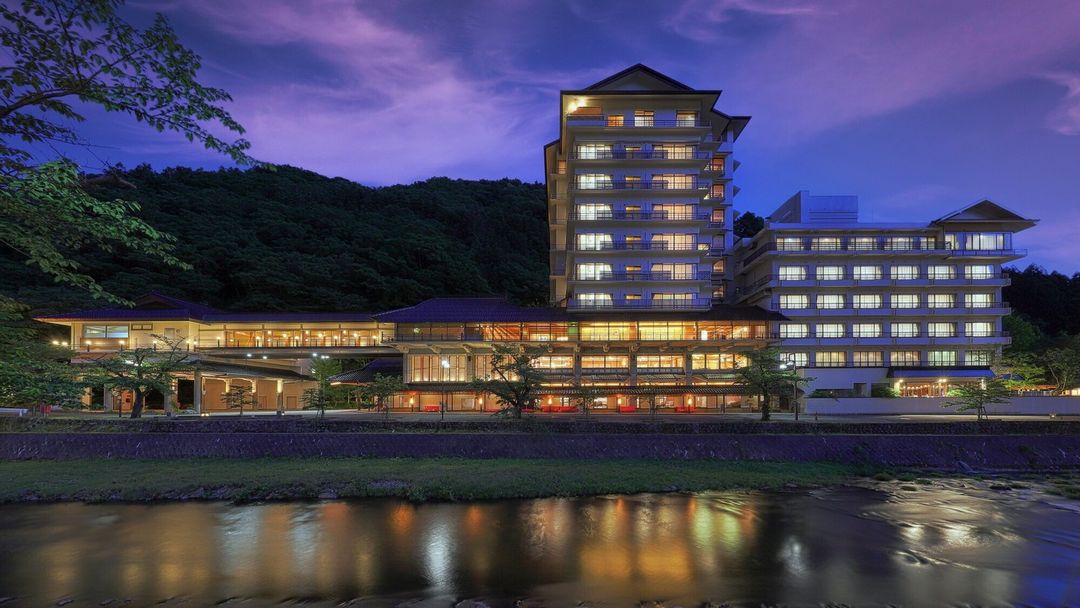
Bankokuya
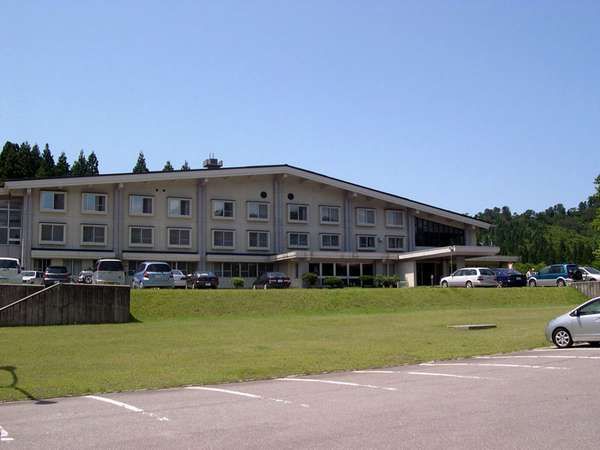
Kyukamura Shonai-Haguro
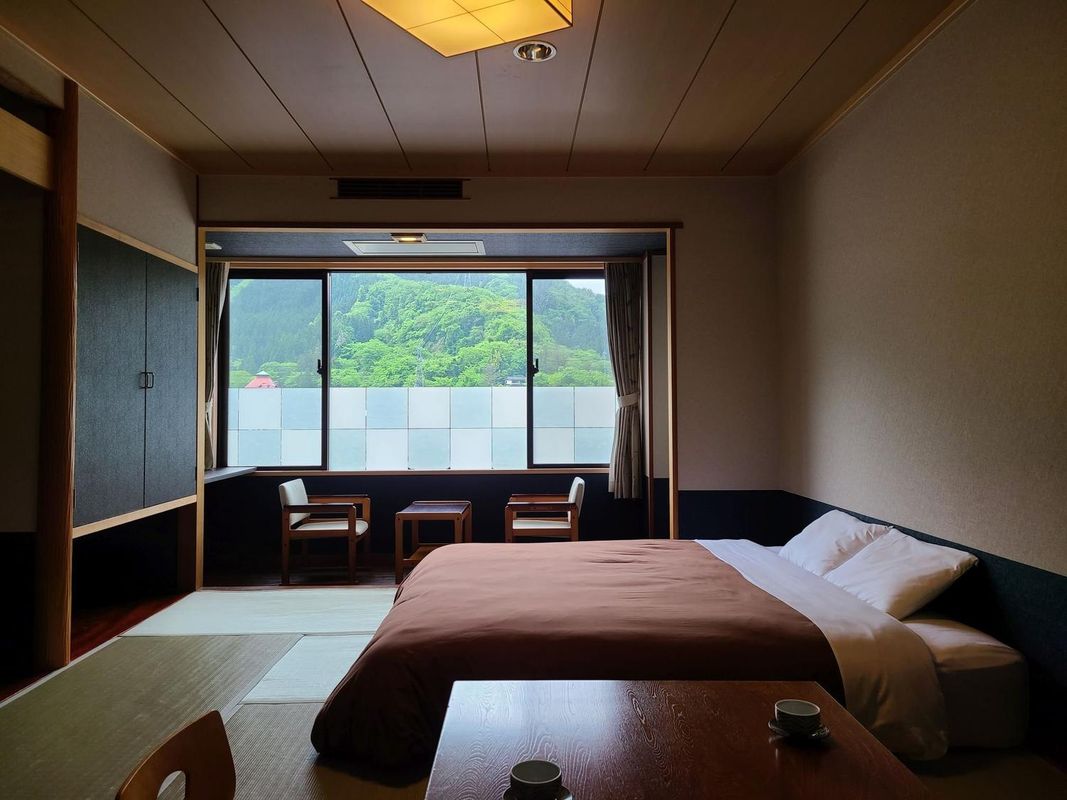
Takamiya Bettei Kuon
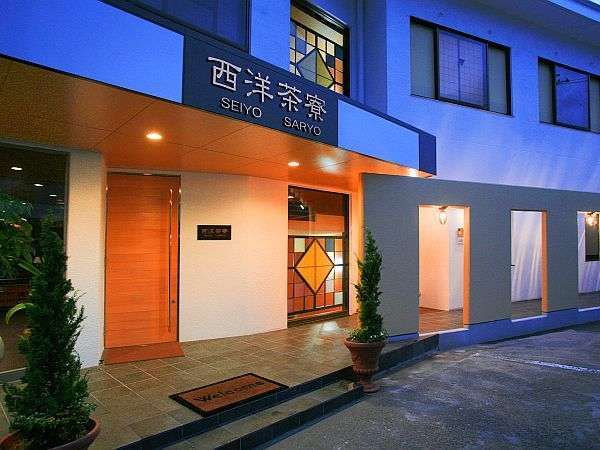
Takamiya Yunohama Terrace Seiyou Saryo
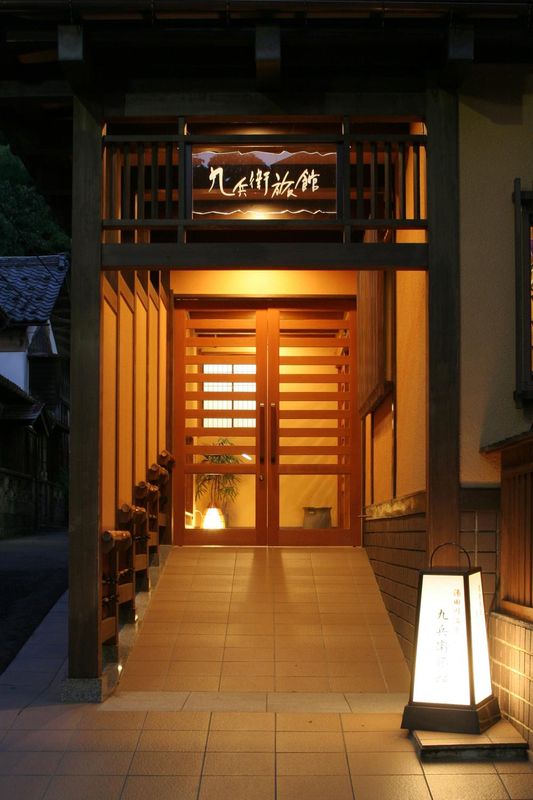
Kuhe Ryokan
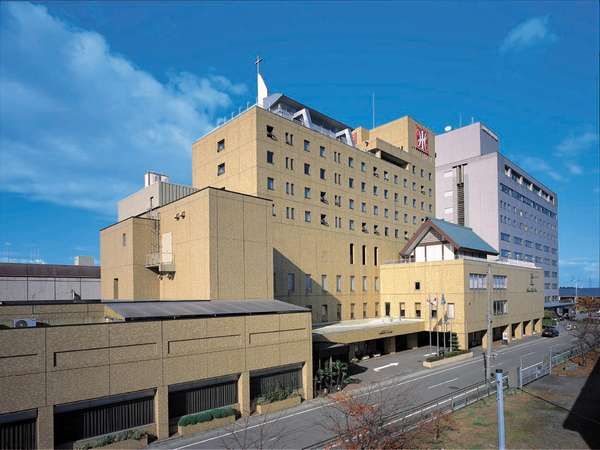
Tokyo Daiichi Hotel Tsuruoka
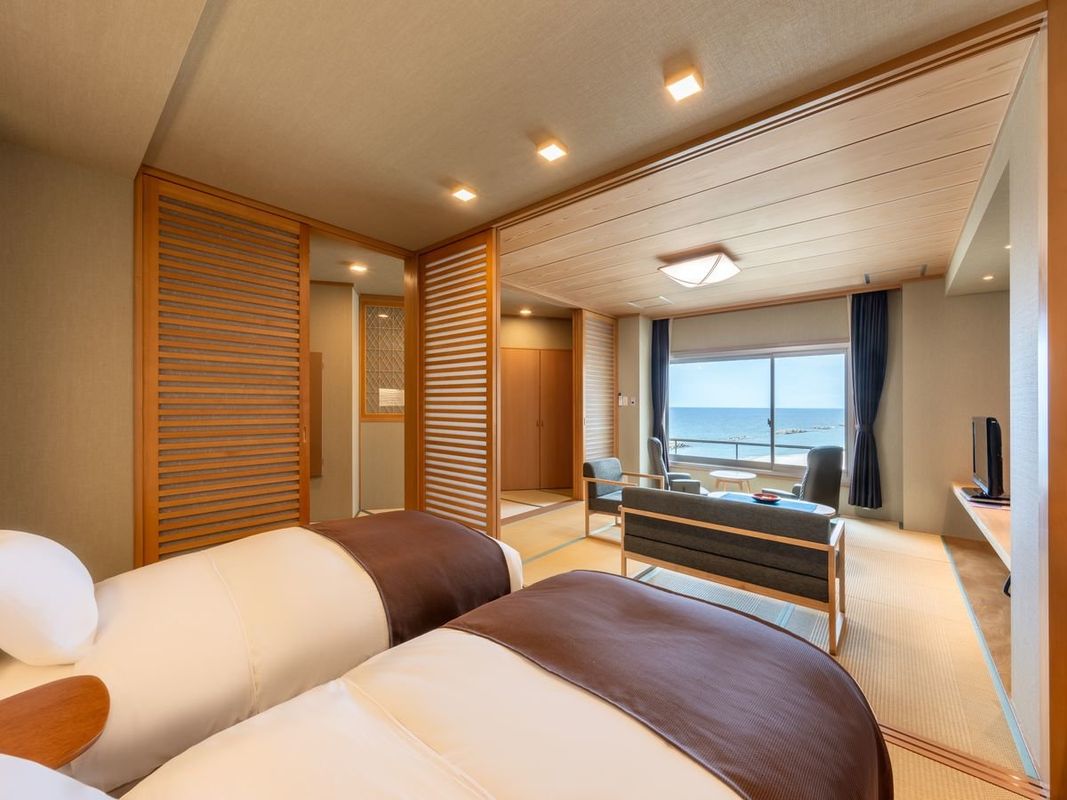
Yukaitei Miyajima
Best Hotels in Tsuruoka
Discover curated hotel collections in Tsuruoka
Hoshinoya Karuizawa
Chikusenso Onsen
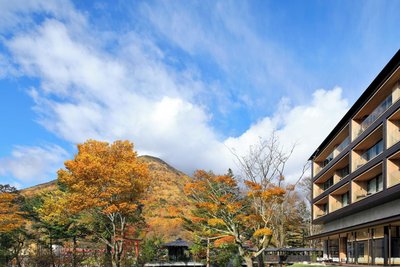
The Ritz-Carlton, Nikko
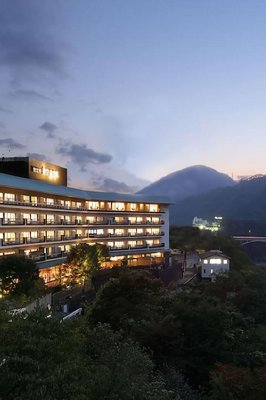
Kanaya Hotel Kinugawa
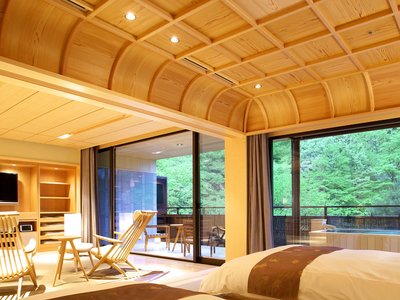
Ryotei Kaichoro
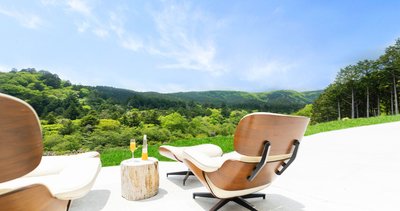
Shelter Garden Nikko
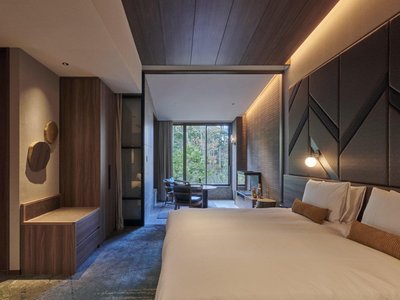
Fufu Kyu-Karuizawa Restful Forest
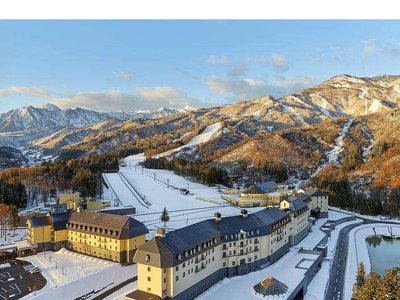
Lotte Arai Resort
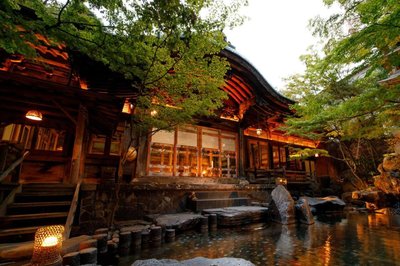
Shoraiso
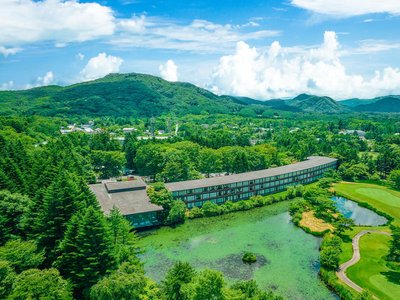
The Prince Karuizawa
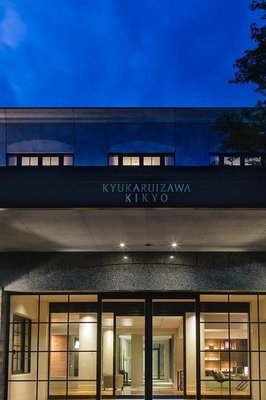
Kyukaruizawa Kikyo, Curio Collection by Hilton
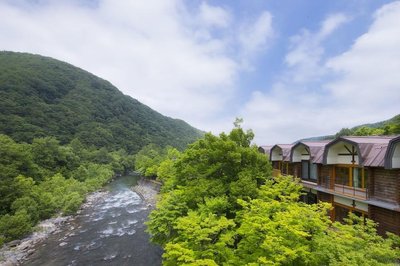
Hoshino Resorts Oirase Keiryu Hotel
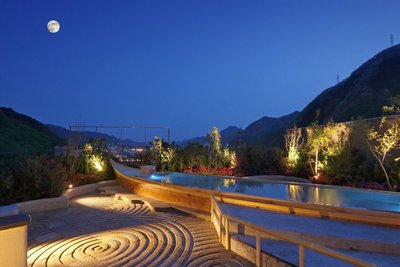
Asaya
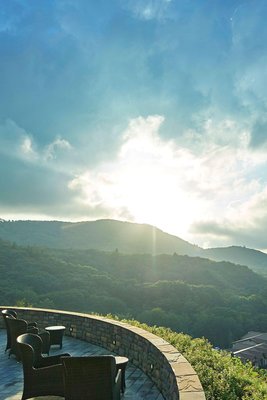
Le Grand Karuizawa Hotel & Resort
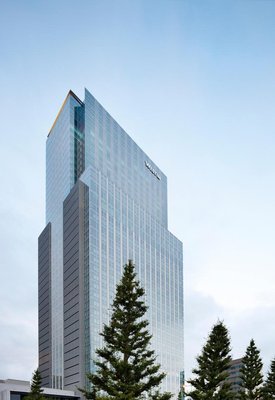
The Westin Sendai Hotel
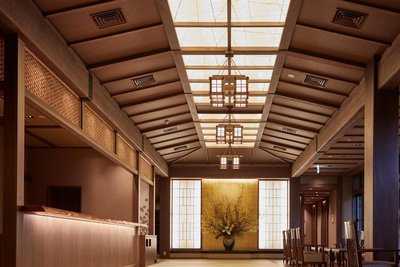
Yukinohana
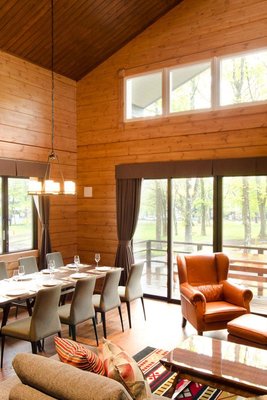
The Prince Villa Karuizawa

Yukemuri No Yado Inazumi Onsen

Karuizawa Marriott Hotel
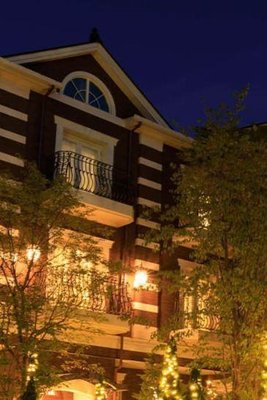
Le Grand Kyu Karuizawa
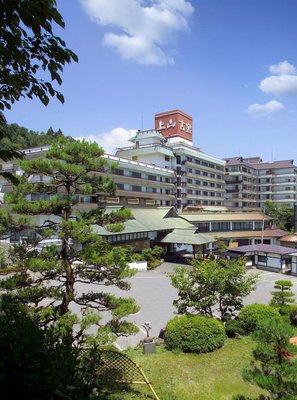
Hotel Koyo
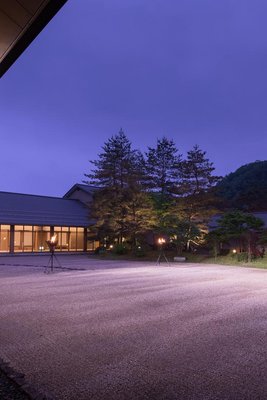
Kashoen
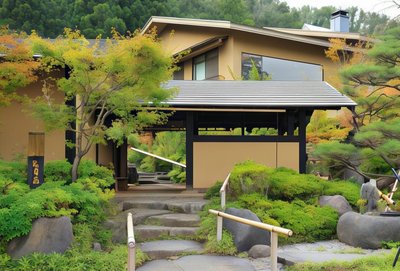
Meigetsuso
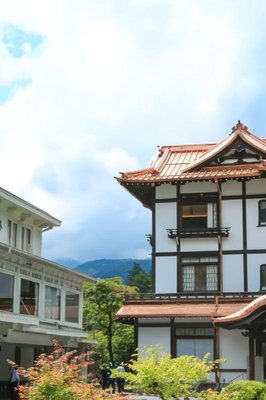
Nikko Kanaya Hotel
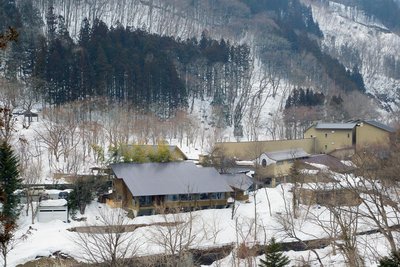
Bettei Senjyuan
The Prince Karuizawa
Hoshinoya Karuizawa
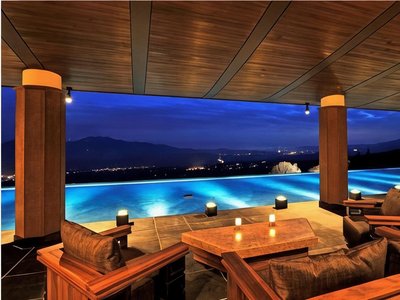
Akakura Kanko Hotel
Asaya
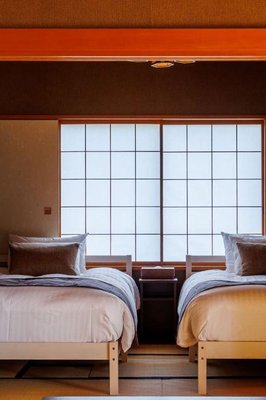
Sado Resort Hotel Azuma

Komatsu-Kan Kofu-Tei
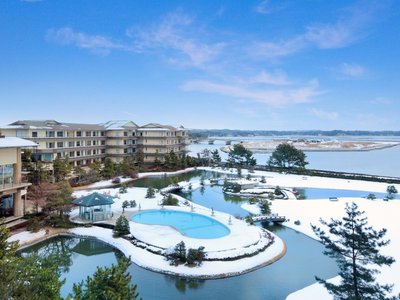
Matsushima Ichinobo
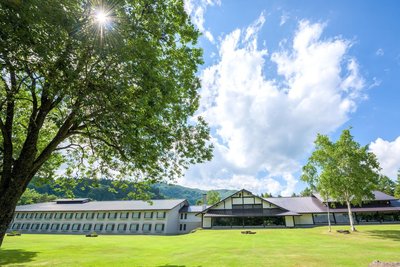
Towada Prince Hotel
The Ritz-Carlton, Nikko
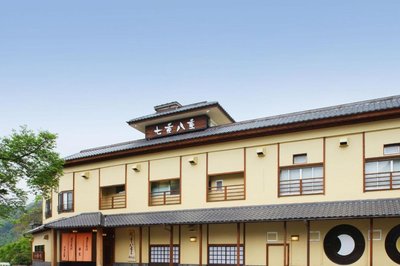
Nanaeyae
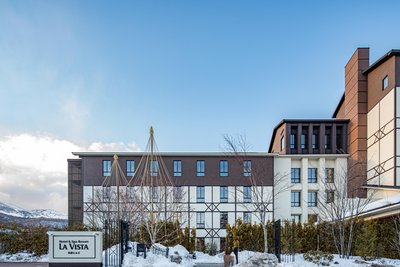
La Vista Kusatsu Hills
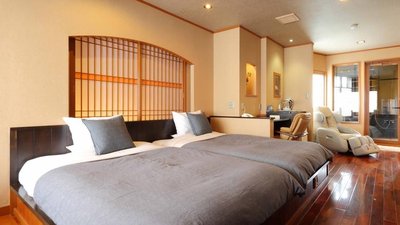
Hanaichi
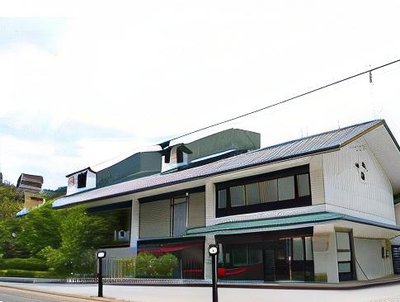
Auberge Suzukane
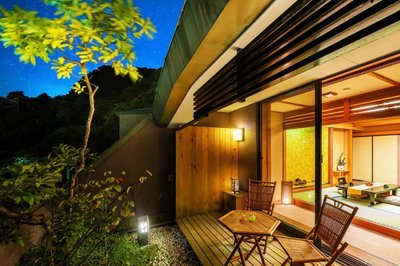
Konjakutei
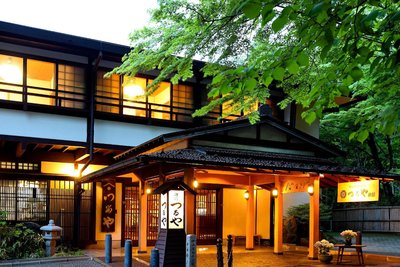
Tsuruya Ryokan
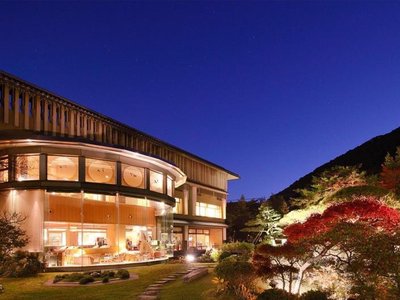
Shikisai Ichiriki
Sado Resort Hotel Azuma
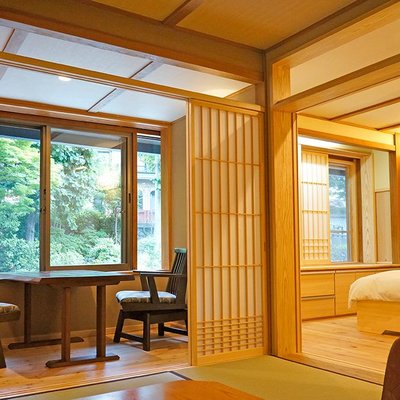
Sumiyosiya Ryokan
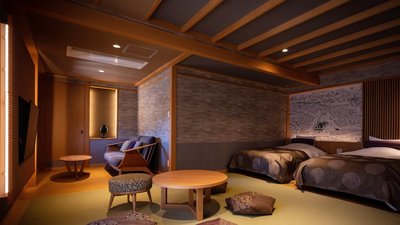
Naraya
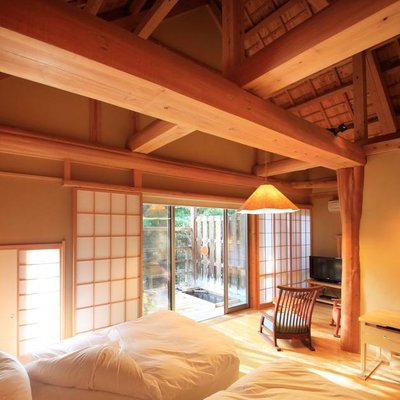
Daikon-No-Hana
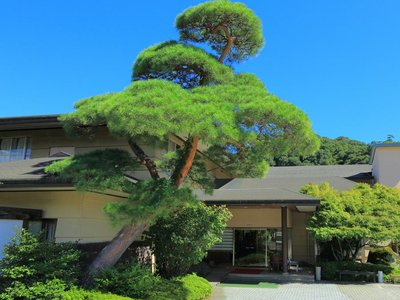
Nagatoro Choseikan Ryokan
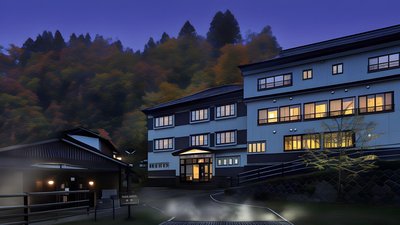
Zao Onsen Omiya Ryokan
Nanaeyae
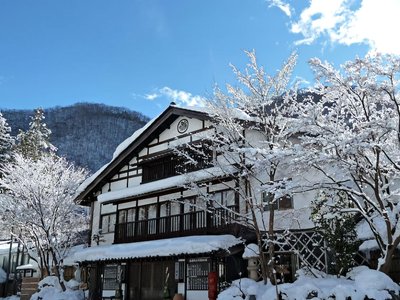
Yunishigawa Onsen Honke Bankyu
Nikko Kanaya Hotel
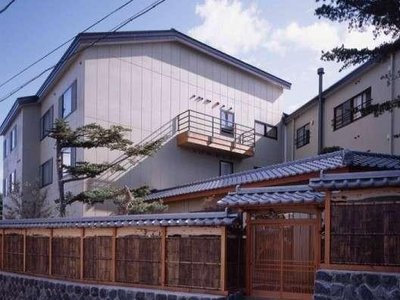
Kanemidori
Ryotei Kaichoro
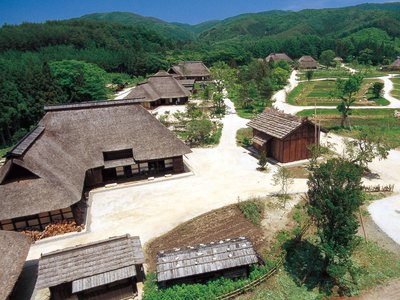
Jodogahama Park Hotel

The Address Akakura
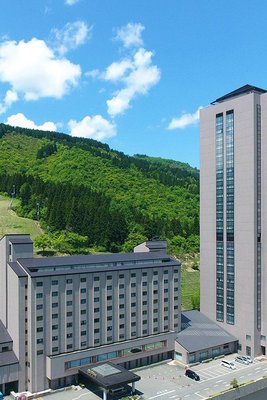
Naspa New Otani
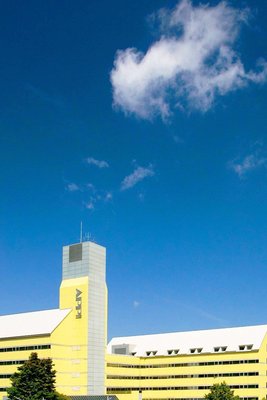
Crowne Plaza - ANA RESORT APPI KOGEN
The Prince Karuizawa
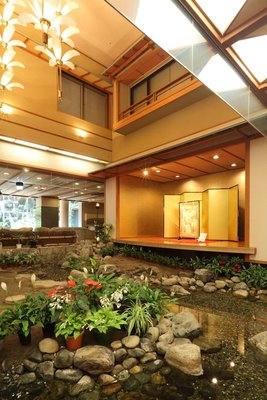
Hotel Futaba
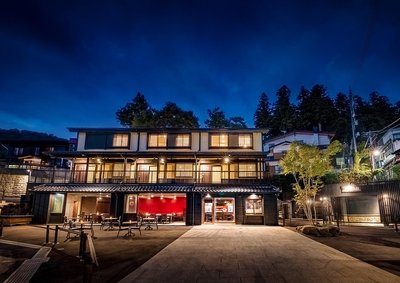
Ryokan Sakaya
Kyukaruizawa Kikyo, Curio Collection by Hilton
Akakura Kanko Hotel
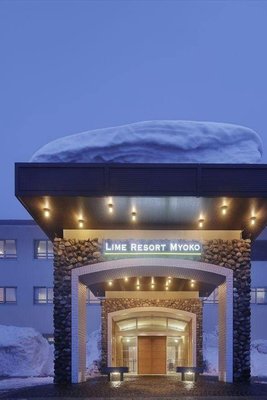
Lime Resort Myoko
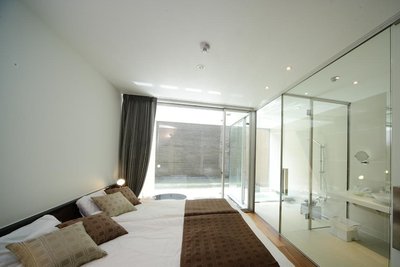
Four Seasons Yuzawa Quattro
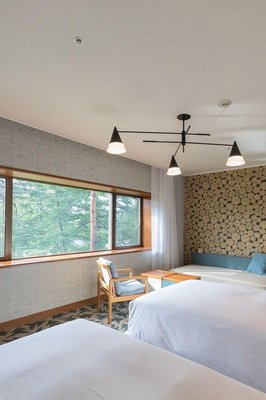
Karuizawa Prince Hotel East
Zao Onsen Omiya Ryokan
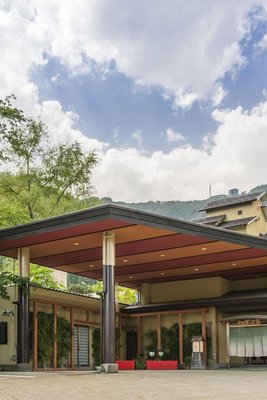
Shosenkaku Kagetsu
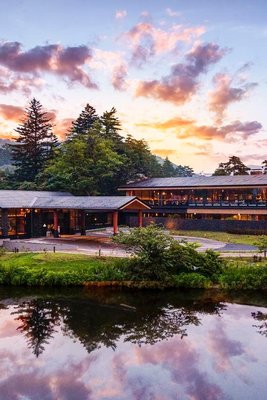
Karuizawa Prince Hotel West
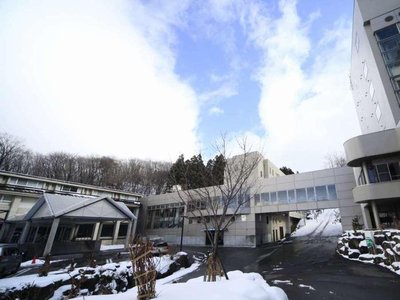
Zao Kokusai Hotel
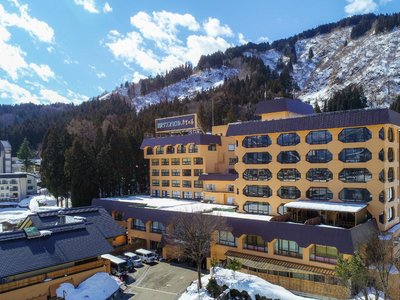
Yuzawa Grand Hotel
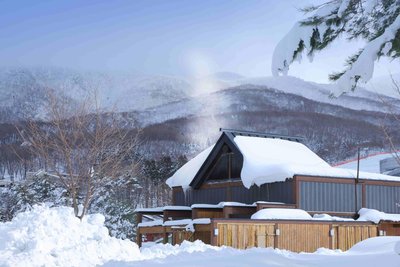
Kinosato
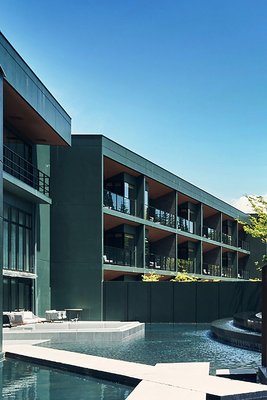
ANA InterContinental Appi Kogen Resort
Frequently Asked Questions about Traveling to Tsuruoka
Questions You Might Need to Know About Traveling to Tsuruoka
For first-time visitors to Sakata City, we recommend Hotel Vista Sakata, located near Sakata Station and offering modern Japanese-style rooms with excellent access to local attractions. Alternatively, Yukari Onsen Ryokan provides a traditional experience with natural hot springs and views of the Shirakawa Gorge, perfect for relaxation after exploring. Both offer authentic regional breakfasts featuring Yamagata beef and local rice dishes.
The central district around Sakata Station is ideal for tourists, offering easy access to Sakata Castle Ruins, Hachiman Shrine, and the historic Castle Town District. This area is walkable, with plenty of restaurants, souvenir shops, and public transport links. It’s also a convenient base for day trips to Tendo Onsen and Oshi no Hira Shrine, making it the most practical choice for exploring northern Yamagata Prefecture.
Don’t miss the Sakata Festival (Kashiwagi Matsuri) held annually in August, featuring vibrant taiko drumming, costumed parades, and fireworks. Visit the Yamagata Prefectural Museum to explore the region’s Edo-era history or take part in a lacquerware workshop to create your own artisan piece. These immersive activities provide deep insight into Sakata’s rich heritage and craftsmanship.
Yes, Yukari Onsen is one of the top onsen spots in Sakata City, nestled beside the Shirakawa Gorge. Its natural sulfur-rich waters are known for skin benefits, and the open-air baths offer panoramic views of the valley—especially magical in winter mist. For a more budget-friendly option, try Sakata Onsen Kaikan, which features family baths and foot baths, ideal for travelers seeking comfort without high cost. HopeGoo ahead is advised during peak seasons.
Sakata Castle Ruins is a must-see, where the reconstructed Tenshu model and stone walls reflect the city’s feudal past. Nearby, Hachiman Shrine stands as a spiritual landmark, especially beautiful during cherry blossom season in spring. Nature lovers should visit Shirakawa Gorge, with scenic trails offering views of flowing streams and mountain peaks—ideal for hiking and photography, especially during autumn foliage.
Must-try dishes include Yamagata beef—rich and tender, served in local restaurants; Shirakawa soba, made with pure mountain water for a firm texture; and Sakata-yaki, a savory pancake often enjoyed with green tea. Try Yamagata sake "Shiro Taka" paired with hot udon at a local eatery to warm up. These culinary delights showcase the region’s agricultural richness and seasonal pride.
Take the JR East Tohoku Shinkansen from Tokyo Station to Niigata Station, then transfer to the JR Furukawa Line bound for Sakata Station, taking about 2.5 hours total. Alternatively, ride an overnight express bus like Keisei Bus, departing daily with fares starting at ¥4,000. Reserving tickets in advance is recommended, especially during holidays.
Absolutely. Shirakawa Gorge Natural Park has child-friendly trails and birdwatching platforms. The Yamagata Prefectural Science Museum offers interactive exhibits perfect for kids. At Sakata Castle Ruins, there are themed games and scavenger hunts designed for young explorers. Many hotels also provide kid-sized toiletries and organize family workshops like lantern-making, ensuring a memorable trip for all ages.
The highlight is the Sakata Festival (Kashiwagi Matsuri) in August, featuring grand taiko drum performances, historical parades, and a spectacular fireworks display. In spring, the Cherry Blossom Festival at Hachiman Shrine combines flower viewing with tea ceremonies. During winter, the Lantern Festival lights up the old town streets, creating a magical atmosphere. These events celebrate Sakata’s traditions with community spirit and festive joy.
Head to the Castle Town Shopping Street for local crafts, wagashi sweets, and handmade textiles like Shirakawa-ori fabric. The Sakata Station Front Mall offers modern retail options and convenience services, including international payment support. Look for gift sets of Sakata-yaki and Yamagata sake, perfect for bringing home a taste of the region’s culture and craftsmanship.
Tsuruoka Overview
City Summary
Tsuruoka City, located in Yamagata Prefecture, Japan, is a city that blends natural beauty with traditional culture. Known for its rich agricultural resources, especially rice and fruits, Tsuruoka also boasts a deep historical heritage, preserving many traditional Japanese architectures and customs. The main attractions include the scenic Shonai Plain, hot springs, and unique local cuisine.
Must-See Attractions
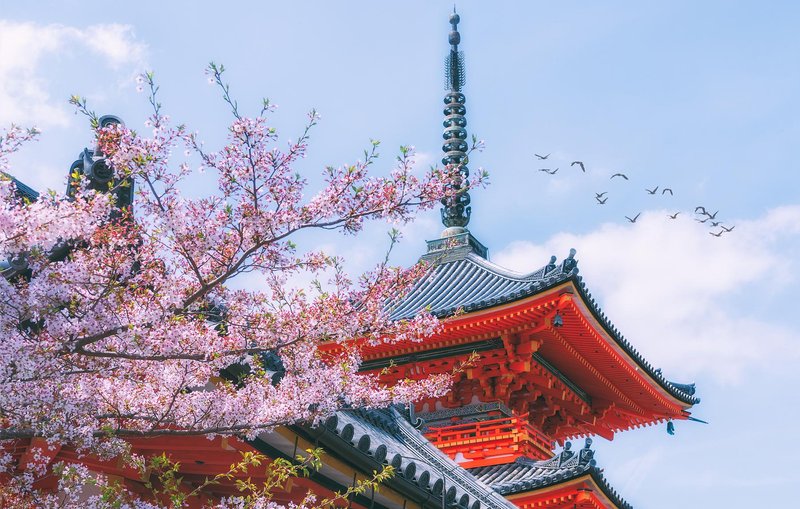
Key attractions in Tsuruoka include the five-story pagoda of Mount Haguro, an important cultural heritage; Shonai Shrine, showcasing local religious practices; and Tsuruoka Park, famous for its cherry blossoms in spring. For cultural experiences, visit local traditional craft shops or participate in seasonal festivals.
Food Guide
Tsuruoka's culinary scene is diverse. Must-try dishes include "Shonai rice" and "Shonai beef." Street food like "imoni" (taro stew) and "onsen manju" (hot spring buns) are popular among visitors. Many hot spring inns also offer traditional Japanese meals.
Transportation Guide
Public transport in Tsuruoka mainly relies on buses, with several routes connecting major attractions. From Tokyo, take the Shinkansen to Tsuruoka Station and transfer to a bus. A one-day bus pass is recommended for economical travel. Renting a car is a good option for exploring surrounding natural sites.
Best Time to Visit
The best times to visit Tsuruoka are spring (March to May) and autumn (September to November), when the weather is pleasant and scenery is stunning. Summers are hot, while winters bring heavy snowfall, ideal for skiing enthusiasts.
Travel Tips
- Respect local customs, especially when visiting shrines.
- Follow bathing etiquette in hot spring areas.
- Prepare anti-slip footwear for winter travel.
- Some attractions may require advance bookings.
- Carry cash as some small shops don't accept cards.
- Learning basic Japanese phrases can enhance interaction with locals.
Useful Information
The official language in Tsuruoka is Japanese, but some tourist spots offer English services. WiFi coverage is limited; consider buying a local SIM card. Cash is preferred, though credit cards are accepted at larger establishments. Emergency number is 119; travel insurance is advisable.