Hotels in Tsuruta
Discover your perfect stay in Tsuruta.
Tsuruta(Japan) Travel 2026: Cheap Flights, Hotels & Top Attractions
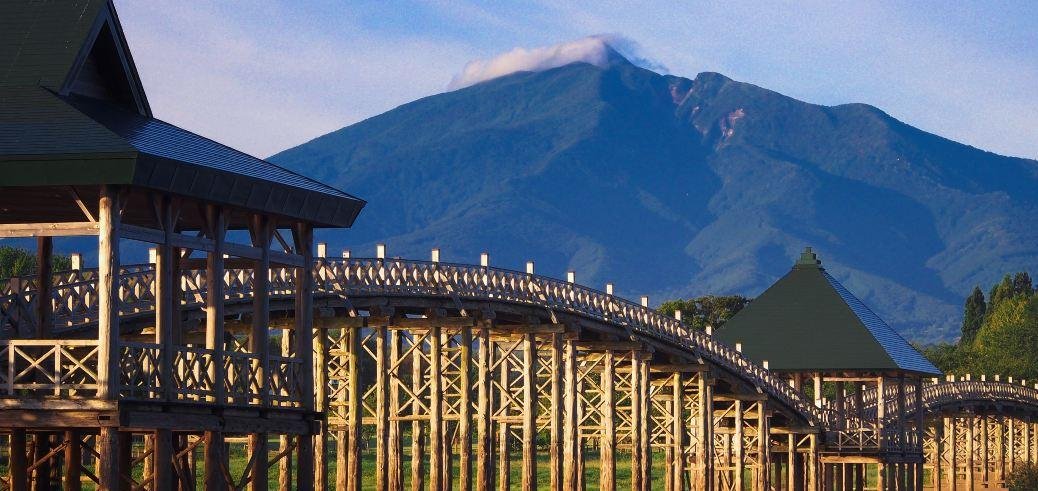
Popular Landmarks in Tsuruta
Discover the most iconic attractions in Tsuruta
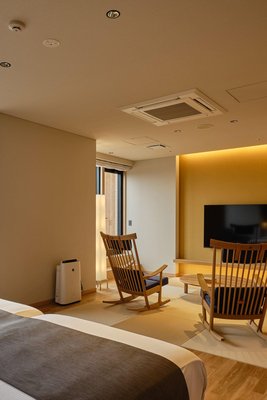
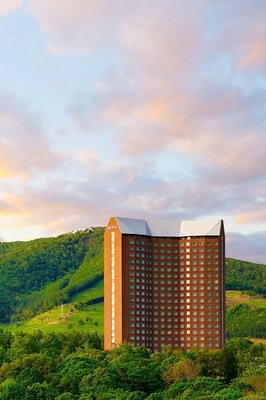
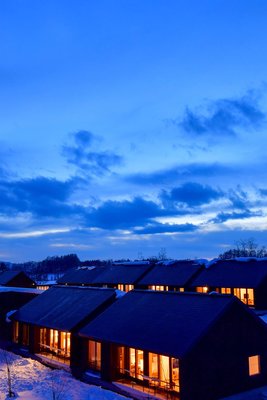
Best Hotels in Tsuruta
Discover curated hotel collections in Tsuruta
























Frequently Asked Questions about Traveling to Tsuruta
Questions You Might Need to Know About Traveling to Tsuruta
Tsuruta Overview
City Summary
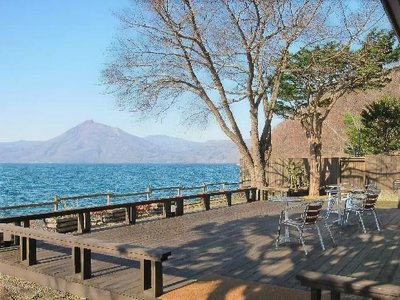
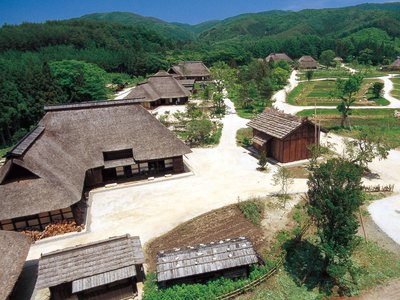
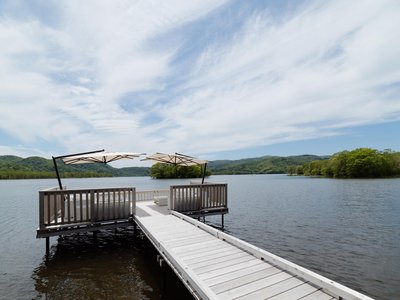
Tsurutacho is a tranquil rural town located in the western part of Aomori Prefecture, Japan, known for its beautiful natural scenery and traditional culture. The town is famous for Lake Tsuruta, which offers stunning views throughout the year, especially during the autumn foliage season. Tsurutacho also preserves many traditional Japanese rural landscapes, making it an ideal destination for experiencing Japanese countryside life.
Must-See Attractions
The main attraction in Tsurutacho is Lake Tsuruta, a perfect spot for enjoying nature and water activities. Additionally, the town's traditional farms and orchards are worth visiting, particularly during the cherry and apple blossom seasons. Don't miss the local cultural heritage sites, such as ancient shrines and temples, to immerse yourself in history.
Food Guide
Tsurutacho's cuisine features local produce, especially apples and seafood. Be sure to try the local apple pie and fresh seafood dishes like grilled fish and sushi. The town's rural cuisine is also unique, including traditional Japanese hot pots made with local vegetables.
Transportation Guide
Public transportation in Tsurutacho is limited, so renting a car is recommended. Alternatively, you can take the JR Ou Main Line to a nearby station and then transfer to a bus or taxi to reach Tsurutacho. Major attractions within the town can be accessed on foot or by bicycle, but some remote areas may require a vehicle.
Best Time to Visit
The best times to visit are spring (April to May) and autumn (September to October), when the weather is pleasant and the scenery is at its best. Summers can be hot, while winters are cold and snowy, ideal for those who enjoy snowscapes.
Travel Tips
- Respect local customs and maintain silence when visiting shrines.
- Spring and autumn are peak seasons; HopeGoo accommodations in advance is advised.
- Drive carefully on narrow mountain roads when renting a car.
- Prepare warm clothing and anti-slip shoes for winter visits.
- Be mindful of food allergies when trying local delicacies.
- Dispose of trash properly and keep the environment clean.
Useful Information
The primary language spoken in Tsurutacho is Japanese, with limited English proficiency, so learning basic Japanese or using a translation app is helpful. Internet coverage is generally good, but some remote areas may have weak signals. Cash is the main payment method, though credit cards are accepted at some shops and restaurants. Medical facilities are limited, so carrying basic medications and knowing the nearest hospital's location is advisable.









