Hotels in Tsushima
Discover your perfect stay in Tsushima.
Tsushima(Japan) Travel 2026: Cheap Flights, Hotels & Top Attractions
Popular Landmarks in Tsushima
Discover the most iconic attractions in Tsushima
Recommended Hotels in Tsushima
Find the perfect place to stay in Tsushima
Best Hotels in Tsushima
Discover curated hotel collections in Tsushima













Frequently Asked Questions about Traveling to Tsushima
Questions You Might Need to Know About Traveling to Tsushima
In Tsushima City, the top family-friendly hotel is Hotel Tokyu Inn Tsushima, located near Tsushima Station and within walking distance to Tsushima Shrine and Tsushima Port. This hotel offers spacious family rooms, child-friendly amenities, and a complimentary breakfast buffet. Its central location provides easy access to local attractions like Tsushima Park and the Tsushima Municipal Library, making it ideal for parents seeking comfort and convenience. The staff is welcoming, and the area is safe and quiet—perfect for a relaxed family getaway.
The best area for accommodation in Tsushima City is the central district around Tsushima Station. It offers excellent transport links via the Meitetsu Tsushima Line, connecting directly to Nagoya in about 30 minutes. The area features supermarkets, restaurants, cafes, and convenient public services. Plus, you can easily walk to cultural landmarks like Tsushima Shrine and Tsushima Port, giving visitors a true taste of local life. With clean streets, low noise levels, and a peaceful atmosphere, this district is perfect for both short stays and longer explorations.
Yes, Tsushima City offers authentic cultural experiences such as participating in the Spring and Autumn Grand Festivals at Tsushima Shrine, which feature traditional mikoshi processions and ancient dances. Visitors can also explore the Tsushima Port Market, where fresh catches like eel and mackerel are sold daily. Many local hotels offer kimono rental and walking tours through historic alleys, allowing guests to dress in traditional attire and stroll past centuries-old wooden houses. These immersive activities provide deep insight into the city’s Shinto heritage and maritime legacy.
While Tsushima City itself does not have hot springs, nearby Toyohashi City and Kariya City boast excellent onsen resorts. A recommended option is Nikko Hotel Hekkō Onsen in Toyohashi, just a 30-minute drive away. It features indoor and outdoor baths surrounded by nature, with therapeutic mineral waters. For a more rustic experience, consider Yumeno Sato Kouno-Kan in Kariya, a 45-minute ride from Tsushima. Both resorts offer relaxing retreats ideal for unwinding after exploring the region's historic sites and scenic coastline.
Tsushima City is ideal for travelers who appreciate quiet, authentic Japanese culture and those interested in Shinto traditions, coastal history, and traditional festivals. Its proximity to Nagoya (just 30 minutes by train) makes it perfect for day trips or weekend getaways. Families, retirees, and solo travelers alike will enjoy the small-town charm, clean environment, and safety. With minimal tourist crowds and strong community spirit, Tsushima offers a refreshing contrast to bustling urban centers—ideal for meaningful, slow-paced travel.
Must-visit historical landmarks in Tsushima City include Tsushima Shrine, founded in the 7th century and recognized as the head shrine of over 1,200 similar shrines nationwide. Its architectural beauty reflects Edo-period craftsmanship. Also notable is the Tsushima Port Ancient Burial Mounds, an archaeological site dating back to the Kofun period, where excavated artifacts like bronze mirrors and pottery reveal insights into ancient seafaring trade. Together, these sites highlight Tsushima’s significance as a key maritime hub in early Japanese history.
Nighttime highlights in Tsushima City include viewing the Tsushima Port night view, where city lights blend with harbor illumination, creating a stunning skyline. During festivals, Tsushima Shrine hosts lantern lighting ceremonies, with red paper lanterns glowing along the torii gate for a magical effect. Local izakayas and seafood restaurants remain open late, offering dishes like Tsushima eel rice and fresh sashimi. Walking along the illuminated promenade after dark is a peaceful way to enjoy the city’s serene ambiance and warm hospitality.
Be sure to try Tsushima eel rice (Tsushima Unagi Don), made with locally caught eel grilled in a savory sweet-salt sauce—perfectly tender and rich in flavor. At Tsushima Port Market, sample fresh mackerel sashimi and scallop sushi delivered daily. Another local favorite is Tsushima mochi, a sweet rice cake filled with red bean paste or brown sugar syrup, often gifted during festivals. Some hotels even offer hands-on cooking classes where you can learn to prepare these traditional dishes yourself—great for food lovers seeking genuine regional flavors.
Yes, transportation in Tsushima City is very convenient. The city is served by Tsushima Station on the Meitetsu Line, providing direct rail connections to Nagoya in approximately 30 minutes. An extensive bus network covers all major areas, including temples, parks, and shopping districts. From Nagoya Airport or Chūbu Centrair International Airport, a taxi or rental car takes about 40 minutes. Most attractions like Tsushima Shrine and Tsushima Port are within walking distance or accessible by bicycle, making it easy for tourists to explore without a car.
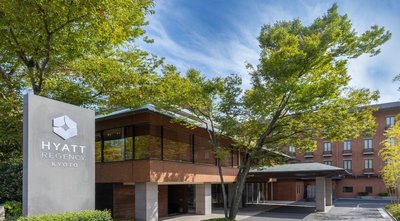
While Tsushima City isn’t a commercial hub, hotels like Hyatt Regency Tsushima offer business-friendly facilities such as high-speed Wi-Fi, meeting rooms, and a dedicated business center. Located steps from Tsushima Station, it ensures quick access to Nagoya and other corporate centers in Aichi Prefecture. The city also has several quiet cafés and co-working spaces ideal for remote work. For professionals needing a calm, efficient base for short business trips or intercity meetings, Tsushima provides a peaceful alternative to crowded urban hotels—offering both productivity and tranquility.
Tsushima Overview
City Summary
TsuShima City, located in the western part of Aichi Prefecture, Japan, is a city rich in history and traditional culture. It is renowned for the TsuShima Shrine, one of Japan's important religious centers, attracting numerous visitors annually. The city exudes a tranquil atmosphere, preserving the charm of the Edo period with traditional Japanese architecture lining its streets. TsuShima is also a cultural hub of the Owari region, hosting vibrant festivals like the TsuShima Tenno Festival, which showcases unique local customs.
Must-See Attractions
The TsuShima Shrine is a must-visit, boasting a thousand-year history and dedicated to Gozu Tenno, with magnificent architecture. Nearby, Tenno River Park is famous for cherry blossoms in spring. The TsuShima Old Town retains its Edo-period charm, perfect for a leisurely stroll. For traditional crafts, visit local washi paper workshops to experience handmade paper-making. At night, explore the TsuShima Night Market for authentic street food and local life.
Food Guide
TsuShima's cuisine is influenced by the Owari region, with miso nikomi udon (udon noodles in miso broth) as a local specialty. Kishimen (flat udon noodles) is another must-try, known for its smooth texture. Street food favorites include fried shrimp rice balls and soy sauce dumplings. In summer, try hiyashi chuka (cold ramen) for a refreshing meal. Traditional wagashi shops offer sweets like red bean daifuku and yokan.
Transportation Guide
TsuShima is accessible via the JR Tokaido Line and Meitetsu TsuShima Line, with a 30-minute ride from Nagoya Station. Within the city, walking or renting a bicycle is ideal for exploring. Buses are infrequent, so check schedules in advance. Taxis are convenient but costly. For nearby cities, consider the Meitetsu Day Pass for savings. Drivers should note narrow roads and limited parking.
Best Time to Visit
The best time to visit is spring (March-May) for mild weather and cherry blossoms. Autumn (September-November) offers beautiful foliage. Summer (June-August) is hot and humid but features festivals like the TsuShima Tenno Festival. Winter (December-February) is quiet and cold, suited for those preferring solitude.
Travel Tips
- When visiting TsuShima Shrine, follow etiquette like purifying hands and mouth.
- Locals value quietness; keep noise low in public.
- Strict waste separation—dispose of trash properly.
- Some small shops only accept cash; carry yen.
- Bicycle rentals require a passport; obey traffic rules.
- Summer calls for sun and mosquito protection; winter requires warm clothing.
Useful Information
Japanese is the main language; some attractions have basic English signs. Download a translation app. Mobile coverage is good; prepaid SIMs are available at convenience stores. Cash is preferred, though credit cards work at larger stores. For emergencies, dial 110 (police) or 119 (ambulance). Drugstores are common for over-the-counter medicine. Voltage is 100V with two-flat-pin plugs, compatible with Taiwan's, no adapter needed.









