Hotels in Tsuwano
Discover your perfect stay in Tsuwano.
Tsuwano(Japan) Travel 2026: Cheap Flights, Hotels & Top Attractions
Popular Landmarks in Tsuwano
Discover the most iconic attractions in Tsuwano
Recommended Hotels in Tsuwano
Find the perfect place to stay in Tsuwano
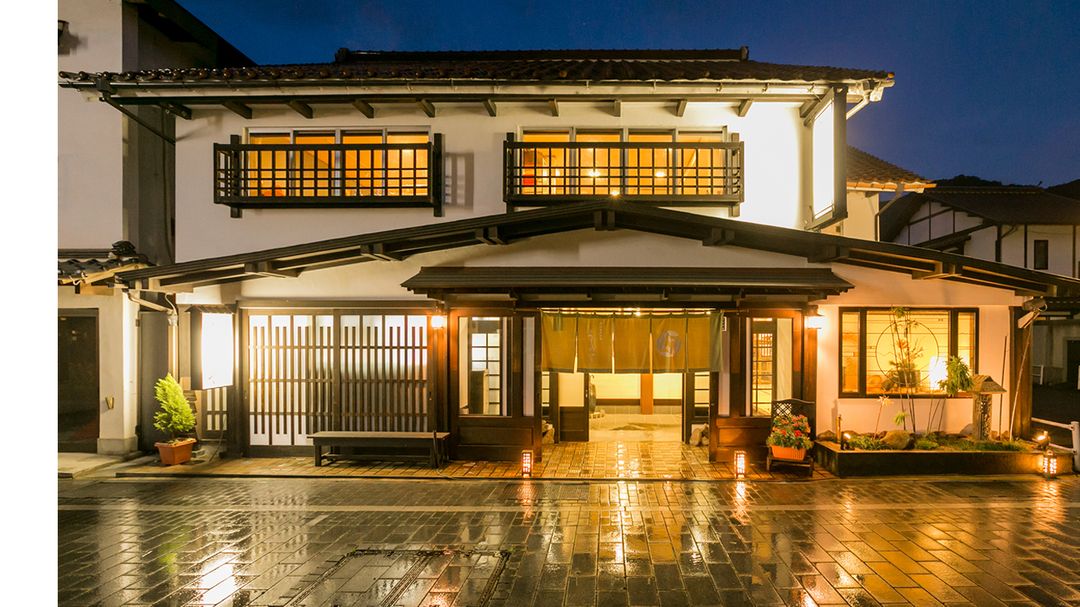
Tsuwano Yoshinoya
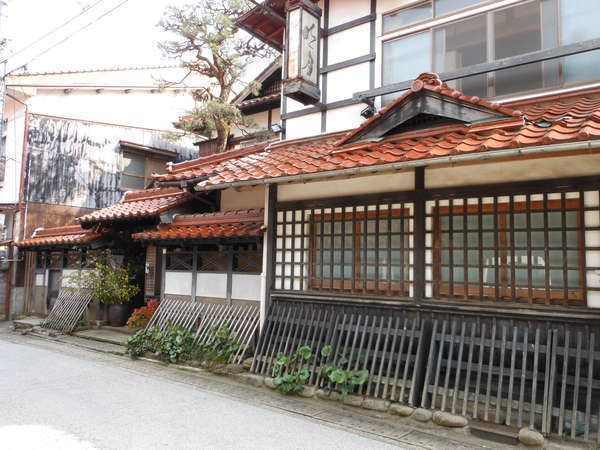
Noren Yado Meigetsu
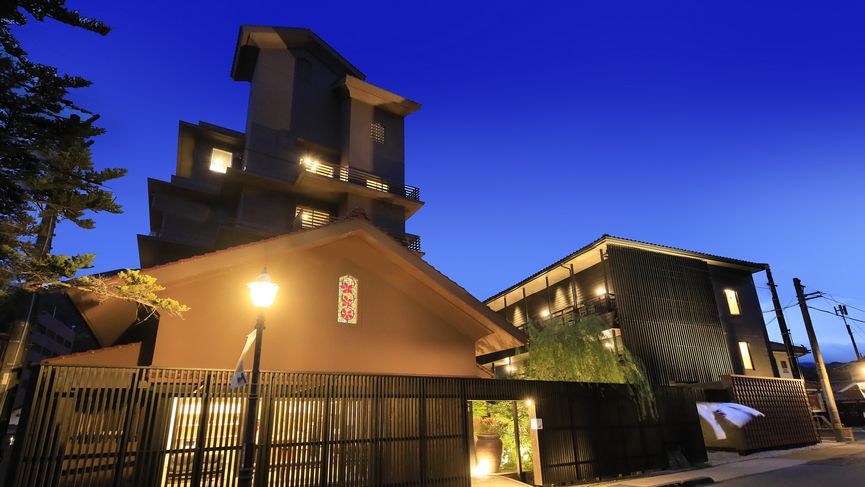
Yutorelo Tsuwano
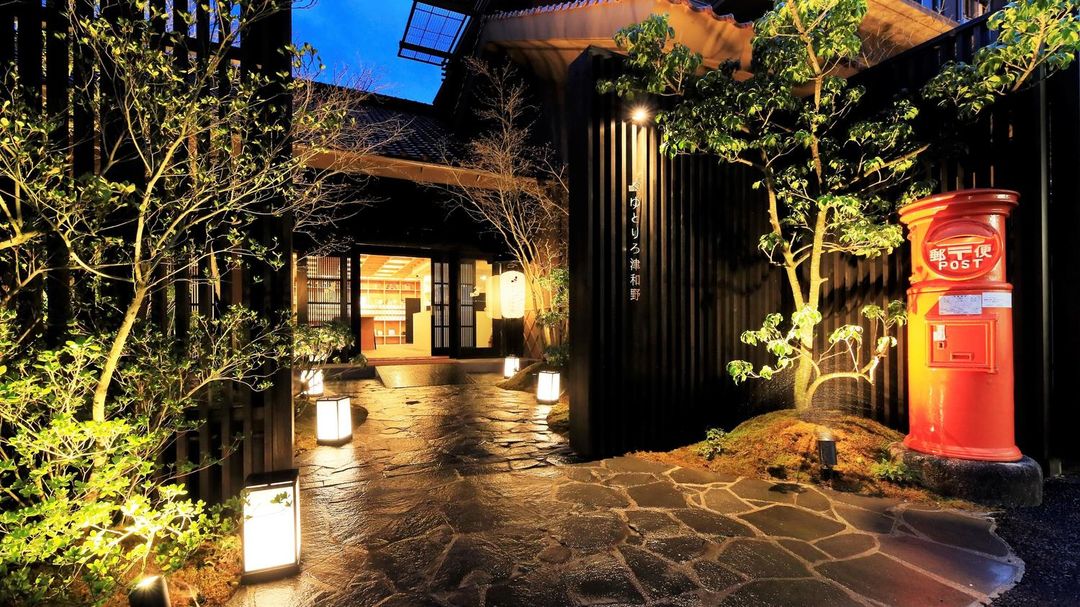
YutoreloTsuwano
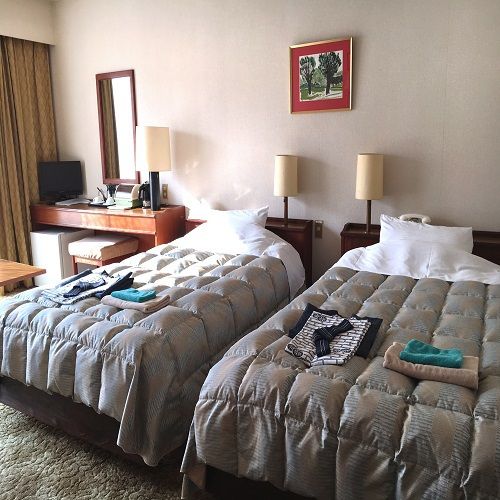
Tsuwano Hotel
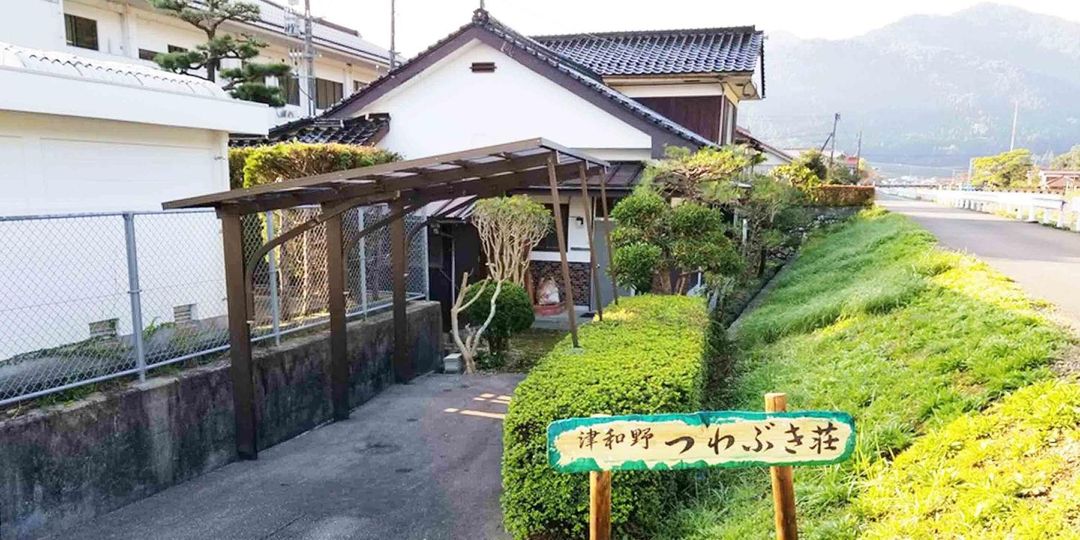
Tuwano sou
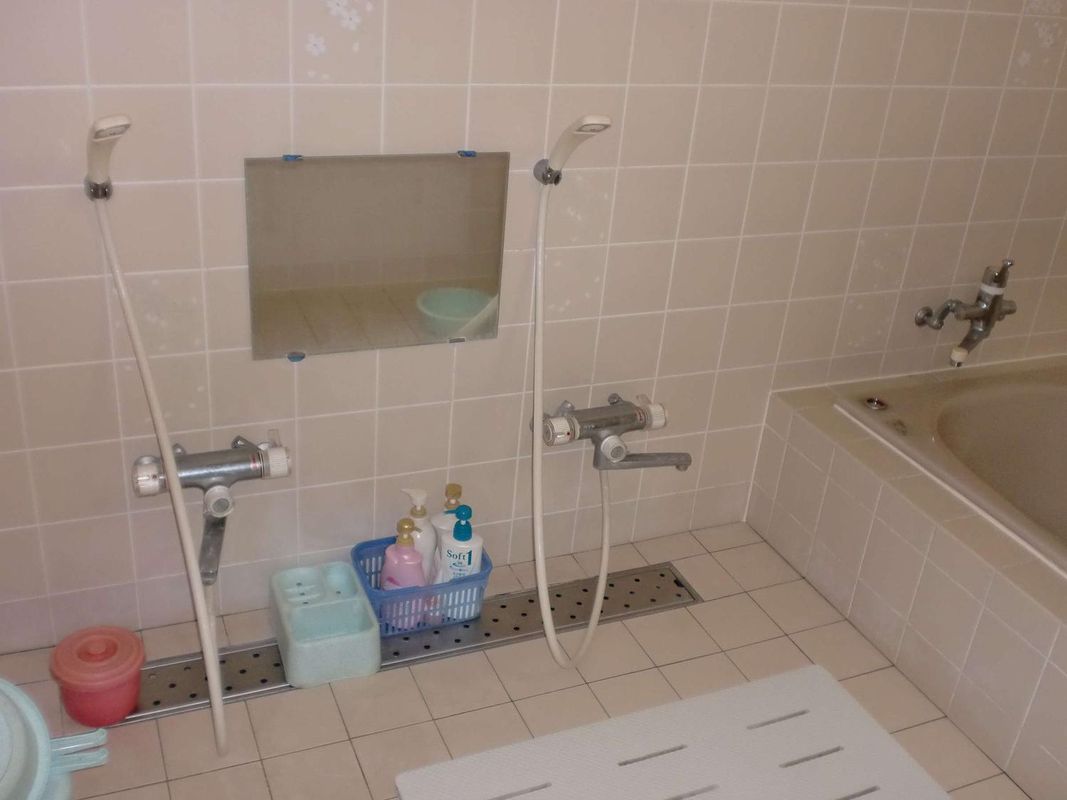
Hoshi Ryokan
Best Hotels in Tsuwano
Discover curated hotel collections in Tsuwano
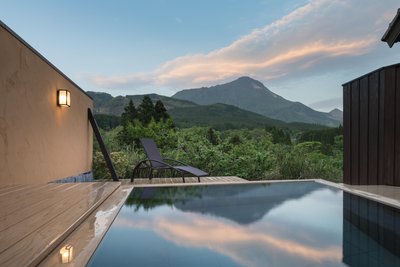
Ikkoten
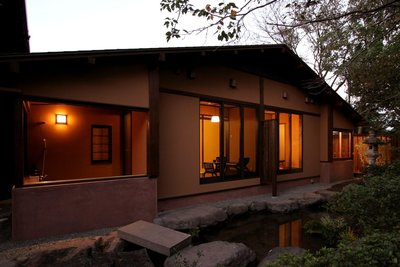
SEKIYA RESORT Bettei Haruki
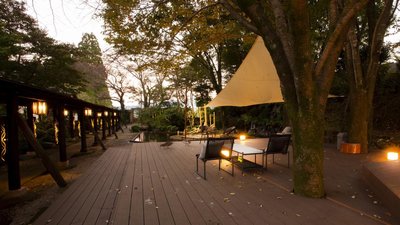
Chikurakutei
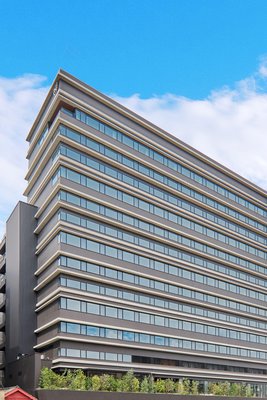
The Royal Park Canvas Fukuoka Nakasu
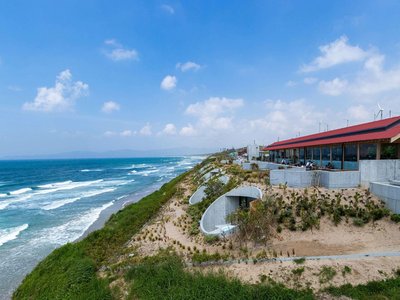
Izumo Hotel the Cliff
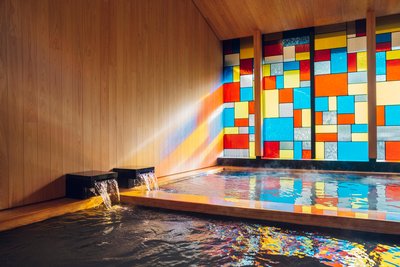
Hoshino Resorts Kai Unzen
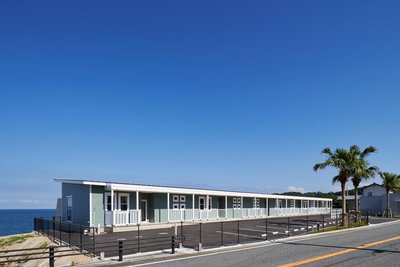
Alfacio Resort Stay Itoshima

Ureshino Yadoya

seven x seven itoshima
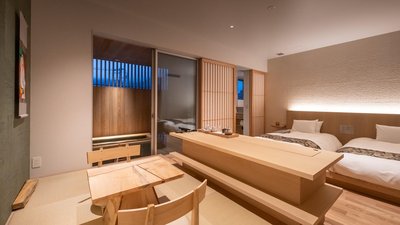
Japanese Auberge Kararako
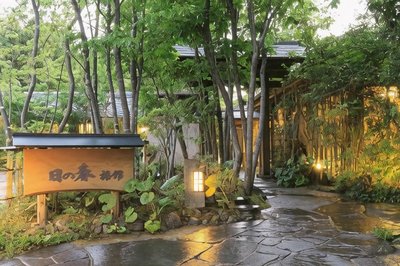
Yufuin Onsen Hinoharu Ryokan
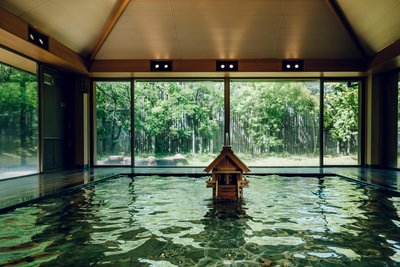
Hoshino Resorts KAI Tamatsukuri
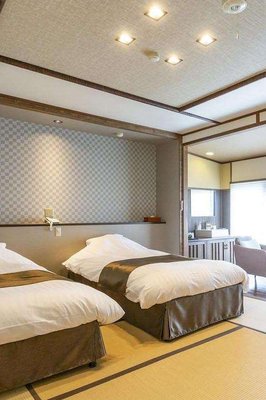
Sozankyo
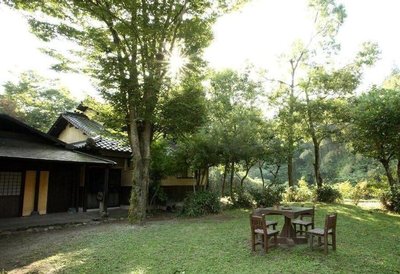
Yamashinobu
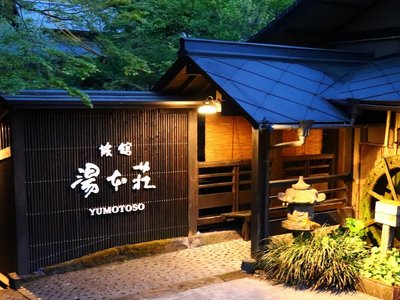
Ryokan Yumotosou
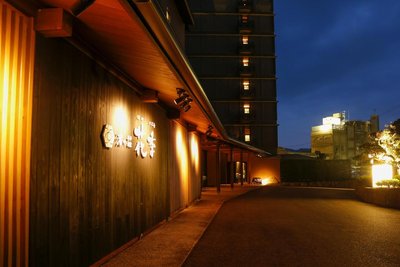
Hanagoyomi
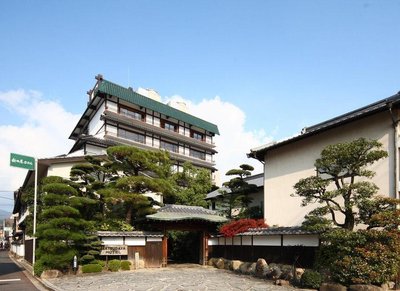
Matsudaya Hotel
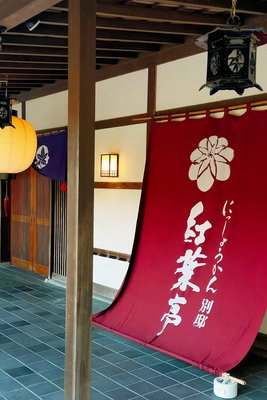
Nisshokan Bettei Koyotei
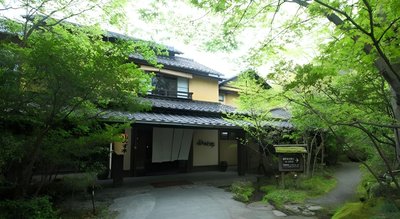
Kurokawaonsen Yamamizuki
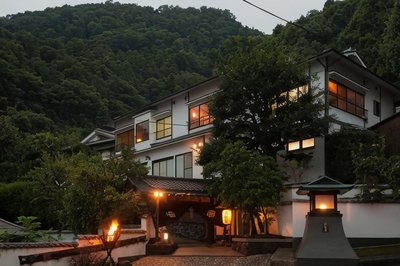
Beppu Showaen
Hanagoyomi

AoAwo Naruto Resort

Garden Terrace Nagasaki Hotel & Resort

Holiday Inn Resort Miyazaki
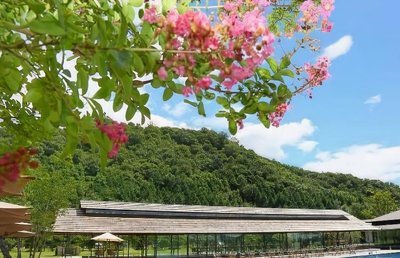
Bella Vista Spa and Marina Onomichi
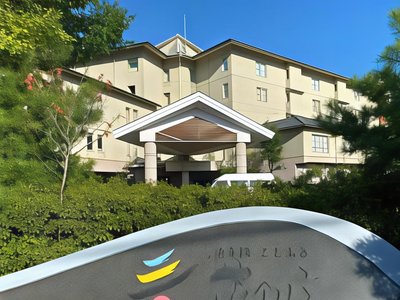
Yufuin Kotobuki Hananosho
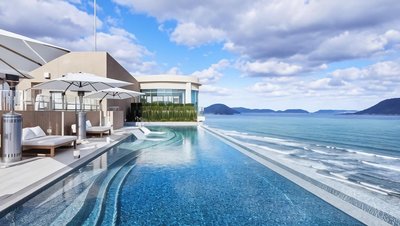
Karatsu Seaside Hotel
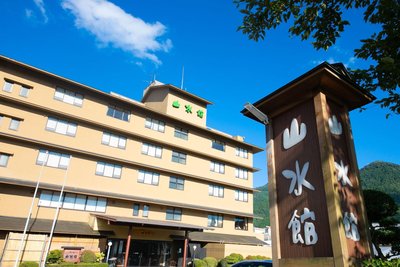
Yufuin Sansuikan
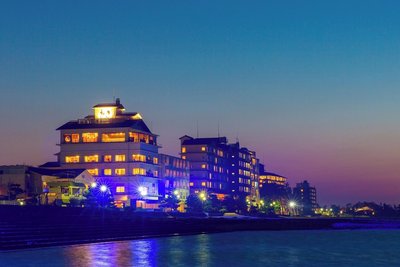
Kaike Shogetsu
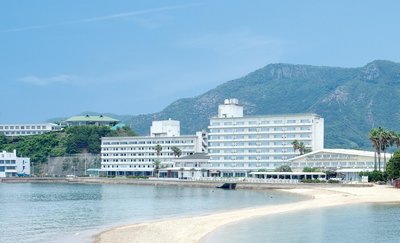
Shodoshima International Hotel
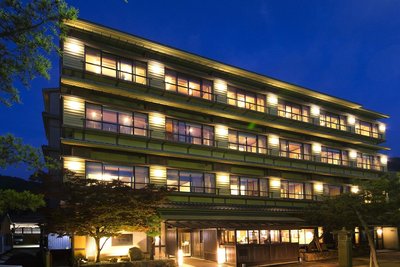
Kinsuikan
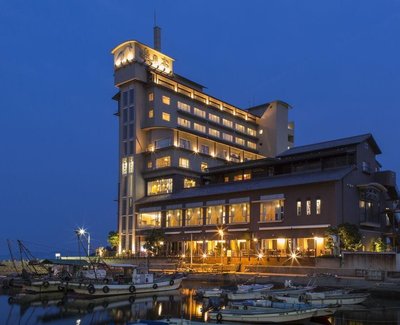
Hotel Ofutei
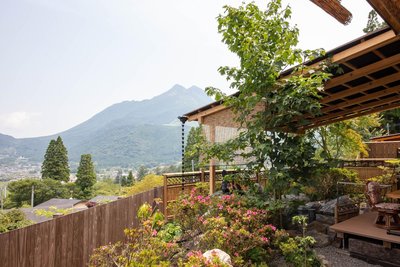
Yufuin-Sanso Waremokou
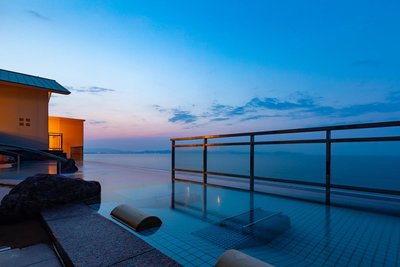
Kaike Yugetsu
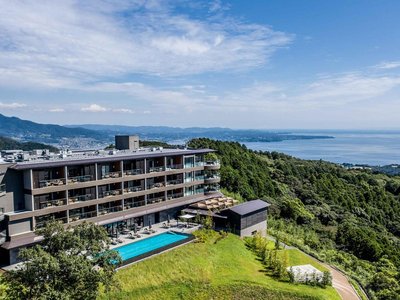
Ana InterContinental Beppu Resort & Spa
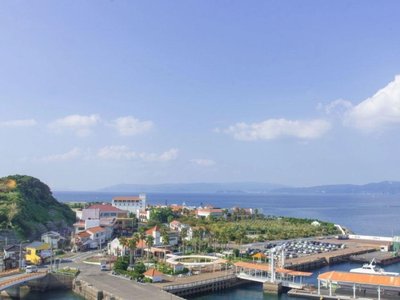
I+Land Nagasaki
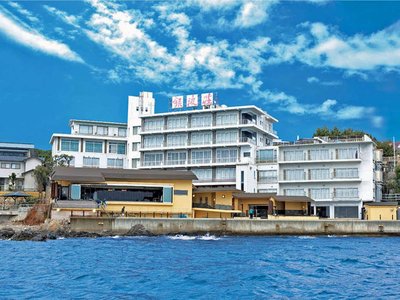
Ginpaso

The OneFive Villa Fukuoka
LiVEMAX RESORT MIYAHAMA ONSEN OCEAN
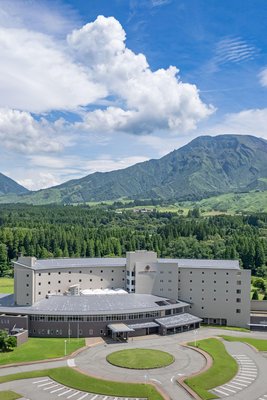
KAMENOI HOTEL ASO
Hoshino Resorts KAI Tamatsukuri
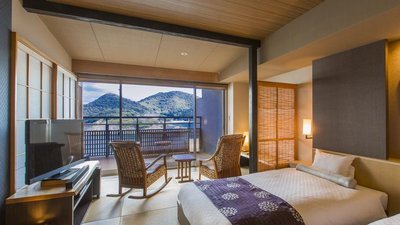
Migiwatei Ochi Kochi
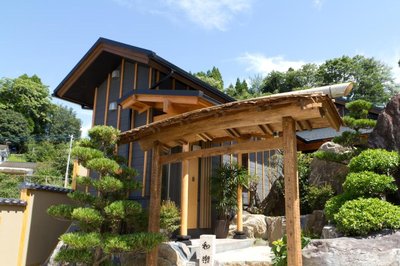
Ryokan Shinsen
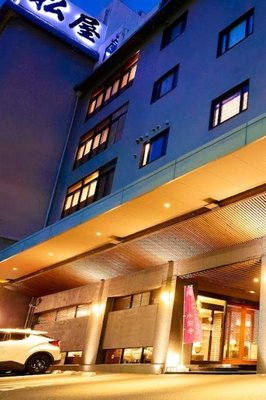
Ryotei Matsuya Honkan Suizenji
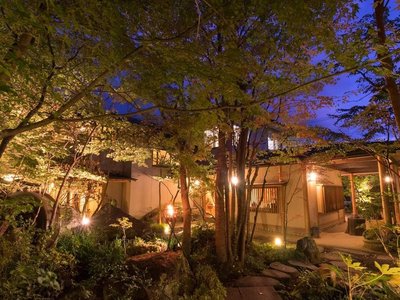
Ryoso Yufuin Yamadaya
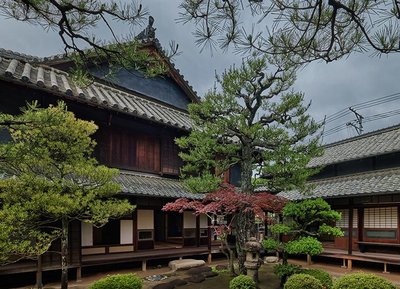
NIPPONIA HOTEL Takehara Saltworks Town
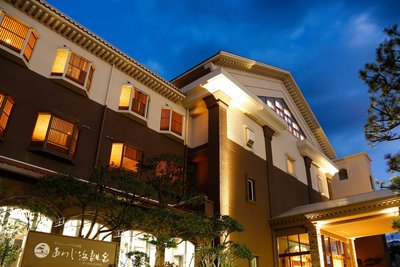
Awaji Hamarikyu
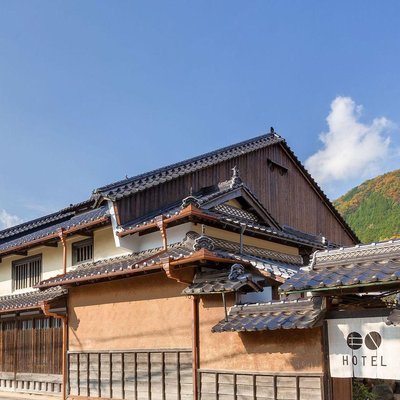
EN Takeda Castle Town Hotel
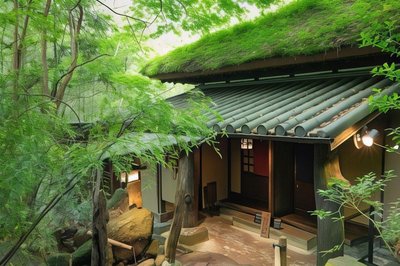
Sanso Tensui
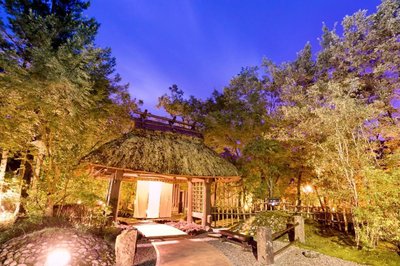
Satonoyu Waraku
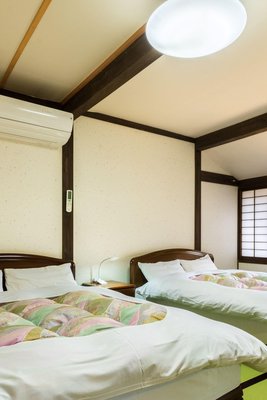
Tobise Onsen Tenga Sanso
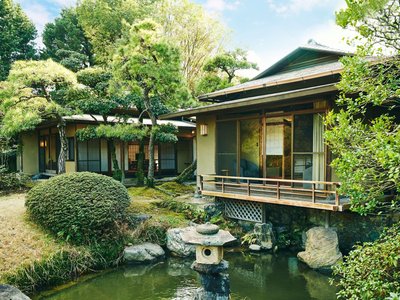
Suisui Garden Ryokan (in the Art Hotel Kokura New Tagawa)
Miyajima Hotel Makoto
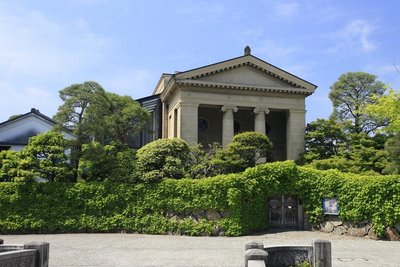
Ryori Ryokan Tsurugata
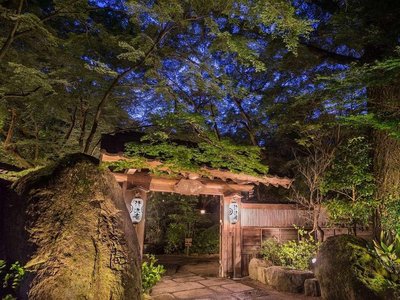
Akizuki Spa Ryokan Seiryuan
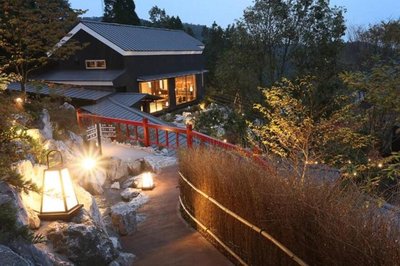
Gekkoju Kurokawa
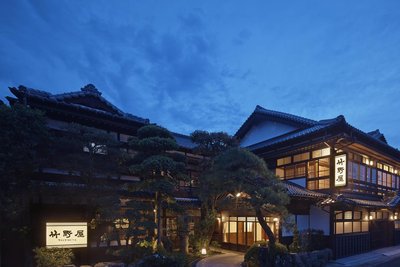
Takenoya
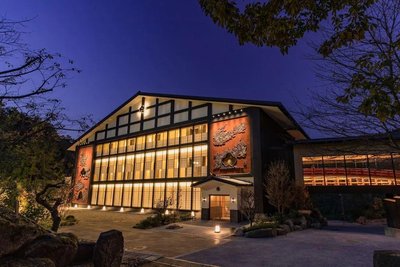
Okuhita Onsen Umehibiki
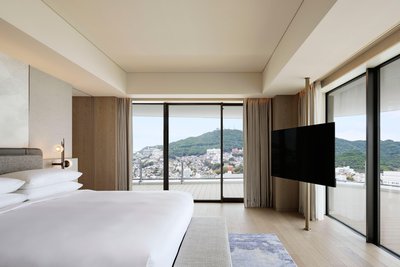
Nagasaki Marriott Hotel
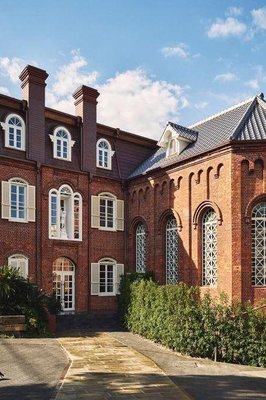
Hotel Indigo Nagasaki Glover Street by IHG

Stadium City Hotel Nagasaki
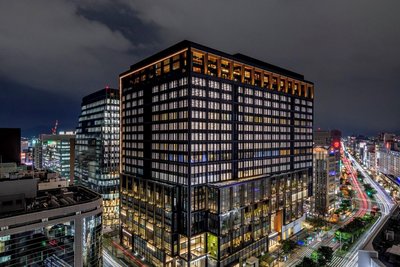
ONE FUKUOKA HOTEL
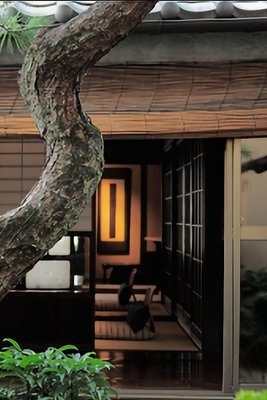
Shimayado Mari
AoAwo Naruto Resort
Ryokan Shinsen
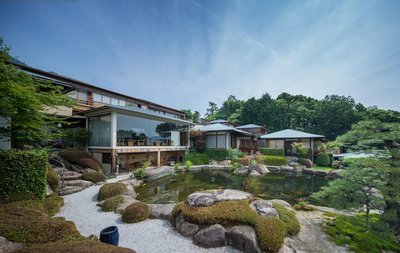
SEKITEI

Yamatoya Besso
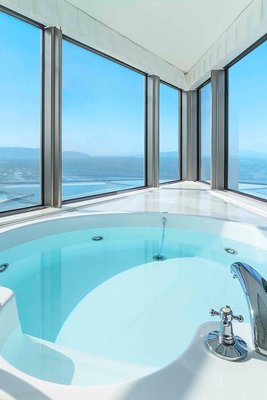
Hilton Fukuoka Sea Hawk

Olive Bay Hotel
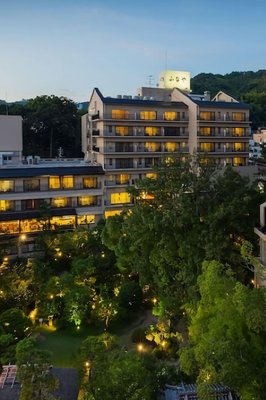
Funaya
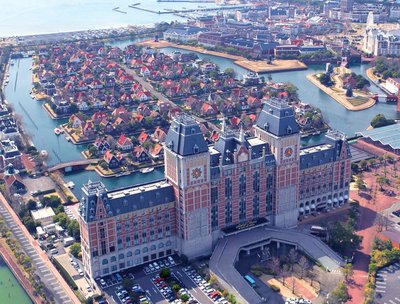
Hotel Okura Jr Huis Ten Bosch

Bettei Oborozukiyo
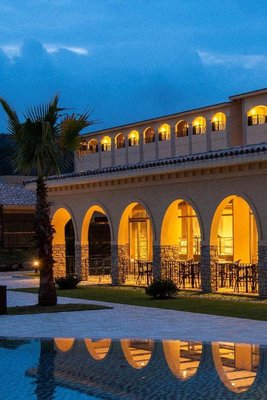
La Vista Kirishima Hills
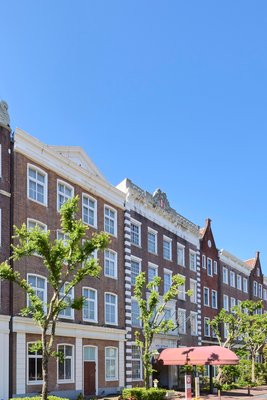
Hotel Amsterdam Huis Ten Bosch
Ana InterContinental Beppu Resort & Spa
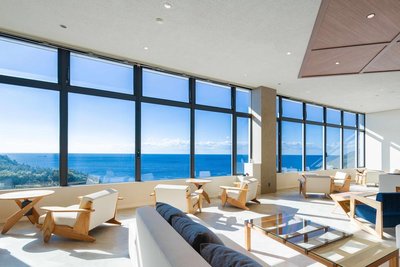
TheMana Village
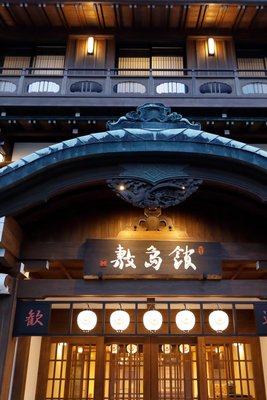
Onyado Shikishima-Kan

Hotel Barrière Fouquet's New York
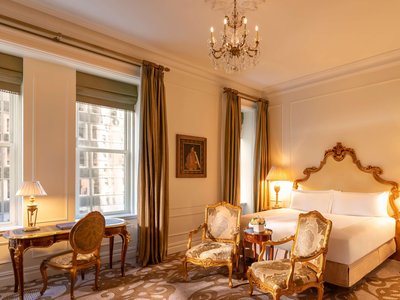
The Plaza - A Fairmont Managed Hotel
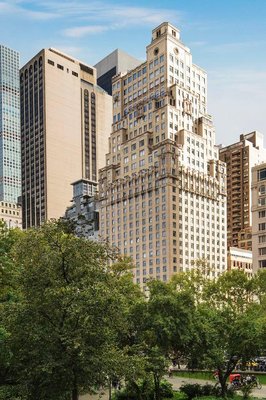
The Ritz-Carlton New York, Central Park

Four Seasons Hotel New York
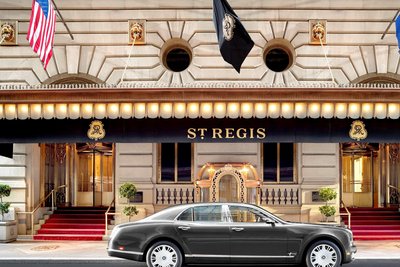
The St. Regis New York
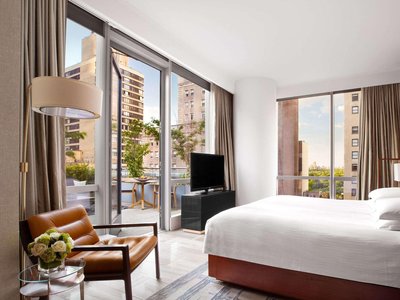
Park Hyatt New York
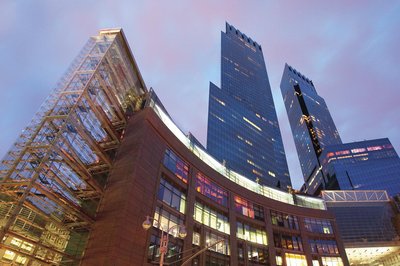
Mandarin Oriental New York
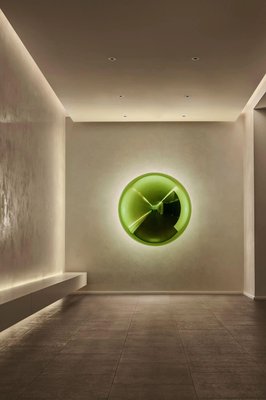
Times Square Edition New York

Loews Regency New York Hotel

Lowell Hotel
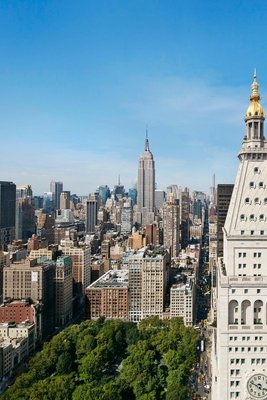
New York Edition
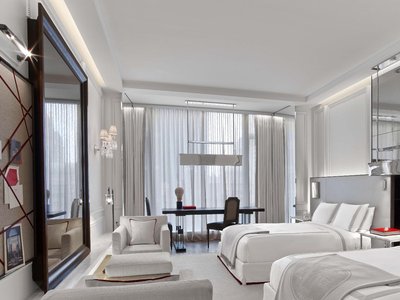
Baccarat Hotel New York
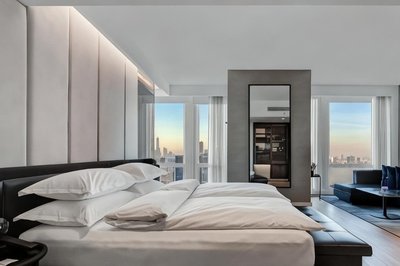
Equinox Hotel New York

Four Seasons Hotel New York Downtown
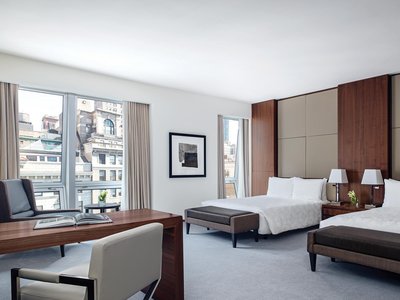
The Langham, New York, Fifth Avenue

The Carlyle, A Rosewood Hotel

The Chatwal, in the Unbound Collection by Hyatt
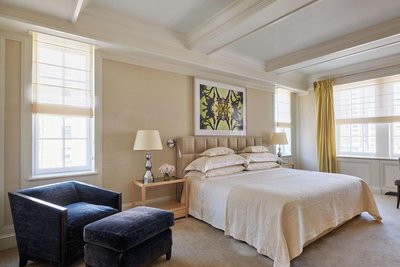
The Mark New York
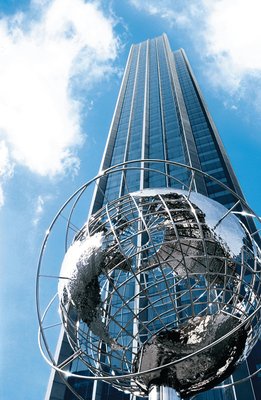
Trump International Hotel & Tower® New York
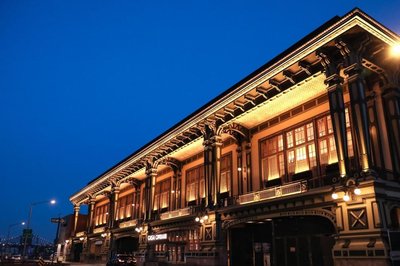
Casa Cipriani New York
Frequently Asked Questions about Traveling to Tsuwano
Questions You Might Need to Know About Traveling to Tsuwano
In Tsuwano Town, the top choice is Tsuwano Stay no Mori, a boutique inn nestled beside the historic Dōtō Street. This eco-conscious retreat blends Edo-era architecture with modern comfort, featuring tatami rooms and sliding shoji screens. Guests enjoy private garden access and morning tea ceremonies. Another standout is Tsukigata Ryokan, a family-run inn offering authentic kaiseki meals and a serene onsen bath with views of the surrounding mountains. Both properties emphasize local culture, making them ideal for travelers seeking immersive experiences in rural Shimane. They also provide guided walks through old alleyways and seasonal festivals. Each stay feels like stepping into a living postcard of Japan's past.
The historic center district of Tsuwano Town is the most convenient base for exploring key landmarks. Located just steps from Tsuwano Castle Ruins and the iconic Senbon Torii Gates, this area puts you within easy walking distance of Dōtō Street, the town’s famed old merchant alley. Staying here allows direct access to temples, shrines, and artisan shops. Accommodations like Tsuwano Kōshū Inn offer free shuttle services to nearby attractions and host daily cultural talks by local historians. With its well-preserved streetscape and low tourist density, this neighborhood strikes the perfect balance between accessibility and authenticity.
Hotels in Tsuwano Town go beyond accommodation by integrating local heritage into daily stays. At Tsukigata Ryokan, guests participate in traditional tea ceremony workshops and receive personalized kimono dressing sessions. The inn also hosts seasonal festivals such as the Tsuwano Lantern Festival, where guests join processions through illuminated alleys. Some properties partner with local artisans to offer hands-on classes in paper-making (washi) and woodblock printing. Even breakfast features regional specialties like Izumo beef miso soup and Shimane rice cakes, creating a holistic immersion in the town’s cultural rhythm.
Yes, Tsuwano Family Inn Seiryū is a top-rated family-friendly option. It features spacious tatami rooms with extra beds and a fenced backyard with a small pond and climbing frame. Kids can join hands-on craft workshops like making paper lanterns or mini wooden toys using local cedar. The hotel organizes family-friendly nature hikes to nearby forests and provides stroller rentals. Dinner includes child-sized portions of local dishes such as seafood donburi and sweet potato tempura. With its warm staff and engaging programs, it ensures a memorable and stress-free experience for families visiting the historic town.
Winter in Tsuwano Town transforms the town into a snow-draped wonderland. Yuki no Hana Ryokan offers a magical stay with heated floors, open-air onsen overlooking snow-covered Senbon Torii, and nightly candlelit tea gatherings. Guests can take part in snow lantern-making workshops and enjoy hot mochi grilling sessions under the stars. The inn also arranges early-morning visits to Tsuwano Castle Ruins before crowds arrive, capturing the pristine beauty of the frozen landscape. For a deeper connection, they offer winter poetry readings inspired by haiku traditions, blending nature, silence, and art in a serene mountain setting.
Absolutely. Many hotels in Tsuwano Town provide comprehensive travel support. Tsuwano Kōshū Inn offers complimentary shuttle buses to Izumo Shrine, Oda Castle, and Sea of Mihara, with multilingual staff ready to book tours. They also rent bicycles for self-guided exploration of the scenic countryside. For longer trips, they coordinate car rentals and even arrange private guides for day trips to Matsue Castle or Nakaumi Lake. All hotels maintain detailed maps and recommend hidden gems like quiet forest trails and family-run sake breweries, ensuring seamless and enriching travel experiences.
Yes, Sōrō Forest Spa & Inn stands out as a wellness sanctuary. Set deep within the Tsuwano Mountains, it features organic bamboo interiors, aromatherapy-infused baths, and daily forest bathing (shinrin-yoku) sessions led by certified guides. Guests enjoy herbal steam baths, acupuncture treatments, and yoga at dawn overlooking misty valleys. The menu emphasizes plant-based cuisine grown on-site, including wild mountain greens and fermented foods. With no Wi-Fi and minimal lighting, the inn fosters deep rest and mental clarity—perfect for those seeking renewal in a tranquil, natural setting.
Definitely. Hikari no Niwa Photo Inn is designed specifically for photographers. Located atop a hill near Dōtō Street, it offers panoramic views of the Senbon Torii Gates and Tsuwano Castle Ruins at sunrise and sunset. The inn features a rooftop photography deck, customizable lighting setups, and a curated collection of vintage cameras for guest use. Staff include professional photographers who lead light trail walks and nighttime street photography tours. They also provide digital editing workshops and print services, allowing visitors to preserve their finest shots from this photogenic town.
Hotels in Tsuwano Town proudly highlight local craftsmanship. Tsuwano Wabi-Sabi House displays handwoven kumihimo cords, hand-carved wood sculptures, and lacquerware bowls created by artisans from nearby villages. Guests can attend workshops such as pottery throwing or indigo dyeing using traditional methods. The inn’s restaurant serves meals on locally made ceramics, and each room includes a mini gallery of rotating exhibits from regional artists. These collaborations not only support local talent but turn every stay into a living museum of Shima’s creative soul.
At Tsuwano Dining House Tsuru, guests savor authentic Shimane cuisine crafted from farm-to-table ingredients. Must-try dishes include Izumo beef sukiyaki, freshly caught sea bream miso stew, and mountain vegetable tofu. The chef uses age-old recipes passed down through generations. Some hotels offer private dinner parties in traditional gardens, complete with local sake pairings and handmade wagashi sweets. Seasonal menus reflect the region’s rhythms—spring brings wild fern salad, while autumn features chestnut-stuffed dumplings. These culinary experiences transform meals into cultural journeys, celebrating Tsuwano’s rich gastronomic heritage.
Tsuwano Overview
City Summary
Tsuwano, located in western Shimane Prefecture, is known as "Little Kyoto of San'in" for its well-preserved Edo-period samurai district. The town boasts Tsuwano Castle Ruins and the iconic Tsuwano Tonomachi Shrine with its thousand vermilion torii gates. Cherry blossoms in spring and vibrant foliage in autumn enhance its timeless charm, while traditional heron dances (Sagi-mai) showcase living cultural heritage.
Must-See Attractions
Top attractions include Tsuwano Tonomachi Shrine, one of Japan's five major Inari shrines, famous for its tunnel-like torii gates. The Tsuwano Castle Ruins offer panoramic views and samurai history. Don't miss the Sagi-mai Dance Museum displaying this Important Intangible Folk Cultural Property, with live performances during summer festivals. Literary fans can visit Mori Ogai Memorial Museum among the white-walled samurai residences.
Food Guide
Tsuwano specializes in carp cuisine - try "Koi no Arai" (carp sashimi) and "Koi-koku" (miso carp soup). Local delicacies include wooden-barrel fermented Tsuwano Yogurt and heron-shaped rice cakes (Sagi Dango). In summer, chilled udon noodles with local soy sauce make perfect refreshment. Many eateries are family-run, preserving recipes for generations.
Transportation Guide
The town is best explored on foot or by infrequent buses. From JR Tsuwano Station, Iwami Kotsu buses serve major sights (1-2 hourly). Key attractions are within 30-minute walking distance. Drivers note narrow streets; parking concentrates near Tonomachi Shrine. From Tokyo, take Shinkansen to Asa Station then JR Yamaguchi Line (total ~5 hours). Timetables are essential for planning.
Best Time to Visit
Prime seasons are early April to early May (cherry blossoms) and late October to late November (autumn colors). Summer (June-August) offers festivals despite humidity, while winter (December-February) sees few tourists with possible closures.
Travel Tips
- At shrines, purify hands/mouth at chozuya before approaching main hall.
- Carry sufficient cash as many shops don't accept cards.
- Maintain quiet in samurai residence districts.
- Pack layers - mountain weather changes rapidly.
- Check bus schedules via "NAVITIME" app due to limited service.
- Exercise caution with bony carp dishes, especially for children.
Useful Information
English signage exists at major sites, but staff may have limited proficiency - translation apps help. Mobile coverage is good; consider pocket WiFi or local SIM. Cash dominates, though credit cards (VISA/JCB) work at larger establishments. For emergencies, dial 110 (police) or 119 (ambulance). The town clinic near JR station handles minor issues. Drugstores cluster around Ekimae-dori, closing around 7pm. Post office offers international shipping (closed weekends).









