Hotels in Tsuwano
Discover your perfect stay in Tsuwano.
Tsuwano(Japan) Travel 2026: Cheap Flights, Hotels & Top Attractions
Popular Landmarks in Tsuwano
Discover the most iconic attractions in Tsuwano
Recommended Hotels in Tsuwano
Find the perfect place to stay in Tsuwano
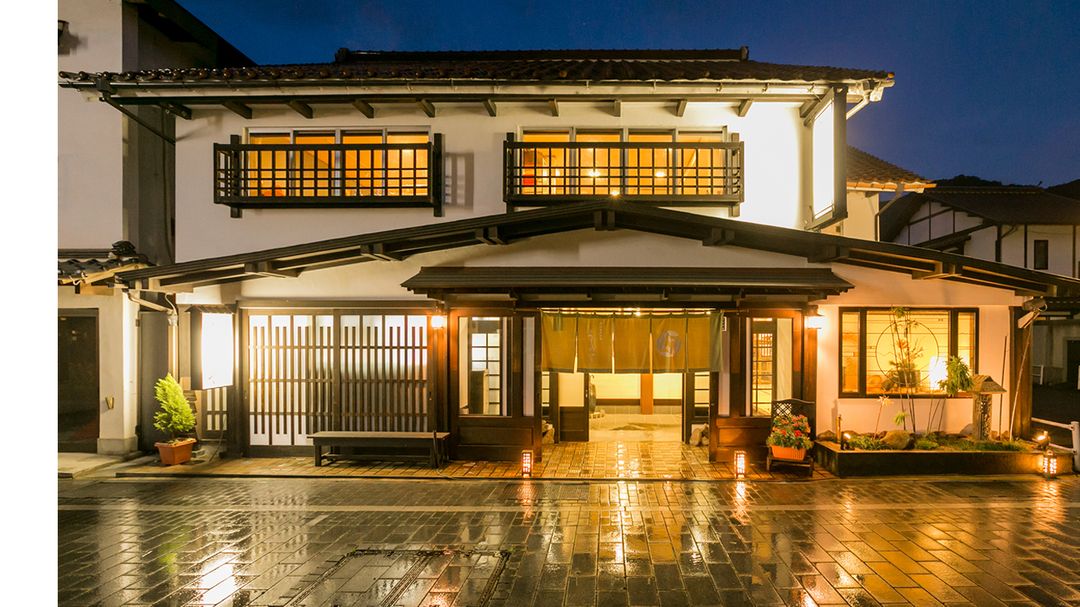
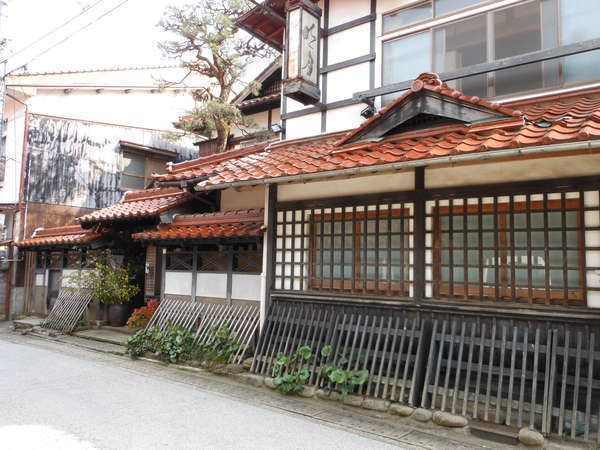
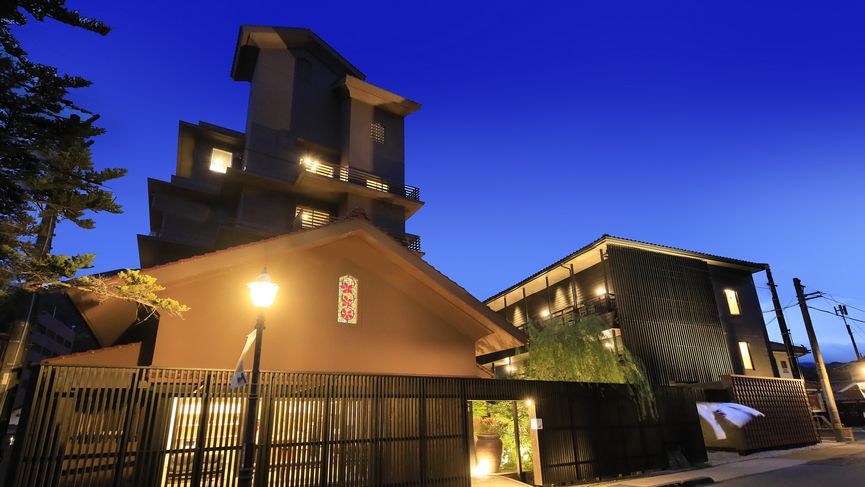
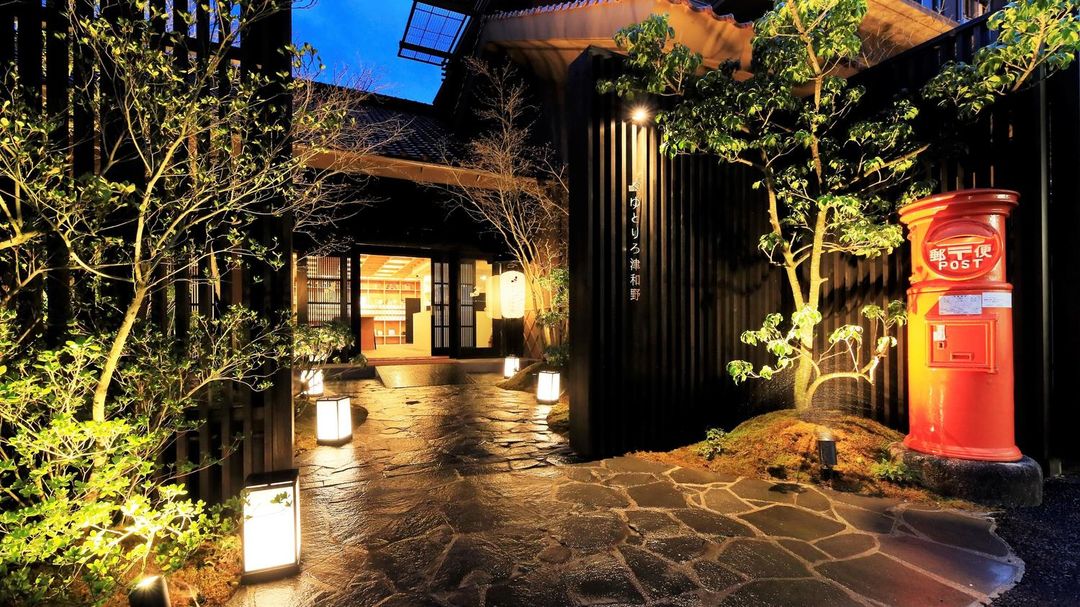
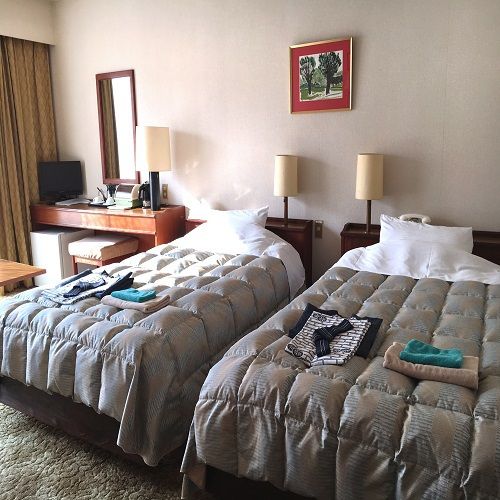
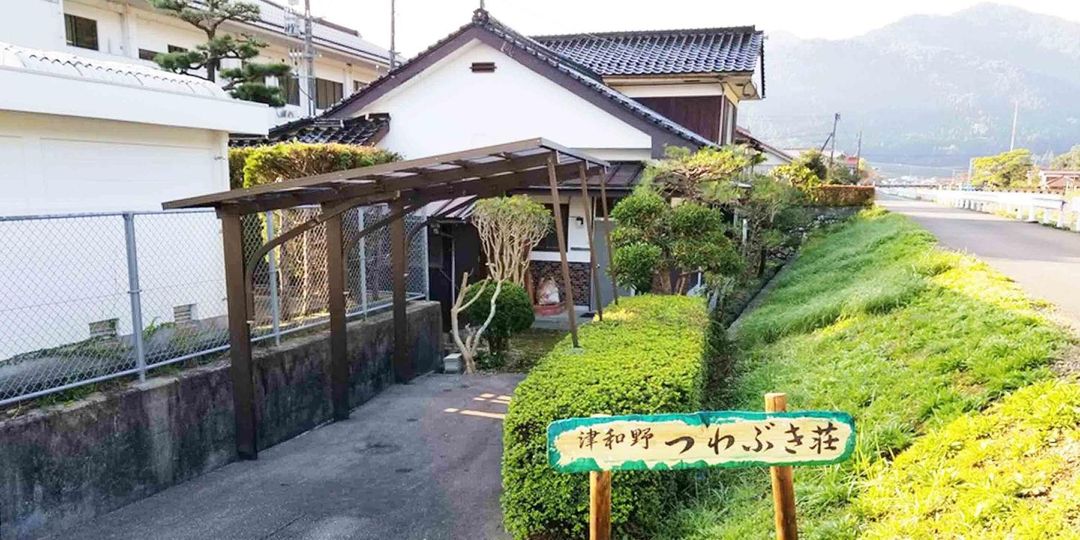
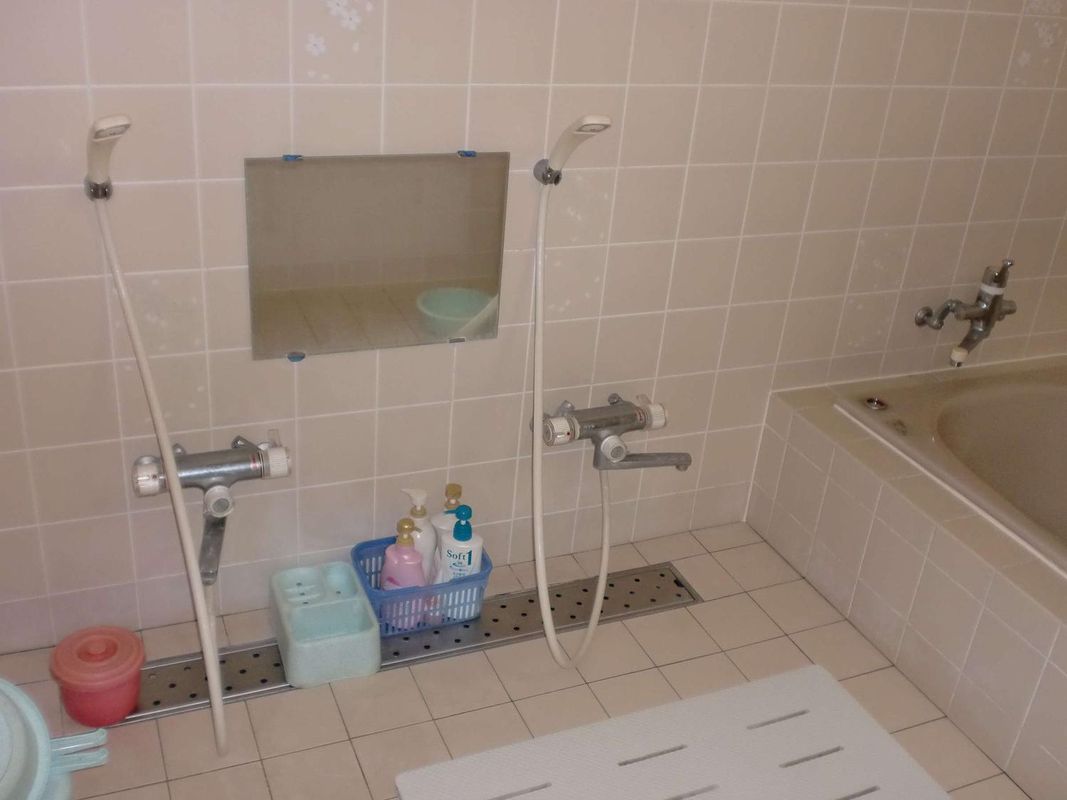
Best Hotels in Tsuwano
Discover curated hotel collections in Tsuwano








































Frequently Asked Questions about Traveling to Tsuwano
Questions You Might Need to Know About Traveling to Tsuwano
Tsuwano Overview
City Summary
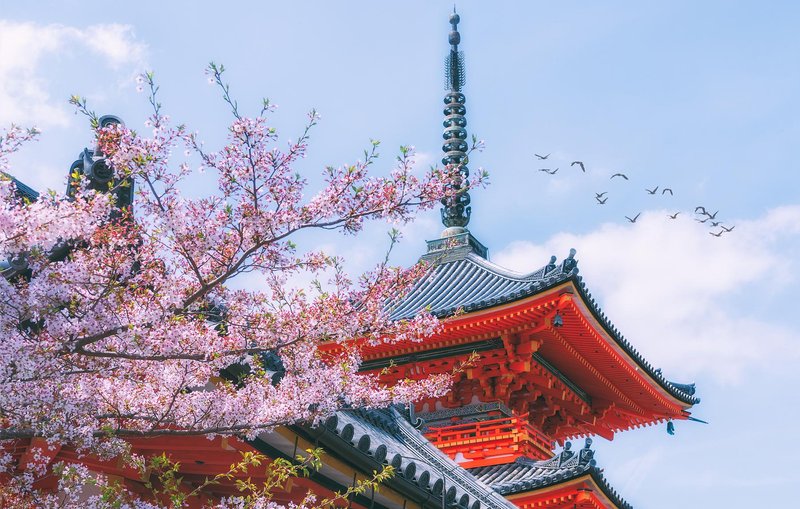
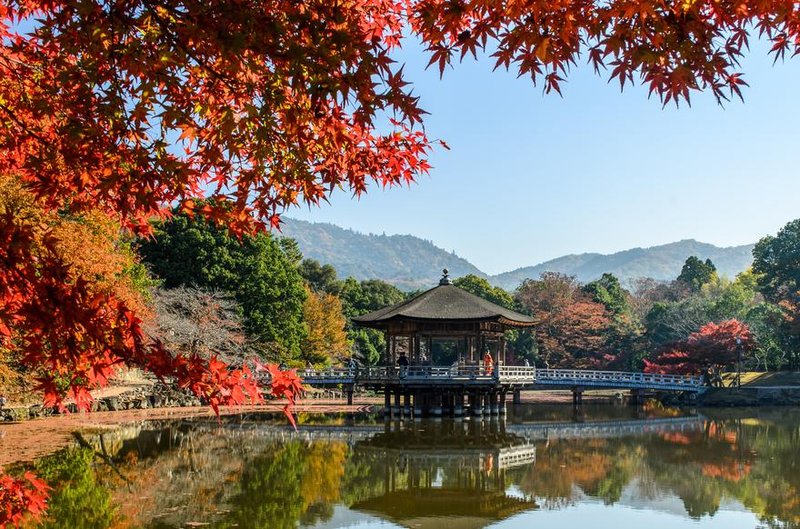
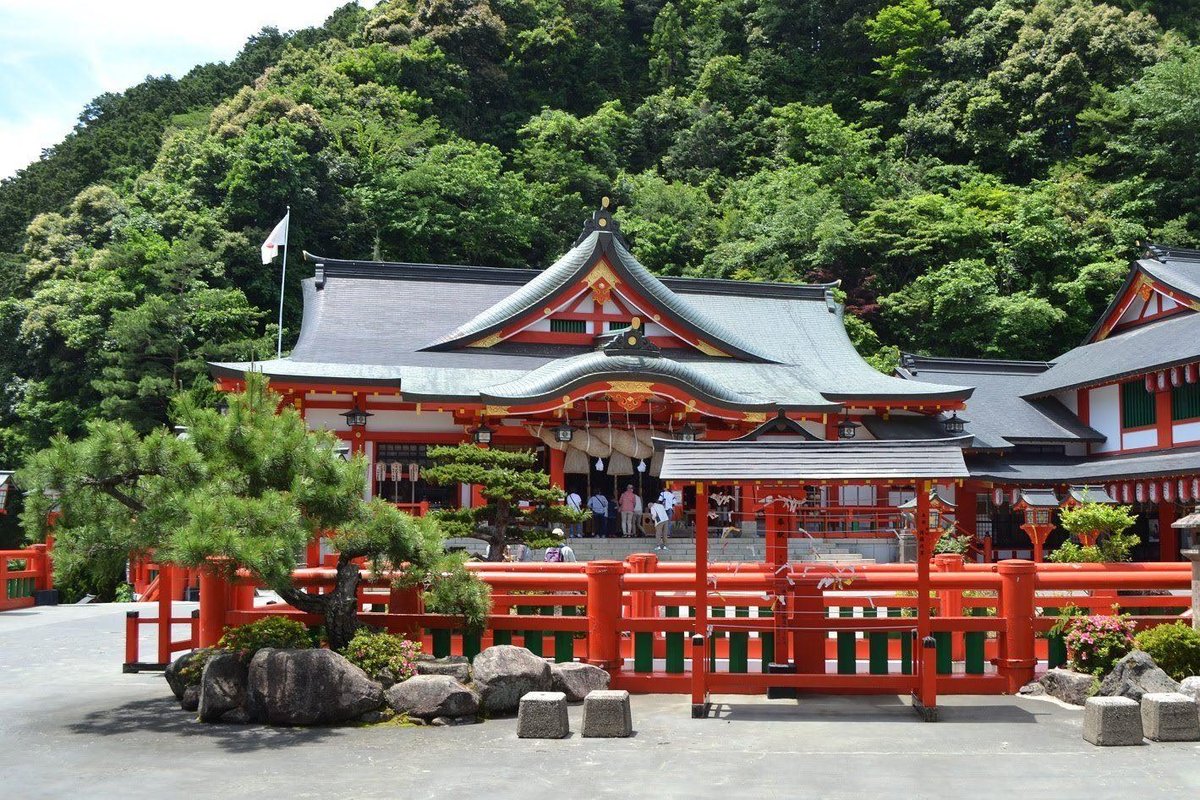
Tsuwano, located in western Shimane Prefecture, is known as "Little Kyoto of San'in" for its well-preserved Edo-period samurai district. The town boasts Tsuwano Castle Ruins and the iconic Tsuwano Tonomachi Shrine with its thousand vermilion torii gates. Cherry blossoms in spring and vibrant foliage in autumn enhance its timeless charm, while traditional heron dances (Sagi-mai) showcase living cultural heritage.
Must-See Attractions
Top attractions include Tsuwano Tonomachi Shrine, one of Japan's five major Inari shrines, famous for its tunnel-like torii gates. The Tsuwano Castle Ruins offer panoramic views and samurai history. Don't miss the Sagi-mai Dance Museum displaying this Important Intangible Folk Cultural Property, with live performances during summer festivals. Literary fans can visit Mori Ogai Memorial Museum among the white-walled samurai residences.
Food Guide
Tsuwano specializes in carp cuisine - try "Koi no Arai" (carp sashimi) and "Koi-koku" (miso carp soup). Local delicacies include wooden-barrel fermented Tsuwano Yogurt and heron-shaped rice cakes (Sagi Dango). In summer, chilled udon noodles with local soy sauce make perfect refreshment. Many eateries are family-run, preserving recipes for generations.
Transportation Guide
The town is best explored on foot or by infrequent buses. From JR Tsuwano Station, Iwami Kotsu buses serve major sights (1-2 hourly). Key attractions are within 30-minute walking distance. Drivers note narrow streets; parking concentrates near Tonomachi Shrine. From Tokyo, take Shinkansen to Asa Station then JR Yamaguchi Line (total ~5 hours). Timetables are essential for planning.
Best Time to Visit
Prime seasons are early April to early May (cherry blossoms) and late October to late November (autumn colors). Summer (June-August) offers festivals despite humidity, while winter (December-February) sees few tourists with possible closures.
Travel Tips
- At shrines, purify hands/mouth at chozuya before approaching main hall.
- Carry sufficient cash as many shops don't accept cards.
- Maintain quiet in samurai residence districts.
- Pack layers - mountain weather changes rapidly.
- Check bus schedules via "NAVITIME" app due to limited service.
- Exercise caution with bony carp dishes, especially for children.
Useful Information
English signage exists at major sites, but staff may have limited proficiency - translation apps help. Mobile coverage is good; consider pocket WiFi or local SIM. Cash dominates, though credit cards (VISA/JCB) work at larger establishments. For emergencies, dial 110 (police) or 119 (ambulance). The town clinic near JR station handles minor issues. Drugstores cluster around Ekimae-dori, closing around 7pm. Post office offers international shipping (closed weekends).