Hotels in Tuba
Discover your perfect stay in Tuba.
Tuba(Philippines) Travel 2026: Cheap Flights, Hotels & Top Attractions
Popular Landmarks in Tuba
Discover the most iconic attractions in Tuba
Recommended Hotels in Tuba
Find the perfect place to stay in Tuba

Frequently Asked Questions about Traveling to Tuba
Questions You Might Need to Know About Traveling to Tuba
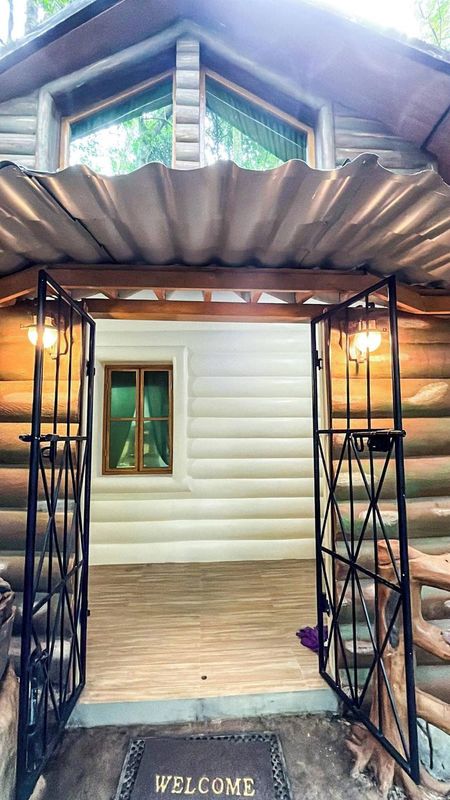
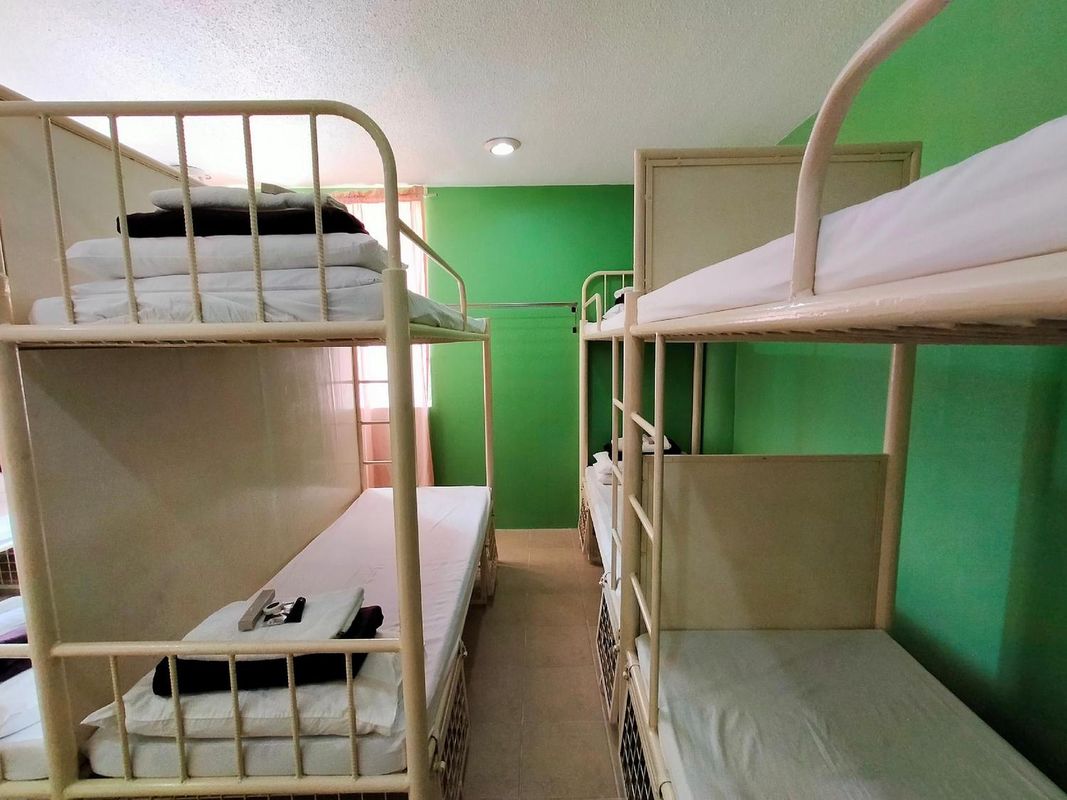
In Tuba, budget travelers should consider Kawarak Hostel, located just steps from the San Agustin Church and local market. This cozy hostel offers clean dorms and private rooms, free Wi-Fi, and a shared kitchen. It also organizes guided hikes to Mount Angoni and cultural workshops on Ifugao weaving.
Another great option is Tuba Cottage Inn, a family-run guesthouse with rustic charm and warm hospitality. Guests can participate in traditional cooking classes and learn about indigenous farming practices. Both properties provide excellent value, ideal for exploring the Cordillera Mountains while staying within a tight budget.
The central district of Tuba is the most convenient area for lodging. It’s close to key attractions like the Municipal Hall and Public Market, and hosts several homestays and small lodges such as Tuba Home Stay and Galaxy Mountain Resort.
Guests enjoy easy access to morning views of Mount Bakarat and evening participation in community events like the Bonfire Festival. The area is safe, welcoming, and perfect for travelers seeking authentic Ifugao culture. Plus, it’s only a 20-minute drive to the iconic Banaue Rice Terraces, making it an ideal base for day trips.
Visitors can take part in traditional Ifugao rituals, held annually during the lunar July, led by tribal elders. These include the Rain Dance and Ancestral Offering Ceremony, where guests may wear native attire and play bamboo instruments in Baburita music.
Hands-on experiences include handloom weaving workshops, taught by local women who pass down patterns symbolizing family lineage. You’ll create your own totem tapestry to take home.
For nature lovers, guided ecotours of Mount Angoni reveal rare flora like goldthread orchids and red cedar trees, along with deep-rooted beliefs in land stewardship. These immersive activities foster genuine cultural exchange and respect.
Near Tuba, must-see natural sites include the Banaue Rice Terraces, known as one of the "Eight Wonders of the World." Their terraced fields cascade down the mountainside, creating stunning reflections—especially when flooded in spring.
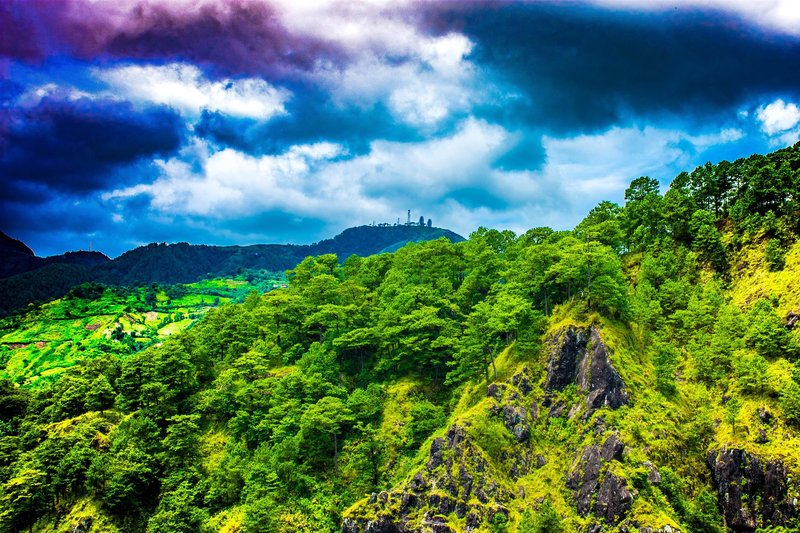
Mount Angoni is another highlight, ideal for hiking and stargazing. Morning mist blankets the valley, while night skies offer breathtaking views of the Milky Way.
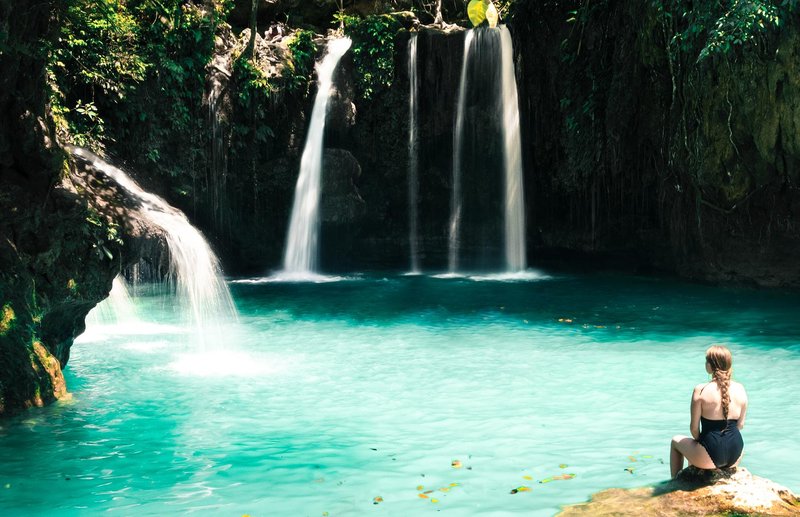
Also visit the hidden Tuba Falls, tucked in lush forest, perfect for swimming. Along the trail, you’ll see ancient stone pathways believed to be old migration routes. A full-day tour with a local guide ensures safety and deeper insights.
Must-try dishes in Tuba include Adikey Rice, traditionally cooked in clay pots with coconut milk and lemongrass—rich and aromatic. Bukayo (roasted banana) is grilled over charcoal, sweet and caramelized, often enjoyed with honey or salt.
Try Ilocano Hog Soup, made with mountain-raised pork and wild vegetables, offering a hearty, flavorful broth. Another local favorite is Puto Bumbong, a red glutinous rice cake filled with palm sugar, steamed in bamboo tubes—perfect for festivals.
These dishes are available at the Tuba Public Market and family-run eateries, some even offering live cooking demonstrations to showcase Ifugao culinary heritage.
Yes, Tuba is highly suitable for family travel, especially those interested in nature and cultural education. Family-friendly lodges like Tuba Home Stay offer spacious rooms, kid-safe facilities, and programs like rice field farming workshops and tribal storytelling sessions.
Attractions such as Tuba Falls and Mount Angoni trails feature child-friendly paths, allowing parents to explore safely. Annual events like the Fire Festival and Harvest Celebration welcome families, with children learning traditional dances and crafts.
The town’s calm atmosphere, friendly locals, and emphasis on sustainability make it a perfect destination for raising awareness about nature and indigenous cultures.
While Tuba is a remote mountain town, transportation has improved significantly. Regular buses and taxis run from Baguio City, taking about 2 hours. The main roads are paved, making car rentals or motorcycle tours feasible.
To reach destinations like Banaue Rice Terraces and Mount Angoni, most travelers book local guides or join organized tours. The nearest airport is Clark International Airport, requiring a 3.5-hour transfer. Despite limited connectivity, this very remoteness preserves Tuba’s authenticity—ideal for travelers seeking off-the-beaten-path adventures.
Tuba is a paradise for photographers. Capture the sunrise over the Banaue Rice Terraces, where flooded paddies reflect golden light like mirrors—best shot from Millennium Rice Terraces using a tripod.
Mount Angoni summit offers exceptional night photography: minimal light pollution reveals stunning views of the Milky Way and shooting stars. Early mornings bring ethereal morning mists and dramatic sunset silhouettes.
Don’t miss the Tuba Public Market and village lanes, rich in human interest—photograph locals crafting textiles, preparing meals, or celebrating festivals. Pair with a local guide for access permissions and optimal vantage points.
Accommodation in Tuba is affordable. Budget hostels like Kawarak Hostel charge ₱300–600 per night ($6–12 USD), offering basic amenities and shared spaces.
Family-run guesthouses such as Tuba Cottage Inn range from ₱800–1,500 ($16–30 USD), including private bathrooms and breakfast. For comfort, Tuba Hillside Resort offers panoramic views, hot springs, and private villas at ₱2,000–3,500 ($40–70 USD) per night.
Overall, Tuba provides excellent value for money—ideal for long stays or exploring Cordillera landscapes. Book early during peak season (November–April) to secure availability.
The best time to visit Tuba is from November to April, when the weather is dry and cool, averaging 18–22°C. This period offers ideal conditions for outdoor activities and sightseeing.
December to February is perfect for viewing the Banaue Rice Terraces at their most photogenic—flooded fields sparkle under sunlight. It’s also the peak season for cultural festivals like the Fire Festival and Harvest Rites.
Avoid May to October, the rainy season, when landslides and road closures may disrupt travel. Dry season ensures safer access, clearer views, and richer cultural immersion—making it the optimal window for a memorable trip.
Other Cities You Might Like
Explore more amazing destinations