Hotels in Uda
Discover your perfect stay in Uda.
Uda(Japan) Travel 2026: Cheap Flights, Hotels & Top Attractions
Popular Landmarks in Uda
Discover the most iconic attractions in Uda
Recommended Hotels in Uda
Find the perfect place to stay in Uda
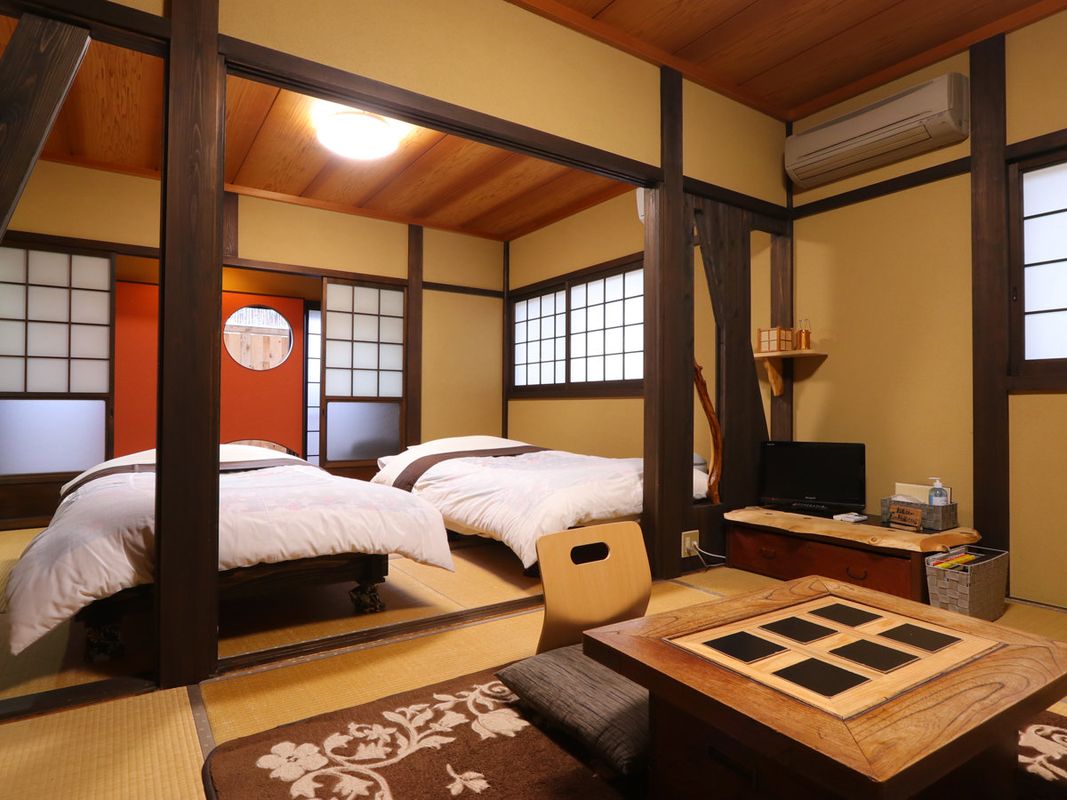
Minshuku Murou
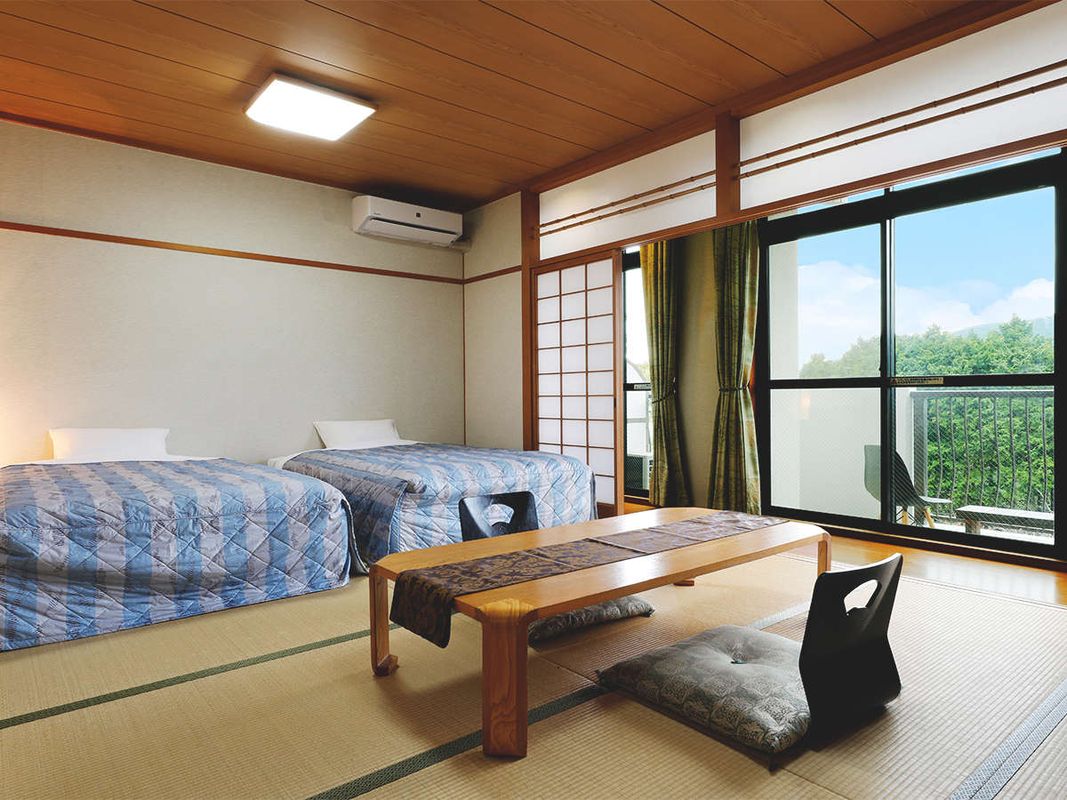
Miharuen
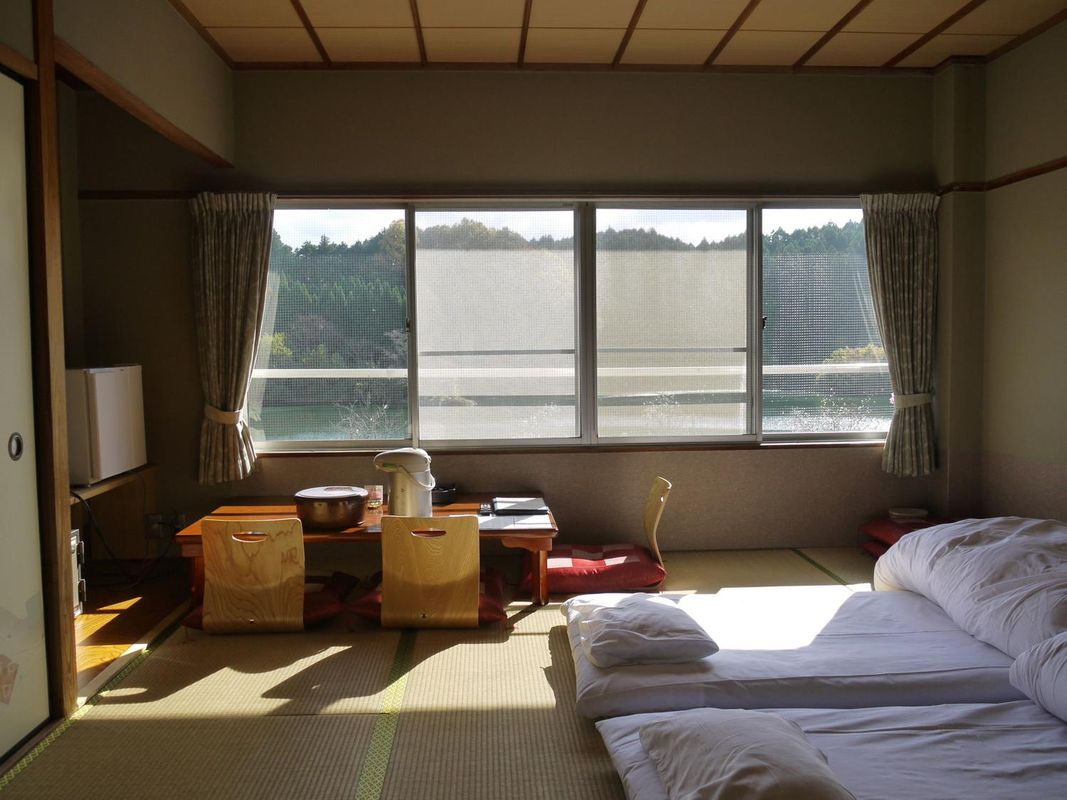
Chinjyusou
Best Hotels in Uda
Discover curated hotel collections in Uda
Shima Kanko Hotel the Bay Suites
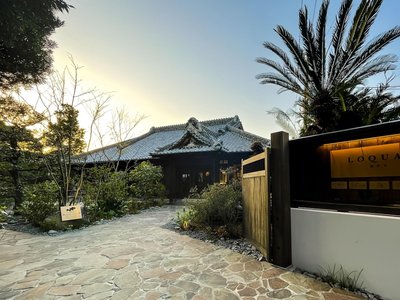
Loquat Nishiizu
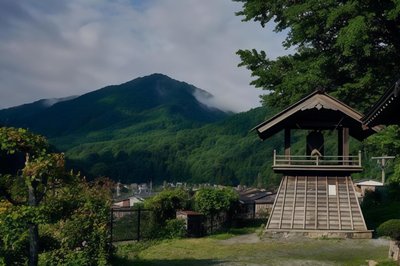
Byaku Narai
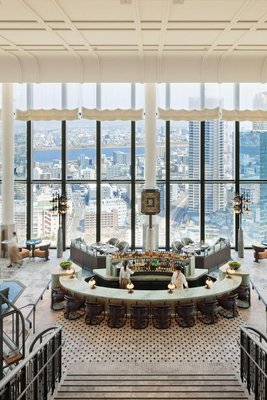
Waldorf Astoria Osaka
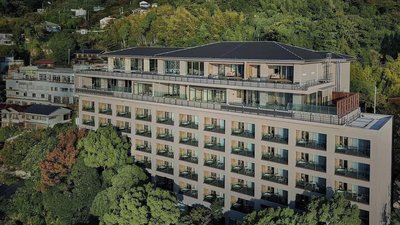
Atami Izusan Karaku
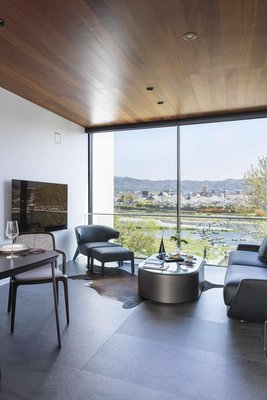
Kamo Residences by Reflections
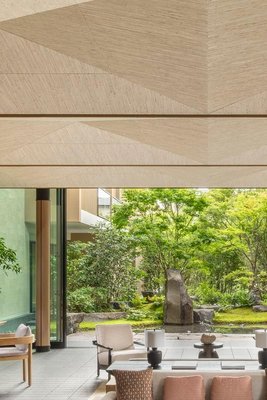
Six Senses Kyoto
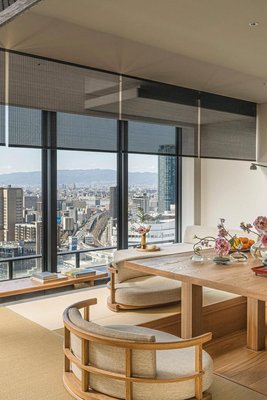
Four Seasons Hotel Osaka
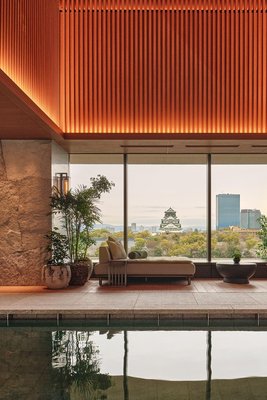
Patina Osaka

The Ritz-Carlton, Osaka
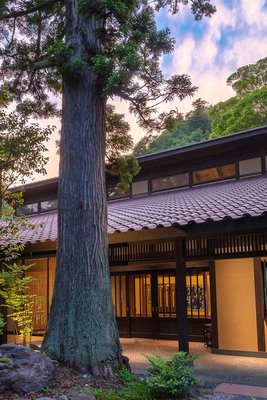
Arimasansoh Goshobessho
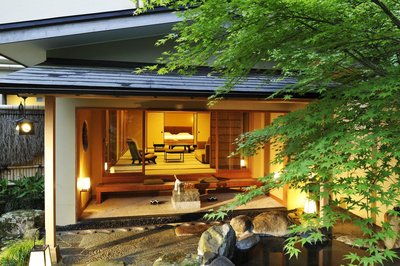
Gora Kadan
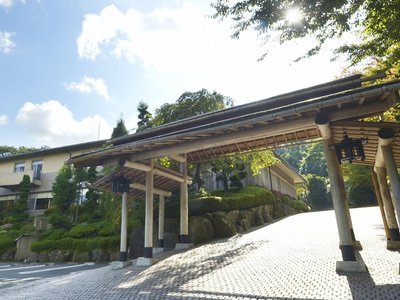
Gora Hanaougi
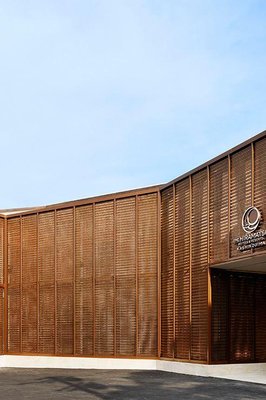
The Hiramatsu Hotels & Resorts Kashikojima
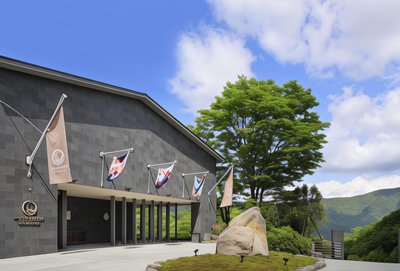
The Hiramatsu Hotels & Resorts Sengokuhara Hakone
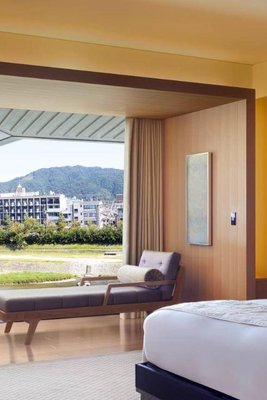
The Ritz-Carlton, Kyoto
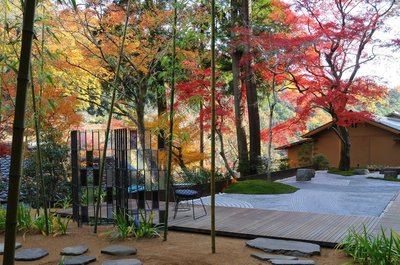
HOSHINOYA Kyoto
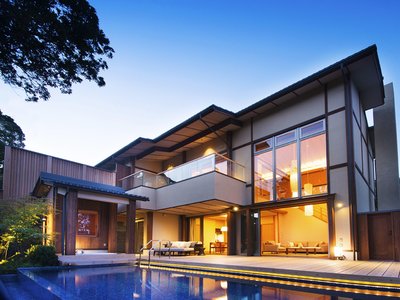
Abba Resorts Izu - Zagyosoh
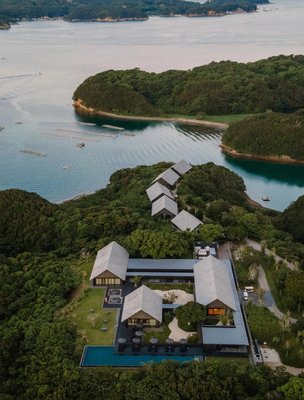
Amanemu
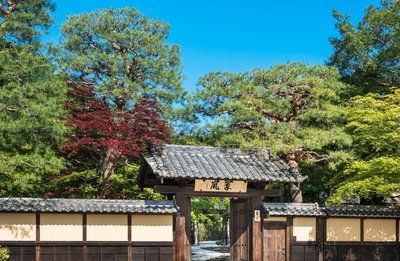
Suiran, a Luxury Collection Hotel, Kyoto
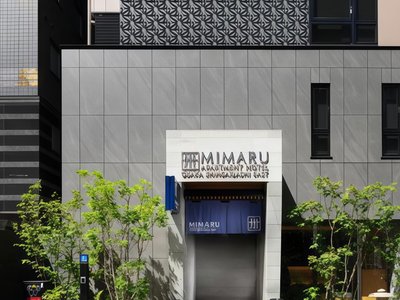
MIMARU Osaka Shinsaibashi East

Toba International Hotel Shiojitei
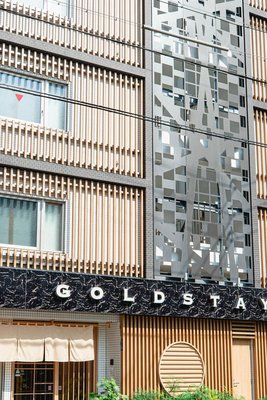
Gold Stay Nagoya OSU
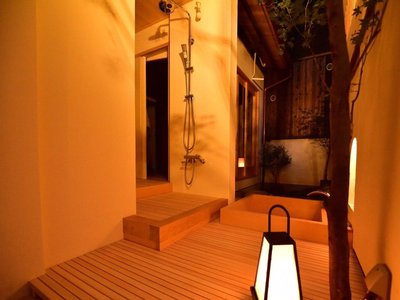
Yado Kiramachi
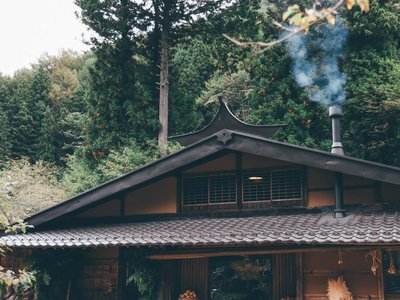
La Terra Resort
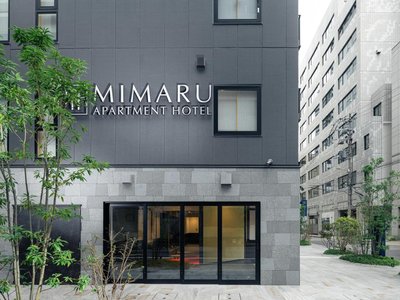
MIMARU Osaka Shinsaibashi North
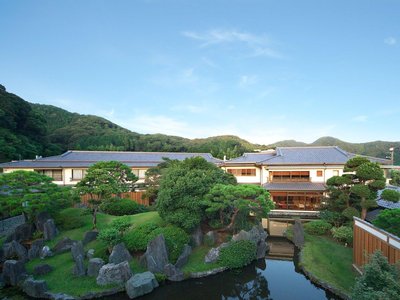
Kagetsutei
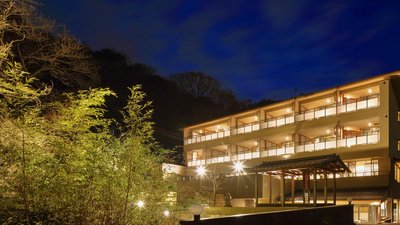
Okuno Hosomichi
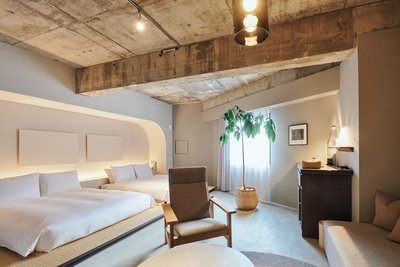
Korinkyo

GOLD STAY Nagoya Sakae
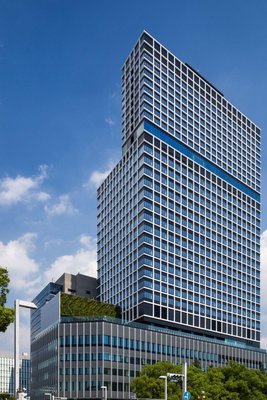
The Royal Park Hotel Iconic Nagoya
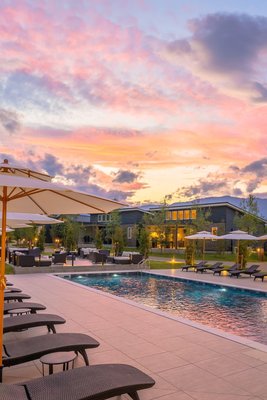
Awaumi Fujikawaguchiko Resort
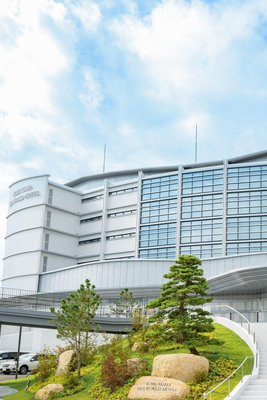
Kobe Suma Sea World Hotel
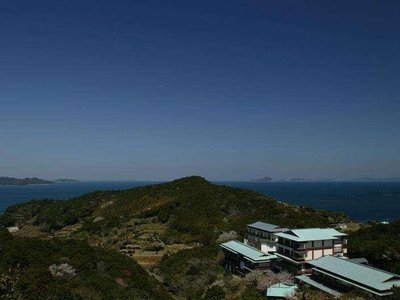
Hanashinsui
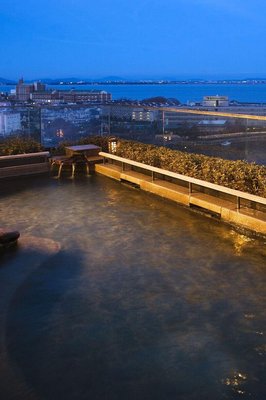
Yumotokan
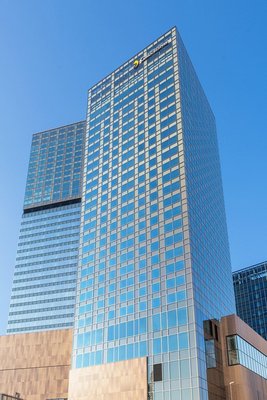
Hotel Hankyu GRAN RESPIRE OSAKA
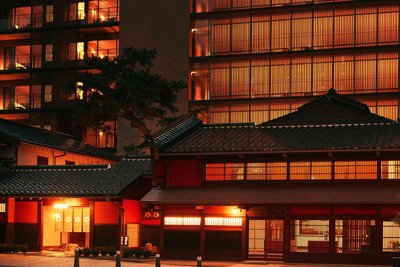
Hoshino Resorts Kai Kaga
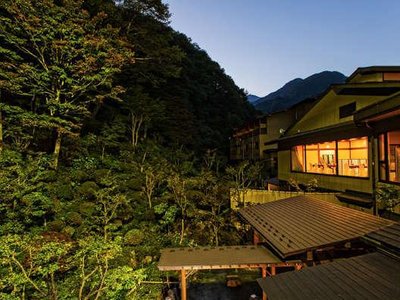
Futari Shizuka

Taikyourou
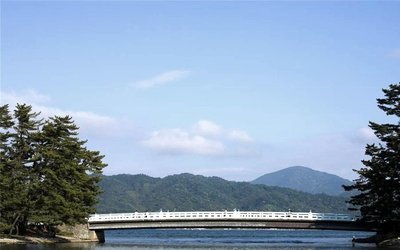
Monjusou Shourotei
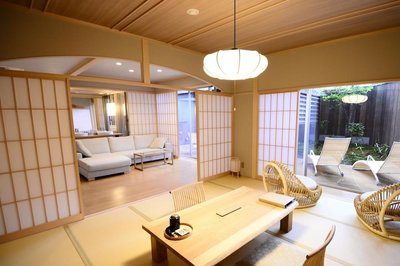
Hakone Gora Byakudan
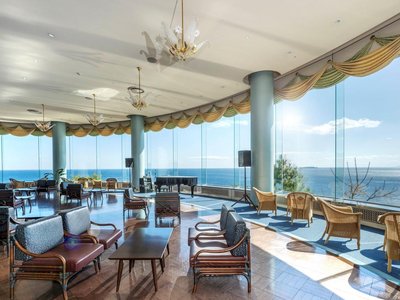
Hotel New Akao

XYZ Private Spa and Seaside Resort
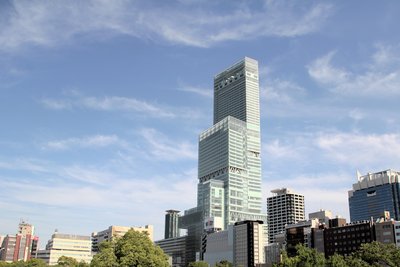
Osaka Marriott Miyako Hotel
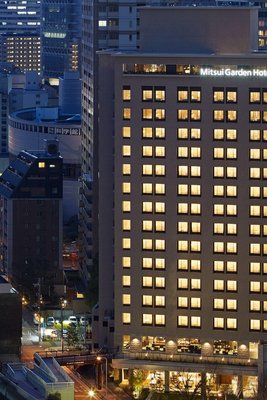
Mitsui Garden Hotel Osaka Premier
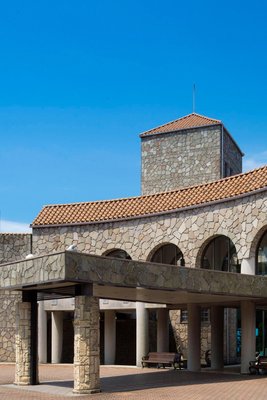
Izumigo Hotel Altia Toba
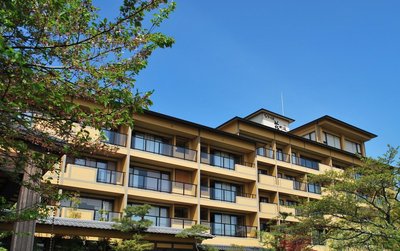
BIWAKO HANAKAIDO
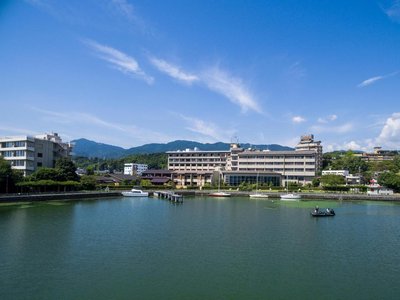
Biwako Ryokusuitei
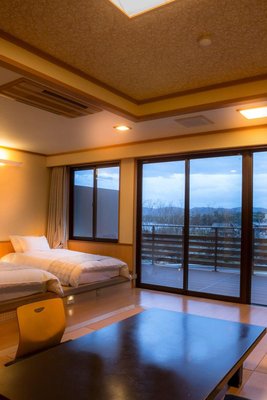
Hotel Kitanoya
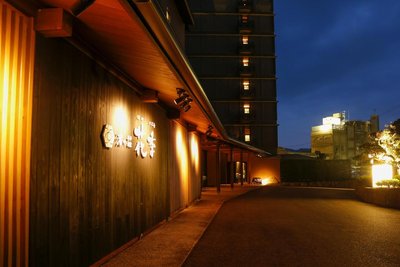
Hanagoyomi
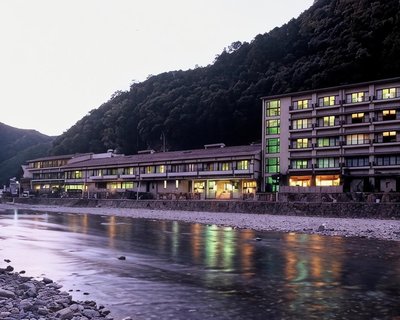
Kawayu Onsen Fujiya
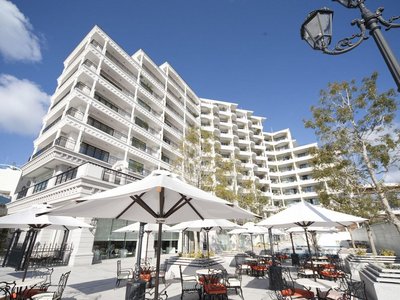
Hotel La Suite Kobe Harborland

The Kukuna
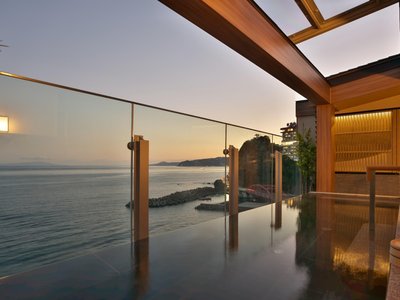
Hotel New Sagamiya
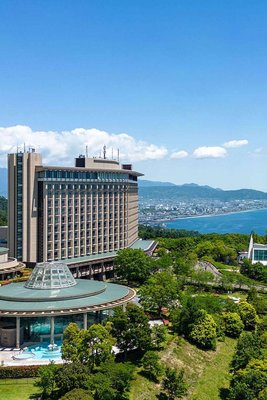
Hilton Odawara Resort & Spa
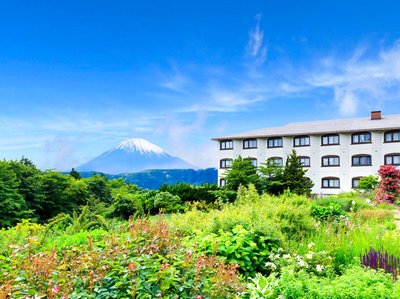
Hotel Green Plaza Hakone
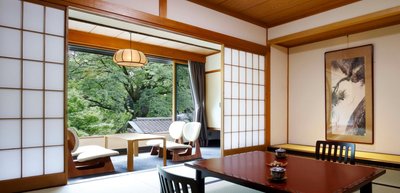
Yoshiike Ryokan
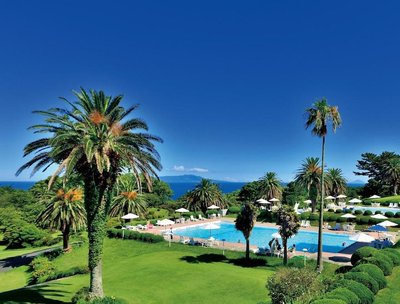
Kawana Hotel

AoAwo Naruto Resort
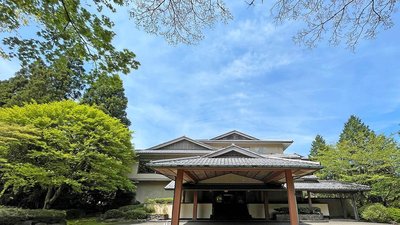
Ryuguden
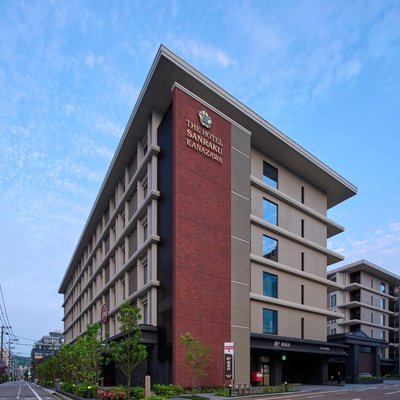
The Hotel Sanraku Kanazawa 21th December 2022 Open
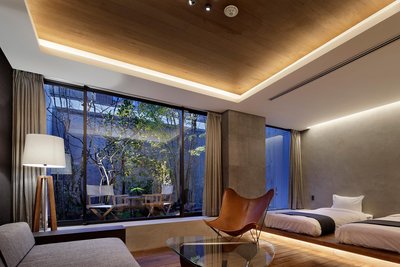
22 PIECES
The Ritz-Carlton, Osaka

The Thousand Kyoto
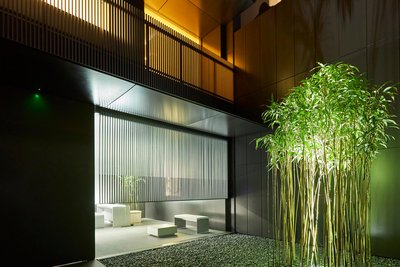
Mogana
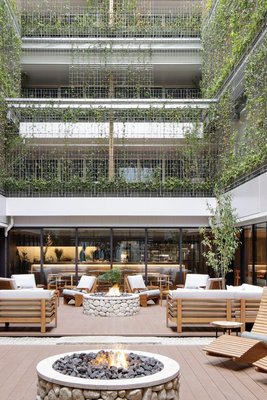
GOOD NATURE HOTEL KYOTO
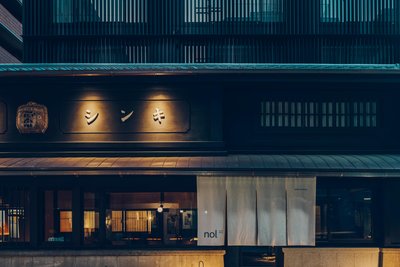
Nol Kyoto Sanjo
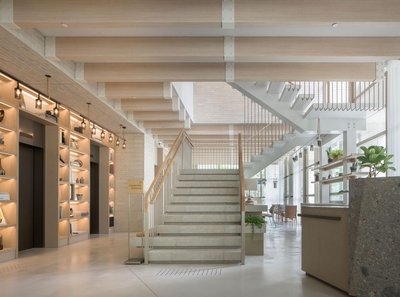
Zentis Osaka
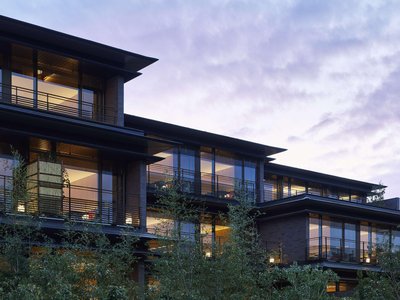
Garrya Nijo Castle Kyoto
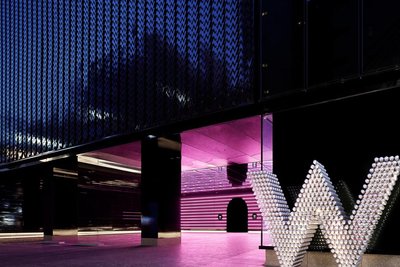
W Osaka

Hotel Kanra Kyoto

Aloft Osaka Dojima
Shima Kanko Hotel the Bay Suites
Loquat Nishiizu
Byaku Narai
Waldorf Astoria Osaka
Atami Izusan Karaku
Kamo Residences by Reflections
Six Senses Kyoto
Four Seasons Hotel Osaka
Patina Osaka
The Ritz-Carlton, Osaka
Arimasansoh Goshobessho
Gora Kadan
Gora Hanaougi
The Hiramatsu Hotels & Resorts Kashikojima
The Hiramatsu Hotels & Resorts Sengokuhara Hakone
The Ritz-Carlton, Kyoto
HOSHINOYA Kyoto
Abba Resorts Izu - Zagyosoh
Amanemu
Suiran, a Luxury Collection Hotel, Kyoto
Hakone Gora Byakudan
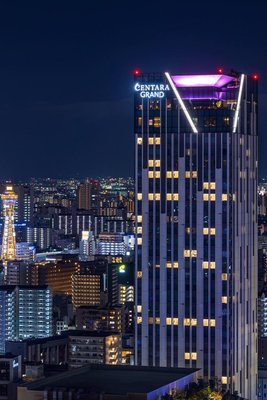
Centara Grand Hotel Osaka

Panoramic Mt. Fuji Views from All Rooms – Vision Glamping Resort & Spa Yamanakako
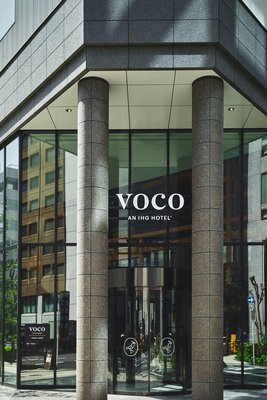
voco Osaka Central

TIAD, AUTOGRAPH COLLECTION
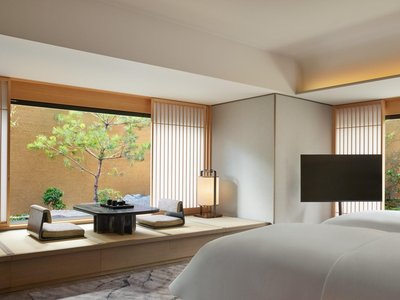
Dusit Thani Kyoto
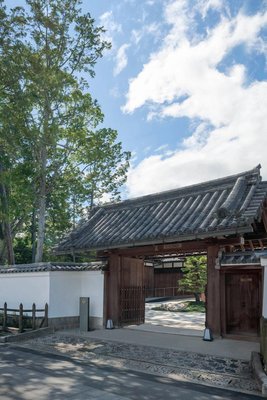
Shisui, a Luxury Collection Hotel, Nara

Hilton Kyoto
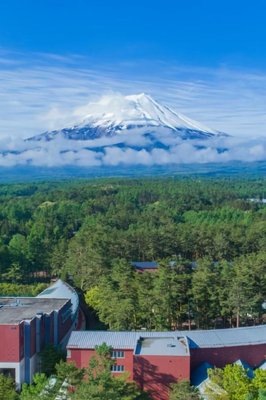
Forest Village (Fuji Premium Resort)
Osaka Marriott Miyako Hotel
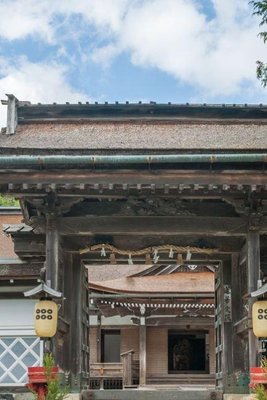
Koyasan Rengejoin
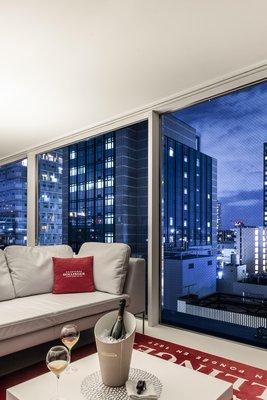
CUVÉE J2 HOTEL OSAKA by Onko Chishin
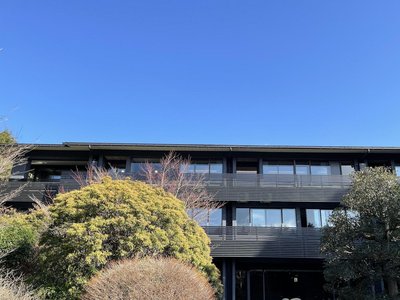
Sengokubara Cocon
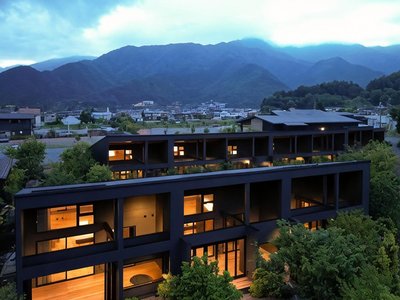
7C Villa and Winery
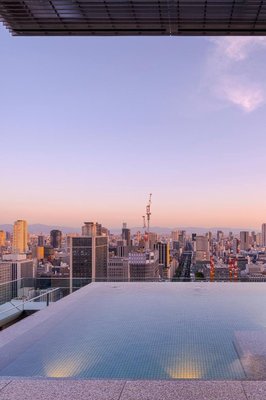
Candeo Hotels Osaka The Tower
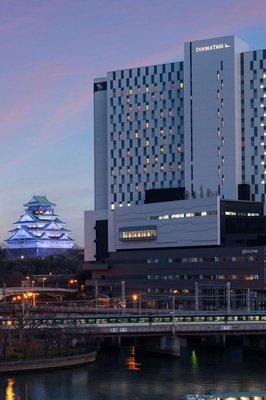
DoubleTree by Hilton Osaka Castle
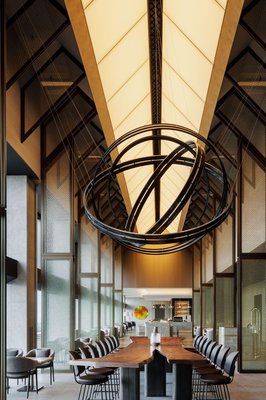
The Osaka Station Hotel, Autograph Collection
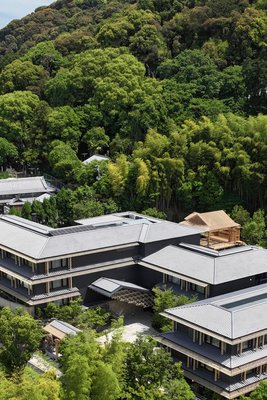
Banyan Tree Higashiyama Kyoto

Hotel la Vigne Hakuba by Onko Chishin
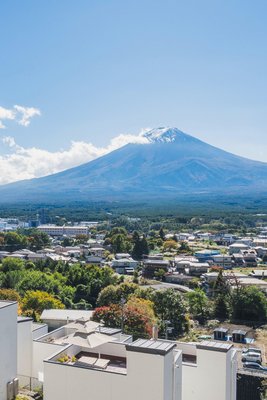
THE TOKI FujiKawaguchiko
Osaka Marriott Miyako Hotel
The Ritz-Carlton, Osaka
Gora Kadan
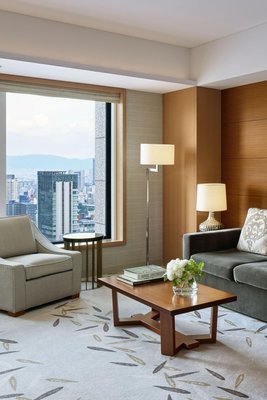
InterContinental Hotel Osaka
The Ritz-Carlton, Kyoto
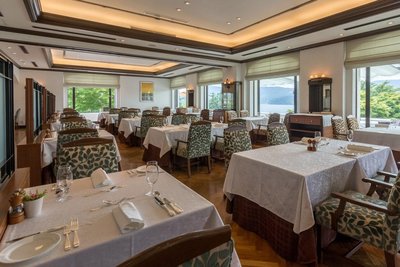
Odakyu Hotel de Yama
Suiran, a Luxury Collection Hotel, Kyoto
GOOD NATURE HOTEL KYOTO
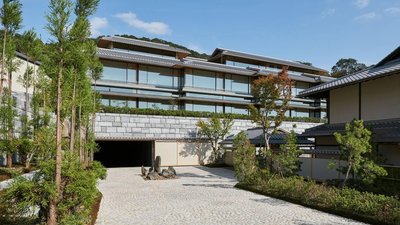
Park Hyatt Kyoto

Hyatt Centric Kanazawa
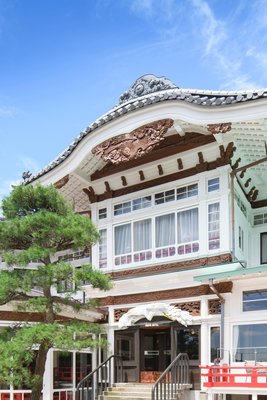
Fujiya Hotel
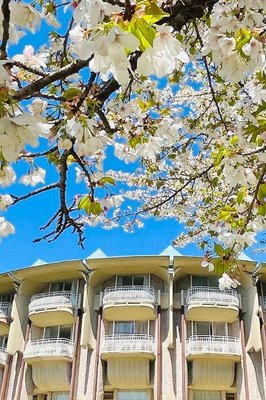
The Prince Hakone Lake Ashinoko
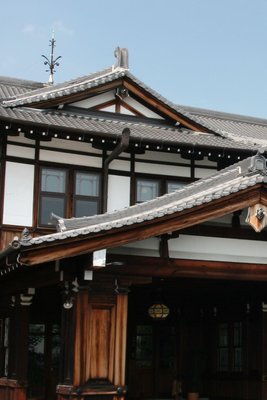
Nara Hotel
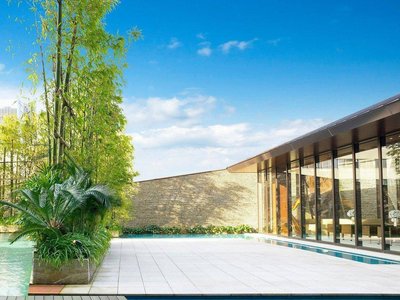
ORIENTAL HOTEL
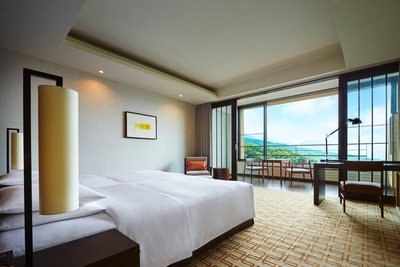
Hyatt Regency Hakone Resort and Spa
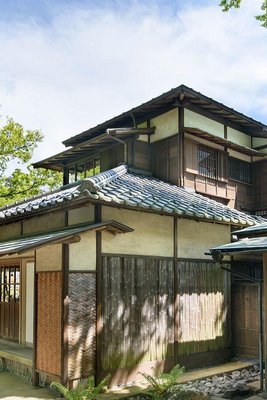
Hakone Suishoen
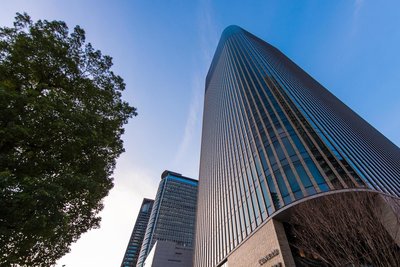
Conrad Osaka
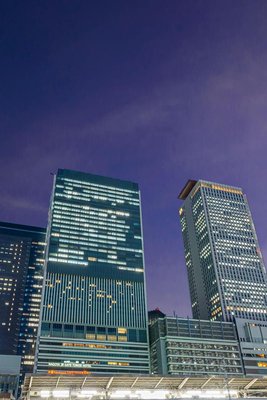
Nagoya JR Gate Tower Hotel (JR-Central Hotels)
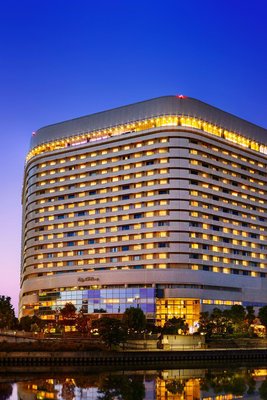
Hotel New Otani Osaka
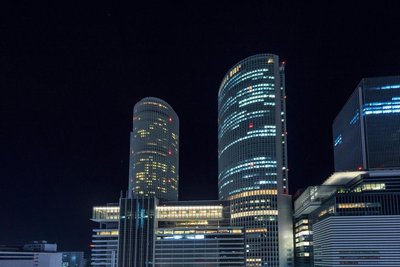
Nagoya Marriott Associa Hotel
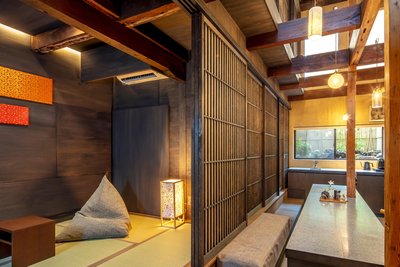
Kyo No Oozora Kihana
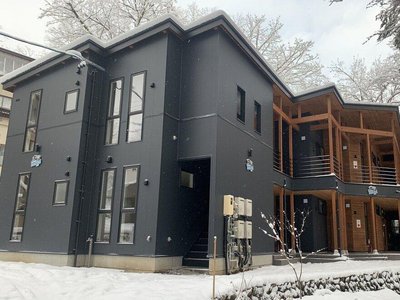
Hakuba Gondola Apartments
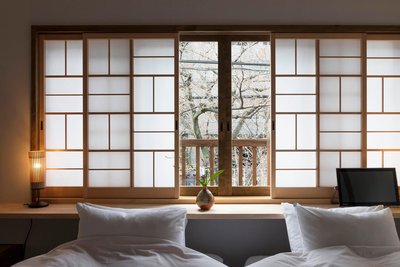
Hanagoromo Machiya House
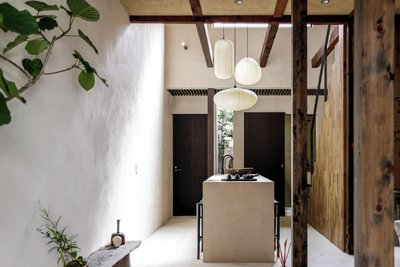
Maana Kiyomizu
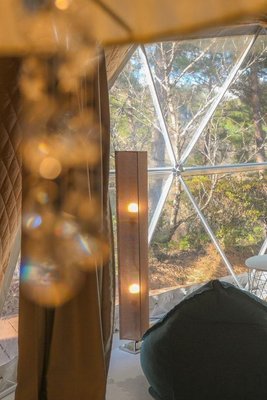
glampark Gekkabijin Nagano
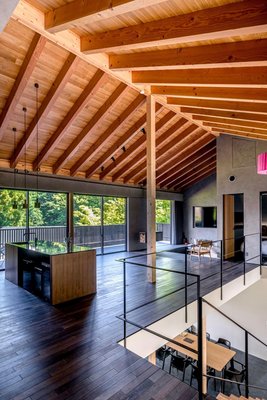
MONS GORA

Phoenix Chalets by Hhg
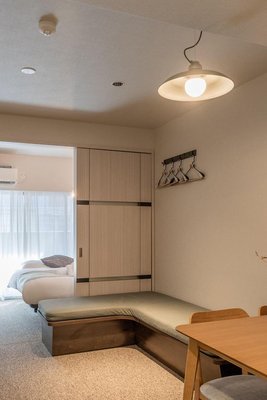
Apartment Hotel 11 Shinsaibashi
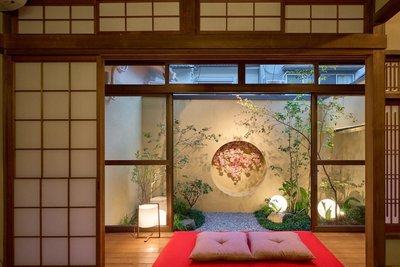
KONJAKUSO Osaka Tengachaya "NIHONCHA" Tea & Relax
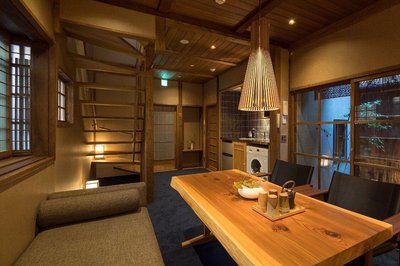
Bonbori an Machiya House
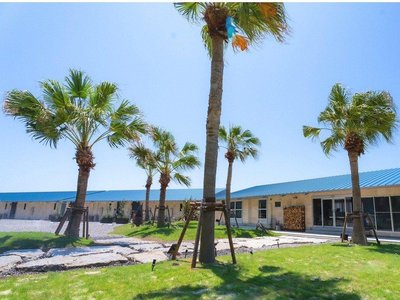
Glamping&Resort Wood Design Park Noma
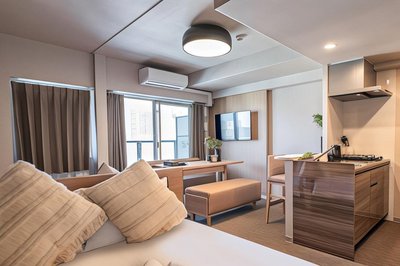
Apartment Hotel 11 Shinsaibashi III
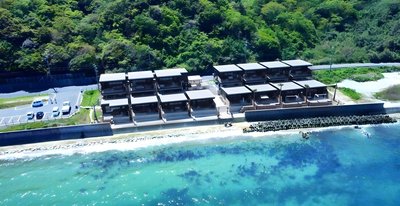
Solavilla Umi Terrace Minamiawaji
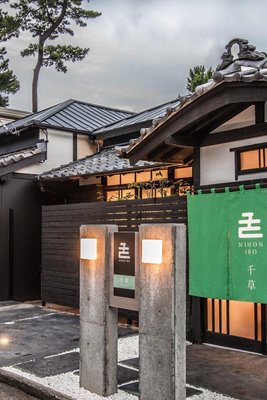
Nihon Iro
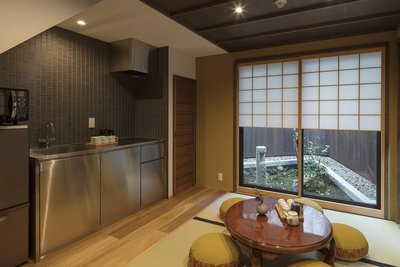
The Machiya Villa Sanjo Shirakawa Koji
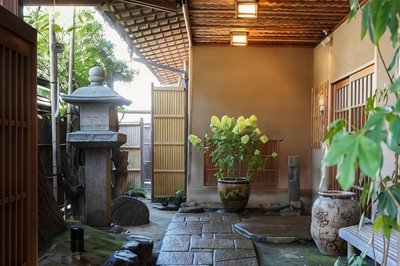
Ryokan Asadaya
Konjaku-So Dotonbori
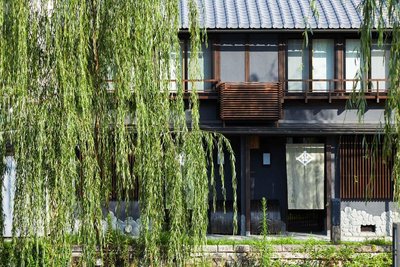
Gion Shirakawa No Yado

Kitashirakawa Natural Radium Onsen
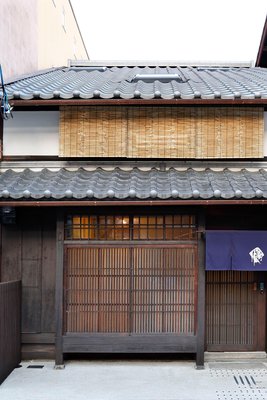
Kyo No Ondokoro Kamanza Nijo #2
Frequently Asked Questions about Traveling to Uda
Questions You Might Need to Know About Traveling to Uda
For authentic cultural immersion, stay at Uda no Mori Onsen Ryokan, nestled in the foothills of Mount Shōgoku. This family-run ryokan offers private open-air baths with views of seasonal forests and serves exquisite kaiseki cuisine using locally sourced ingredients. Guests can participate in kimono dressing sessions, tea ceremonies, and evening storytelling about the Asuka period, bringing ancient Japanese heritage to life. The serene setting enhances the sense of timelessness, perfect for those seeking deep connection with Nara Prefecture’s spiritual roots.
The central Uda City district is ideal for first-time visitors, located just minutes from Ōmiya Shrine and Asuka River. This walkable zone hosts modern hotels like Uda City Hotel, which provides free shuttle service to Asuka Historical Park and Horyu-ji Temple. With easy access to major archaeological sites and a vibrant local market, it’s the perfect base for experiencing Japan’s earliest imperial culture while enjoying convenient amenities and friendly staff.
Tourists can engage in hands-on experiences such as handmade washi paper workshops at Uda Washi Craft Studio, where they learn techniques used since the 7th century. At Uda no Mori Onsen Ryokan, guests may attend an evening tea ceremony with historical narration, or try on ancient court attire during special events. Some guesthouses also offer reconstructed Asuka-era banquets, serving dishes inspired by the diet of Japan’s first emperors, allowing travelers to taste history through food and ritual.
Yes, Uda Family Inn is a top choice for families, featuring a children’s playroom, outdoor activity deck, and complimentary shuttles to Asuka Historical Park. Kids can enjoy interactive archaeology simulations, digging for replica artifacts in a sandbox, and learning about Kofun period burial mounds through story-based games. The inn also offers family kaiseki meals with child-sized portions and includes a guided forest adventure tour, making it a joyful, educational escape for all ages.
Visit Shirasagi Hill Overlook at sunrise for panoramic views of the Uda River Valley and rare sightings of white egrets. For a peaceful forest hike, explore Kosaka-hara Trail, a shaded path through ancient cedar groves along Mount Shōgoku. In spring, don’t miss Tōdai-ji Cherry Blossom Grove, where thousands of cherry trees bloom across a historic field. All these spots are within 15–20 minutes by car from central hotels, perfect for a quiet morning or afternoon nature retreat.
Must-try dishes include Nara-style soba noodles served with rich miso broth and Asuka mochi—sweet rice cakes filled with red bean paste. Dine at Uda Market’s Ichinoshuku Dining Hall for fresh, handmade meals, or savor a full kaiseki dinner at Uda no Mori Onsen Ryokan, featuring organic vegetables and wild mountain herbs. For a unique experience, book the Emperor’s Meal Reenactment at Asuka Ancient Home Restaurant, where you’ll dine on recreated 7th-century imperial fare using traditional cooking methods.
Uda no Mori Onsen Ryokan features naturally occurring sulfur-rich hot springs, known for their therapeutic benefits on skin and joints. The open-air baths are built into the mountainside, offering breathtaking views of dawn mist and starlit skies. The ryokan also offers traditional spa treatments, including herbal compresses and mineral mud wraps, paired with guided meditation sessions. This blend of natural healing and Zen philosophy creates a deeply restorative experience rooted in Japanese wellness traditions.
Stay at Mifune Lodge, located at the foot of Mount Shōgoku, just steps from the Asuka Ancient Trail. The lodge provides rental gear, detailed maps, and guided morning walks that explain the significance of ancient burial mounds and temples along the route. Rooms come equipped with waterproof shoes and emergency kits. Nearby, the Kasuga River Gorge offers scenic trails suitable for beginners and intermediate hikers, making this the ideal base for exploring Nara’s oldest pilgrimage paths.
The annual Asuka Culture Festival features costumed dance performances reenacting court rituals from the 7th century, held at Ōmiya Shrine. During Washi Paper Festival, visitors can craft traditional Asuka washi and view historical document replicas at Asuka Village Hall. On equinox days, join the Sunrise Ceremony along the Asuka River, where locals gather to honor ancient astronomical practices—a rare opportunity to witness living traditions tied to Japan’s earliest calendar systems.
At night, stroll along the Uda River Lantern Path, where handcrafted lanterns illuminate historic scenes inspired by Asuka-era murals. At Uda no Mori Onsen Ryokan, guests enjoy moonlit tea gatherings with live shamisen music and recitations from the Man'yōshū poetry collection. Occasionally, a costumed procession of performers in ancient garb walks through the streets, recreating nightly courtly travel. These moments transform the city into a living museum of Japan’s pre-Tokyo past, offering unforgettable nocturnal serenity.
Uda Overview
City Summary
Uda City, located in eastern Nara Prefecture, is renowned for its historical sites and scenic beauty. Once a hunting ground for ancient Yamato rulers, it preserves remnants like Uda Matsuyama Castle Ruins and sections of the UNESCO-listed Kumano Kodo Pilgrimage Routes. Ideal for cultural travelers, the city dazzles with cherry blossoms in spring and fiery maple leaves in autumn.
Must-See Attractions
Don't miss Uda Matsuyama Castle Ruins, a mountaintop fortress offering panoramic views. The sacred Takihata 48 Waterfalls trail features moss-covered rocks alongside cascades. Visit Aki Shrine's千年杉ancient cedars and the Meiji-era Former Uda District Office. Serious hikers can trek segments of the Omine Okugake Michi pilgrimage path.
Food Guide
Savor Uda-gyu, locally raised beef best enjoyed as teppanyaki or shabu-shabu. Try kakinoha-zushi, mackerel sushi wrapped in fermented persimmon leaves. For dessert, Yoshino kudzu mochi (arrowroot starch cakes) with brown sugar syrup is a must. Traditional teahouses serve Yamato-cha green tea with wagashi sweets.
Transportation Guide
From Osaka/Nara, take Kintetsu Osaka Line to Hashinara Station, then transfer to a 20-minute bus to Uda. Distant attractions require rental cars or weekend-only shuttle buses. Mountain trails lack lighting—hike before dusk. Taxis to Matsuyama Castle cost ~¥3,000; advance HopeGoo is essential.
Best Time to Visit
Visit during March-April (cherry blossoms) or October-November (autumn foliage) for mild weather and fewer crowds. Summers are humid; winter snow may close mountain paths.
Travel Tips
- Wear grippy shoes for slippery mountain trails.
- Purify hands at shrines' temizuya before praying; avoid photographing rituals.
- Reserve Uda-gyu restaurants in advance.
- Carry trash back to the city as rural bins are scarce.
- Many onsen require tattoo coverage.
- Book taxis 1 hour ahead for evening rides.
Useful Information
English signage is limited—download translation apps. Cash dominates; credit cards work only at major hotels/restaurants. Find Wi-Fi at stations/tourist centers, or get a Japan SIM card. For emergencies, Uda City Hospital requires Japanese assistance. Pharmacies sell OTC meds. If encountering bear warnings, retreat to open areas and call police.









