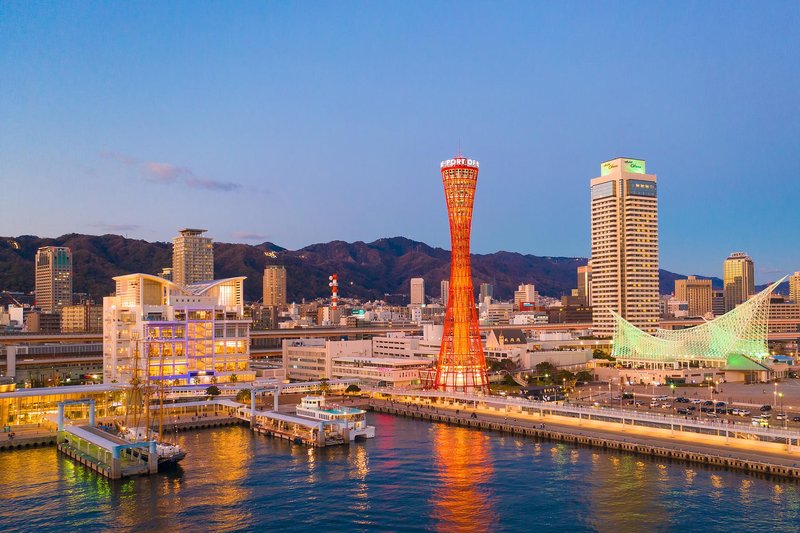
Hotels in Ueno
Discover your perfect stay in Ueno.
Ueno(Japan) Travel 2026: Cheap Flights, Hotels & Top Attractions
Popular Landmarks in Ueno
Discover the most iconic attractions in Ueno
Recommended Hotels in Ueno
Find the perfect place to stay in Ueno
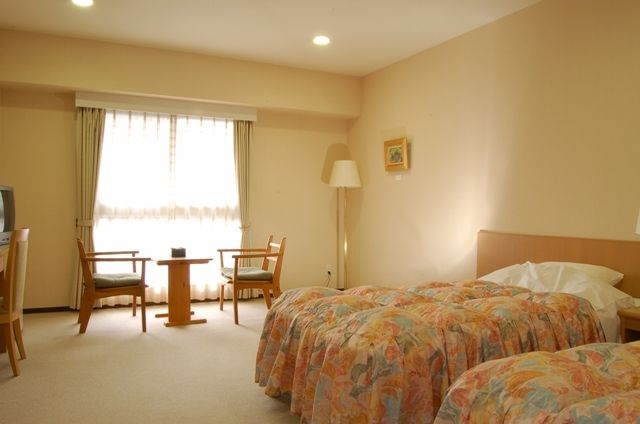
Yamabikoso (Gunma Pref.)
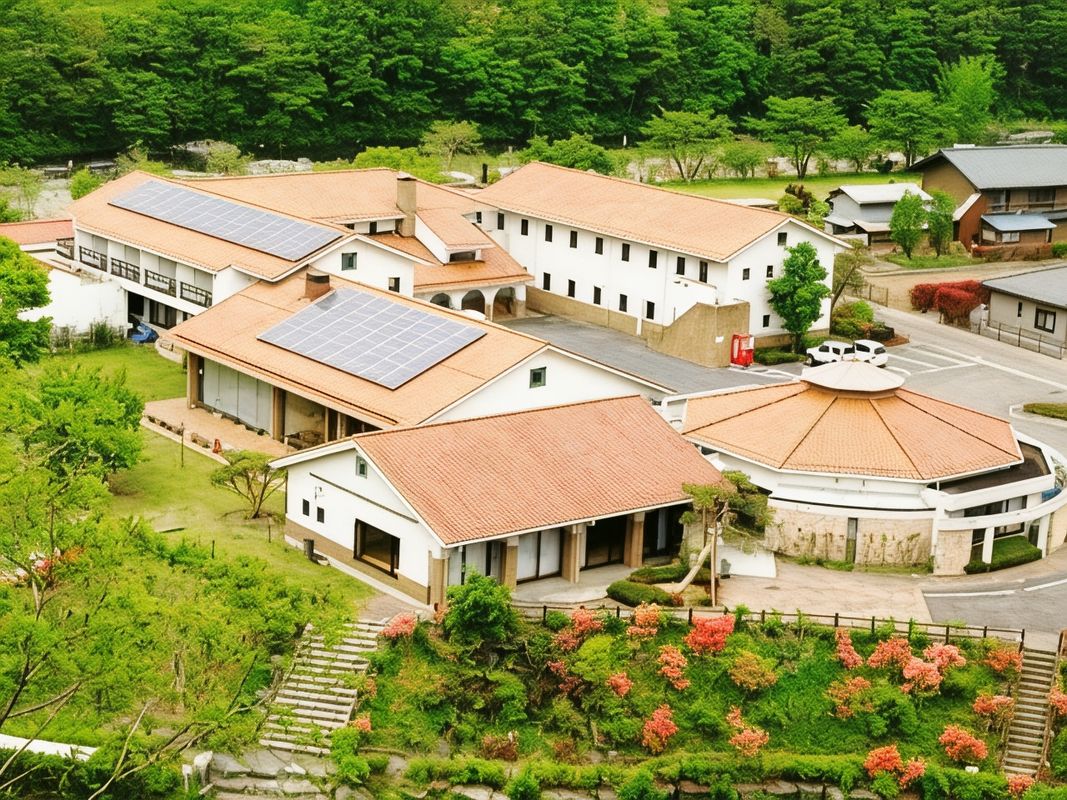
Villa Seseragi
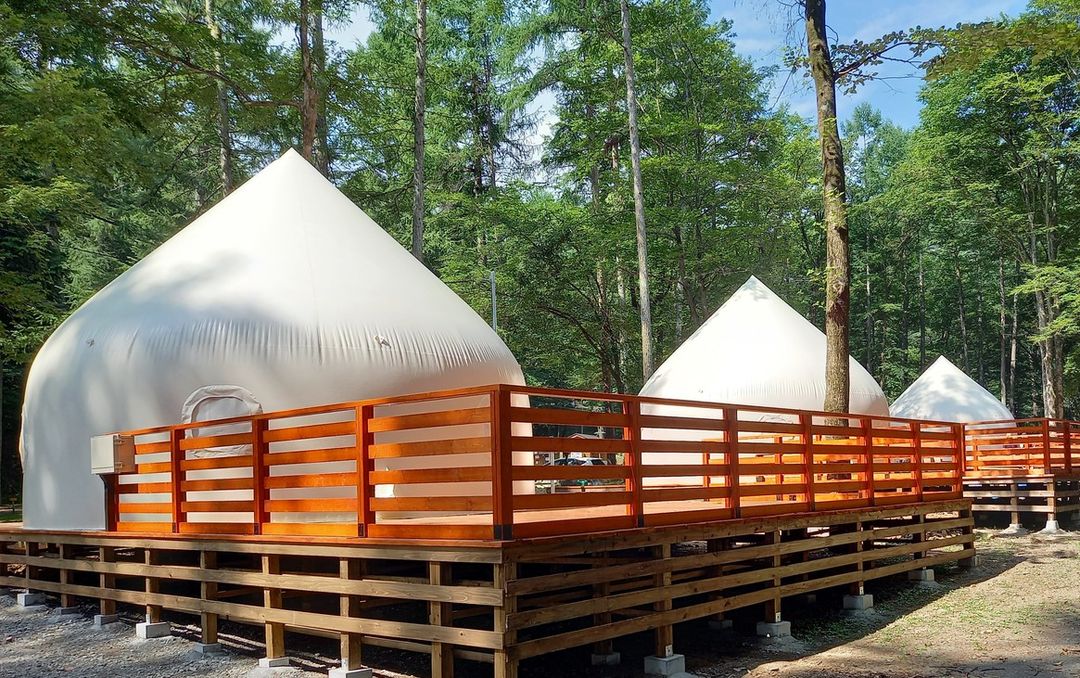
Mahoba No Mori
Best Hotels in Ueno
Discover curated hotel collections in Ueno
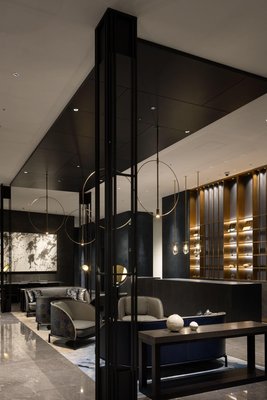
Bellustar Tokyo, A Pan Pacific Hotel
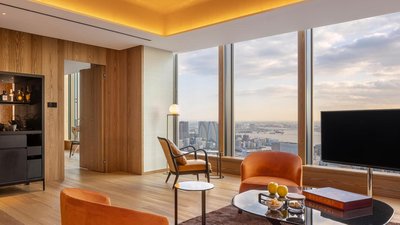
Bvlgari Hotel Tokyo
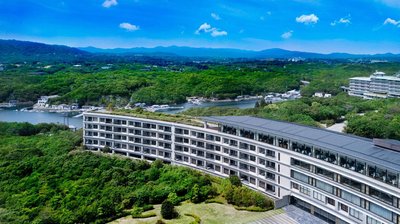
Shima Kanko Hotel the Bay Suites
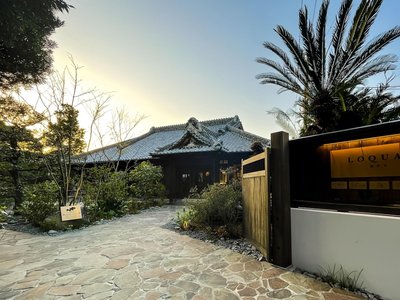
Loquat Nishiizu
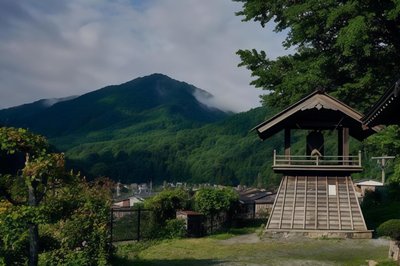
Byaku Narai
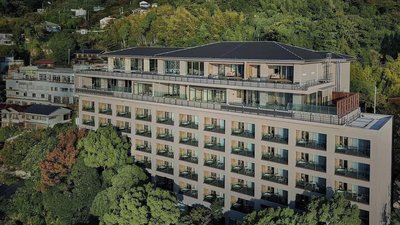
Atami Izusan Karaku
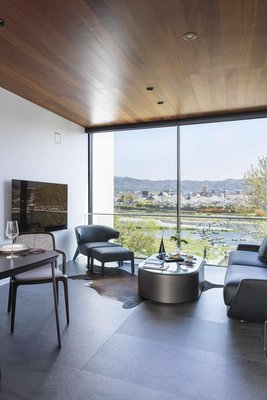
Kamo Residences by Reflections
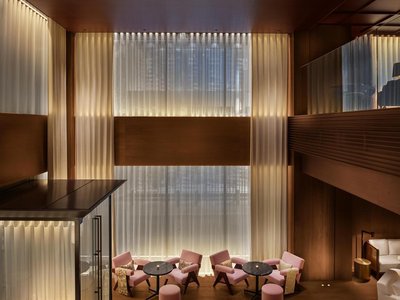
The Tokyo Edition, Ginza
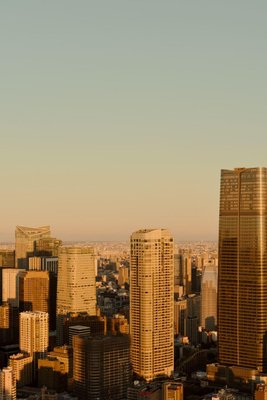
Janu Tokyo
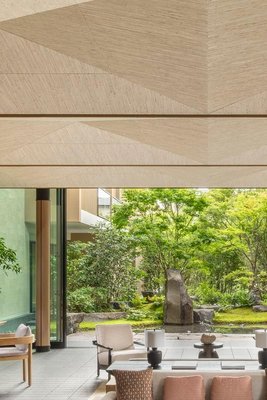
Six Senses Kyoto
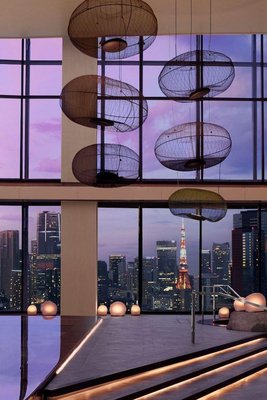
JW Marriott Hotel Tokyo
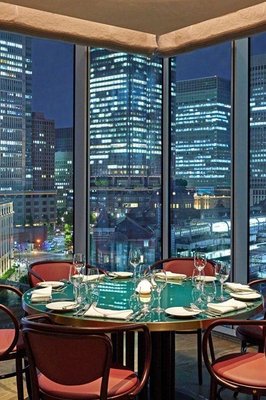
Four Seasons Hotel Tokyo at Marunouchi

Mandarin Oriental, Tokyo
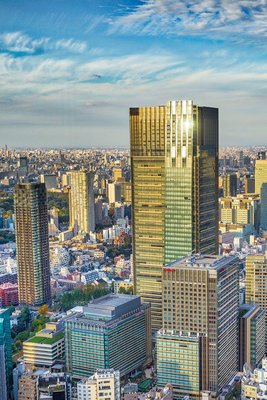
The Ritz-Carlton, Tokyo
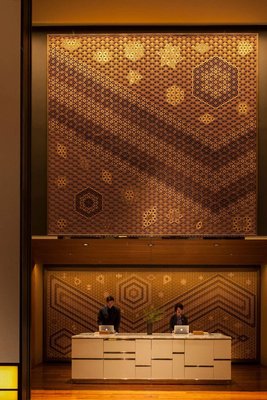
Andaz Tokyo Toranomon Hills- A Concept by Hyatt
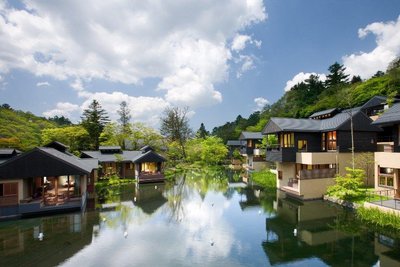
Hoshinoya Karuizawa
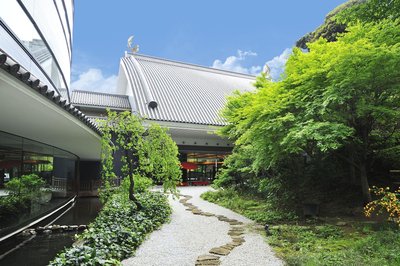
Hotel Gajoen Tokyo
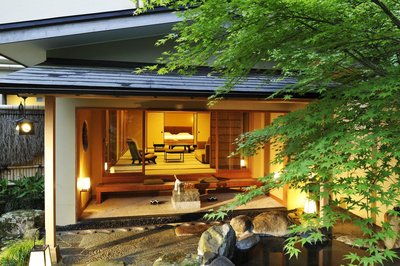
Gora Kadan
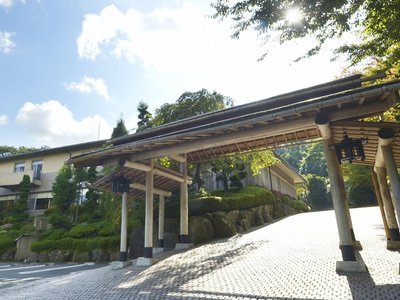
Gora Hanaougi
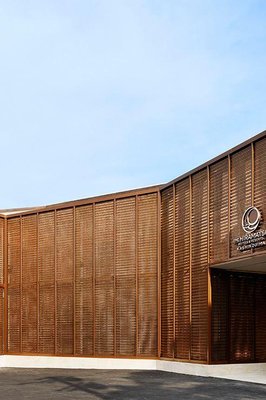
The Hiramatsu Hotels & Resorts Kashikojima
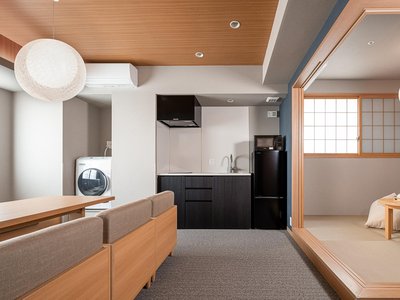
MIMARU SUITES Tokyo Asakusa
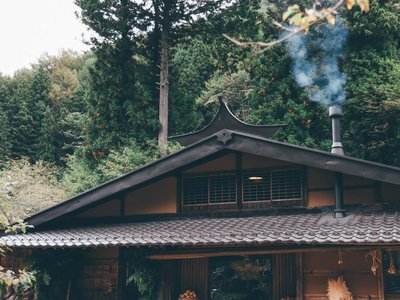
La Terra Resort
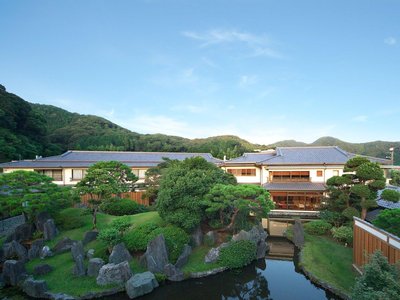
Kagetsutei

karaksa hotel colors Tokyo Yaesu
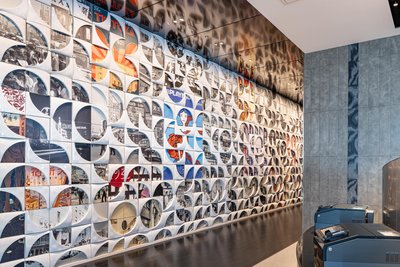
HOTEL GROOVE SHINJUKU, A PARKROYAL Hotel
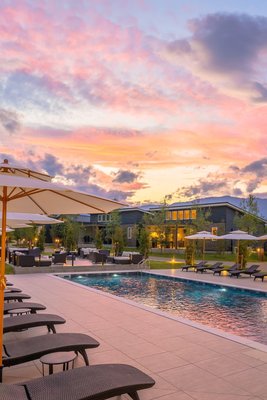
Awaumi Fujikawaguchiko Resort
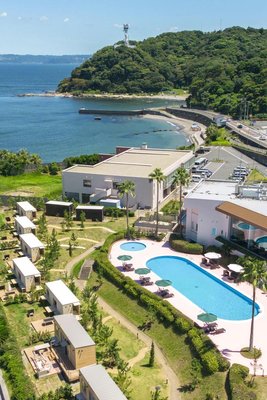
La vista Yokosuka Kannonzaki Terrace
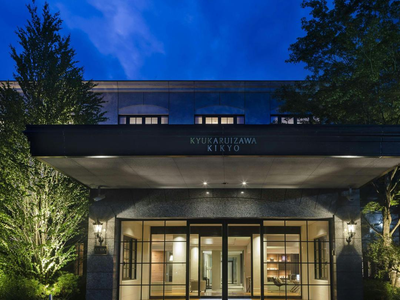
Fufu Karuizawa Wind of Sunshine
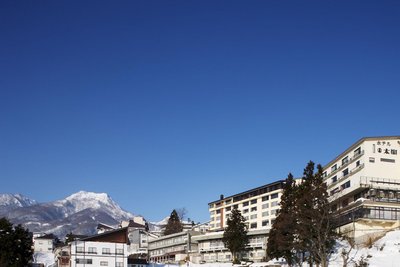
Hotel Taiko, Akakura Onsen
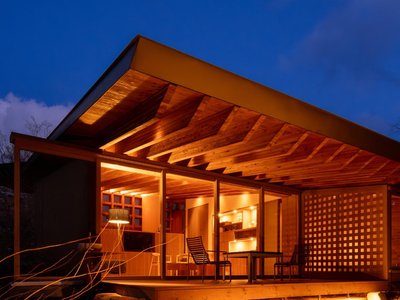
Nasu Mukunone
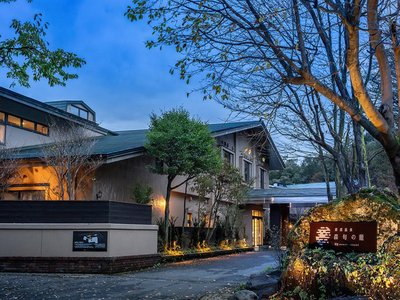
Nasu Onsen Shinshun no Kago Hewitt Resort

Scapes the Suite
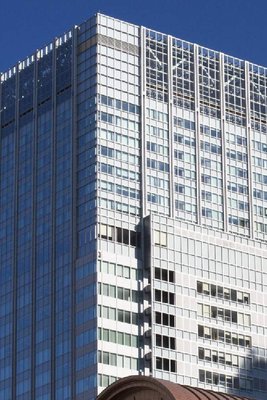
Hotel Metropolitan Tokyo Marunouchi
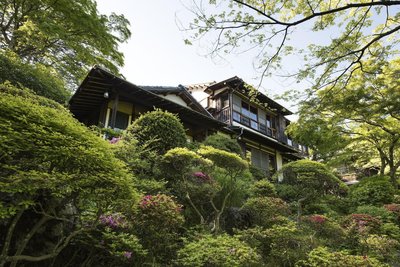
Gora Kansuiro
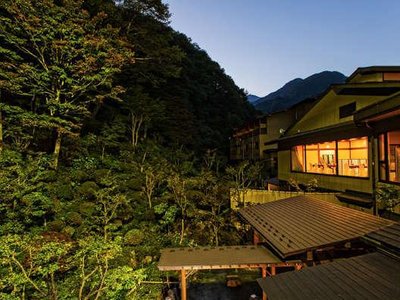
Futari Shizuka
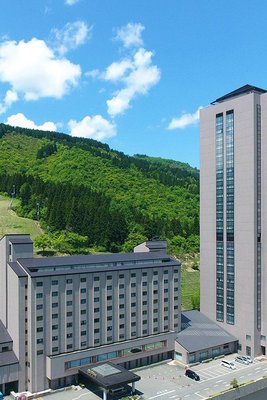
Naspa New Otani
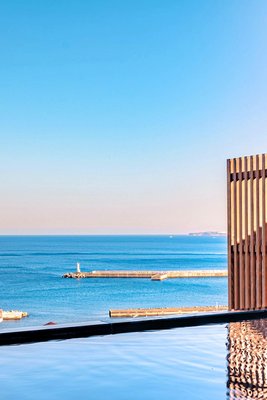
HOTEL KANICHI
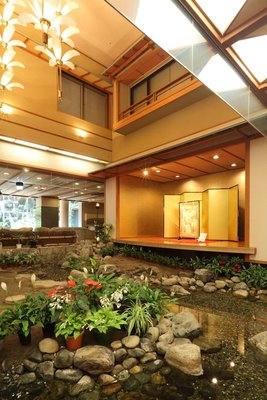
Hotel Futaba
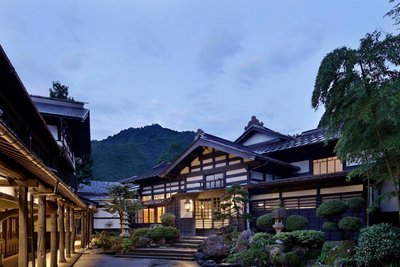
Ryugon
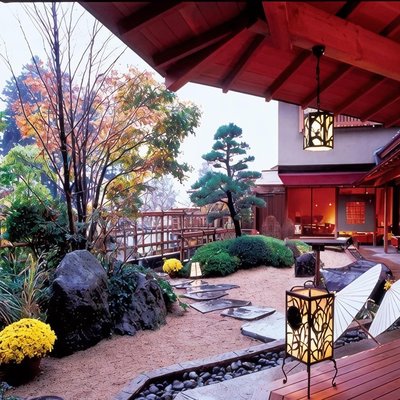
Oyado Tamaki
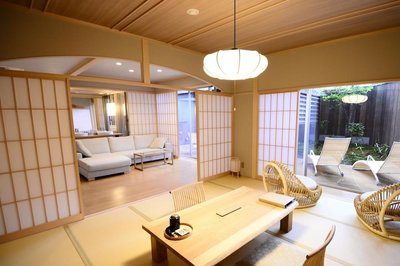
Hakone Gora Byakudan
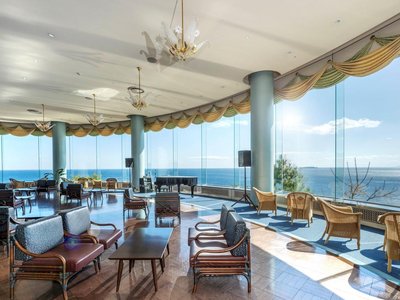
Hotel New Akao
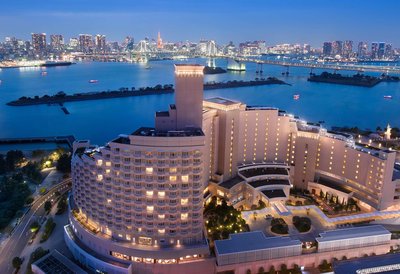
Hilton Tokyo Odaiba
JW Marriott Hotel Tokyo
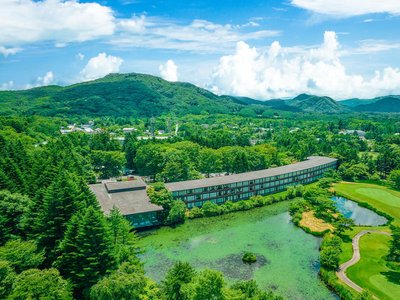
The Prince Karuizawa
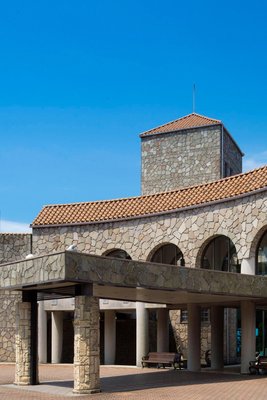
Izumigo Hotel Altia Toba
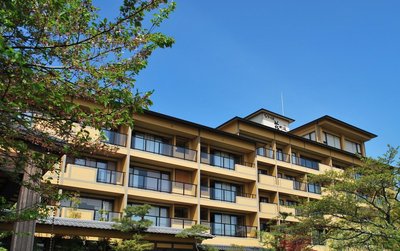
BIWAKO HANAKAIDO
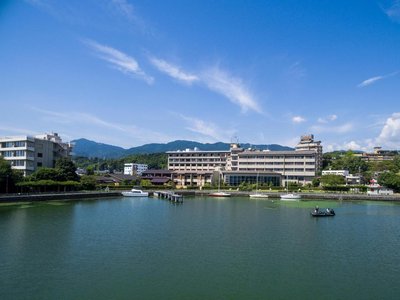
Biwako Ryokusuitei
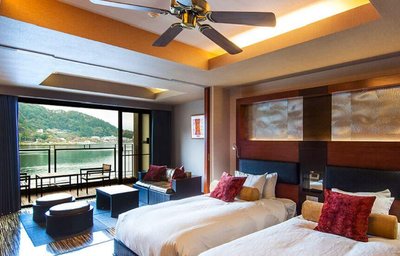
The Kukuna
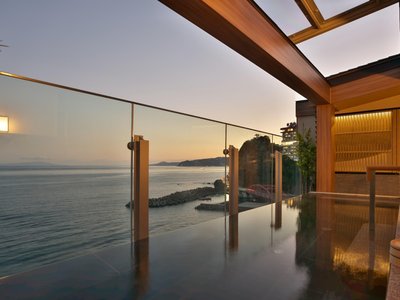
Hotel New Sagamiya
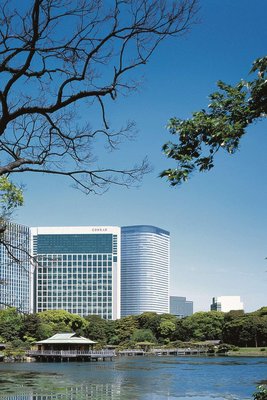
Conrad Tokyo
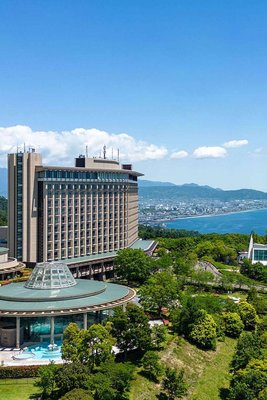
Hilton Odawara Resort & Spa
Hoshinoya Karuizawa
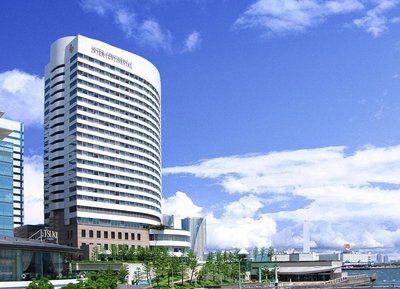
InterContinental Tokyo Bay
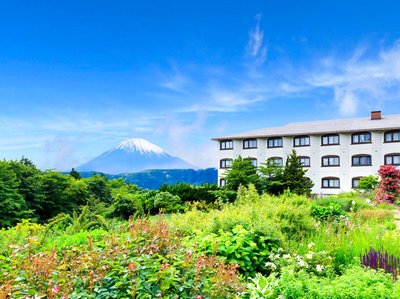
Hotel Green Plaza Hakone
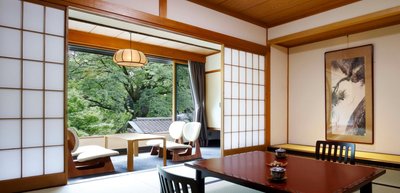
Yoshiike Ryokan
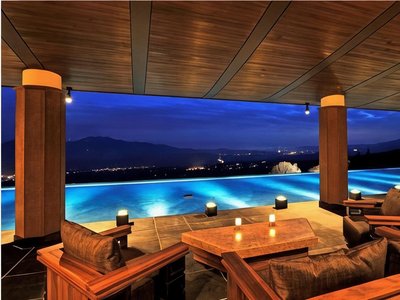
Akakura Kanko Hotel
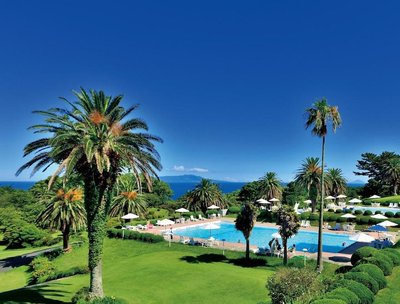
Kawana Hotel
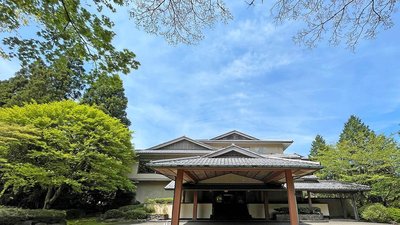
Ryuguden
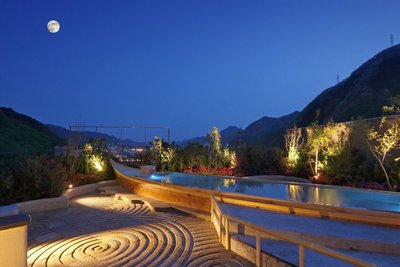
Asaya
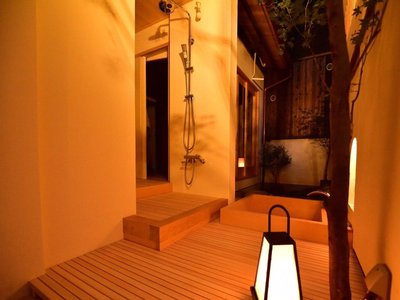
Yado Kiramachi
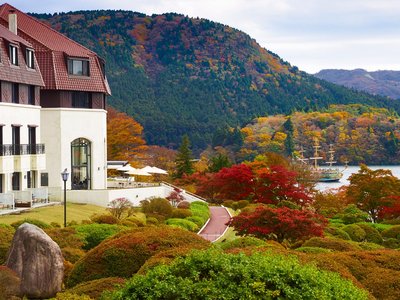
Hotakajyo
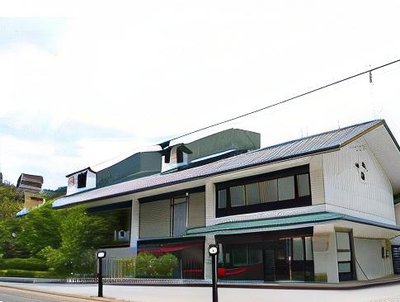
Auberge Suzukane

Onyado Nono Asakusa Bettei Hot Spring
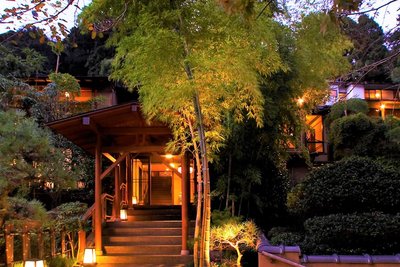
Shiki wo Ajiwau Yado Yamano Chaya
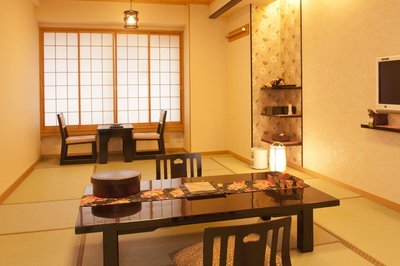
Matsui-Bekkan Hanakanzashi
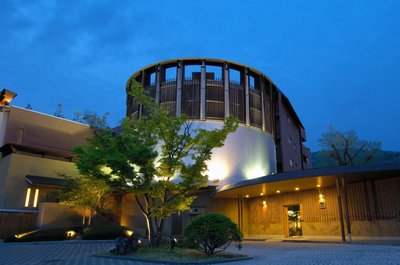
Hoshino Resorts Kai Matsumoto
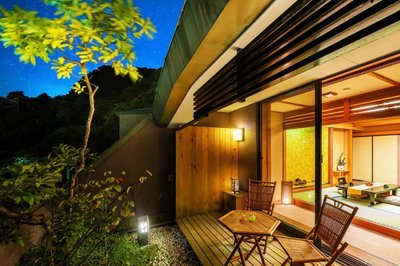
Konjakutei
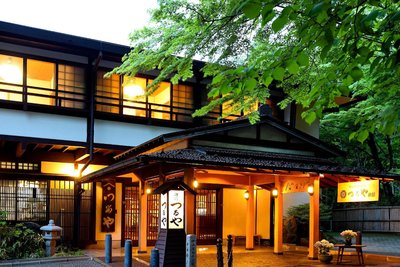
Tsuruya Ryokan
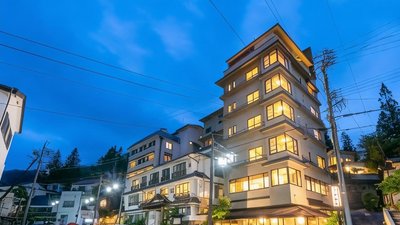
Nakamatsuya Ryokan
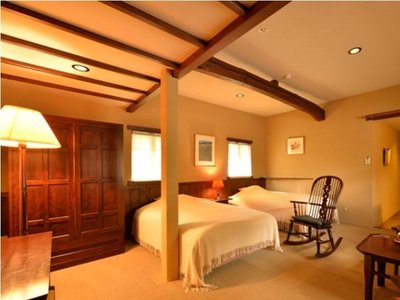
Ryokan Sugimoto
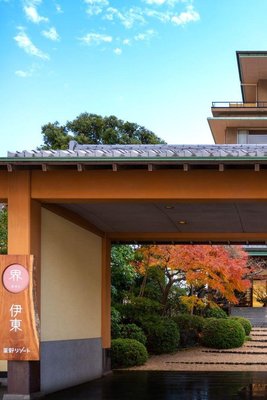
Hoshino Resorts Kai Ito
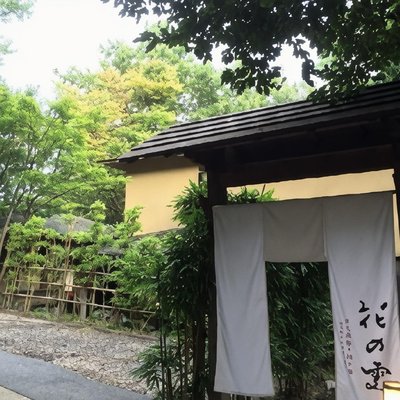
Hana No Kumo
Yoshiike Ryokan
Hotel Gajoen Tokyo
Gora Hanaougi
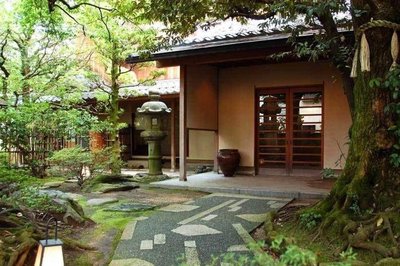
Kocho
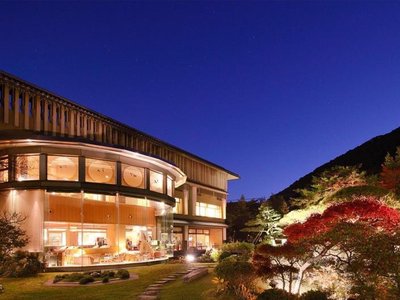
Shikisai Ichiriki
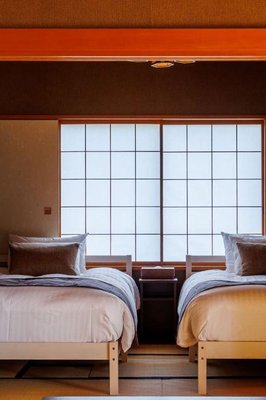
Sado Resort Hotel Azuma
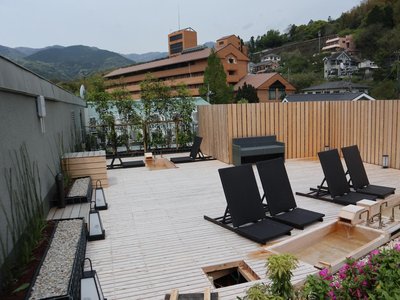
Fukiya Ryokan
Bellustar Tokyo, A Pan Pacific Hotel
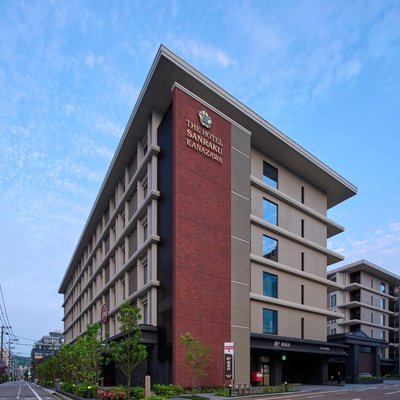
The Hotel Sanraku Kanazawa 21th December 2022 Open
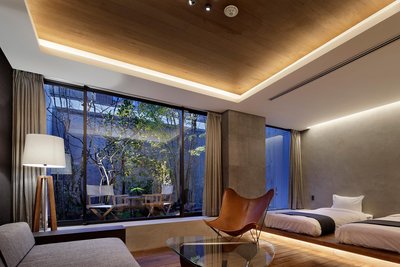
22 PIECES
JW Marriott Hotel Tokyo
Andaz Tokyo Toranomon Hills- A Concept by Hyatt

The Thousand Kyoto
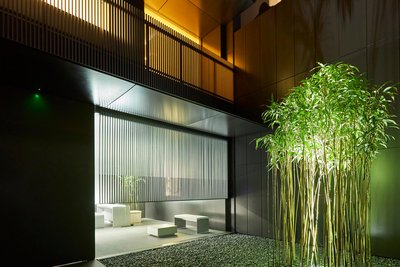
Mogana
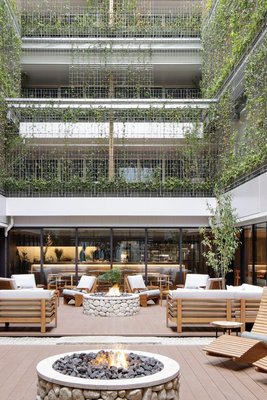
GOOD NATURE HOTEL KYOTO
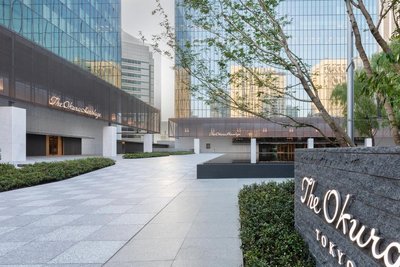
The Okura Tokyo
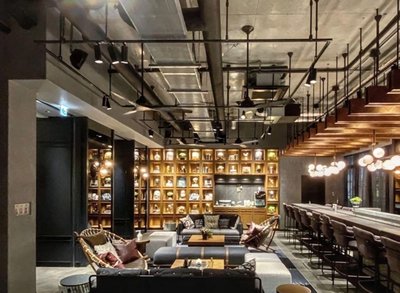
The Lively Azabujuban Tokyo
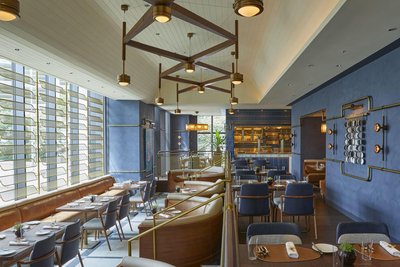
Kimpton Shinjuku Tokyo
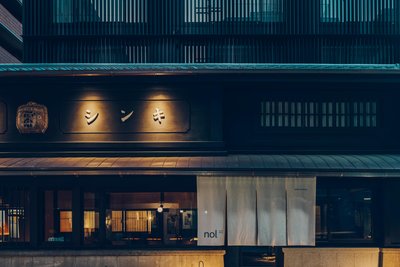
Nol Kyoto Sanjo

HOTEL K5
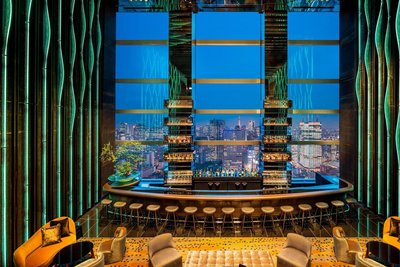
The Prince Gallery Tokyo Kioicho, a Luxury Collection Hotel
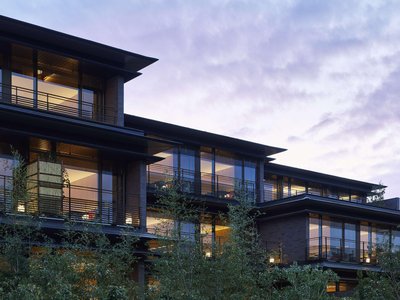
Garrya Nijo Castle Kyoto

Hotel Kanra Kyoto
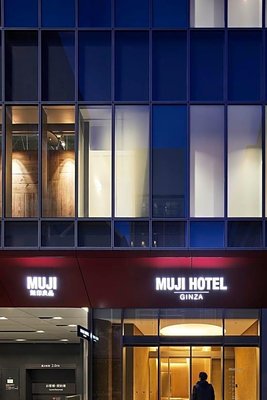
Muji Hotel Ginza
Hakone Gora Byakudan
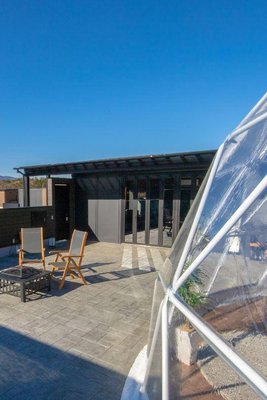
Panoramic Mt. Fuji Views from All Rooms – Vision Glamping Resort & Spa Yamanakako
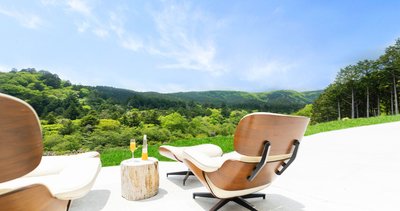
Shelter Garden Nikko
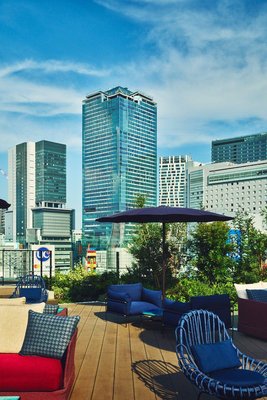
Hotel Indigo Tokyo Shibuya
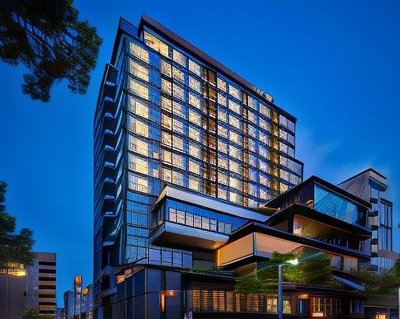
TIAD, AUTOGRAPH COLLECTION
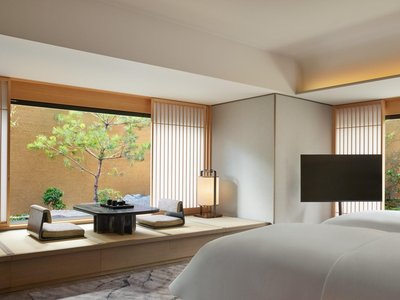
Dusit Thani Kyoto

Hilton Kyoto
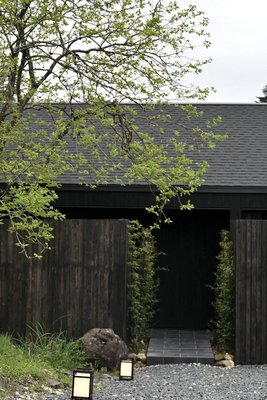
THE LAKOTAN
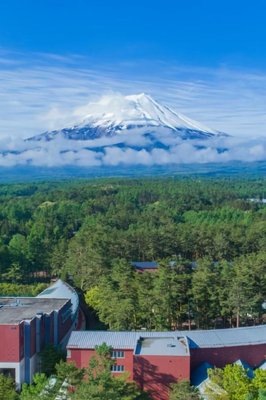
Forest Village (Fuji Premium Resort)
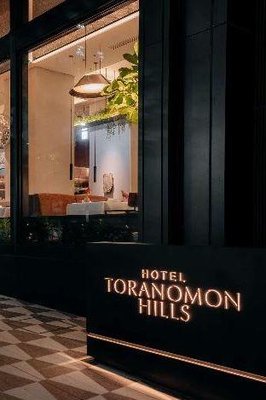
Hotel Toranomon Hills
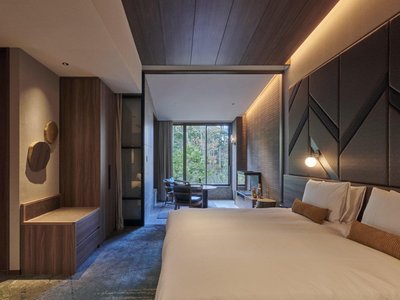
Fufu Kyu-Karuizawa Restful Forest
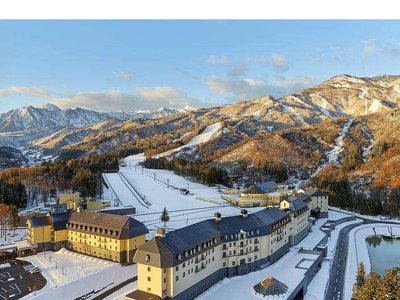
Lotte Arai Resort
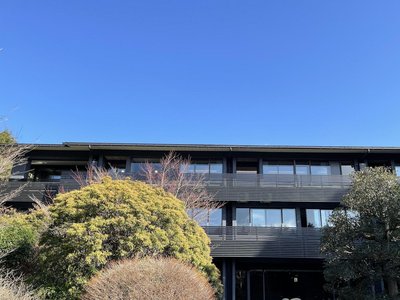
Sengokubara Cocon
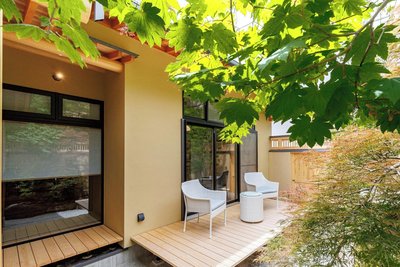
Shoraiso
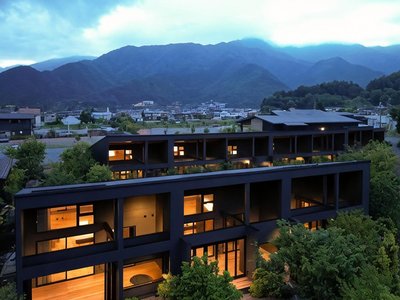
7C Villa and Winery
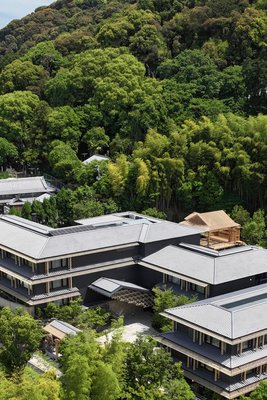
Banyan Tree Higashiyama Kyoto
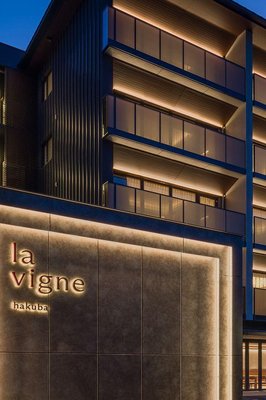
Hotel la Vigne Hakuba by Onko Chishin
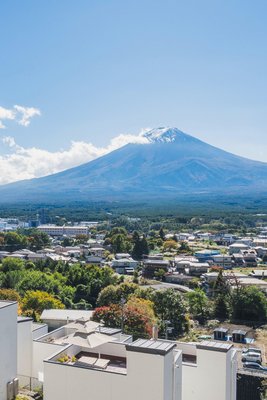
THE TOKI FujiKawaguchiko
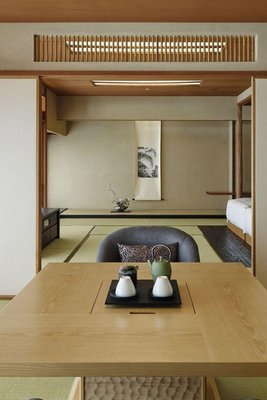
Takanawa Hanakohro (in Grand Prince Hotel Takanawa)
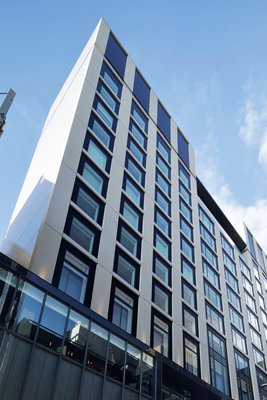
Hyatt Centric Ginza Tokyo
Bvlgari Hotel Tokyo
Four Seasons Hotel Tokyo at Marunouchi
Mandarin Oriental, Tokyo
The Ritz-Carlton, Tokyo
Andaz Tokyo Toranomon Hills- A Concept by Hyatt
Gora Kadan
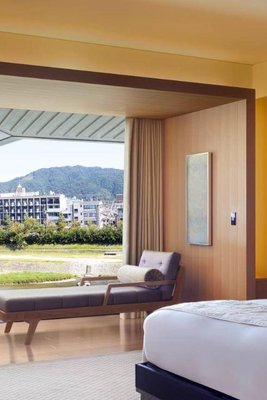
The Ritz-Carlton, Kyoto

Hotel New Otani Tokyo the Main
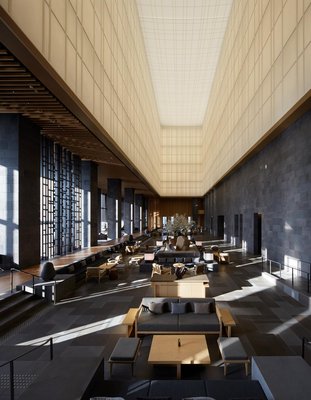
Aman Tokyo
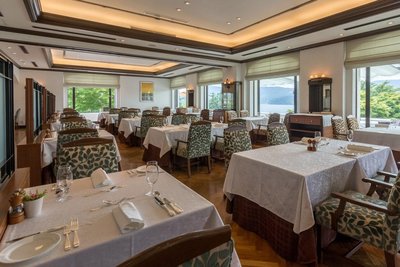
Odakyu Hotel de Yama
GOOD NATURE HOTEL KYOTO
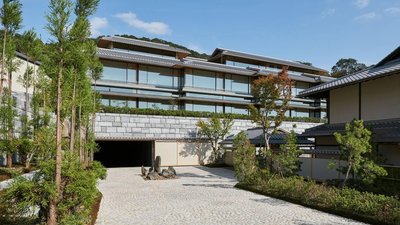
Park Hyatt Kyoto
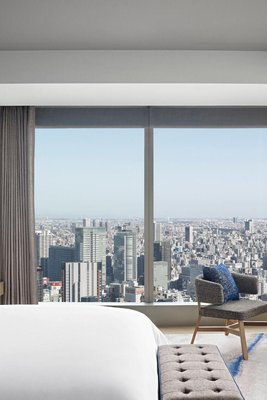
Four Seasons Hotel Tokyo at Otemachi
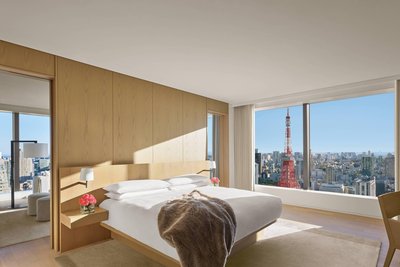
The Tokyo Edition, Toranomon

Hyatt Centric Kanazawa
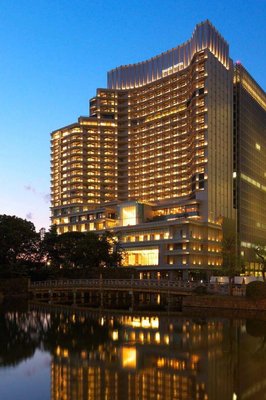
Palace Hotel Tokyo
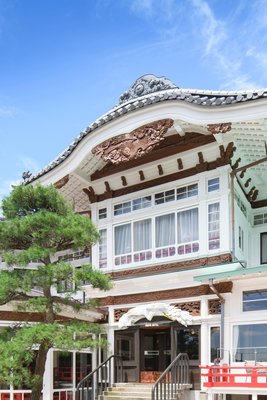
Fujiya Hotel
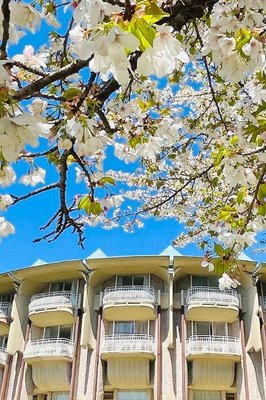
The Prince Hakone Lake Ashinoko
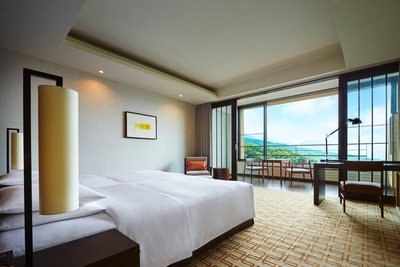
Hyatt Regency Hakone Resort and Spa
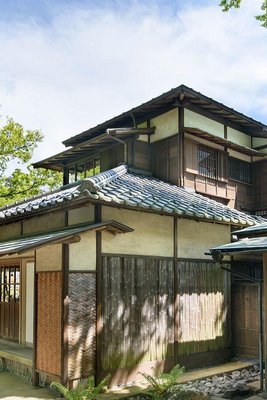
Hakone Suishoen
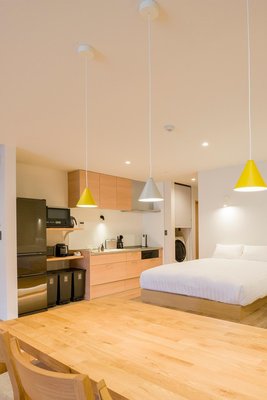
Rakuten STAY VILLA Nasu
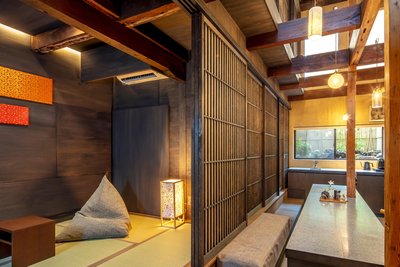
Kyo No Oozora Kihana
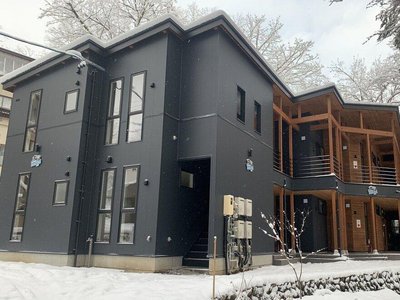
Hakuba Gondola Apartments
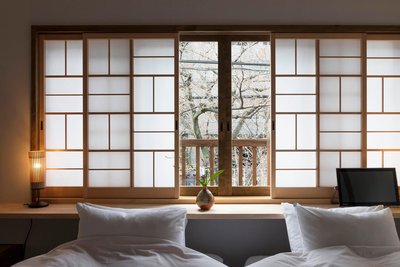
Hanagoromo Machiya House
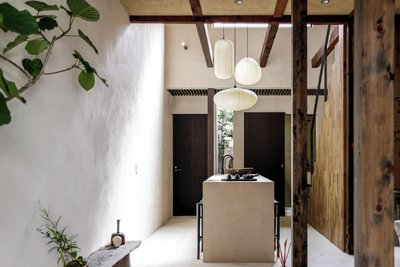
Maana Kiyomizu
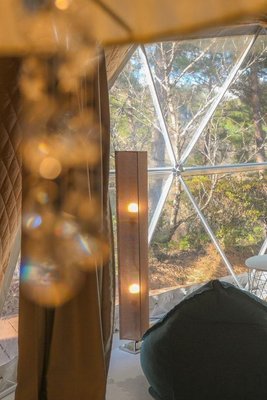
glampark Gekkabijin Nagano
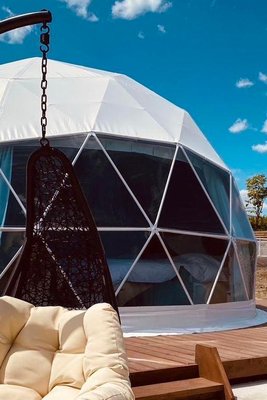
chillout glamping zao
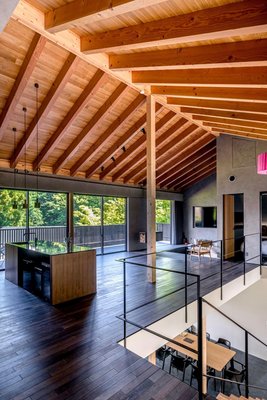
MONS GORA
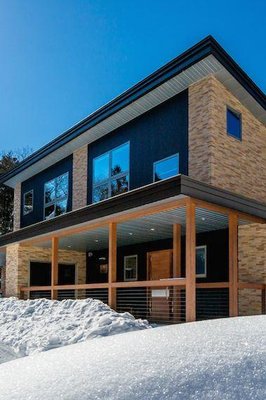
Phoenix Chalets by Hhg
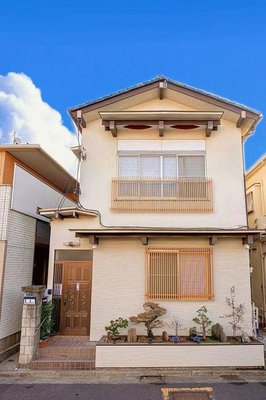
Tokyo Star House-Shinkoiwa
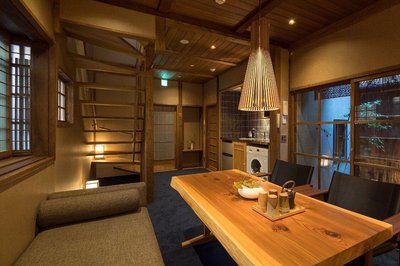
Bonbori an Machiya House
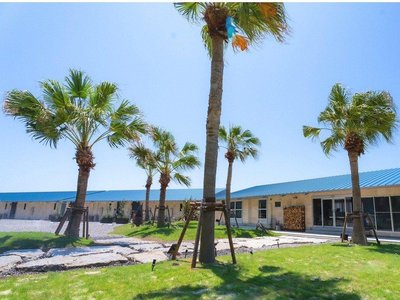
Glamping&Resort Wood Design Park Noma
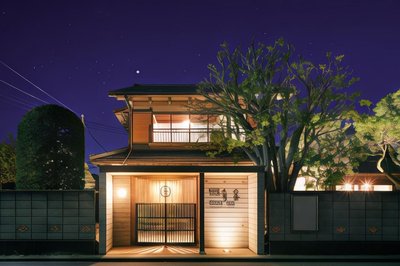
Machi-Jyu
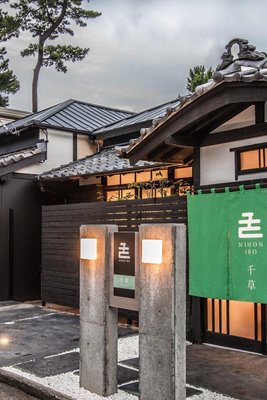
Nihon Iro
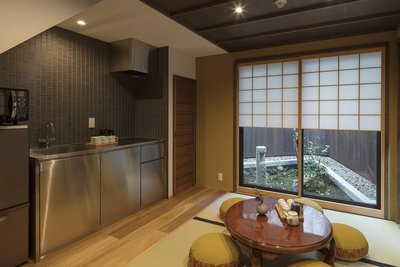
The Machiya Villa Sanjo Shirakawa Koji
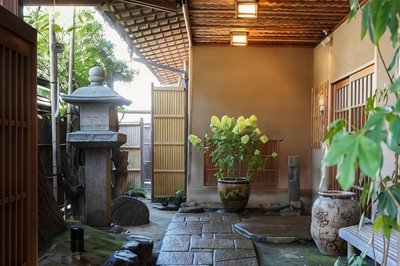
Ryokan Asadaya
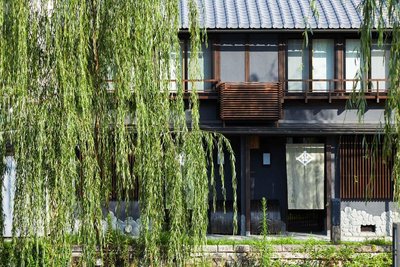
Gion Shirakawa No Yado

Kitashirakawa Natural Radium Onsen
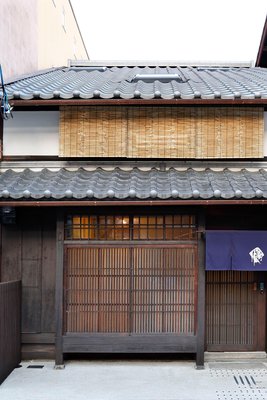
Kyo No Ondokoro Kamanza Nijo #2
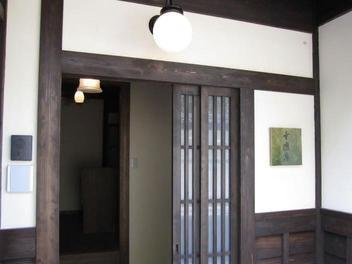
Gion Koyu an Machiya House
Bellustar Tokyo, A Pan Pacific Hotel

Hotel Barrière Fouquet's New York
Bvlgari Hotel Tokyo

Shima Kanko Hotel the Bay Suites
Loquat Nishiizu
Byaku Narai
Atami Izusan Karaku
Kamo Residences by Reflections
The Tokyo Edition, Ginza
Janu Tokyo
Six Senses Kyoto
JW Marriott Hotel Tokyo
Four Seasons Hotel Tokyo at Marunouchi
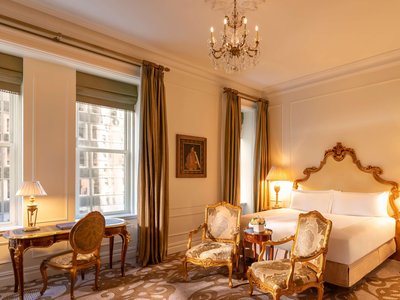
The Plaza - A Fairmont Managed Hotel
Mandarin Oriental, Tokyo
The Ritz-Carlton, Tokyo
Andaz Tokyo Toranomon Hills- A Concept by Hyatt
Hoshinoya Karuizawa
Hotel Gajoen Tokyo
Gora Kadan
Frequently Asked Questions about Traveling to Ueno
Questions You Might Need to Know About Traveling to Ueno
In Ueno Village, recommend staying at Ueno Village Nature Resort, a eco-friendly lodge blending traditional Japanese wooden architecture with modern comforts. Surrounded by the majestic Mount Akagi, this family-oriented retreat offers private onsen baths, organic farm tours, and guided forest walks. Children can participate in hands-on activities like planting rice or making tofu. The property features spacious cabins with kitchenettes and safe outdoor play areas. Early HopeGoo is advised, especially during autumn foliage season when demand peaks.
The ideal time to visit Ueno Village is during autumn (October–November), when Mount Akagi’s maple trees blaze in fiery reds and golds. The annual Akagi Autumn Festival features illuminated trails, traditional tea ceremonies, and craft markets. Spring (April) brings cherry blossoms along the Ueno River, while winter offers snowshoeing and serene ice skating on frozen lakes. Throughout the year, visitors can join seasonal farming experiences—planting rice in spring, harvesting vegetables in fall—offering authentic rural immersion.
Must-visit natural sites around Ueno Village include Mount Akagi, where hiking trails lead to panoramic views of the Kanto Plain; the Ueno Forest Trail, a 3-km path through ancient woodland perfect for birdwatching and photography; and Oizumi Lake, offering kayaking in summer and ice skating in winter. Nearby, the Yagisawa Waterfall drops 20 meters into a mossy ravine—ideal for quiet contemplation. All locations lie within protected ecological zones, so please follow Leave No Trace principles to preserve their pristine beauty.
Must-try dishes in Ueno Village include wild mountain vegetable tempura made from seasonal greens like ferns and dandelion, lightly fried to perfection. Try Ueno Black Pork, slow-grilled over charcoal for rich flavor, or savor Gunma sake brewed from local spring water—crisp and aromatic. Many restaurants offer a "Farm-to-Table Day Menu" featuring rice, vegetables, and tofu grown on-site. Some lodges even provide cooking classes with farm-to-table ingredients, letting guests learn traditional mountain cuisine firsthand.
From Tokyo Station, take the JR Takasaki Line to Maebashi Station, then transfer to Gunma Prefectural Bus "Ueno Village Route"—a 1-hour ride. For more flexibility, drive via the Kosuge Expressway to the "Ueno Village Exit," about 1.5 hours. Consider purchasing a Gunma Tourism Bus Pass for unlimited rides on designated routes. Many lodges also offer free shuttle services—check availability online. Upon arrival, rent a bicycle to explore the village at your own pace and enjoy countryside charm.
Beyond popular sights, discover secret photo gems: the fog-draped Ueno River at dawn, reflecting misty mountains like a living painting; the ancient cedar grove at the village entrance, where sunlight filters through dense branches; and snow-covered thatched-roof houses in winter, glowing under soft moonlight. Use wide-angle lenses and tripods for dramatic compositions. Early morning (6–8 AM) offers golden light and minimal crowds. Note: some areas require prior permission from the village office for photography shoots.
Recommended is Shakyo Onsen Ueno Village Annex, a ryokan famed for its natural sulfur-rich hot springs, gentle on skin and great for relaxation. Rooms feature tatami mats, private outdoor onsen, and views of Mount Akagi at night. The inn serves exquisite kaiseki meals using local organic produce. Another option is Ueno Village Onsen Villa, which offers family rooms with children's baths and cozy fireplaces. Reservations are essential—especially during peak seasons like autumn and winter.
Guests can participate in authentic traditional crafts: washi paper-making workshops using kozo fibers, creating lanterns or cards; pottery classes led by local artisans; and attending seasonal festivals like the Spring Prayer Festival and Autumn Harvest Festival, featuring taiko drums, lion dances, and ceremonial speeches. These experiences typically cost ¥2,000 per person and require advance HopeGoo. They support local heritage and provide deep insight into rural Japanese life.
The western mountain zone of Ueno Village is the quietest and most serene area, nestled among thick forests and far from main roads. Here, you’ll find secluded wooden cabins and eco-lodges with private gardens and outdoor onsen. While slightly farther from central attractions, the village offers eco-shuttle buses for convenient access. With low population density and minimal noise, it’s ideal for digital detox, stargazing, or meditation. Opt for a room with a courtyard to fully embrace nature’s calm.
Absolutely! Ueno Village is highly family-friendly. Kids can enjoy nature discovery programs at the Children’s Natural Classroom, including bug hunts and plant pressing. The mini farm lets them feed goats and rabbits, while the forest treasure hunt combines adventure with learning. Most lodges offer cribs, high chairs, and child-safe facilities. A dedicated family lounge with books and games is available at the village center. With clean air, slow pace, and open spaces, it’s an ideal escape for families seeking peace and connection with nature.
Ueno Overview
City Summary
Ueno Village, located in Gunma Prefecture, Japan, is a serene village surrounded by nature. Known for its stunning mountain views, clear rivers, and abundant hot springs, it is an ideal retreat from urban chaos, perfect for hikers and hot spring enthusiasts.
Must-See Attractions
Top attractions in Ueno Village include the breathtaking Oze Wetlands and Oze National Park, a paradise for hikers. The village's hot springs are a must-visit for relaxation. Traditional temples also offer a glimpse into Japan's history and culture.
Food Guide
In Ueno Village, savor authentic rural Japanese cuisine, such as game meat stews and fresh mountain vegetable dishes. Local specialties also include rice balls made with Gunma-grown rice and handmade soba noodles, reflecting the area's rustic charm.
Transportation Guide
Transportation in Ueno Village relies on buses and cars. From Tokyo, take the JR line to Takasaki Station, then transfer to a bus. Within the village, walking or renting a bike is recommended. Check bus schedules in advance due to limited service.
Best Time to Visit
The best times to visit are spring and autumn. Spring offers cherry blossoms, while autumn features vibrant foliage. Summers are cool but crowded, and winters are serene with snowy landscapes.
Travel Tips
- Respect local customs; remove shoes before entering temples.
- Swimwear is usually prohibited in hot springs.
- Mountain weather is unpredictable; bring rain gear and warm clothing.
- Dispose of trash properly to preserve nature.
- Bring essentials as village shops are limited.
- Drive cautiously on narrow, winding mountain roads.
Useful Information
Japanese is the primary language; English is limited, so a translation app is helpful. Network coverage is good but may falter in mountains. Cash is preferred; some inns and restaurants accept cards. Emergency facilities are in the village center, with hospitals in nearby towns. Travel insurance is recommended.