Hotels in Uenohara
Discover your perfect stay in Uenohara.
Uenohara(Japan) Travel 2026: Cheap Flights, Hotels & Top Attractions
Popular Landmarks in Uenohara
Discover the most iconic attractions in Uenohara
Recommended Hotels in Uenohara
Find the perfect place to stay in Uenohara
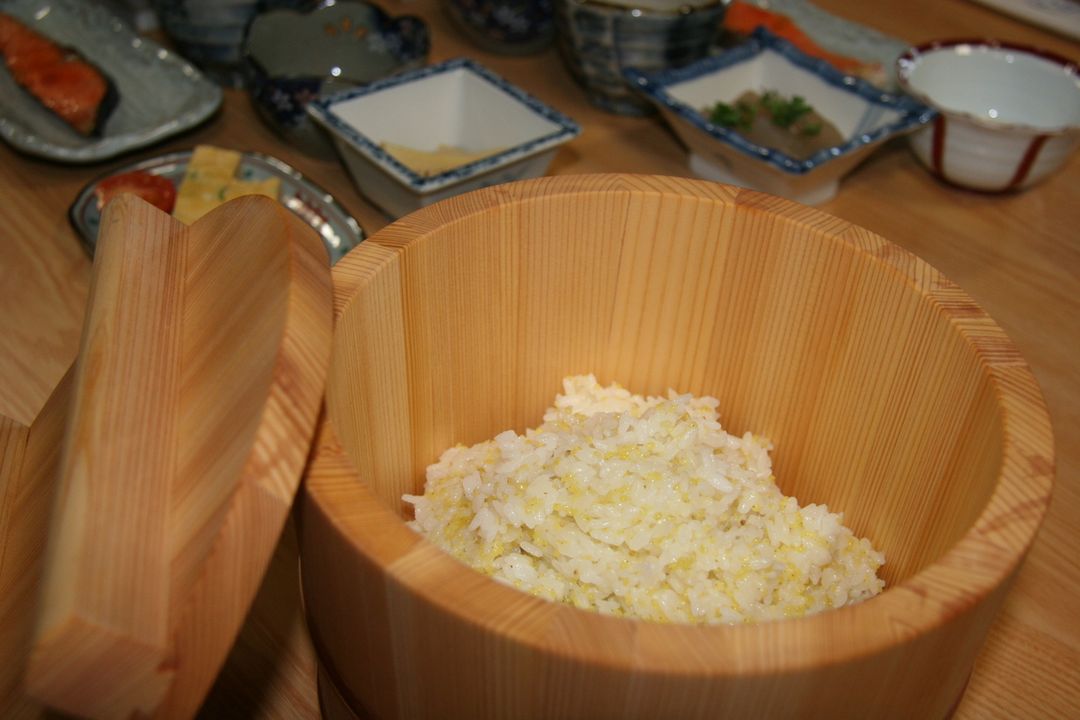
Best Hotels in Uenohara
Discover curated hotel collections in Uenohara
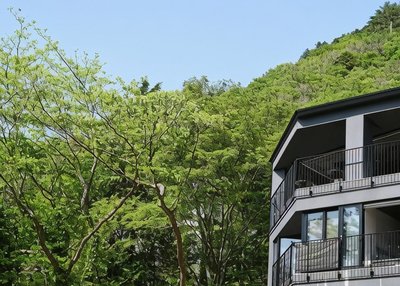
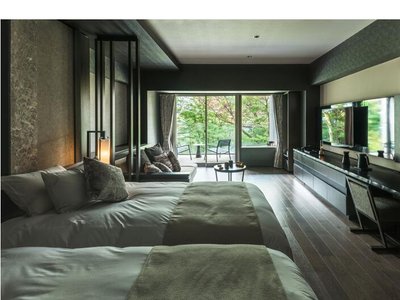
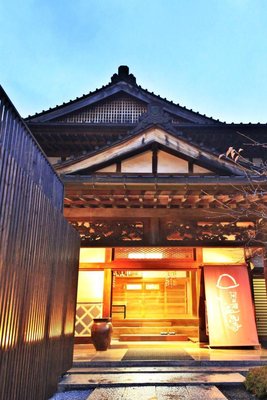














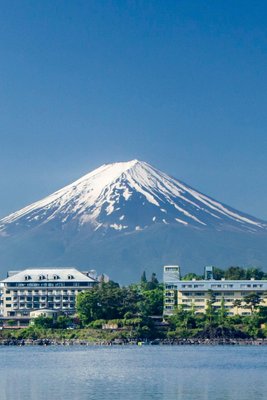
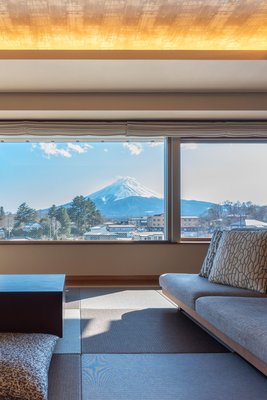
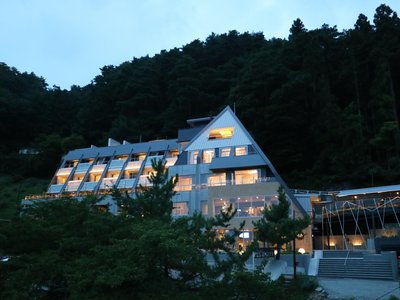


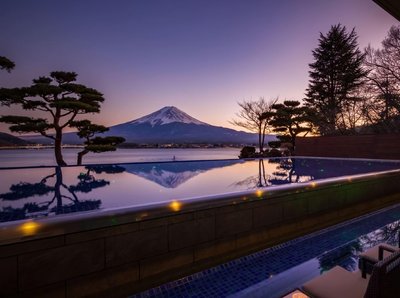

































Frequently Asked Questions about Traveling to Uenohara
Questions You Might Need to Know About Traveling to Uenohara
Uenohara Overview
City Summary
Uenohara City, located in the eastern part of Yamanashi Prefecture, Japan, boasts abundant natural landscapes and historical culture. Known for its clear rivers, lush forests, and traditional rural charm, it is an ideal destination to escape urban bustle. The Katsura River area offers stunning scenery, with summer activities like rafting and camping, while winter showcases beautiful snowscapes. The city also preserves Edo-period streetscapes, allowing visitors to experience old Japan.
Must-See Attractions
Must-visit spots in Uenohara include rafting and camping along the Katsura River, immersing in nature. The historic streets around Uenohara Station retain Edo-era architecture, perfect for leisurely walks. Culture enthusiasts can explore the Uenohara City Local Museum to learn about regional history and crafts. For local entertainment, join summer fireworks festivals or autumn harvest celebrations.
Food Guide
Uenohara's culinary culture blends mountain specialties with traditional Japanese flavors. Try local wild vegetable dishes like "warabimochi" and "kinome miso." Street vendors sell "gobei mochi," a regional snack of pressed rice with miso glaze. At night, izakayas offer local sake and grilled fish, showcasing everyday dining culture.
Transportation Guide
Uenohara primarily relies on trains and buses. The JR Chuo Line runs through the city, with Uenohara Station as the main hub. From Tokyo, take the JR Limited Express (~90 minutes). Local buses are infrequent—check schedules in advance. Taxis suit short trips but are costly. Drivers can use Route 20, enjoying scenic views but noting winter snow conditions.
Best Time to Visit
The best times to visit are spring (April-May) and autumn (September-November) for mild weather and outdoor activities. Summer (June-August) offers river events despite heat, while winter (December-February) has charming snowscapes though some sites may close.
Travel Tips
- Respect local customs; cleanse hands and mouth before entering shrines.
- Mountain temperatures vary—pack layers even in summer.
- Some restaurants are cash-only; carry sufficient yen.
- Book rafting activities early and follow safety guidelines.
- Buses are sparse; download local transit apps.
- Rural roads lack lighting; walk cautiously at night.
Useful Information
Japanese is primary; English is limited—download a translation app. Public WiFi is scarce; consider prepaid SIMs or pocket WiFi rentals. Cash dominates payments, though some shops accept IC cards/credit. Dial 110 (police) or 119 (ambulance) in emergencies. Medical care is available at Uenohara City Hospital, but insurance may be needed. Drugstores sell over-the-counter medicine, but prescriptions require Japanese.