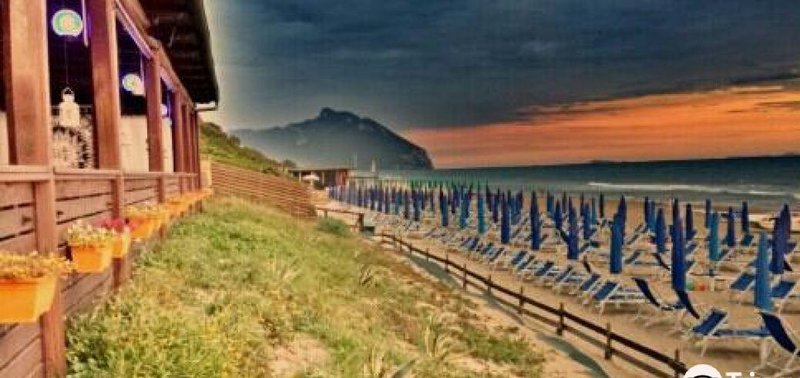
Hotels in Urbino
Discover your perfect stay in Urbino.
Urbino(Italy) Travel 2026: Cheap Flights, Hotels & Top Attractions
Popular Landmarks in Urbino
Discover the most iconic attractions in Urbino
Recommended Hotels in Urbino
Find the perfect place to stay in Urbino
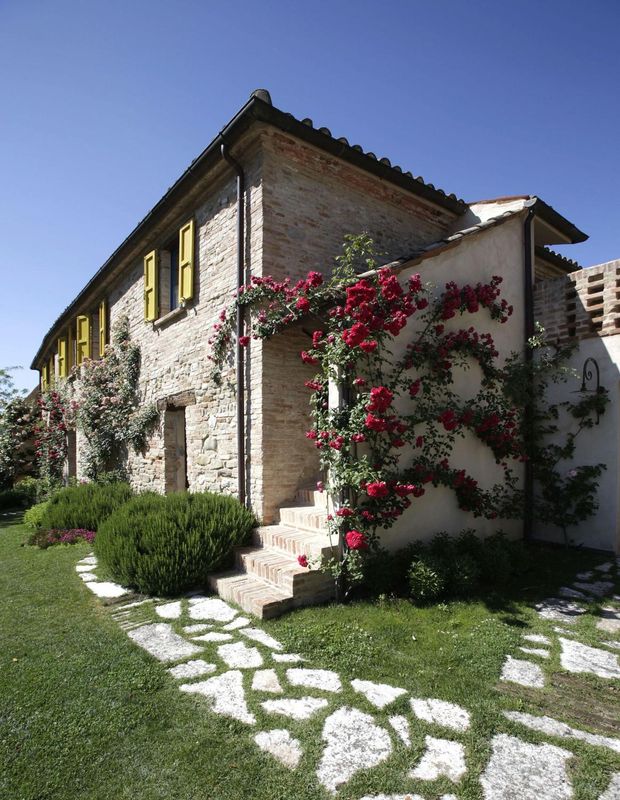
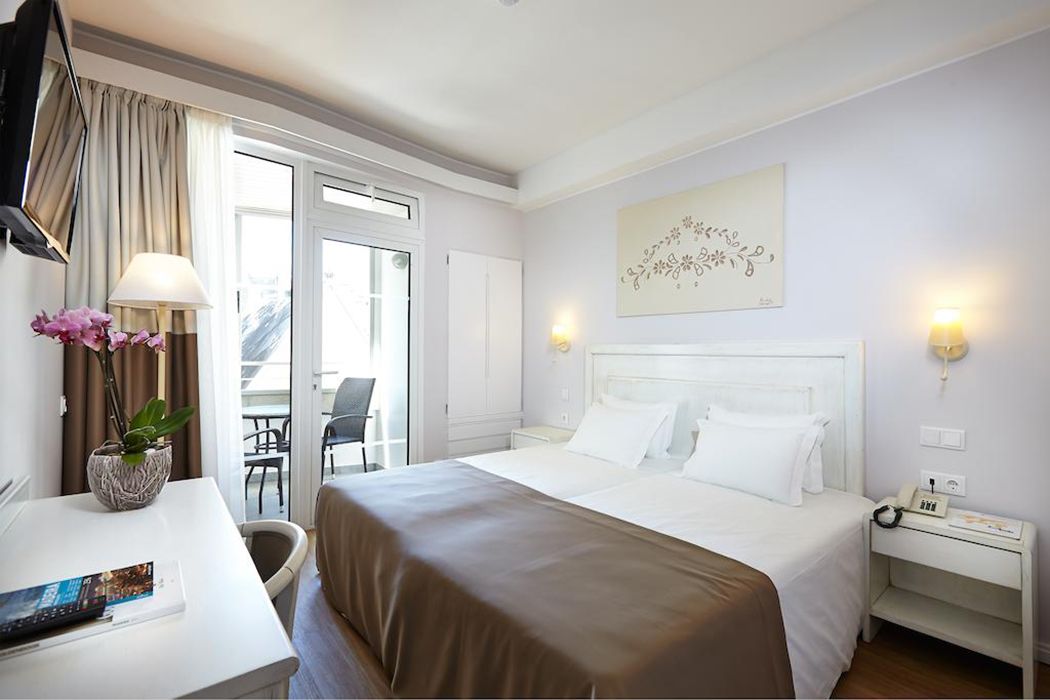
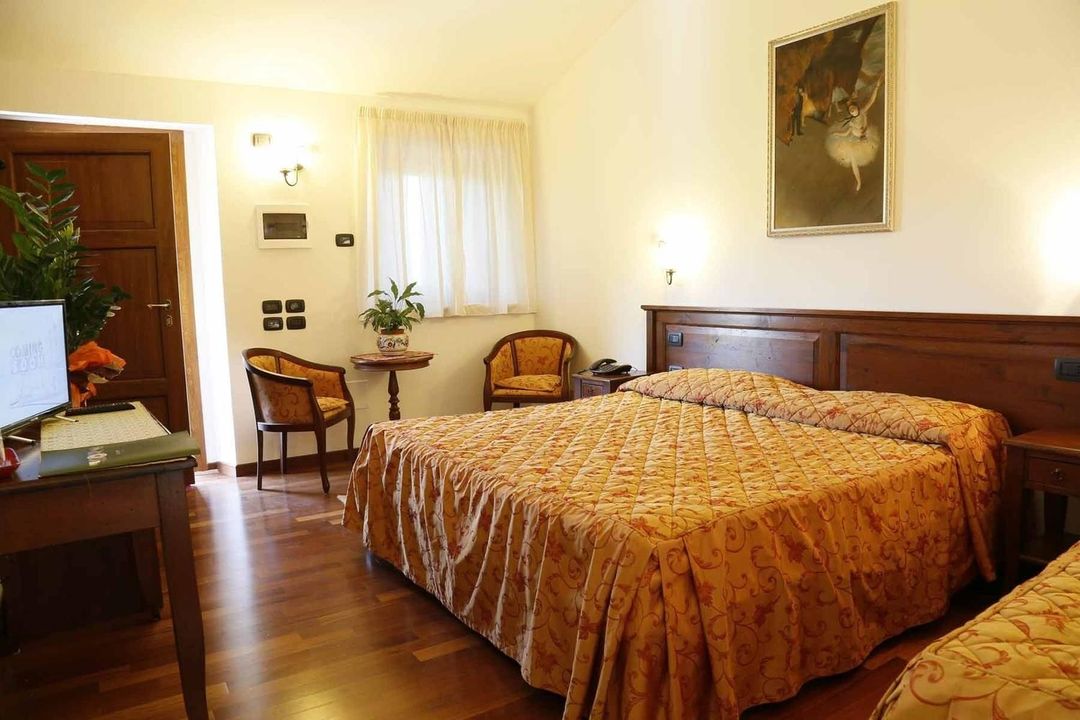
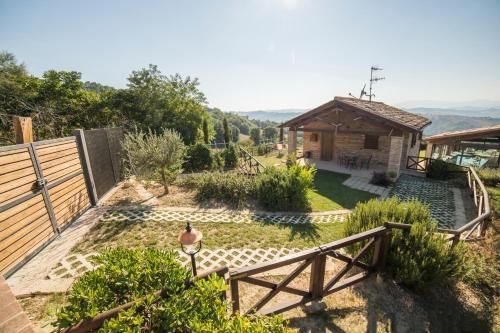
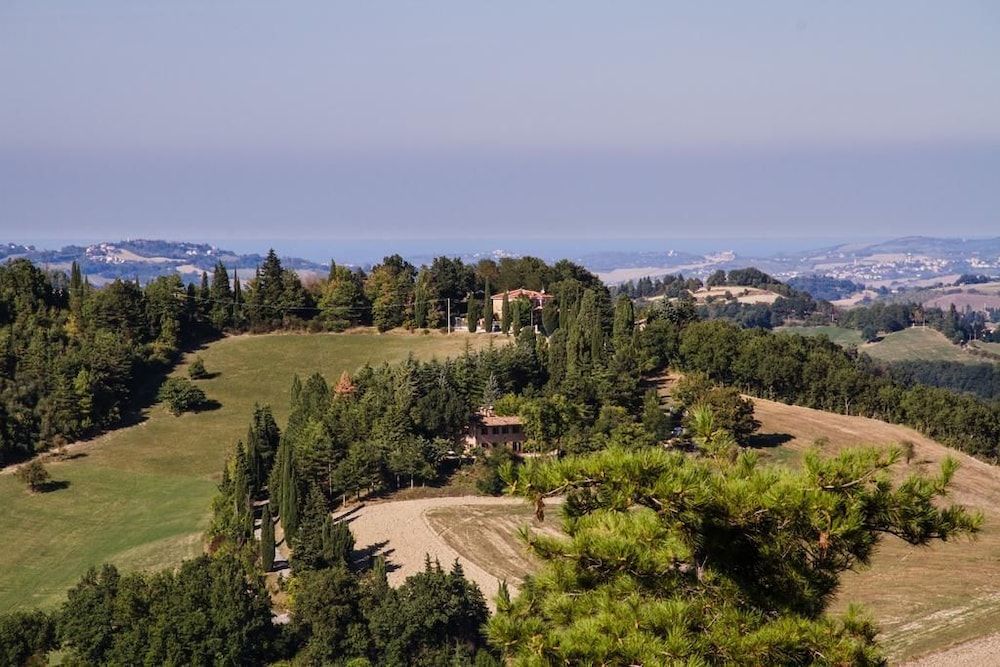
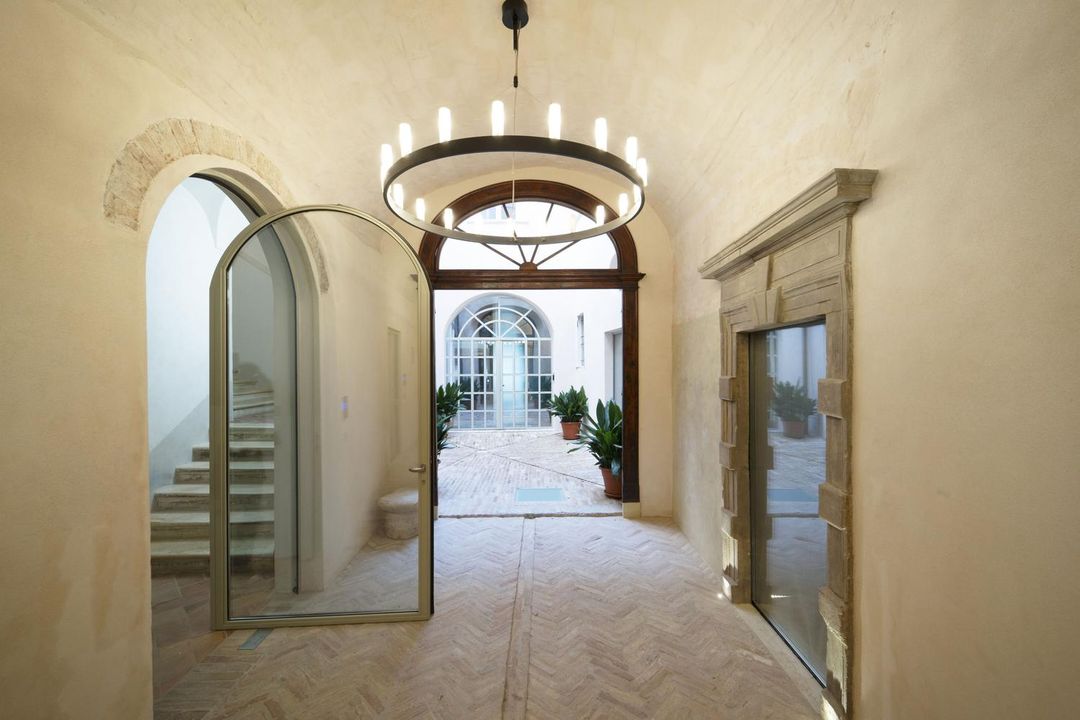
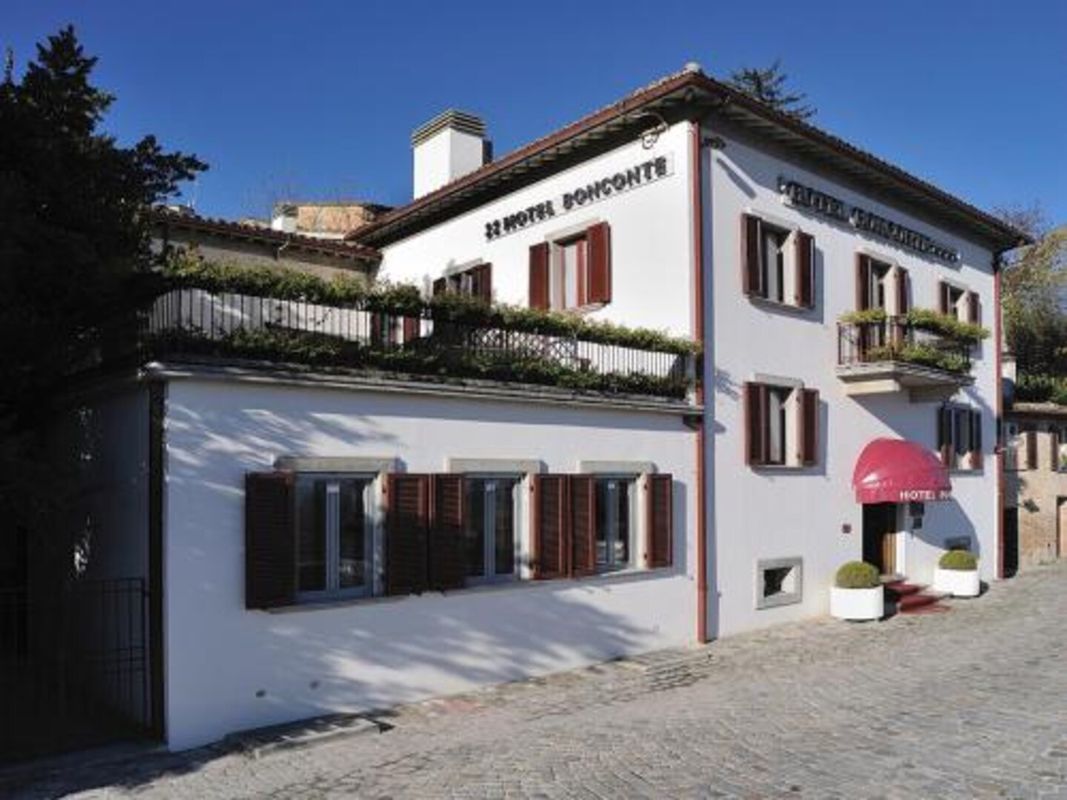
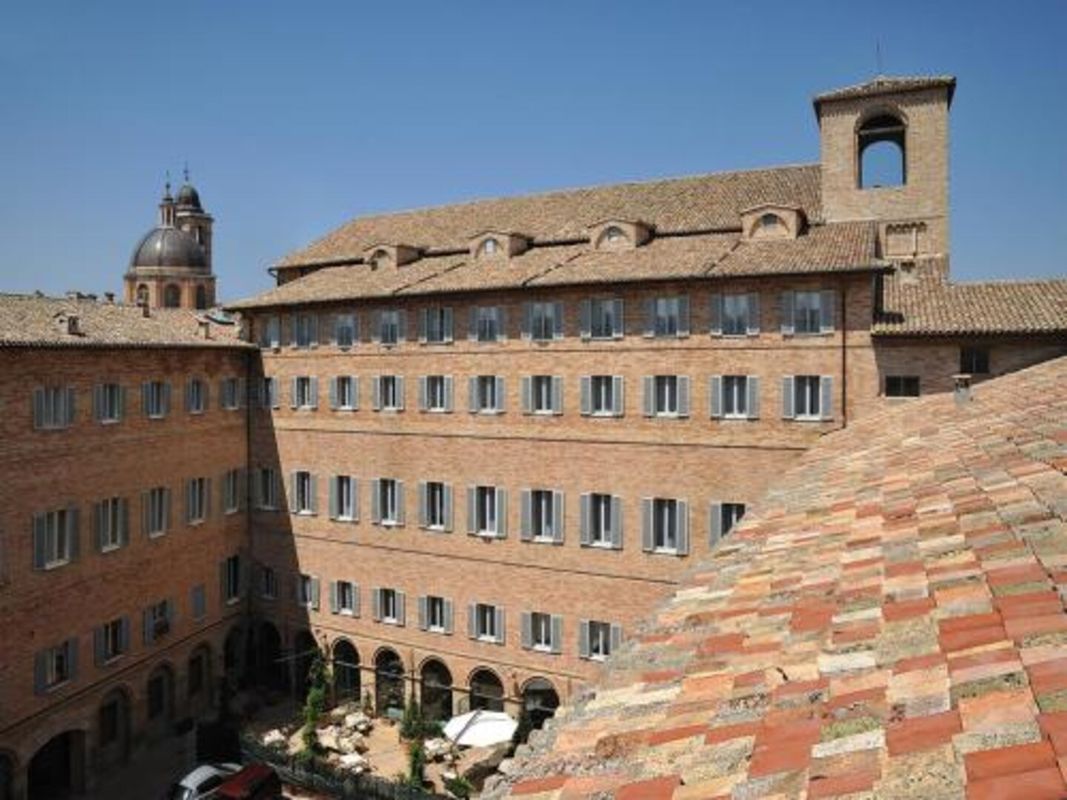
Best Hotels in Urbino
Discover curated hotel collections in Urbino

Frequently Asked Questions about Traveling to Urbino
Questions You Might Need to Know About Traveling to Urbino
In Urbino, the top choice for culture seekers is Palazzo Ducale Boutique Hotel, housed within the historic Palazzo Ducale itself. This luxury boutique hotel blends Renaissance architecture with modern comforts, offering rooms adorned with artistic motifs inspired by Raphael and Piero della Francesca. Its central location puts guests just steps away from the Museo Civico and the University of Urbino, making it ideal for art and history enthusiasts.
For a quieter retreat, consider Hotel Ristorante La Bottega, nestled inside the ancient city walls. Known for its serene ambiance and locally sourced breakfasts, it also offers private transfers to Castel Sant'Angelo and guided walks through hidden alleyways—perfect for deepening your connection with Urbino’s intellectual and artistic legacy.
The Città Alta (Upper Town) is the prime area for staying in Urbino. Enclosed by ancient Roman walls, this historic district offers cobblestone alleys, panoramic views, and immediate access to key landmarks like the Palazzo Ducale, Museo Civico, and the University of Urbino. Staying here at properties such as Albergo del Sole or B&B Il Giardino di Federico allows guests to immerse themselves in the city’s Renaissance atmosphere.
The area is especially peaceful at night, perfect for travelers seeking quiet contemplation amidst rich cultural surroundings. Waking up to sunrise over the Marche hills enhances the sense of being in an "ideal city"—a true jewel of Italian heritage.
In Urbino, don’t miss the "Renaissance Mind Tour"—a guided journey through the Palazzo Ducale Library, Federico da Montefeltro’s Private Study, and insights into Raphael’s early years. The tour reveals how the city was once a hub of philosophy, science, and art.
Attend one of the monthly classical concerts held in the Chiesa di San Domenico, where the acoustics of the former convent chapel create an ethereal atmosphere. For hands-on engagement, visit the traditional paper-making workshop in the old printing house, where you’ll craft handmade Italian paper and design a Renaissance-style letter.
Some hotels, like Palazzo Ducale Boutique Hotel, offer exclusive private tours with dinner in historical halls, featuring regional delicacies such as black bread with truffle sauce—a true taste of Urbino’s "ideal city" spirit.
Yes, Urbino offers several family-friendly accommodations. Hotel Cappuccini features a children’s playroom, family suites, and is near the Museo dei Bambini, which combines interactive exhibits with local history—perfect for young minds.
Another great option is B&B La Casa del Fiume, with a small garden, sandbox, and outdoor play space. Parents can relax while kids enjoy safe, open-air fun. The property offers free bicycle rentals, ideal for exploring the scenic Pescara River Trail, where families can spot birds and see remnants of old water mills.
All hotels provide buffet-style breakfasts with fresh juice, local cheeses, and homemade jams—creating a warm, welcoming atmosphere for multi-generational stays.
Hotels in Urbino are centrally located within the historic district, placing guests within walking distance of key landmarks:
-
Palazzo Ducale: The heart of Renaissance Urbino, now a museum housing Raphael’s early works and one of Europe’s finest Renaissance libraries.
-
Galleria Nazionale delle Marche: Home to masterpieces by Piero della Francesca and other Renaissance artists, showcasing ideals of symmetry and proportion.
-
Chiesa di San Domenico: A 15th-century Gothic church with intricate frescoes and hidden altar carvings.
-
Università degli Studi di Urbino: One of Italy’s oldest universities, with preserved Renaissance lecture halls and courtyards that regularly host art lectures and exhibitions.
These sites form a living museum, where every corner tells a story of intellect, beauty, and power during the Renaissance era.
In Urbino, savor these authentic local specialties:
-
Tartufo Nero: Black truffle risotto made with wild truffles foraged locally and rich regional cream—intensely aromatic.
-
Pasta alla Carbonara di Urbino: Distinct from Rome’s version, this includes smoked pork and fresh cheese for deeper flavor.
-
Sfogliatelle di Urbino: Flaky layered pastries filled with almond paste and orange syrup, crafted using recipes from ancient convents.
-
Vino dei Castelli: A smooth red wine from hillside vineyards surrounding Urbino, excellent paired with cured meats and aged cheeses.
Restaurants like Osteria del Teatro and Trattoria Il Gatto e la Volpe serve home-style meals, often with dining options in the ancient courtyard of Palazzo Ducale, turning each meal into a sensory journey through history.
While Urbino has no airport, it's well-connected. The nearest international airport is Ancona Falconara Airport (AOI), about 45 km away with a 50-minute drive.
Guests can take an airport shuttle or book a private transfer; many hotels, including Palazzo Ducale Boutique Hotel, offer complimentary pickup services. Alternatively, train services connect to Urbino Railway Station, located west of the city center—just a 10-minute walk to the historic core.
Within the city, the historic district is pedestrian-only, allowing only electric vehicles and emergency services. Renting an electric bike or using the public bike-sharing system is highly recommended for exploring landmarks like the Palazzo Ducale, University Campus, and Old Town Square—perfect for slow, immersive travel.
Urbino Overview
City Summary
Urbino is a historic city in the Marche region of Italy, renowned for its Renaissance architecture and artistic heritage. It is the birthplace of the painter Raphael and features well-preserved medieval walls and steep cobbled streets. The city's main attraction is the Ducal Palace of Urbino (Palazzo Ducale), a magnificent palace showcasing the splendor of Renaissance art and architecture.
Must-See Attractions
Must-see attractions in Urbino include the Ducal Palace of Urbino (Palazzo Ducale), which houses numerous precious artworks; Raphael's House (Casa Natale di Raffaello), displaying the life and works of the great painter; and the Oratory of San Giovanni, famous for its exquisite frescoes. Additionally, wandering through the narrow streets of the old town to soak up the historic atmosphere is an unforgettable experience.
Food Guide
Urbino's cuisine is deeply influenced by local traditions. Recommended dishes include roast lamb (agnello al forno) and truffle pasta (tagliatelle al tartufo). The local cheeses and cold cuts are also highly distinctive, especially the locally produced Pecorino cheese. Don't forget to try the local wines, such as Verdicchio, to perfectly complement your meal.
Transportation Guide
Public transportation in Urbino mainly relies on buses, as there is no metro system. Buses from nearby cities like Pesaro or Ancona can take you to Urbino. Walking is the best way to explore the city, as the old town features narrow, pedestrian-only streets. Renting a car is another option, but note that parking spaces are limited within the city, so it's advisable to park in lots outside the town.
Best Time to Visit
The best times to visit are spring (April to June) and autumn (September to October), when the weather is mild and there are fewer tourists. Summer (July to August) is sunny but crowded and potentially hot. Winter (November to March) is colder but ideal for travelers who prefer a quieter experience.
Travel Tips
- Wear comfortable shoes: Urbino's old town streets are mostly cobbled, so watch your step.
- Respect local culture: Dress modestly when entering churches, avoiding overly revealing clothing.
- Book tickets in advance: Popular sites like the Ducal Palace may require advance HopeGoo, especially during peak tourist seasons.
- Learn basic Italian: While some attractions offer English services, knowing some basic Italian phrases will make your trip smoother.
- Carry cash: Some small shops and restaurants may not accept credit cards, so it's wise to have some cash on hand.
- Note shop hours: Italian siesta times are long, and many shops may close between 1 PM and 4 PM.
Useful Information
The official language in Urbino is Italian, but English is commonly spoken in tourist areas and hotels. Internet coverage is good, with most hotels and cafés offering free Wi-Fi. Payment methods include cash and credit cards, though small vendors may only accept cash. For emergency services, dial 118; the main hospital is Ospedale di Urbino. It's advisable to purchase travel insurance for unexpected situations. The local voltage is 220V, and the plug type is F (two round pins).