Hotels in Ureshino
Discover your perfect stay in Ureshino.
Ureshino(Japan) Travel 2026: Cheap Flights, Hotels & Top Attractions
Popular Landmarks in Ureshino
Discover the most iconic attractions in Ureshino
Recommended Hotels in Ureshino
Find the perfect place to stay in Ureshino
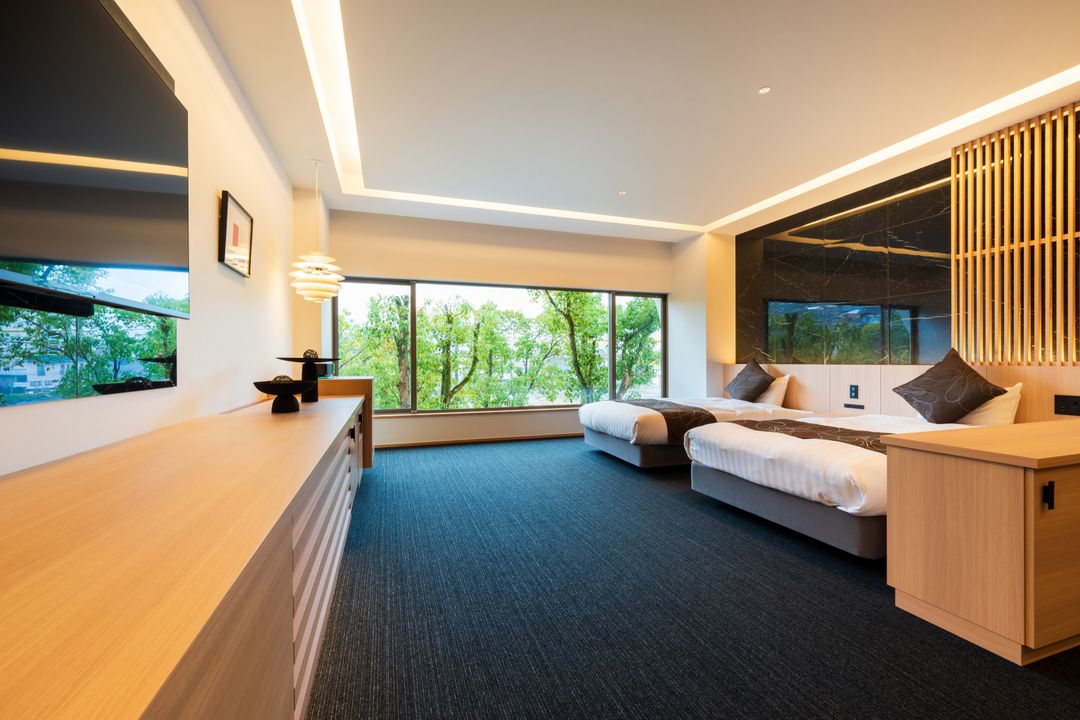

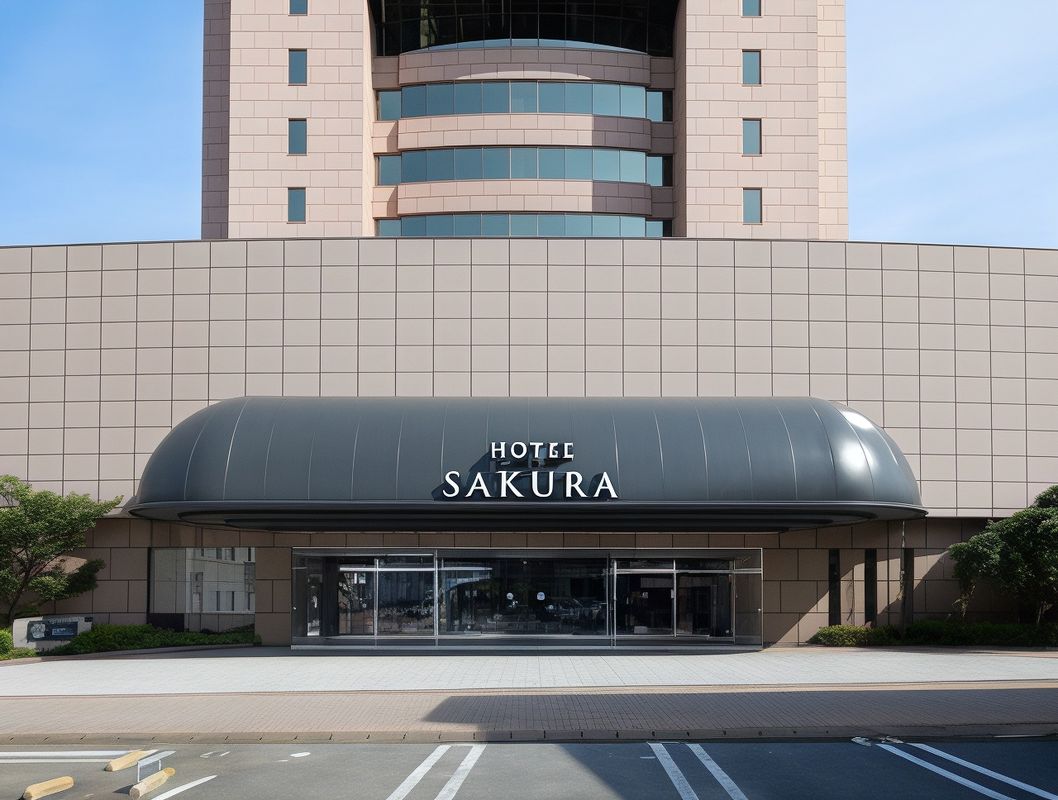
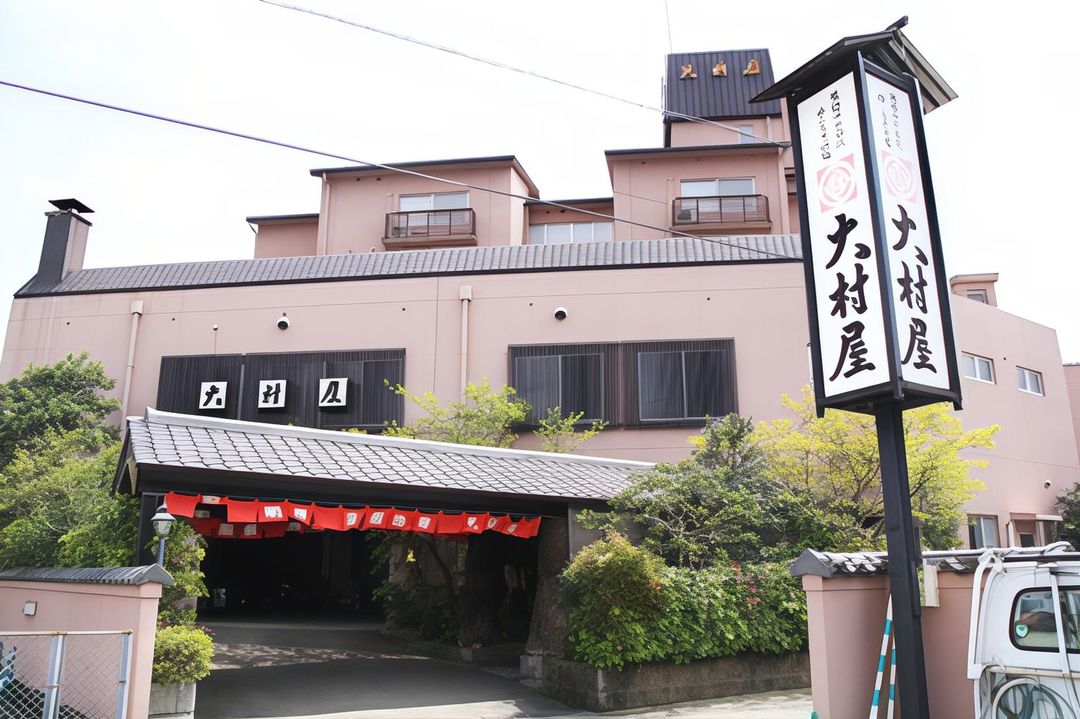
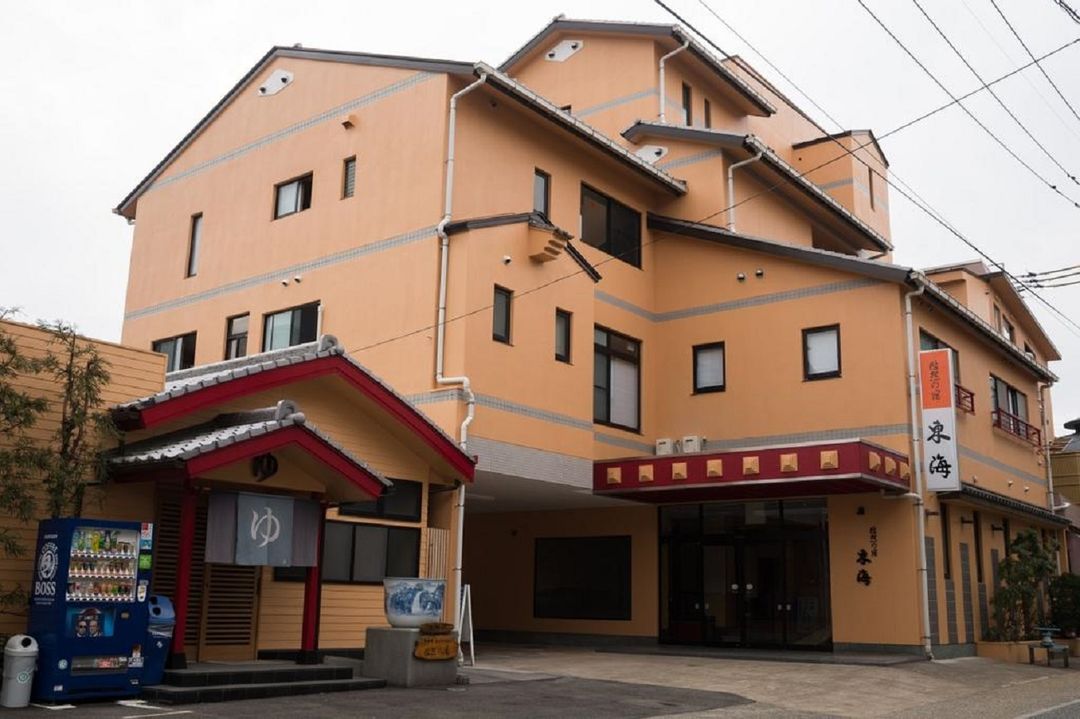
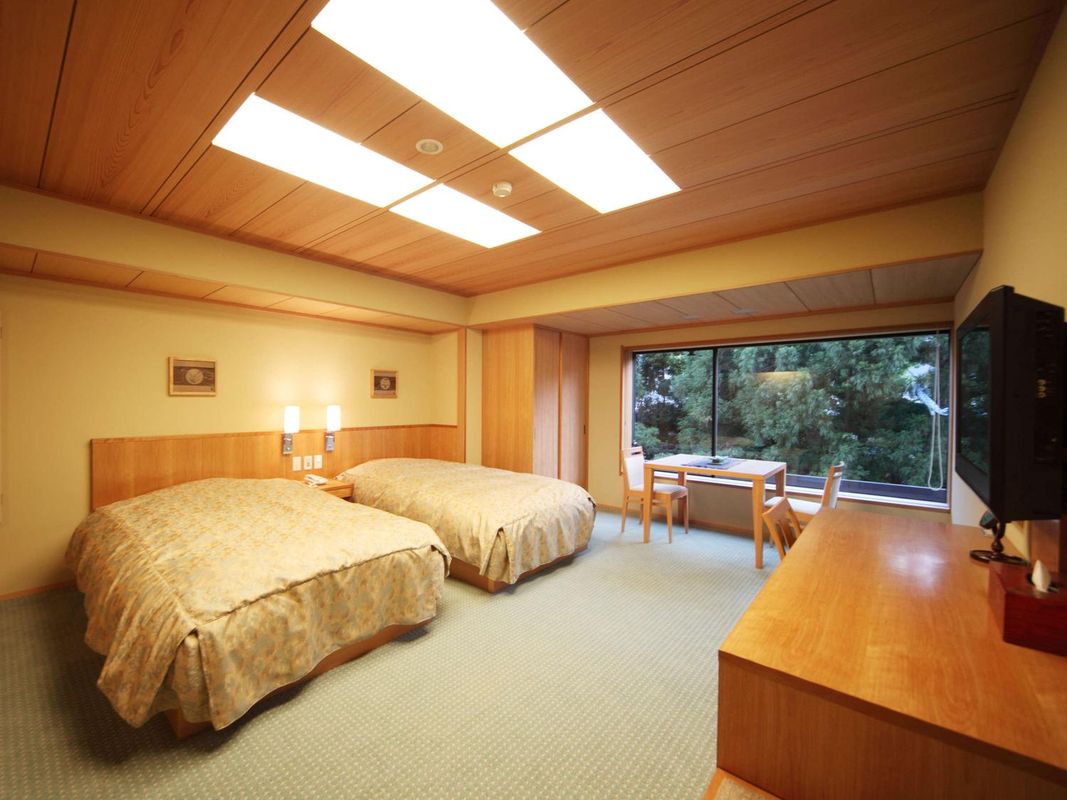
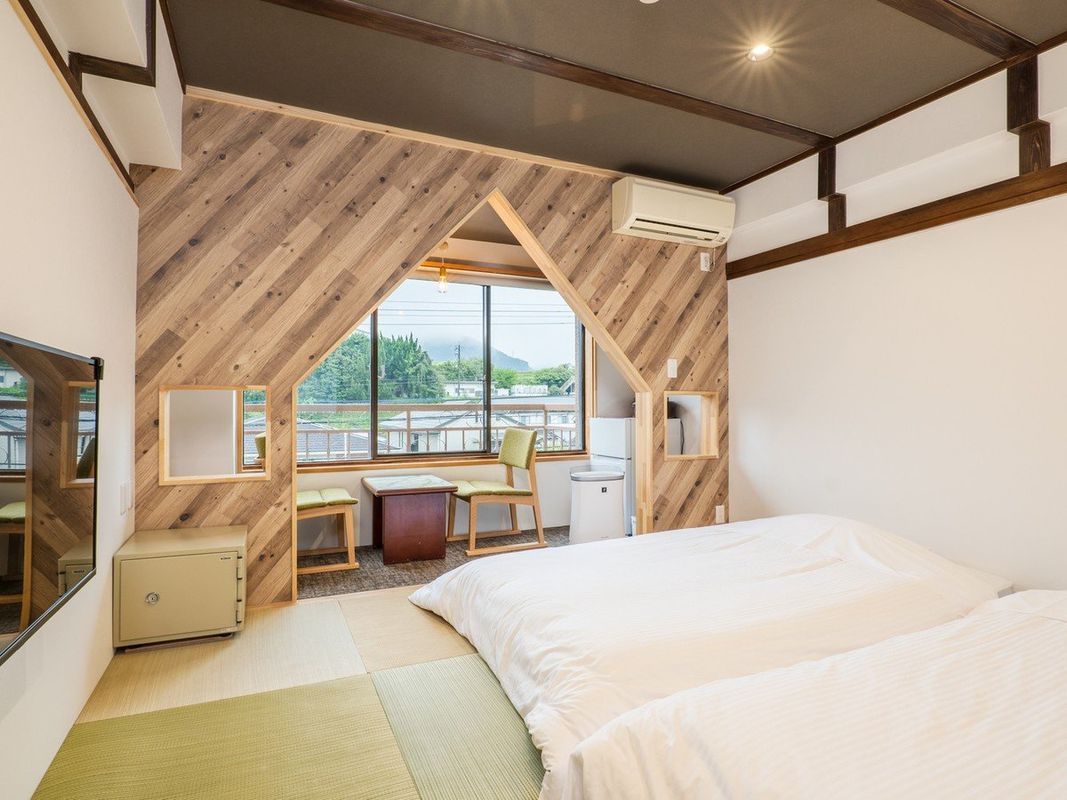
Best Hotels in Ureshino
Discover curated hotel collections in Ureshino


















Frequently Asked Questions about Traveling to Ureshino
Questions You Might Need to Know About Traveling to Ureshino
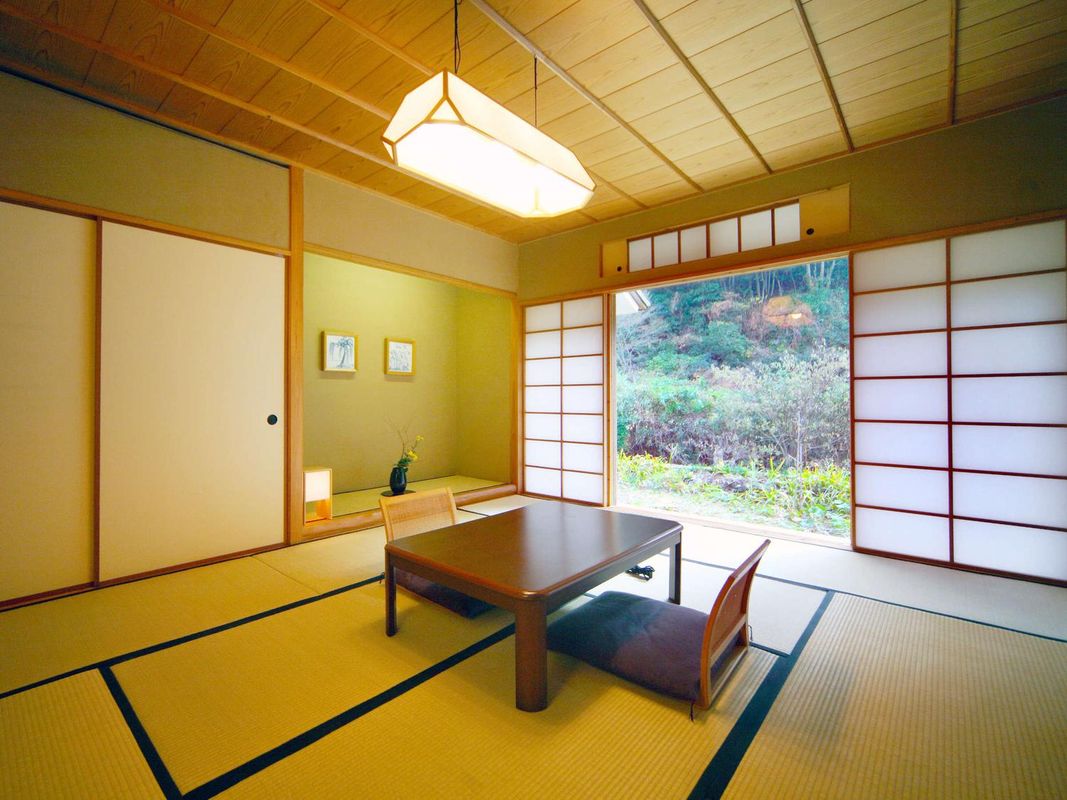
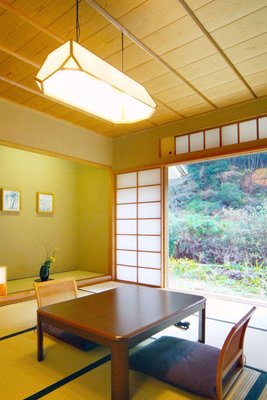
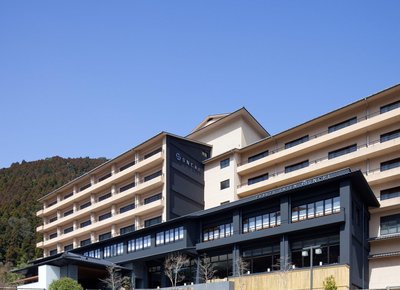
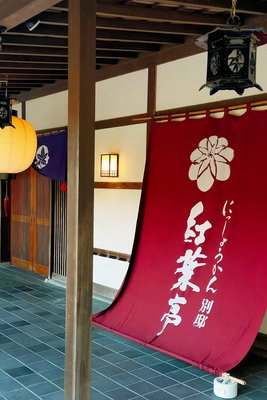
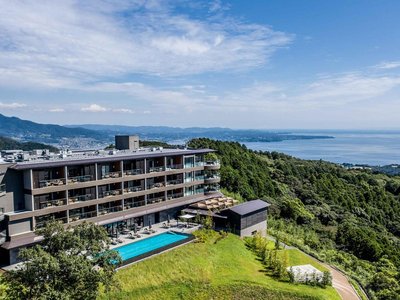
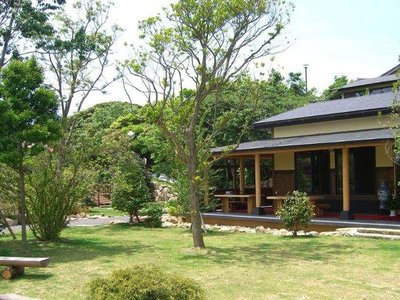
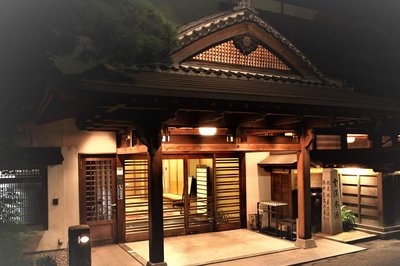
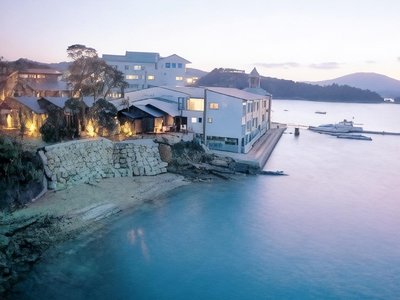
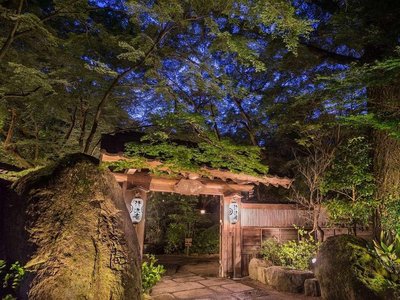
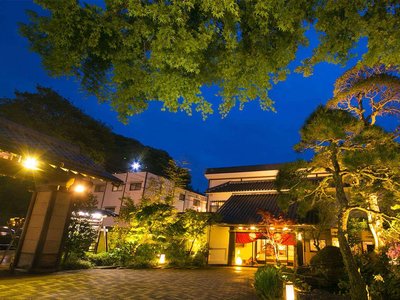
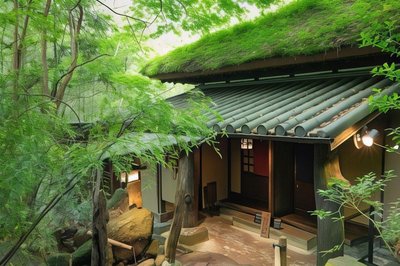
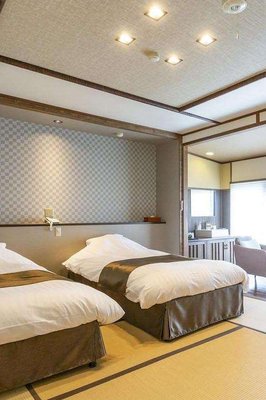
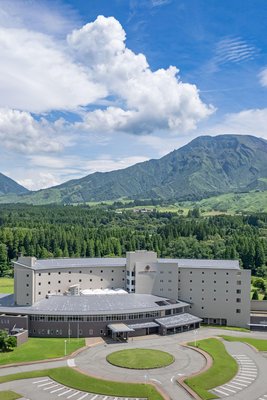
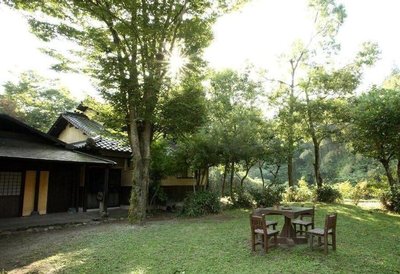
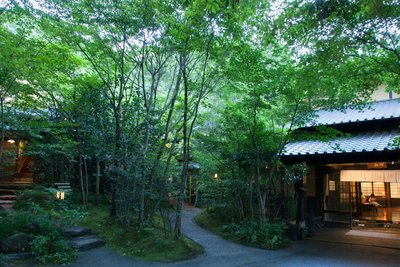
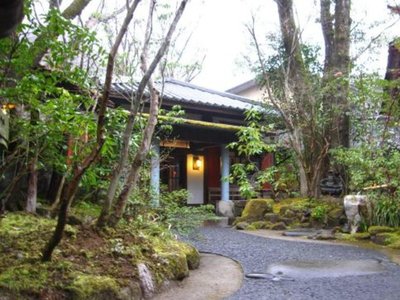
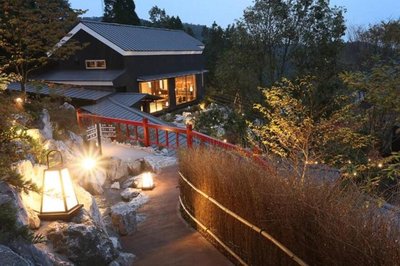
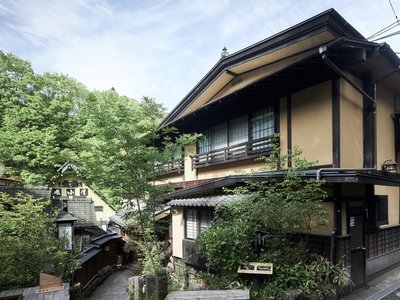
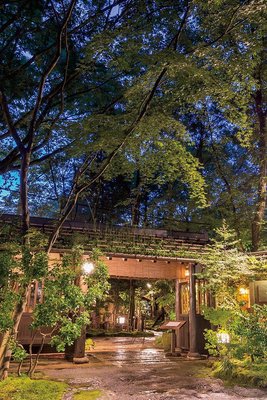
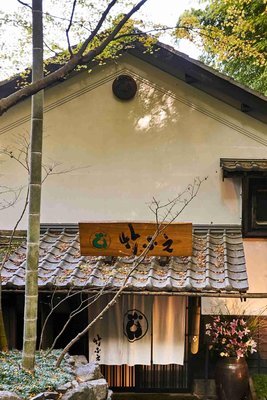
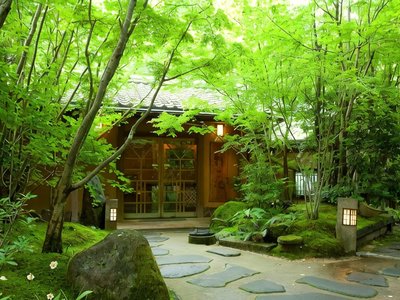
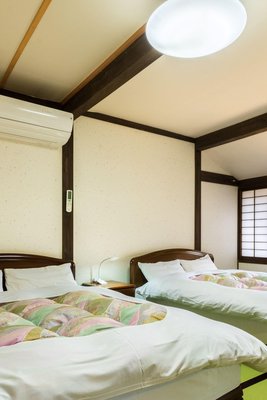
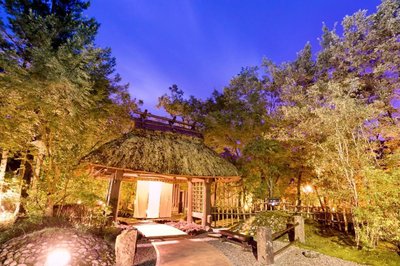
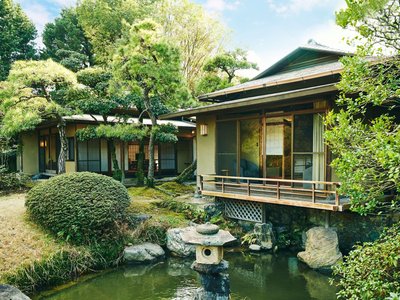
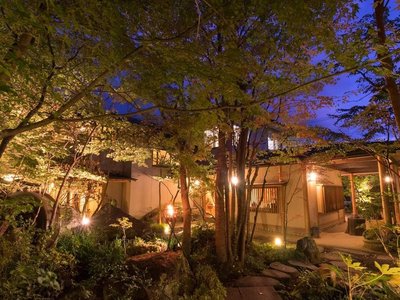
In Kiyomizu City, Kiyomizu Hotel stands out as a historic onsen inn offering authentic Japanese charm. Nestled in the heart of Kiyomizu Onsen District, this century-old property features tatami rooms, wooden beams, and private outdoor baths overlooking mountain views. Guests enjoy kaiseki meals using local ingredients like "Kiyomizu Tea" and fresh seafood. Its proximity to Kiyomizu Shrine and Futamata Shopping Street enhances cultural immersion. For an immersive experience, book the "Seasonal Onsen Stay" package including tea ceremony and kimono rental.
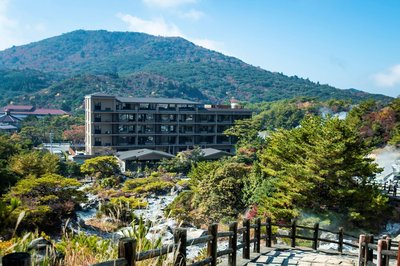
The Kiyomizu Onsen District is the prime neighborhood for first-time travelers. This compact, walkable zone clusters most ryokans, restaurants, and souvenir shops along cobbled streets lined with lanterns. Easily accessible from Kiyomizu Station via short bus or taxi rides, it offers seamless access to key attractions such as Kiyomizu Shrine, Futamata Old Town, and the Kiyomizu Tea House. The area’s preserved Edo-era architecture and warm hospitality create an authentic feel, making it perfect for those seeking both comfort and cultural depth without venturing far.
Visitors should try a tea ceremony workshop at Kiyomizu Cha-ya, where locals teach the art of preparing Kiyomizu Green Tea—a regional specialty. During autumn, join the Futamata Lantern Festival, featuring handcrafted paper lanterns illuminating old alleyways. At night, explore Kiyomizu Craft Alley, where artisans demonstrate bamboo weaving and pottery-making. For a deeper connection, participate in a seasonal Shrine Ritual Ceremony at Kiyomizu Shrine, which includes purification rites and traditional music performances. These experiences offer rare insights into daily life and spiritual heritage.
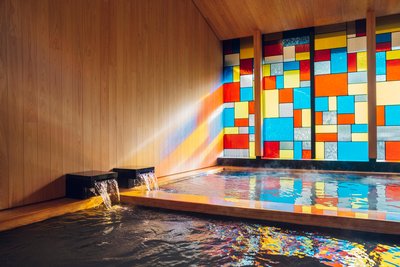
Kiyomizu City’s onsen water is classified as mild alkaline monosodium bicarbonate spring, known for its silky texture and skin-friendly properties. Sourced from depths exceeding 1,000 meters, it contains natural minerals that soothe inflammation and promote relaxation. Many inns, such as Yukinoshita Onsen House, feature private open-air baths with panoramic mountain views, allowing guests to soak under starlit skies. The absence of sulfur smell and the integration of nature make these onsens ideal for wellness-focused travelers seeking purity and tranquility.
Yes, Kiyomizu Yuruya Family Inn is designed for families, offering child-sized baths, a dedicated playroom, and daily themed events like paper umbrella crafting and local storytelling sessions. The hotel provides kid-friendly kaiseki menus and offers guided nature walks through nearby forest trails. All rooms include roll-in showers and baby beds upon request. Located steps from Futamata Park and Kiyomizu Children’s Museum, it ensures safe, engaging experiences for all ages while maintaining traditional Japanese aesthetics.
Must-try dishes include Kiyomizu Tea Miso Ramen, where the broth is subtly infused with locally grown green tea, creating a refreshing umami flavor. Another highlight is Saga Beef Sushi, featuring premium beef slices served atop vinegared rice. In Futamata Shopping Street, sample freshly grilled Okonomiyaki and Kushikatsu—deep-fried skewers with savory dipping sauces. For a full culinary journey, reserve the Tea Garden Set Menu at Cha-ya Restaurant, which includes a tea ceremony, four-course kaiseki meal, and dessert made with regional honey.
Take the Nishitetsu Express Train from Fukuoka Airport Station to Kiyomizu Onsen Station, a direct 75-minute journey with no transfers. Alternatively, pre-book a private car service (~1h 20min), ideal for groups or travelers with luggage. Trains run every hour, and station taxis are readily available. Most hotels offer free shuttle services, ensuring smooth arrival. Book tickets in advance during peak seasons like cherry blossom or autumn foliage periods.
The Kiyomizu Fireworks Festival, held in early August, lasts two hours and features over 1,000 fireworks lighting up the sky above Hasami Bay. Complementing this, the Futamata Night Festival blends illuminated lanterns, live taiko drumming, and street food stalls. For a tranquil twist, book a Night Onsen Experience at select ryokans like Yukinoshita Onsen House, where private baths open after dark, surrounded by snow-dusted trees and fireflies—offering a magical, serene escape under the stars.
Absolutely. Winter transforms Kiyomizu into a serene snowy landscape. Many ryokans offer snow-viewing baths (Yuki-mi Onsen)—private open-air pools framed by snow-laden pines and mountains. The Kiyomizu Shrine Winter Purification Ritual and Futamata Lantern Display add spiritual depth. Enjoy steaming bowls of hot pot with local vegetables and seasonal sake in cozy interiors. With fewer tourists, the atmosphere is quiet and meditative—ideal for restorative travel focused on warmth, stillness, and natural beauty.
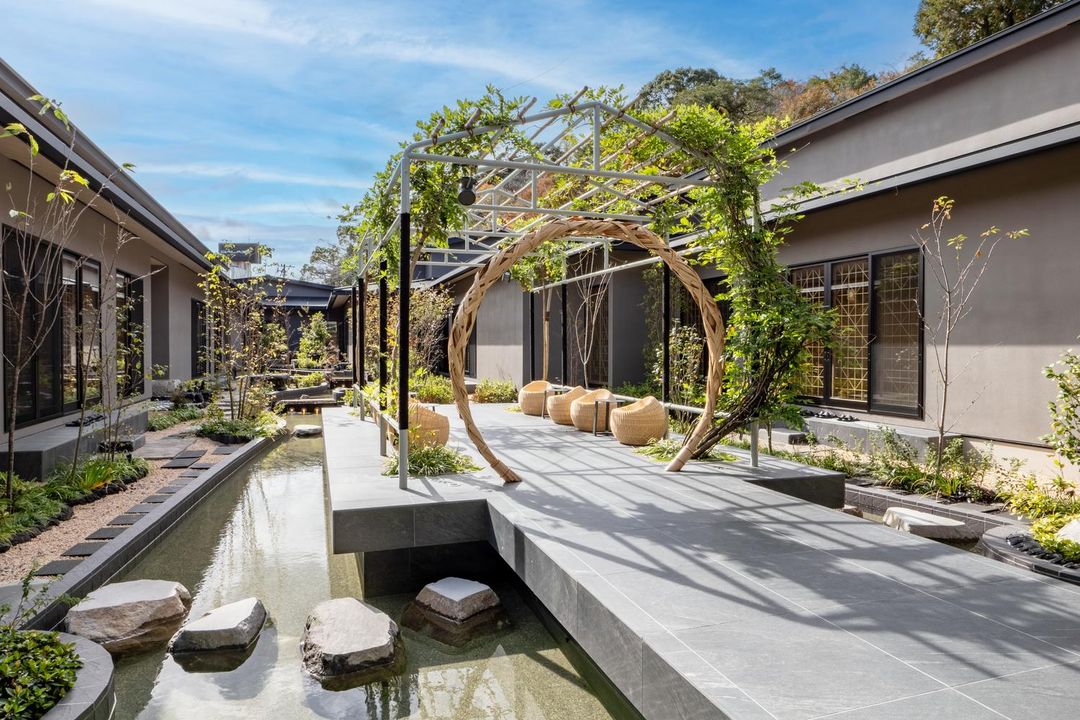
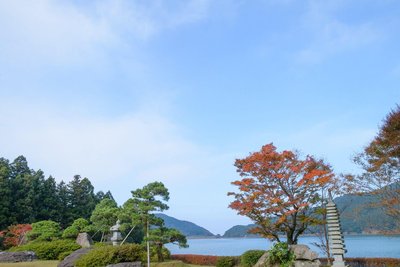
Capture sunrise mist over Futamata Old Town, where stone-paved alleys reflect soft light through paper lanterns. Frame the iconic red torii gate at Kiyomizu Shrine against a backdrop of ancient cedar trees. In autumn, photograph the Hillside Maple Trail with crimson leaves contrasting snow-covered ground—a perfect blend of color and silence. Don’t miss Kiyomizu Ryokan Courtyards, where seasonal installations like bamboo sculptures and raked gravel gardens offer striking compositions. Early mornings and twilight provide optimal lighting for both candid and artistic shots.
Ureshino Overview
City Summary
Shiroyama City, located in the southwestern part of Saga Prefecture, Japan, is renowned for its hot springs, with a history spanning over 1,300 years. Known as the "Beauty Skin Hot Spring," its smooth water attracts visitors seeking relaxation and skincare. The city is also famous for its tea culture and traditional crafts, particularly Shiroyama tea, a premium Japanese green tea. The surrounding natural scenery is perfect for hiking and unwinding.
Must-See Attractions
Key attractions include the Shiroyama Hot Spring Street, featuring traditional inns and public baths like "Yuyado Chikurintei." Toyotamahime Shrine is a cultural landmark tied to local hot spring legends. The Shiroyama Tea Fields offer tea-picking and tasting experiences. Art enthusiasts will appreciate the Arita Ceramic Park, showcasing exquisite local pottery.
Food Guide
Don’t miss the hot spring tofu, made with mineral-rich water for a delicate texture. Shiroyama tea is not only for drinking but also used in dishes like tea rice and desserts. Saga beef, a high-quality Wagyu, is another must-try. Street snacks like "hot spring buns" and "tea dumplings" are also popular.
Transportation Guide
Public transport relies mainly on buses, with direct routes from Saga or Takeo Onsen stations. Walking or renting a bicycle is ideal for exploring the city. From Fukuoka or Nagasaki, take the JR train to Takeo Onsen Station and transfer to a bus. Drivers can use nearby national highways, with ample parking available.
Best Time to Visit
The best times to visit are spring (March-May) and autumn (September-November), with pleasant weather for outdoor activities. Cherry blossoms bloom in spring, while autumn offers vibrant foliage. Summers are hot but still great for hot springs. Winters are quieter, perfect for a peaceful retreat.
Travel Tips
- Onsen etiquette: Wash thoroughly before entering the bath.
- Tea ceremony: Book a session to learn authentic Japanese tea rituals.
- Carry cash: Some small shops may not accept cards.
- Respect local culture: Stay quiet at shrines.
- Book accommodations: Hot spring inns may fill up in peak seasons.
- Eco-friendly travel: Bring reusable bags to reduce plastic waste.
Useful Information
While English is somewhat understood in tourist areas, learning basic Japanese phrases is helpful. WiFi is widely available in hotels and cafes. Cash is preferred, though some places accept cards. For emergencies, dial 119; medical facilities are available. The voltage is 100V, with Type A outlets, so bring an adapter. Post offices and convenience stores offer basic currency exchange.