Hotels in Ursberg
Discover your perfect stay in Ursberg.
Ursberg(Germany) Travel 2026: Cheap Flights, Hotels & Top Attractions
Popular Landmarks in Ursberg
Discover the most iconic attractions in Ursberg
Recommended Hotels in Ursberg
Find the perfect place to stay in Ursberg
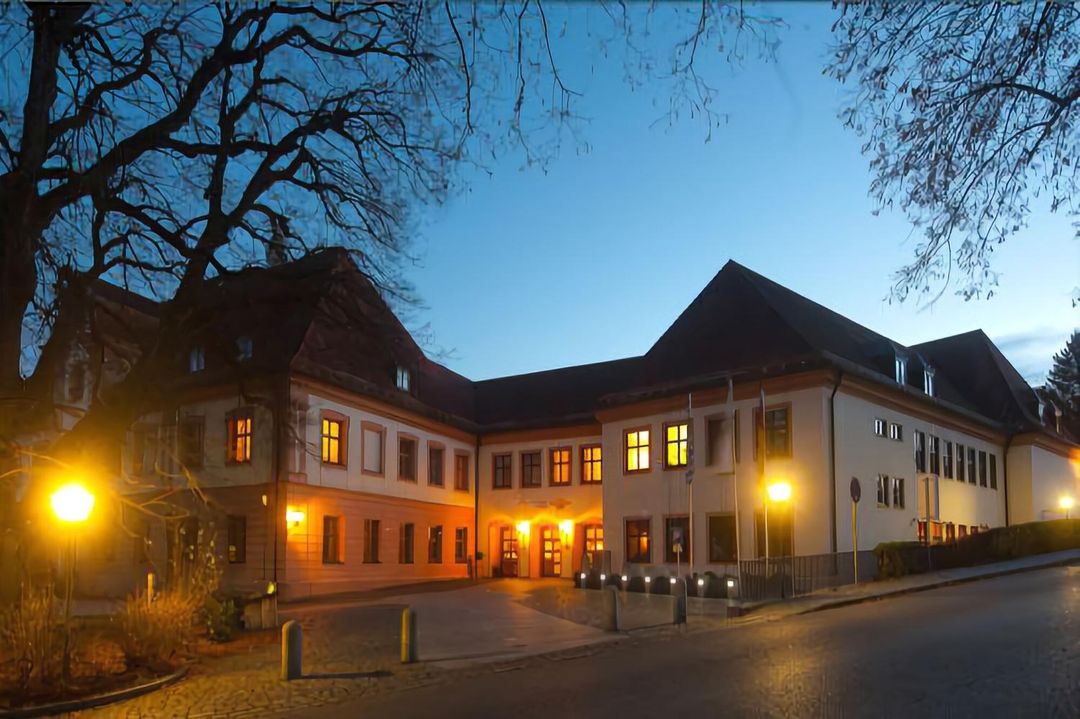
Klosterbräuhaus Ursberg
Frequently Asked Questions about Traveling to Ursberg
Questions You Might Need to Know About Traveling to Ursberg
In Ursberg, the top family-friendly hotel is Familienhaus Alpenblick, a cozy countryside retreat nestled in the Bavarian Alps. This eco-conscious lodge offers spacious family rooms, a children's playroom, indoor swimming pool, and on-site babysitting services. The property features a large garden with a mini-forest trail and a petting zoo with goats and chickens—perfect for kids to explore.
Located just steps from the village center, guests enjoy easy access to local markets, hiking paths, and the annual "Little Farmer Day" event where children can milk cows and make cheese. The hotel also hosts weekly family cooking workshops using fresh ingredients from nearby farms. With free parking, electric vehicle charging stations, and multilingual staff, Familienhaus Alpenblick ensures a safe, engaging, and stress-free vacation for families seeking authentic Bavarian charm and nature immersion.
The historic town center of Ursberg provides the most authentic cultural experiences. Here, cobblestone streets wind past centuries-old half-timbered houses adorned with flower boxes and wooden shutters. Visitors can stroll through the Old Market Square, where the weekly farmers’ market showcases local cheeses, honey, wild mushrooms, and handwoven textiles.
Don’t miss the St. Martin’s Church, dating back to 1347, with its stunning stained-glass windows and original Gothic arches. Every summer, the village hosts the Bavarian Folk Festival, featuring traditional music, folk dances in lederhosen and dirndls, and craft stalls offering handmade pottery and wood carvings.
For deeper immersion, book a private Hofdiner dinner at a local farmstead, where meals are prepared with home-raised meat and seasonal vegetables. These experiences allow travelers to witness living traditions, connect with locals, and feel the heartbeat of rural Bavaria beyond tourism.
For breathtaking views, stay at Hotel Strohmhof, located on the edge of the Bavarian Plateau overlooking the valley and distant Alps. This boutique mountain retreat offers panoramic windows in every room, many facing east toward sunrise over the forested hills.
The hotel’s terrace features a heated outdoor lounge with a fire pit, ideal for watching golden sunsets paint the sky. Guests can walk directly from their room to the Kaiserlautern Mountain Trail, which leads to a viewpoint at 1,200 meters above sea level—offering sweeping vistas of meadows, lakes, and alpine peaks.
With private balconies, organic breakfasts served with local produce, and proximity to the Lusersee Lake, Hotel Strohmhof combines comfort and scenery perfectly. It’s the ultimate choice for photographers, hikers, and those seeking serenity amidst nature’s grandeur.
Must-try dishes in Ursberg include Sauerbraten mit Kartoffelpuffer—slow-marinated beef served with crispy potato pancakes—and Schweinshaxe mit Biersoße, tender pork knuckle simmered in Munich dark beer. Both are staples at Wirtshaus Eisenhöfle, a century-old inn known for its rustic charm and homemade bread.
Visit the weekly farmers' market for fresh local specialties like wild mushroom risotto, mountain goat cheese, and blackberry jam made from wild berries. For a unique experience, join the Hofdiner dinner at a family farm, where you’ll eat a multi-course meal prepared with eggs from free-range chickens and vegetables grown in the backyard.
Pair your meal with locally brewed Bavarian honey wine or cold regional beer. These flavors reflect the region’s agricultural heritage and seasonal rhythms, offering an unforgettable taste of authentic German countryside life.
Near Ursberg, outdoor enthusiasts enjoy a wide range of activities. Hike the Kaiserlautern Mountain Trail, a 6-kilometer loop with elevation gain and panoramic views of the Alps and surrounding valleys. Along the way, spot wildflowers in spring and deer in autumn.
At Lusersee Lake, rent paddleboats or try stand-up paddleboarding on the emerald waters, surrounded by pine forests. The lake also hosts winter ice skating during snowy months. For adventure seekers, nearby Alpine Adventure Park offers zip-lining, rock climbing, and mountain biking trails.
In summer, join guided foraging walks to collect wild mushrooms and herbs under expert supervision. Families can visit the Children’s Nature Discovery Garden, featuring interactive animal enclosures and sensory trails. Whether you seek tranquility or adrenaline, Ursberg’s natural surroundings deliver diverse outdoor experiences year-round.
Ursberg is highly accessible even without a car. The village has a regular regional bus service connecting it to major cities like Munich (1 hour), Innsbruck (1.5 hours), and Augsburg. Buses run daily with frequent departures, and tickets are affordable via the local transit app.
The nearest train station is Freising Station, just 12 kilometers away, with hourly connections to Munich Hauptbahnhof. From there, a free shuttle bus runs into Ursberg’s town center. Additionally, the village offers electric bike rentals and shared e-scooters through a mobile app, perfect for short trips to nearby trails or farms.
Within Ursberg, all main attractions—including the church, market square, and hiking trails—are within walking distance. Sidewalks are well-maintained, and public restrooms and signage are clearly marked. Thanks to this efficient, low-emission transport network, visitors can explore Ursberg comfortably and sustainably.
Ursberg is a paradise for nature lovers. Its location in the Bavarian Highlands grants access to untouched forests, alpine meadows, and pristine lakes. The Bavarian Plateau Forest, covering over 300 hectares, is home to rare birds, wild boars, and native flora like orchids and bluebells.
The Kaiserlautern Mountain Trail offers a challenging yet rewarding hike with views of the Alps and high-altitude glacial valleys. At Lusersee Lake, visitors can observe dragonflies, herons, and kingfishers along the shoreline, while winter transforms it into a frozen playground for ice skaters.
The area supports biodiversity conservation efforts, including protected zones for endangered species. Guided wildlife tours are available seasonally, teaching visitors about forest ecology and sustainable land use. Whether you’re birdwatching, hiking, or simply breathing in clean mountain air, Ursberg delivers unspoiled natural beauty and quiet reflection.
The best time to visit Ursberg for photography is during golden hour in late spring (May–June) and early autumn (September–October). During these periods, soft sunlight enhances the textures of half-timbered houses, moss-covered stones, and blooming meadows.
Capture the Saint Martin’s Church tower at sunrise, when mist curls around its red roof, creating a dreamlike contrast against the clear sky. In autumn, photograph the Kaiserlautern Trail as maple and beech trees turn vibrant shades of crimson and gold, framing the valley below.
Don’t miss the Christmas Market in December, where fairy lights, wooden stalls, and warm steam from mulled wine create a magical atmosphere. Even in winter, snow-dusted rooftops and glowing lanterns offer dramatic compositions. With minimal tourist crowds and rich seasonal light, Ursberg offers endless opportunities for professional and amateur photographers alike.
Key historical sites in Ursberg include St. Martin’s Church, built in 1347, with original Gothic architecture, carved choir stalls, and stained-glass windows depicting biblical scenes. Nearby, the Ancient Town Wall Ruins reveal remnants of medieval fortifications, now protected as a heritage site.
The Mining Heritage Museum tells the story of the 18th-century silver mining boom that once fueled the town’s economy. Exhibits include original tools, miners’ clothing, and a recreated underground tunnel.
Every July, the village reenacts Medieval Life Day, where locals dress in period costumes, perform jousting displays, and sell crafts reminiscent of the era. These events help preserve Ursberg’s identity and provide immersive insight into its 1,000-year history—making it a living museum of Bavarian heritage.
Ursberg stands out among Bavarian towns due to its authentic rural preservation and strong community spirit. Unlike more touristy destinations, it maintains a low-key pace of life, with few chain stores and no commercialized nightlife.
Its location in the Bavarian Highlands offers a rare blend of accessibility and seclusion—easy to reach but feels worlds away from urban chaos. The town is renowned for its living traditions: seasonal festivals, family-run farms, and direct-to-consumer markets.
Additionally, Ursberg pioneered eco-tourism initiatives, including solar-powered accommodations, waste-reduction programs, and mandatory environmental education for guests. Many locals still speak the Swabian dialect, adding linguistic authenticity.
This commitment to sustainability, cultural continuity, and quiet charm makes Ursberg not just a destination—but a meaningful experience of genuine Bavarian life.
Ursberg Overview
City Summary
Ursberg, a tranquil town in Bavaria's Swabian region, is famed for its medieval monastic heritage and idyllic countryside. The 13th-century Ursberg Abbey complex anchors this hidden gem, surrounded by rolling hills and forests typical of the Allgäu foothills. Ideal for history buffs seeking off-the-beaten-path destinations.
Must-See Attractions
Don't miss the Ursberg Abbey (Kloster Ursberg), where Baroque church interiors contrast with Renaissance cloisters. Winter visitors enjoy the abbey's Christmas market, while summer hitters should explore Mindeltal Valley trails. Architecture enthusiasts can detour to Krumbach (10km away) for its innovative Bus Stop Project installations.
Food Guide
Savor Swabian cuisine at the abbey's restaurant: try roast beef with Spätzle noodles and seasonal Zwiebelkuchen onion tart. Saturday markets offer fresh Brezel pretzels paired with abbey-brewed beer. Note most eateries close Sundays.
Transportation Guide
Public transit: Take RE train from Munich to Dillingen (1.5hrs), then bus 610 (30mins). Driving: Connect via B300 highway (Augsburg-Ulm), but check winter tire requirements. Town itself is walkable; rent cars at Munich Airport for regional exploration.
Best Time to Visit
May-September offers 15-25°C perfect for hiking, avoiding December Christmas market crowds. September's abbey harvest festival requires early bookings. Winter charm comes with reduced attraction hours.
Travel Tips
- Maintain silence in abbey's operational disability care areas
- All shops closed Sundays - plan supplies
- Cash preferred; cards only accepted at hotels
- Hiking trails marked by blue diamonds - mobile coverage drops off-path
- Round up bills 5-10% for dining tips
- Book 3 months ahead for July-August stays (proximity to St. James Trail)
Useful Information
Language: Basic German helps (use "Grüß Gott" greeting); English info sheets available. Connectivity: Free WiFi in town center; Vodafone SIMs recommended for rural areas. Currency: Single ATM (Raiffeisenbank) with high foreign withdrawal fees. Emergencies: Dial 112; pharmacies marked with red "A". Etiquette: Dress modestly for churches; ask before photographing. Medical care limited to basic clinic - serious cases go to Dillingen Hospital (30km).