Hotels in Urugi
Discover your perfect stay in Urugi.
Urugi(Japan) Travel 2026: Cheap Flights, Hotels & Top Attractions
Popular Landmarks in Urugi
Discover the most iconic attractions in Urugi
Recommended Hotels in Urugi
Find the perfect place to stay in Urugi
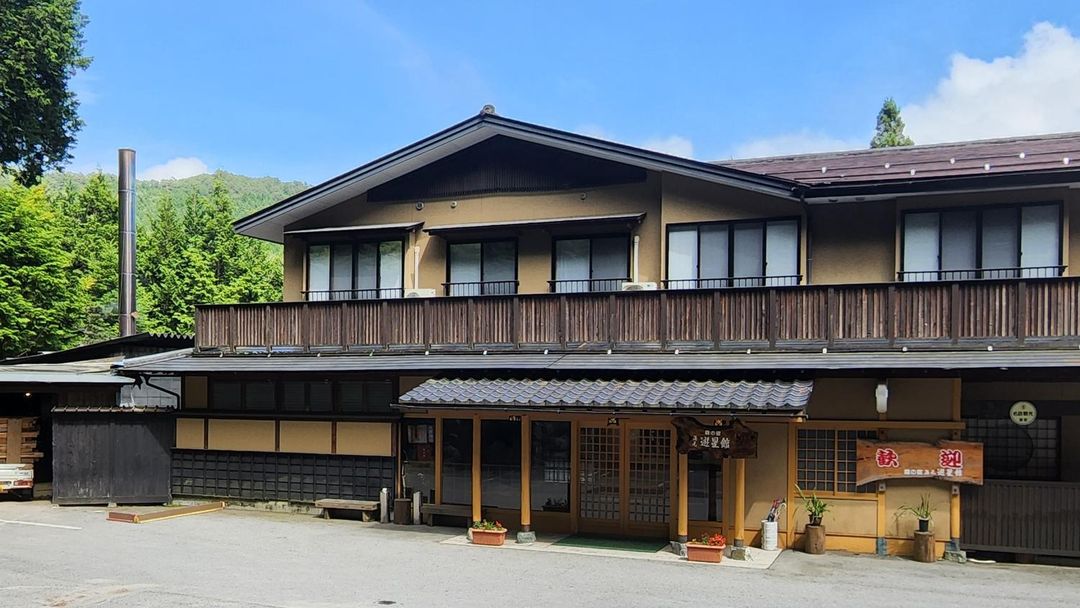
Yuseikan
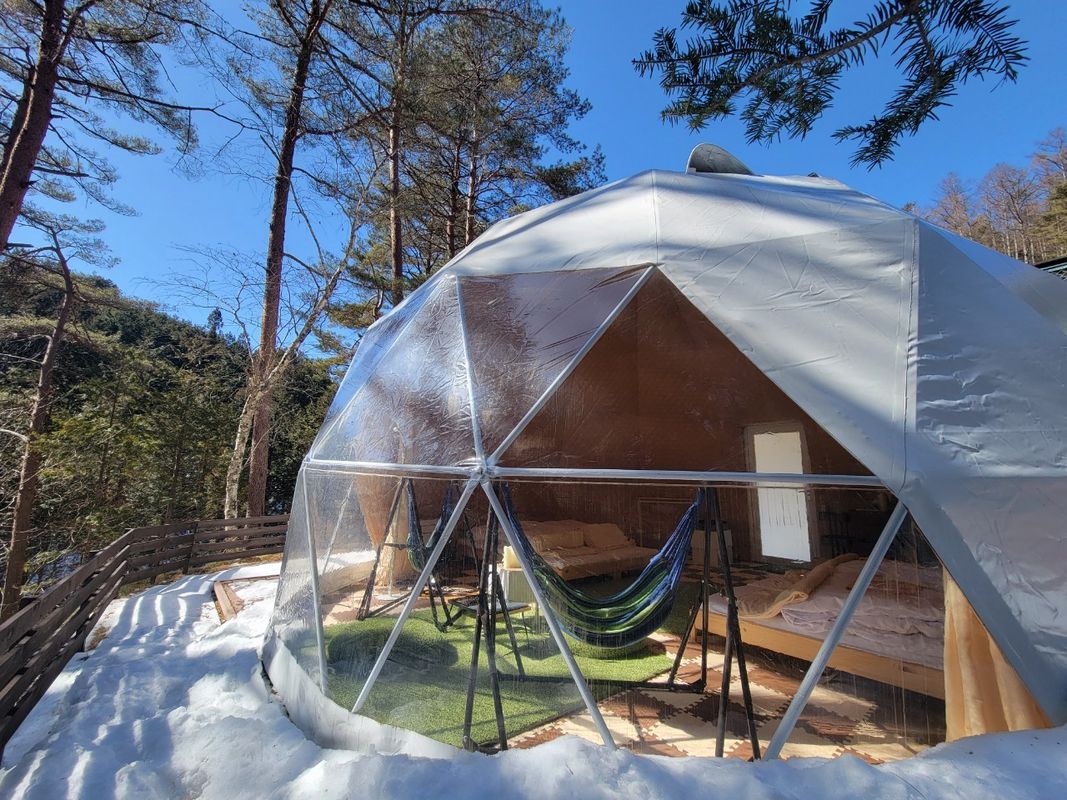
glampark Mori no Yado
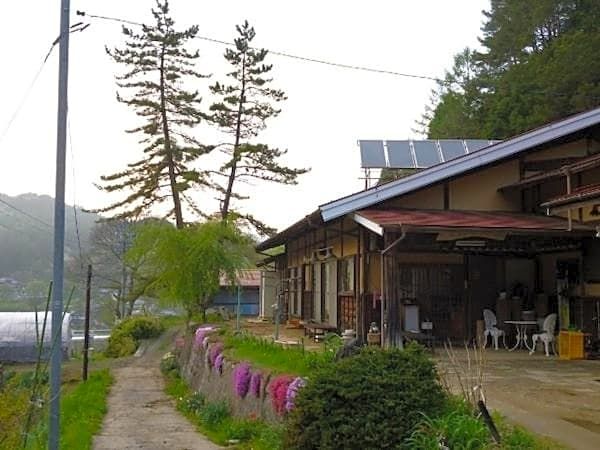
Minshuku Yurika
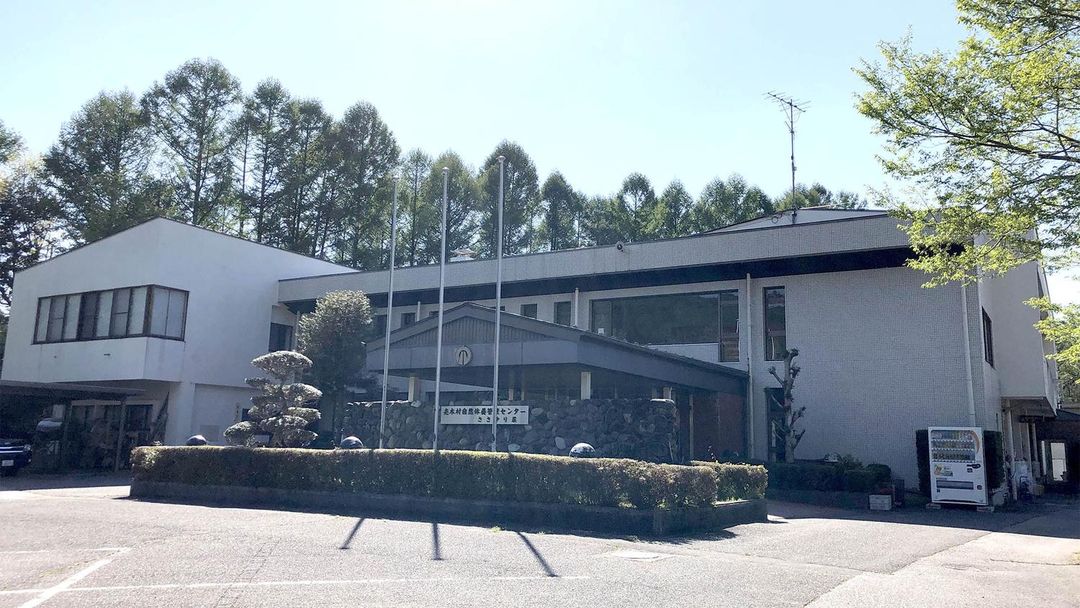
Urugi Sasayuriso
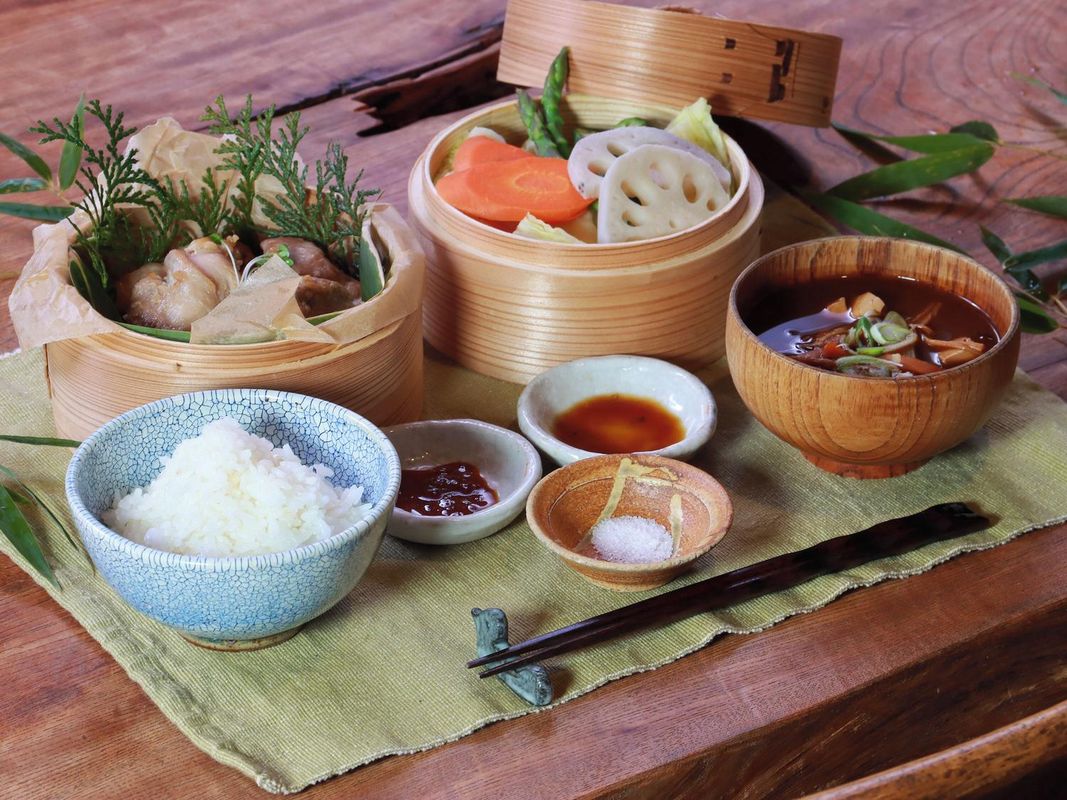
Noka Guest House Pole Pole
Best Hotels in Urugi
Discover curated hotel collections in Urugi
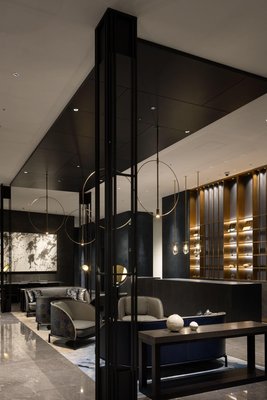
Bellustar Tokyo, A Pan Pacific Hotel
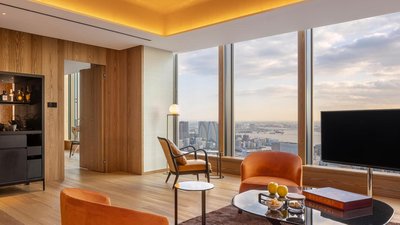
Bvlgari Hotel Tokyo
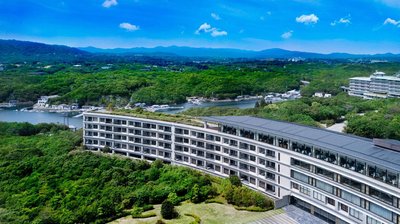
Shima Kanko Hotel the Bay Suites
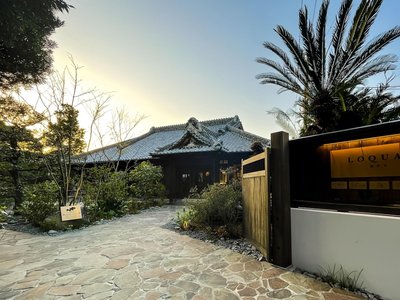
Loquat Nishiizu
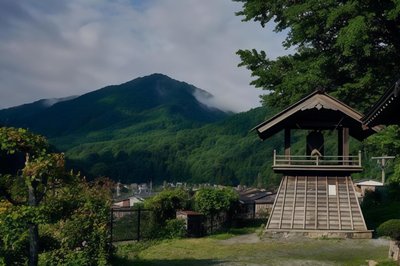
Byaku Narai
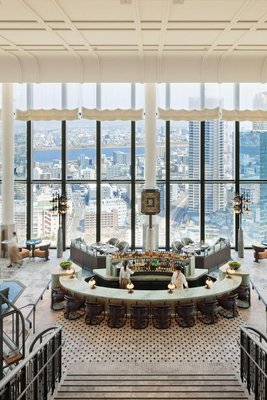
Waldorf Astoria Osaka
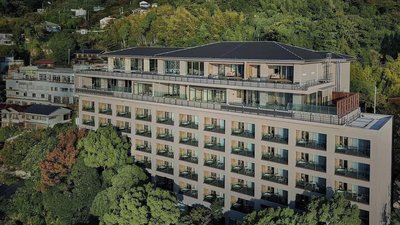
Atami Izusan Karaku
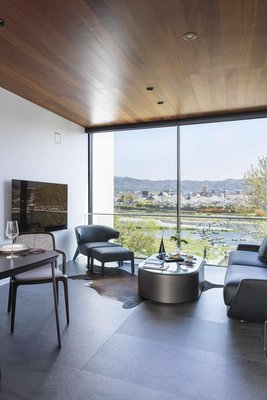
Kamo Residences by Reflections
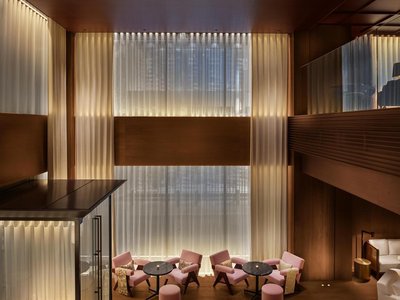
The Tokyo Edition, Ginza
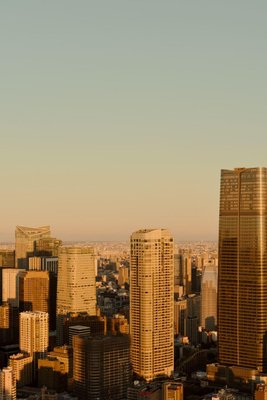
Janu Tokyo
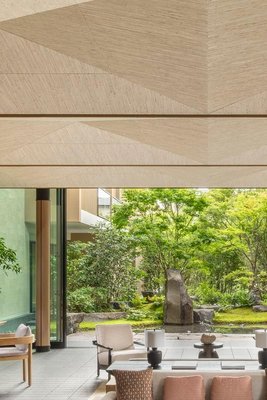
Six Senses Kyoto
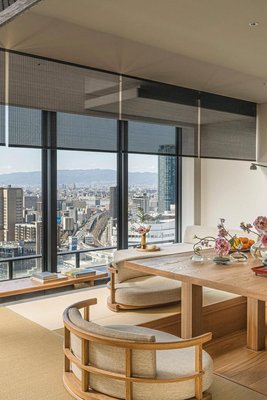
Four Seasons Hotel Osaka
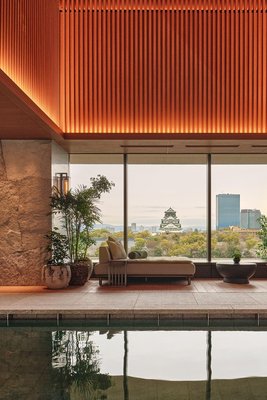
Patina Osaka

The Ritz-Carlton, Osaka
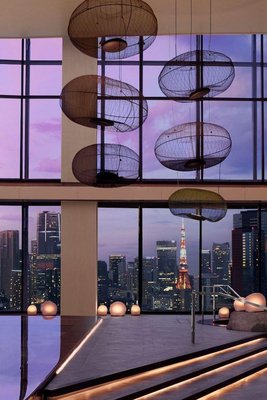
JW Marriott Hotel Tokyo
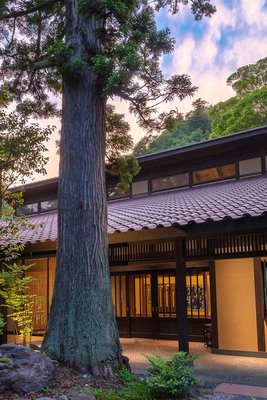
Arimasansoh Goshobessho
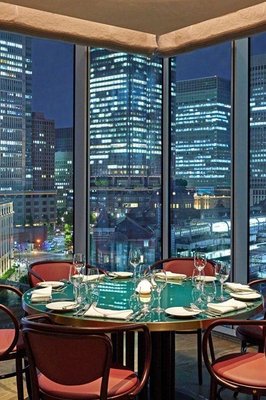
Four Seasons Hotel Tokyo at Marunouchi

Mandarin Oriental, Tokyo
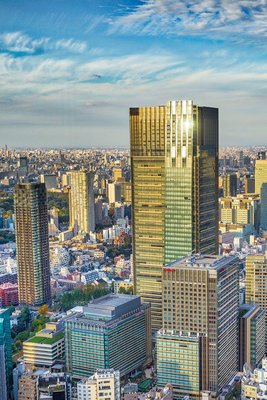
The Ritz-Carlton, Tokyo
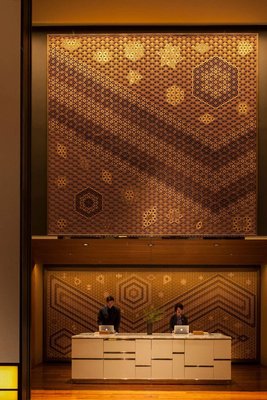
Andaz Tokyo Toranomon Hills- A Concept by Hyatt

Toba International Hotel Shiojitei
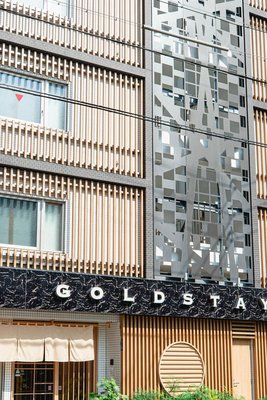
Gold Stay Nagoya OSU
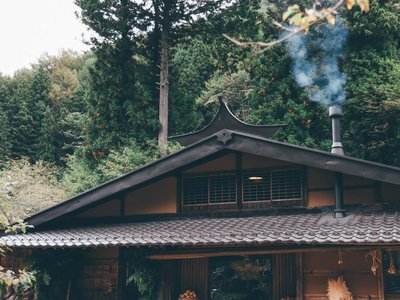
La Terra Resort
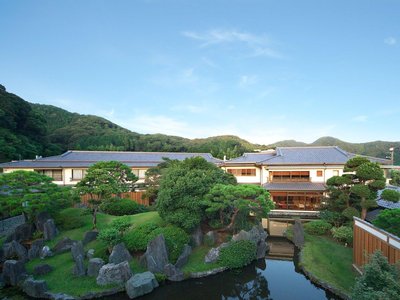
Kagetsutei
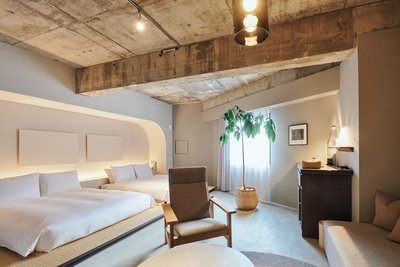
Korinkyo

GOLD STAY Nagoya Sakae
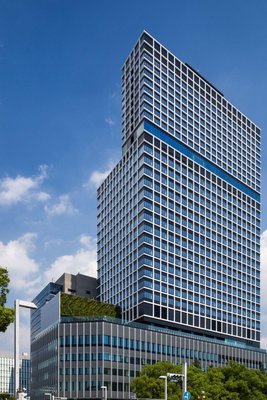
The Royal Park Hotel Iconic Nagoya
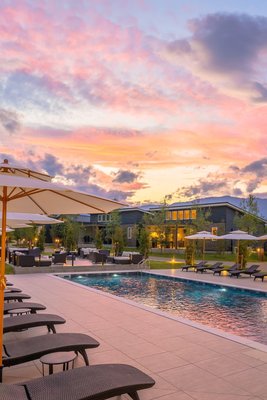
Awaumi Fujikawaguchiko Resort
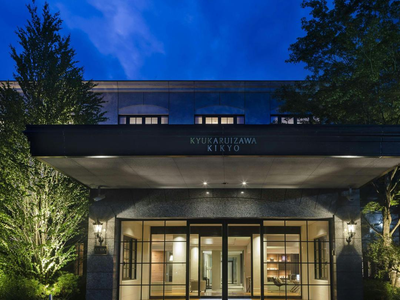
Fufu Karuizawa Wind of Sunshine
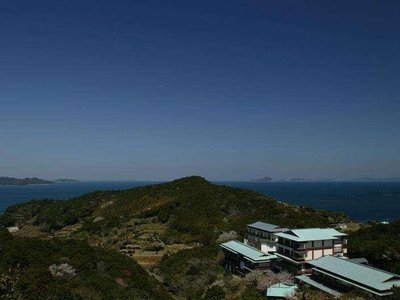
Hanashinsui
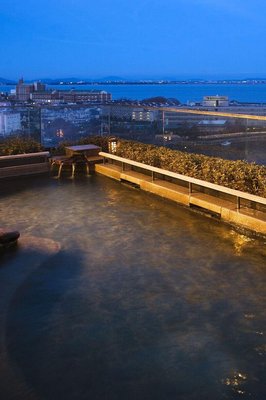
Yumotokan

Scapes the Suite
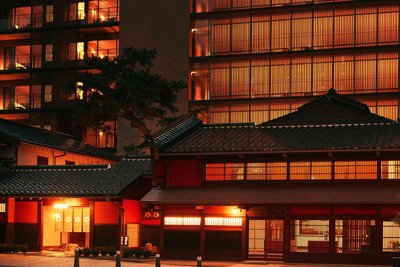
Hoshino Resorts Kai Kaga
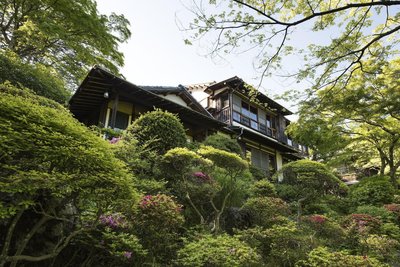
Gora Kansuiro
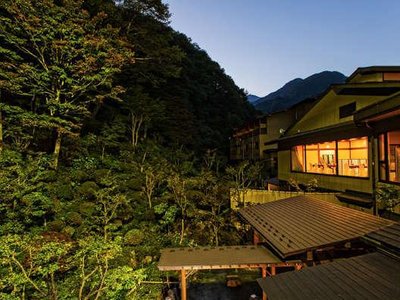
Futari Shizuka
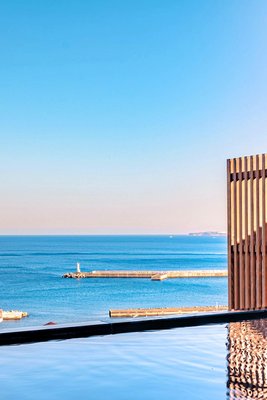
HOTEL KANICHI
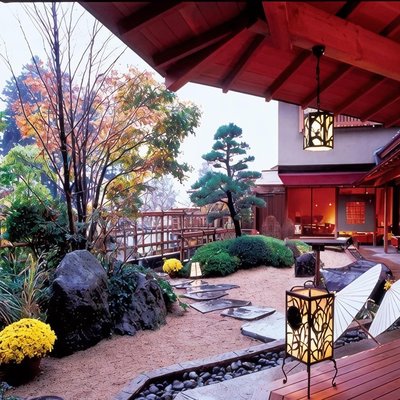
Oyado Tamaki

Tokinoniwa
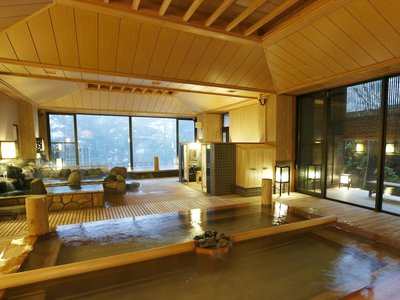
Konoha
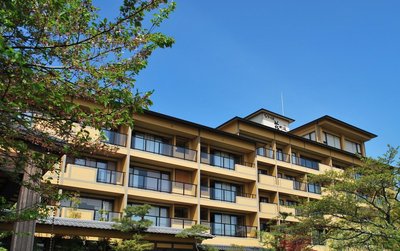
BIWAKO HANAKAIDO
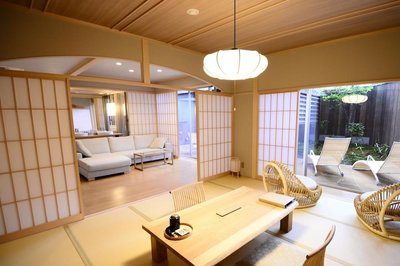
Hakone Gora Byakudan
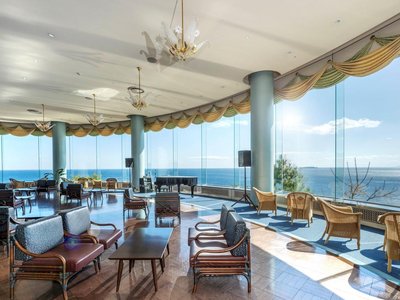
Hotel New Akao
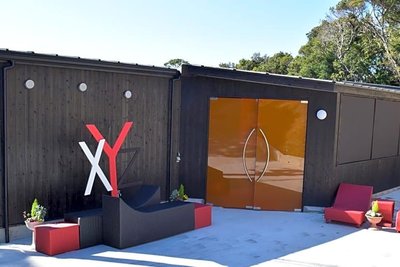
XYZ Private Spa and Seaside Resort
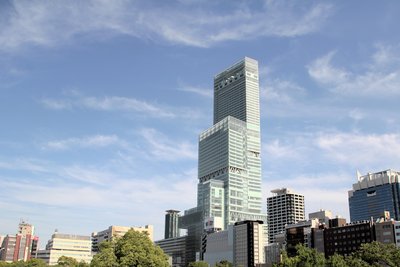
Osaka Marriott Miyako Hotel
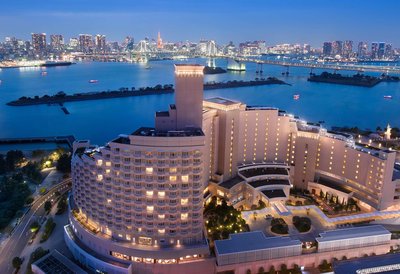
Hilton Tokyo Odaiba
JW Marriott Hotel Tokyo
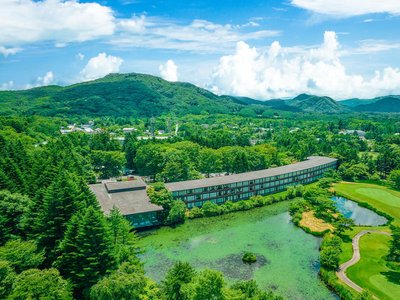
The Prince Karuizawa
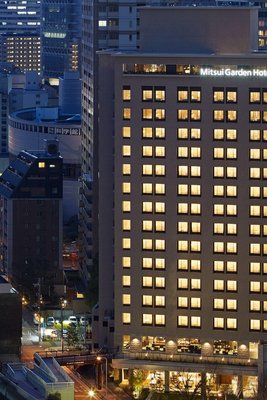
Mitsui Garden Hotel Osaka Premier
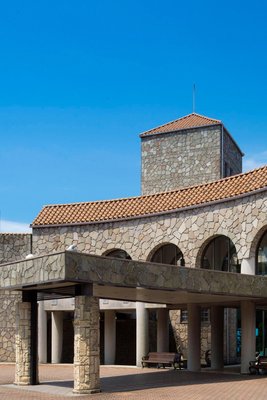
Izumigo Hotel Altia Toba
BIWAKO HANAKAIDO
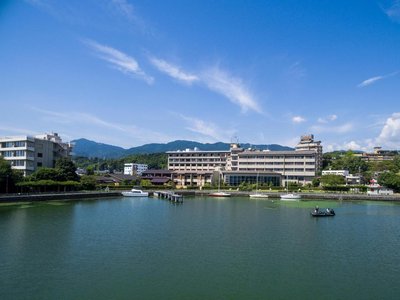
Biwako Ryokusuitei
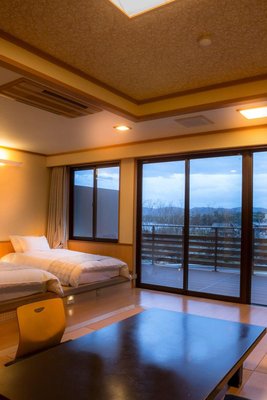
Hotel Kitanoya
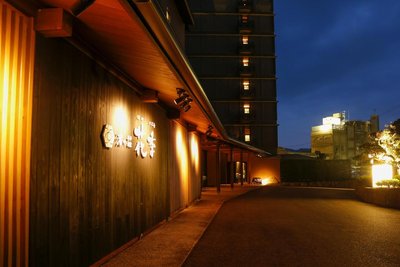
Hanagoyomi
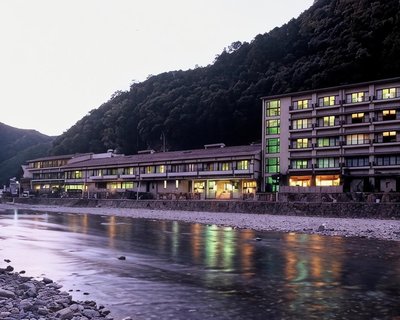
Kawayu Onsen Fujiya
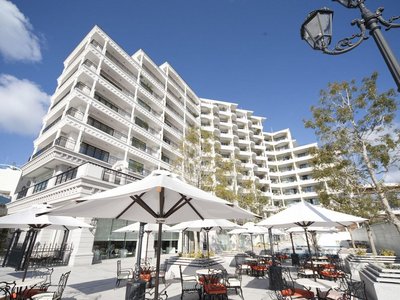
Hotel La Suite Kobe Harborland
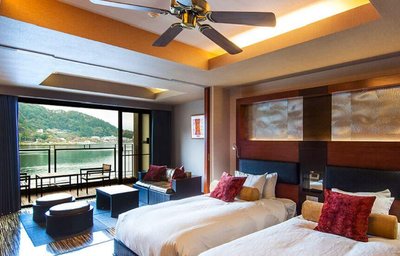
The Kukuna
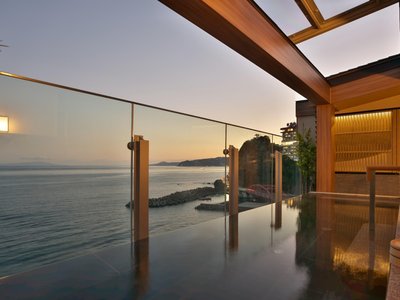
Hotel New Sagamiya
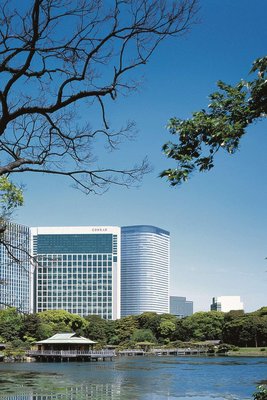
Conrad Tokyo
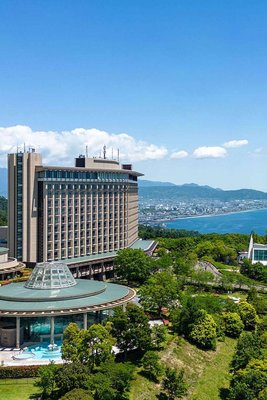
Hilton Odawara Resort & Spa
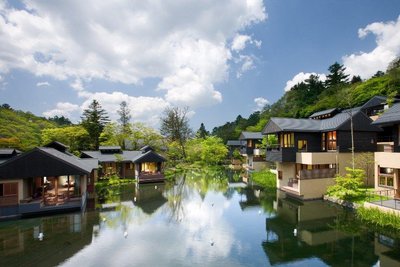
Hoshinoya Karuizawa
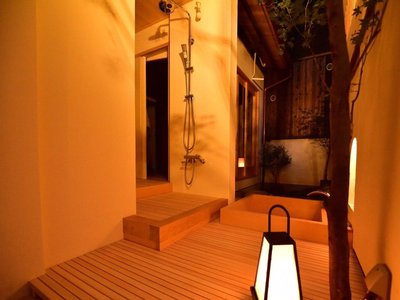
Yado Kiramachi
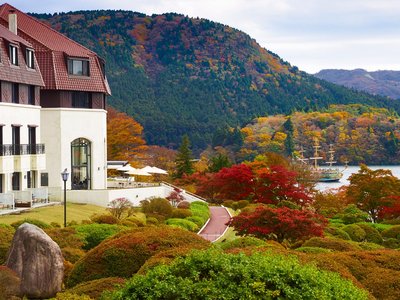
Hotakajyo

Onyado Nono Asakusa Bettei Hot Spring
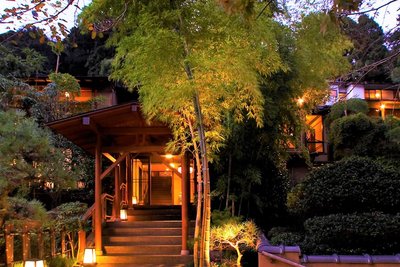
Shiki wo Ajiwau Yado Yamano Chaya
Arimasansoh Goshobessho
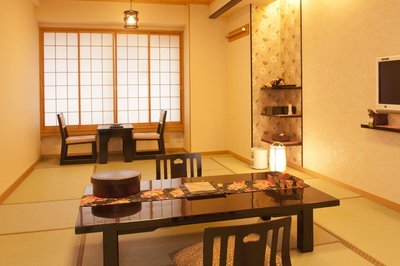
Matsui-Bekkan Hanakanzashi
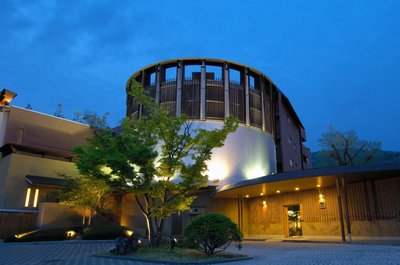
Hoshino Resorts Kai Matsumoto

Taikyourou
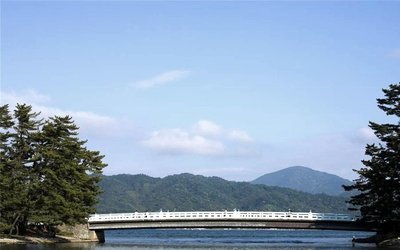
Monjusou Shourotei
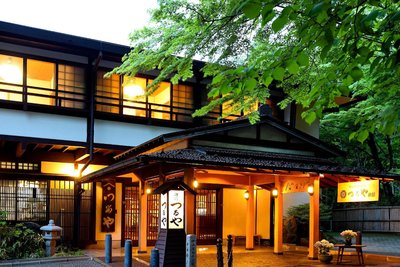
Tsuruya Ryokan
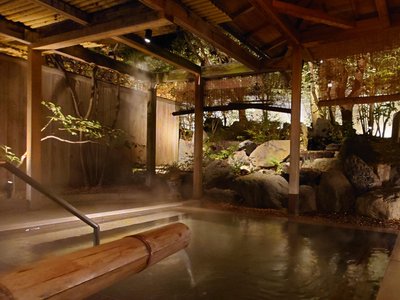
Kasuga Hotel
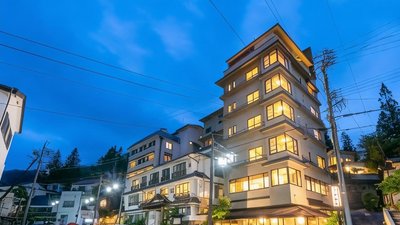
Nakamatsuya Ryokan
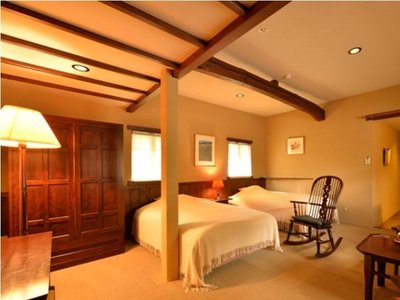
Ryokan Sugimoto
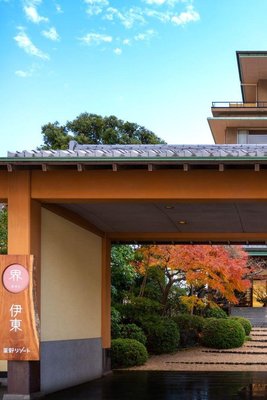
Hoshino Resorts Kai Ito
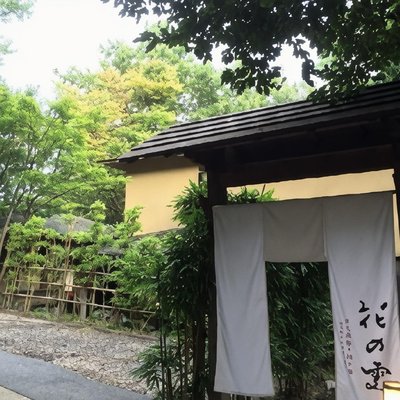
Hana No Kumo
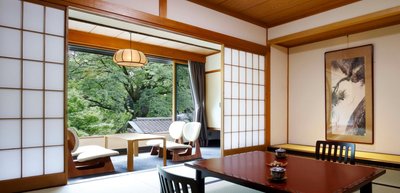
Yoshiike Ryokan
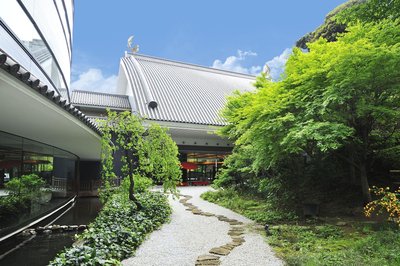
Hotel Gajoen Tokyo
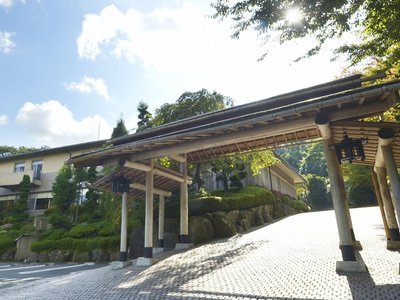
Gora Hanaougi
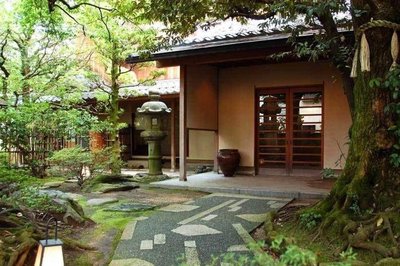
Kocho
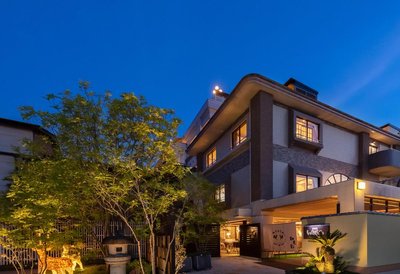
Hotel New Wakasa
Bellustar Tokyo, A Pan Pacific Hotel
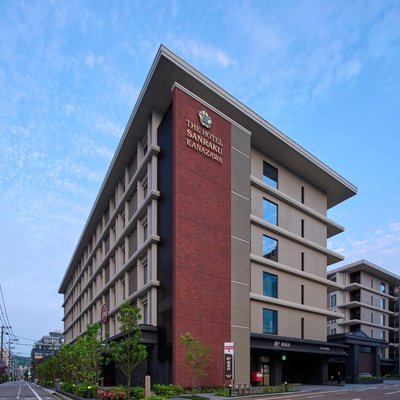
The Hotel Sanraku Kanazawa 21th December 2022 Open
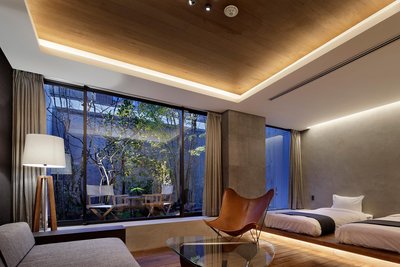
22 PIECES
The Ritz-Carlton, Osaka
JW Marriott Hotel Tokyo
Andaz Tokyo Toranomon Hills- A Concept by Hyatt

The Thousand Kyoto
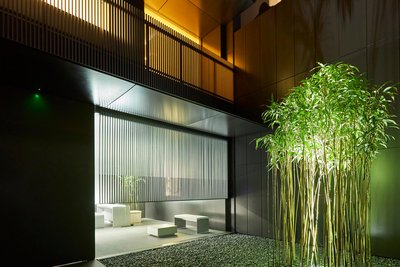
Mogana
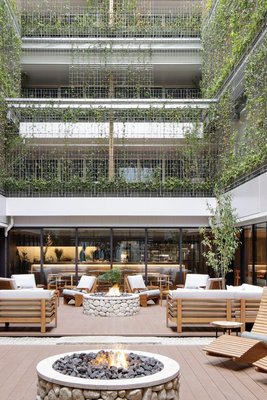
GOOD NATURE HOTEL KYOTO
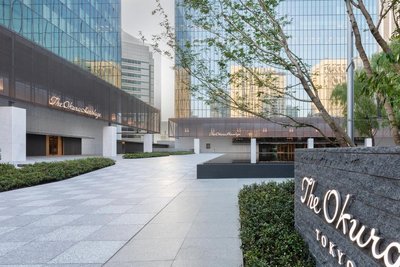
The Okura Tokyo
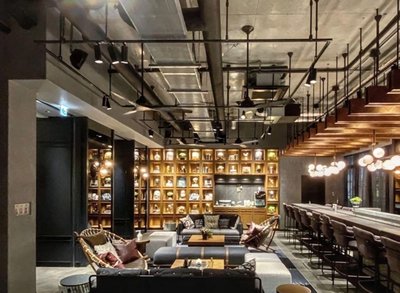
The Lively Azabujuban Tokyo
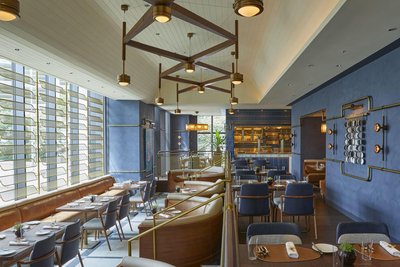
Kimpton Shinjuku Tokyo
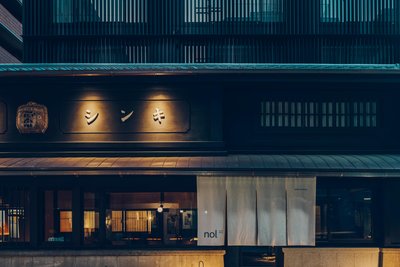
Nol Kyoto Sanjo

HOTEL K5
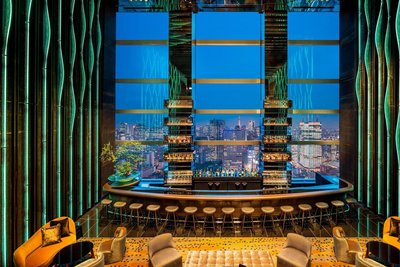
The Prince Gallery Tokyo Kioicho, a Luxury Collection Hotel
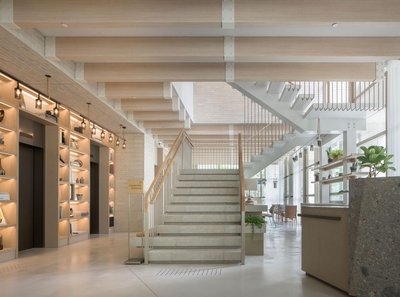
Zentis Osaka
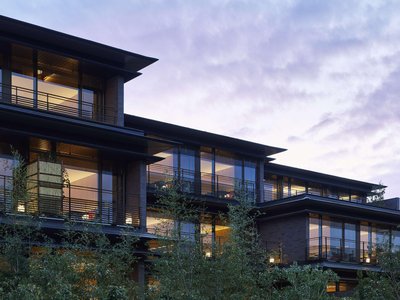
Garrya Nijo Castle Kyoto
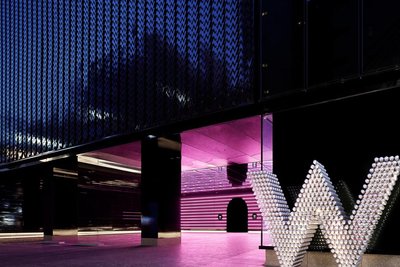
W Osaka

Hotel Kanra Kyoto

Aloft Osaka Dojima
Hakone Gora Byakudan
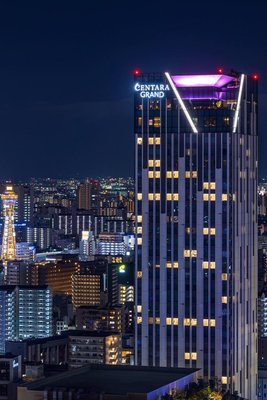
Centara Grand Hotel Osaka
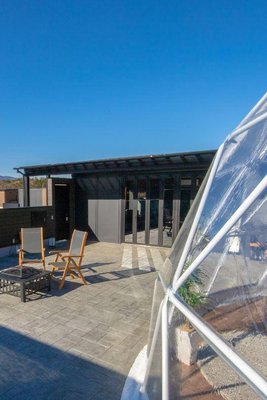
Panoramic Mt. Fuji Views from All Rooms – Vision Glamping Resort & Spa Yamanakako
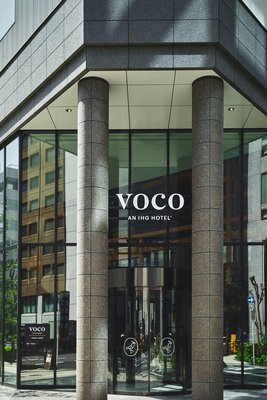
voco Osaka Central
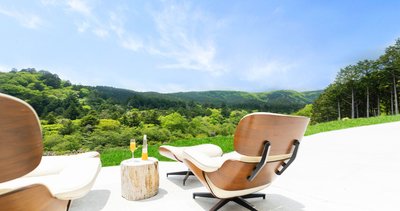
Shelter Garden Nikko
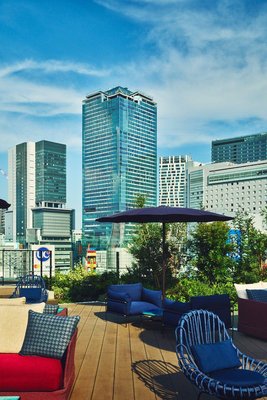
Hotel Indigo Tokyo Shibuya
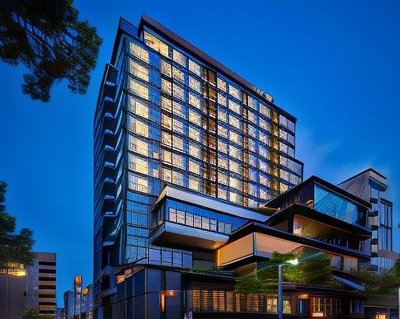
TIAD, AUTOGRAPH COLLECTION
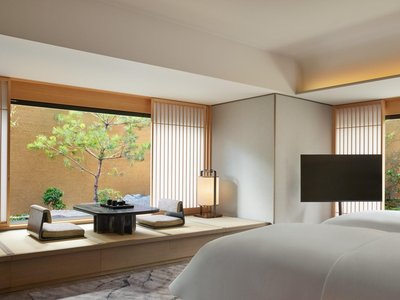
Dusit Thani Kyoto
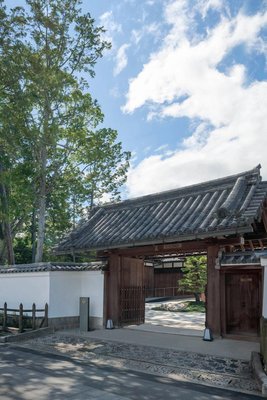
Shisui, a Luxury Collection Hotel, Nara

Hilton Kyoto
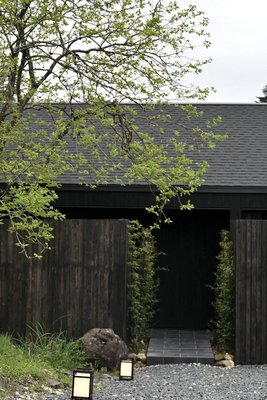
THE LAKOTAN
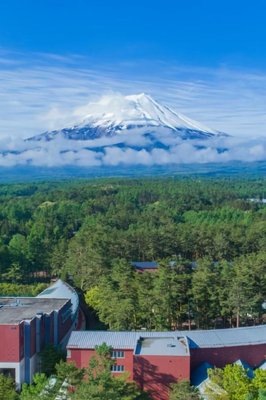
Forest Village (Fuji Premium Resort)

Hotel Toranomon Hills
Osaka Marriott Miyako Hotel
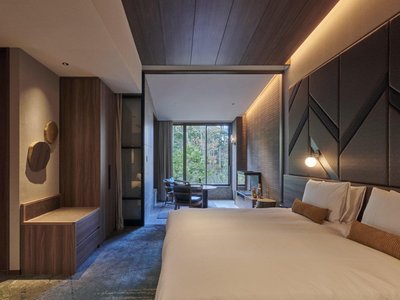
Fufu Kyu-Karuizawa Restful Forest
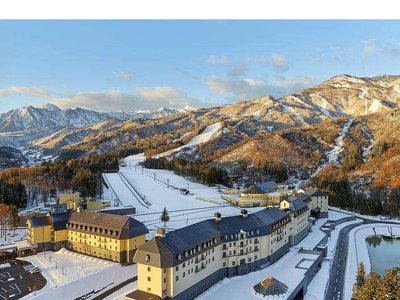
Lotte Arai Resort
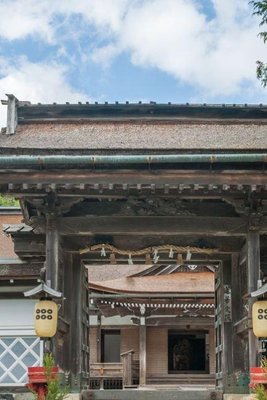
Koyasan Rengejoin
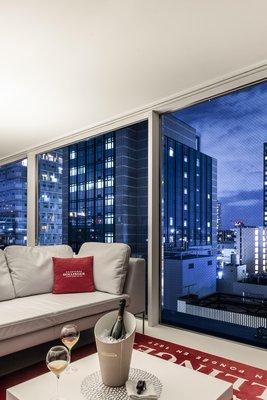
CUVÉE J2 HOTEL OSAKA by Onko Chishin
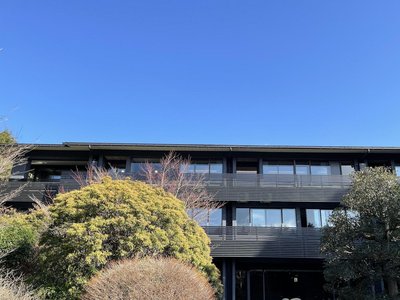
Sengokubara Cocon
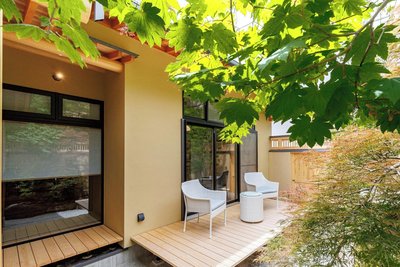
Shoraiso
Bvlgari Hotel Tokyo
Osaka Marriott Miyako Hotel
The Ritz-Carlton, Osaka
Four Seasons Hotel Tokyo at Marunouchi
Mandarin Oriental, Tokyo
The Ritz-Carlton, Tokyo
Andaz Tokyo Toranomon Hills- A Concept by Hyatt
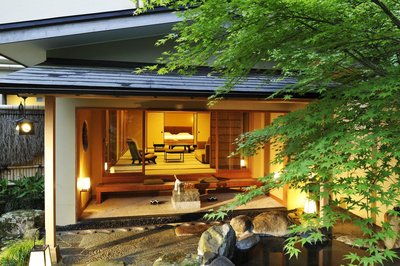
Gora Kadan
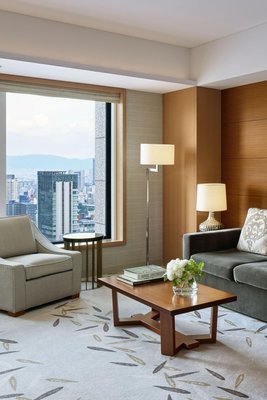
InterContinental Hotel Osaka
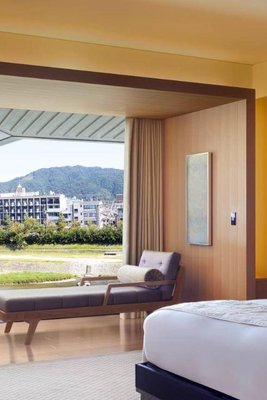
The Ritz-Carlton, Kyoto

Hotel New Otani Tokyo the Main
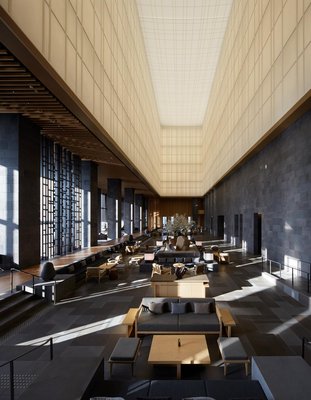
Aman Tokyo
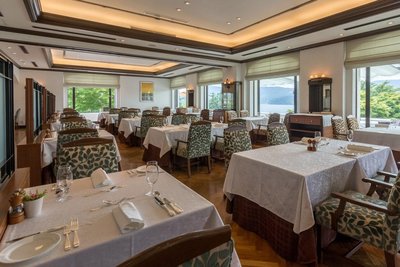
Odakyu Hotel de Yama
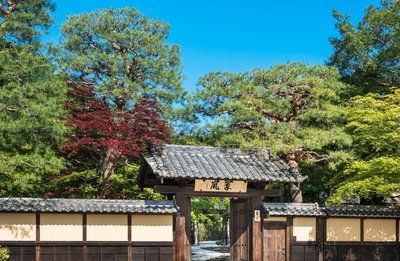
Suiran, a Luxury Collection Hotel, Kyoto
GOOD NATURE HOTEL KYOTO
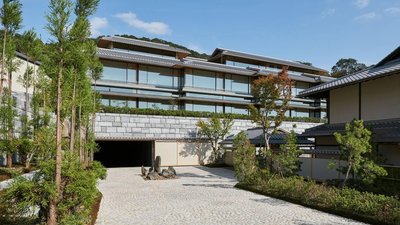
Park Hyatt Kyoto
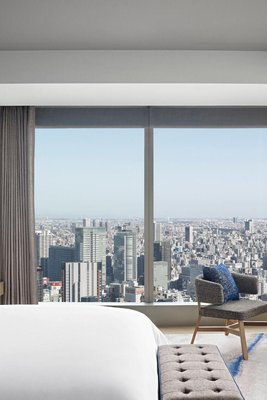
Four Seasons Hotel Tokyo at Otemachi
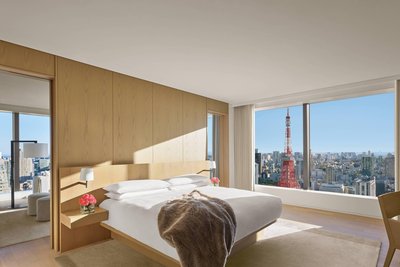
The Tokyo Edition, Toranomon

Hyatt Centric Kanazawa
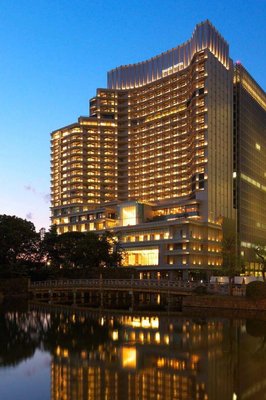
Palace Hotel Tokyo
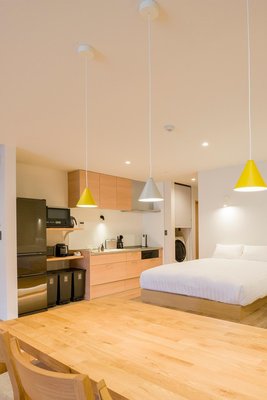
Rakuten STAY VILLA Nasu
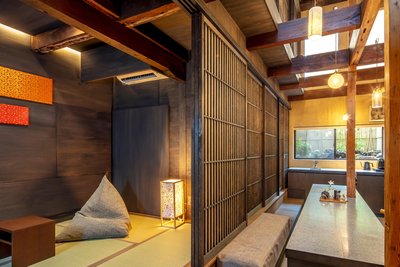
Kyo No Oozora Kihana
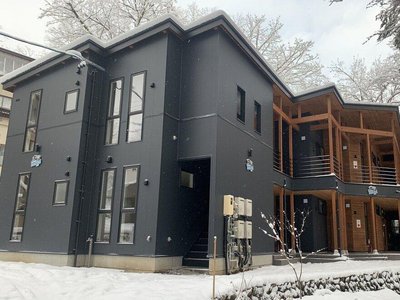
Hakuba Gondola Apartments
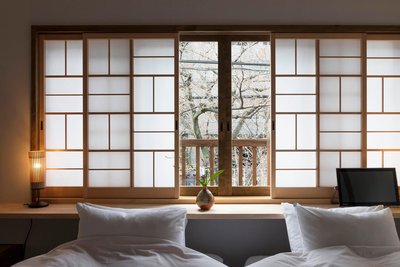
Hanagoromo Machiya House
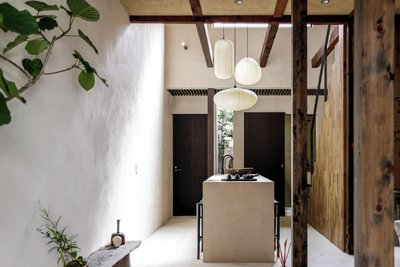
Maana Kiyomizu
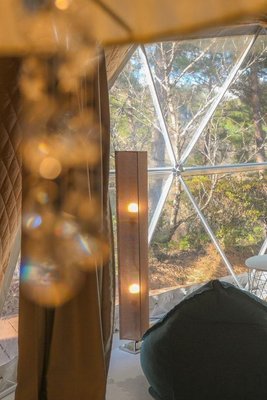
glampark Gekkabijin Nagano
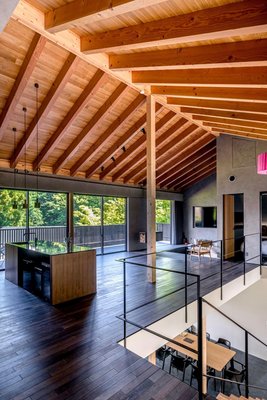
MONS GORA
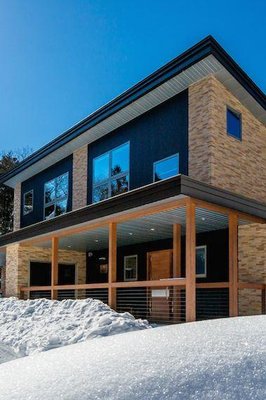
Phoenix Chalets by Hhg
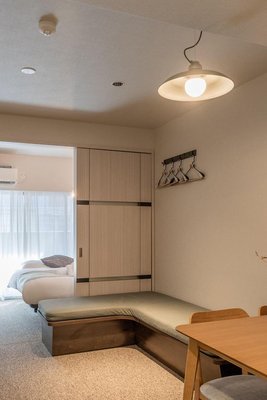
Apartment Hotel 11 Shinsaibashi
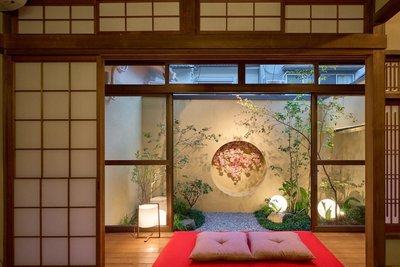
KONJAKUSO Osaka Tengachaya "NIHONCHA" Tea & Relax
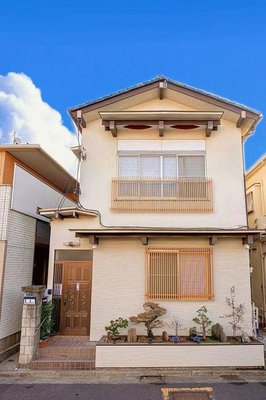
Tokyo Star House-Shinkoiwa
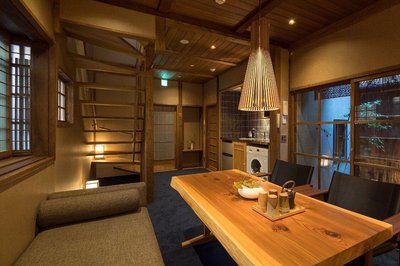
Bonbori an Machiya House
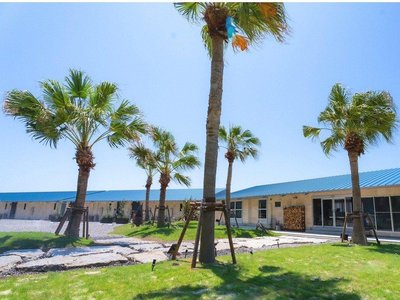
Glamping&Resort Wood Design Park Noma
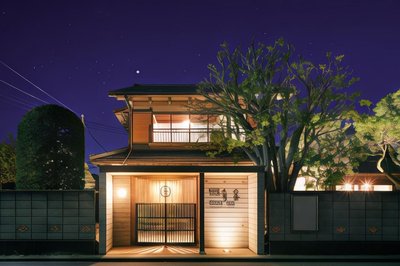
Machi-Jyu
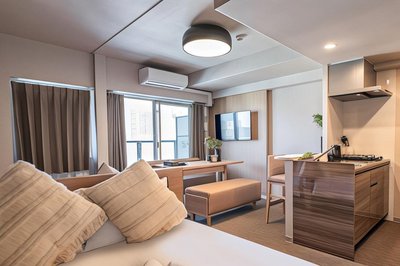
Apartment Hotel 11 Shinsaibashi III
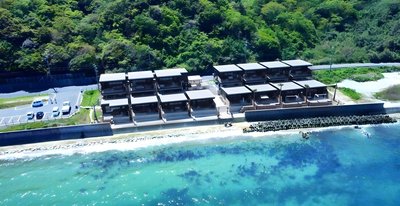
Solavilla Umi Terrace Minamiawaji
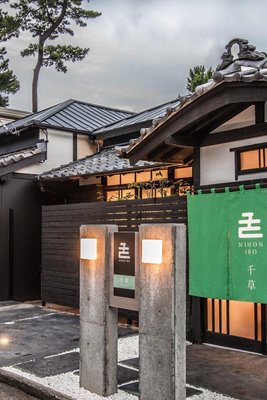
Nihon Iro
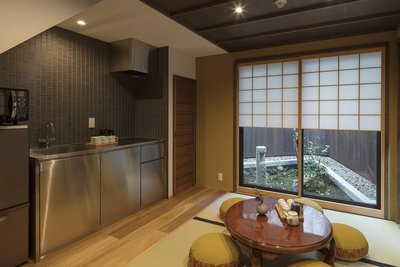
The Machiya Villa Sanjo Shirakawa Koji
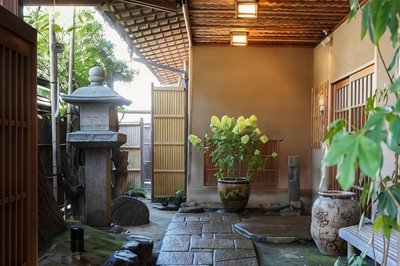
Ryokan Asadaya
Konjaku-So Dotonbori
Bellustar Tokyo, A Pan Pacific Hotel

Hotel Barrière Fouquet's New York
Bvlgari Hotel Tokyo

Shima Kanko Hotel the Bay Suites
Loquat Nishiizu
Byaku Narai
Waldorf Astoria Osaka
Atami Izusan Karaku
Kamo Residences by Reflections
The Tokyo Edition, Ginza
Janu Tokyo
Six Senses Kyoto
Four Seasons Hotel Osaka
Patina Osaka
The Ritz-Carlton, Osaka
JW Marriott Hotel Tokyo
Arimasansoh Goshobessho
Four Seasons Hotel Tokyo at Marunouchi
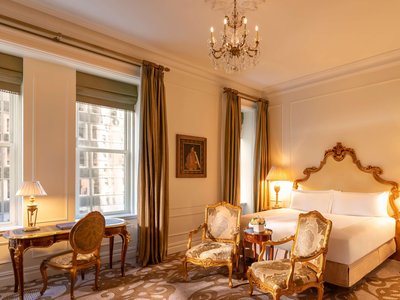
The Plaza - A Fairmont Managed Hotel
Mandarin Oriental, Tokyo
Frequently Asked Questions about Traveling to Urugi
Questions You Might Need to Know About Traveling to Urugi
The top choice in Maikura Village is Maikura Onsen Ryokan, a traditional Japanese inn nestled in the mountains with its own natural hot spring sourced from underground aquifers beneath the Shinano River. The mineral-rich waters are high in silica and bicarbonate, known for their skin-soothing properties. Each room features tatami flooring, wooden sliding doors, and private views of the surrounding forest.
Guests enjoy nightly kaiseki meals made with local ingredients—fresh trout from the river, wild mountain vegetables, and hand-picked seasonal mushrooms. The ryokan also offers guided morning and night-time bathing rituals, where visitors can experience the spiritual side of onsen culture. For a more exclusive stay, private outdoor baths are available in secluded suites, perfect for couples or those seeking tranquility. This ryokan embodies the essence of rural Japan: simplicity, harmony with nature, and deep hospitality.
The best times to visit Maikura Village for breathtaking scenery are spring (March–May) and autumn (September–November). In spring, cherry blossoms bloom along the Shinano River, while rhododendrons paint the hillsides in vibrant pinks and purples. The air is crisp, and hiking trails like the Maikura Nature Trail are ideal for photography and peaceful walks.
Autumn transforms the valley into a golden-red tapestry. The Omae Highland and areas near the river source offer panoramic views of layered foliage, especially at sunrise. Winter (December–February) brings snow-covered forests and serene landscapes, perfect for winter photography and quiet contemplation. Summer (June–August) is lush and green, ideal for observing wildlife and attending local festivals. Regardless of season, the village’s untouched beauty makes it a must-visit destination for nature lovers and visual storytellers.
Travelers in Maikura Village can immerse themselves in authentic local traditions through hands-on experiences:
-
Bamboo Weaving Workshops: Learn from master artisans how to craft baskets and lanterns using sustainably harvested bamboo—a skill passed down through generations.
-
Traditional Kaiseki Dining: Savor multi-course meals featuring wild mountain herbs, Shinano River trout, and seasonal produce, served in intimate ryokan settings.
-
Mountain Festival (Yama Matsuri): Held annually in autumn, this event includes drum performances, prayers for good harvests, and ritual dances honoring nature spirits.
-
Early Spring Tea Picking: Join local farmers in harvesting fresh tea leaves from high-altitude plantations, then learn to process them into aromatic Nagano early-season tea.
These activities go beyond tourism—they foster genuine connection with the community, offering insight into sustainable living and reverence for nature that defines life in this remote mountain village.
For families with children, the central district of Maikura Village is the most suitable area, particularly Omae Highland Guesthouse, which offers child-friendly facilities including an indoor playroom, family activity rooms, and safe, well-marked walking paths along the Shinano River.
The guesthouse organizes daily programs such as storytelling sessions, nature scavenger hunts, and DIY craft workshops using natural materials. Parents can relax at the nearby Maikura Onsen Ryokan, while kids enjoy supervised group activities. All staff speak basic English and provide multilingual guides for family tours.
Additionally, the area is close to the Maikura Community Farm, where children can feed goats, collect eggs, and learn about organic farming. With low noise levels, clean air, and a strong sense of safety, this zone provides an ideal environment for parents seeking meaningful, stress-free family getaways in a remote yet accessible mountain setting.
What sets Maikura Village's hot spring resorts apart is their integration of natural geothermal water with traditional Japanese design and wellness philosophy. The Maikura Onsen Ryokan draws water directly from deep underground aquifers beneath the Shinano River watershed, rich in silica and calcium bicarbonate—ideal for healing sensitive skin.
Each resort emphasizes minimalist architecture, with open-air baths framed by native wood and stone, allowing guests to bathe surrounded by forest sounds and starlit skies. Many offer private onsen suites with direct access to secluded gardens.
Beyond relaxation, these resorts host wellness rituals such as morning meditation by the bath, herbal steam treatments, and seasonal detox programs. Guests also receive personalized care notes based on their health goals—making the experience not just luxurious, but truly restorative. This fusion of nature, tradition, and holistic care defines the soul of Maikura’s onsen culture.
Photographers visiting Maikura Village will find exceptional subjects across all seasons:
-
Shinano River Source: Capture mirror-like reflections of misty mountains at dawn—perfect for long-exposure shots.
-
Omae Highland Sunrise Viewpoint: At 1,200 meters above sea level, this spot delivers dramatic scenes of sunlight breaking through clouds over endless forest valleys.
-
Maikura Nature Trail: Autumn foliage creates vivid red and gold hues along winding paths lined with ancient trees—ideal for portrait and landscape photography.
-
Onsen Ryokan Outdoor Bath at Night: Warm lights glowing against dark skies, with stars visible overhead—excellent for astrophotography.
Local guides offer photography tours tailored to different styles, from documentary to fine art. Equipment like tripods and wide-angle lenses is recommended. Early mornings and twilight hours are considered the golden times for capturing the village’s ethereal beauty.
The most convenient way to reach Maikura Village is by taking a scheduled bus from Nagano Station, which runs approximately every hour and takes about 60 minutes. Tickets cost around ¥1,200 and are available at the station counter.
For greater flexibility, renting a compact car is highly recommended. The route via National Route 18 and the Shinano River Highway offers scenic drives through alpine landscapes and terraced fields. Some guesthouses provide free shuttle services upon request.
Note that there is no railway line serving Maikura Village, so travel plans should include at least one full day. During winter months, road closures due to snow may occur—check the Nagano Prefecture Transportation Portal or contact accommodations directly before traveling to confirm schedules and road conditions.
Visitors to Maikura Village should try these must-try local specialties:
-
Shinano River Trout Hot Pot (Sake Nabe): A warming dish made with freshly caught trout, wild mountain vegetables, and miso broth—best enjoyed in winter.
-
Wakame Mochi: A chewy rice cake made from wild fern flour, often served with sweet red bean paste and matcha powder—available at local markets.
-
Highland Vegetable Platter: Seasonal vegetables grown at high altitude—such as pumpkin, potatoes, and kale—are lightly steamed and drizzled with sesame sauce.
-
Nagano Early-Season Tea: Hand-picked in spring, this delicate green tea has a floral aroma and smooth finish, available at tea houses within ryokans.
All ingredients are sourced locally from small farms and fishers, emphasizing freshness and sustainability. Don’t miss the Maikura Farmers’ Market held every second Saturday—where you can buy directly from producers and sample homemade treats.
Nighttime in Maikura Village offers unique and memorable experiences:
-
Stargazing Events: Held from April to October at Omae Highland Observatory, these events feature expert-led sessions using telescopes to view the Milky Way, meteor showers, and Jupiter’s moons.
-
Onsen Night Talks: At Maikura Onsen Ryokan, guests gather around the outdoor bath to hear elders share folktales, legends, and ancestral stories—accompanied by warm tea and handmade sweets.
-
Bonfire Music Nights: During summer festivals, locals perform traditional taiko drumming and folk songs around a central fire, inviting visitors to join in.
-
Night Nature Walks: Guided by ecological experts, these walks use dim flashlights to observe nocturnal animals like owls, weasels, and fireflies in their natural habitat.
These activities highlight the village’s deep connection to nature and community spirit, transforming the night into a space of wonder, storytelling, and shared silence.
Maikura Village is ideal for:
-
Nature Seekers: Those craving peace, clean air, and immersive forest experiences—perfect for hiking, meditation, and reconnecting with the natural world.
-
Cultural Explorers: Travelers interested in traditional crafts, sustainable living, and indigenous practices, who value authenticity over convenience.
-
Family Travelers: Families looking for safe, educational, and engaging activities for children, including farm visits, nature games, and hands-on workshops.
-
Photographers & Artists: Creatives drawn to ever-changing light, seasonal colors, and untouched landscapes across all four seasons.
-
Slow Travel Enthusiasts: Visitors who prefer depth over speed, willing to spend time in one place to absorb rhythm, stillness, and quiet moments.
This remote mountain village isn’t just a destination—it’s a lifestyle. It welcomes those who seek meaning, simplicity, and a deeper understanding of life beyond the urban rush.
Urugi Overview
City Summary
Makimura, located in Nagano Prefecture, Japan, is a small village renowned for its tranquil nature and traditional culture. Visitors can experience the serene rural life away from urban hustle, surrounded by picturesque landscapes and authentic Japanese countryside charm.
Must-See Attractions
Makimura's highlights include mountain hiking trails and traditional Japanese farmhouses. The village is also home to well-preserved shrines and temples, such as Makimura Shrine, reflecting its rich religious heritage. In winter, the snow-covered scenery is ideal for skiing and snow walks.
Food Guide
Makimura's cuisine is shaped by its natural surroundings. Must-try dishes include wild vegetable tempura, mushroom soup, and home-style Japanese meals made with local ingredients. Don't miss the homemade miso and sake, crafted by local farmers.
Transportation Guide
Public transport in Makimura is limited; renting a car is recommended. From Nagano City, it takes about 1.5 hours by bus or car. Within the village, walking or cycling is ideal, as public transport is infrequent. Plan ahead to avoid inconvenience.
Best Time to Visit
The best times to visit are spring (April-May) and autumn (September-October), when the weather is mild and scenic. Winter (December-February) suits snow lovers, but road conditions may be challenging.
Travel Tips
- Respect local customs, especially at shrines.
- Mountain weather is unpredictable; pack warm layers and rain gear.
- Few dining options exist; bring snacks.
- Drive carefully on narrow, snowy roads in winter.
- Check opening hours for attractions in advance.
- Maintain quiet to preserve the village's peace.
Useful Information
Internet access is limited in Makimura; download maps and info beforehand. Cash is preferred; credit cards are rarely accepted. Medical facilities are basic; major hospitals are in Nagano City. Japanese is the main language; English is uncommon, so a translation app may help.









