Hotels in Vale de Cambra
Discover your perfect stay in Vale de Cambra.
Vale de Cambra(Portugal) Travel 2026: Cheap Flights, Hotels & Top Attractions
Popular Landmarks in Vale de Cambra
Discover the most iconic attractions in Vale de Cambra
Recommended Hotels in Vale de Cambra
Find the perfect place to stay in Vale de Cambra
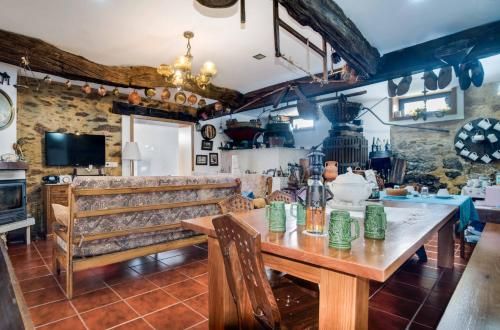
Casa de Coelhosa
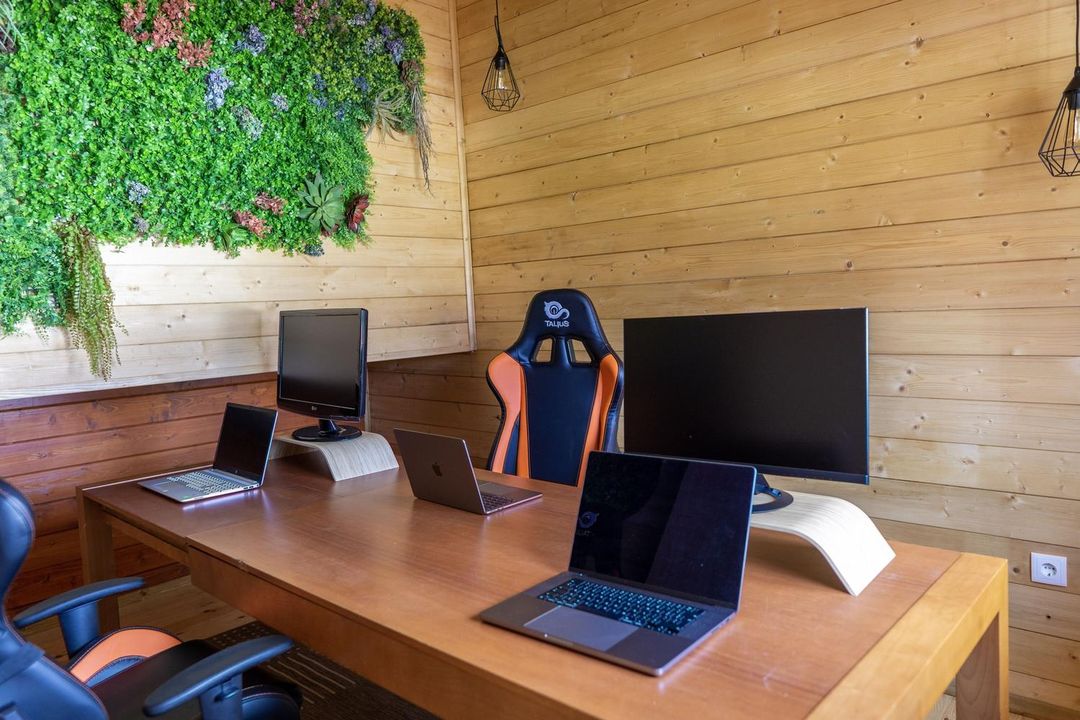
Coliving The VALLEY Portugal with Coworking Space open 24-7
Best Hotels in Vale de Cambra
Discover curated hotel collections in Vale de Cambra
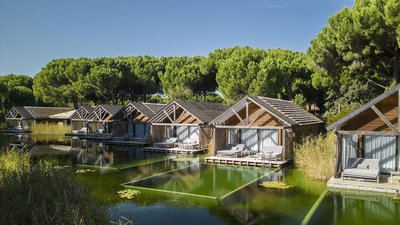
Sublime Comporta Country Retreat & Spa
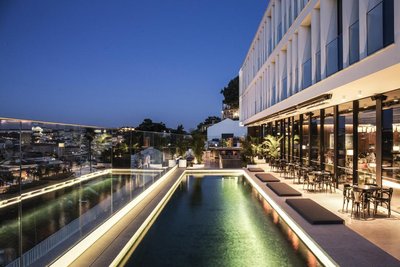
Memmo Príncipe Real - Design Hotels
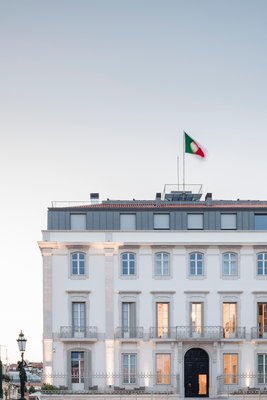
Verride Palácio Santa Catarina
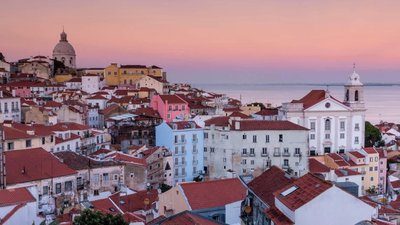
Four Seasons Hotel Ritz Lisbon
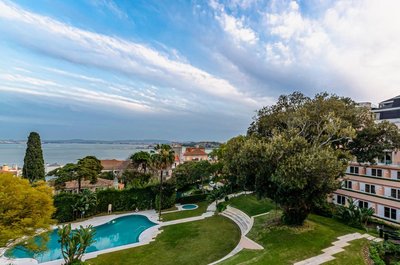
Olissippo Lapa Palace – The Leading Hotels of the World
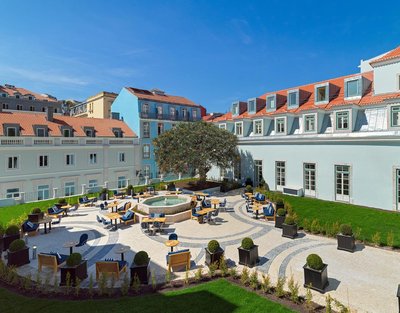
The One Palácio da Anunciada
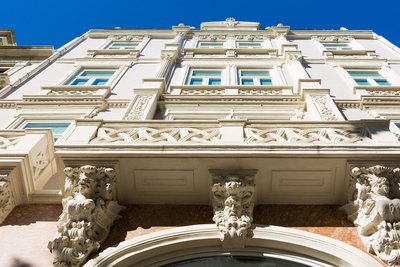
Hotel Valverde Lisboa - Relais & Chateaux
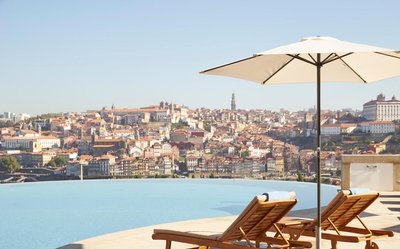
The Yeatman
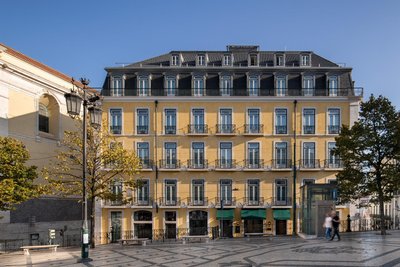
Bairro Alto Hotel
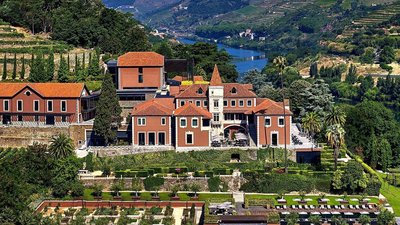
Six Senses Douro Valley
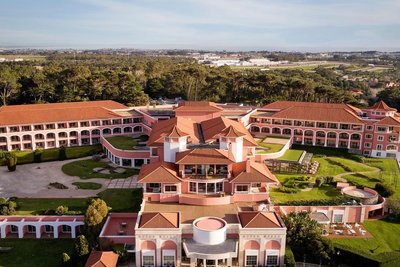
Penha Longa Resort
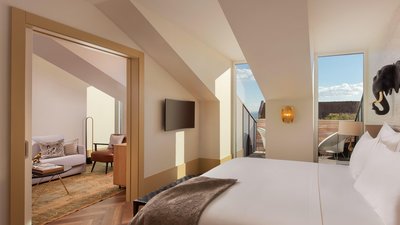
The Ivens, Autograph Collection
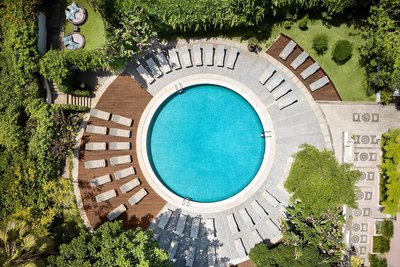
Tivoli Avenida Liberdade
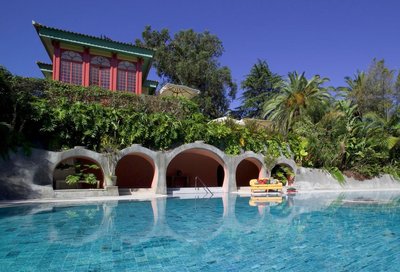
Pestana Palace Lisboa Hotel & National Monument - the Leading Hotels of the World
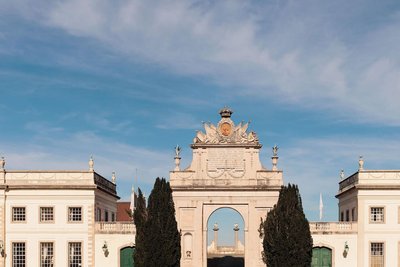
Valverde Sintra Palácio de Seteais - the Leading Hotels of the World
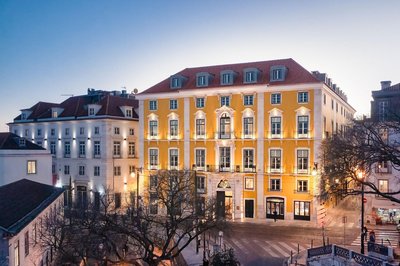
Palácio Ludovice Wine Experience Hotel
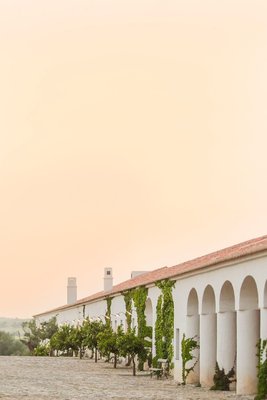
São Lourenço do Barrocal
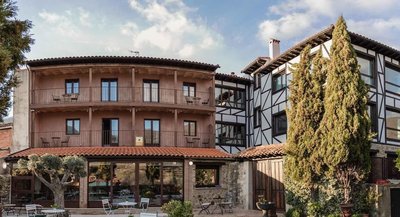
Hotel Spa Aura del Jerte
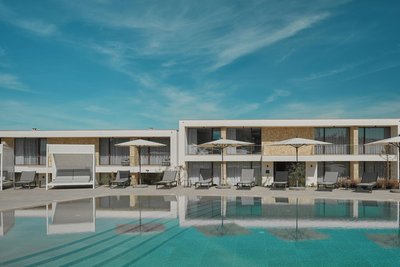
West Cliffs Ocean and Golf Resort
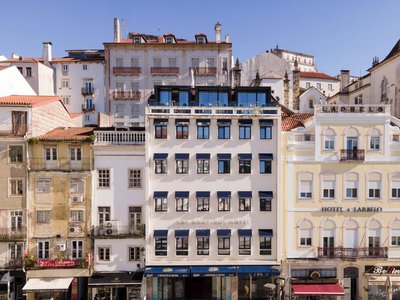
CBR Boutique Hotel - Coimbra
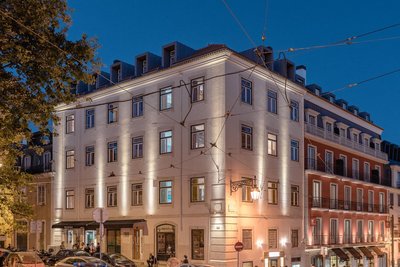
Chiado Arty Flats
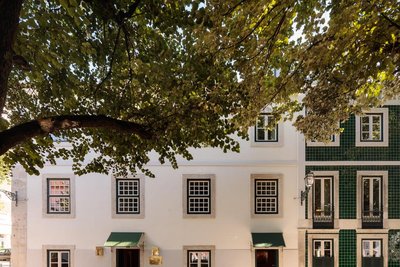
Hotel Das Amoreiras - Small Luxury Hotels of the World
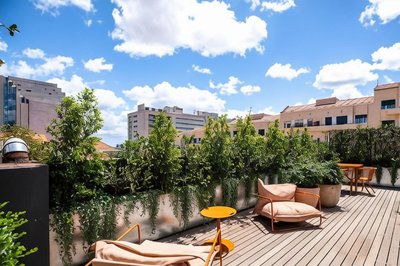
Sublime Lisboa

Aqua Et Oleum
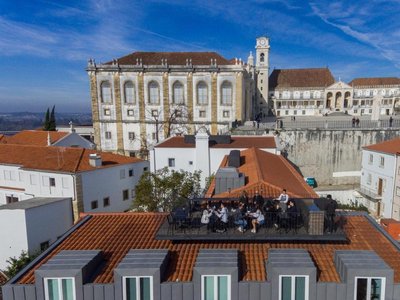
Sapientia Boutique Hotel
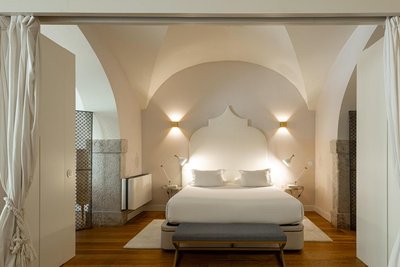
Almaria - Da Corte Apartments | Chiado

Villa Theatro Heritage Apartments
Look Living, Lisbon Design Apartments
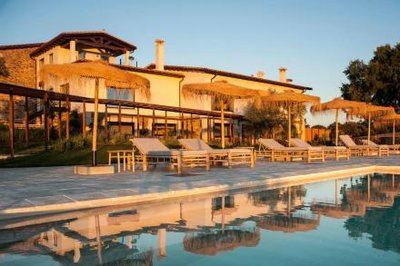
Hábitat Cigüeña Negra

Hotel Cotto do Gatto
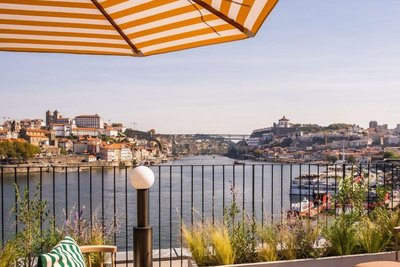
The Rebello Hotel & Spa - Small Luxury Hotels of the World
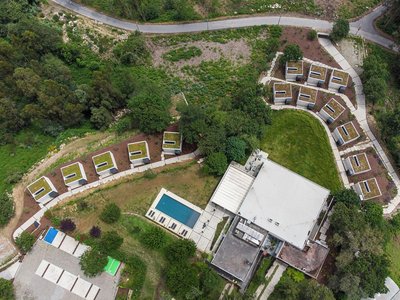
Hotel Pepe Vieira

Atmos Hotel Boutique
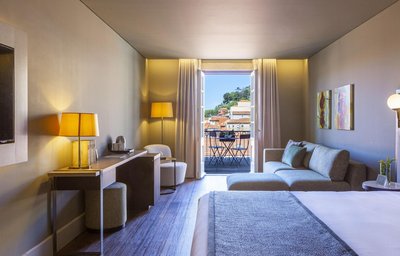
Timbre Virtudes
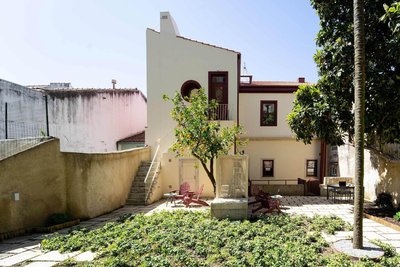
Entre Ruas Apartments
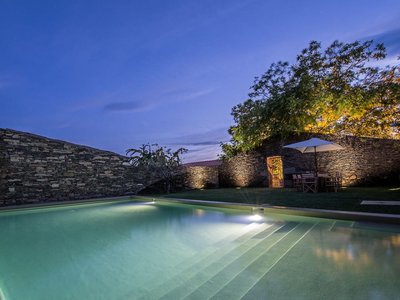
MORGADIO DA CALÇADA
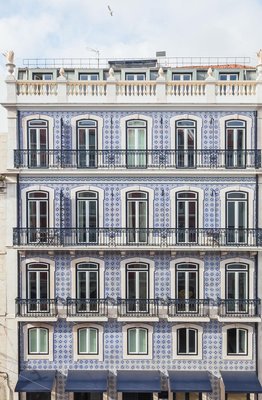
Almaria - Ex Libris Apartments | Chiado
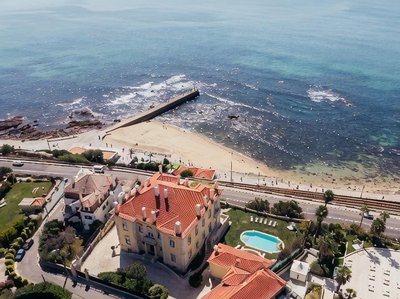
Estoril Vintage Hotel
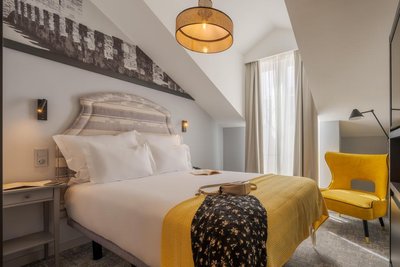
Pousada Alfama
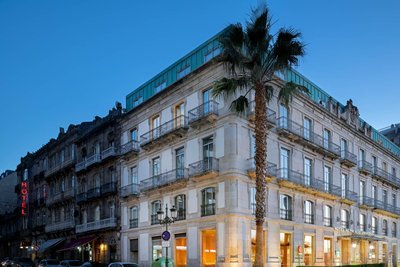
AC Hotel Palacio Universal
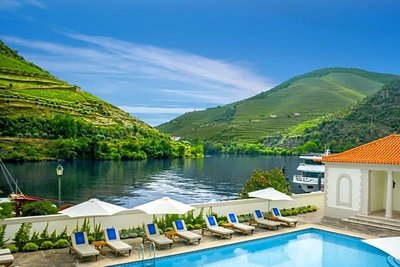
The Vintage House - Douro
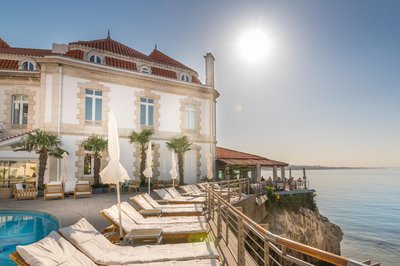
The Albatroz Hotel
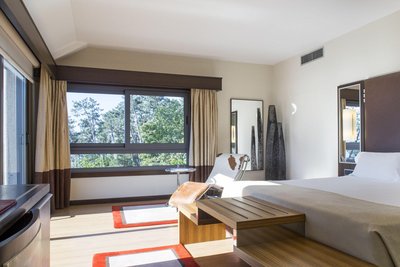
Gran Talaso Hotel Sanxenxo
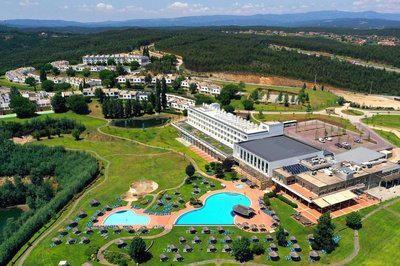
Montebelo Aguieira Lake Resort & Spa
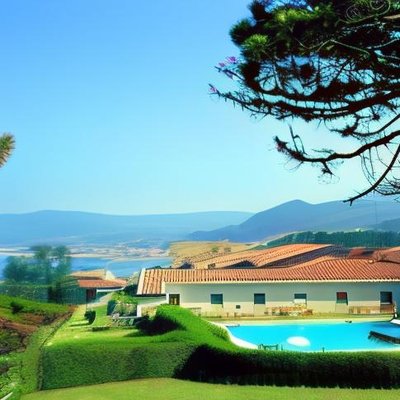
Parador de Baiona
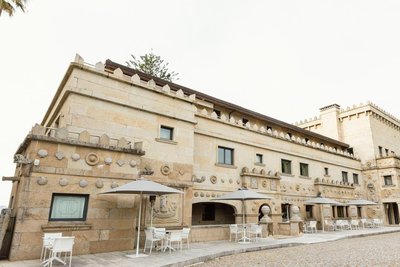
Pazo Los Escudos Hotel Spa & Resort
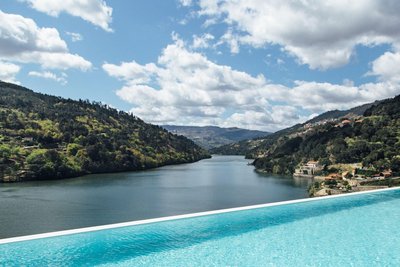
Douro Royal Valley Hotel & Spa
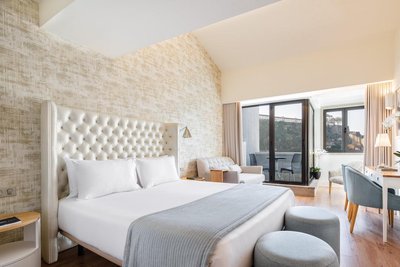
Eurostars Porto Douro
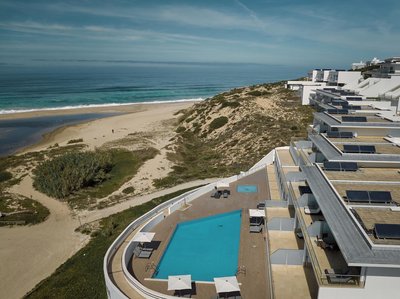
The Beachfront - Praia d'El Rey Golf & Beach Resort
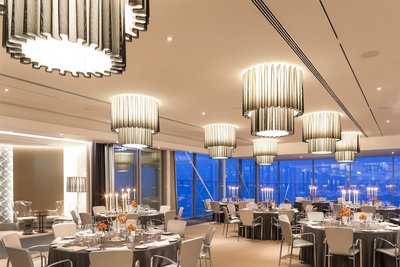
MYRIAD by SANA Hotels
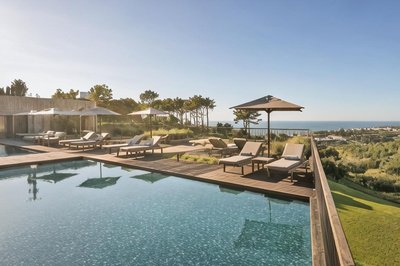
Immerso Hotel, a Member of Design Hotels
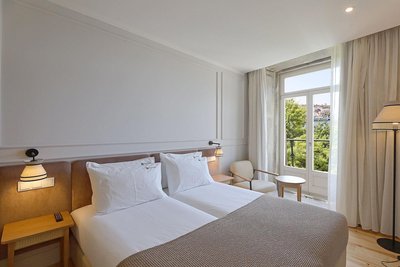
Memoria Porto FLH Hotels
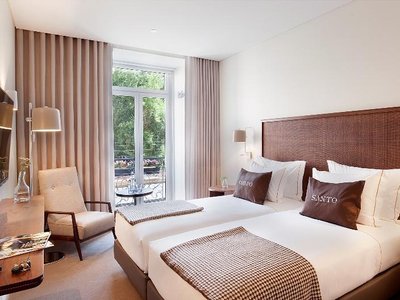
Corpo Santo Lisbon Historical Hotel
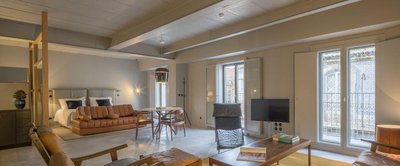
Raw Culture Art & Lofts Bairro Alto
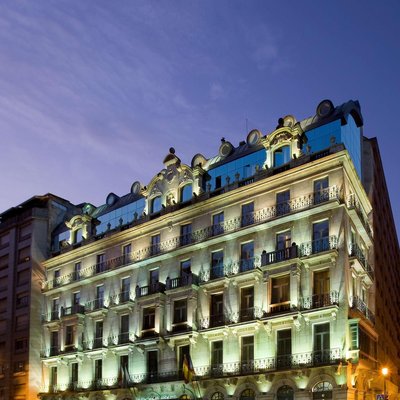
NH Collection Vigo
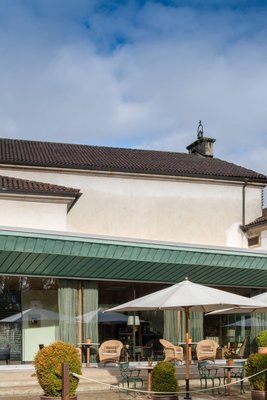
Hotel Palacio del Carmen, Autograph Collection
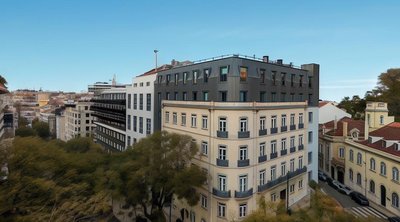
The Vintage Hotel & Spa – Lisbon

Dom Pedro Lisboa Hotel, a member of Radisson Individuals
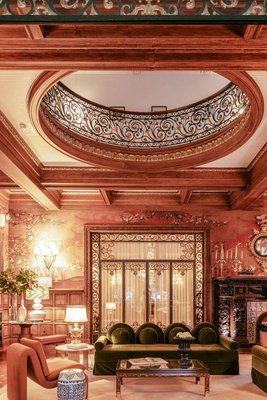
Small Luxury Hotels of the World - Hospes Infante Sagres Porto
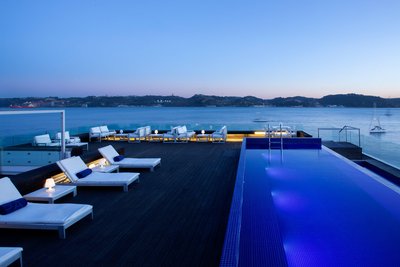
Altis Belem Hotel & Spa, a Member of Design Hotels
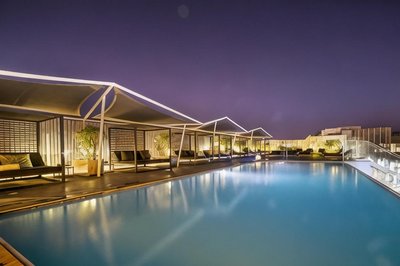
EPIC SANA Lisboa Hotel
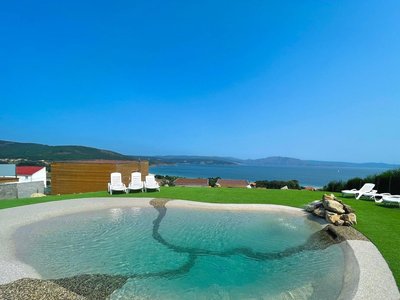
Cabañas Fisterra
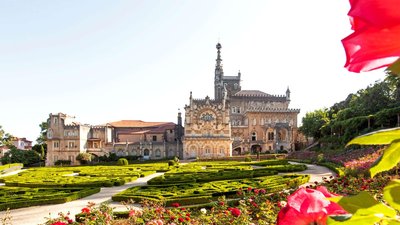
Palace Hotel do Bussaco
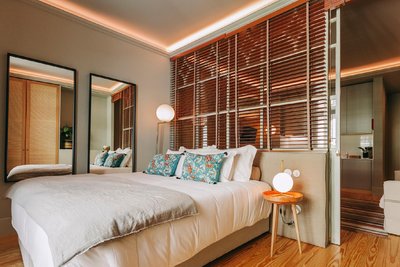
Torel 1884 Suites & Apartments
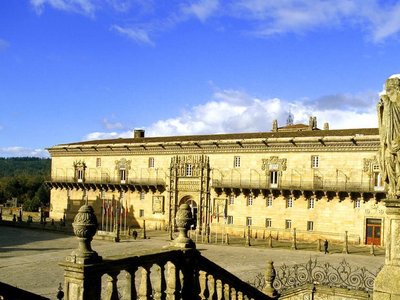
Parador de Santiago - Hostal Dos Reis Catolicos
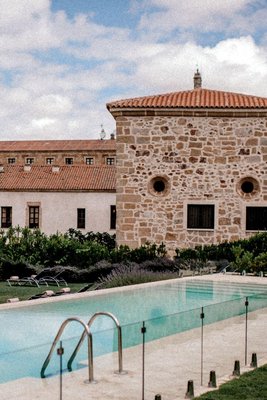
Hospes Palacio de San Esteban
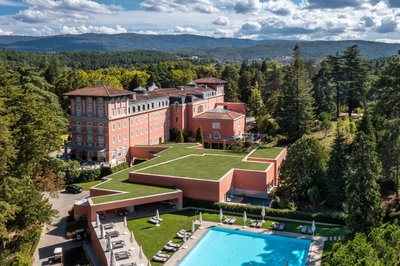
Vidago Palace
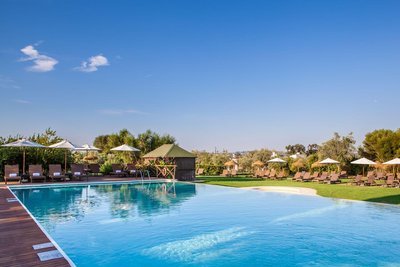
Convento do Espinheiro, Historic Hotel & Spa
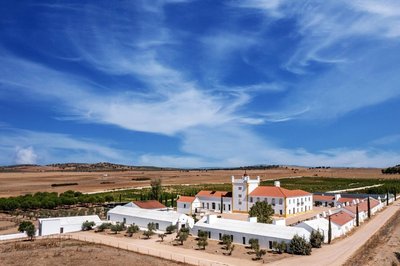
Torre de Palma Wine Hotel, Monforte, a Member of Design Hotels
The Ivens, Autograph Collection
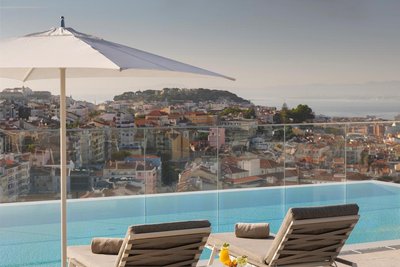
EPIC SANA Marquês Hotel
Pestana Palace Lisboa Hotel & National Monument - the Leading Hotels of the World
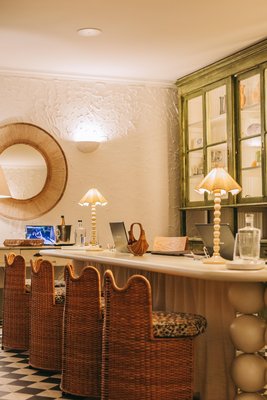
Torel Saboaria
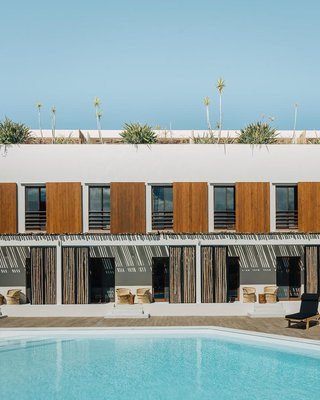
AlmaLusa Comporta
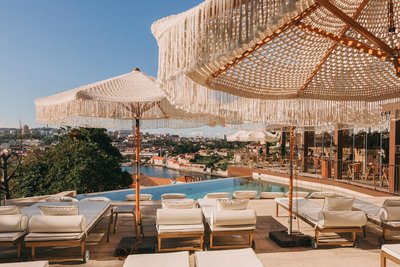
Torel Avantgarde
Memmo Príncipe Real - Design Hotels
Corpo Santo Lisbon Historical Hotel
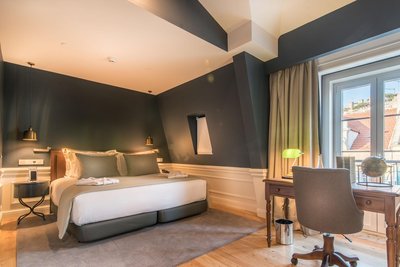
Hotel da Baixa
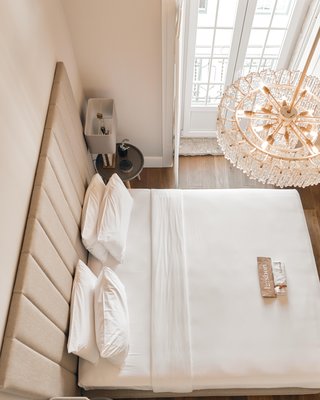
Dare Lisbon House
The One Palácio da Anunciada
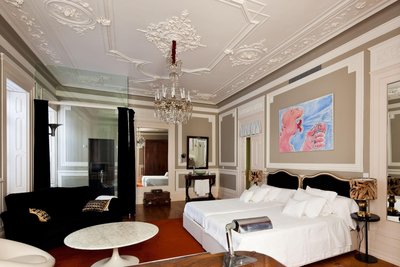
Palacete Chafariz Del Rei - by Unlock Hotels
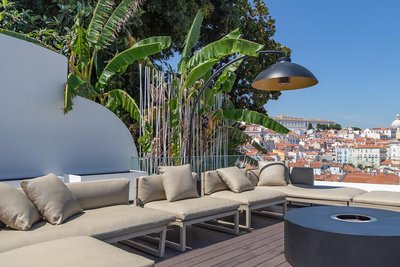
Memmo Alfama - Design Hotels
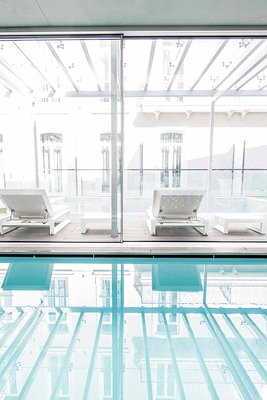
BessaHotel Liberdade
Hotel Valverde Lisboa - Relais & Chateaux
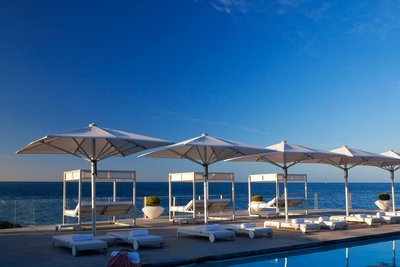
Farol Hotel
The Albatroz Hotel
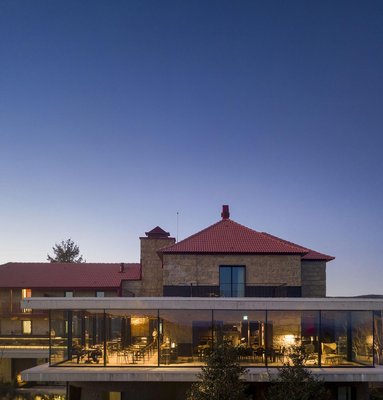
Casa de São Lourenço - Burel Panorama Hotel - Member of Design Hotels
Torel 1884 Suites & Apartments
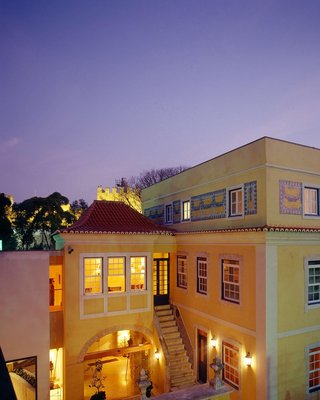
Solar do Castelo - Lisbon Heritage Collection - Alfama
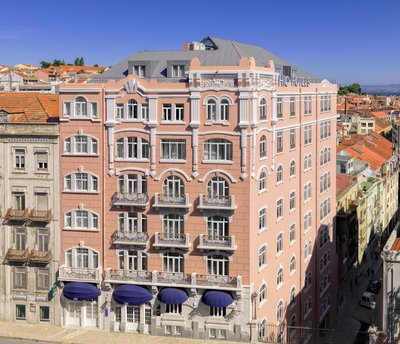
H10 Duque de Loule
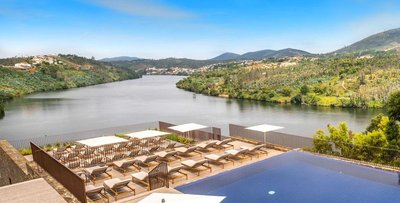
Octant Douro
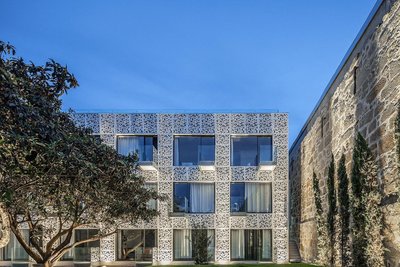
Caléway Hotel
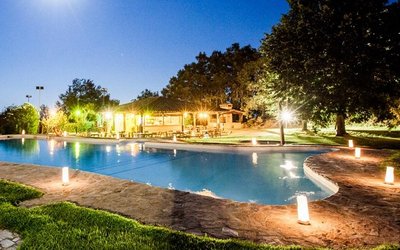
Hotel Rural Peña Del Alba
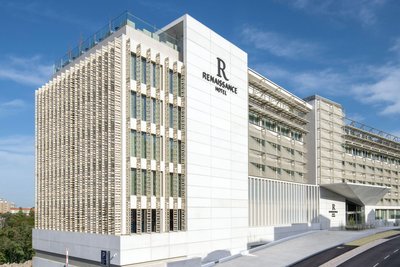
Renaissance Porto Lapa Hotel
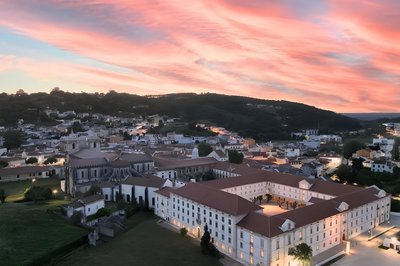
Montebelo Mosteiro de Alcobaça Historic Hotel
Estoril Vintage Hotel
Torel Avantgarde

Wine & Books Porto Hotel
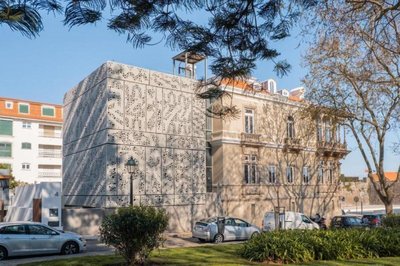
Artsy Cascais
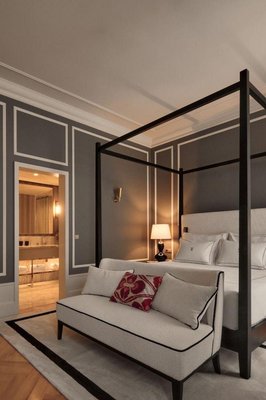
GA Palace Hotel & Spa, a Xixth-Century Villa
Corpo Santo Lisbon Historical Hotel
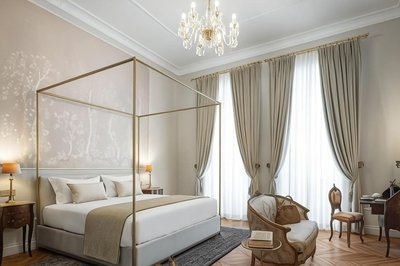
MS Collection Aveiro - Palacete Valdemouro
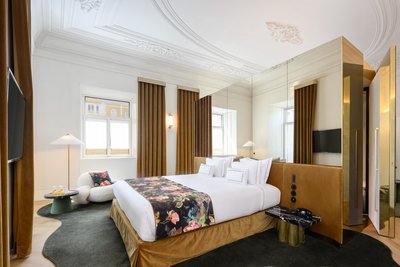
Montebelo Vista Alegre Lisboa Chiado Hotel
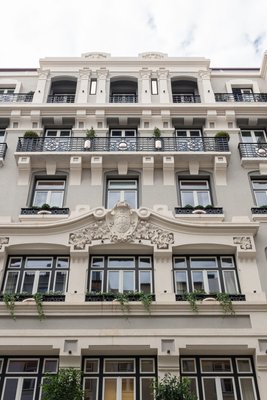
Art Legacy Hotel
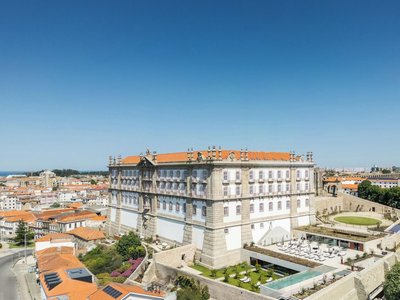
The Lince Santa Clara
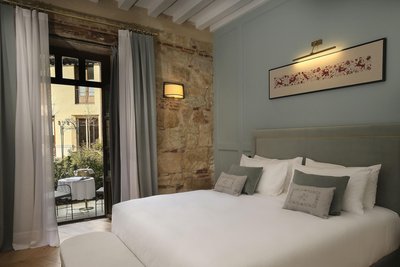
Eunice Hotel Gastronómico
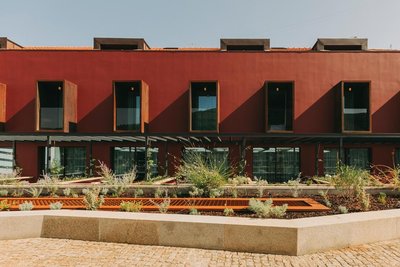
Torel Quinta da Vacaria – Douro Valley
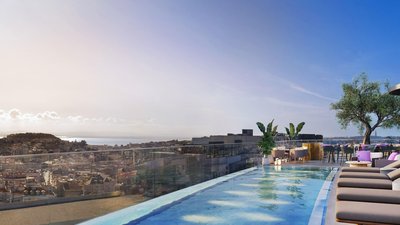
ME Lisbon
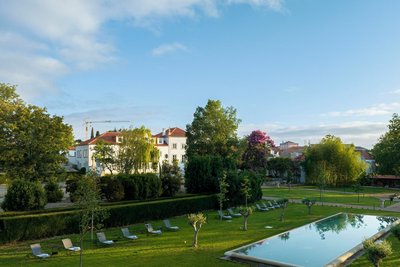
Valverde Santar Hotel & SPA
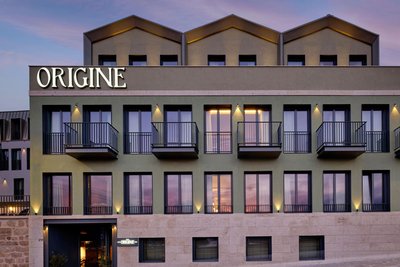
Origine Porto Gaia, a Tribute Portfolio Hotel
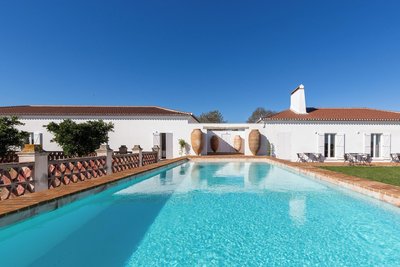
Cenoura-Brava Villas & Suites.
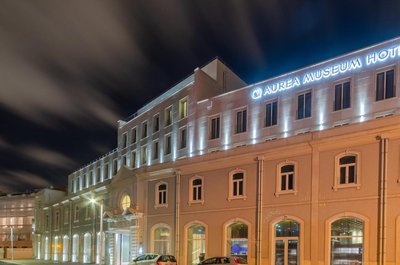
Áurea Museum by Eurostars Hotel Company
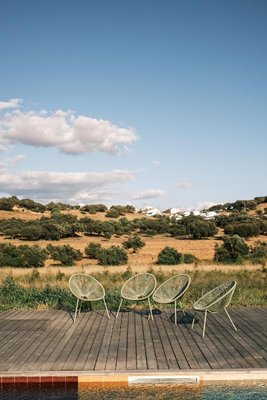
Viva! Farmhouse
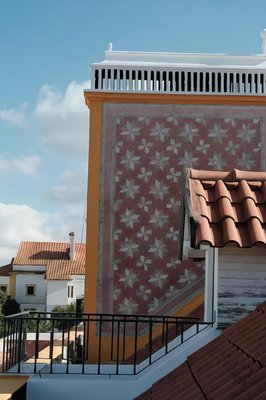
Lilases Boutique House & Garden
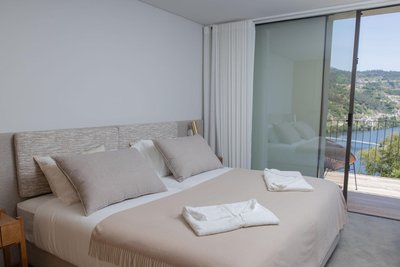
Quinta Alto Do Rio
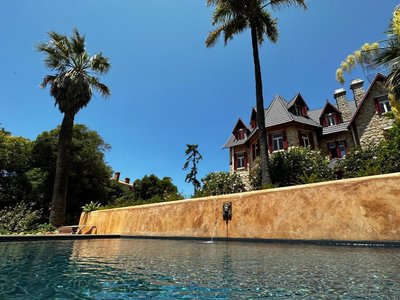
Chalet Ficalho
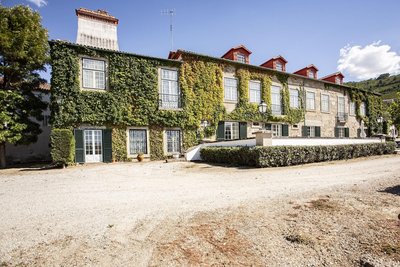
Maison Bleue by Vila Foz
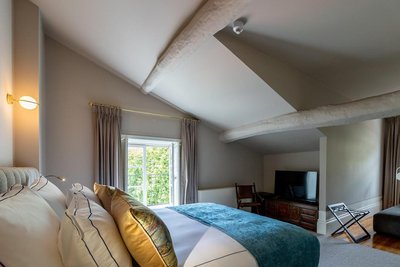
Casa Do Cimo
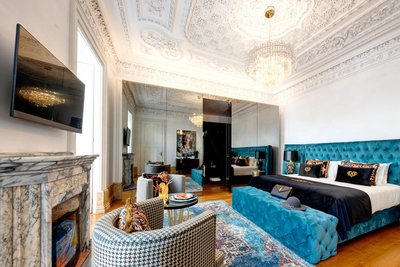
1877 Estrela Palace
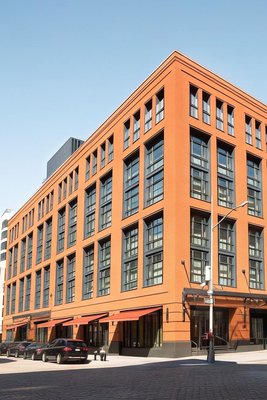
Hotel Barrière Fouquet's New York
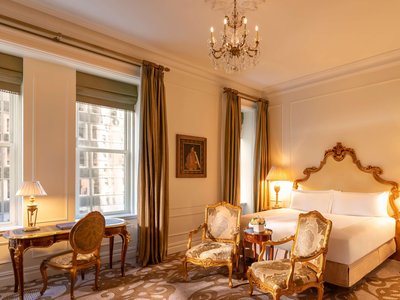
The Plaza - A Fairmont Managed Hotel
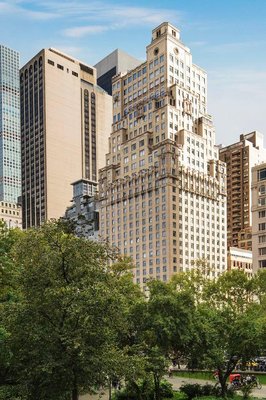
The Ritz-Carlton New York, Central Park

Four Seasons Hotel New York
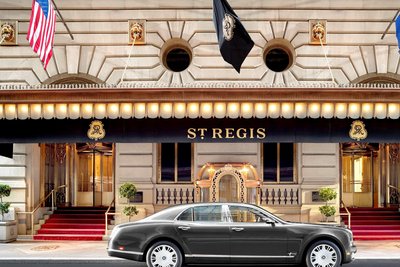
The St. Regis New York
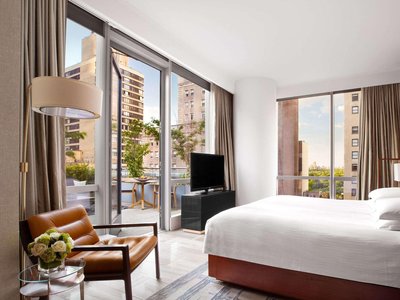
Park Hyatt New York
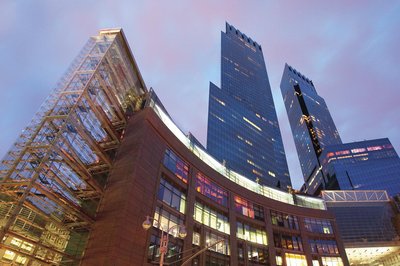
Mandarin Oriental New York
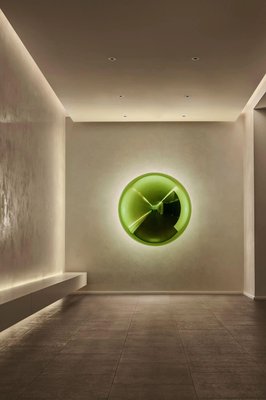
Times Square Edition New York
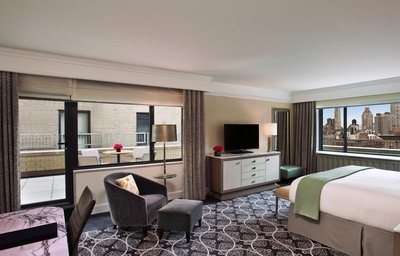
Loews Regency New York Hotel
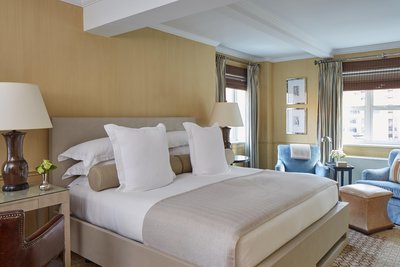
Lowell Hotel
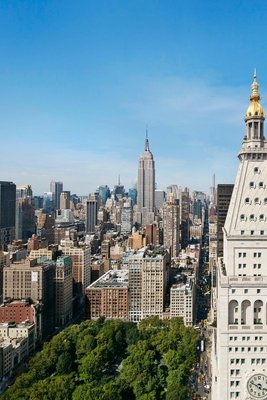
New York Edition
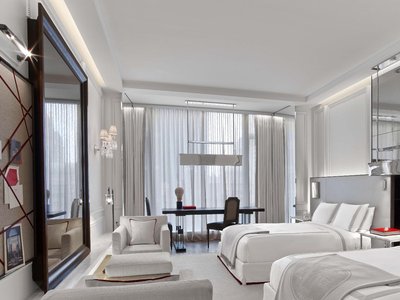
Baccarat Hotel New York
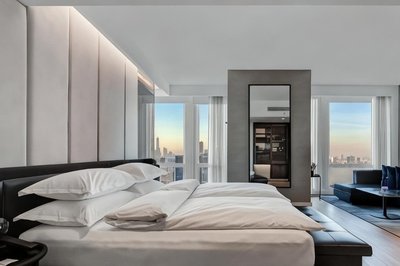
Equinox Hotel New York
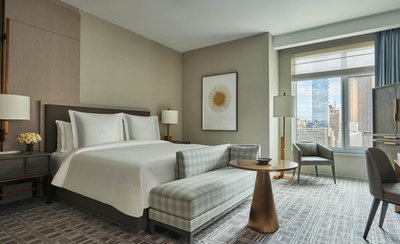
Four Seasons Hotel New York Downtown
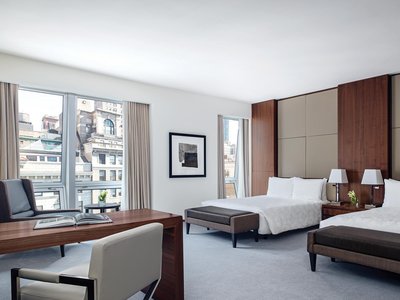
The Langham, New York, Fifth Avenue
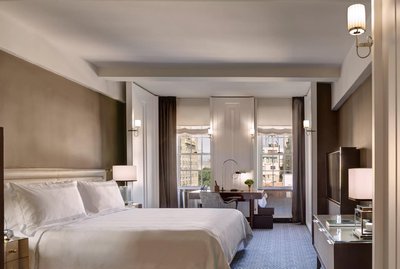
The Carlyle, A Rosewood Hotel

The Chatwal, in the Unbound Collection by Hyatt
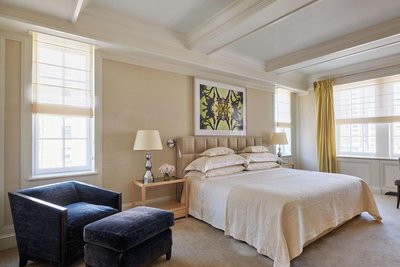
The Mark New York
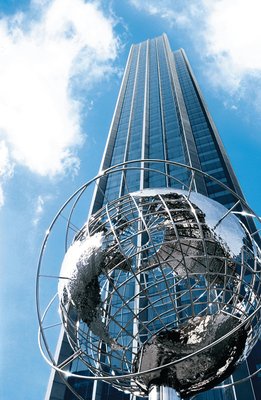
Trump International Hotel & Tower® New York
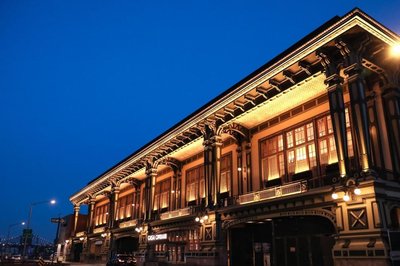
Casa Cipriani New York
Frequently Asked Questions about Traveling to Vale de Cambra
Questions You Might Need to Know About Traveling to Vale de Cambra
In Vale de Cambra, the standout choice is Casa de Cambra Hotel, a boutique retreat blending traditional stone architecture with modern design, perched on a hillside overlooking the Rio Azul Valley. Guests enjoy organic meals and wine tastings, immersing in rural Portuguese tranquility.
Another exceptional option is Convento de Santa Maria, a restored 16th-century convent transformed into a cultural hotel. With preserved Baroque frescoes and ancient cloisters, it offers a unique historical ambiance. Located just steps from the Castelo de Cambra ruins, it’s ideal for travelers seeking authenticity and charm.
The best area for lodging in Vale de Cambra is the historic Centro Velho district, nestled near University of Coimbra's branch campus and the Igreja de São João. This charming old town features cobblestone alleys, ivy-covered walls, and peaceful evening quietude. It’s also a convenient base for hiking trails leading to the Parque Nacional da Serra da Arrábida and exploring nearby villages, making it perfect for those seeking culture and serenity.
In Vale de Cambra, immerse yourself in authentic traditions: join a Traditional Pottery Workshop (Oficina de Cerâmica Tradicional) guided by local artisans crafting pieces with Lisbon-style blue glaze. Attend the annual Festival de Música de Cambra, a summer open-air music event featuring folk ensembles at the Town Hall Square, celebrating Portuguese folk heritage.
Don’t miss a Family Farm Dinner (Jantar em Quinta Familiar)—a cozy meal prepared with local lamb, wild mushrooms, and olive oil, offering a true taste of rural life.
Key landmarks in Vale de Cambra include the Castelo de Cambra, a 12th-century Moorish fortress ruin atop a hill, offering panoramic views of the valley and the Serra de Coimbra mountains. The Igreja Matriz Nossa Senhora da Assunção stands out with its Gothic arches and vibrant stained-glass windows.
Also visit Cascata do Rio Azul, a breathtaking waterfall cascading through a limestone canyon—perfect for photography and nature lovers. These sites collectively highlight the region’s rich history and natural beauty.
Yes, Vale de Cambra is highly suitable for families. The nature park trail system includes child-friendly paths with interactive ecological signs, ideal for kids’ exploration. Casa de Cambra Hotel offers supervised play areas and childcare services, while the municipal park has swings and sand pits.
During September’s Festa da Colheita Familiar, families can enjoy craft markets, animal shows, and grape pressing workshops—perfect for bonding and learning about Portuguese rural traditions.
Despite being a rural town, Vale de Cambra offers good transport access. Frequent EVA Bus Line services run every 30 minutes from Coimbra city center, taking about 25 minutes. Free parking is available throughout the town, and bike rental stations are located near major attractions, enabling easy exploration on two wheels.
For drivers, the A23 highway provides quick access, with clear signage guiding to Castelo de Cambra and the Rio Azul Valley.
Vale de Cambra’s cuisine highlights mountain ingredients: try slow-roasted kid goat leg (Costeletas de Cabrito Assado) marinated with rosemary and lemon; black bread with wild honey (Pão Preto com Mel Selvagem) made from coarse local wheat and raw forest honey; and Manteiga cheese (Queijo de Manteiga), a creamy semi-hard goat cheese, best enjoyed with fresh figs.
Visit the Mercado Municipal for daily fresh pastries and artisanal jams, a true taste of local flavor.
The ideal times to visit Vale de Cambra are spring (April–June) and autumn (September–October). Temperatures range between 15–22°C, rainfall is low, and the landscape is lush—perfect for hiking and photography.
Spring brings blooming wildflowers; autumn paints the hills gold. Summer offers cooler mountain air, ideal for escaping heat. Winter can be rainy but brings cozy indoor experiences like fireside dinners and festive village celebrations.
Absolutely. Vale de Cambra boasts stunning photo locations: the ruins of Castelo de Cambra, where crumbling walls meet sweeping valley vistas, create dramatic compositions.
The Gothic arches and stained glass of Igreja Matriz Nossa Senhora da Assunção glow beautifully in golden hour light. The Cascata do Rio Azul offers misty waterfalls framed by rock formations—ideal for action shots.
Don’t miss the cobblestone alleys of Centro Velho, lined with ivy-covered brick walls and vintage iron gates—perfect for capturing timeless Portuguese charm.
Must-buy souvenirs in Vale de Cambra include handwoven straw baskets (Cestos de Palha Artesanais) crafted by local women—both functional and decorative. Look for naturally dyed fabrics (Tecidos com Corantes Naturais) using plants like madder and woad, offering earthy, lasting hues.
Also bring home Melho wine (Vinho de Mel), a sweet, lightly alcoholic local brew made from honey—excellent as a gift. These items are available at the Artesanato Market or small workshops near Igreja de São João.
Vale de Cambra Overview
City Summary
Vale de Câmbra is a picturesque mountain town in northern Portugal, famed for its medieval castle ruins and vineyard landscapes. With well-preserved traditional stone houses and Romanesque churches, its core appeal lies in blending historical heritage with Douro Valley scenery, ideal for travelers seeking tranquility and cultural depth.
Must-See Attractions
Must-see spots include the 12th-century Castelo de Câmbra ruins overlooking a Douro tributary. Igreja de Santa Maria showcases Romanesque stone carvings. Wine estate tours are highlights - Quinta do Côa is recommended. Walk along the medieval wall trail at dusk for immersive history.
Food Guide
Local cuisine features mountain-style dishes. Try stewed wild boar (javali estufado) with regional red wine. For street food, sample smoked sausage bread (pão com chouriço). Markets sell goat cheese, and honey-almond cake (bolo de mel) is a must-try dessert.
Transportation Guide
Driving is optimal, with narrow but well-marked roads. Regional buses from Porto take 2.5 hours (2-3 daily). No direct trains - nearest station is Peso da Régua. The town is fully walkable but wear anti-slip shoes for steep cobblestone paths.
Best Time to Visit
May-June offers lush vineyards with fewer crowds. September harvest season has vibrant events but booked accommodations. Winters are foggy with limited attraction hours.
Travel Tips
- Cover shoulders/knees when entering churches
- Pack layers for mountain temperature swings
- Carry cash as small shops may reject cards
- Book vineyard visits in advance
- Wear hiking shoes for slippery stone steps
- Dinner typically starts after 8PM
- Use Portuguese greetings like "Bom dia" instead of Spanish
Useful Information
Language: Portuguese dominant, basic English among youth. Network: 4G in town but weak in mountains. Payment: ATMs only in center, Visa/Mastercard accepted at hotels. Emergency: Health center on Rua do Hospital, dial 112. Voltage: 230V with Type F sockets. Bring motion sickness pills for winding mountain roads.