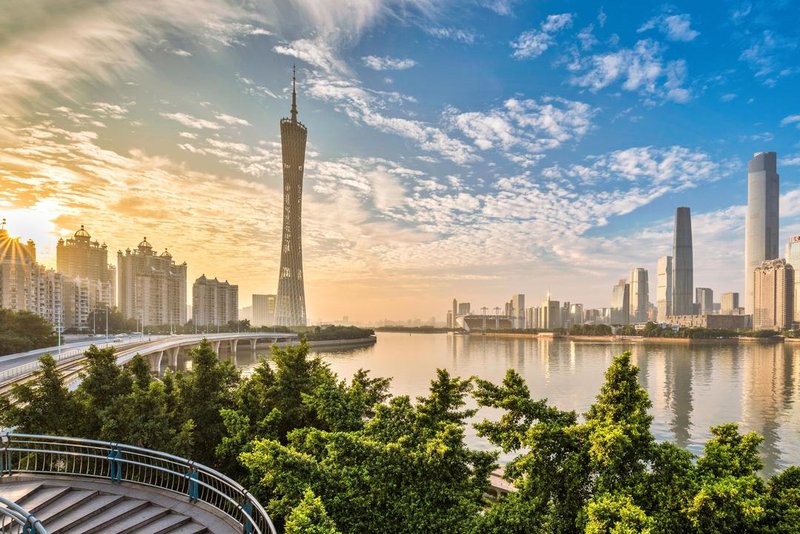
Hotels in Verl
Discover your perfect stay in Verl.
Verl(Germany) Travel 2026: Cheap Flights, Hotels & Top Attractions
Popular Landmarks in Verl
Discover the most iconic attractions in Verl
Recommended Hotels in Verl
Find the perfect place to stay in Verl
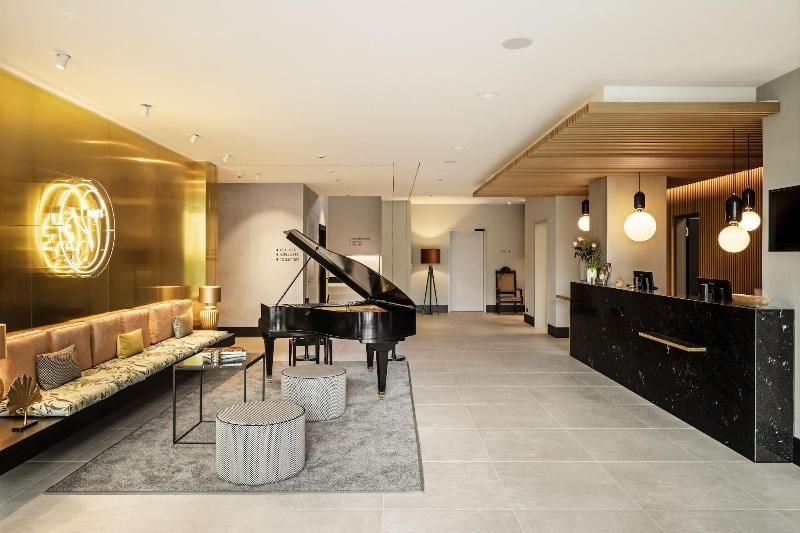
WunnersWat Verl
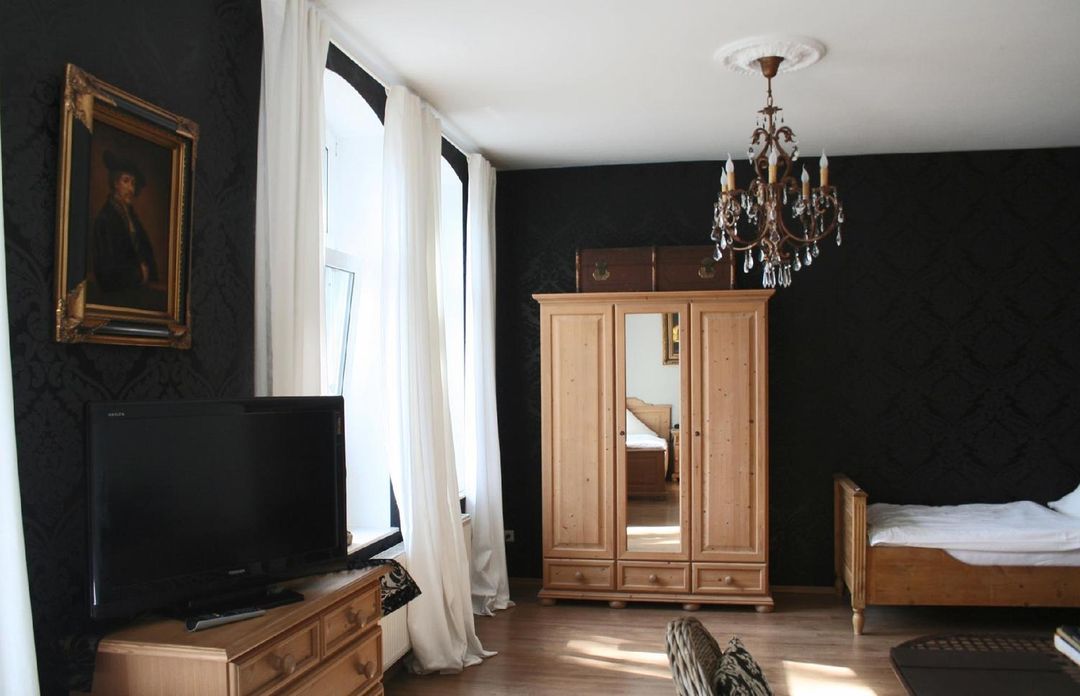
Boutique Hotel Kauers
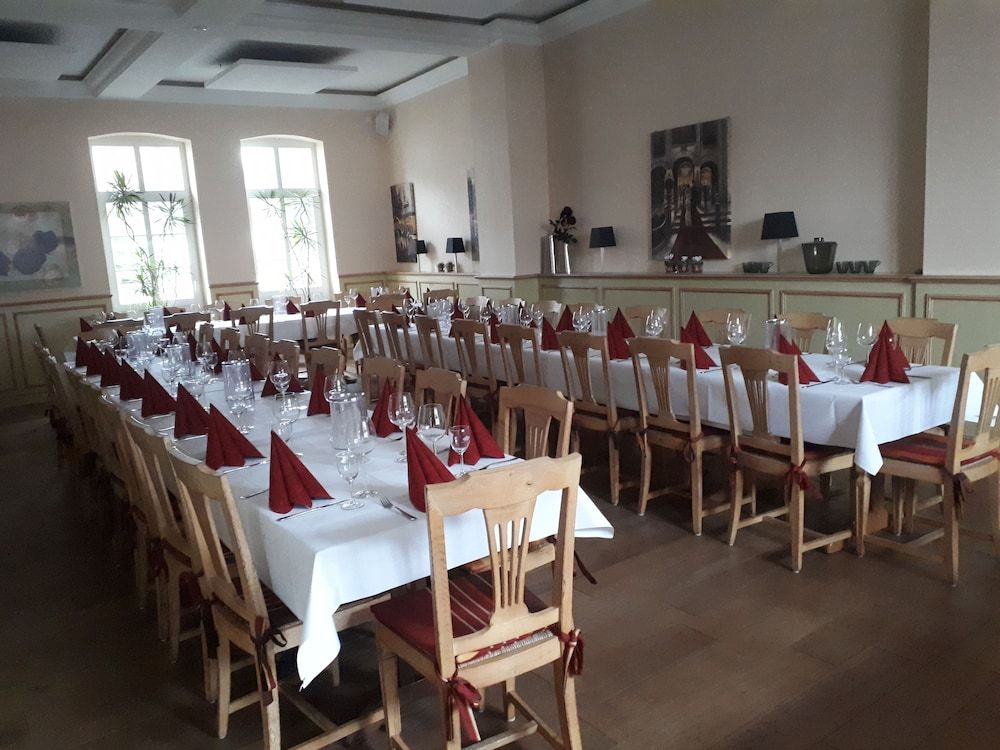
Deutsches Haus Verl
Best Hotels in Verl
Discover curated hotel collections in Verl
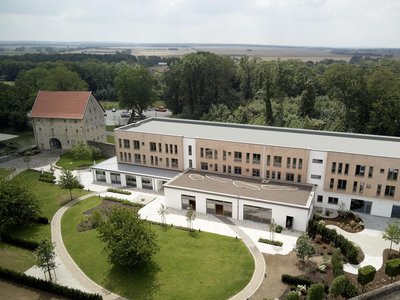
Hotel Rittergut Stoermede
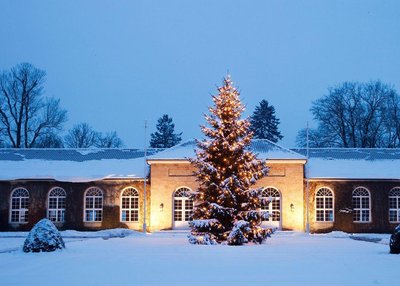
Gräflicher Park Health & Balance Resort
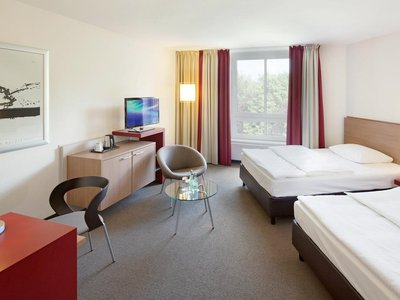
Mövenpick Hotel Münster
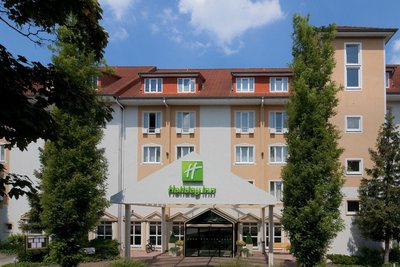
Lindgart Hotel Minden
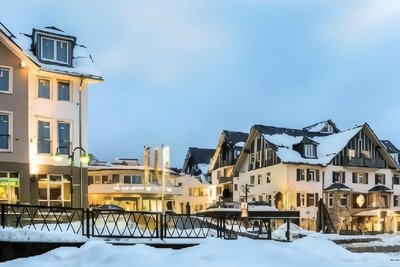
Best Western Plus Hotel Willingen
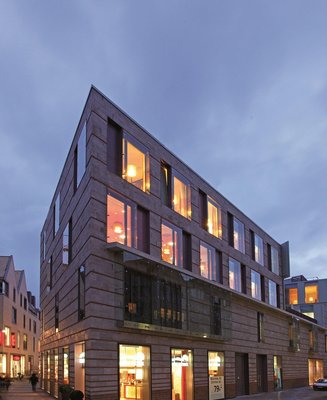
H4 Hotel Münster
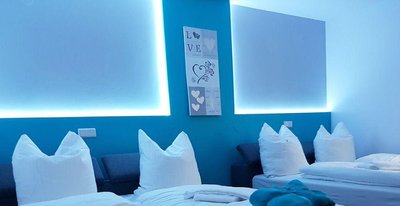
Blissberg Winterberg
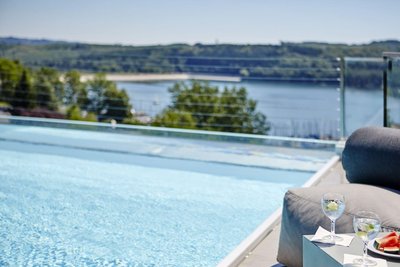
Hotel Seegarten
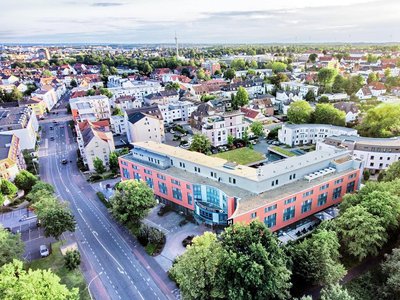
Welcome Hotel Paderborn
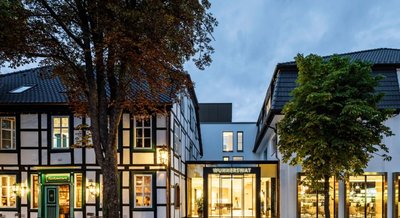
WunnersWat Verl
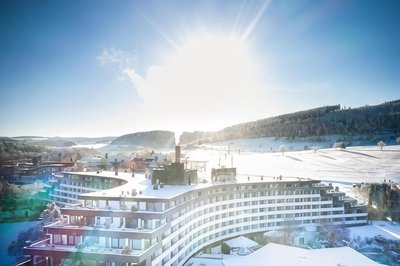
Sauerland Stern Hotel
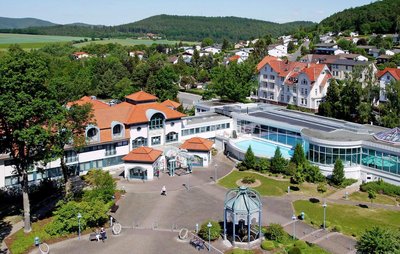
Göbel's Hotel AquaVita

Factory Hotel
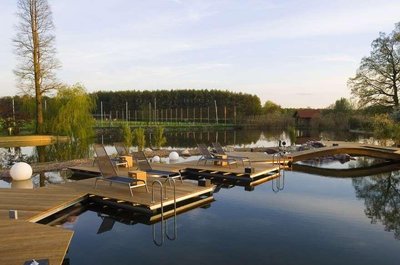
Hotel-Residence Klosterpforte
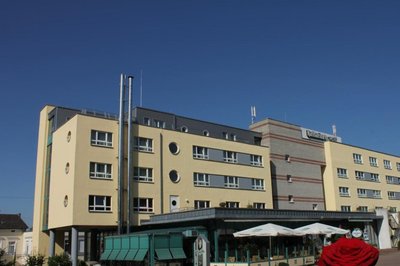
Ringhotel Katharinen Hof
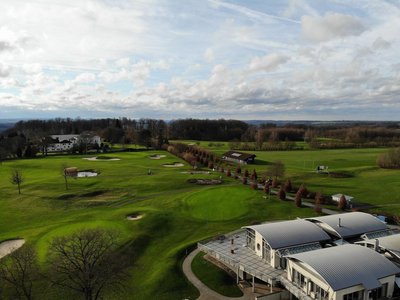
Golfhotel Gut Neuenhof
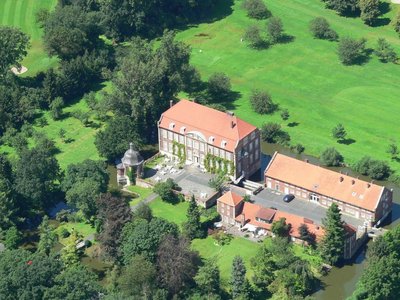
Hotel Schloss Wilkinghege
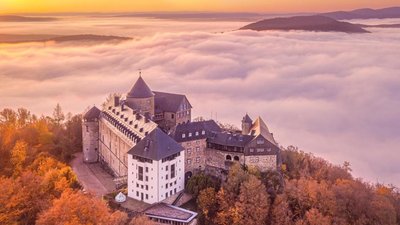
Hotel Schloss Waldeck
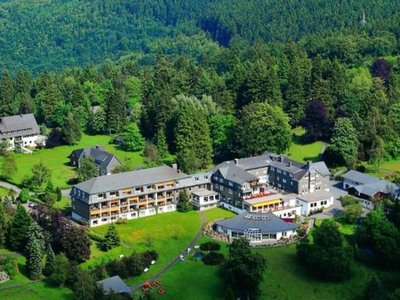
Hotel Jagdhaus Wiese
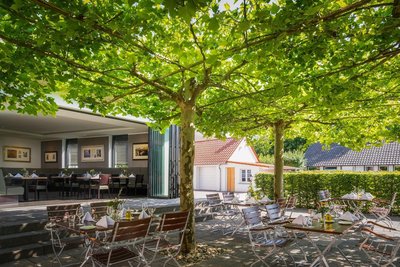
Hotel Zur Post Riesenbeck
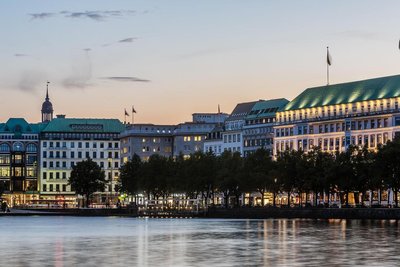
Fairmont Hotel Vier Jahreszeiten
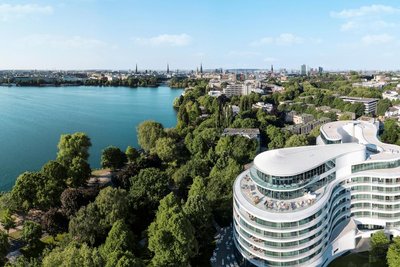
The Fontenay Hamburg
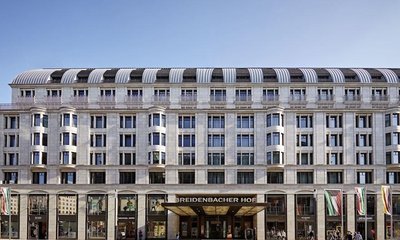
Small Luxury Hotels of the World - Breidenbacher Hof
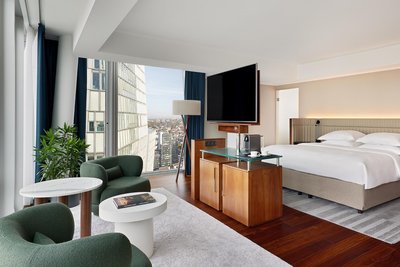
JW Marriott Hotel Frankfurt
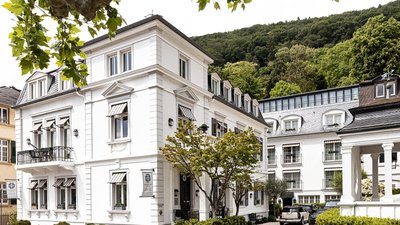
House of Hütter - Heidelberg Suites & Spa
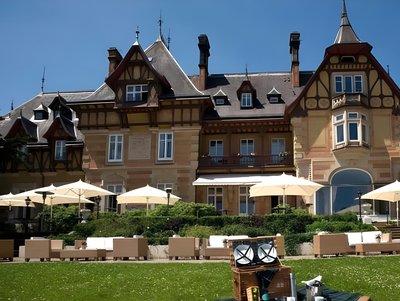
Villa Rothschild, Autograph Collection
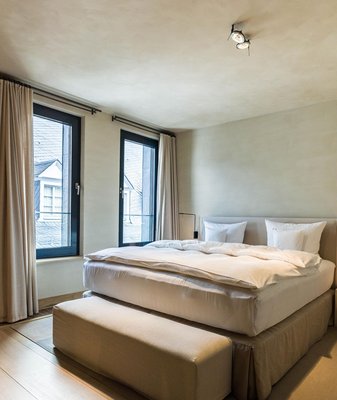
Hotel Purs
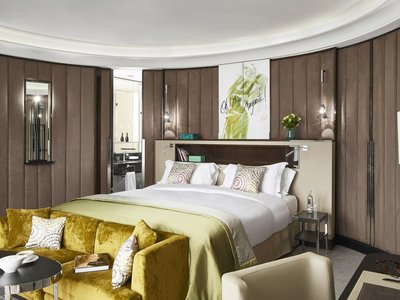
Sofitel Frankfurt Opera
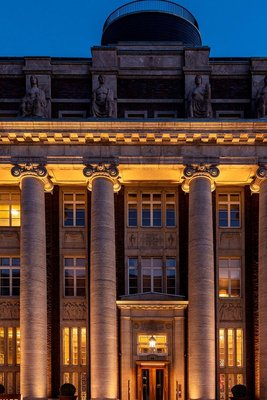
The Wellem Dusseldorf, Part of Hyatt
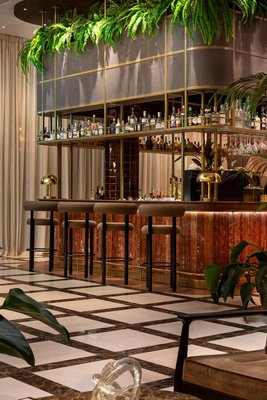
Brunfels Hotel, in the Unbound Collection by Hyatt
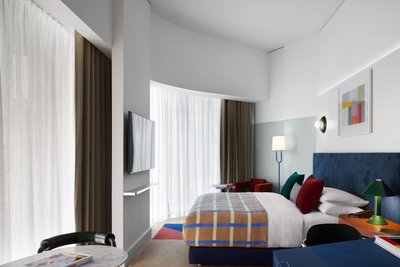
Kimpton Main Frankfurt
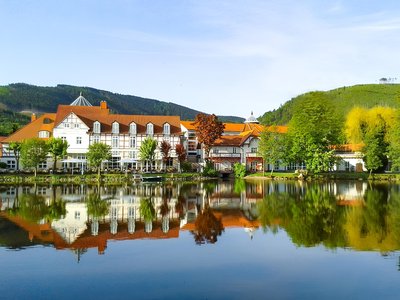
Landhaus Zu Den Rothen Forellen
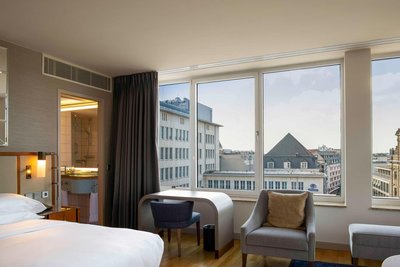
Hilton Cologne
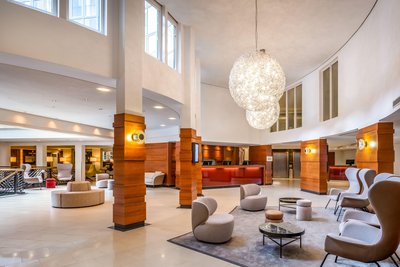
Cologne Marriott Hotel
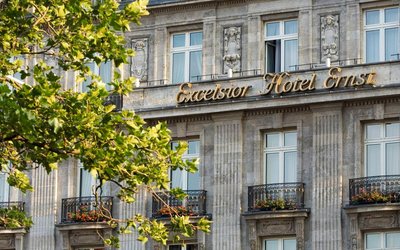
Excelsior Hotel Ernst am Dom
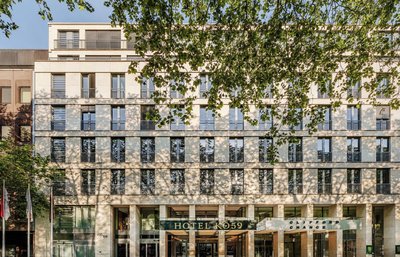
Hotel Ko59 Dusseldorf - Member of Hommage Luxury Hotels Collection
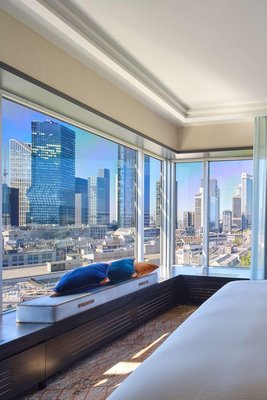
Hilton Frankfurt City Centre
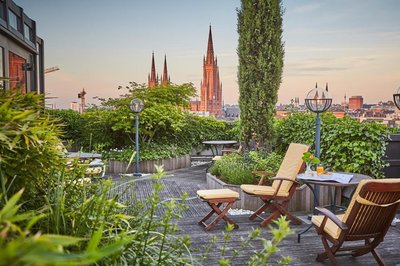
Hotel Nassauer Hof
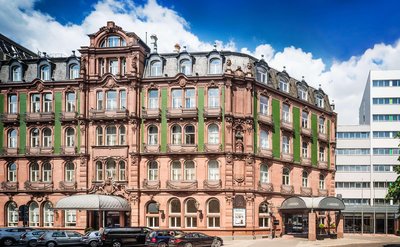
Le Méridien Frankfurt
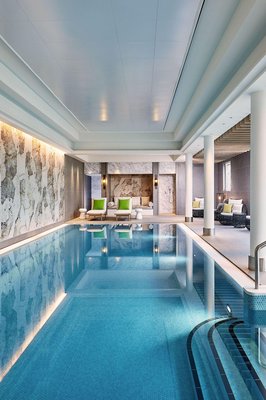
The Westin Grand Frankfurt
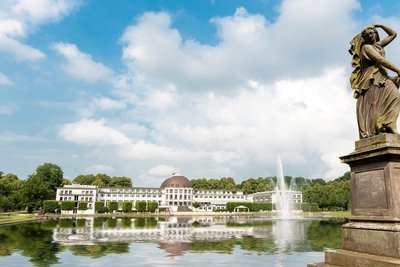
Parkhotel Bremen – ein Mitglied der Hommage Luxury Hotels Collection
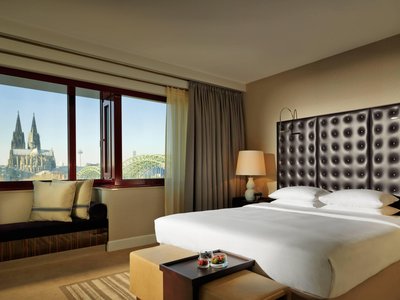
Hyatt Regency Cologne
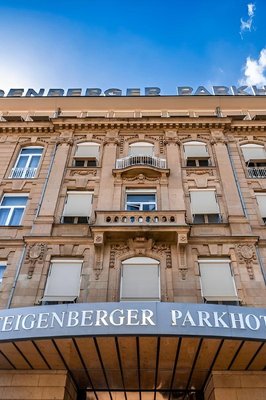
Steigenberger Icon Parkhotel Düsseldorf
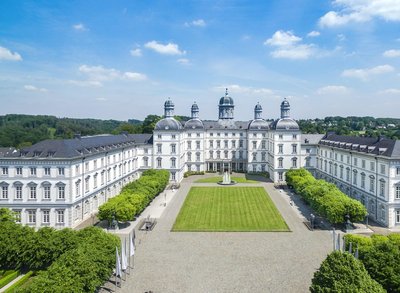
Althoff Grandhotel Schloss Bensberg

Kastens Hotel Luisenhof
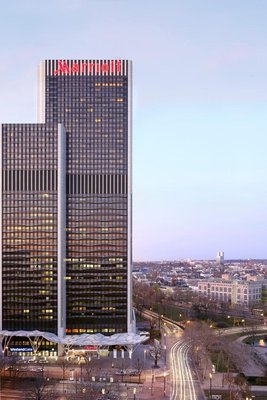
Frankfurt Marriott Hotel
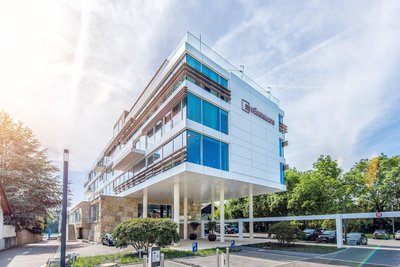
Fährhaus
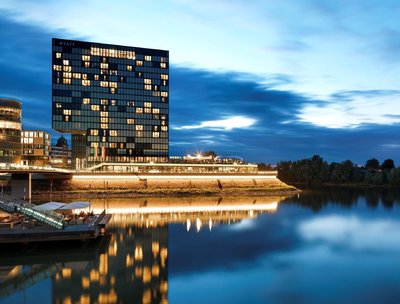
Hyatt Regency Dusseldorf
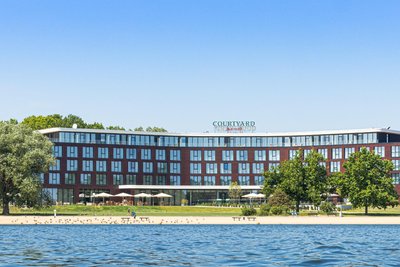
Courtyard Wolfsburg
Fairmont Hotel Vier Jahreszeiten
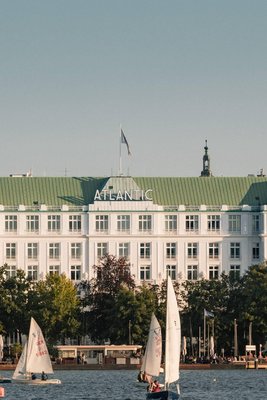
Hotel Atlantic Hamburg-Autograph Collection
The Fontenay Hamburg
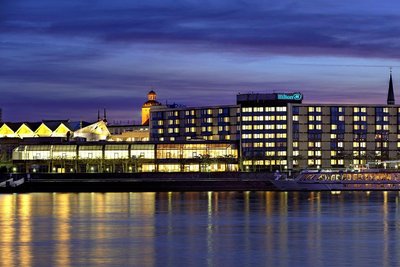
Hilton Mainz
Parkhotel Bremen – ein Mitglied der Hommage Luxury Hotels Collection
Fährhaus
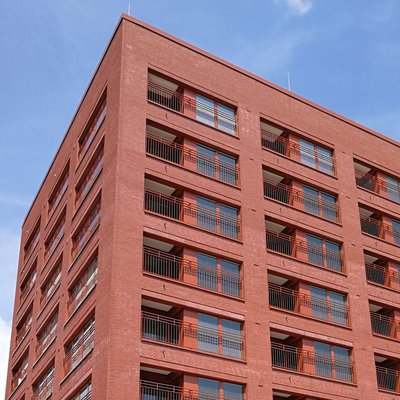
The Flag Oskar M.
Hyatt Regency Dusseldorf
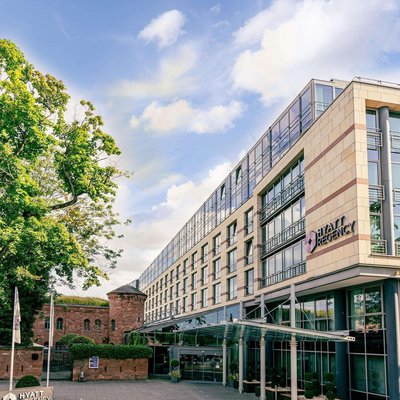
Hyatt Regency Mainz
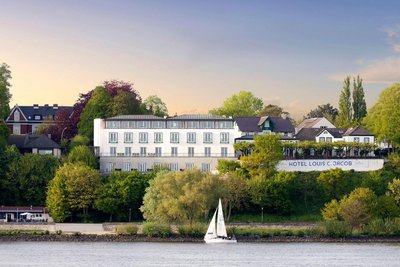
Hotel Louis C. Jacob
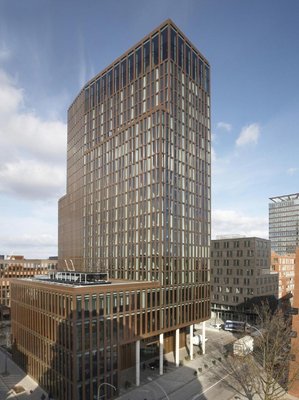
Empire Riverside Hotel
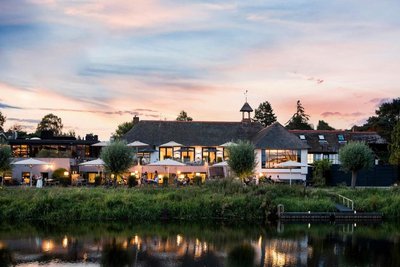
Mooirivier
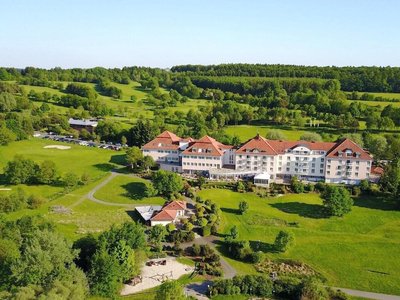
Golf- Und Sporthotel Wiesensee
Excelsior Hotel Ernst am Dom
Hotel Nassauer Hof
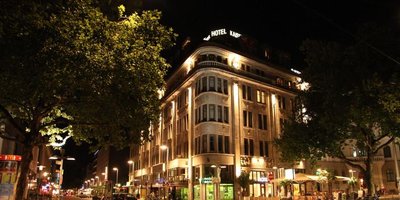
Central-Hotel Kaiserhof
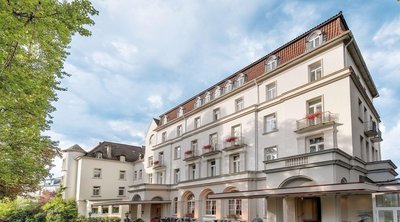
Rheinhotel Dreesen
Althoff Grandhotel Schloss Bensberg
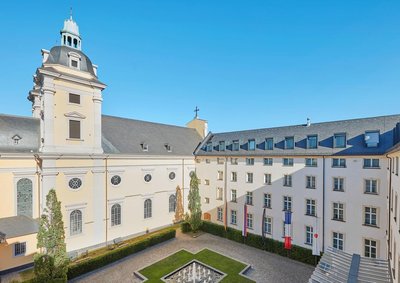
Living Hotel de Medici
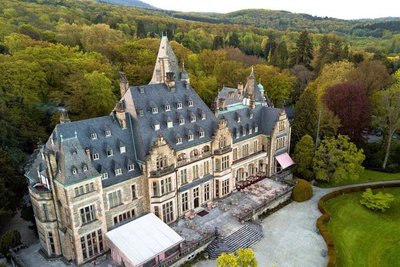
Schlosshotel Kronberg - Hotel Frankfurt
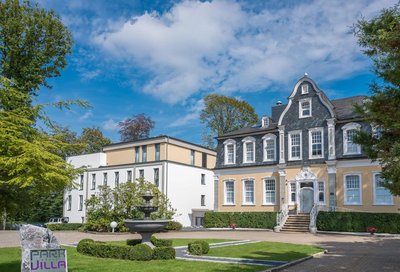
Park Villa
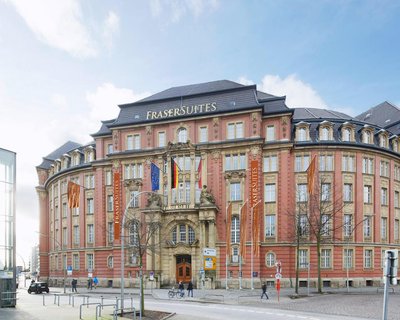
Fraser Suites Hamburg
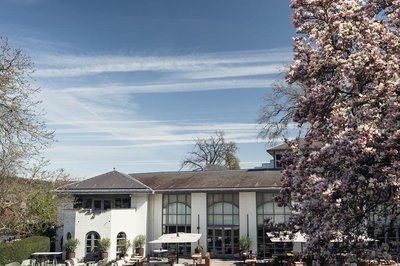
Hotel Bloemendal
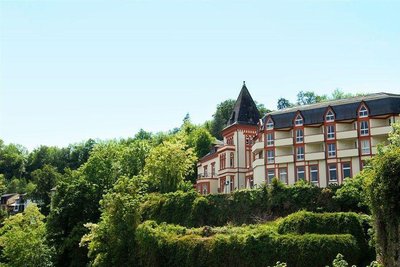
Hotel Schloss Rheinfels
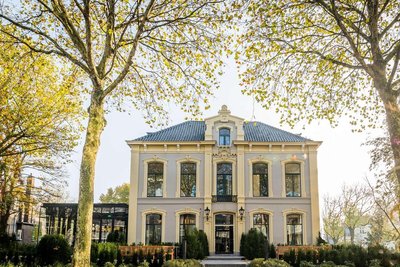
Pillows Grand Boutique Hotel Ter Borch Zwolle
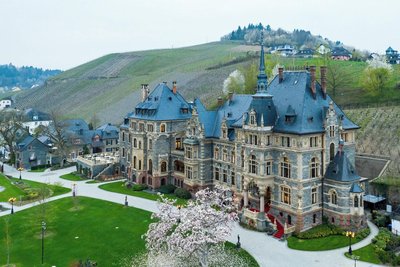
Schloss Lieser, Autograph Collection
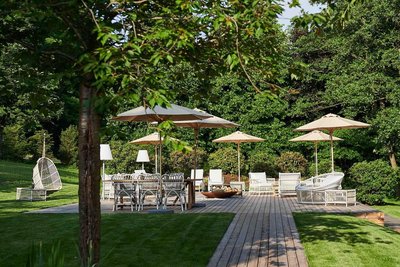
Relais & Châteaux Hardenberg BurgHotel
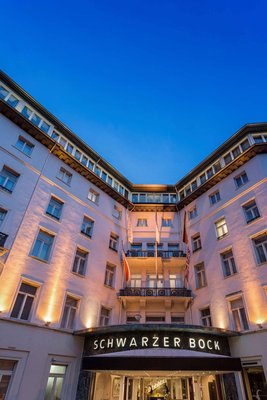
Radisson Blu Schwarzer Bock Hotel Wiesbaden
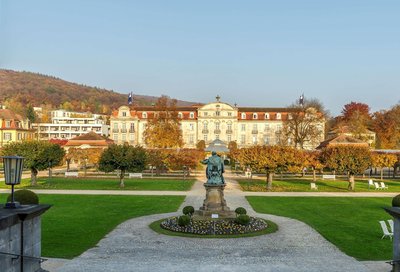
Dorint Resort & Spa Bad Brückenau
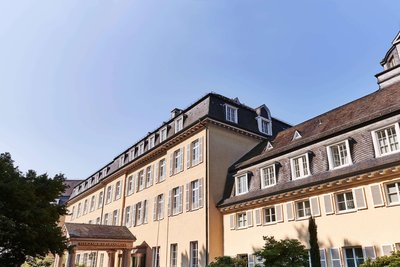
Steigenberger Icon Grandhotel & Spa Petersberg
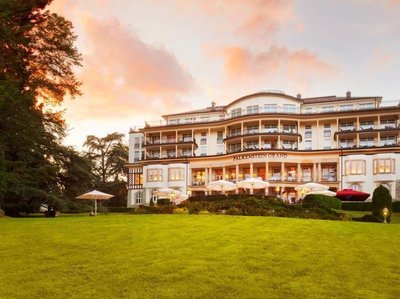
Falkenstein Grand, Autograph Collection
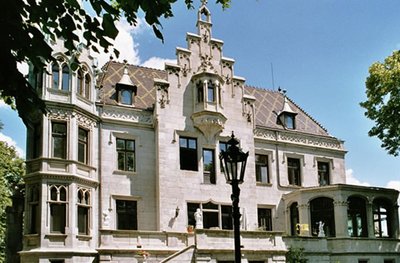
Schlosshotel Zum Markgrafen
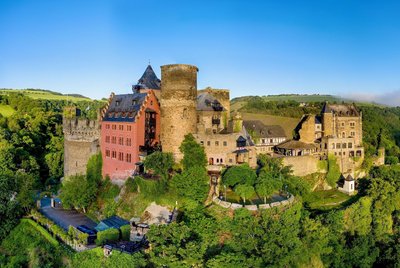
Burghotel Auf Schönburg
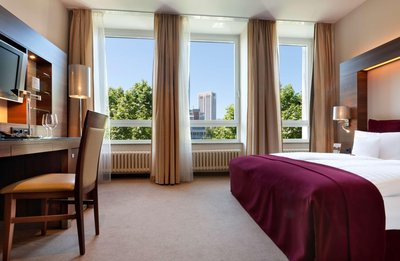
Flemings Selection Hotel Frankfurt-City
Hyatt Regency Dusseldorf
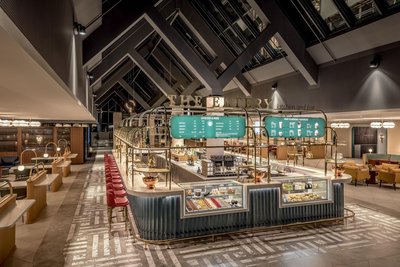
Frankfurt Airport Marriott Hotel
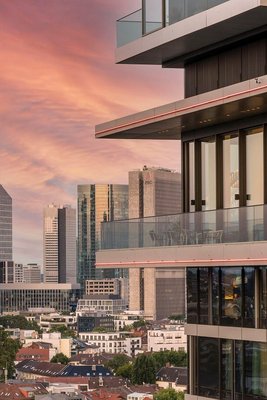
Melia Frankfurt City
Sofitel Frankfurt Opera
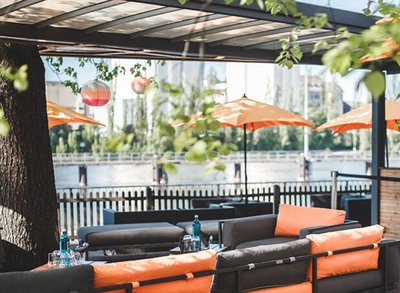
Hotel Gerbermühle
Frequently Asked Questions about Traveling to Verl
Questions You Might Need to Know About Traveling to Verl
In Fehmarn, the top choice for lakeside views is Hotel am See, a boutique hotel nestled along the tranquil Strelaer See. This eco-friendly retreat offers floor-to-ceiling windows facing the water, private balconies, and a rooftop terrace perfect for stargazing. The hotel also features an on-site restaurant serving fresh local seafood and organic regional dishes. For travelers seeking authenticity, nearby historic wooden farmhouses have been converted into charming guesthouses, blending traditional architecture with modern comfort. These accommodations provide direct access to walking trails and kayaking opportunities on the lake, making them ideal for nature lovers.
The Lake District and Old Town areas offer the most peaceful and scenic stays in Fehmarn. Located just steps from St. Nicholas Church and the bustling market square, this zone combines historic charm with serene natural surroundings. Many boutique hotels and family-run guesthouses here feature garden terraces, free parking, and breakfast buffets with regional specialties. The proximity to the Baltic Sea coast—only 30 minutes by car—makes it an excellent base for exploring coastal hiking trails, birdwatching spots, and secluded coves. With low traffic and well-maintained pathways, this area ensures tranquility without sacrificing convenience.
Fehmarn boasts rich Baltic coastal traditions, particularly in woodworking and maritime heritage. Each summer, the town hosts the Fehmarn Woodcraft Festival, where artisans demonstrate centuries-old joinery techniques using hand tools. Locals still prepare smoked herring with rye bread and sauerkraut—a dish you can enjoy at the weekly farmers’ market. Visit the Fehmarn Open-Air Museum to explore reconstructed 19th-century farmsteads and learn how Danish and German influences shaped the region’s identity. These immersive experiences offer a rare glimpse into northern Germany’s living history.
During your stay in Fehmarn, don’t miss the morning guided nature walk around Strelaer See, led by local ecologists who highlight migratory birds and wetland flora. You can also book a hands-on traditional carpentry workshop, crafting your own wooden keepsake using time-honored methods. In the evening, attend the open-air concert at Market Square, featuring local folk bands and jazz improvisations. These authentic experiences allow guests to connect deeply with the town’s rhythms, culture, and natural beauty, creating lasting memories beyond typical tourism.
The most iconic landmark in Fehmarn is St. Nicholas Church, a striking Gothic structure with a 68-meter spire that dominates the skyline. Inside, visitors can admire 15th-century stained glass and an original oak altar. Nearby, the Strelaer See offers breathtaking reflections of the sky and surrounding forests—ideal for photography and paddleboarding. The Fehmarn Historical Trail, a well-marked walking path through the old town, passes century-old half-timbered houses and ancient oaks, providing a scenic journey into the town’s past. Together, these sites capture the essence of Fehmarn’s architectural and natural heritage.
Fehmarn’s cuisine centers on fresh Baltic seafood. Must-try dishes include Schleswig-Holstein-style cod stew, slow-cooked in butter and herbs, and served with dark rye bread. Another local favorite is smoked herring with sour cabbage and rye toast, available at Fischkneipe, a cozy waterfront tavern. Don’t miss the walnut honey cake (Walnusshonigkuchen), baked fresh daily at local cafés and paired with locally brewed black beer. These flavors reflect the region’s deep connection to the sea and its commitment to seasonal, high-quality ingredients.
Yes, Fehmarn is highly family-friendly. Many hotels, like Family Hotel Seestern, offer kids’ playrooms, outdoor adventure zones, and organized activities such as pond fishing and nature scavenger hunts. The Strelaer See has safe, shallow swimming areas and rental boats for families. Weekly events like Family Nature Day include storytelling, craft workshops, and guided bug hunts—perfect for curious young minds. With wide, pedestrian-only streets and minimal traffic, the town is safe and welcoming for all ages, making it a rare gem for stress-free family getaways in Northern Germany.
Fehmarn is easily accessible via regional buses connecting to Kiel and Lübeck, with trips taking about 40 minutes. The nearest train station, Fehmarn Süd, has frequent services to Hamburg and Berlin. For cyclists, the island boasts an extensive network of paved bike paths linking towns, lakes, and beaches. Car rentals are convenient, and most hotels offer free parking. The Fehmarn Ferry Terminal is just a 10-minute drive away, enabling seamless travel to other parts of the island. Whether by train, bus, or car, reaching Fehmarn is straightforward and efficient.
Fehmarn celebrates several seasonal events throughout the year. In spring, the Lake Bloom Festival showcases vibrant floral displays and illuminated garden installations. Summer brings the Starlight Concert Series, held on the shores of Strelaer See with live music and projected light art. Autumn features the Woodcraft Market, where over a hundred artisans sell handcrafted wooden items. During winter, the Sleigh Light Parade turns the forest into a magical wonderland—guests ride traditional sleighs through snow-covered trails, enjoying mulled wine and gingerbread. These events celebrate Fehmarn’s harmony with nature and tradition.
Fehmarn’s nightlife is calm and intimate, perfect for unwinding. While there are no large clubs, the town offers cozy local breweries, lakeside cafés, and independent pubs. Am See Lakeside Bar is a standout, known for its nightly poetry readings, acoustic sets, and open-air seating under the stars. Many hotels host themed evenings like **
Verl Overview
City Summary
Viernheim, a tranquil border town in Hesse's south, charms visitors with vineyard landscapes and postwar modernist architecture. Its weekly markets blend German-French influences, while bike-friendly infrastructure connects the town to Bergstrasse wine routes.
Must-See Attractions
Top attractions: 1) The Expressionist Auferstehungskirche with concrete-and-stained-glass artistry, 2) Stadtmuseum Viernheim tracing local history from Roman times, 3) Saturday farmer's market for Palatinate dialects and cross-border produce. E-bike rentals recommended to explore nearby vineyards.
Food Guide
Culinary highlights include Franco-German hybrid dishes like Tafelspitz mit Kren (boiled beef with horseradish). Street vendors serve Flammkuchen and Rhine carp rolls. Historic Brauhaus am Markt offers rare smoked beer, while Dampfnudel steamed dumplings showcase regional sweets.
Transportation Guide
Transport:
- Rail: 20-minute S-Bahn ride from Mannheim Hbf (€4.3), 15-min intervals
- Local: Call-a-Bike system covers entire town (€1/30min), dedicated lanes to major sites
- Driving: A6/A67 interchange often congested by French shoppers on Sundays
- Pro tip: Hessen-Ticket (€36/5ppl) covers regional trains + Mannheim transit
Best Time to Visit
Best visited May-Jun (vineyard season) or during September wine festivals. Avoid Jul-Aug peak shopping crowds from France.
Travel Tips
- Thursday late shopping until 20:00, Sunday closures
- Strict recycling - separate Bio/Paper/Packaging bins
- Tip 5%-10% by stating "Stimmt so" for bill payment
- Red-paved bike lanes have right-of-way
- "Notdienst" signs indicate 24h pharmacies
- Avoid photography near former US military sites
Useful Information
Essentials:
- Language: Basic German suffices, French works in border shops
- Internet: Free 2hr WiFi at town square (SMS verification)
- Payments: ID required for transactions >€50, 60% card acceptance
- Healthcare: EU insurance card accepted at Stadtklinik (non-EU pays deposit)
- Plugs: 230V Type C sockets, adapters at DM stores