Hotels in Villanueva del Rosario
Discover your perfect stay in Villanueva del Rosario.
Villanueva del Rosario(Spain) Travel 2026: Cheap Flights, Hotels & Top Attractions
Popular Landmarks in Villanueva del Rosario
Discover the most iconic attractions in Villanueva del Rosario
Recommended Hotels in Villanueva del Rosario
Find the perfect place to stay in Villanueva del Rosario
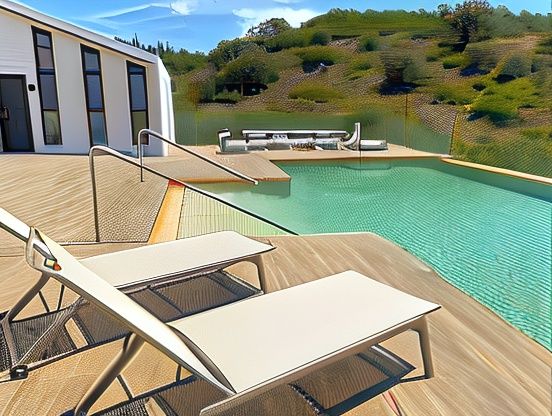
Hacienda Fresneda María by Real Spain Hotels Adults Recommended
Frequently Asked Questions about Traveling to Villanueva del Rosario
Questions You Might Need to Know About Traveling to Villanueva del Rosario
In Rosario Nuevo, the top boutique choice is Casa de los Pinos, a restored 18th-century farmhouse blending Andalusian architecture with modern comfort. Nestled in the Old Town (Casco Antiguo), it offers private courtyards, hand-painted ceramics, and panoramic views of the surrounding hills. Guests enjoy exclusive access to flamenco workshops and olive oil tastings hosted by local artisans. Nearby, Hotel Rural El Olivo stands out for its vineyard setting, offering farm-to-table breakfasts and guided hikes through the Guadiana River Valley. Both properties emphasize authenticity, sustainability, and immersive cultural experiences.
For travelers seeking privacy and character, Casa del Arco features themed suites inspired by Andalusian legends, complete with original timber beams and terracotta floors. Their evening tapas pairing events feature regional wines and cheeses, making them ideal for food lovers.
The Old Town (Casco Antiguo) is the prime district for experiencing authentic Rosario Nuevo life and proximity to history. This well-preserved quarter features cobblestone streets, whitewashed buildings, and vibrant murals. Staying here grants easy access to the Iglesia de la Asunción, a stunning blend of Moorish and Christian design, and the Plaza de las Flores, where locals gather daily. Many guesthouses, like Casa del Arco, are housed in centuries-old homes, preserving original archways and courtyard fountains.
Evenings come alive with street musicians, open-air markets, and community-led fire pit concerts. The neighborhood’s tight-knit vibe allows visitors to join spontaneous gatherings, sample home-cooked meals at family-run bodegas, and learn traditional crafts from artisans. For those seeking immersion, walking tours led by residents offer behind-the-scenes stories of daily routines, festivals, and hidden alleyways rarely seen on maps.
Rosario Nuevo offers deeply authentic cultural experiences rooted in Andalusian heritage. Join a traditional festival workshop to craft flamenco costumes or hand-paint ceramic tiles using age-old techniques passed down through generations. During autumn, participate in the Fiesta de la Aceituna, where you’ll harvest olives, tour a small press house, and taste fresh extra virgin olive oil straight from the mill.
Explore the Camino de Madrid, a historic trail winding through ancient forests and Roman ruins, with stops at medieval monasteries. Local guides share stories of pilgrimage routes and forgotten settlements. At night, attend an open-air flamenco show under the stars in the Old Town square—performed by trained local dancers whose passion and precision bring raw emotion to every step.
Many experiences are led by community members, ensuring authenticity and meaningful interaction with residents.
Yes, several hotels in Rosario Nuevo provide immersive culinary adventures. Casa de los Pinos hosts monthly family-style Andalusian dinners, where guests learn to prepare dishes like gazpacho, cocido stew, and grilled lamb using ingredients sourced from nearby farms. Each room includes a curated spice kit featuring local herbs and olive oil blends for DIY cooking.
Hotel Rural El Olivo runs a popular olive oil masterclass, teaching how to pair different oils with bread, cheese, and desserts. Some hotels partner with local producers to serve breakfasts with freshly baked bread, artisanal cheeses, and seasonal fruits picked that morning. Others organize wine and tapas pairing evenings with regional vintners, highlighting the rich gastronomic identity of the region. These experiences go beyond dining—they’re storytelling through flavor.
While Rosario Nuevo is a small town, it maintains good connectivity. Local buses link the town center to Seville (45 minutes) and Cádiz (1 hour). A highway exit is just outside the town, providing easy access to major Andalusian routes. The weekly train service along the Badajoz-Seville line stops here, ideal for cross-regional travel.
Many boutique hotels offer free shuttle services to key attractions, including the old town, vineyards, and hiking trails. For eco-conscious travelers, electric bike rentals are available throughout town, perfect for exploring the Guadiana River Greenway. During festivals, traffic control measures may affect access—HopeGoo transportation in advance is recommended. With reliable infrastructure and local support, getting around remains convenient and stress-free.
The Iglesia de la Asunción is the most photogenic landmark in Rosario Nuevo. Its pastel pink façade, arched windows, and central bell tower create a striking silhouette against the Andalusian sky. The plaza in front, lined with stone fountains and bougainvillea-covered walls, provides a dreamy backdrop for portraits and wide-angle shots.
The colorful alleys of Calle del Alcázar and Plaza de las Flores are also ideal for candid photography—wall murals, hanging flower baskets, and sunlight filtering through archways produce vivid, cinematic scenes. For panoramic views, hike up Cerro San Miguel, a short climb offering sweeping vistas over the entire town and surrounding hills. Evening light casts golden hues, perfect for long-exposure shots. Many hotels offer free photography tours to guide visitors to the best angles and timing.
Don’t miss the nighttime light projection show during festivals, when the church façade becomes a canvas for moving historical narratives and music visuals.
Summers in Rosario Nuevo are hot and dry, with average temperatures ranging from 28°C to 36°C. July and August are the hottest months, with intense sun and long daylight hours. While daytime heat can be challenging, the town offers shaded plazas—like the Plaza de las Flores and Iglesia de la Asunción courtyard—where locals gather under pergolas and fountains.
Most hotels feature air-conditioned rooms, outdoor pools, and cool rooftop terraces. Some even offer evening cooling systems and indoor activities such as pottery classes and wine tastings. Travelers should wear breathable fabrics, use sunscreen, and carry water bottles. For a more comfortable experience, consider visiting in spring (April–June) or early autumn (September–October), when temperatures are milder and crowds thinner.
Occasional afternoon thunderstorms may occur—checking forecasts before outdoor plans is advised. Indoor alternatives ensure enjoyment regardless of weather.
Rosario Nuevo boasts several family-oriented accommodations. Casa del Arco Family Suites offers interconnecting rooms, a children’s playroom with slides and sand pits, and nightly handmade candy boxes for kids. Hotel Rural El Olivo features a family farm experience: children can feed goats, collect eggs, and make natural soap in a hands-on workshop.
All rooms include baby cots and safety gates. Some suites come with kitchenettes, ideal for preparing meals. Hotels frequently host family storytelling nights and stargazing sessions with local astronomers. The town also has kid-friendly walking paths and free family tour maps to help parents plan safe, engaging days.
Several hotels offer complimentary child transportation to schools and parks. With warm staff, inclusive activities, and a peaceful rural setting, these hotels ensure both adults and children enjoy a memorable, relaxed stay.
Visit the Mercado Central for the best selection of authentic local goods. This bustling market features stalls run by farmers and artisans selling fresh produce, handmade ceramics, traditional Andalusian embroidery, and extra virgin olive oil. The Saturday market is especially vibrant, offering limited-edition flamenco accessories and leather goods.
The Calle de las Artesanas (Artisans’ Street) is another must-visit, housing over ten independent shops. La Lámpara de Madera sells hand-carved wooden lamps, while Tintorera specializes in plant-dyed textiles. Near the Iglesia de la Asunción, a souvenir shop offers replica church models and vintage-style maps made by local craftsmen.
For edible souvenirs, try local almond chocolate candies (Almendras con Chocolate)—packaged simply but packed with flavor. Most shops accept cards and mobile payments, ensuring a smooth shopping experience. These purchases not only support local economy but also bring home a true piece of Andalusian culture.
Evenings in Rosario Nuevo shine with vibrant cultural offerings. Every Friday, the Plaza de las Flores hosts an open-air flamenco performance featuring local dancers whose fiery footwork and emotional expression captivate audiences. Drinks and tapas are served on-site, creating a lively yet intimate atmosphere.
During festivals, the Iglesia de la Asunción transforms into a canvas for a light and sound show, projecting historical scenes and religious art across its façade. Locals often gather in cobbled alleyways to sing folk songs or play guitars under the stars.
Some hotels organize stargazing events with telescopes and expert guides who explain constellations visible in southern skies. Others host evening storytelling circles in courtyards, where elders recount myths and village legends. These quiet, heartfelt moments reflect the town’s deep-rooted sense of community and tradition.
Villanueva del Rosario Overview
City Summary
Nueva Rosario is a charming town in Andalusia, Spain, known for its whitewashed houses, narrow streets, and traditional Andalusian culture. It offers an authentic glimpse into rural life in southern Spain, with its historic churches and olive groves adding to its picturesque appeal. The town's rich heritage and serene atmosphere make it a hidden gem for travelers.
Must-See Attractions
In Nueva Rosario, don't miss the Church of the Assumption, a stunning blend of Gothic and Baroque architecture. Stroll through the old town's narrow streets to soak in the Andalusian vibe. Nearby natural parks are perfect for hiking and birdwatching, while the local craft markets offer a taste of regional traditions.
Food Guide
Nueva Rosario's cuisine is deeply rooted in Mediterranean flavors. Must-tries include Gazpacho, Salmorejo, and rabo de toro (stewed oxtail). The local olive oil and wine are exceptional, and many eateries serve Tapas, allowing you to sample a variety of dishes.
Transportation Guide
Public transport in Nueva Rosario is mainly buses, which connect to nearby towns. Renting a car provides more flexibility, as parking is readily available. Check bus schedules in advance, as services can be infrequent. Walking is the best way to explore the old town, with its vehicle-free lanes.
Best Time to Visit
The best times to visit are spring (March-May) and autumn (September-November), when the weather is mild and crowds are thinner. Summer can be hot but festive, while winter offers a quieter experience.
Travel Tips
- Respect local customs: Andalusians are friendly, but mind cultural norms.
- Dress modestly: Cover up when visiting churches.
- Learn basic Spanish: English is limited; simple phrases help.
- Sun protection: Summer sun is intense—bring sunscreen.
- Carry cash: Many small shops don't accept cards.
- Festival dates: Check local event calendars to avoid disruptions.
Useful Information
The official language is Spanish; English is sparingly spoken. Wi-Fi is scarce—consider a local SIM. Cash is preferred, though some hotels/restaurants take cards. For emergencies, dial 112. Pharmacies are marked "Farmacia," and a medical center is in the town square.