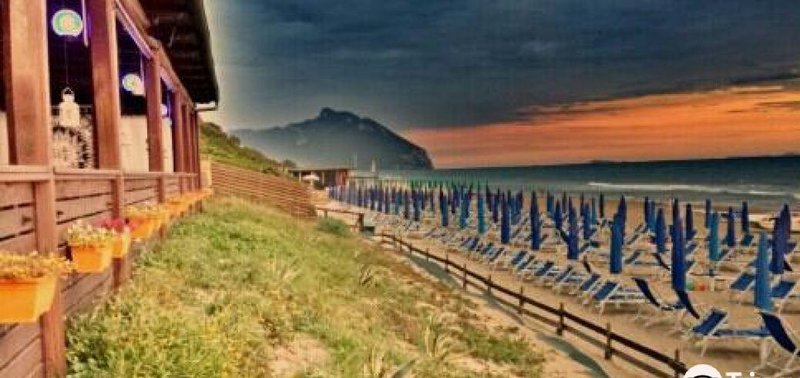
Hotels in Vitorchiano
Discover your perfect stay in Vitorchiano.
Vitorchiano(Italy) Travel 2026: Cheap Flights, Hotels & Top Attractions
Popular Landmarks in Vitorchiano
Discover the most iconic attractions in Vitorchiano
Recommended Hotels in Vitorchiano
Find the perfect place to stay in Vitorchiano
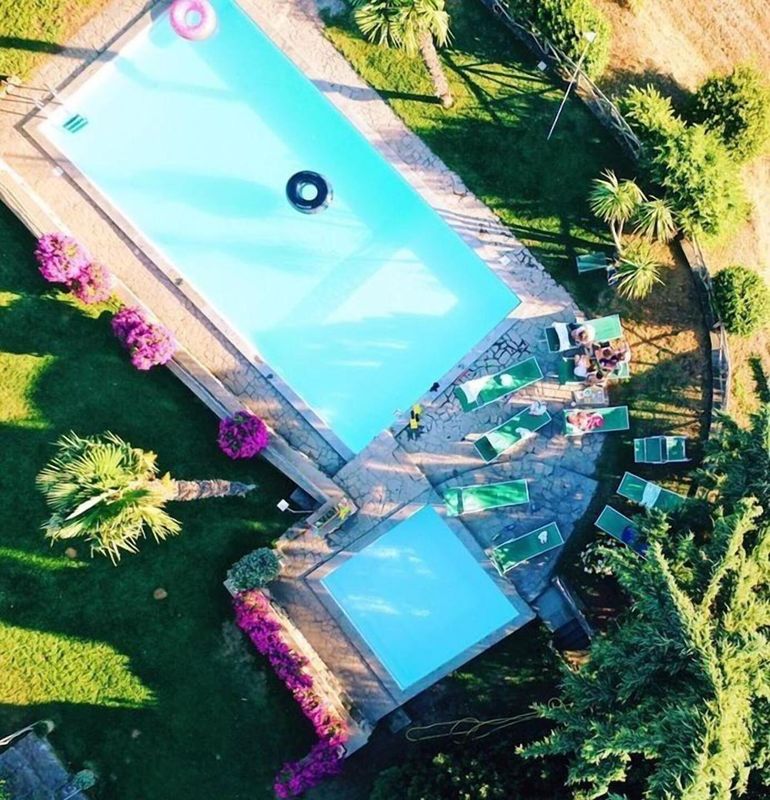
Villa Arzilla Antica Residenza di Campagna
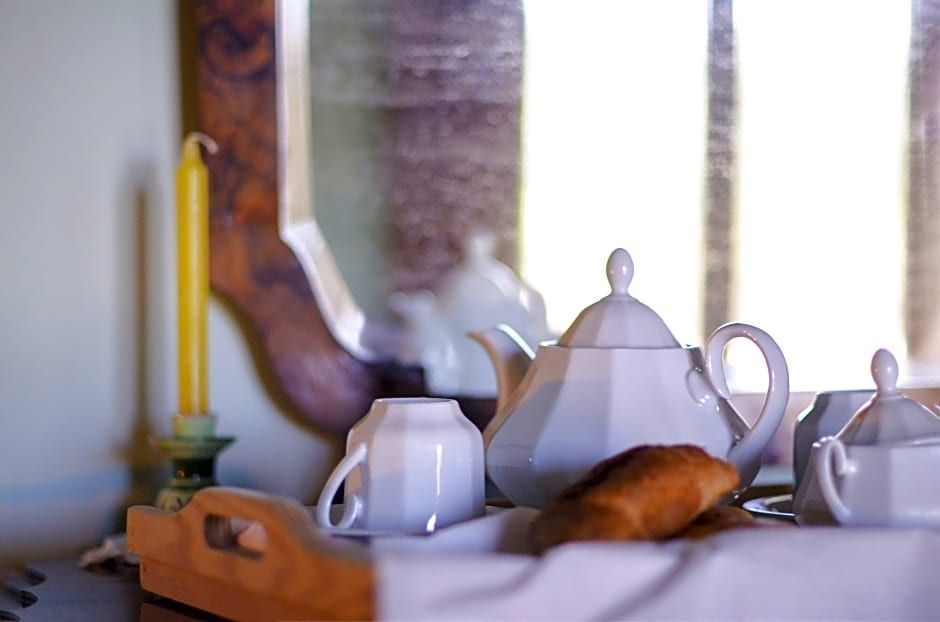
Villa Farfalla Bianca
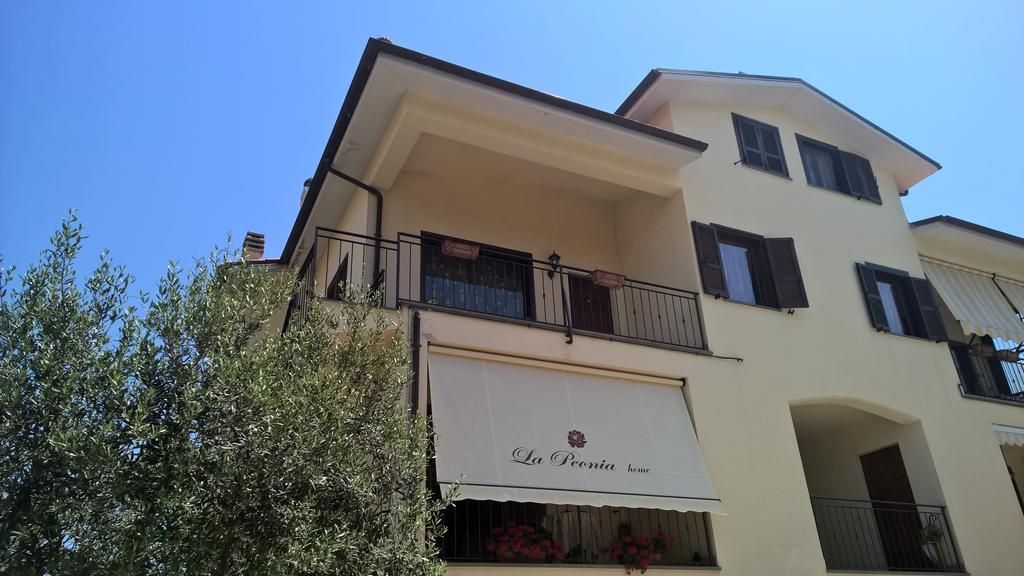
La Peonia
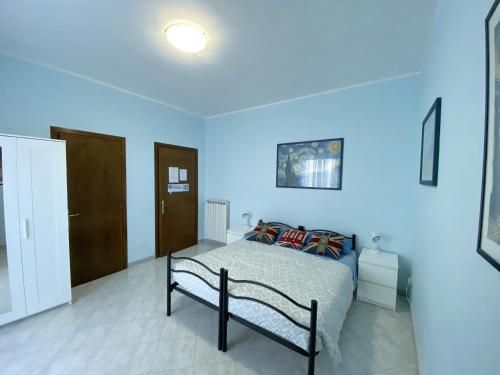
B&B Il Moai
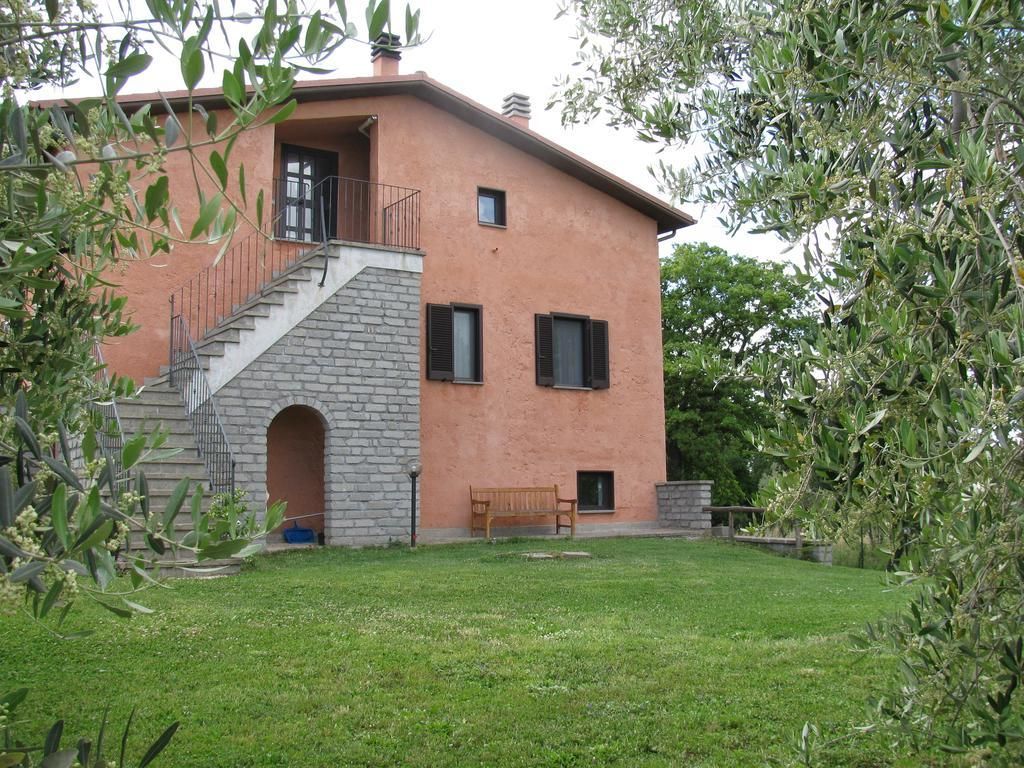
Agriturismo Poggio dei Galli
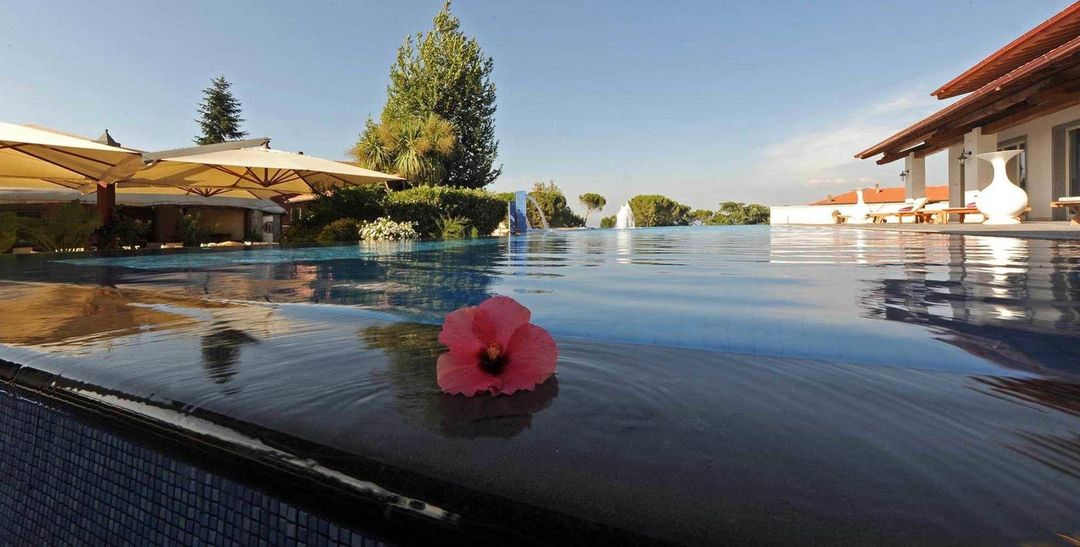
Nando Al Pallone
Best Hotels in Vitorchiano
Discover curated hotel collections in Vitorchiano
Hotel Piccolo Sant'Andrea
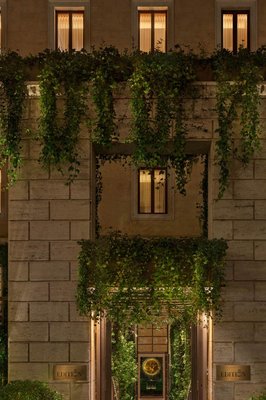
The Rome Edition
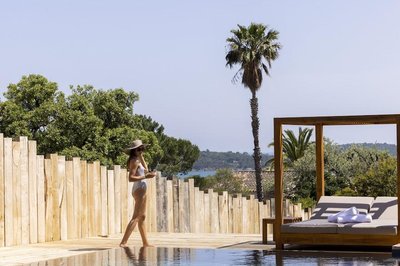
Les Regalia Hôtel & Spa
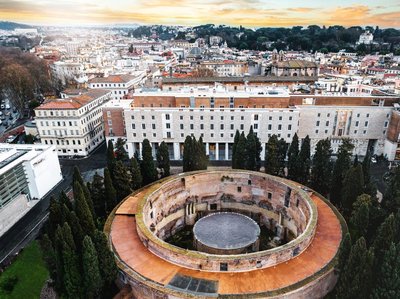
Bulgari Hotel Roma
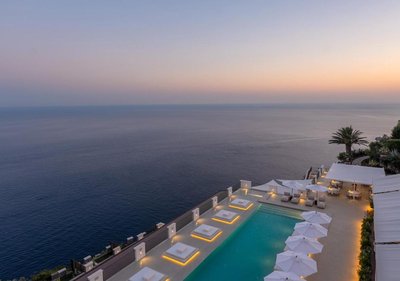
Furore Grand Hotel
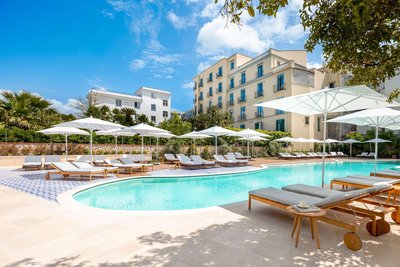
Ara Maris
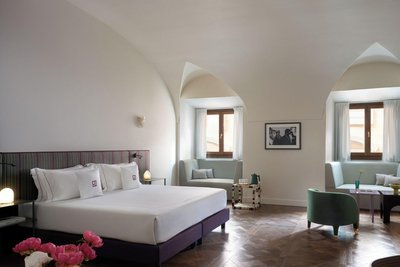
Palazzo Talìa - Small Luxury Hotels of the World
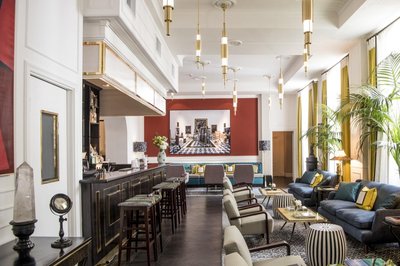
Hotel Vilòn
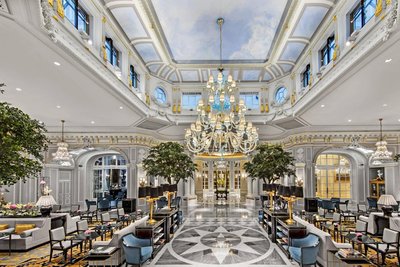
The St. Regis Rome
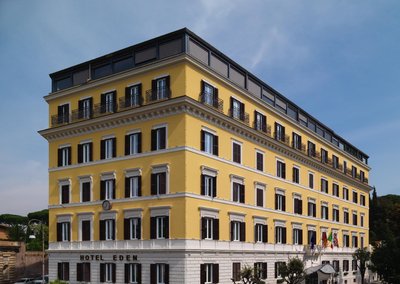
Hotel Eden - Dorchester Collection
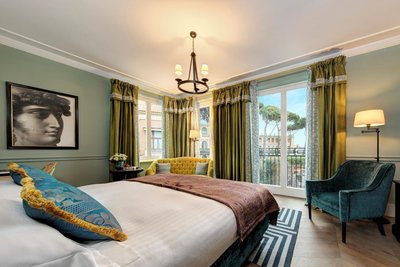
Rocco Forte Hotel de La Ville
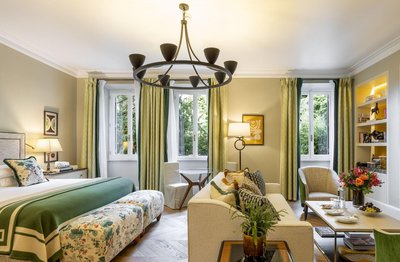
Rocco Forte Hotel De Russie
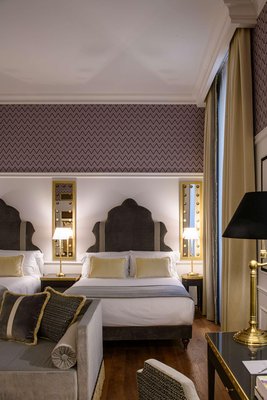
Il Tornabuoni Unbound
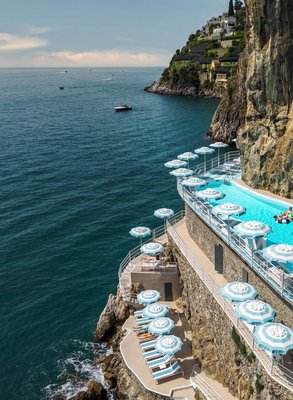
Hotel Miramalfi
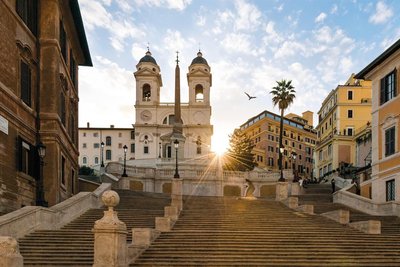
Hassler Roma
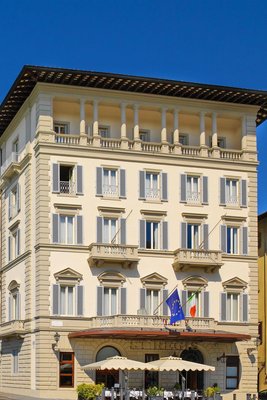
The St. Regis Florence
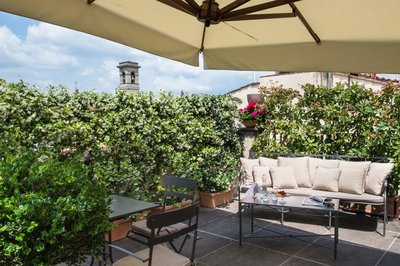
Palazzo Vecchietti - Residenza d'Epoca
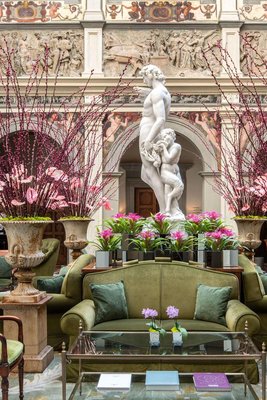
Four Seasons Hotel Firenze

Anantara Convento di Amalfi Grand Hotel
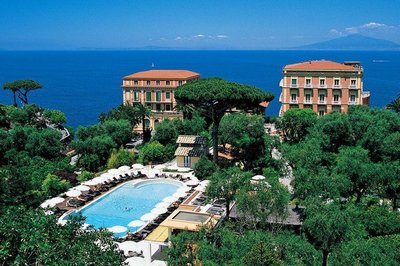
Grand Hotel Excelsior Vittoria
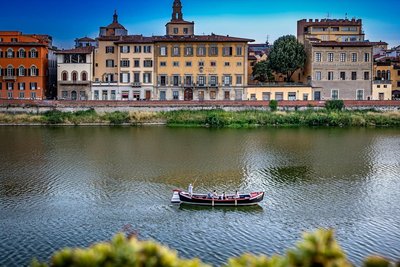
Il Rivalta
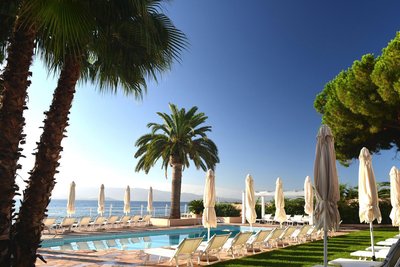
Hôtel les Mouettes - Teritoria
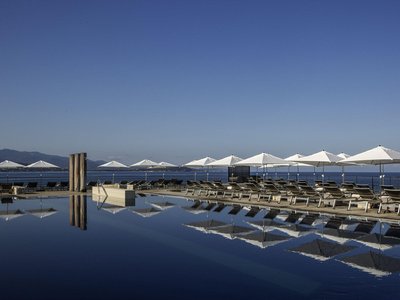
Sofitel Golfe d'Ajaccio Thalassa Sea & Spa
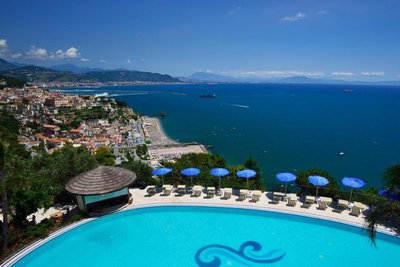
Hotel Raito Vietri Sul Mare
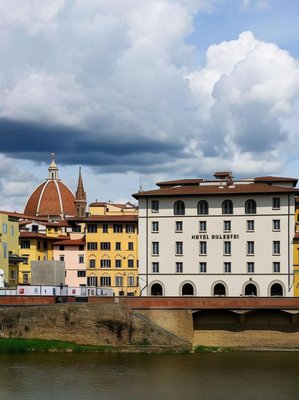
Hotel Balestri - Wtb Hotels
The St. Regis Florence
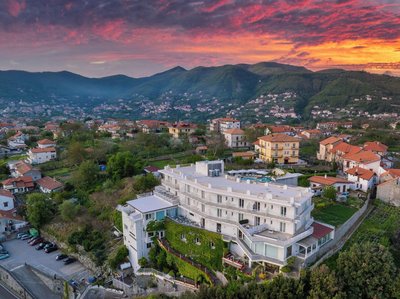
Hotel le Rocce - Agerola, Amalfi Coast
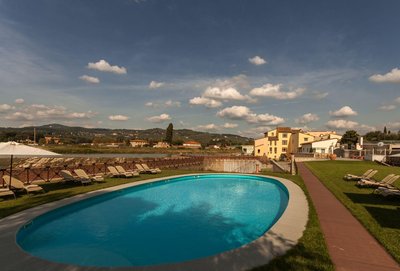
Hotel Mulino di Firenze, WorldHotels Crafted
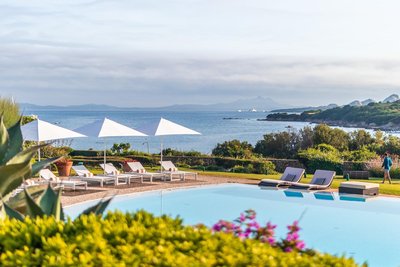
L'Ea Bianca Luxury Resort
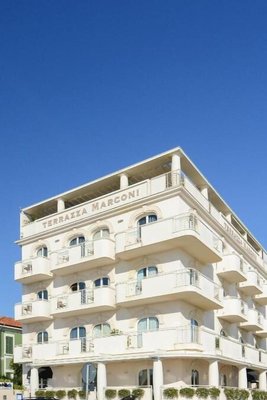
Terrazza Marconi Hotel&Spamarine

Boutique Hotel Torre di Cala Piccola
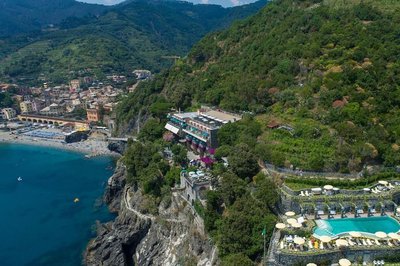
Hotel Porto Roca
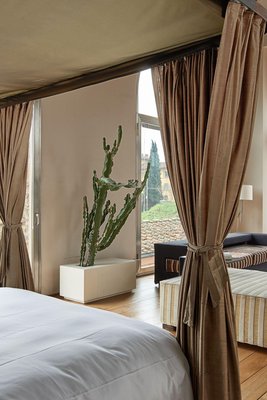
Riva Lofts Florence
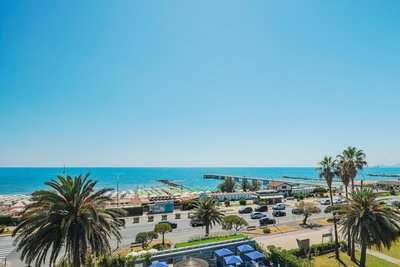
Hotel Excelsior
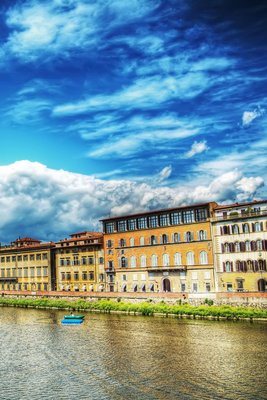
Palazzo Alfieri Residenza d'Epoca
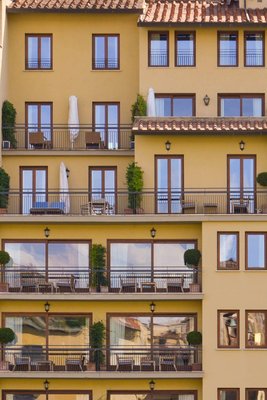
Hotel Lungarno - Lungarno Collection
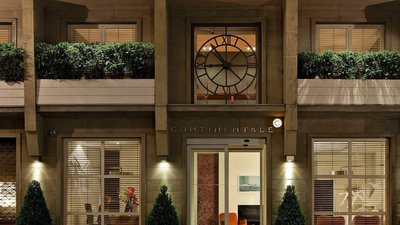
Hotel Continentale - Lungarno Collection
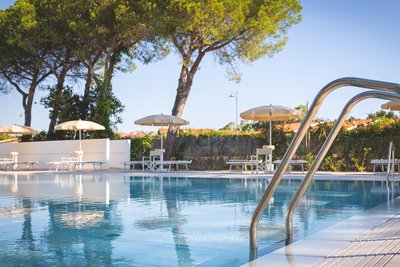
The Sense Experience Resort - Preferred Hotels & Resorts
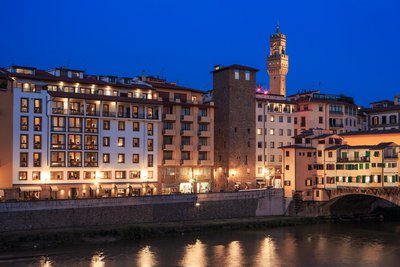
Portrait Firenze - Lungarno Collection
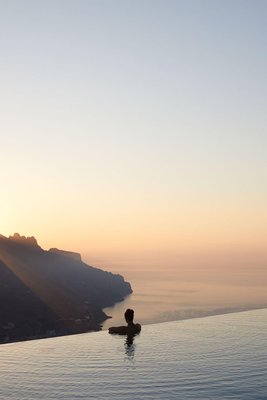
Caruso, A Belmond Hotel, Amalfi Coast
Bulgari Hotel Roma
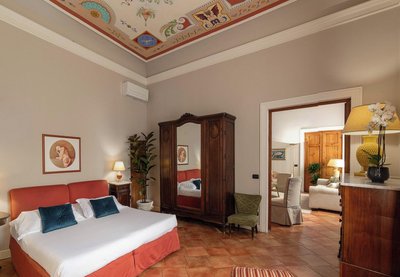
Palazzo Alfani - Residenza d'Epoca
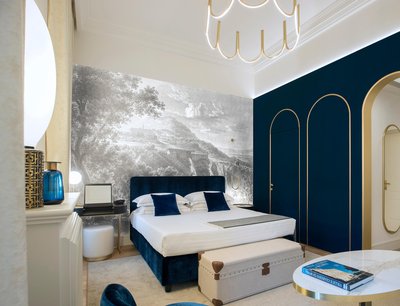
Elizabeth Unique Hotel Rome By Design Hotels
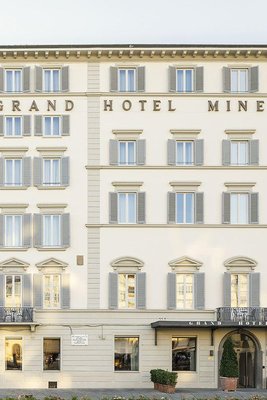
Grand Hotel Minerva
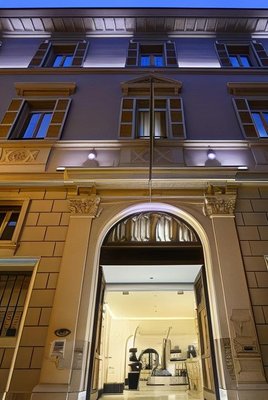
The First Arte - Preferred Hotels & Resorts
Il Tornabuoni Unbound
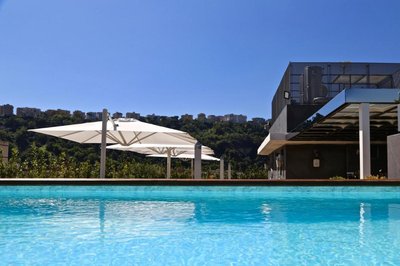
LHP Napoli Palace & Spa
Hassler Roma
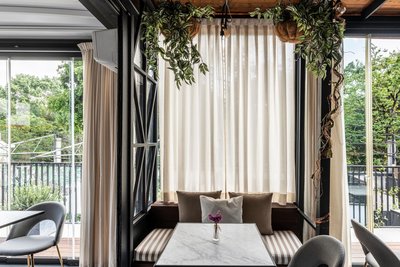
Horti 14 Borgo Trastevere Hotel
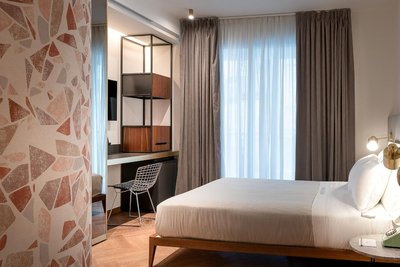
The Box Riccione - Adults Only
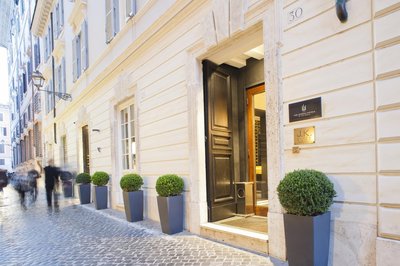
J.K. Place Roma - the Leading Hotels of the World
Portrait Firenze - Lungarno Collection
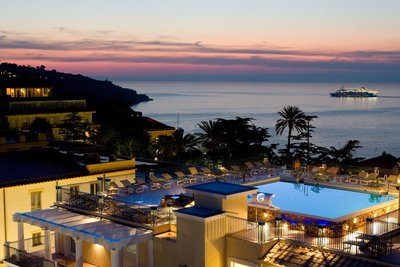
Grand Hotel la Favorita
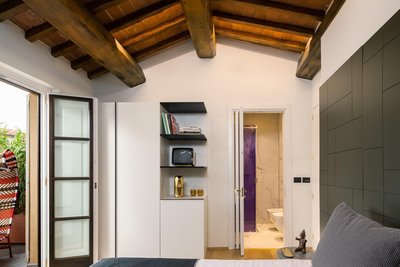
Hotel Milu Florence
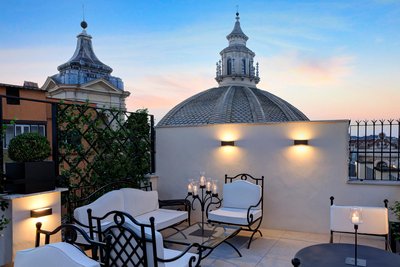
Palazzo Nainer
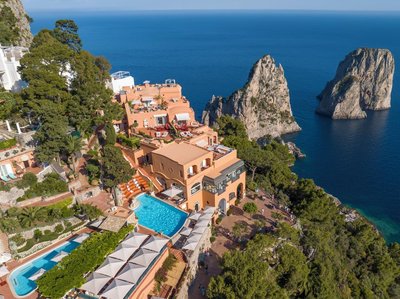
Hotel Punta Tragara
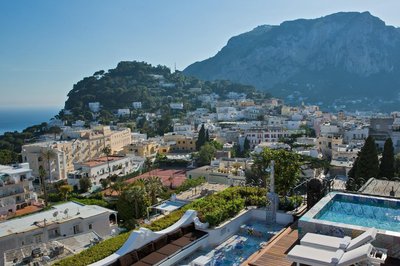
Capri Tiberio Palace
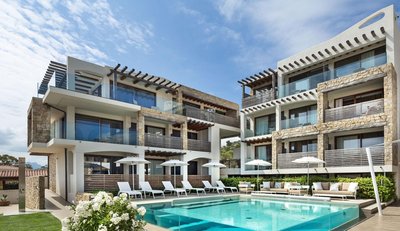
Sandalia Boutique Hotel - Adults Only
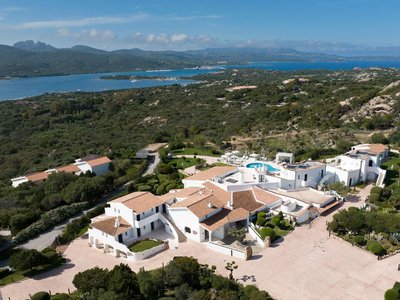
Sulia House Porto Rotondo, Curio Collection by Hilton
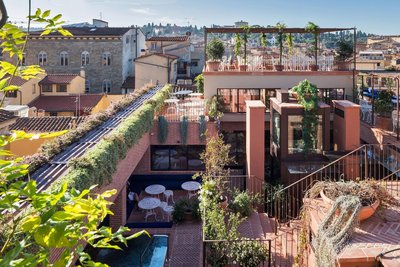
Hotel Calimala Florence
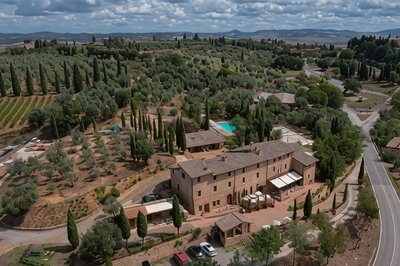
Il Miraggio in Val d'Orcia Relais & Spa
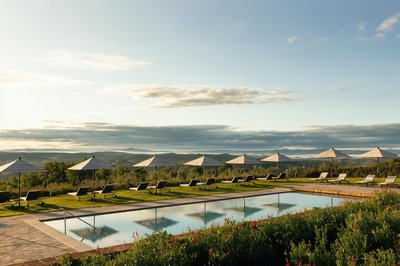
The Club House
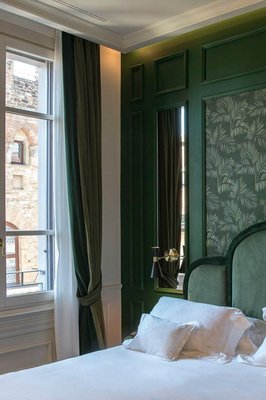
Hotel la Gemma
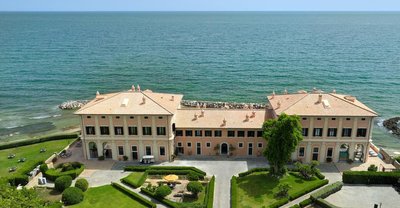
La Posta Vecchia Hotel
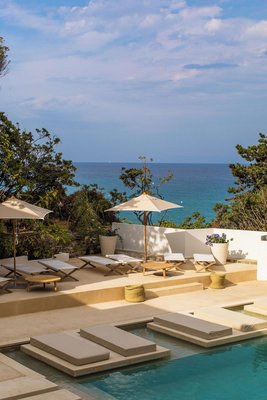
Misincu
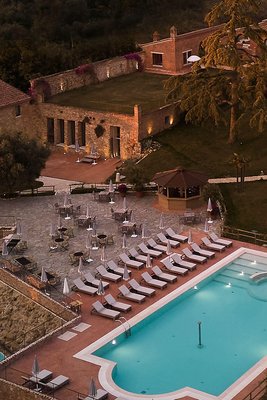
Precise Tale Poggio Alla Sala

Palazzo Roma
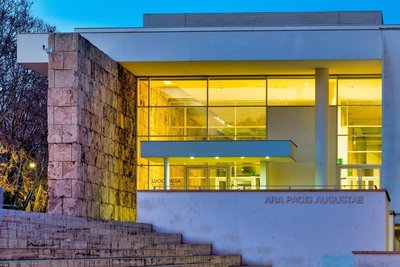
Palazzo Shedir - the Leading Hotels of the World
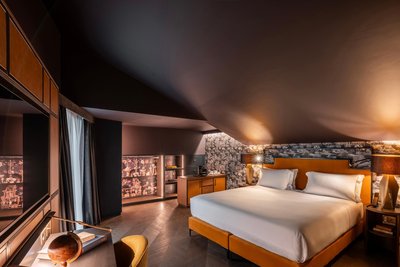
The Goethe Hotel
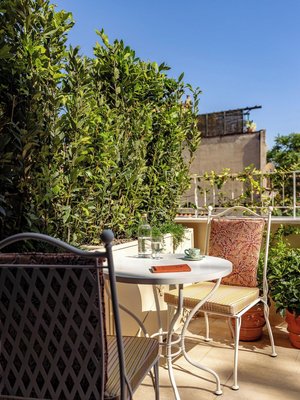
Hotel Casa Monti Roma
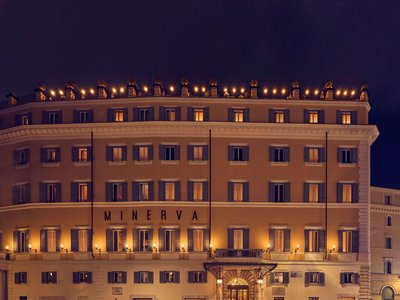
Orient Express la Minerva
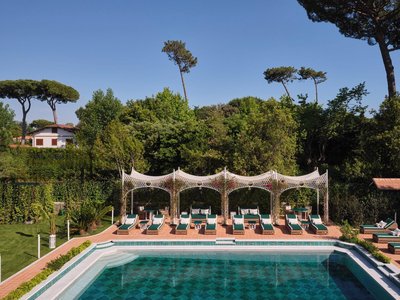
Pensione America
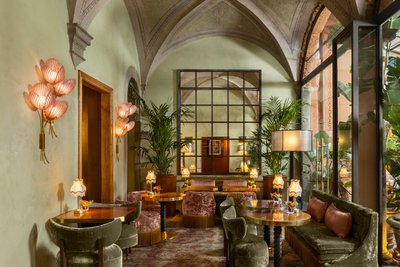
The James Suite Hotel Firenze 1564 - Small Luxury Hotels of the World
Elizabeth Unique Hotel Rome By Design Hotels

Singer Palace Hotel Roma
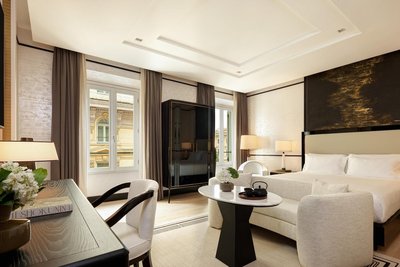
Nobu Hotel Roma
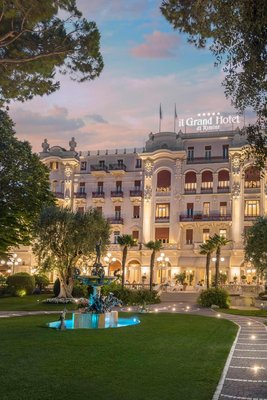
Grand Hotel Rimini

Villa Lattanzi
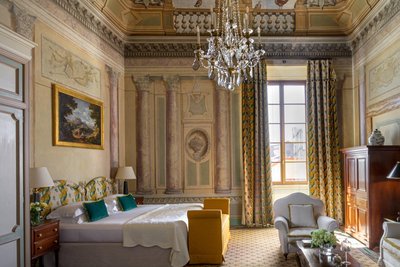
Grand Hotel Continental Siena - Starhotels Collezione
The First Arte - Preferred Hotels & Resorts
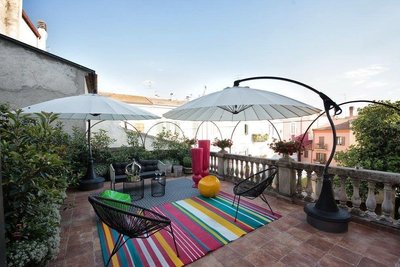
Palazzo Cannavina Suite & Private Spa
Villa la Commenda Concordia
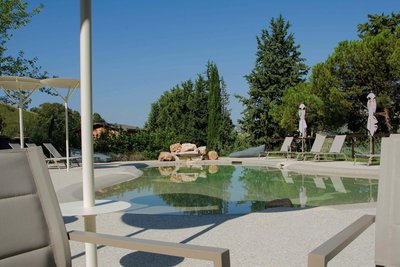
Colle Serrano Relais & Spa
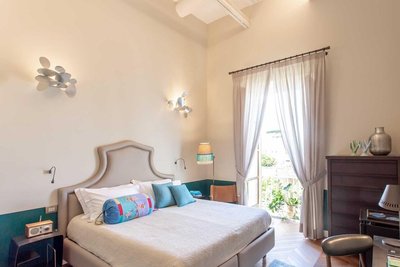
Accademia 39
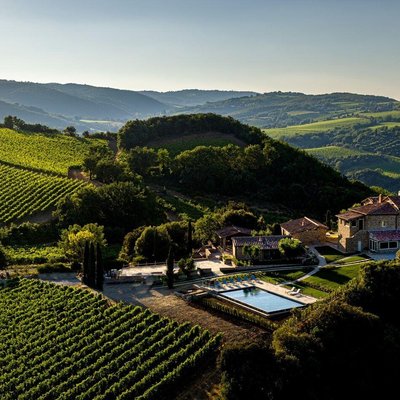
Mastrojanni Relais
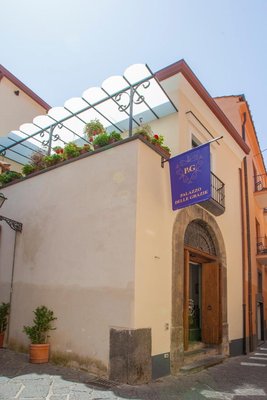
Palazzo Delle Grazie
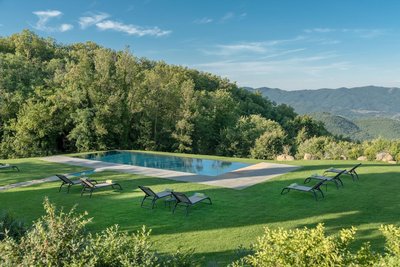
Badia di Pomaio
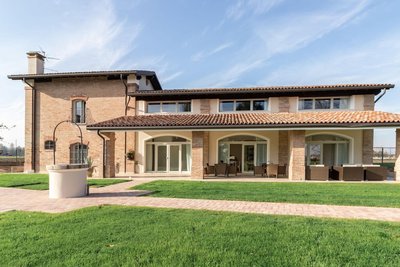
Monteborre
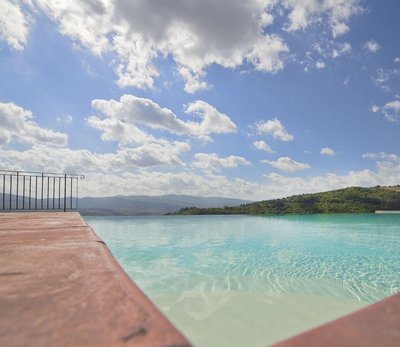
Castello Vicchiomaggio
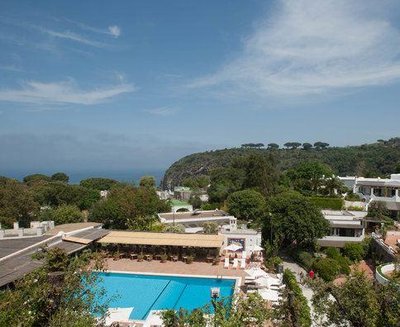
Botania Relais & Spa - the Leading Hotels of the World
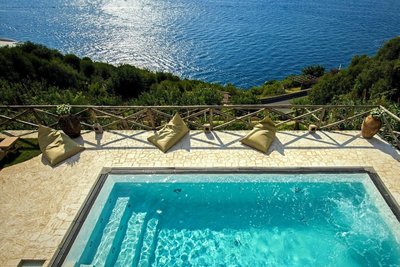
Villa Gianlica
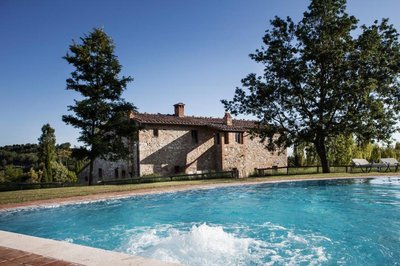
B&B - Podere Monti
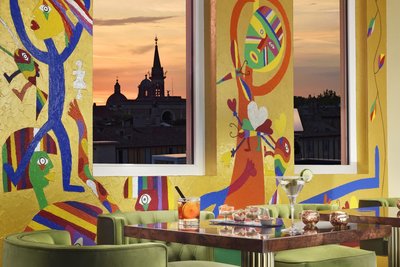
Lifestyle Suites Rome
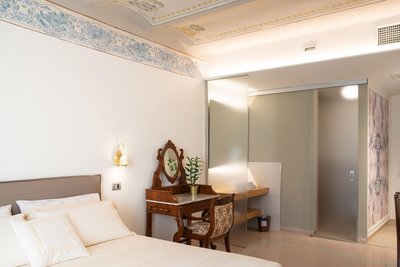
Portica10
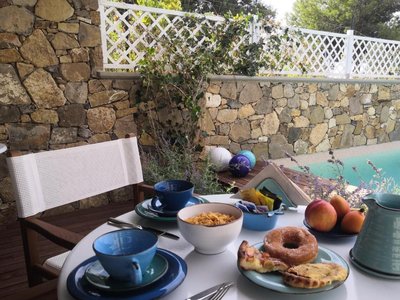
Stile Libero b&b
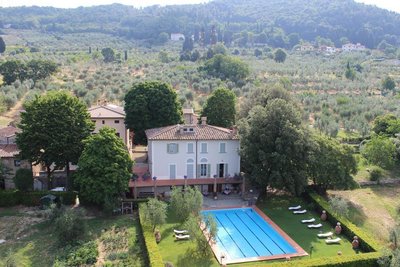
Borgo I Vicelli
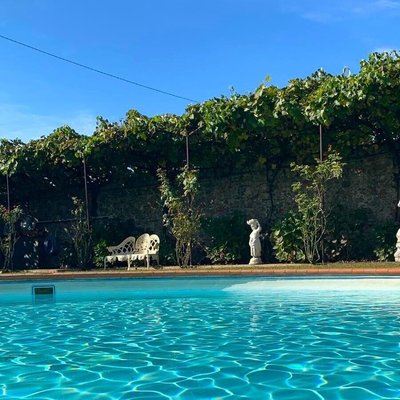
Villa la Preziosa
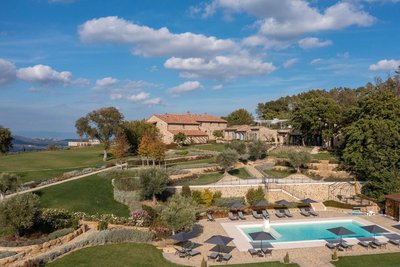
I Borghi Dell'Eremo
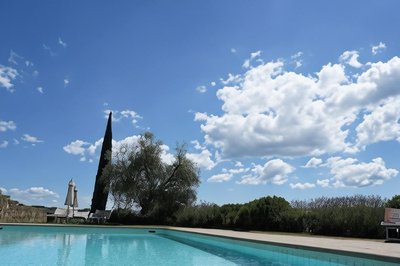
Wine Resort Dievole
Palazzo Gozzi Bed & Beauty

Hotel Barrière Fouquet's New York
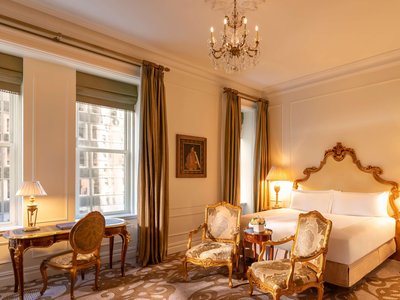
The Plaza - A Fairmont Managed Hotel
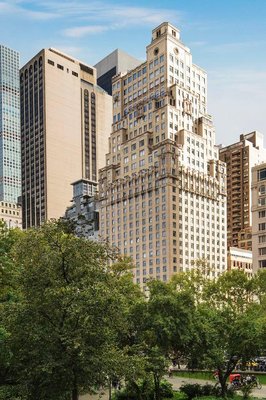
The Ritz-Carlton New York, Central Park

Four Seasons Hotel New York
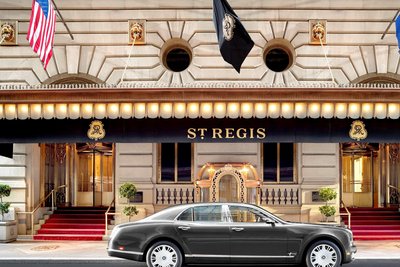
The St. Regis New York
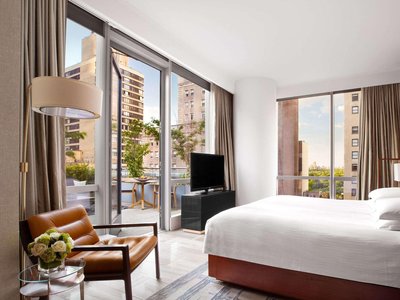
Park Hyatt New York
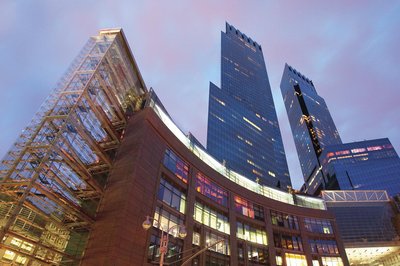
Mandarin Oriental New York
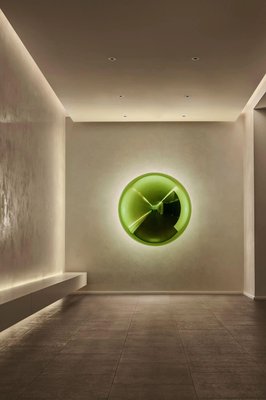
Times Square Edition New York
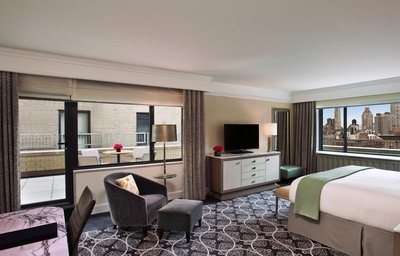
Loews Regency New York Hotel
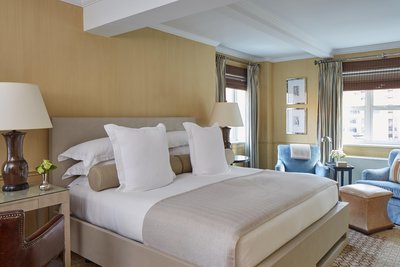
Lowell Hotel
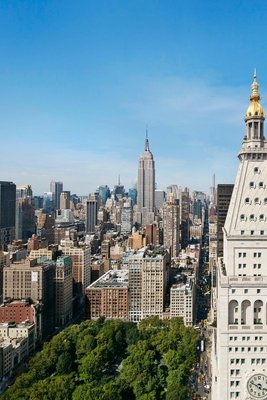
New York Edition
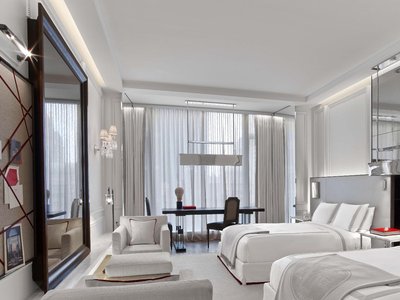
Baccarat Hotel New York
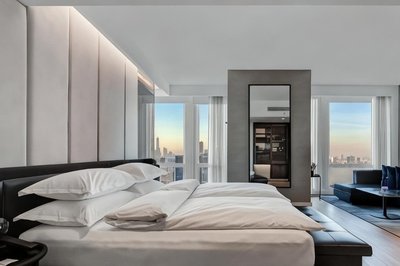
Equinox Hotel New York
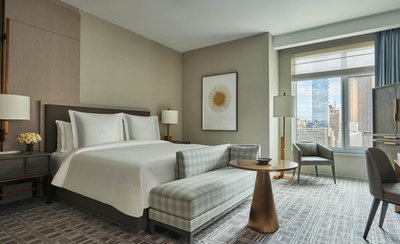
Four Seasons Hotel New York Downtown
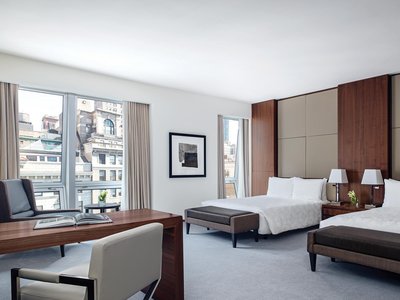
The Langham, New York, Fifth Avenue
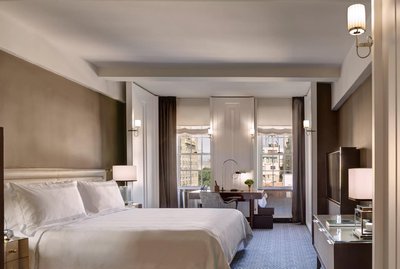
The Carlyle, A Rosewood Hotel

The Chatwal, in the Unbound Collection by Hyatt
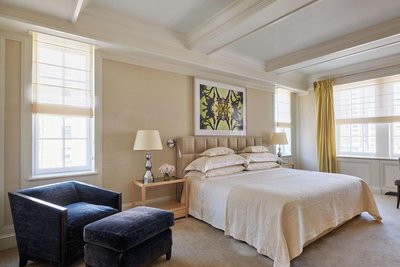
The Mark New York
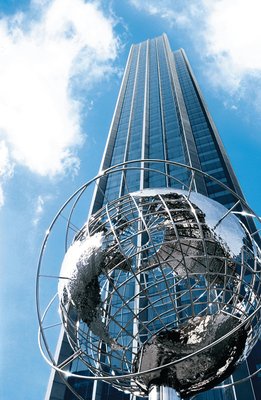
Trump International Hotel & Tower® New York
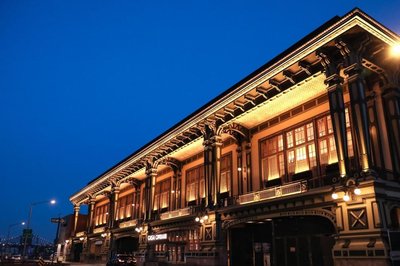
Casa Cipriani New York
Frequently Asked Questions about Traveling to Vitorchiano
Questions You Might Need to Know About Traveling to Vitorchiano
In Vitorchiano, the standout choice is Hotel La Torre di Vitorchiano, a 13th-century castle converted into a boutique retreat. Perched on a volcanic plateau, it features stone walls, arched windows, and panoramic views of the Lazio countryside. Each room blends medieval architecture with modern comfort, and guests enjoy homemade Italian breakfasts featuring local honey and bread. The hotel’s proximity to the Church of Santa Maria Assunta makes it ideal for cultural immersion and quiet exploration.
The Old Town of Vitorchiano offers the most authentic experience. Nestled at 700 meters above sea level, this ancient hilltop village retains its original cobblestone streets and medieval layout. Strolling through the Piazza del Municipio or visiting the old well and artisan workshops allows travelers to connect with centuries-old traditions. The lack of mass tourism preserves its peaceful atmosphere, making it perfect for those seeking genuine rural Italian life and stargazing under clear skies.
Visitors can participate in volcanic rock pottery workshops, where artisans teach traditional techniques using local tuff stone. These hands-on sessions result in one-of-a-kind souvenirs. Additionally, the annual Festa della Santissima Assunta in summer features folk music, torchlight processions, and open-air food markets, showcasing deep-rooted Lazio customs and religious heritage passed down through generations.
Vitorchiano sits atop an extinct volcano, offering unique geological wonders. Hike the Monte Rosso Ruins Trail to explore ancient lava formations and wild olive groves. At dawn, mist drifts over the hills like a dream. Nearby, the natural thermal pools provide mineral-rich waters perfect for relaxation—echoing the region's geothermal past. This landscape is a living testament to Italy’s volcanic history and ecological diversity.
Yes, Vitorchiano is highly suitable for families. Safe, scenic trails like the Old City Walls Adventure Path let children explore medieval fortifications. Many hotels offer family rooms and child-friendly meals. Kids can also join farm-to-table experiences, picking organic vegetables from local fields and learning about traditional Lazio agriculture. It’s a peaceful, educational escape from urban life.
Must-try dishes include volcanic rock-grilled lamb chops, slow-roasted with wild herbs, and black rye bread with local honey and cheese, a recipe from 19th-century mountain households. Another highlight is wild mushroom risotto, made with forest-harvested porcini and chanterelles. All ingredients come directly from nearby farms, preserving the authentic taste of highland Lazio cuisine.
From Roma Termini Station, take a Trenitalia Regionale train to Viterbo, then transfer to a bus or taxi to Vitorchiano—about 30 minutes. For convenience, book a private transfer, especially with luggage. Alternatively, drive via SS212 Road, which winds through scenic countryside and passes the Montefranco Volcano Viewpoint, offering stunning vistas along the way.
The best times to visit are spring (April–June) and autumn (September–October), when temperatures are mild and crowds are light. Spring brings blooming wildflowers; autumn hosts harvest festivals and wine tastings. Winter offers serene snowscapes and exceptional stargazing. Avoid peak summer heat for a more comfortable experience.
Absolutely. Couples should stay in a mountain-view villa with a private terrace. Enjoy dinner under the stars at a tuff-stone courtyard restaurant, paired with local wines. Walk together to the ancient watchtower at sunset, where the entire valley glows in golden light. The timeless beauty and quiet solitude create a truly enchanted atmosphere perfect for love and reflection.
Top spots include the Gothic spire of Santa Maria Assunta Church silhouetted at sunrise, the crumbling city walls bathed in evening light, and the star-gazing platform at the edge of the plateau, where the Milky Way stretches across the sky. Don’t miss the century-old olive tree beside the town fountain, a perfect backdrop for capturing the quiet elegance of rural Italy.
Vitorchiano Overview
City Summary
Vitorchiano is a charming town in the Lazio region of Italy, renowned for its medieval architecture and unique tuff rock landscapes. Perched on a cliff, the town is surrounded by stunning natural scenery and retains a strong historical atmosphere. The stone houses and narrow streets of Vitorchiano showcase typical Italian rural charm, making it an ideal destination for those seeking to escape the hustle and bustle and experience authentic Italian culture.
Must-See Attractions
The historic center of Vitorchiano is a must-visit, featuring well-preserved medieval walls and gates. The Church of Santa Maria Assunta is the town's religious heart, with exquisite interior decorations. Strolling along Via del Corso, you can admire traditional stone buildings and local artisan shops. Nearby, the Canyon di Vitorchiano offers opportunities for hiking and exploring natural wonders.
Food Guide
Vitorchiano's culinary culture is deeply influenced by Lazio traditions, with handmade pasta and game meat being local specialties. Recommended dishes include Pasta alla Norcina (creamy mushroom pasta) and Cinghiale in Umido (stewed wild boar). Local trattorias and wineries also serve excellent regional wines, such as Orvieto and Montepulciano.
Transportation Guide
Public transportation in Vitorchiano is limited, so driving is recommended. The town is about an hour's drive from Rome or Viterbo. The town itself is walkable, but some attractions may require short walks or drives. For public transport, regional buses from Viterbo are available but infrequent. Taxi services are uncommon in town, so advance HopeGoo is advised.
Best Time to Visit
The best times to visit are spring (April to June) and autumn (September to October), when the weather is mild and crowds are smaller. Summer (July to August) can be hot but is ideal for outdoor activities. Winter (November to March) is colder but offers festive events.
Travel Tips
- Wear comfortable shoes: The town's streets are cobbled and uneven.
- Respect local customs: Dress modestly when entering churches.
- Book restaurants in advance: Small-town eateries have limited seating, especially in peak season.
- Carry cash: Some small shops may not accept credit cards.
- Learn basic Italian: English proficiency is limited among locals; simple phrases help.
- Check opening hours: Attractions and shops may close during midday breaks.
Useful Information
The official language is Italian, with limited English spoken in tourist areas. Network coverage is good, but some old town areas may have weak signals. Cash is the primary payment method, though some businesses accept credit cards. For emergencies, dial 112 (Europe's universal emergency number). The town has a small pharmacy, but major medical needs require travel to Viterbo or Rome. Travel insurance is recommended for unforeseen circumstances.