Hotels in Wajima
Discover your perfect stay in Wajima.
Wajima(Japan) Travel 2026: Cheap Flights, Hotels & Top Attractions
Popular Landmarks in Wajima
Discover the most iconic attractions in Wajima
Recommended Hotels in Wajima
Find the perfect place to stay in Wajima
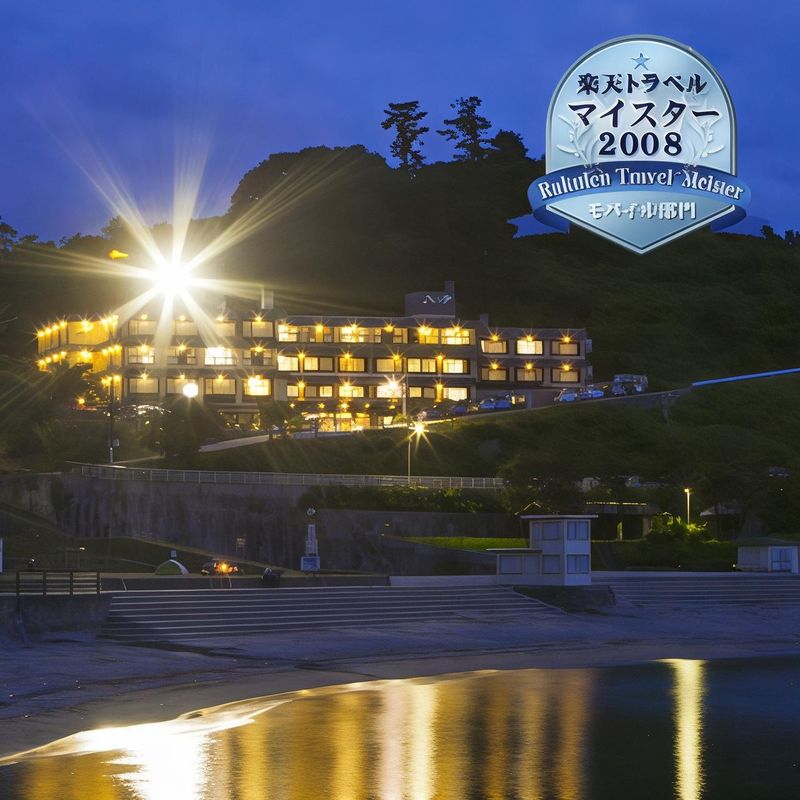
Wajimaonsen Yashio
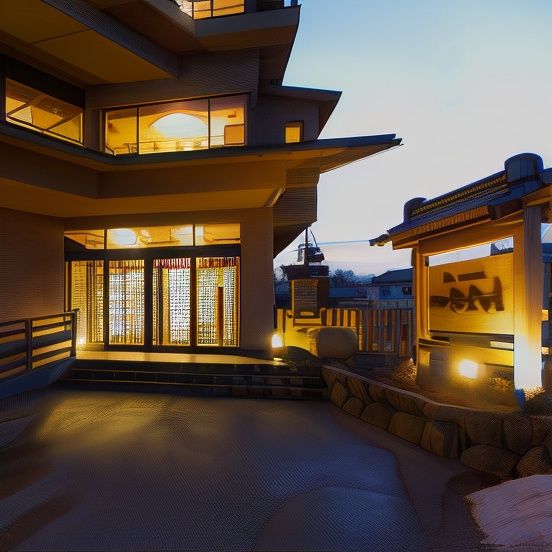
Nebuta Onsen Kaiyu Notonosho
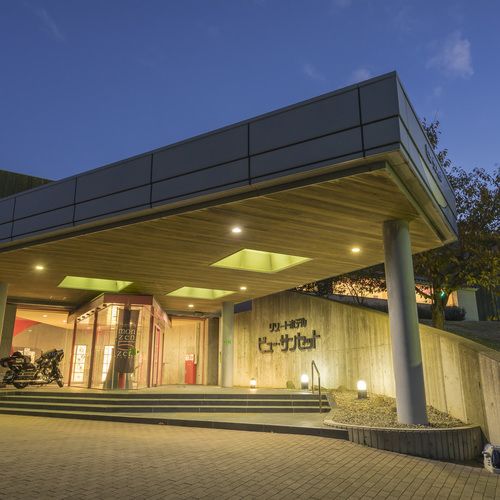
Family Inn View Sunset
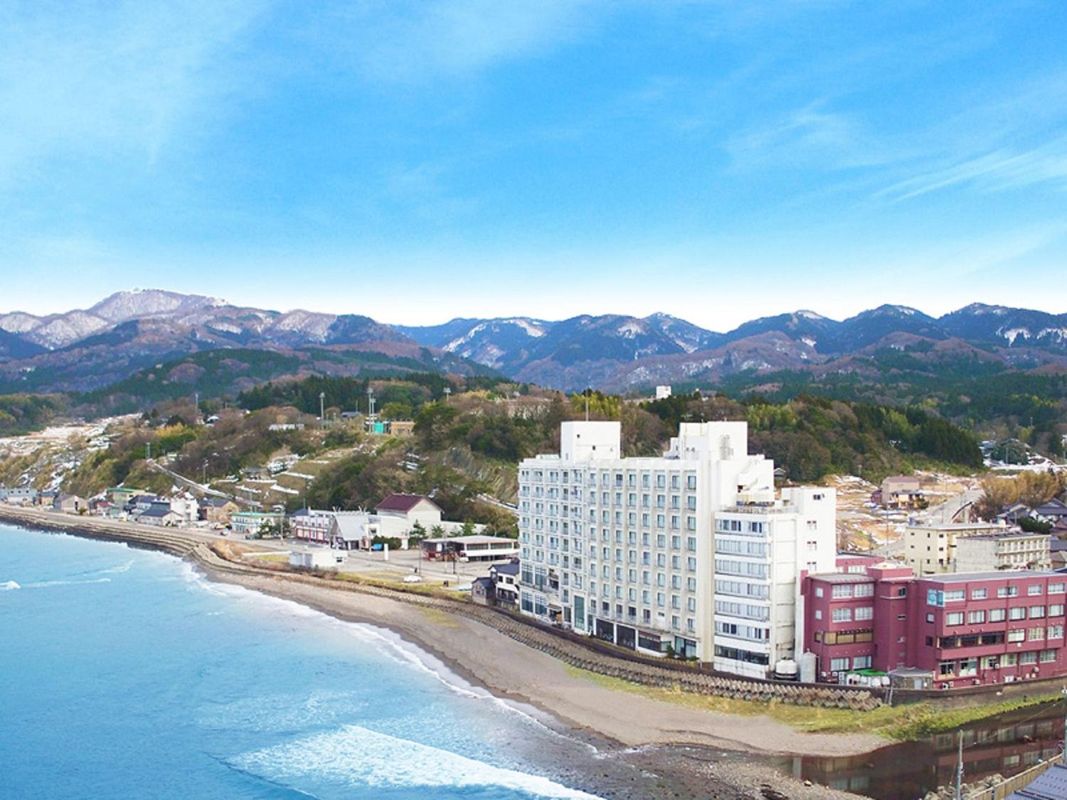
Hotel Koshuen

Minshuku Hakutoen
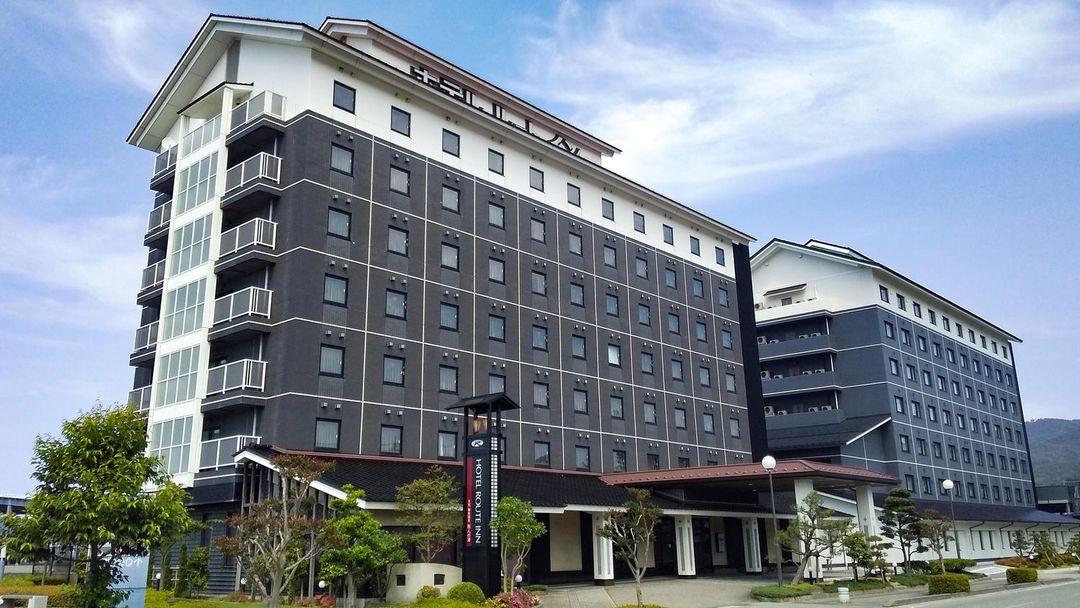
Hotel Route-Inn Wajima
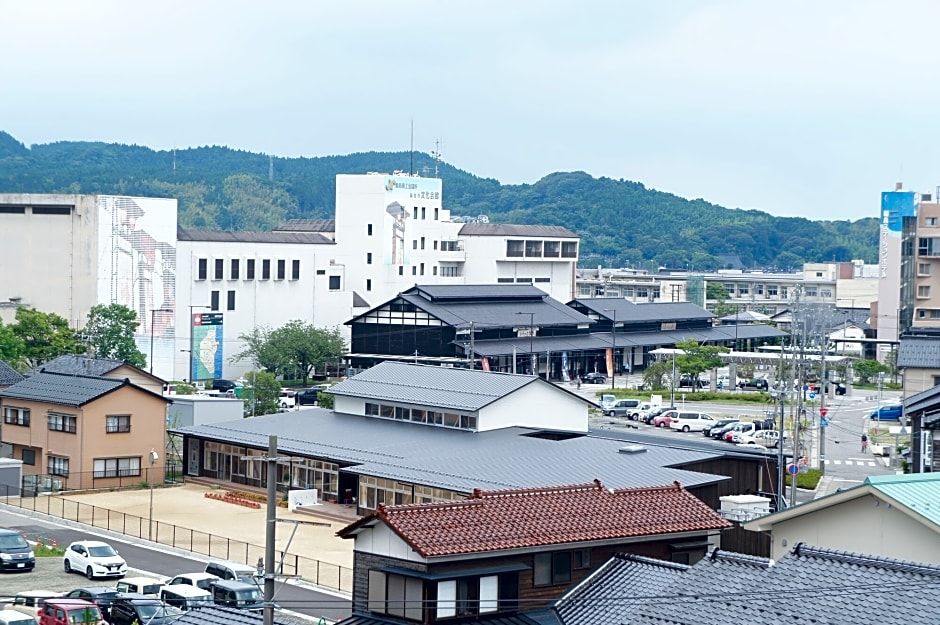
Hotel Mercato Wajima
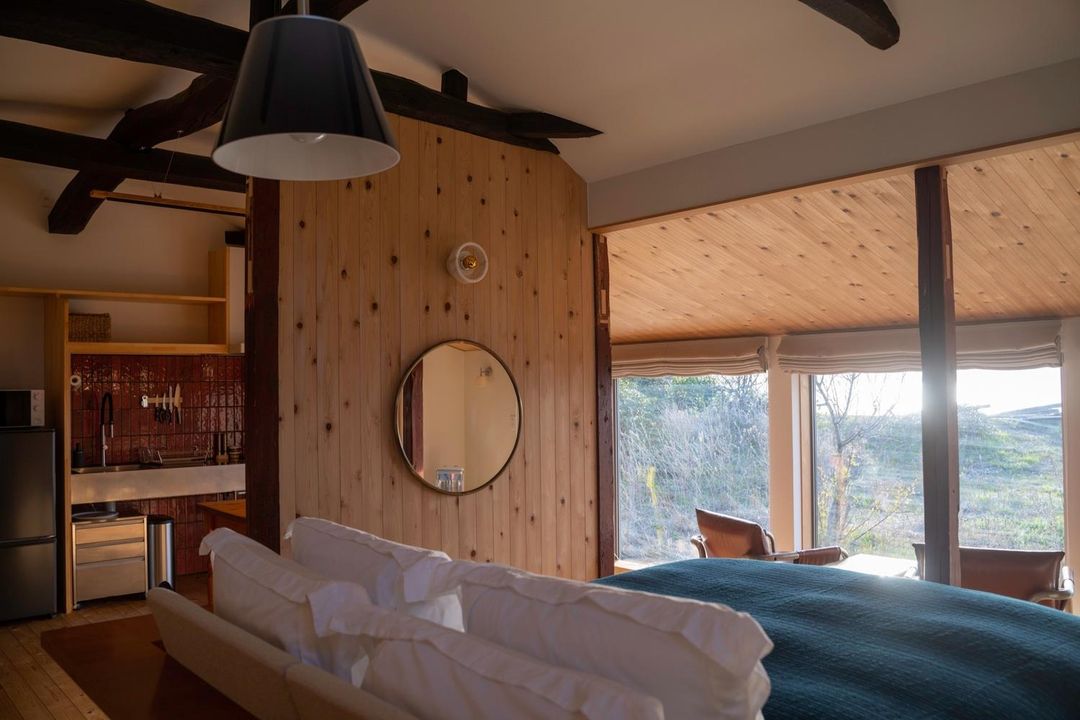
Captains House Great View on Former Salt Farm
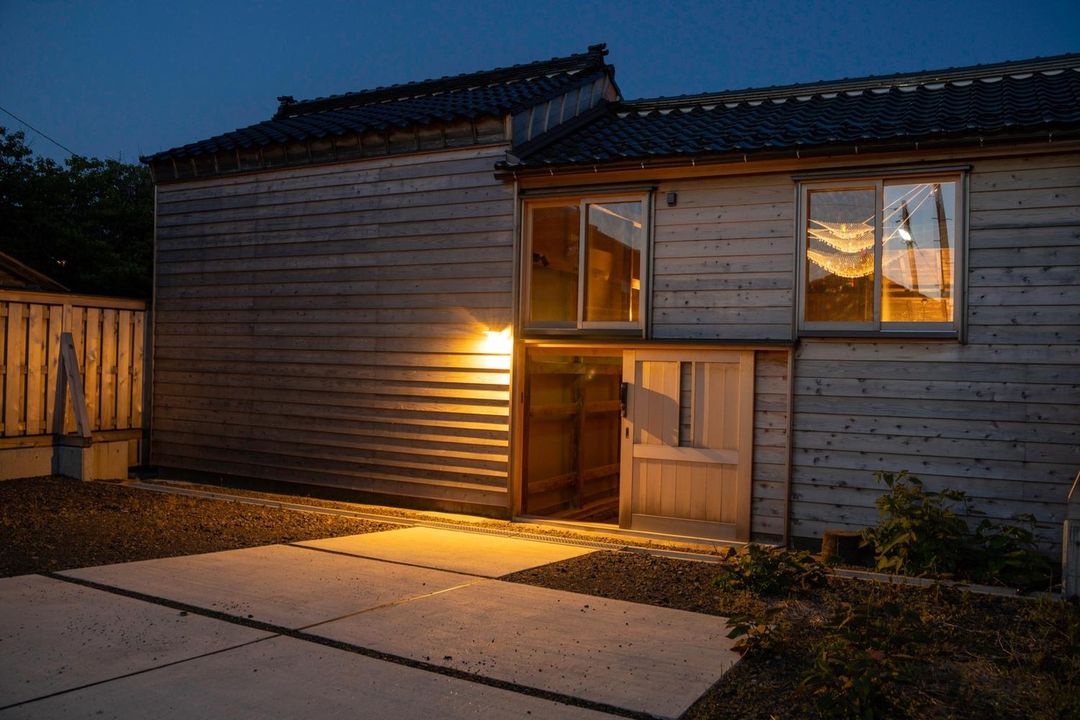
Hanakaijichi, a Rental Villa in Kuroshima
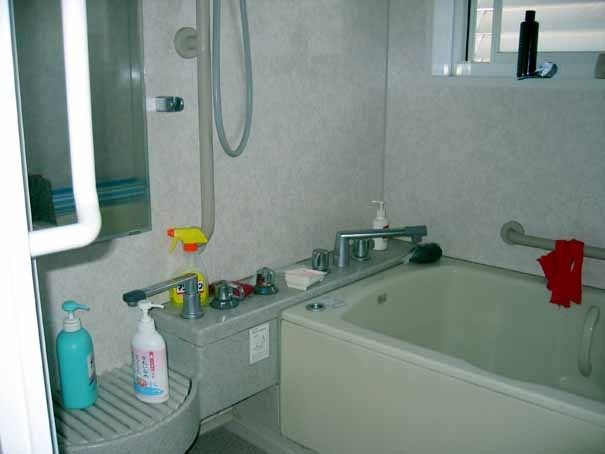
Ishikawa Noto Wajima No Minshuku Kotobuki
Best Hotels in Wajima
Discover curated hotel collections in Wajima
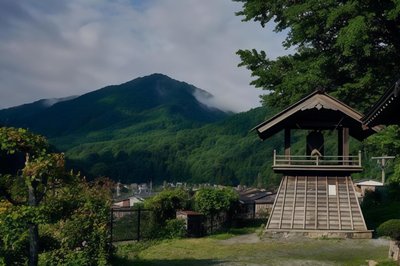
Byaku Narai
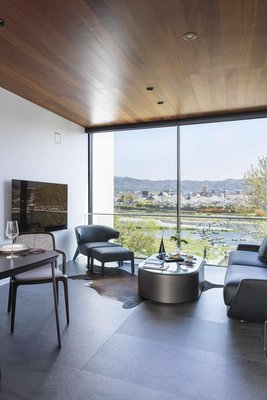
Kamo Residences by Reflections
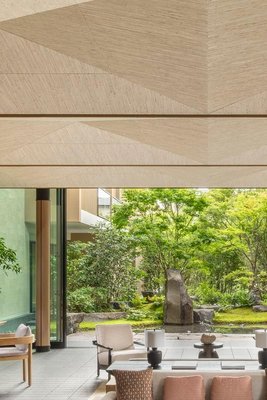
Six Senses Kyoto
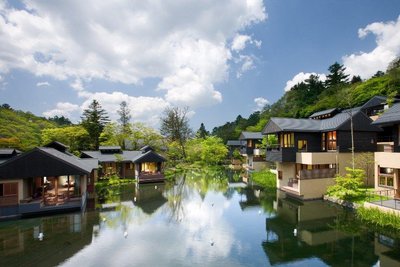
Hoshinoya Karuizawa
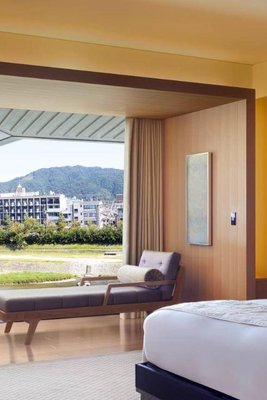
The Ritz-Carlton, Kyoto
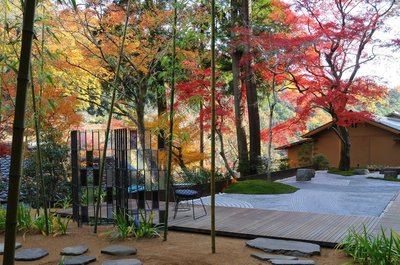
HOSHINOYA Kyoto
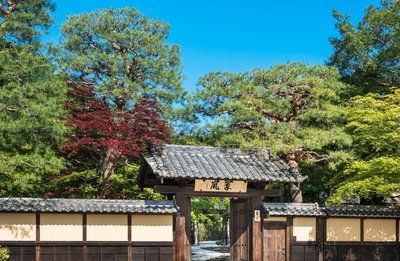
Suiran, a Luxury Collection Hotel, Kyoto
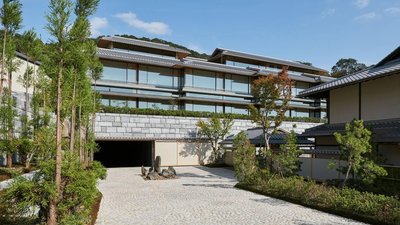
Park Hyatt Kyoto
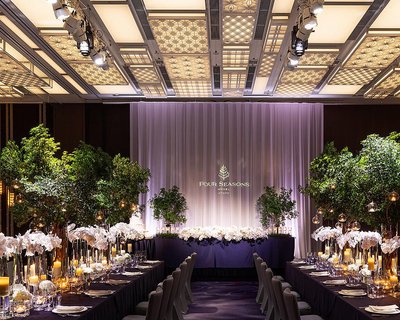
Four Seasons Hotel Kyoto
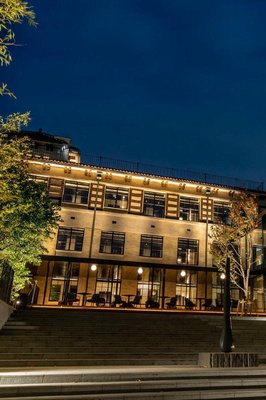
The Hotel Seiryu Kyoto Kiyomizu - a Member of the Leading Hotels of the World-
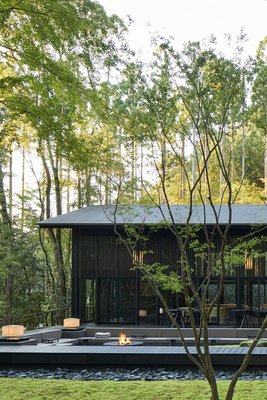
Aman Kyoto
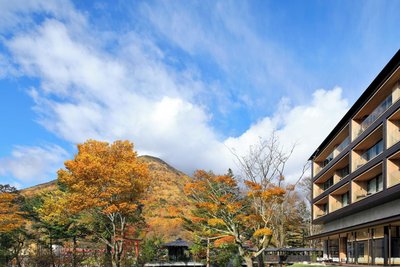
The Ritz-Carlton, Nikko
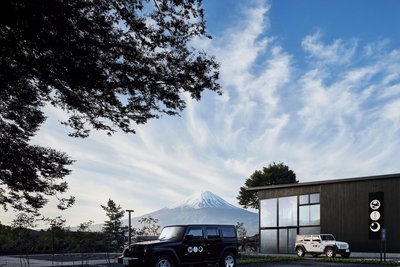
HOSHINOYA Fuji
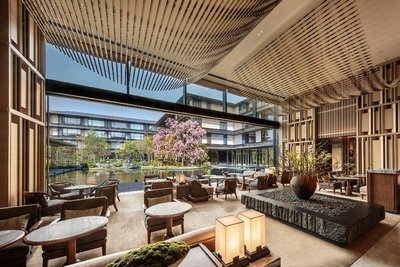
Hotel the Mitsui Kyoto, a Luxury Collection Hotel & Spa
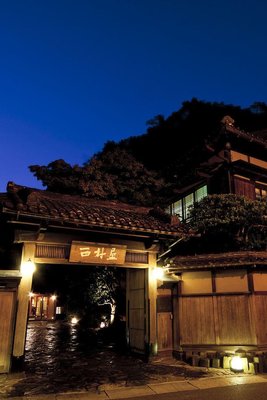
Nishimuraya Honkan
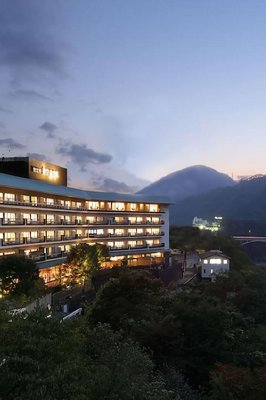
Kanaya Hotel Kinugawa
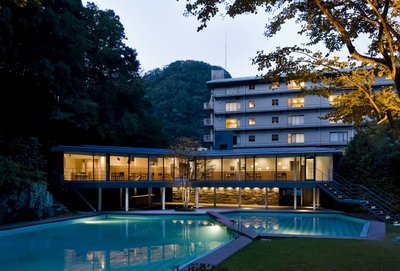
Kinosaki Onsen Nishimuraya Hotel Shogetsutei
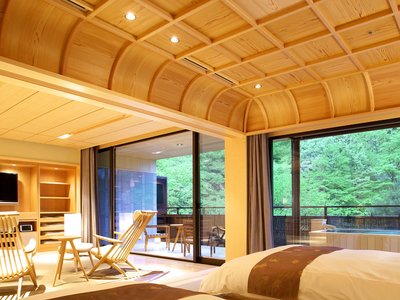
Ryotei Kaichoro
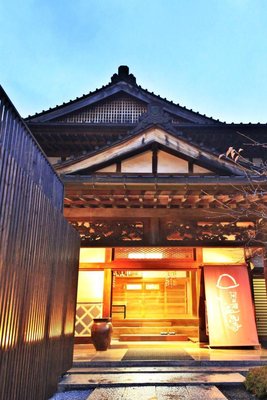
Fuji Onsenji Yumedono
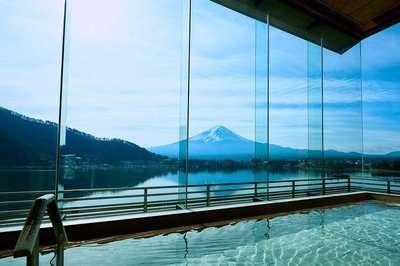
Ubuya
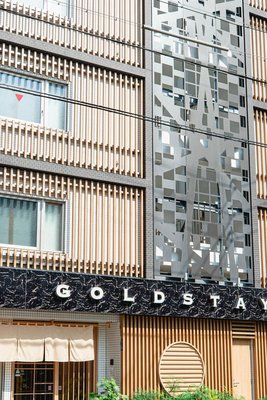
Gold Stay Nagoya OSU
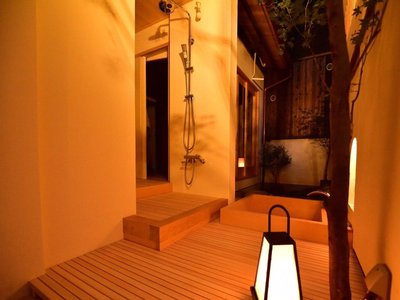
Yado Kiramachi
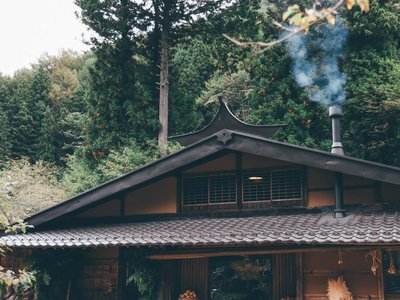
La Terra Resort
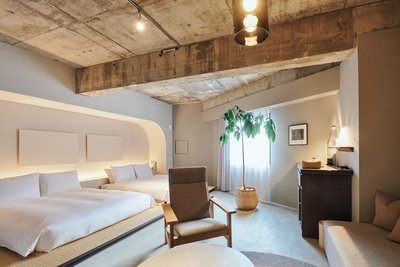
Korinkyo

EN Resort Grandeco Hotel
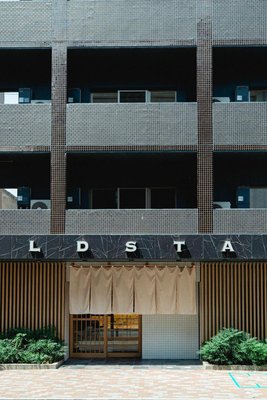
GOLD STAY Nagoya Sakae
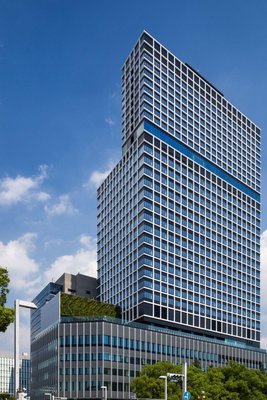
The Royal Park Hotel Iconic Nagoya
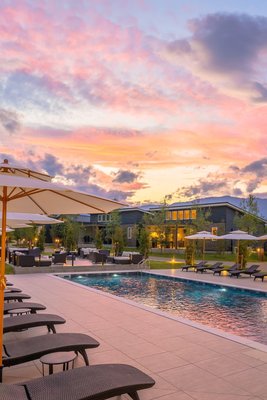
Awaumi Fujikawaguchiko Resort
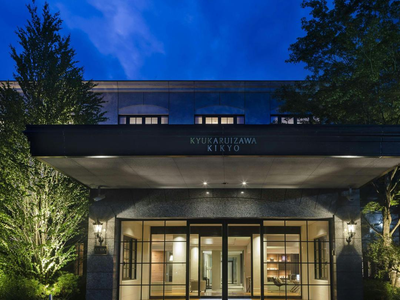
Fufu Karuizawa Wind of Sunshine
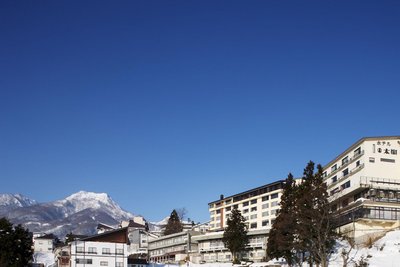
Hotel Taiko, Akakura Onsen
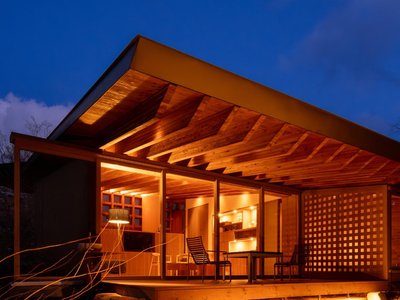
Nasu Mukunone
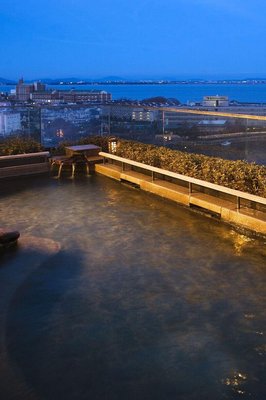
Yumotokan
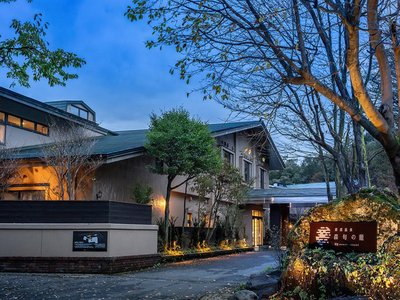
Nasu Onsen Shinshun no Kago Hewitt Resort
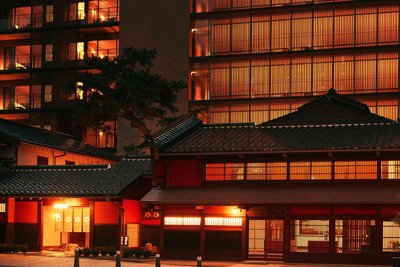
Hoshino Resorts Kai Kaga
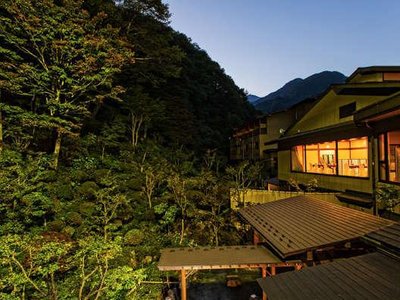
Futari Shizuka
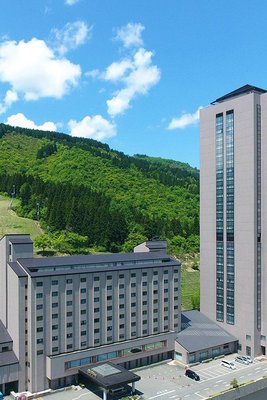
Naspa New Otani

Taikyourou
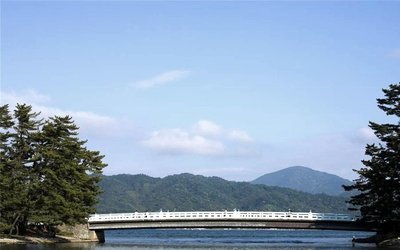
Monjusou Shourotei
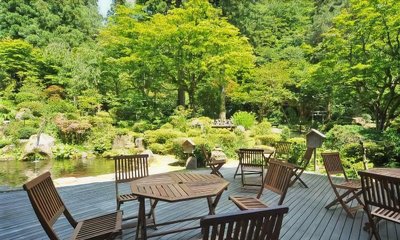
Choseikan
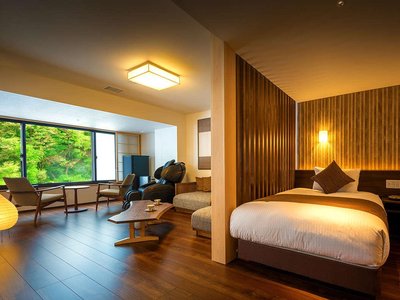
Harataki
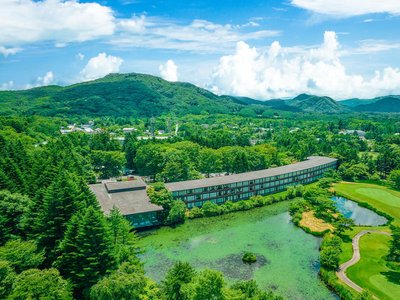
The Prince Karuizawa
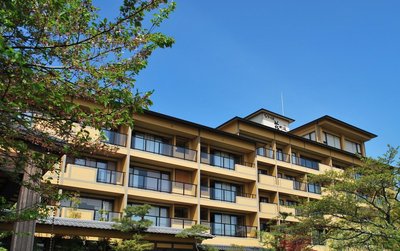
BIWAKO HANAKAIDO
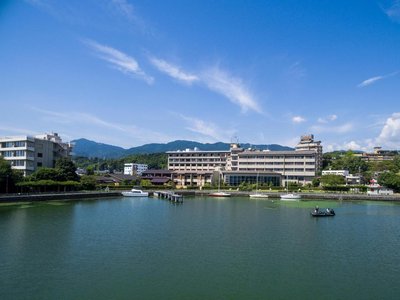
Biwako Ryokusuitei
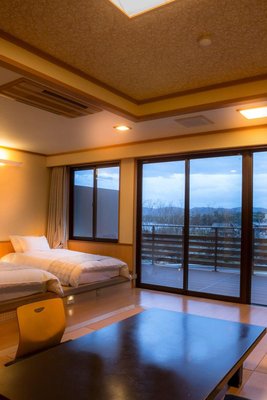
Hotel Kitanoya

The Kukuna
Hoshinoya Karuizawa
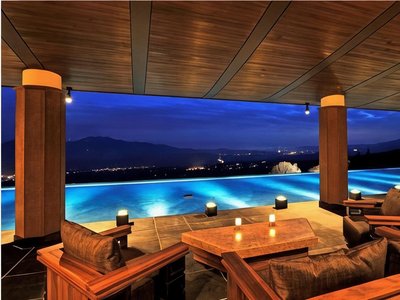
Akakura Kanko Hotel
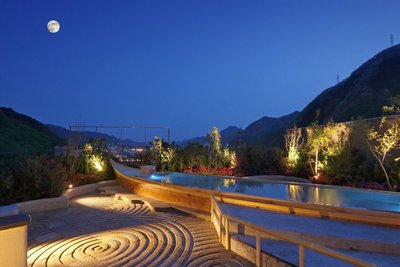
Asaya
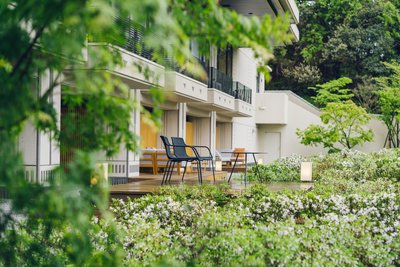
Hoshino Resorts Kai Enshu
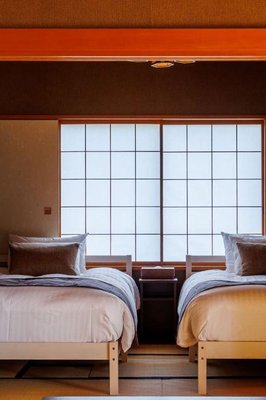
Sado Resort Hotel Azuma
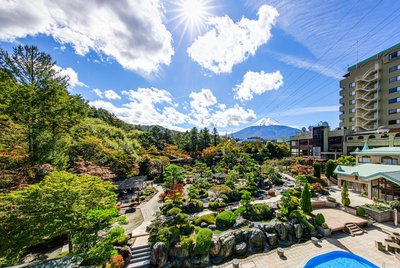
Kaneyamaen
The Ritz-Carlton, Kyoto
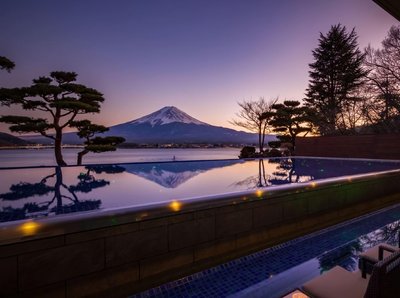
Shuhokaku Kogetsu
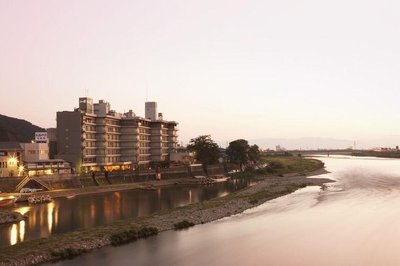
Juhachiro
Suiran, a Luxury Collection Hotel, Kyoto
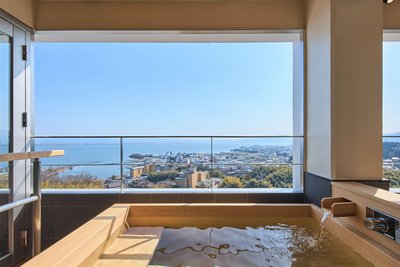
Yuzanso
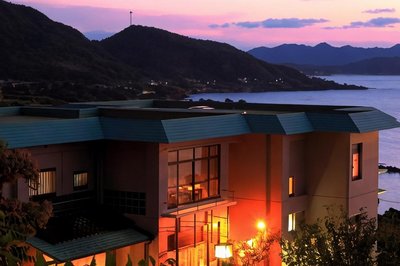
Jukaitei
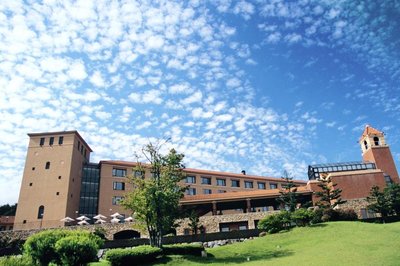
Fruit Park Fujiya Hotel
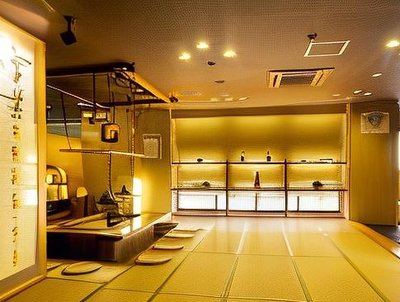
Yukimurasaki

La Vista Fujikawaguchiko
Yado Kiramachi
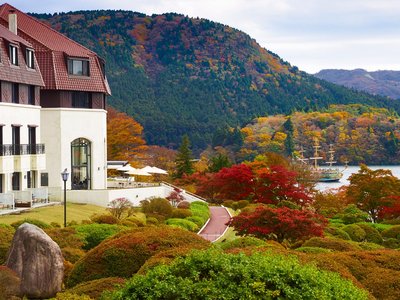
Hotakajyo
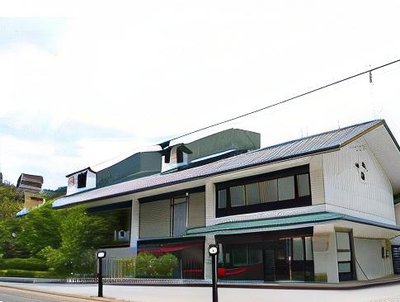
Auberge Suzukane
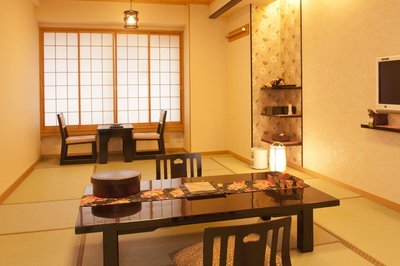
Matsui-Bekkan Hanakanzashi
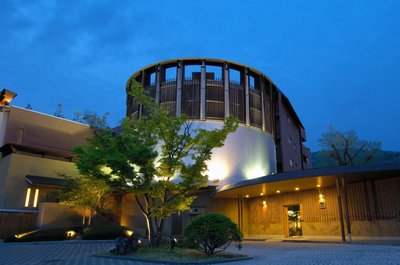
Hoshino Resorts Kai Matsumoto
Taikyourou
Monjusou Shourotei
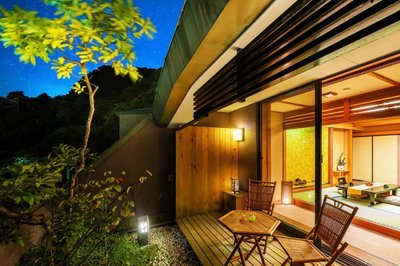
Konjakutei
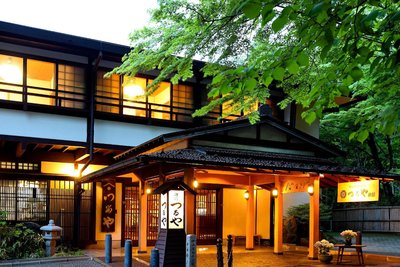
Tsuruya Ryokan
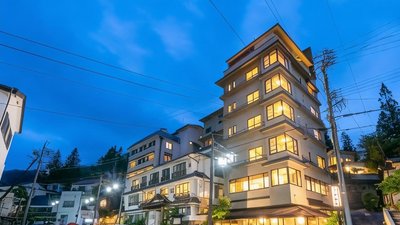
Nakamatsuya Ryokan
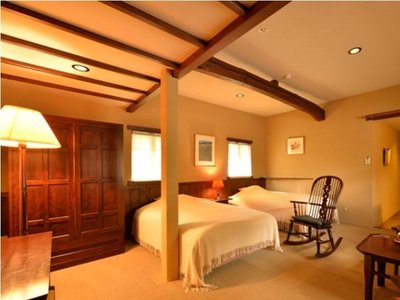
Ryokan Sugimoto
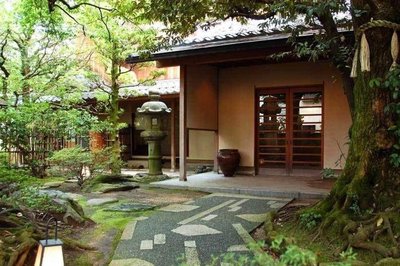
Kocho
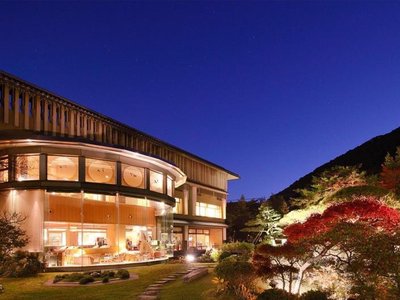
Shikisai Ichiriki
Sado Resort Hotel Azuma
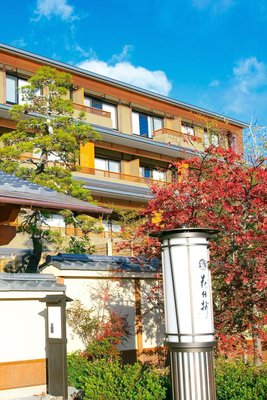
Kyoto Arashiyama Onsen Kadensho (Kyoritsu Resort)
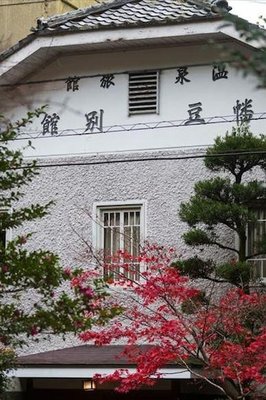
Oku-Mikawa・Yuya Onsen HAZU Bekkan
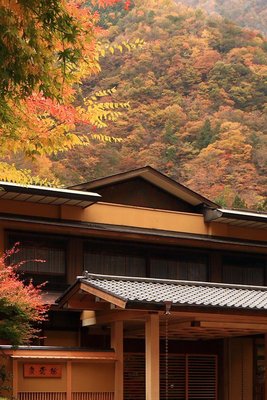
Nishiyama Onsen Keiunkan
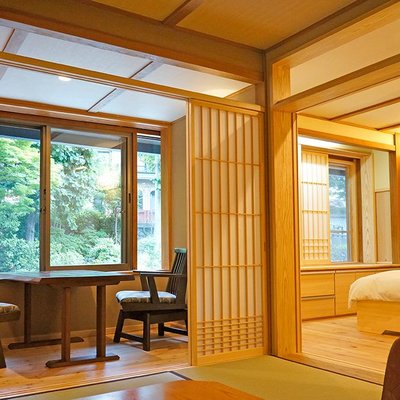
Sumiyosiya Ryokan
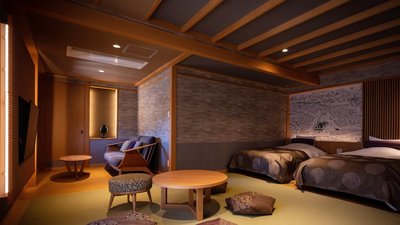
Naraya
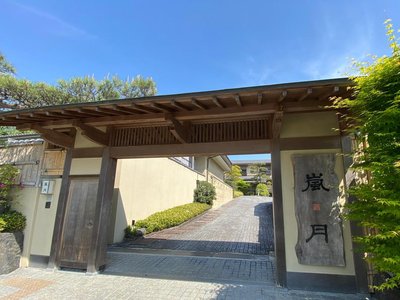
Rangetsu
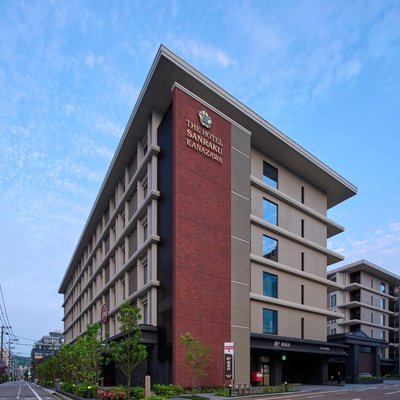
The Hotel Sanraku Kanazawa 21th December 2022 Open
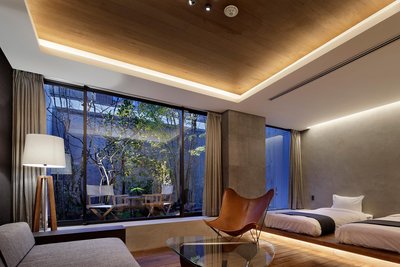
22 PIECES

The Thousand Kyoto
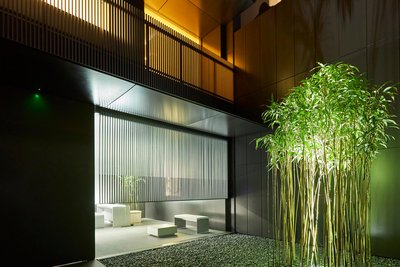
Mogana
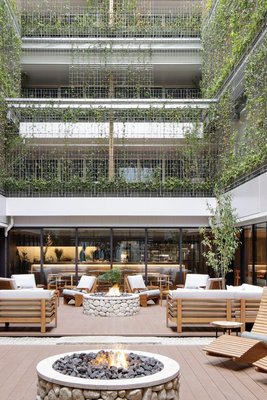
GOOD NATURE HOTEL KYOTO
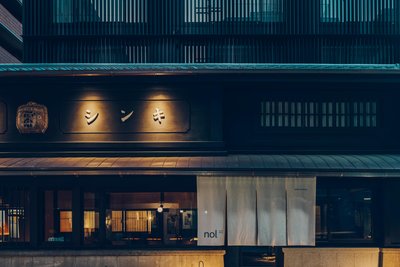
Nol Kyoto Sanjo
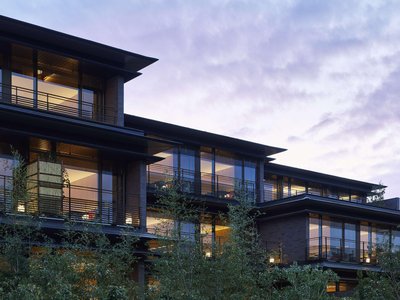
Garrya Nijo Castle Kyoto
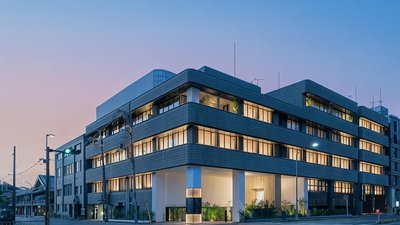
Hotel Kanra Kyoto
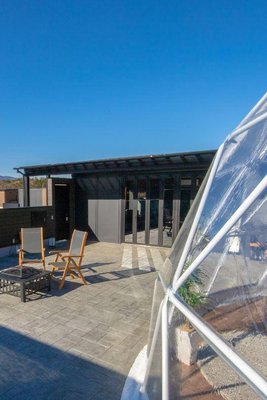
Panoramic Mt. Fuji Views from All Rooms – Vision Glamping Resort & Spa Yamanakako
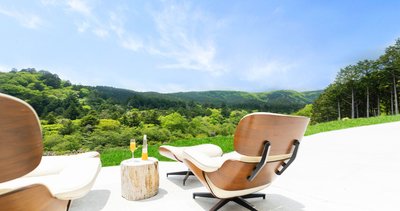
Shelter Garden Nikko
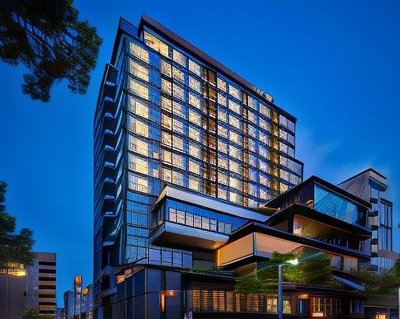
TIAD, AUTOGRAPH COLLECTION
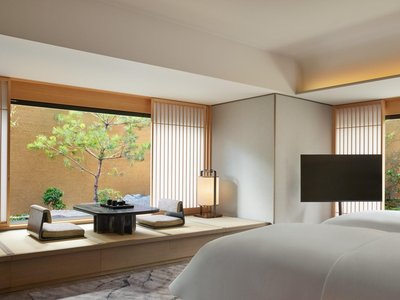
Dusit Thani Kyoto
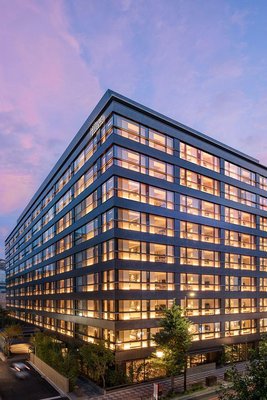
Hilton Kyoto
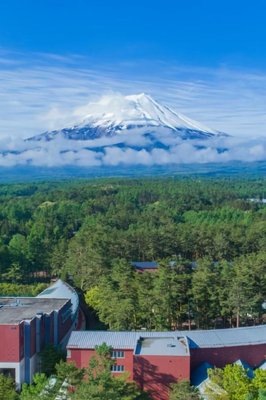
Forest Village (Fuji Premium Resort)
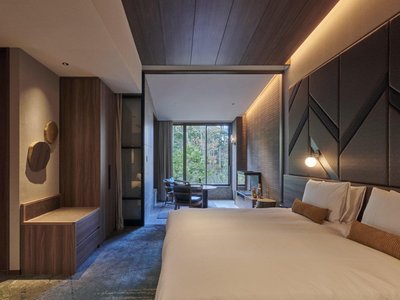
Fufu Kyu-Karuizawa Restful Forest
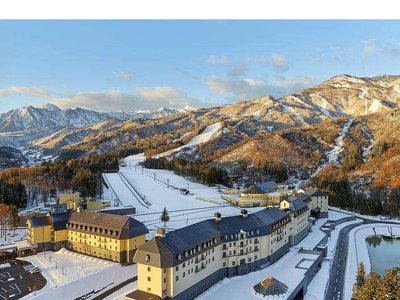
Lotte Arai Resort
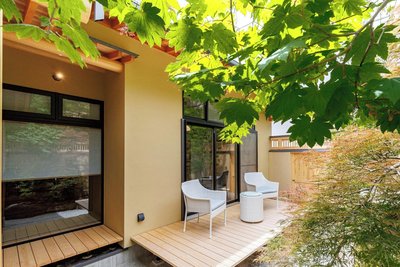
Shoraiso
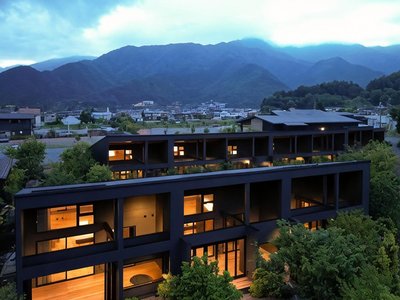
7C Villa and Winery
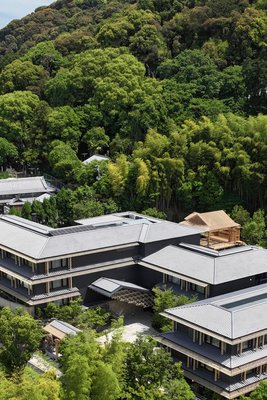
Banyan Tree Higashiyama Kyoto
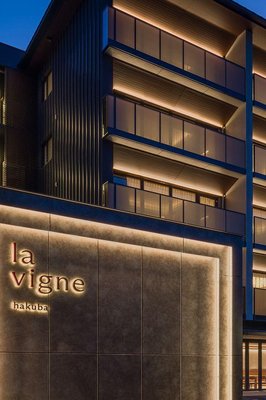
Hotel la Vigne Hakuba by Onko Chishin
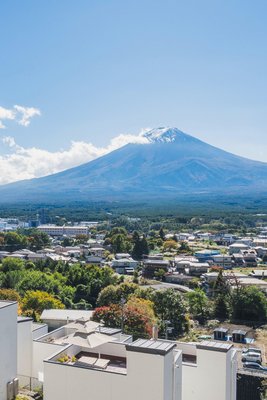
THE TOKI FujiKawaguchiko
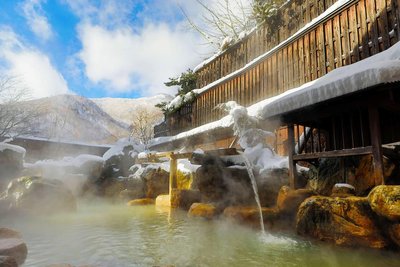
Miyamaouanbekkan yumegurinoyado hirayukan
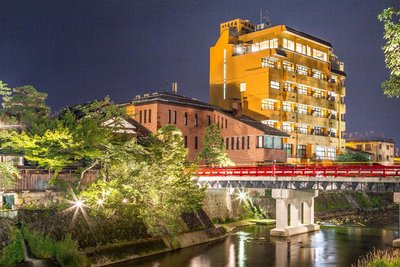
HONJIN HIRANOYA BEKKAN
The Prince Karuizawa
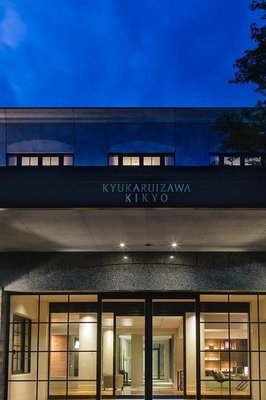
Kyukaruizawa Kikyo, Curio Collection by Hilton
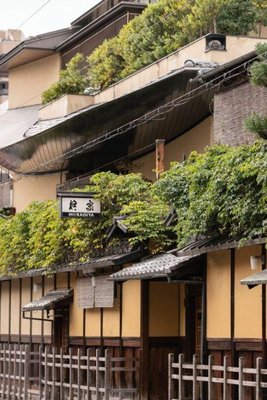
Hiiragiya Ryokan
Asaya
Kaneyamaen
The Ritz-Carlton, Kyoto
Suiran, a Luxury Collection Hotel, Kyoto
GOOD NATURE HOTEL KYOTO
Park Hyatt Kyoto
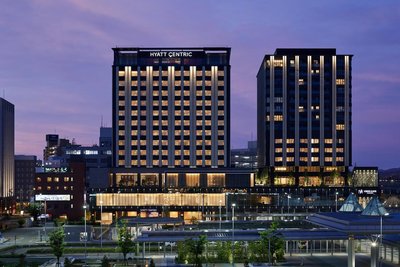
Hyatt Centric Kanazawa
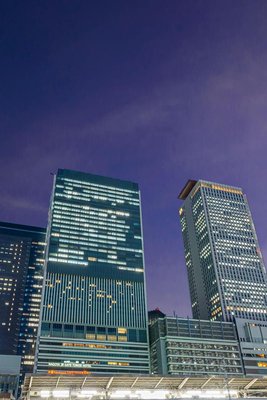
Nagoya JR Gate Tower Hotel (JR-Central Hotels)
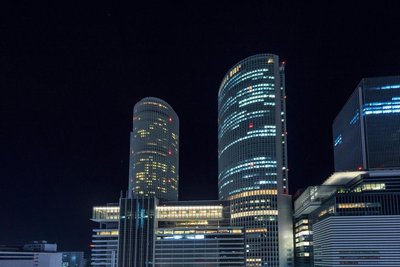
Nagoya Marriott Associa Hotel
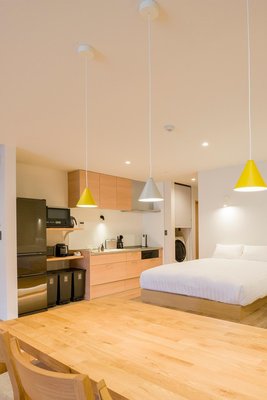
Rakuten STAY VILLA Nasu
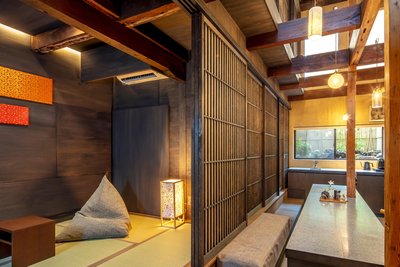
Kyo No Oozora Kihana
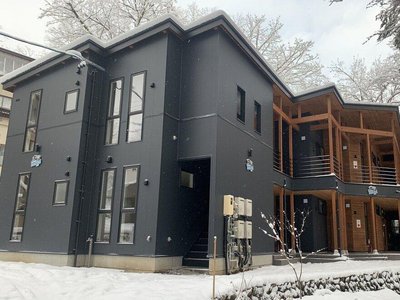
Hakuba Gondola Apartments
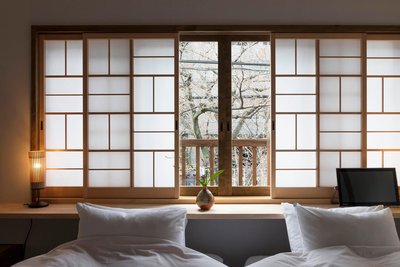
Hanagoromo Machiya House
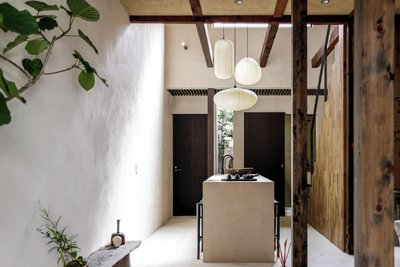
Maana Kiyomizu
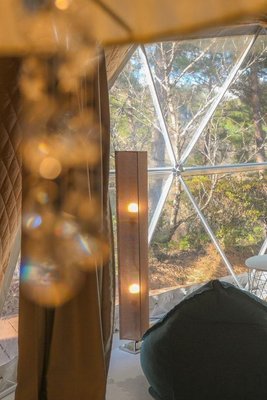
glampark Gekkabijin Nagano
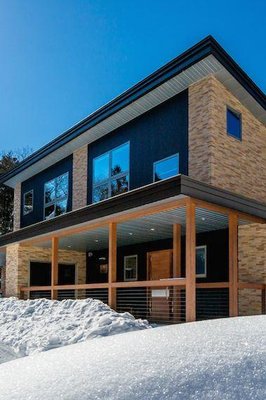
Phoenix Chalets by Hhg
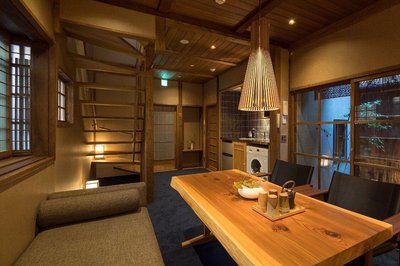
Bonbori an Machiya House
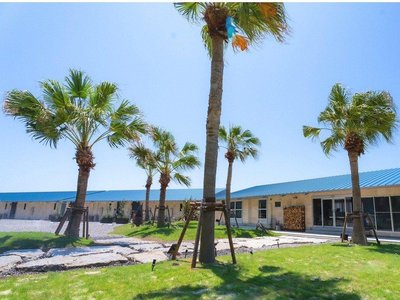
Glamping&Resort Wood Design Park Noma
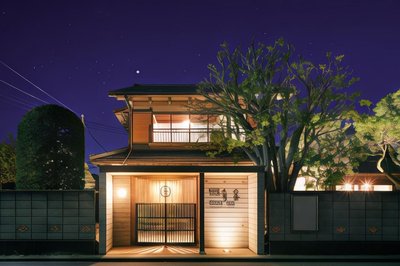
Machi-Jyu
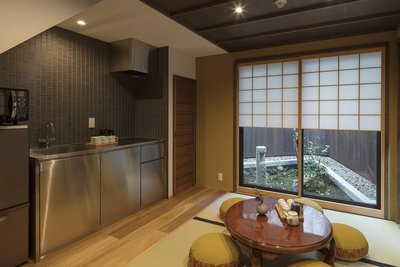
The Machiya Villa Sanjo Shirakawa Koji
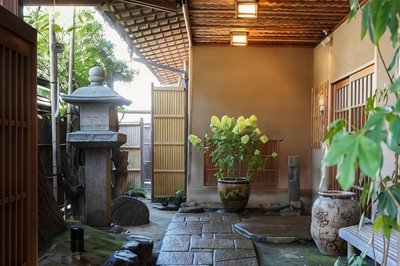
Ryokan Asadaya
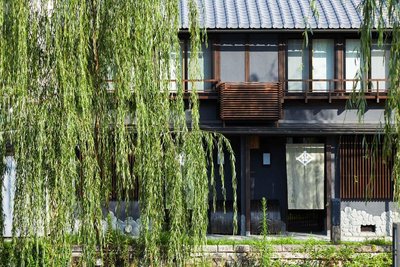
Gion Shirakawa No Yado

Kitashirakawa Natural Radium Onsen
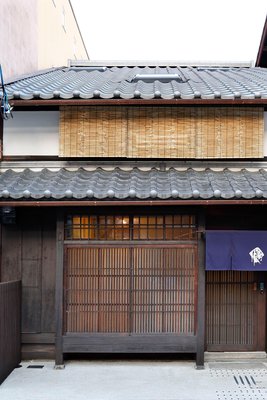
Kyo No Ondokoro Kamanza Nijo #2
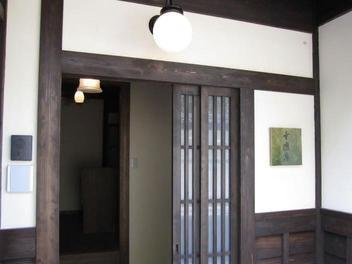
Gion Koyu an Machiya House
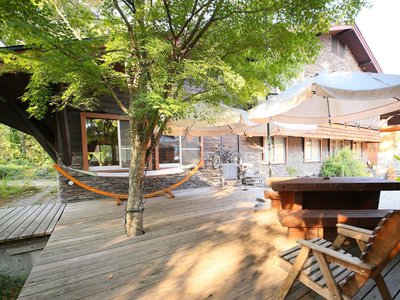
Kunugi Relaxation with 4 Modern Rooms
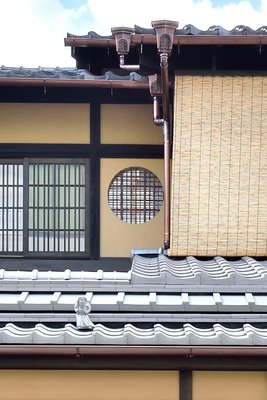
Kyo No Ondokoro Gokomachi Ebisugawa #3
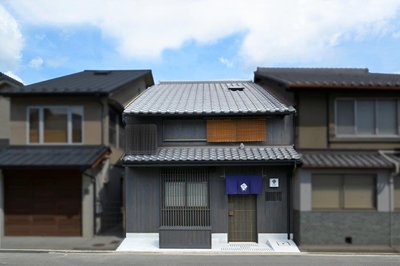
Kyo No Ondokoro Goshonishi #6
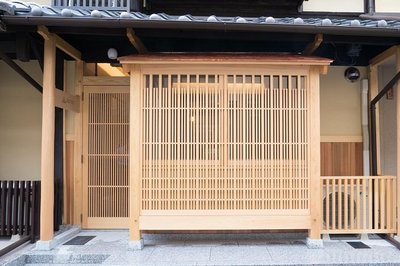
Kyomachiya Suite Rikyu
Frequently Asked Questions about Traveling to Wajima
Questions You Might Need to Know About Traveling to Wajima
In Wajima City, the most budget-friendly option is Wajima Guest House Koguma, a cozy hostel-style stay near Wajima Morning Market, offering dormitory and private rooms starting at ¥3,500/night. Another great value choice is Hotel Sunroute Plaza Wajima, located just 5 minutes from Wajima Station, with clean, modern rooms and free shuttle service. Both properties provide access to local attractions and are ideal for travelers seeking affordability without compromising convenience. Guests enjoy proximity to fresh seafood stalls, traditional craft shops, and scenic coastal walks along the Noto Peninsula.
For those interested in cultural immersion, Wajimaya Ryokan offers affordable tatami-mat rooms with shared baths and includes a complimentary breakfast of local dishes like wakame seaweed soup and Noto-style grilled fish—perfect for experiencing authentic Wajima hospitality on a budget.
The best hotel locations in Wajima City are along Kōmachi-dori Street and Wajima Port Area, both central and walkable to major attractions. Staying here puts you within 5 minutes’ walk of Wajima Morning Market, Wajima Shrine, and the Noto Peninsula Coastal Path. The area also features a high concentration of ryokans, guesthouses, and family-run inns such as Yamato-ya Ryokan and Mano Inn, which offer personalized service and access to local festivals. Additionally, these districts are well-served by public transport, with buses running frequently to nearby towns like Hōshō and Nanao. This central positioning ensures easy access to both urban amenities and natural beauty, making it ideal for travelers who want a balanced mix of culture, convenience, and tranquility.
In Wajima City, you can participate in several unique cultural experiences: handcraft your own Wajima lacquerware at a local workshop—using the traditional urushi technique passed down for centuries; explore the Wajima Morning Market early in the morning to taste fresh bonito sashimi and sea urchin rice bowls; and attend a Noh mask painting session at the Noto Art Museum Branch, where artists teach the symbolic brushwork behind classical Japanese theater masks. Don’t miss the annual Wajima Gion Festival in August, featuring elaborate floats, taiko drumming, and community processions. These experiences highlight Wajima’s status as one of Japan’s three premier lacquerware centers and showcase the deep connection between craftsmanship, nature, and communal identity in the Noto region.
Yes, several hotels in Wajima City feature hot spring (onsen) facilities. The top choice is Shichisei no Yu Onsen Villa, a boutique ryokan with indoor and outdoor baths using natural thermal water rich in minerals, known for soothing muscle fatigue. Another excellent option is Hotel Sunroute Plaza Wajima, which has a Noto-inspired bathhouse incorporating local herbs, sea salt, and wooden elements to recreate the sensory experience of the region’s coastline. Some traditional inns like Wajimaya Ryokan also offer private onsen rooms with views of the garden or harbor. These facilities not only provide relaxation but reflect the local philosophy of harmony with nature—central to Wajima’s cultural identity and daily life.
Absolutely, Wajima City offers many family-friendly hotels. Hotel Sunroute Plaza Wajima features a kids’ playroom, family-sized rooms, and free baby cots. Yamato-ya Ryokan provides spacious tatami rooms that can accommodate up to six guests and offers child-friendly meals like mini seafood rice balls and sweet red bean soup. Many hotels also organize family-oriented activities, such as morning market scavenger hunts, lacquerware crafting workshops, and guided coastal walks. The city’s low crime rate, safe streets, and pedestrian-friendly layout make it ideal for families. With easy access to beaches, museums, and seasonal festivals, parents and children alike can enjoy a stress-free, enriching trip that celebrates Noto’s heritage and community spirit.
Hotels in Wajima City deeply integrate local crafts into their architecture and interiors. Wajimaya Ryokan features walls adorned with hand-painted Wajima lacquerware panels, while its lobby showcases rotating exhibitions of traditional Noto weaving and woodcarvings. The Shichisei no Yu Onsen Villa uses local cedar wood in its ceilings and floors, and incorporates lacquer-coated furniture throughout. Even the signage and menus are crafted using traditional urushi techniques. Guests can also participate in on-site workshops to try making small lacquer boxes or bamboo baskets under expert guidance. These thoughtful details transform each stay into an immersive journey through Wajima’s artisan legacy, reinforcing the city’s reputation as a living museum of Japanese craftsmanship.
Most hotels in Wajima City are within a 10-minute walk or short bus ride from key attractions. Wajima Morning Market is just 300 meters from Wajima Guest House Koguma, and Wajima Shrine is a 5-minute stroll from Yamato-ya Ryokan. The Noto Peninsula Coastal Path begins just outside Hotel Sunroute Plaza Wajima, and Shichisei no Yu Onsen Villa is a 7-minute drive from the Noto Art Museum Branch. Public transportation is reliable, with direct buses to Hōshō, Nanao, and Kaga. This compact layout allows visitors to easily explore both urban charm and rural landscapes without long commutes, making Wajima City an ideal base for day trips and cultural exploration across the Noto Peninsula.
Nighttime stays in Wajima City are uniquely serene and atmospheric. Many ryokans, like Wajimaya Ryokan, host evening lantern tours along Kōmachi-dori Street, where paper-lit pathways cast warm glows over historic facades. Some hotels, such as Shichisei no Yu Onsen Villa, offer private rooftop onsen viewing areas with panoramic views of the moonlit harbor and distant mountains. At night, the Wajima Morning Market transforms into a cozy late-night food scene with vendors serving steaming sea urchin ramen and grilled squid skewers. A few inns even host midnight storytelling sessions with local elders sharing tales of Noto’s fishing traditions. These quiet, intimate moments allow guests to experience the deep calm and timeless rhythm of life in Wajima.
Yes, hotels in Wajima City offer immersive local cuisine experiences. Wajimaya Ryokan serves a traditional kaiseki breakfast featuring fresh morning catch, wakame miso soup, and Noto-style pickled vegetables. Yamato-ya Ryokan hosts cooking classes where guests learn to prepare sea urchin donburi and lacquered fish tempura using ingredients sourced directly from the morning market. Hotel Sunroute Plaza Wajima provides “Taste of Noto” meal kits with recipes and ingredient guides for self-catering. Some hotels also partner with local farmers and fishermen to offer seasonal tasting menus—like spring cherry shrimp or autumn matsutake mushroom stew. These culinary experiences go beyond dining—they connect guests to Wajima’s sustainable food culture and the rhythms of the sea and land.
Hotels in Wajima City prioritize earthquake safety due to the region’s high seismic activity. Most buildings use base-isolation technology and reinforced concrete frames designed to withstand strong tremors. Facilities like Hotel Sunroute Plaza Wajima and Shichisei no Yu Onsen Villa feature emergency kits, evacuation maps, and regular disaster drills. All staff are trained in first-response procedures, and hotels maintain clear communication channels with local authorities. Some ryokans even have underground shelters accessible during emergencies. These measures reflect Wajima’s long-standing resilience and commitment to protecting guests—a hallmark of the community’s enduring spirit in the face of natural challenges.
Wajima Overview
City Summary
Wajima City in Ishikawa Prefecture's Noto Peninsula is globally renowned for 650-year-old Wajima-nuri lacquerware. This port town preserves Japan's three great morning markets at Wajima Asaichi, along with UNESCO-designated Ama diver culture and satoyama terraced rice fields. The dramatic Sea of Japan coastline and traditional craftsmanship define its cultural landscape.
Must-See Attractions
Wajima Morning Market offers fresh seafood and handicrafts since the Edo period. Wajima Lacquer Art Museum demonstrates gold-leaf techniques with hands-on workshops. Senmaida Rice Terraces shine like mirrors in planting season, while Sosogi Coast's wave-sculpted cliffs and Koiji Beach's heart-shaped rock formations showcase coastal beauty. Don't miss sunset at Kiriko Lantern Festival sites.
Food Guide
Feast on Noto-don rice bowls with seasonal seafood at the market. Wajima curry uses local koji-fermented seasoning for depth. Premium Noto-gyu beef and nodoguro fish grill perfectly. Street snacks include fried fish cakes and sweet bean mochi. Traditional restaurants serve meals on museum-grade lacquerware - note that some require advance reservations.
Transportation Guide
Take Noto Railway from Kanazawa (2.5hrs) or Nanao-connected buses. The city loop bus (¥1,000/day pass) covers major sites, but walking between attractions takes 20-30mins. Taxis start at ¥620; renting a car is ideal for exploring coastal routes. Some mountain roads close December-March due to snow. Limited English signage outside tourist hubs.
Best Time to Visit
May-June for mirrored rice terraces, September-October for golden harvest views. Summer offers extended market hours and festivals. Winter brings serene snowscapes but reduced services. Avoid Golden Week and Obon holiday crowds.
Travel Tips
- Morning market vendors prefer cash payments
- Avoid touching unfinished lacquerware
- Ask permission before photographing Ama divers
- Coastal winds require layered clothing
- Download offline maps for spotty rural signals
- Most ryokans enforce 5pm check-in deadlines
- Practice strict trash carry-out policy
- Check tide tables before reef exploration
Useful Information
Language: Basic English at tourist sites; translation apps helpful. Internet: Free WiFi at stations/lodgings; rural coverage weak. Payment: Cards accepted at major businesses; cash essential for traditional shops. Emergencies: Wajima City Hospital (+81-768-22-3111) handles 24/7 emergencies; international clinics in Kanazawa. Outlets: Type A plugs (100V). Water: Tap water safe; public restrooms cost ¥100-200.