Hotels in Wake
Discover your perfect stay in Wake.
Wake(Japan) Travel 2026: Cheap Flights, Hotels & Top Attractions
Popular Landmarks in Wake
Discover the most iconic attractions in Wake
Recommended Hotels in Wake
Find the perfect place to stay in Wake
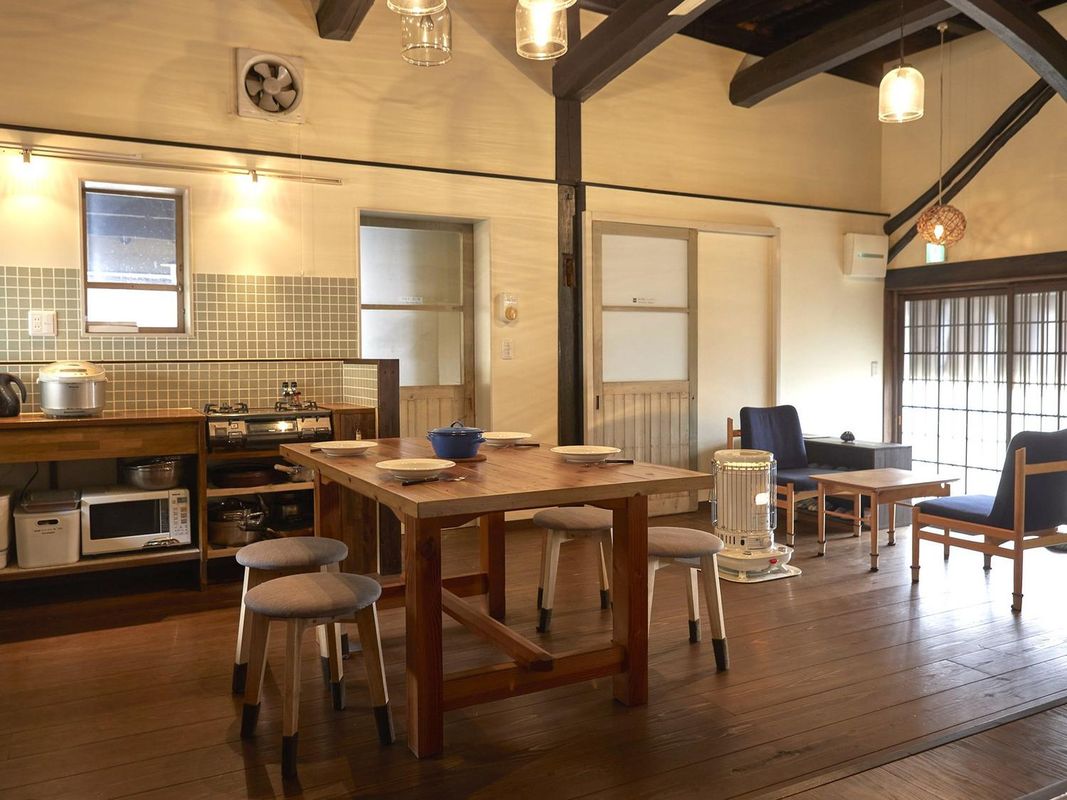
Igocochi
Best Hotels in Wake
Discover curated hotel collections in Wake
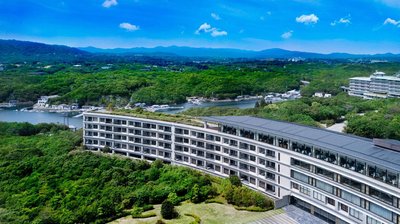
Shima Kanko Hotel the Bay Suites
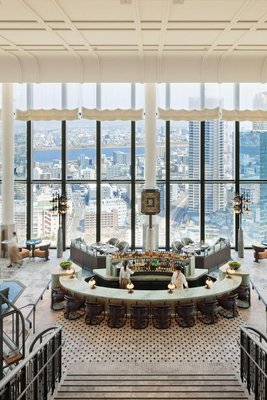
Waldorf Astoria Osaka
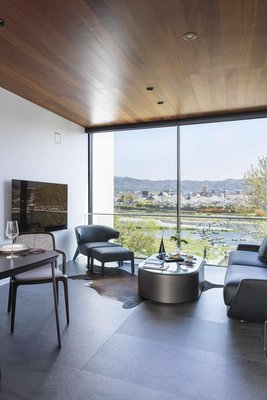
Kamo Residences by Reflections
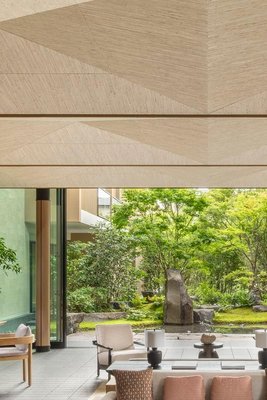
Six Senses Kyoto
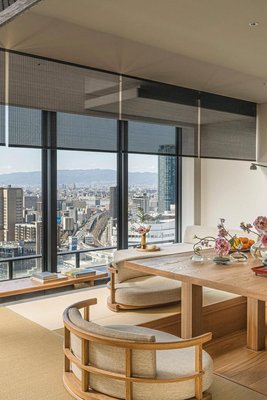
Four Seasons Hotel Osaka

Patina Osaka

The Ritz-Carlton, Osaka
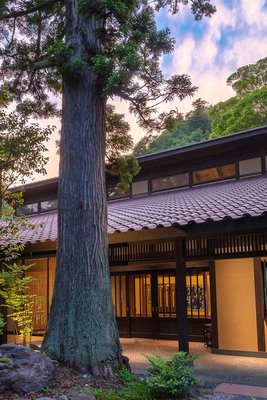
Arimasansoh Goshobessho

The Hiramatsu Hotels & Resorts Kashikojima
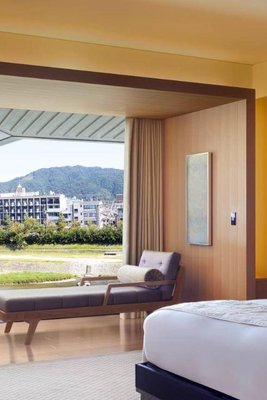
The Ritz-Carlton, Kyoto
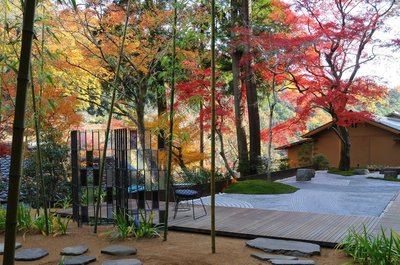
HOSHINOYA Kyoto
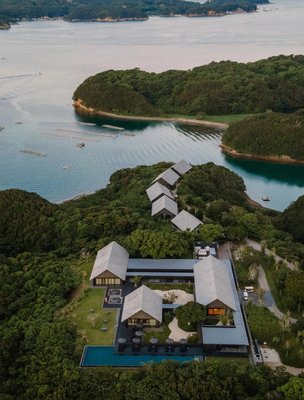
Amanemu
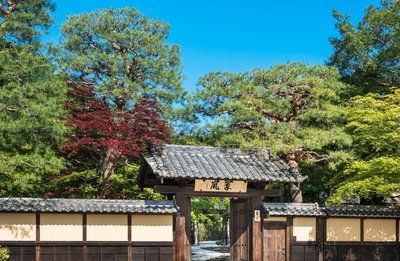
Suiran, a Luxury Collection Hotel, Kyoto
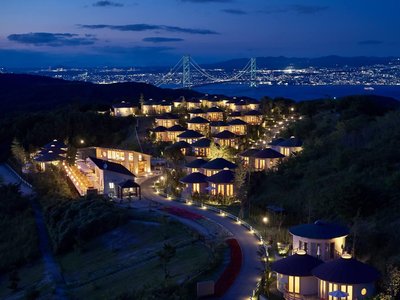
Grand Chariot Hokutoshichisei 135°
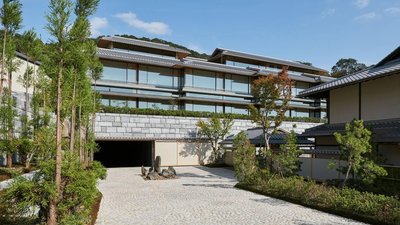
Park Hyatt Kyoto

SETOUCHI RETREAT by Onko Chishin
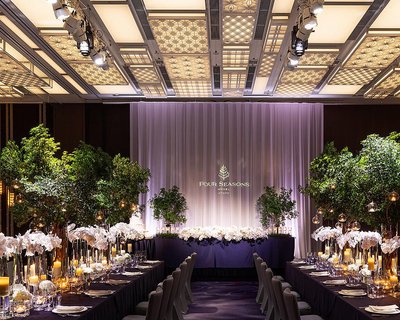
Four Seasons Hotel Kyoto

The Hotel Seiryu Kyoto Kiyomizu - a Member of the Leading Hotels of the World-
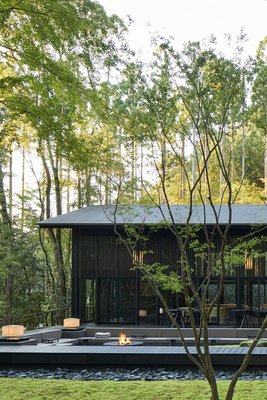
Aman Kyoto
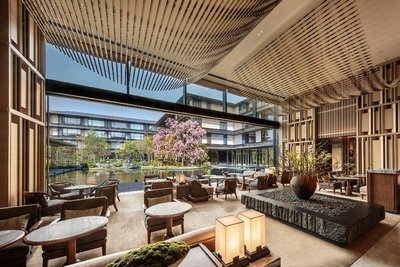
Hotel the Mitsui Kyoto, a Luxury Collection Hotel & Spa
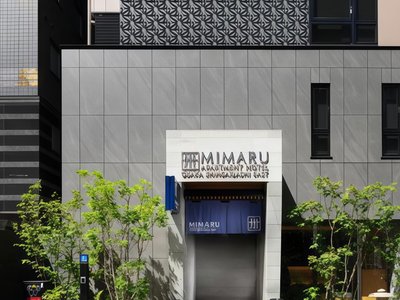
MIMARU Osaka Shinsaibashi East

Toba International Hotel Shiojitei
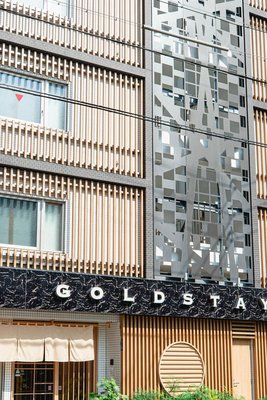
Gold Stay Nagoya OSU
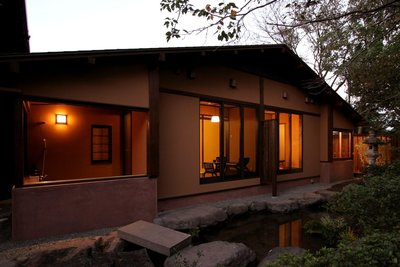
SEKIYA RESORT Bettei Haruki
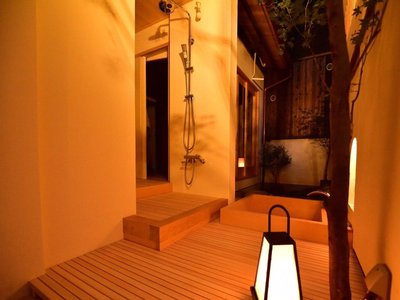
Yado Kiramachi
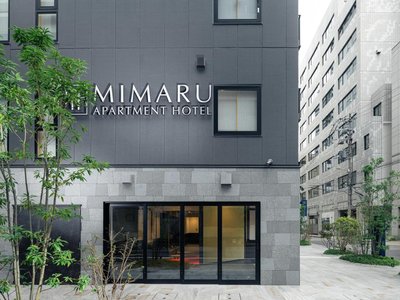
MIMARU Osaka Shinsaibashi North
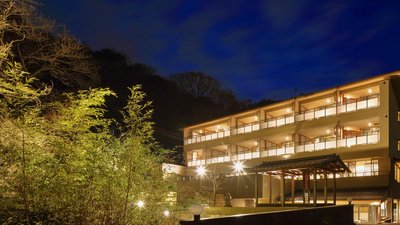
Okuno Hosomichi
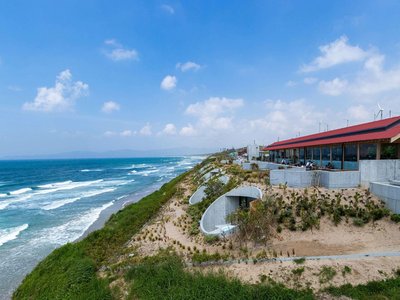
Izumo Hotel the Cliff

Korinkyo

GOLD STAY Nagoya Sakae
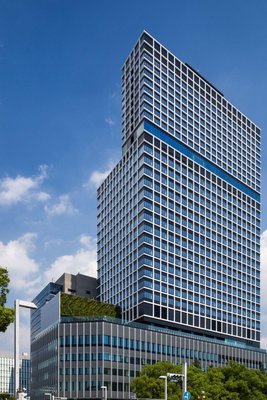
The Royal Park Hotel Iconic Nagoya
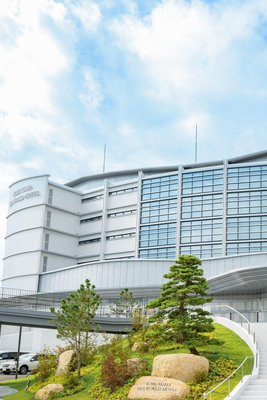
Kobe Suma Sea World Hotel
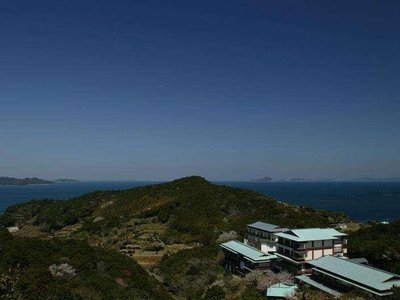
Hanashinsui
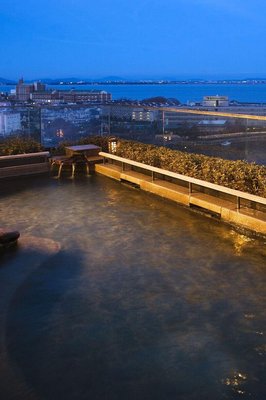
Yumotokan
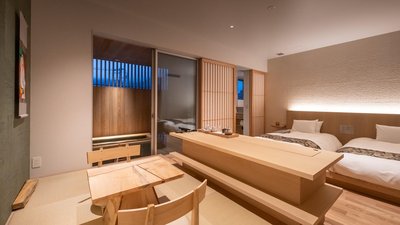
Japanese Auberge Kararako

Hotel Hankyu GRAN RESPIRE OSAKA
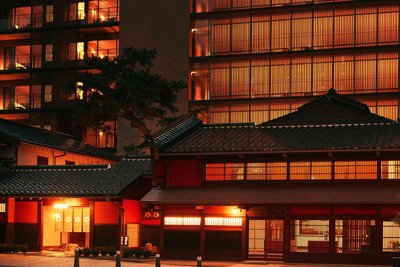
Hoshino Resorts Kai Kaga
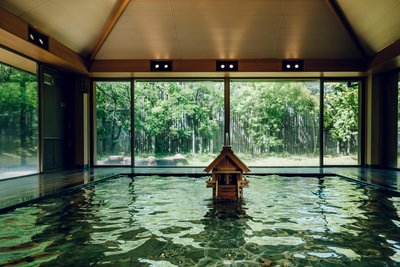
Hoshino Resorts KAI Tamatsukuri

Taikyourou
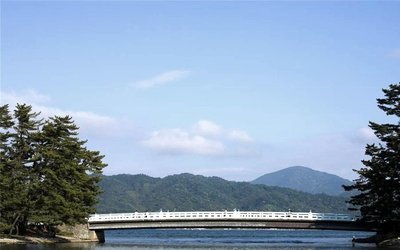
Monjusou Shourotei

XYZ Private Spa and Seaside Resort
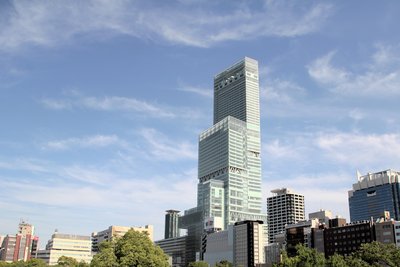
Osaka Marriott Miyako Hotel
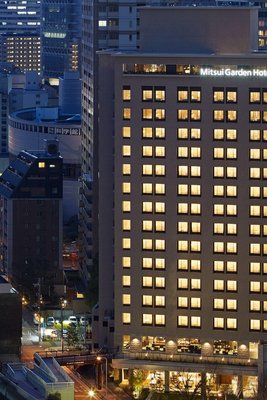
Mitsui Garden Hotel Osaka Premier

Izumigo Hotel Altia Toba
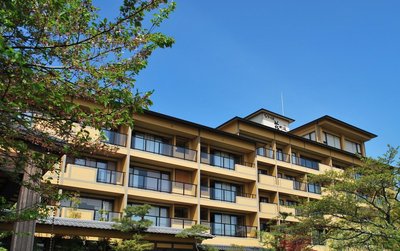
BIWAKO HANAKAIDO
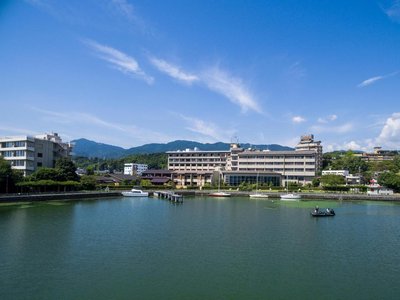
Biwako Ryokusuitei
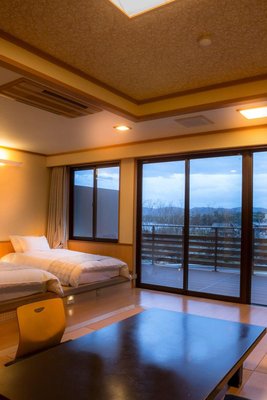
Hotel Kitanoya
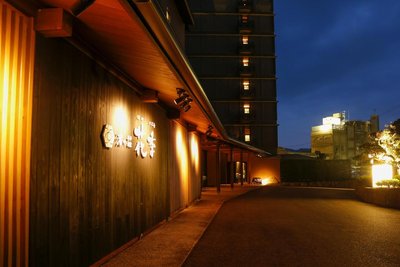
Hanagoyomi
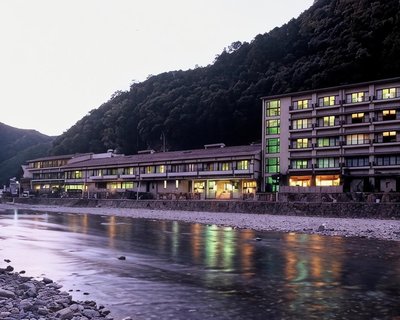
Kawayu Onsen Fujiya

Hotel La Suite Kobe Harborland

AoAwo Naruto Resort
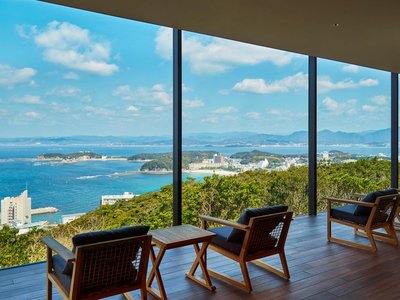
Infinito Hotel and Spa
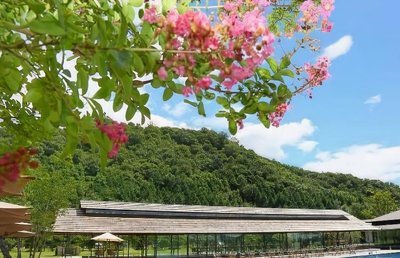
Bella Vista Spa and Marina Onomichi
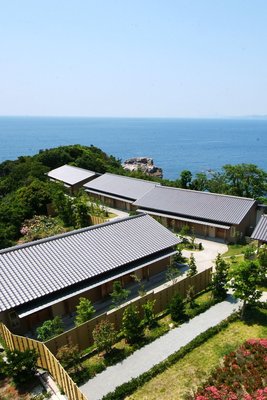
Hamachidorinoyu Kaisyu

Kaike Shogetsu
The Ritz-Carlton, Kyoto
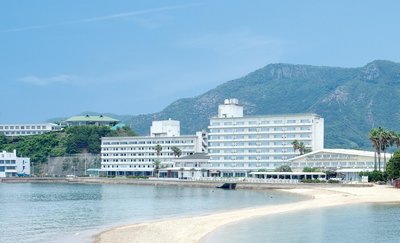
Shodoshima International Hotel
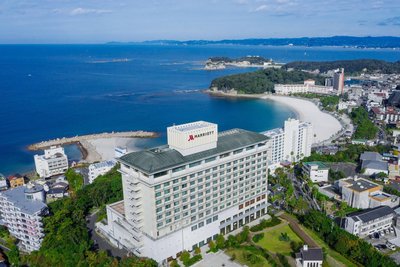
Nanki-Shirahama Marriott Hotel
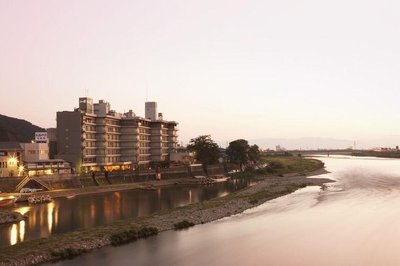
Juhachiro

Toba International Hotel
Yado Kiramachi
Arimasansoh Goshobessho
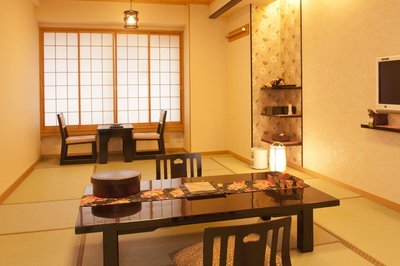
Matsui-Bekkan Hanakanzashi
Hoshino Resorts KAI Tamatsukuri
Taikyourou
Monjusou Shourotei
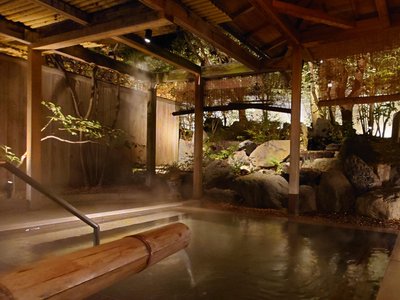
Kasuga Hotel
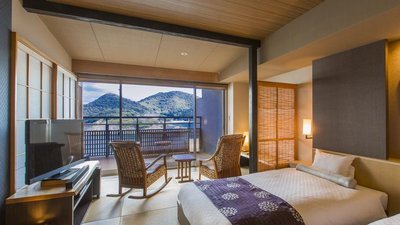
Migiwatei Ochi Kochi
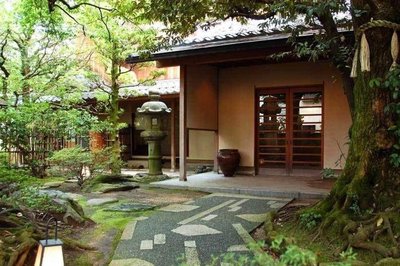
Kocho

Hotel New Wakasa
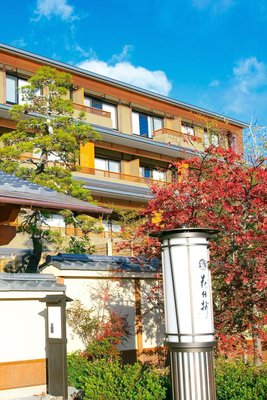
Kyoto Arashiyama Onsen Kadensho (Kyoritsu Resort)
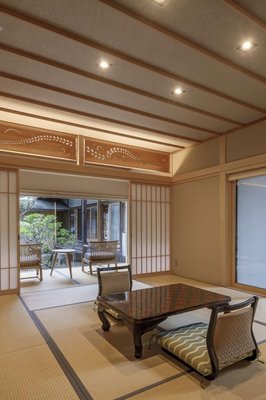
Ichijoin
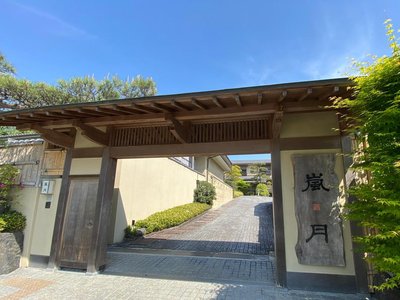
Rangetsu
The Ritz-Carlton, Kyoto
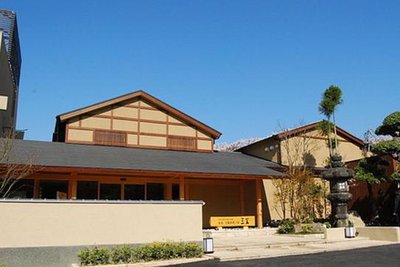
Mikasa
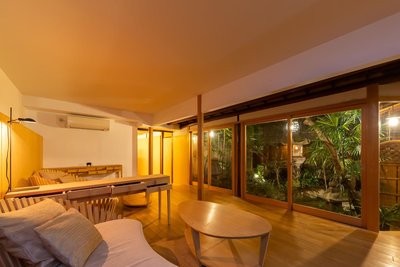
Izuyasu Traditional Kyoto Inn Serving Kyoto Cuisine
HOSHINOYA Kyoto
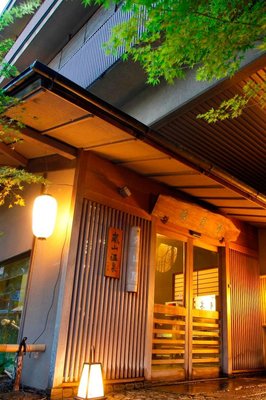
Togetsutei
Juhachiro
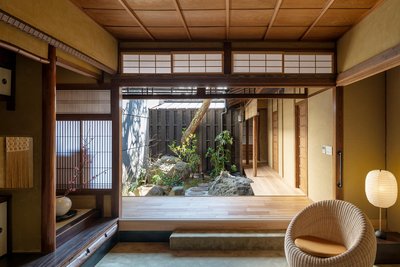
Nazuna Kyoto Gosho

22 PIECES
The Ritz-Carlton, Osaka

The Thousand Kyoto
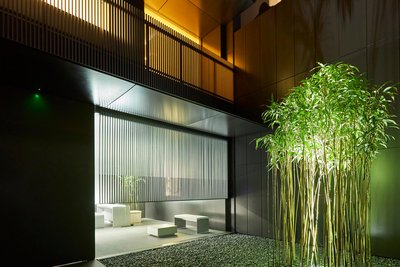
Mogana
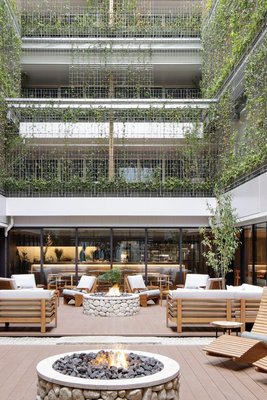
GOOD NATURE HOTEL KYOTO
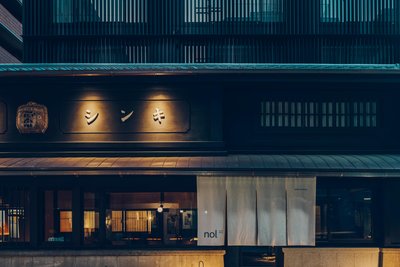
Nol Kyoto Sanjo

Zentis Osaka

Garrya Nijo Castle Kyoto

W Osaka

Hotel Kanra Kyoto

Aloft Osaka Dojima
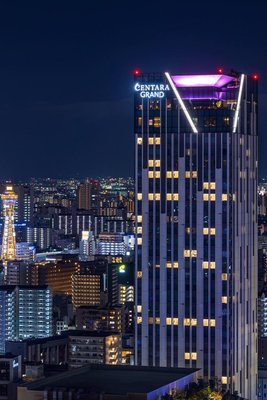
Centara Grand Hotel Osaka
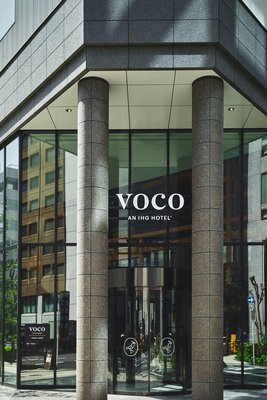
voco Osaka Central

TIAD, AUTOGRAPH COLLECTION

Dusit Thani Kyoto
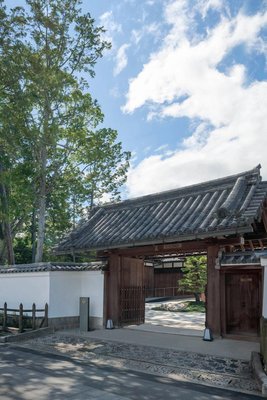
Shisui, a Luxury Collection Hotel, Nara

Hilton Kyoto
Osaka Marriott Miyako Hotel
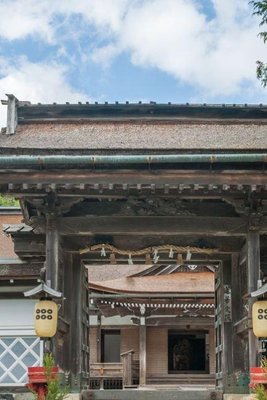
Koyasan Rengejoin
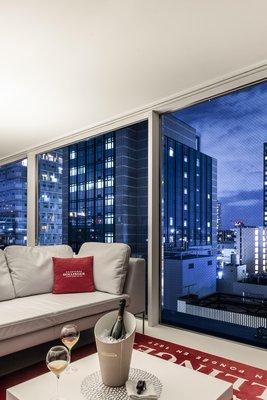
CUVÉE J2 HOTEL OSAKA by Onko Chishin
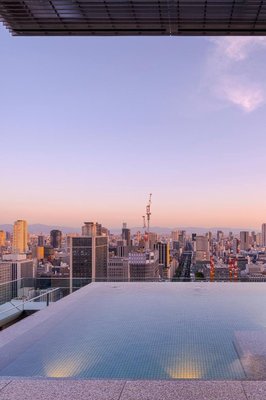
Candeo Hotels Osaka The Tower
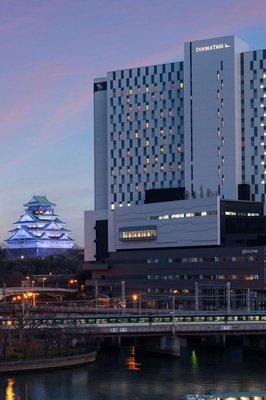
DoubleTree by Hilton Osaka Castle
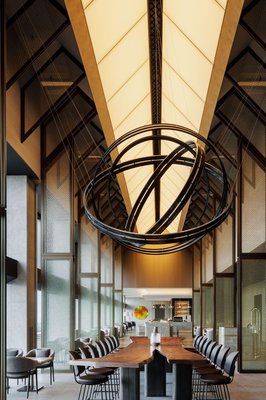
The Osaka Station Hotel, Autograph Collection
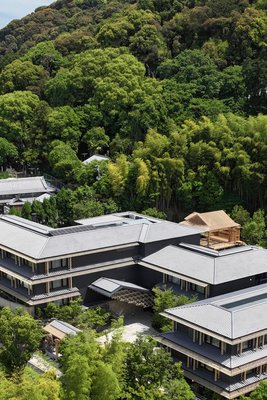
Banyan Tree Higashiyama Kyoto

Canopy by Hilton Osaka Umeda
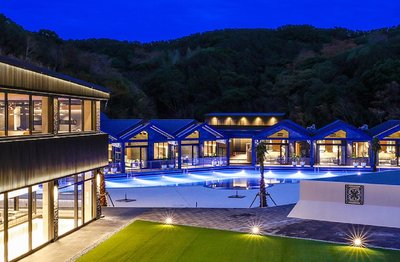
FIVE SPRING RESORT THE SHIRAHAMA
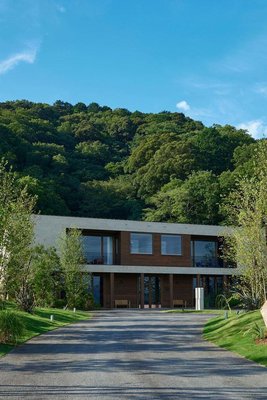
HACIENDA VISON
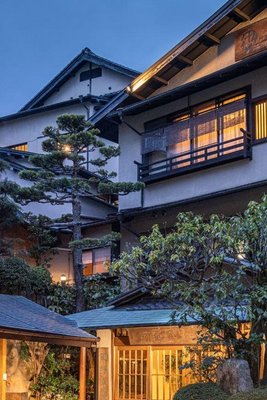
Arima Onsen Tocen Goshobo
Hotel La Suite Kobe Harborland

Hilton Osaka Hotel
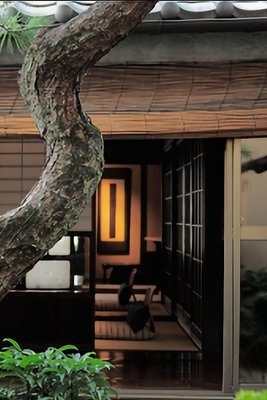
Shimayado Mari
Osaka Marriott Miyako Hotel
The Ritz-Carlton, Osaka
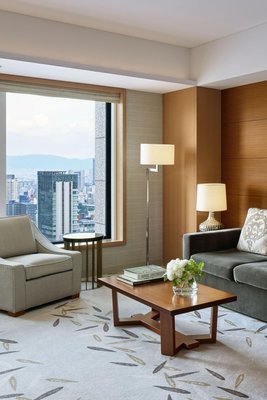
InterContinental Hotel Osaka
The Ritz-Carlton, Kyoto
Suiran, a Luxury Collection Hotel, Kyoto
GOOD NATURE HOTEL KYOTO
Park Hyatt Kyoto
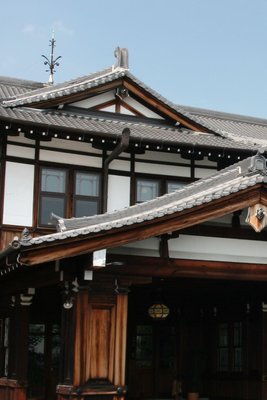
Nara Hotel
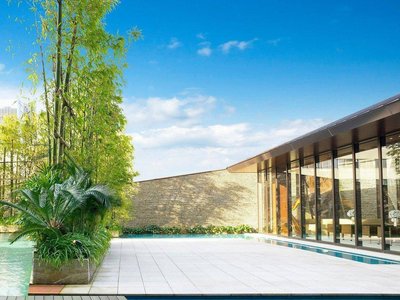
ORIENTAL HOTEL
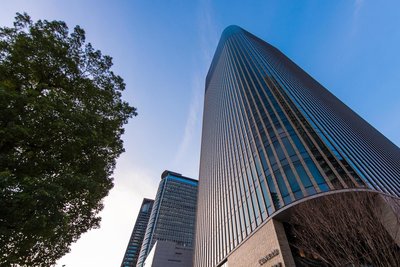
Conrad Osaka

Nagoya JR Gate Tower Hotel (JR-Central Hotels)
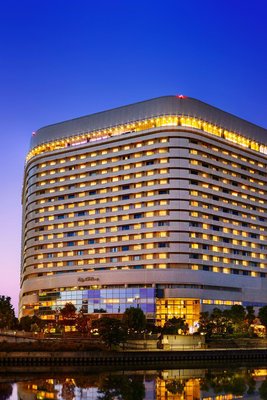
Hotel New Otani Osaka
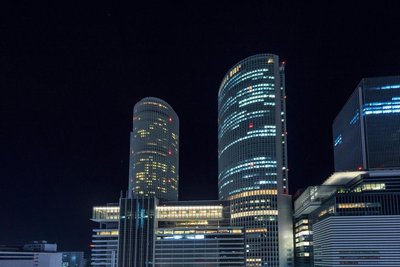
Nagoya Marriott Associa Hotel

Swissotel Nankai Osaka
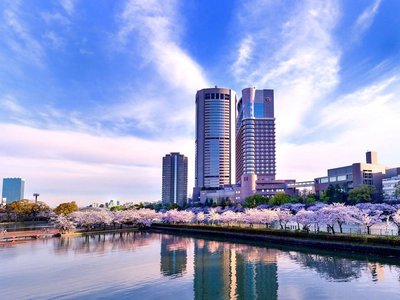
Imperial Hotel Osaka
The St. Regis Osaka
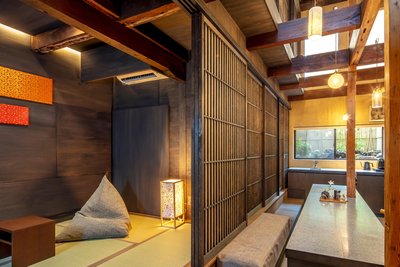
Kyo No Oozora Kihana
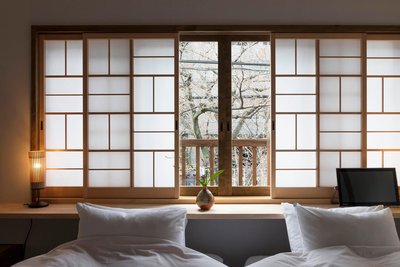
Hanagoromo Machiya House
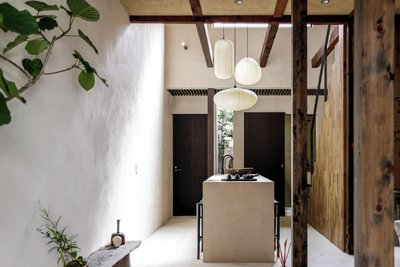
Maana Kiyomizu
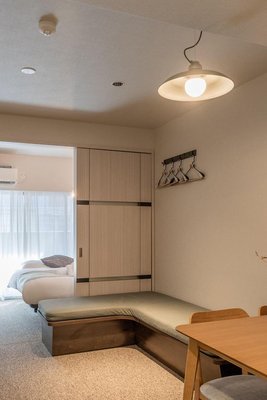
Apartment Hotel 11 Shinsaibashi
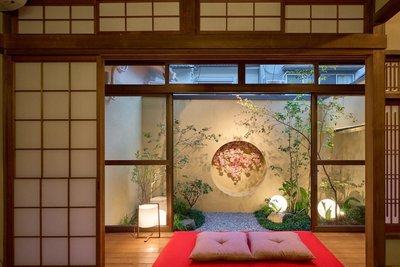
KONJAKUSO Osaka Tengachaya "NIHONCHA" Tea & Relax
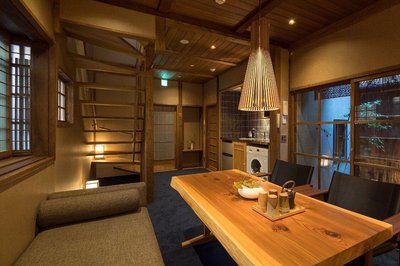
Bonbori an Machiya House
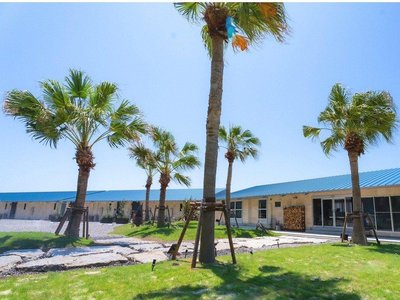
Glamping&Resort Wood Design Park Noma
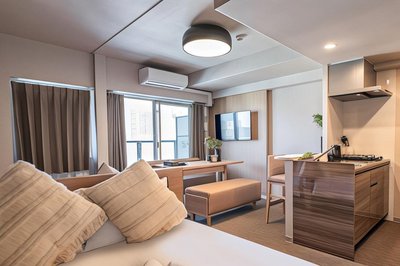
Apartment Hotel 11 Shinsaibashi III
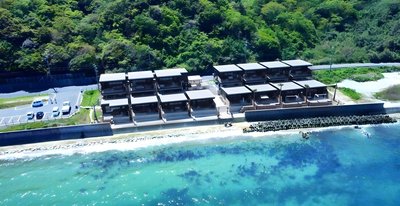
Solavilla Umi Terrace Minamiawaji
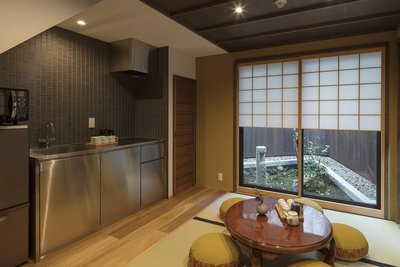
The Machiya Villa Sanjo Shirakawa Koji
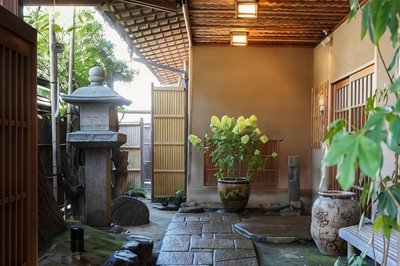
Ryokan Asadaya
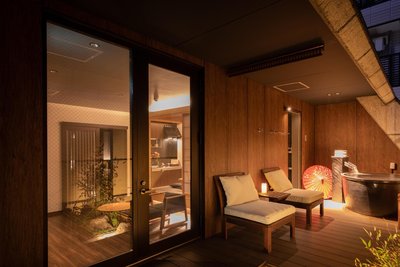
Konjaku-So Dotonbori
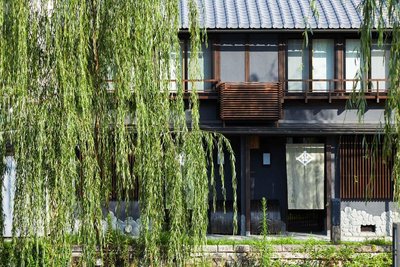
Gion Shirakawa No Yado

Kitashirakawa Natural Radium Onsen
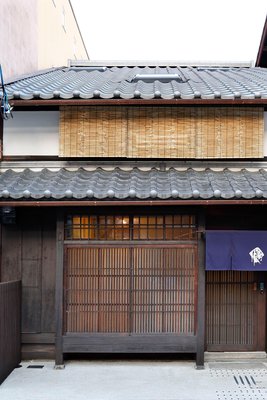
Kyo No Ondokoro Kamanza Nijo #2
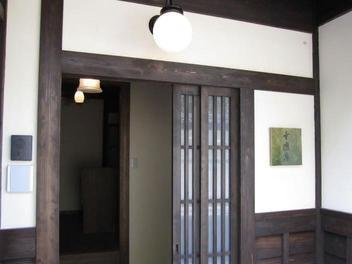
Gion Koyu an Machiya House
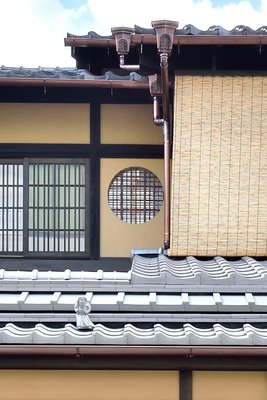
Kyo No Ondokoro Gokomachi Ebisugawa #3
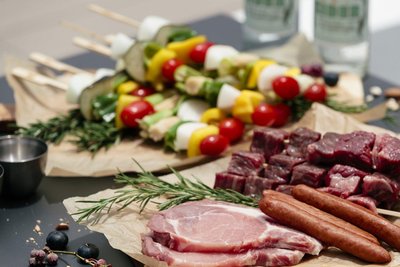
Sana Mane - Glamp Domes
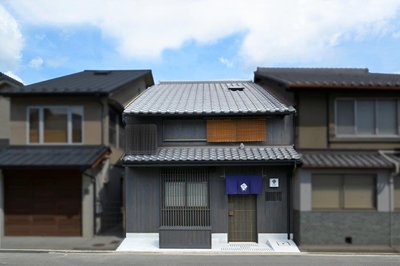
Kyo No Ondokoro Goshonishi #6
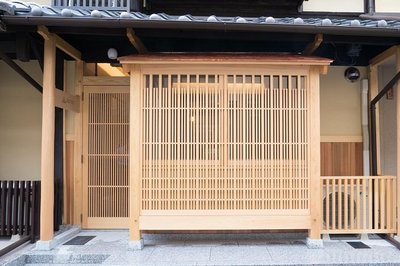
Kyomachiya Suite Rikyu

Hotel Barrière Fouquet's New York

The Plaza - A Fairmont Managed Hotel
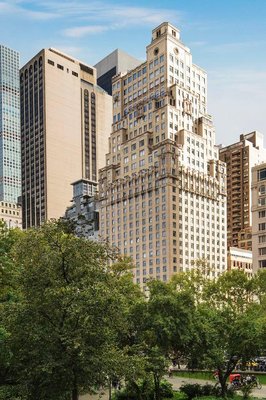
The Ritz-Carlton New York, Central Park

Four Seasons Hotel New York

The St. Regis New York

Park Hyatt New York
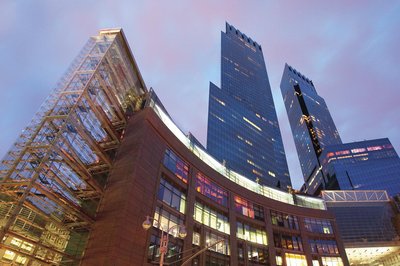
Mandarin Oriental New York

Times Square Edition New York

Loews Regency New York Hotel

Lowell Hotel

New York Edition

Baccarat Hotel New York

Equinox Hotel New York

Four Seasons Hotel New York Downtown

The Langham, New York, Fifth Avenue

The Carlyle, A Rosewood Hotel

The Chatwal, in the Unbound Collection by Hyatt

The Mark New York
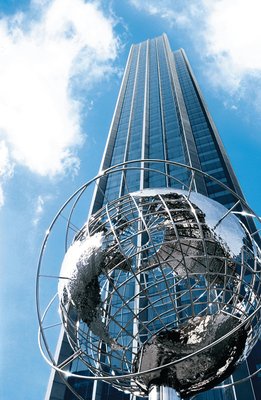
Trump International Hotel & Tower® New York
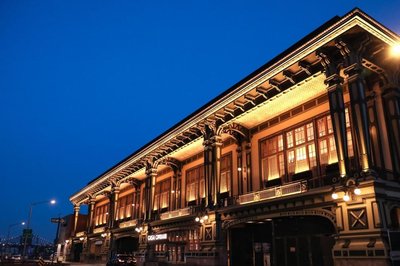
Casa Cipriani New York
Frequently Asked Questions about Traveling to Wake
Questions You Might Need to Know About Traveling to Wake
In Kagamiya Town, the top choice for a serene rural escape is Sakura-cho Inn (Kagamiya Mura Sakura-cho), a boutique ryokan housed in a restored 100-year-old timber farmhouse along the Kagami River. Each room reflects the four seasons theme with handcrafted tatami mats, shoji screens, and views of cherry blossoms or tea fields. Guests enjoy daily tea ceremony sessions and access to private riverfront gardens.
For modern comfort with local charm, Kagamiya Tourist Hotel offers a rooftop onsen overlooking the valley, just a 5-minute walk from Kagami Market. Its eco-friendly design uses reclaimed wood and solar energy, aligning with the town’s commitment to sustainable living. Both properties emphasize authentic community engagement, hosting guests in traditional meals made from locally grown rice, fish, and tea—perfect for travelers seeking deep cultural immersion away from urban noise.
The Kagami Riverbank District is the most ideal area for staying in Kagamiya Town, blending natural beauty with cultural authenticity. This quiet zone features heritage-style inns like Sakura-cho Inn and Kawabata Lodge, all built from old farmhouses with wooden beams and paper doors.
Guests enjoy direct access to the Kagami River, where they can participate in summer night lantern cruises or winter snow lantern festivals. The area is also steps from Ono Shrine, host of the annual autumn festival featuring traditional taiko drumming and Kagamiya Dance performances.
With no commercial overdevelopment, this district preserves the essence of rural Japan: morning bird songs, afternoon tea harvesting, and evening strolls under paper lanterns. It’s perfect for those who want to live like locals—eating home-cooked meals, joining seasonal rituals, and experiencing life at a gentle pace.
Kagamiya Town offers authentic, hands-on cultural experiences deeply rooted in local tradition:
-
Bamboo Basket Weaving Workshop: Learn traditional basket-making from master artisans at the Local Craft Hall, using sustainably harvested bamboo from nearby forests.
-
Tea Harvest & Roasting Experience: During spring (April–May), visit Ichiri no Mori Tea Fields to pick fresh leaves and roast them yourself, then savor freshly brewed Kagamiya Gyokuro tea.
-
Ono Shrine Autumn Festival: Held every October, this event features sacred drum performances, ceremonial dances (Kagamiya Dance), and blessings with engraved talismans.
-
Nighttime River Cruising: In summer, glide silently down the Kagami River on a bamboo raft lit by paper lanterns, accompanied by ambient folk music—a poetic journey through time.
These activities are organized by residents, emphasizing intergenerational heritage and harmony with nature. Visitors don’t just observe—they become part of the community’s rhythm, creating lasting memories.
Kagamiya Town’s cuisine celebrates fresh, seasonal ingredients from its fertile land and rivers. Must-try dishes include:
-
Kagami River Carp Rice Bowl: A regional specialty featuring grilled carp caught in the river, served over steamed rice with pickled cucumber and house-made sauce.
-
Tea-Scented Rice: Cooked with leaves from Ichiri no Mori Tea Fields, this fragrant rice is often paired with seaweed and umeboshi plum, embodying the philosophy of "tea and rice as one".
-
Kagamiya Sake: Locally brewed low-alcohol sake made from pure spring water and indigenous rice, smooth and slightly sweet—ideal with grilled fish or snacks.
-
Bamboo Tube Rice: Rice and vegetables cooked inside bamboo tubes, absorbing a delicate smoky aroma, traditionally served during festivals.
These dishes are available at Kagami Market stalls, local restaurants, or via home-hosted cooking workshops where visitors can learn to prepare them alongside families—offering an intimate taste of local hospitality.
A 2-to-3-day itinerary is ideal for a meaningful visit to Kagamiya Town, allowing full immersion in its tranquil rhythms.
Day 1: Arrive at Sakura-cho Inn, explore Ono Shrine and Kagami Market, then join the evening lantern walk along the river.
Day 2: Participate in a tea harvest and roasting session in the morning, enjoy a homemade meal at the inn, then attend a bamboo weaving workshop in the afternoon. Sunset at Kagami Bridge is a must.
Day 3: Begin with a morning meditation session led by a local monk, followed by a silent bamboo raft cruise on the river. Conclude with souvenir shopping at the market before departure.
This balanced schedule avoids rush, prioritizes connection with nature and people, and allows time to absorb the town’s quiet magic—perfect for travelers seeking mental clarity and soulful renewal.
Reaching Kagamiya Town is straightforward despite its rural setting:
-
Train: The nearest station is Okayama Station, accessible via JR West Rapid Thunderbird Express (45 minutes). From there, take the Kagamiya Town Bus Line (4–5 daily runs,
30 min) or a taxi (¥3,000). -
Bus: Okayama City Bus Co. operates the Kagamiya Line, departing from South Exit Bus Terminal at Okayama Station. Fares start at ¥800; tickets can be purchased onboard.
-
Car Rental: Drive via National Route 2, taking about 40 minutes from Okayama City. Free parking is available at Kagamiya Town Hall Square and most inns.
-
Airport Shuttle: While no direct airport link exists, rental cars from Okayama Airport (OKJ) are available for ¥6,000–8,000 round-trip.
Many inns, such as Sakura-cho Inn, offer free shuttle service upon reservation—ideal for luggage-heavy travelers. Consider purchasing a JR Pass or Okayama Regional Tourism Ticket to save on transport costs.
Kagamiya Town hosts vibrant seasonal events that celebrate nature and tradition:
-
Spring: Kagamiya Cherry Blossom Festival (late March–early April) lights up the Kagami River with night lanterns and features craft markets and tea ceremonies.
-
Summer: Kagami River Night Lantern Cruise (mid-July) sees paper-lit bamboo rafts drifting peacefully under starlight, accompanied by traditional music.
-
Autumn: Ono Shrine Autumn Festival (early October) includes taiko drumming, ritual dances, and blessing ceremonies with handmade talismans.
-
Winter: Kagamiya Snow Lantern Festival (late December) transforms the Kagami Bridge area into a glowing wonderland with ice sculptures and warm tea tents.
All events are community-led, emphasizing cultural continuity and environmental respect. Advance HopeGoo is recommended—especially for accommodations during peak festivals. Check the official tourism site or contact your inn for schedules.
Kagamiya Town boasts pristine natural landscapes shaped by centuries of harmony between people and environment:
-
Kagami River: An 8-km stretch of crystal-clear water flanked by century-old cherry and maple trees. Ideal for river cruises, birdwatching, and wildlife photography—especially during migration season.
-
Ichiri no Mori Tea Fields: A 10-hectare terraced tea garden atop a 200-meter hill, offering panoramic views of the valley. Best visited in spring when the tea leaves glow emerald green.
-
Ono Mountain Trail: A 3-km forest path with rest shelters and interpretive signs, leading to a summit view of Okayama Plain and distant Akasaka Mountains.
-
Bamboo Grove Sanctuary: A secluded grove of towering bamboo hidden off the main road. Sunlight filters through the stalks, creating a meditative atmosphere—perfect for quiet reflection.
These sites remain largely untouched by tourism. Accessible via well-marked trails, they promote eco-conscious travel. Please follow signage to protect fragile ecosystems.
Top souvenirs from Kagamiya Town reflect local craftsmanship and seasonal pride:
-
Kagamiya Sake Gift Set: Handcrafted low-alcohol sake in vintage-style ceramic bottles, often personalized with guest names—ideal for gifts.
-
Tea-Scented Bamboo Crafts: Miniature baskets, pens, or incense holders made from sustainable bamboo and infused with tea-scented resin.
-
Dried Kagami River Carp: Smoked and seasoned for a savory-sweet bite, packaged in elegant red boxes with traditional motifs.
-
Handmade Matcha Cookies: Flaky cookies made with local matcha and red bean paste—available in two flavors: "Spring Breeze" and "Autumn Leaves."
-
Ono Shrine Talisman Kit: Includes a protective amulet, prayer card, and small pouch—blessed at the shrine for good fortune.
Available at Kagami Market, Sakura-cho Inn, or the Tourism Information Center, many items offer custom engraving. These aren’t just trinkets—they’re tokens of connection to the town’s spirit.
Kagamiya Town's inns stand out through their deep-rooted authenticity and community integration:
-
Architecture: Built from century-old farmhouses with exposed wooden beams, sliding paper doors (shoji), and tatami flooring—each room tells a story of rural life.
-
Culinary Experience: Meals are prepared by innkeepers using ingredients from their own fields—such as Kagami River carp, tea-scented rice, and homegrown vegetables—offering a true taste of farm-to-table living.
-
Cultural Engagement: Daily mini-events like tea ceremony nights, bamboo crafting evenings, and stargazing talks invite guests to interact with locals.
-
Eco-Conscious Design: Features include solar water heating, rainwater recycling, and natural ventilation—aligned with the town’s zero-waste ethos.
-
Private Spaces: Some rooms have private gardens or outdoor onsens, like Sakura-cho Inn’s Moonlit Garden Room, where guests can soak under the stars.
Unlike generic lodges, these inns prioritize genuine human connection, making every stay feel like a temporary home within a living village.
Wake Overview
City Summary
Wakimachi is an onsen town in southern Okayama Prefecture, Japan, renowned for its natural hot spring resources and traditional rural landscapes. Its history dates back to the Edo period, with well-preserved old streets and buildings exuding nostalgic charm. The core appeal lies in its therapeutic onsen and mountain retreat ambiance, ideal for travelers seeking slow travel and cultural immersion.
Must-See Attractions
Must-visit onsen district is built along a valley, illuminated by paper lanterns at night for a time-travel experience. Hayashima Post Town retains Edo-period atmosphere, perfect for kimono strolls. Takamatsuyama Observatory offers panoramic views, especially stunning during autumn foliage and winter snowscapes. Local cultural centers host traditional craft workshops like plant dyeing and pottery.
Food Guide
Local cuisine features mountain and river delicacies—don't miss Okayama white peach ice cream and steamed vegetables using onsen steam. Awamochi (millet cakes) from century-old shop "Hogetsudo" are iconic. For dinner, try kaiseki ryokan cuisine featuring Bizen-style grilled beef paired with "Takatori" local sake.
Transportation Guide
From Okayama city, take the JR Ako Line to Wakimachi Station (40 mins; check sparse schedules). Explore on foot or rental bikes (free at most ryokans)—attractions are within 2km. Book ryokan shuttle service for onsen access; taxis require phone HopeGoo at night (+81-86-XXX-XXXX). Winter drivers should use snow tires for mountain roads.
Best Time to Visit
Best seasons: October-November (fall foliage) and February (snowy onsen), with mild weather and fewer crowds. Avoid Golden Week (early May) and Obon (mid-August) due to overcrowding and price surges.
Travel Tips
- Onsen etiquette: Wash thoroughly before bathing, tie up long hair, no swimsuits allowed.
- Cash reliance: Most small shops don't accept cards—carry ¥20,000+ in cash.
- Quiet culture: Avoid loud talk in public, especially in onsen zones.
- Trash disposal: Few public bins—carry waste back to your ryokan.
- Reservations: Premium ryokans require 1-month advance HopeGoo; some refuse foreigners (book via agencies).
- Warm layers: Mountain areas have sharp day-night temperature drops even in summer.
Useful Information
Language: Minimal English proficiency—download Google Translate offline or prepare Japanese phrase cards.
Internet: Free Wi-Fi at JR Station; purchase 4G SIM cards at Okayama Airport.
Payments: Major ryokans take VISA/JCB, but cash dominates. Use 7-11 ATMs for international cards.
Medical: Wakimachi Clinic (+81-86-XXX-XXXX) handles minor issues; serious cases transfer to Okayama hospitals.
Emergency: Police (110), ambulance (119)—say "I'm a foreigner" for interpreter assistance.
Shrines: Purify hands/mouth before entering, toss coins into offering box, bow twice-clap twice-bow once.